Garlic Bread
This is the Garlic Bread I usually make whenever we have pasta at home. I use French bread, spread it with a simple butter mixture with garlic, parsley, Parmesan cheese, olive oil, and a little salt, then bake it until the edges are crisp and the middle stays soft. It is quick, easy, and it makes spaghetti night feel more complete.
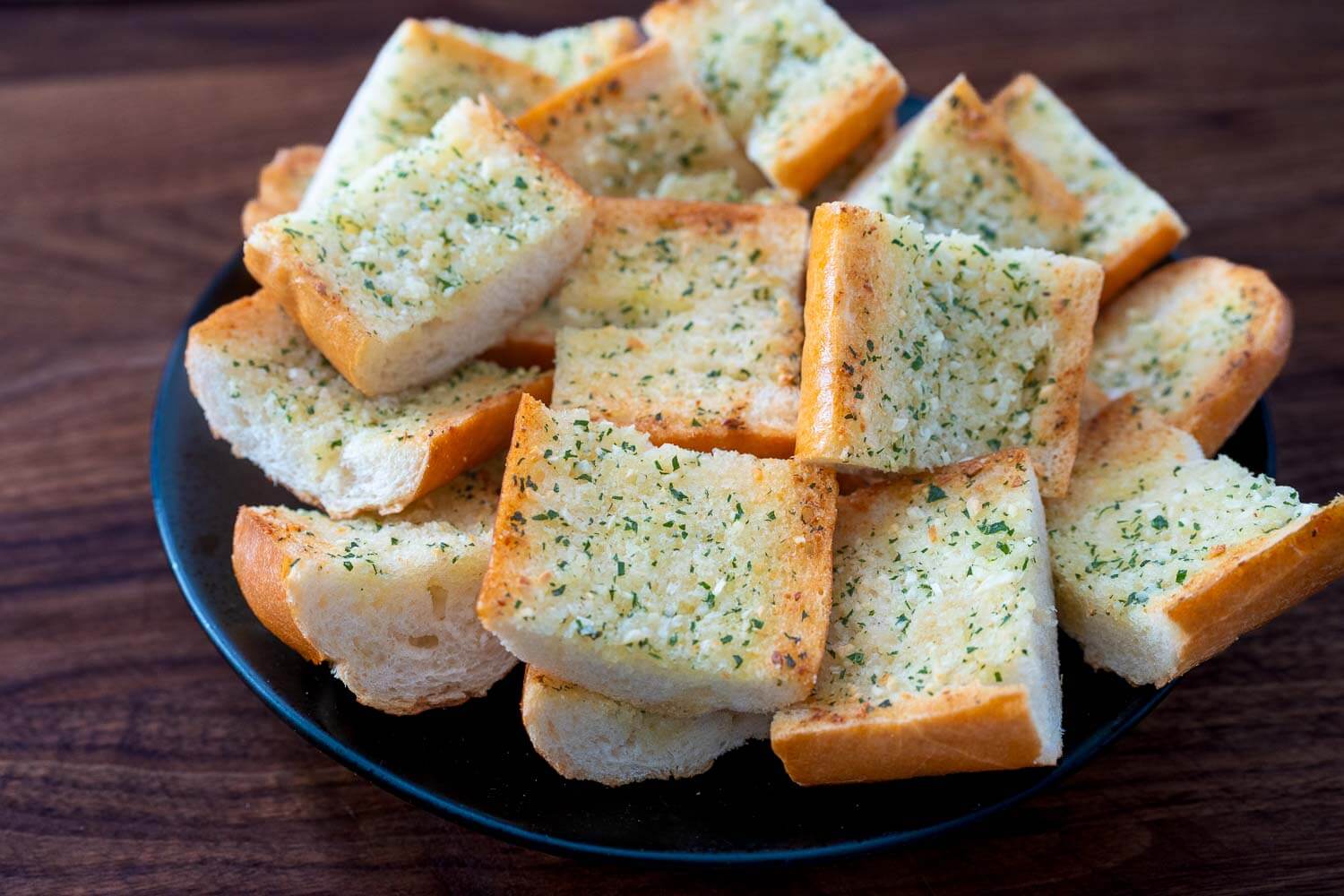
I started making garlic bread at home when the kids were younger. We had pasta often back then, and I used to buy those frozen garlic bread loaves from the grocery store once in a while. They were okay, but after making my own a few times, I just kept doing it this way. Fresh garlic, real butter, and a soft loaf of French bread make a big difference.
I still make this here in Tampa whenever we have spaghetti, meatballs, or any pasta with red sauce. It is an easy side dish, but it makes the meal feel more complete. This is the version I have been making for years, and sometimes there is nothing left after dinner. I guess everyone is either really hungry, or they just like it that much.
What is Garlic Bread?
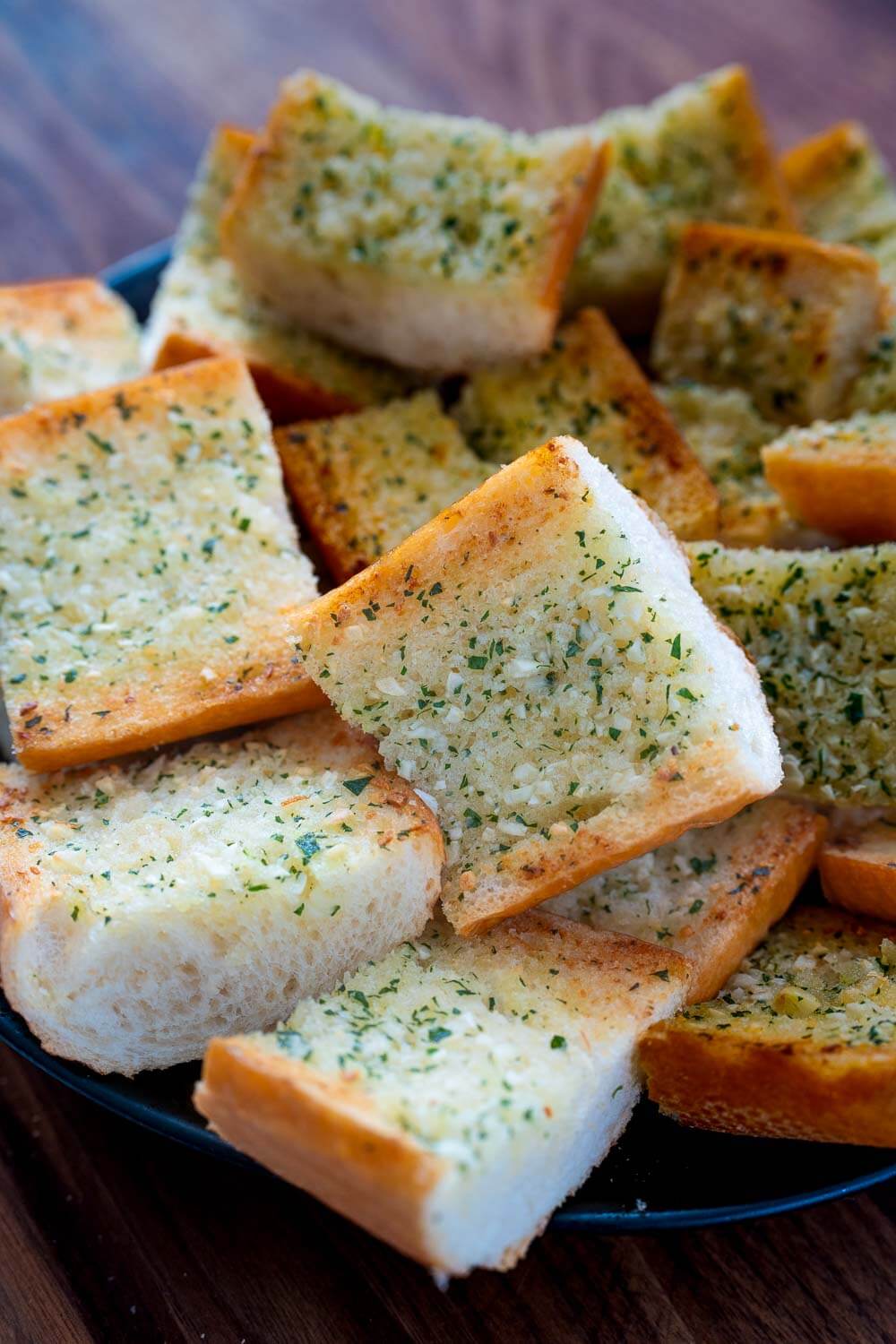
Garlic bread is an Italian-American side dish made by spreading butter, fresh garlic, and herbs over a loaf of crusty bread, then baking it until the edges are crisp and the butter melts into the crumb. It comes from Italian bruschetta, which is toasted bread rubbed with raw garlic and drizzled with olive oil. When Italian immigrants came to the US, olive oil was hard to find, so they used butter instead, and that is the version we know today.
Why This Recipe Works
A few small things make this come out right.
- Soft butter spreads to the edges. Cold butter tears the bread and leaves dry spots. I let mine sit on the counter while I prep dinner so it spreads easily by the time I am ready.
- Fresh garlic, not powder. The flavor goes right into the butter as it sits, and that is what makes each bite taste better.
- A little olive oil in the spread. I add olive oil because it loosens the butter and helps it spread, and it keeps the butter from browning too fast.
- Slice the loaf lengthwise. This is what gives you the crisp edges and soft center at the same time. Slicing into rounds first does not work as well.
- Short bake at moderate heat. Long enough to crisp the edges, short enough that the inside stays soft. Any longer and the bread starts to dry out.
Ingredients
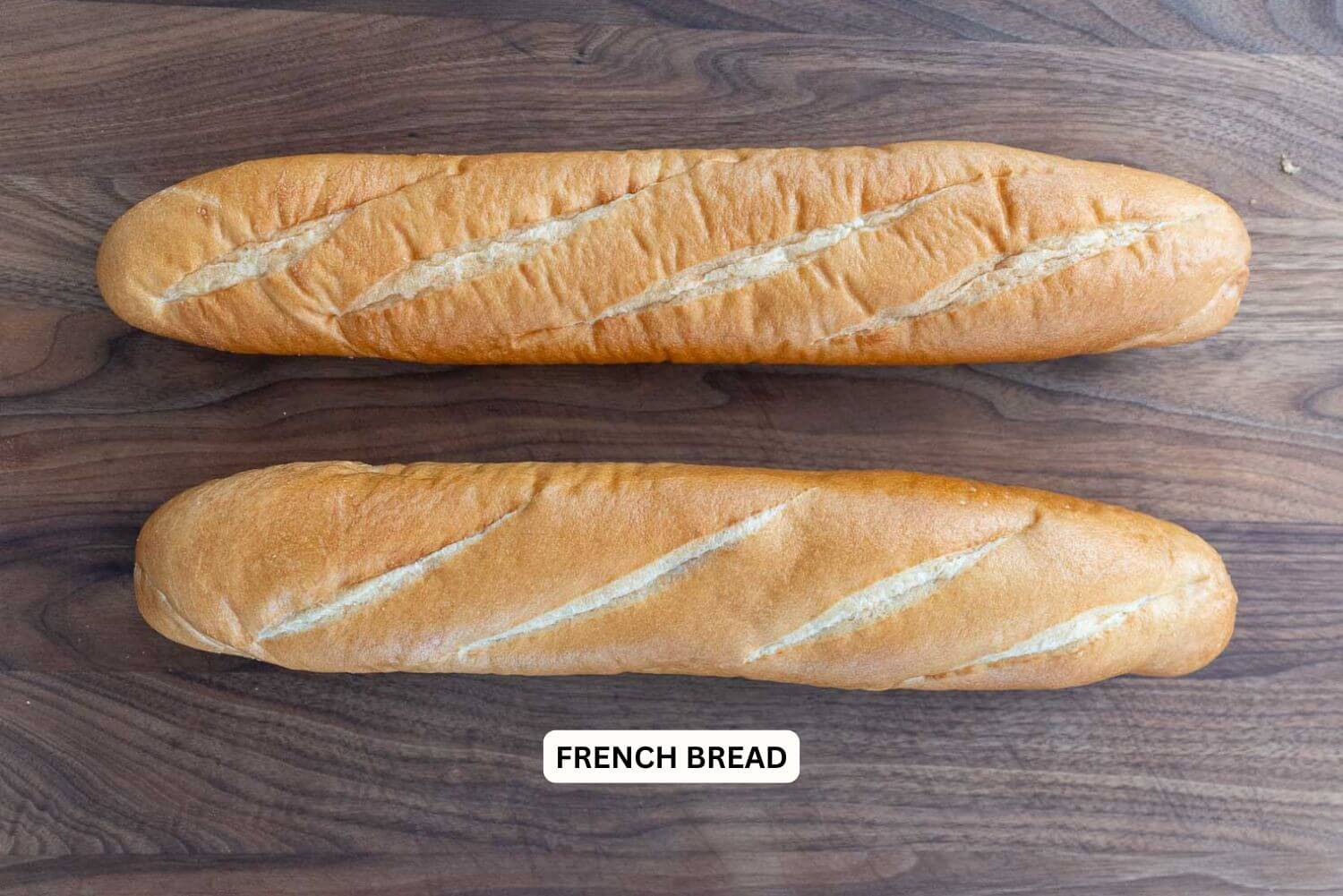
- French bread – Soft loaves cut lengthwise and crosswise. The light crumb soaks up the butter without getting tough.
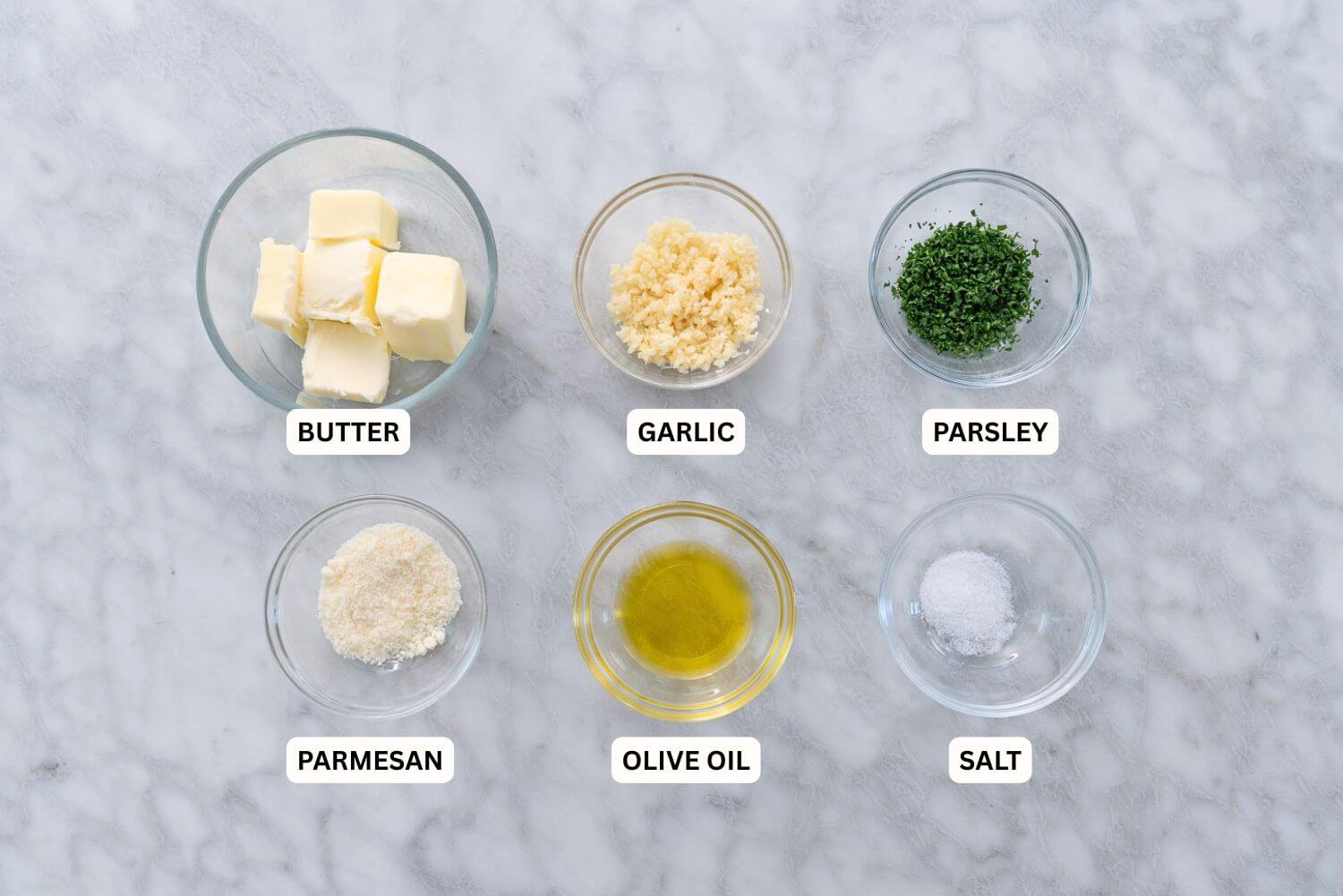
- Unsalted butter – Softened at room temperature. I prefer this over salted butter so that I can adjust the saltiness, if in case other salty ingredients are added, such as Parmesan cheese.
- Garlic cloves – Fresh and finely minced. I do not use the jarred minced garlic if I can help it. The flavor is not the same.
- Fresh parsley – Minced. Flat-leaf is what I use.
- Parmesan cheese – Grated and mixed into the butter.
- Extra virgin olive oil – A small amount in the spread.
- Fine salt – A pinch in the butter mix.
Vanjo’s Advice
A few things I do every time:
- Pull the butter out an hour before I start. Cold butter is the main reason the bread spreads unevenly, so I just leave the stick on the counter while I am prepping dinner. If I am in a hurry, I cut it into thin pats so it softens faster.
- Mince the garlic with a knife, not a press. A press turns the garlic into paste, and paste burns in the oven before the bread is done. Knife-minced garlic toasts lightly and stays nice.
- Spread the butter all the way to the edges. I used to leave a thin border around the edge thinking it would burn otherwise, but the opposite happens. The bare edges dry out and get hard. Now I push the butter right to the crust on every side.
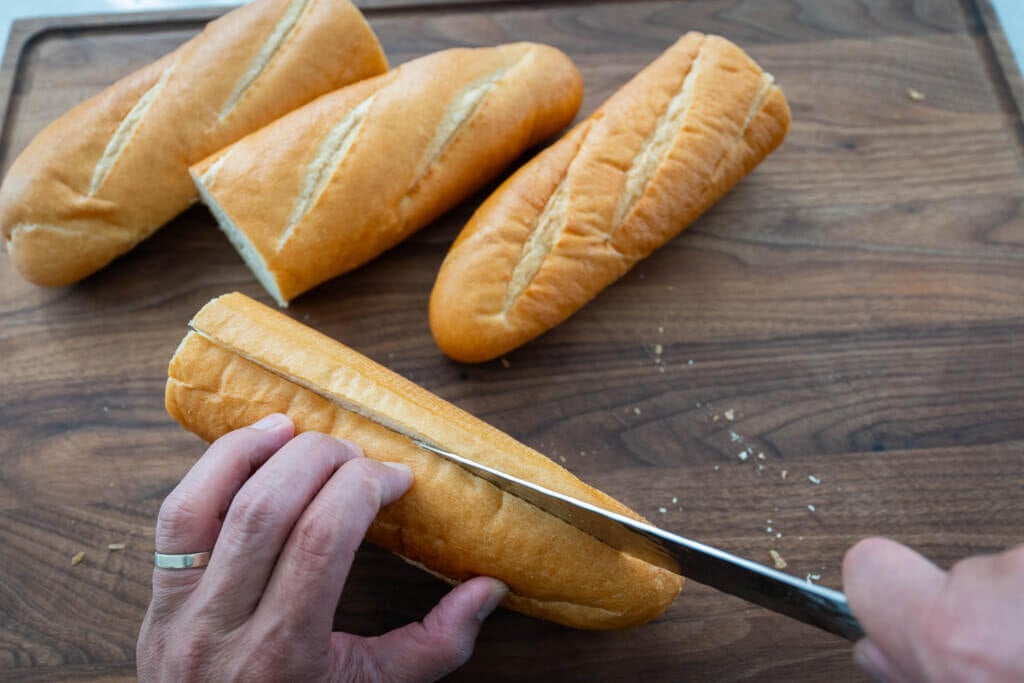
- Use a serrated knife to slice the loaf. A regular knife crushes the bread when you press down, but a serrated knife saws through the crust without flattening the soft middle.
- I watch the bread, not the timer. It can go from golden to too dark in less than a minute, so I set my timer for eight minutes and stand by the oven from there. I pull it out the second the edges look right.
- I add cheese at the end if I want a cheesy version. I sprinkle mozzarella on top in the last two minutes so it melts without burning
How to Cook Garlic Bread
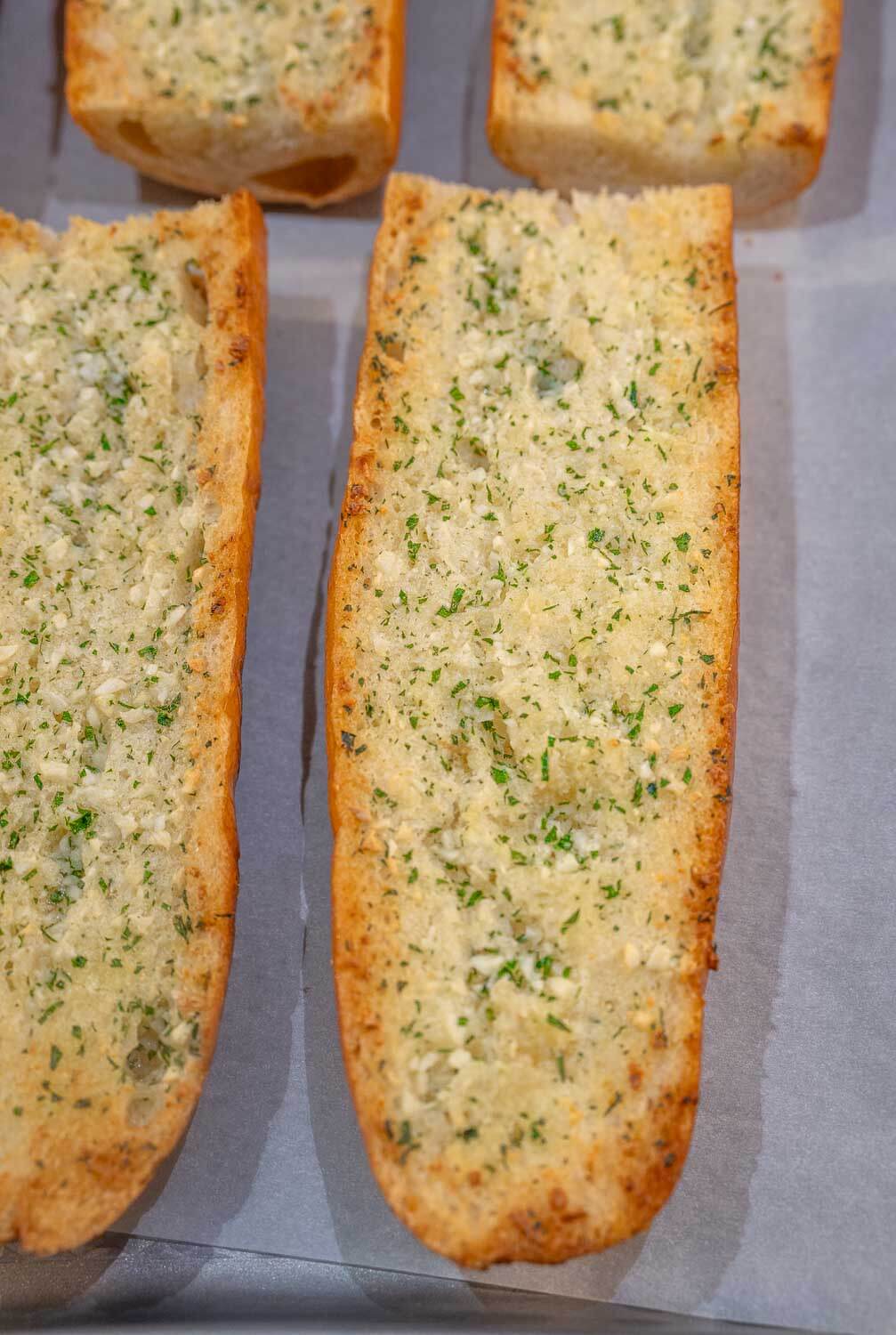
I take it one step at a time and the bread is on the table in under twenty minutes.
Make the Garlic Butter
- Preheat the oven to 375°F.
- Combine the softened butter and minced garlic in a bowl.
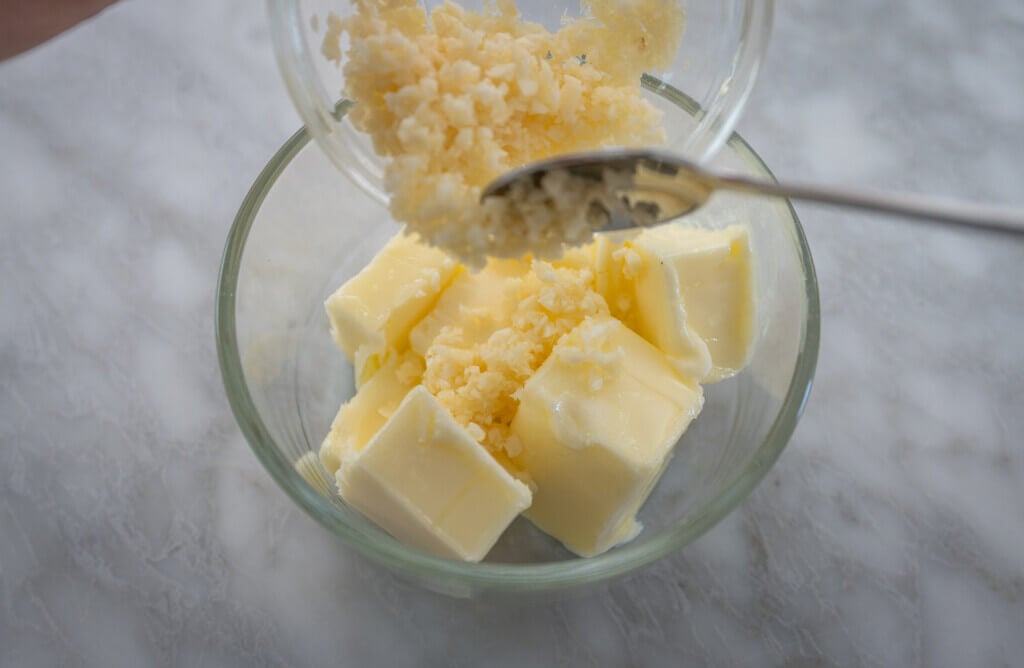
- Add the Parmesan cheese, parsley, salt, and olive oil.
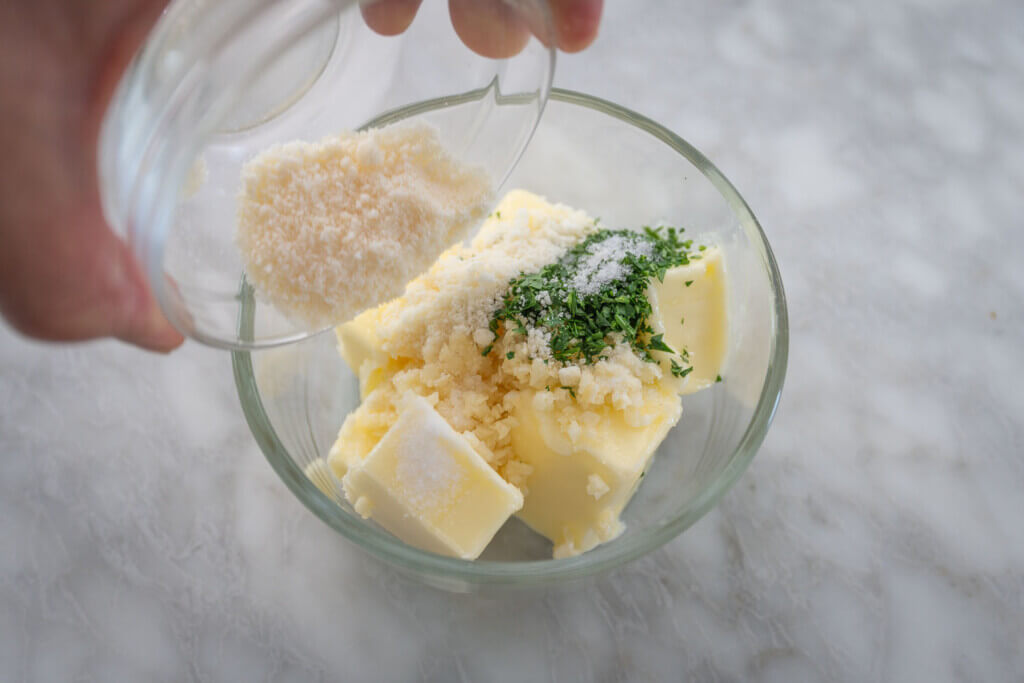
- Mix until all the ingredients are well blended.
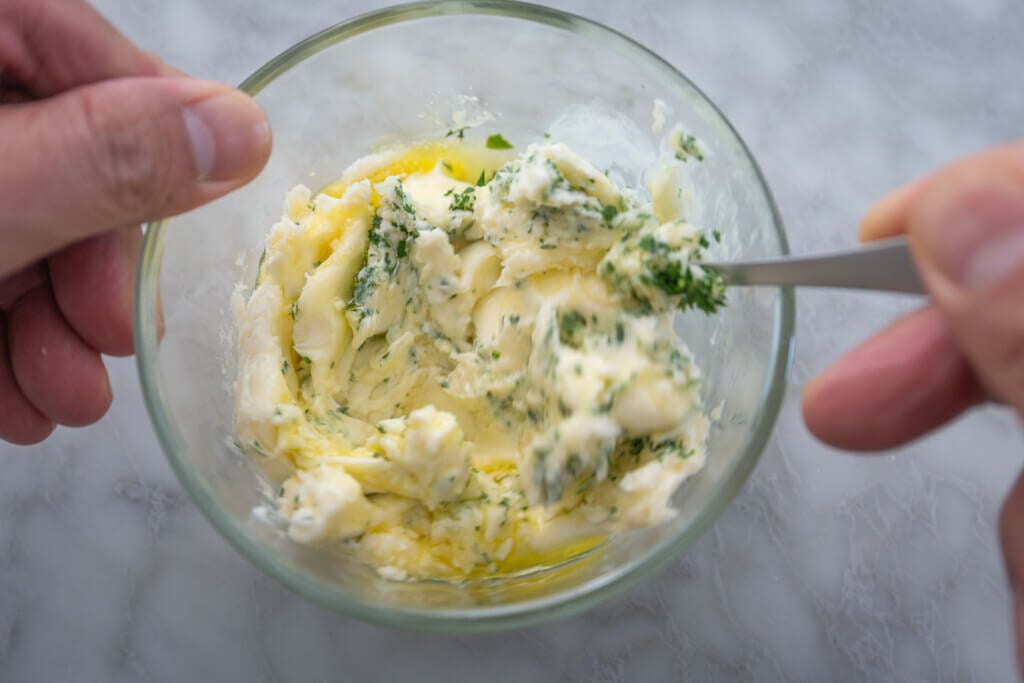
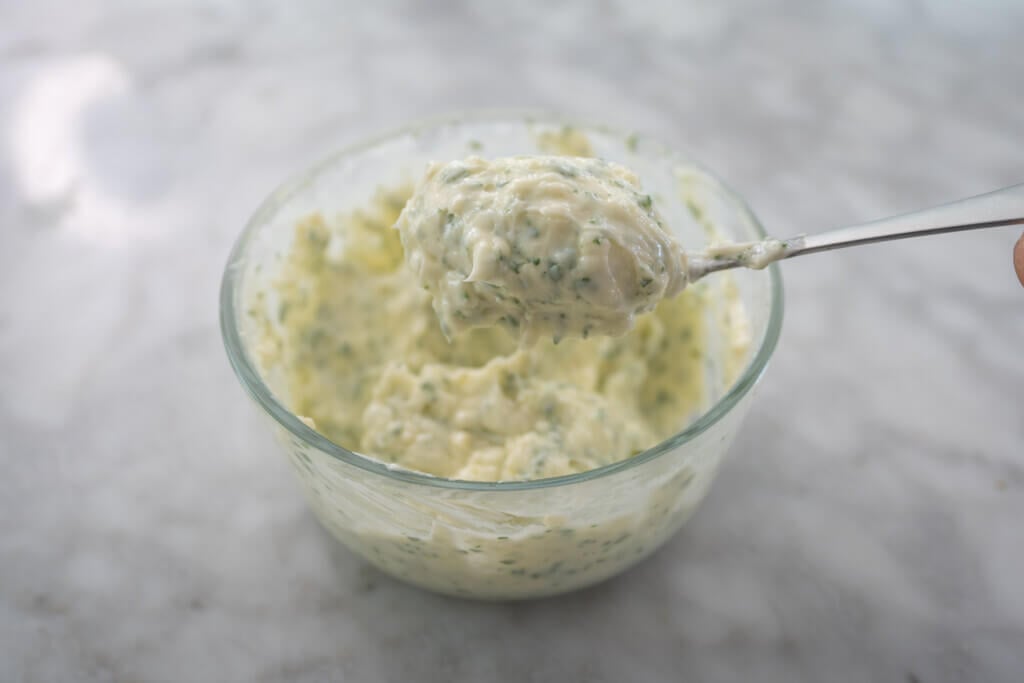
The butter should look smooth with green flecks of parsley evenly mixed through.
Prepare the Bread
- Slice each loaf of French bread crosswise.
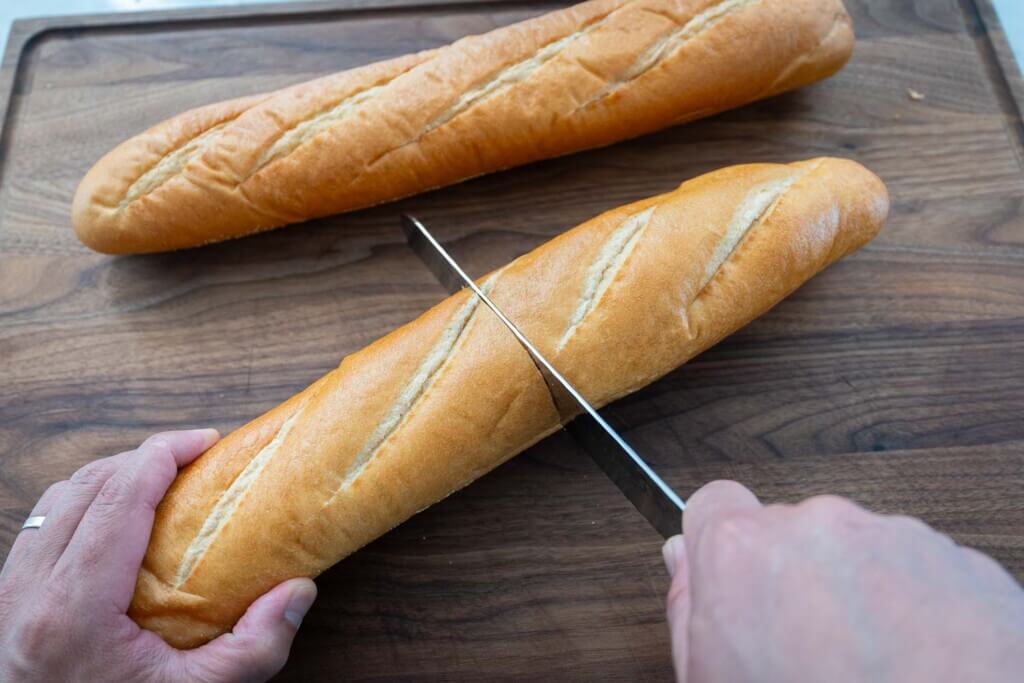
- Slice each piece lengthwise in half.
- Divide the garlic butter mixture evenly among the bread slices.
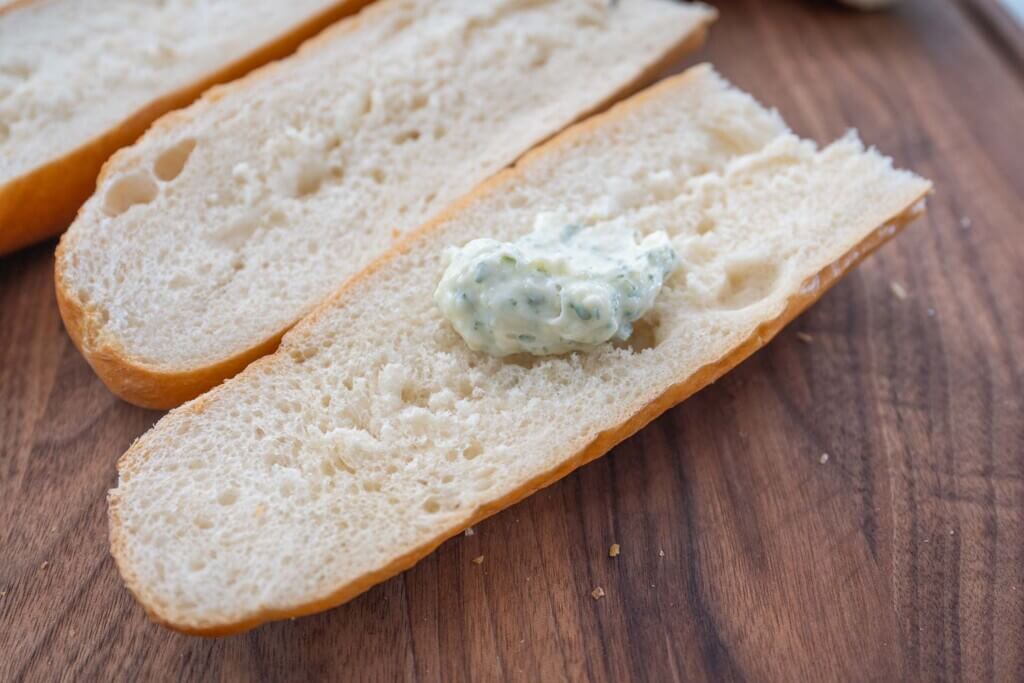
- Spread it all the way to the edges.
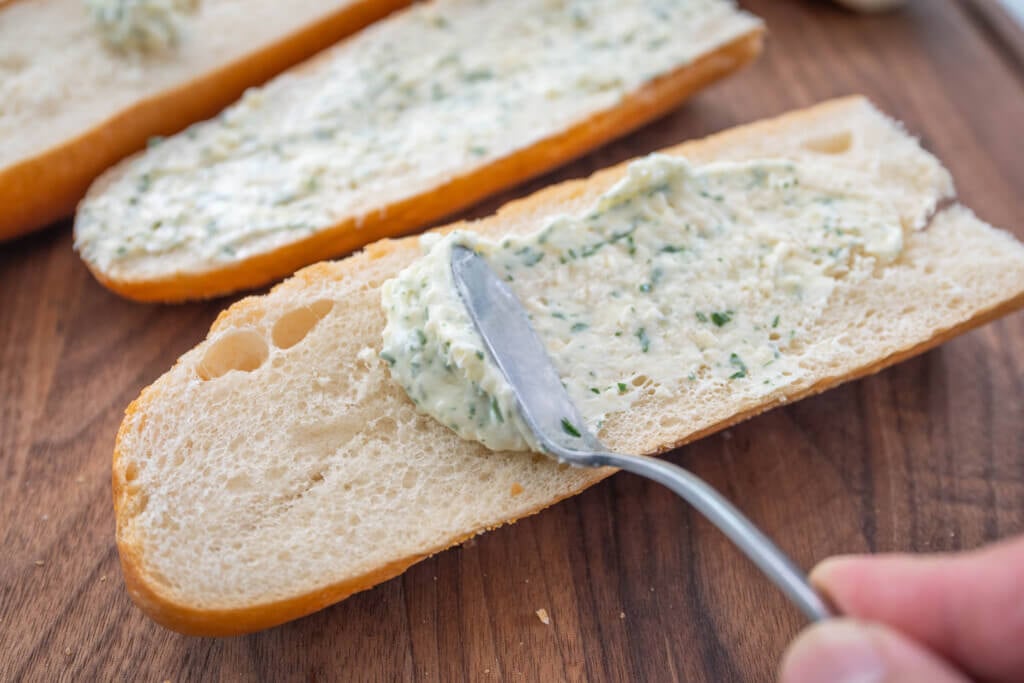
- Line a baking tray with parchment paper and arrange the buttered bread on top, butter side up.
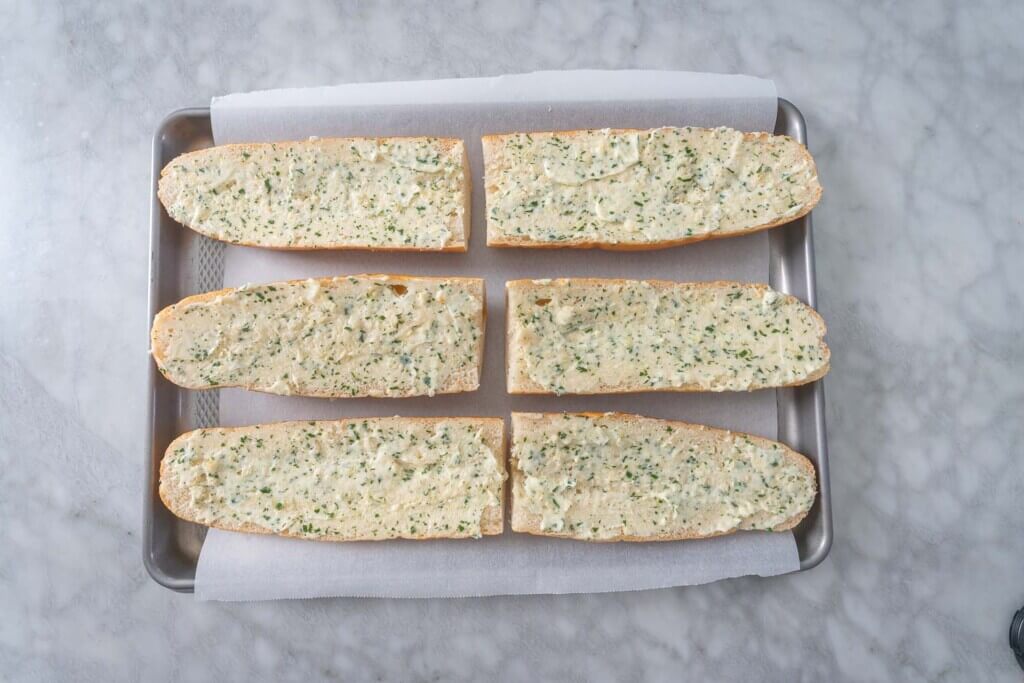
I make sure the butter goes all the way to the edges. That is the difference between dry crust and crisp, golden edges.
Bake and Serve
- Bake for 9 to 10 minutes, or until the edges turn lightly crisp and the butter melts into the bread.
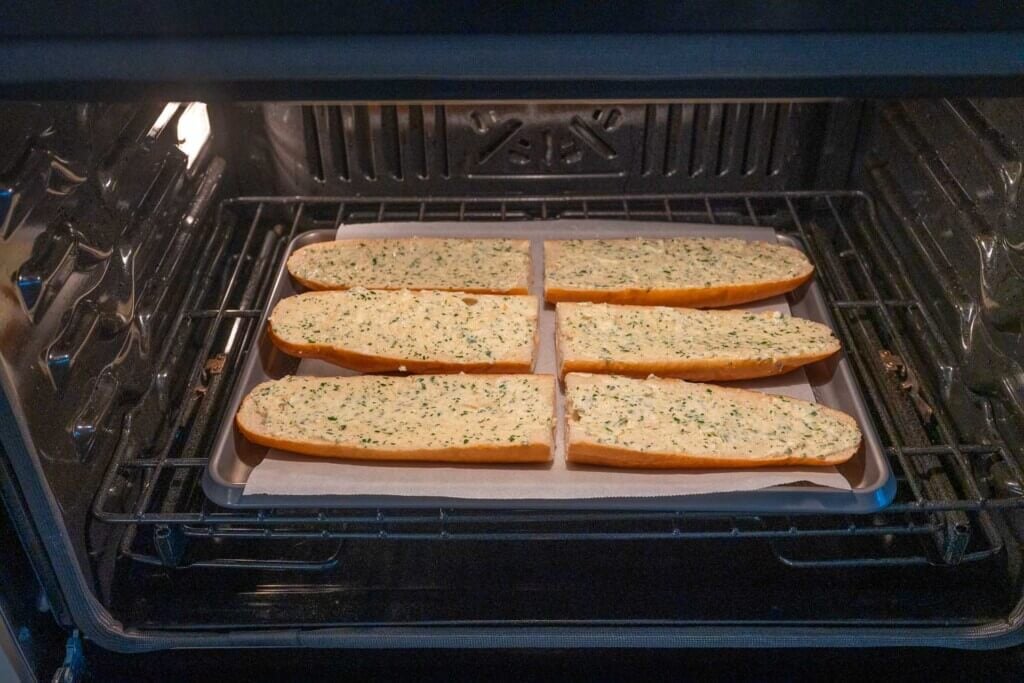
- Remove from the oven and let it cool for a few minutes.
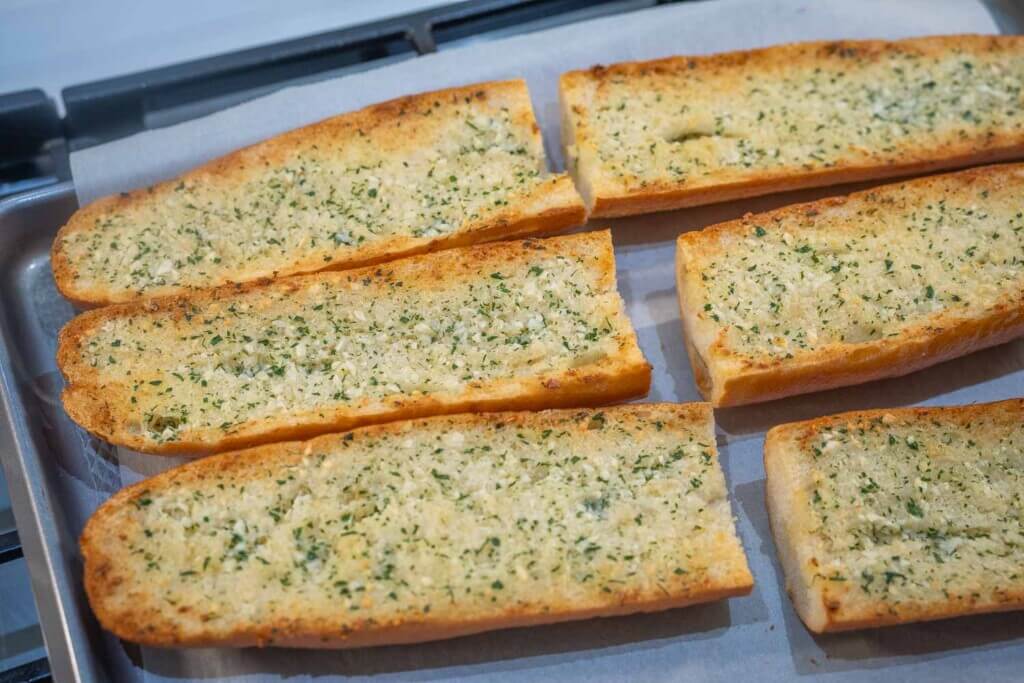
- Slice into serving pieces.
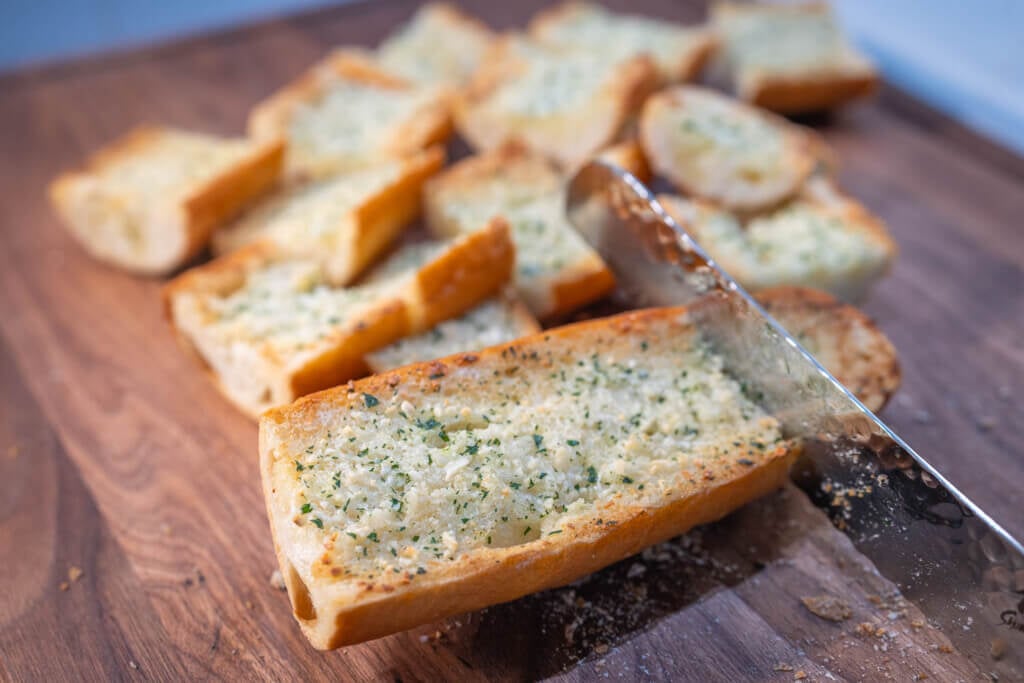
- Serve warm as a side for pasta.
The bread firms up a little as it cools, which makes it easier to slice cleanly.
What to Serve with Garlic Bread
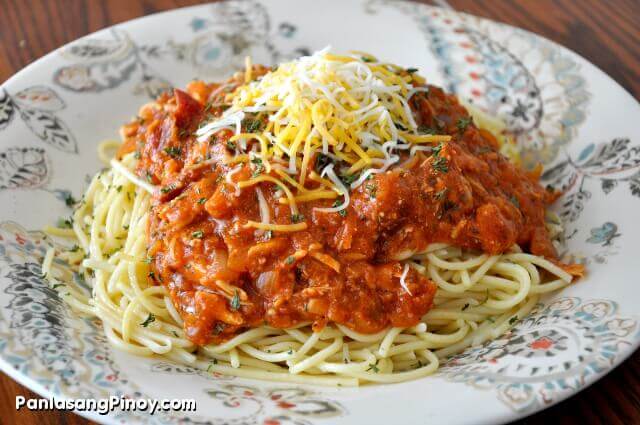
- Spaghetti Carbonara – The cream sauce and the buttery, garlicky bread go really well together. This is the combination I make most often.
- Homemade Lasagna – I always put a few slices on the table when we have lasagna. The bread is good for picking up sauce that escapes the layers.
- Broccoli Cheddar Soup – A crusty slice is good for dipping into a creamy cheese soup.
- Chicken Noodle Soup – A bowl of chicken noodle soup with a slice on the side is plenty for dinner.
- Caesar Salad – Crisp lettuce and Parmesan dressing balances the warm, buttery bread.
- Marinara sauce for dipping – I sometimes put a small bowl of warm marinara on the table to use as a dip if we are skipping the pasta.
Storage
Leftovers are rare in our house, but you can store this if you have extra.
- Refrigerator: I keep cooled leftovers at room temperature for about a day, or in the fridge in an airtight container for up to three days. To reheat, I wrap the bread in foil and warm it at 350°F for about ten minutes.
- Freezer: I spread the garlic butter on the bread but do not bake it. I wrap each piece tightly in plastic, put it in a freezer bag, and freeze it for up to three months. When I am ready to serve, I bake it straight from frozen at 375°F and add three to five minutes to the bake time.
- Reheating: Foil-wrapped in a 350°F oven for ten minutes brings back the crisp edges. The microwave works, but the bread comes out chewy.
More Italian-American Recipes
- Easy Meatballs – Baked meatballs you can serve with pasta or eat as a snack.
- Chicken Parmesan – Breaded chicken breast baked with marinara and mozzarella.
- Chicken Alfredo – Fettuccine in a creamy Parmesan sauce with pan-fried chicken.
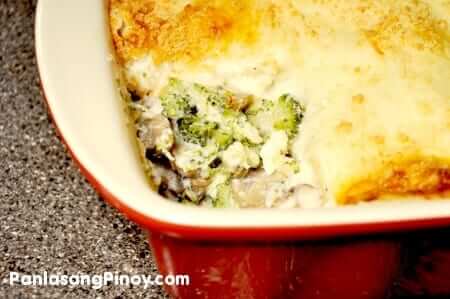
- Baked Spaghetti – A casserole-style spaghetti baked with béchamel and cheese.
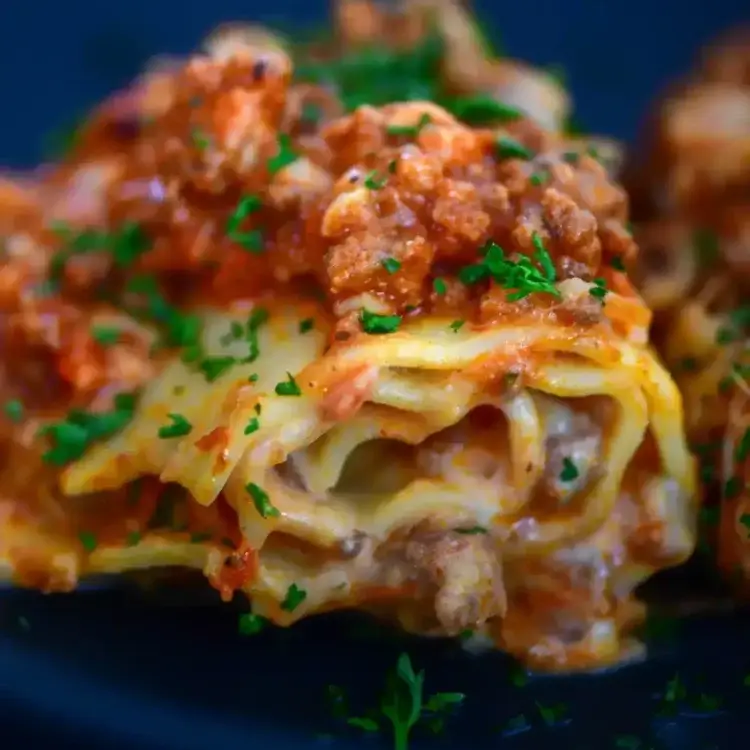
- Lasagna Roll-Ups – Individually rolled lasagna with meat sauce and cheese.
- Creamy Pasta Carbonara – Filipino-style carbonara with mushrooms and Cream of Mushroom soup.
- Creamy Seafood Pasta – Linguine with shrimp, scallops, mussels, and clams in white sauce.
Substitutions
- French bread – Italian bread, ciabatta, or a baguette all work. French bread has a soft crumb and that is what I prefer. A baguette gives a crisper texture, and ciabatta has bigger air pockets and a chewier bite.
- Unsalted butter – Salted butter is fine, but I skip the added pinch of salt if I am using it.
- Fresh garlic – I use about one teaspoon of garlic powder for every two cloves of fresh garlic when that is what I have. The flavor is milder, but it works.
- Fresh parsley – Dried parsley works. I use one teaspoon of dried for every tablespoon of fresh.
- Parmesan cheese – Pecorino Romano or Asiago can replace Parmesan. For a cheesy version, I top it with shredded mozzarella in the last two minutes of baking.
- Extra virgin olive oil – Regular olive oil is fine. The point of the oil is to keep the butter from burning, so you do not need anything fancy.
Frequently Asked Questions
Can I use garlic powder instead of fresh garlic?
Yes, you can. I use about one teaspoon of garlic powder for every two cloves of fresh garlic when fresh is not available. Fresh garlic is sharper because the natural oils release into the butter, but garlic powder works and saves a couple of minutes of mincing.
What is the best bread for garlic bread?
Soft French bread is what I use. The light crumb soaks up the butter and the crust crisps up nicely in the oven. Italian bread works the same way. A baguette gives you a crispier texture if that is what you prefer, but it does not have as much soft middle. Ciabatta has bigger air pockets and a chewier bite. I would skip pre-sliced sandwich bread because it falls apart.
Can I make garlic bread ahead of time?
Yes. I mix the garlic butter and spread it on the bread up to a day in advance, then wrap the prepared loaves tightly in plastic or foil and store them in the fridge. When I am ready to serve, I unwrap and bake as directed, but I add two or three extra minutes since the bread is going in cold.
How do I freeze garlic bread?
I spread the garlic butter on the bread but do not bake it. I wrap each piece tightly in plastic, put it in a freezer bag, and freeze it for up to three months. When I am ready, I bake it straight from frozen at 375°F and add three to five minutes to the bake time. No need to thaw.
Can I add cheese to make cheesy garlic bread?
Yes. I sprinkle about half a cup of shredded mozzarella or a quarter cup of grated Parmesan on top of the bread in the last two minutes of baking. Adding the cheese at the end keeps it from burning and gives me a melty top.
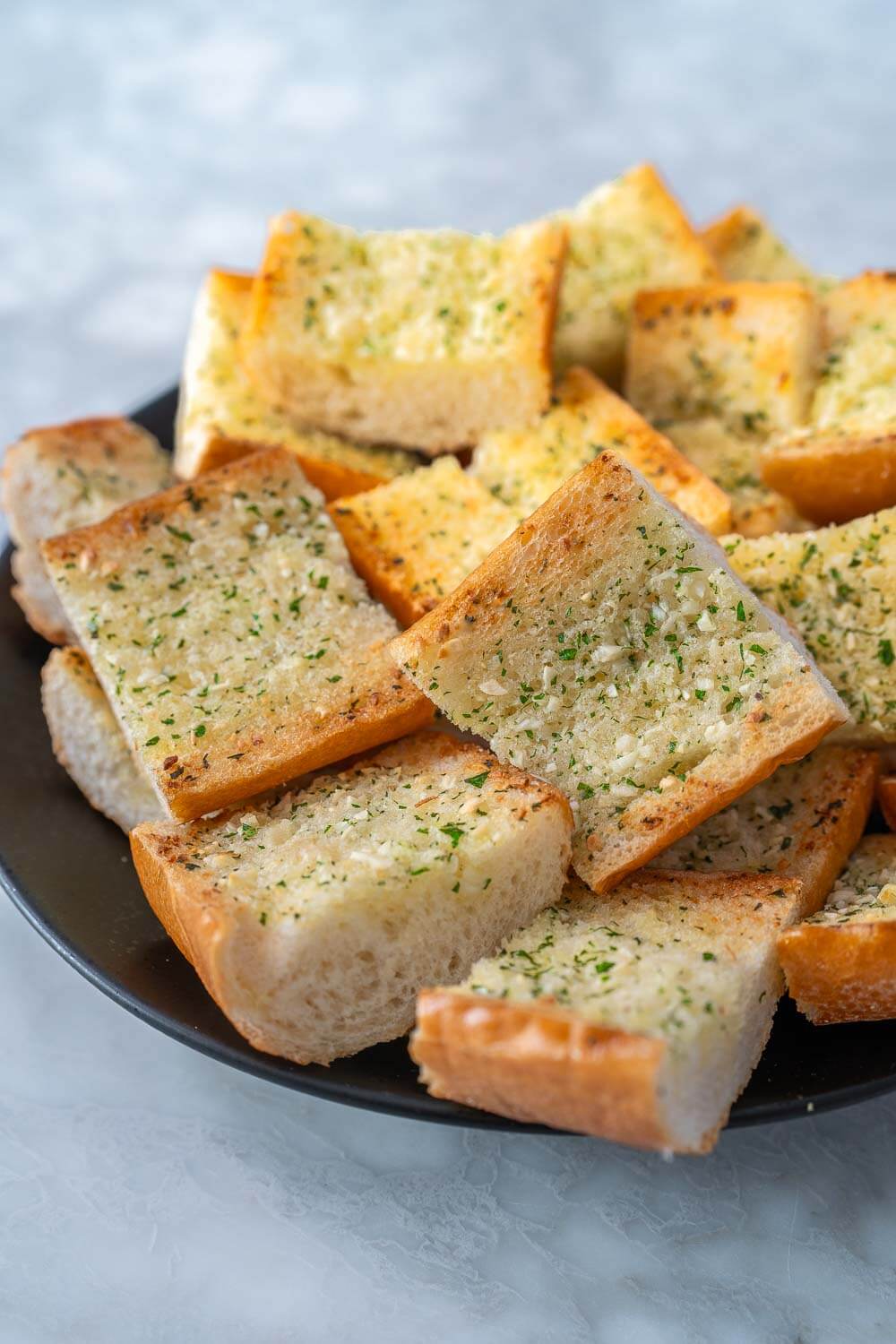
This is simple, but it always works. Make it the next time you cook pasta at home and let me know what you think. The kids really enjoy this one, and I have a feeling your family will too.
Did you make this? If you snap a photo, please be sure tag us on Instagram at @panlasangpinoy or hashtag #panlasangpinoy so we can see your creations!
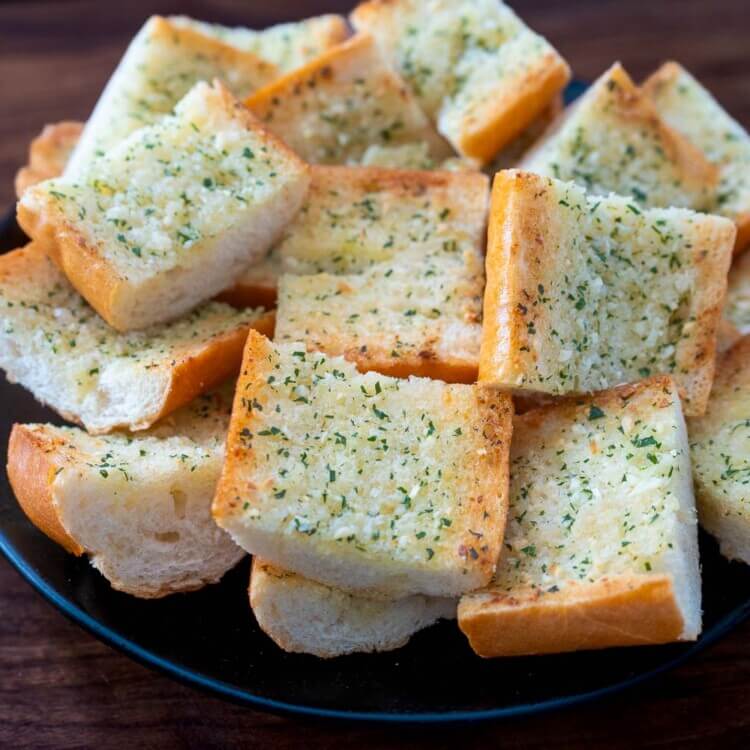
Garlic Bread
Ingredients
- 2 loaves French bread
- 10 tablespoons unsalted butter softened
- 6 cloves garlic minced
- 2 tablespoons parsley minced
- 1 tablespoon Parmesan cheese grated
- 1 tablespoon extra virgin olive oil
- 1/4 teaspoon fine salt
Equipment
- 1 Baking tray Half sheet pan size works well for two loaves.
- 1 Parchment Paper Keeps the bread from sticking and makes cleanup easier.
- 1 Mixing bowl For combining the garlic butter mixture.
- 1 Serrated Knife Slices through the crust without crushing the soft middle.
Instructions
- Preheat the oven to 375°F.
- Combine the softened butter and minced garlic in a bowl.10 tablespoons unsalted butter, 6 cloves garlic
- Add the Parmesan cheese, parsley, salt, and olive oil. Mix until all the ingredients are well blended.2 tablespoons parsley, 1 tablespoon Parmesan cheese, 1 tablespoon extra virgin olive oil, 1/4 teaspoon fine salt
- Slice each loaf of French bread crosswise, then slice each piece lengthwise in half.2 loaves French bread
- Divide the garlic butter mixture evenly among the bread slices and spread it all the way to the edges.
- Line a baking tray with parchment paper. Arrange the buttered bread on top.
- Bake for 9 to 10 minutes, or until the edges turn lightly crisp and the butter melts into the bread.
- Remove the garlic bread from the oven and let it cool for a few minutes.
- Slice into serving pieces.
- Serve as a side for pasta.
mj says
can i use garlic powder sir?
hera says
Thank you for this! i always wondered how to make garlic breads. Your site has been very informative and very useful. Keep up the good work sir 🙂