History of Filipino Food and Recipes
Ever wondered how your favorite Filipino recipes came about? Noticed how the cooking methods and use of ingredients in one region differ from the other? Have you seen similarities of Filipino Food with dishes from other countries?
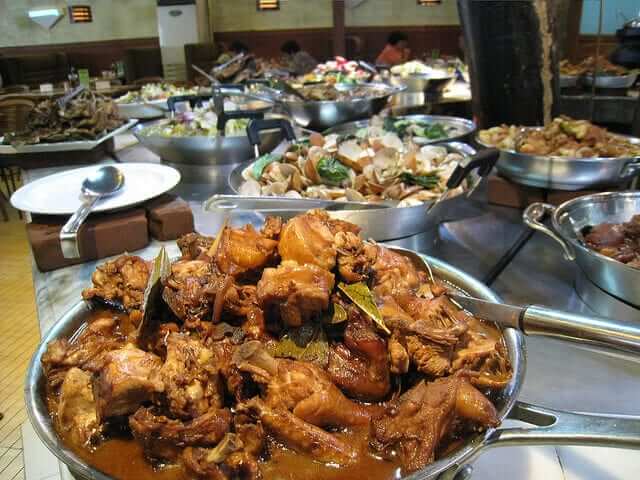
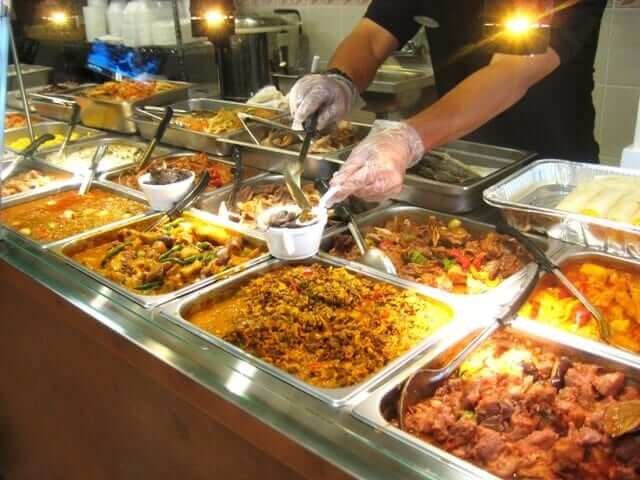
There are a lot of questions to ask regarding the origin of Filipino Food but I think that it would really help if we first define what Filipino Food is. So, how do we define it? We all know that it comes in different names such as: Filipino food, Pinoy food, Pagkaing Pinoy, Pinoy dishes, Filipino dishes, Lutong Bahay (though this is general). Whatever term we use, Filipino foods (in my opinion) can be any of the following:
- Foods that are native to the Philippines (Authentic Filipino food)
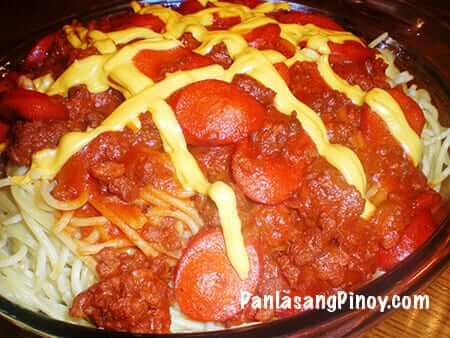
- Variation of foreign foods modified to suit the Filipino taste (e.g. Pinoy Spaghetti).
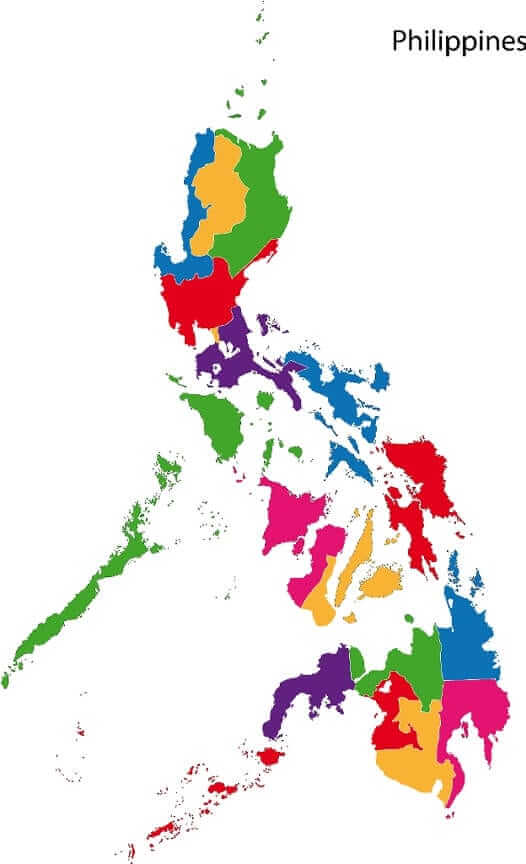
Our food is like us (the Filipinos), diverse in many ways. During the pre-Hispanic period, nearby countries (located south) like Malaysia, Brunei, and Indonesia influenced the manner of food preparation in some Southern Philippine islands. The use of spices such as curry, cumin, and paprika plus the method of cooking meat in coconut milk were just some of it.
During the Spanish colonization, Filipinos learned to eat Spanish food and use different kinds of spices (as taught during our history classes, the Philippines was accidentally discovered while Magellan was searching for the spice island of Moluccas). This was also the start of the spice trade between Spain, the Philippines, and Tidorein Maluka (present day Moluccas).
The Chinese also traded with the Filipinos as early as the 15th century (remember Quiroga in El filibusterismo?). This was the time when Chinese food was introduced. Along with the Chinese were other traders such as the Arabs and Indians which also left some influences. Later on, Americans came and introduced American food which was welcomed and immediately embraced by the Filipinos.
Indeed, the Philippines has a very rich history. Along with the history are the rich food brought about by the influences of different cultures. Let our food introduce our culture to the rest of the world. That is my ultimate goal. Are you with me?
Mrs. Fuhs says
I have a research paper about filipino dessert – Halo-halo history. Can you help me out? Any book or websites you can suggest?
Genevieve says
Hi! I’m doing a research on history of Filipino cuisine. Can you suggest any books I can use to find more info about this? Your blog is very good but unfortunately, I can’t use it as a source. 🙁
Thanks for your help.
Genevieve
harry says
wow me are having a reseach too can you help us where we can find a topic about influences of american spanish chinese to filipino dishes
thank you!
elaine grace says
me too.i’m researching abt. filipino cuisine. is anyone can give us details and ideas?
Mike Julius says
ako rin po. 🙂
rino says
i’ve worked abroad most of my adult life and my coworkers say that pinoy foods are not too spicy, not too sweet, not too bland. just right. perfect!
lalo na daw ang adobo with lots of onion slices eaten with mainit na kanin! yum yum!
Panlasang Pinoy says
Thanks Elmer!
beancounter says
i’m with you pare!