A Brief Discussion About Culinary Arts
The simple answer is that culinary arts is the practice of food preparation. That’s it. But honestly, that definition doesn’t do it justice because culinary arts is actually way broader and more interesting than just cooking.
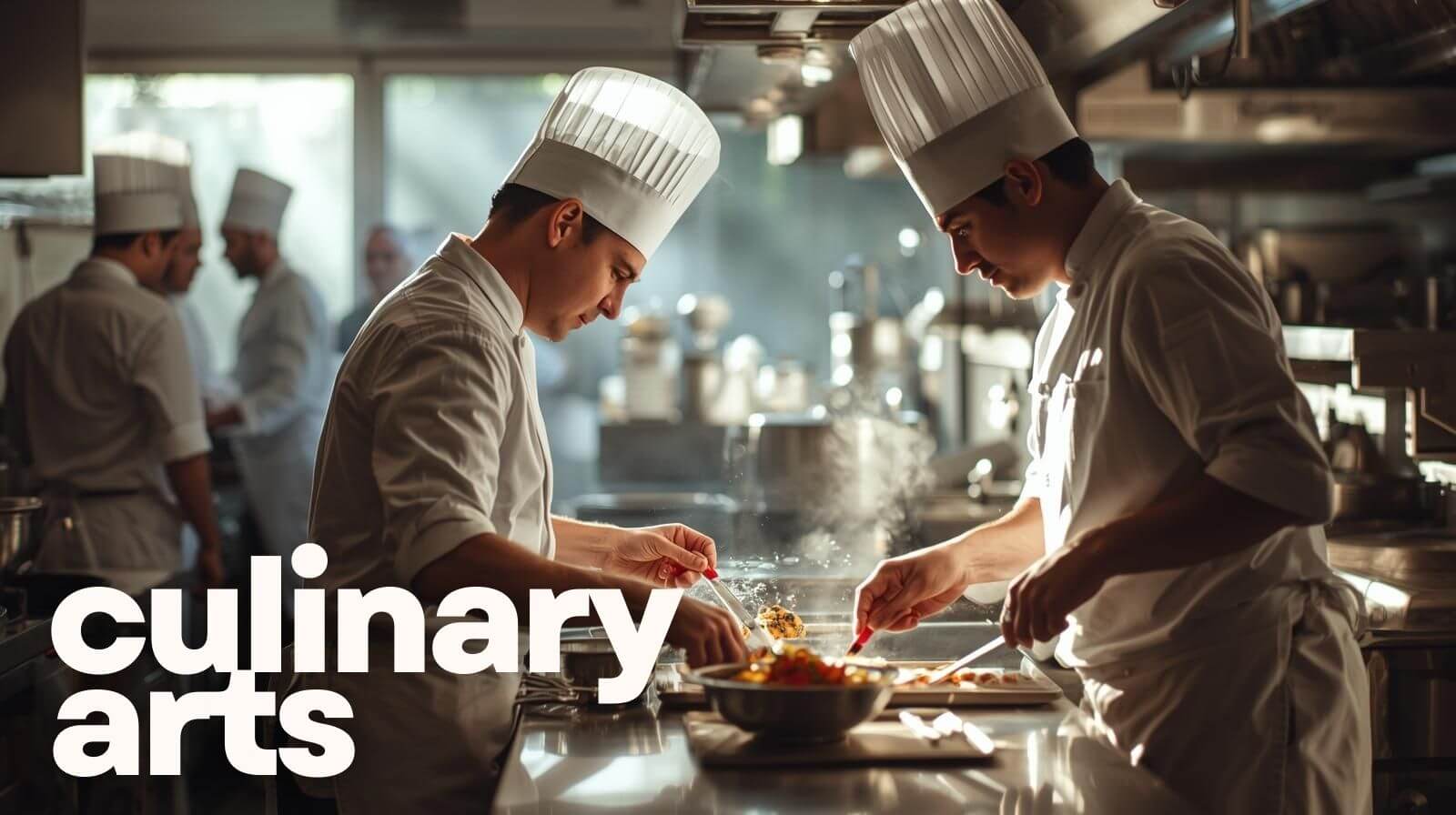
After running Panlasang Pinoy for over 15 years and working in the food industry, I’ve learned that culinary arts touches everything from how food is grown to how it’s photographed. Let me break it down for you in a way that actually makes sense.
What Culinary Arts Actually Covers
When most people hear “culinary arts,” they immediately think of cooking. And yes, food preparation is the biggest part of it, but there’s so much more:

- Food Preparation and Cooking is obviously the core. This is everything from basic knife skills to advanced techniques like sous vide or molecular gastronomy. It’s learning how to properly sear a steak, make a perfect roux, or balance flavors in a dish.
- Menu Planning involves creating balanced, appealing menus that work for both the customer and the kitchen. You need to think about costs, seasonal ingredients, dietary restrictions, and how dishes pair together.
- Food Styling and Plating is basically edible art. This is about making food look as good as it tastes. Think about those gorgeous Instagram-worthy dishes you see at nice restaurants.
- Nutrition and Diet knowledge is increasingly important. Chefs today need to understand macronutrients, allergens, and special diets like keto, vegan, or gluten-free.
- Restaurant and Hotel Kitchen Management (sometimes called Culinary Management) covers the business side. This includes inventory control, staff management, food costing, and keeping a kitchen running smoothly.
- Food Photography has become huge, especially with social media. Being able to shoot your dishes well can make or break a restaurant or food blog these days.
And that’s just scratching the surface. There’s also food safety, beverage pairing, food history, and even food writing.
The Science Behind the Art

Here’s something that surprises a lot of people: culinary arts isn’t just about creativity and taste. There’s a ton of science involved.
I’ll be honest, science was never my strongest subject in school. But when you start cooking professionally, you realize that understanding the science makes you a way better cook.
Why does adding acid to milk make it curdle? What happens to proteins when you apply heat? Why does salt enhance flavor beyond just making things salty? These are all chemistry questions that have real applications in the kitchen every single day.
The good news is that you don’t need to be a chemist to cook well. Most of the science gets taught naturally through cooking techniques when you attend culinary school or work under experienced chefs. You learn by doing, and the “why” becomes clear through practice.
What About Professional Chefs?
You’ve probably seen chefs in restaurants wearing those tall white hats (they’re called toques, by the way). These folks are considered experts in culinary arts, and there’s actually a whole hierarchy in professional kitchens.

The chef system goes from executive chef at the top, down through sous chefs, station chefs, line cooks, and prep cooks. Each role has specific responsibilities and requires different skill levels. I’ll dive deeper into kitchen hierarchy in a future post because it’s actually pretty fascinating.
Now, do you need formal culinary training to become a chef? Not necessarily. There are plenty of successful self-taught chefs out there. But I’ll be straight with you: becoming a professional chef is a lot easier if you get proper training.
A formal culinary arts education gives you:
- Structured learning of fundamental techniques
- Understanding of food science and safety
- Experience in different cooking styles and cuisines
- Knowledge of kitchen management and operations
- Professional connections and networking opportunities
- Credentials that help you get hired
That said, some of the best cooks I know learned by working their way up through restaurant kitchens, starting as dishwashers or prep cooks and learning from experienced chefs. Both paths can work.
My Take on Culinary Arts
After all these years creating recipes and teaching people how to cook Filipino food, I’ve come to appreciate how deep and varied culinary arts really is.

When I started Panlasang Pinoy, I was focused purely on sharing recipes. But over time, I’ve learned about food photography, food styling, menu planning, nutrition, and even the business side of food blogging. All of that falls under the umbrella of culinary arts.
The beauty of culinary arts is that there’s always something new to learn. Food trends change, techniques evolve, new ingredients become available. Whether you’re a professional chef, a home cook, or someone who just loves food, there’s room to grow.
If you’re thinking about pursuing culinary arts professionally, my advice is to start cooking and keep cooking. Take classes if you can. Work in restaurants. Watch cooking videos. Read about food. Try different cuisines. The more you expose yourself to different aspects of food, the better you’ll understand what draws you in.
Want to Learn More?
I’ve written several other articles about culinary careers and education that you might find helpful:
- Culinary Arts Degrees – What types of degrees are available and which one is right for you
- 7 Ways to Become a Successful Chef – Practical advice for anyone wanting to work professionally
- Bachelor’s Culinary Arts Degree – Is a four-year degree worth it?
And of course, if you’re just here because you love cooking and want to get better at it, you’re in the right place. That’s exactly why I created Panlasang Pinoy in the first place.
Let’s Connect
I originally wrote this article to create a space where readers could connect and help each other with culinary questions. I know there are professional chefs, culinary students, and passionate home cooks reading this blog.
If you have questions about culinary arts, cooking techniques, or anything food-related, drop a comment below. Someone in our community might have the answer you’re looking for. And if you’re a culinary professional with knowledge to share, please jump in and help out.
We’re all here because we love food. Let’s learn from each other.

kalrsi says
I’m 26, I love food. food fascinates me… I have a degree in Finance, i worked for 2 years in the events industry and now I am contemplating to do a second degree in Culinary Arts in Australia / New Zealand due to my great fondness on food and for a career change as well…I wonder if its a wise action? Is it too late for me to study culinary at the age of 26??