Ginisang Sitaw Recipe (String Bean Saute)
Ginisang sitaw is sauteed string beans with ground pork, garlic, onion, and tomato, seasoned with fish sauce and black pepper. The beans stay tender with a slight crunch, the pork picks up color and flavor from the browning, and the tomato melts into a thin sauce that coats everything just enough. It is cheap to make, it cooks in under 30 minutes, and you can pair it with practically any other dish on a Filipino table. If you eat rice every day, this is the kind of vegetable dish that shows up next to it more often than you probably realize.

This was one of those dishes that showed up on our table all the time when I was growing up. String beans were always cheap at the wet market, and my mom could turn six ounces of ground pork into a full family meal with enough beans and rice. We usually had this with fried tilapia or a fried egg on the side. My wife and I still cook it the same way, usually a couple of times a month when we want something good on the table without spending an hour in the kitchen.
This recipe is the version I still make at home. The sauteing order matters more than people think, and I will walk you through it.
The Story Behind Ginisang Sitaw
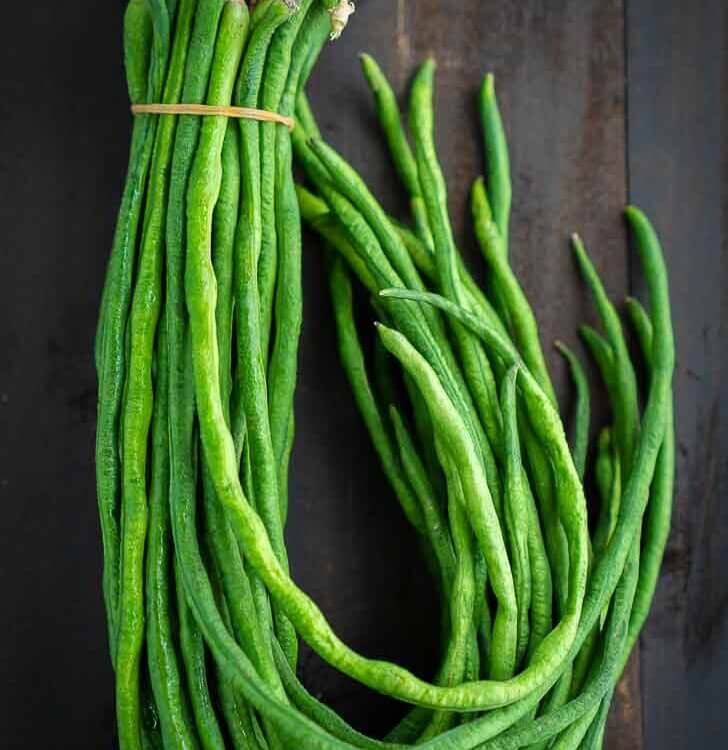
Ginisang sitaw is a Filipino dish of sauteed string beans. “Ginisa” is the Tagalog word for the sauteing method where you start with garlic, then onion, then tomato in hot oil. “Sitaw” means string beans, though in the Philippines it usually refers to yardlong beans rather than the shorter green beans you find in most American grocery stores. Both work fine for this dish.
There is no single region that owns this recipe. It is cooked everywhere in the Philippines. Every household has a version, and most of them think theirs is the right one. Some families use shrimp paste instead of fish sauce. Some skip the meat entirely and just cook the beans with the aromatics. Others use shrimp or sardines or whatever protein is on hand. The version I grew up with uses ground pork, and that is what I still prefer. The pork fat renders into the oil during browning and gives the whole dish a savory base that plain vegetables cannot match.
The ginisa technique itself is something I think every Filipino cook should learn early. Once you know how to saute garlic, onion, and tomato properly, you can make ginisang sayote, ginisang pechay, ginisang upo, and a dozen other dishes using the exact same foundation. Ginisang sitaw is a good place to start because it is forgiving and hard to mess up badly.
Ingredients
- String beans – Cut into 2-inch lengths. Fresh beans that snap cleanly when you bend them.
- Ground pork – Cooks fast and distributes evenly through the dish.
- Tomatoes – Diced. They break down in the pan and form a light sauce.
- Onion – Chopped. White or yellow.
- Garlic – Chopped. Fresh cloves.
- Cooking oil – Any neutral oil.
- Fish sauce – The main seasoning. Go slowly and taste as you add.
- Ground black pepper – A small amount at the end.
- Water – Just enough to help the beans cook through.
How to Cook Ginisang Sitaw
This whole ginisang sitaw recipe happens in one pan. The order you put things in is what separates a good one from a bland one.
Saute the Aromatics and Brown the Pork
- Heat the cooking oil in a pan over medium heat. Saute the garlic until fragrant, then add the onion and cook until it softens.
- Add the ground pork. Break it apart with a spoon and cook until it turns medium brown. Do not move on until the pork has real color on it.
- Add the tomatoes and cook for about 1 minute, stirring occasionally, until they start to soften and release juice.
- Add the string beans and toss to coat them in the oil and pork drippings. Saute for 1 minute.
Simmer and Season
- Pour in water and bring to a boil. Cook until the string beans are tender but still have a slight bite.
- Season with fish sauce and ground black pepper. Transfer to a serving plate.
Do not drown the beans in water. You want just enough to help them steam through. If there is a pool of liquid sitting at the bottom of your plate when you serve this, you used too much.
What Makes This Version Different
Most ginisang sitaw recipes online tell you to throw everything in the pan at the same time. That approach is fine if you do not care about building flavor. The problem is the pork never browns. It just turns gray in the liquid, and you lose all the savory, caramelized flavor that comes from letting it sit on the heat before adding anything wet. In this version, the garlic and onion go first to build an aromatic base, then the pork gets its own time to develop color before the tomato goes in and deglazes the pan.
I also keep the water low. A lot of home cooks pour in enough to practically boil the beans, and then all the flavor you built from the saute gets washed out. A small amount is all you need. The beans cook through from the steam, and they end up tasting like they actually absorbed the pork and tomato instead of just sitting next to them.
Ginisang Sitaw Mistakes to Avoid
I have ruined enough batches of this to know where things go wrong.
- Too much water. This one comes up the most. People pour water like they are making soup. You are sauteing. A small splash is enough. If the pan dries out before the beans are done, add a little more, but start small.
- Rushing past the pork. Gray, pale pork has almost no flavor. Let it sit on the heat and develop color. That extra minute or two makes a real difference.
- Overcooking the beans. They should still have some resistance when you bite into them. If they are soft all the way through and turning olive green, they went too long. Pull the pan off the heat early. They keep cooking from residual heat.
- Seasoning too early. Fish sauce at the end, not the beginning. If you put it in while there is still water in the pan, it concentrates as the liquid cooks off and you end up with something way too salty.
Vanjo’s Kitchen Notes
I always buy more beans than I think I need. They shrink. What looks like a big bag of string beans turns into a much smaller pile once they lose moisture in the pan. I would rather have too much than end up with not enough for the amount of rice I already cooked.
When I have extra tomatoes, I throw in one or two more than the recipe calls for. More tomato means more sauce, and the slight tang it creates is really good with plain steamed rice. I also like to put the lid on the pan for the last two minutes to trap steam. It finishes the beans faster without needing more water, and it keeps them bright green instead of that dull olive color you get when they go too long.
Serving and Pairing Ideas
This is a side dish. It goes next to a protein and a bowl of steamed rice. Here is what I usually put with it.
- Steamed rice – Always. The sauce soaks right in.
- Fried fish – Tilapia or bangus. This was the combination I grew up eating and it still holds up.
- Chicken adobo – The vinegar-soy base of adobo works well against the clean flavor of sauteed beans.
- Fried egg – When you do not feel like cooking anything else. A fried egg over the beans and rice is a complete meal.
- Pinakbet – If you want a full vegetable spread, these two together give you different textures and flavors on the same table.
Substitutions and Variations
Some adjustments depending on what you have.
- Ground pork – Ground chicken, ground beef, shrimp, or diced firm tofu. Cooking time changes depending on the protein.
- String beans – Yardlong beans are the traditional choice in the Philippines. Frozen green beans work in a pinch, but they let out more water so skip the added water or reduce it.
- Fish sauce – Soy sauce if you do not have fish sauce. Different flavor but it still seasons the dish.
- Tomatoes – Canned diced tomatoes when fresh are not in season. Drain the liquid first.
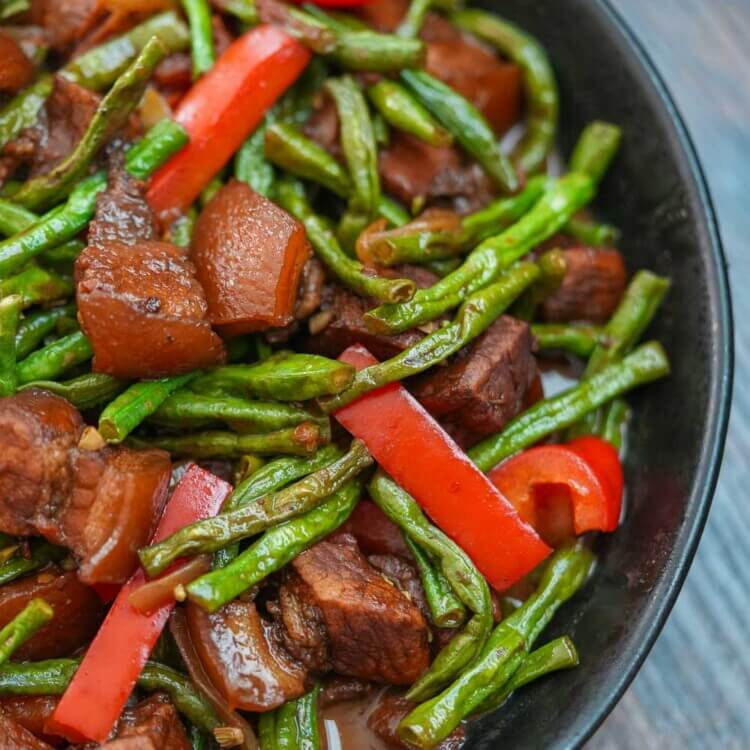
If you want to turn this into a heartier dish, add cubed squash. That version, ginisang sitaw at kalabasa, uses the same ginisa base but the squash softens and makes the sauce a little sweet, which is nice against the fish sauce. I also have a version with bell pepper, pork belly, and oyster sauce if you want something with more going on in the sauce.
Storage and Leftovers
This ginisang sitaw keeps well, though honestly there is usually nothing left by the end of dinner.
- Refrigerator: Airtight container, up to 3 days. The beans soften a bit overnight but the flavor actually gets better as the seasoning settles in.
- Freezer: I would not freeze this. The beans turn limp and lose their texture once you thaw them.
- Reheating: Pan over medium heat with a small splash of water. The pan is better than the microwave because you can get a little of that saute texture back on the pork.
Frequently Asked Questions
What does ginisang sitaw mean in English?
It means “sauteed string beans.” Ginisa is the Filipino sauteing method that starts with garlic, onion, and tomato in oil. Sitaw is the Tagalog word for string beans or yardlong beans.
Can I make this without meat?
Yes. Leave out the pork and saute the garlic, onion, and tomato on their own. The dish still has good flavor from the aromatics and fish sauce. Tofu works too if you want something in there for texture.
Why are my string beans mushy?
Too much water or too long on the heat, usually both. Keep the water low and pull the beans off while they still have some firmness. They soften for another minute from the heat in the pan even after you turn off the stove.
Do frozen string beans work?
They do. Frozen beans release a lot of water as they cook, so reduce or skip the added water. The texture is softer than fresh but the flavor is fine.
What vegetables can I add?
Squash, eggplant, and okra are common. If you are adding something dense like squash, put it in before the string beans so it has more time to cook
Ginisang sitaw is a simple dish. It uses string beans, ground pork, garlic, onion, tomato, fish sauce, and rice. We still enjoy having it at home often.
Watch How to Make It

Did you make this? If you snap a photo, please be sure tag us on Instagram at @panlasangpinoy or hashtag #panlasangpinoy so we can see your creations!
Ginisang Sitaw
Ingredients
- 12 pieces string beans cut into 2-inch lengths
- 2 pieces medium tomatoes diced
- 6 oz ground pork
- 1 pieces medium onion chopped
- 4 cloves garlic chopped
- 3 tablespoons cooking oil
- fish sauce to taste
- ground black pepper to taste
- water as needed
Equipment
- Pan or skillet A wide pan works best so the beans have room to saute instead of steam.
Instructions
- Heat the oil in a pan over medium heat.3 tablespoons cooking oil
- Saute the chopped garlic and onion until the onion softens.1 pieces medium onion, 4 cloves garlic
- Add the ground pork to the pan and cook until it turns medium brown.6 oz ground pork
- Add the diced tomatoes and cook for 1 minute.2 pieces medium tomatoes
- Add the string beans and saute for 1 minute.12 pieces string beans
- Pour in the water and bring to a boil. Cook until the string beans become tender.water
- Season with fish sauce and ground black pepper.fish sauce, ground black pepper
- Transfer to a serving plate.
- Serve and enjoy.

Jessie says
I’m this one atm! Thanky
faye says
Hi, does anyone know where i can buy the panlasang pinoy cookbook?
Mhay says
I don’t know how to cook before, but when I started living independently abroad I was compelled to cook for myself. I always go to your site just to check on how to cook meals.. now I have learned a lot already! thank you Panlasang Pinoy! your the best!! 🙂