• Skip to primary navigation
  • Skip to main content
  • Skip to primary sidebar

Panlasang Pinoy

Your Top Source of Filipino Recipes

  • Start Here
  • All Recipes
    • Course
      • Breakfast
      • Lunch
      • Appetizers
      • Dessert
      • Dinner
    • Ingredient
      • Chicken
      • Pork
      • Beef
      • Turkey
      • Vegetable
      • Fish
      • Rice
      • Egg
      • Tofu
      • Noodles
    • Type
      • Adobo
      • Bread
      • Fried Chicken
      • Sinigang
      • Kilawin
      • Ginataan
      • Kaldereta
  • Cooking Schools
  • About Panlasang Pinoy
Facebook
Instagram
Pinterest
YouTube
Home Health and Wellness

Health and Wellness

almonds

Nutritional information of almonds

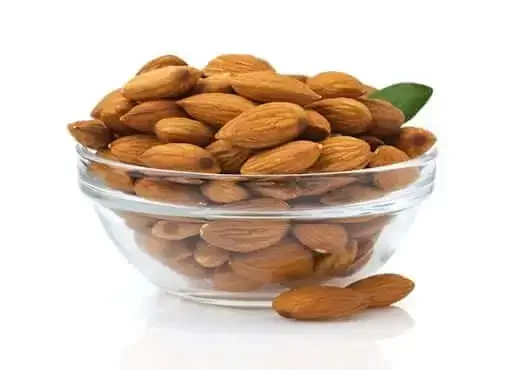
Millions snack on nuts every day to improve their health but not everyone knows the true nutritional value of almonds. They contain so many nutrients doctors even recommend them as part of dietary treatments. With just a brief education about the minerals, vitamins and compounds found in them, you won’t help but smile the next time you chew on a handful of almonds.

What is the nutritional information of almonds?

Almonds are usually categorized as sources of healthy fats. They are rich with mono-saturated fats which can reduce and counter the effects of LDL cholesterol in your body. LDL cholesterol, also known as bad cholesterol, is often the cause of blood clots and other cardiovascular diseases. Eating almonds therefore protects your heart by fighting the fat that attacks it. These fats have also been found to lower the risk of a stroke.

If you read the food label or chart that contains the nutritional information of almonds, you will notice that the percentage of dietary fiber is very high. Fiber is necessary because it aids digestion. Constipation and dehydration can cause irregular or uncomfortable bowel movements. Fiber is the substance that helps your stomach process ingested food and move it down the digestive tract until it is passed out of the body. Fiber in almonds can also help bulk up watery stools like those caused by diarrhea. Whether you eat meals that contain almonds or you snack on them throughout the day, consuming their fiber can smooth out digestion and prevent conditions like IBS, bowel construction, constipation, bloating, diarrhea, flatulence and many more.

If you suffer from Celiac disease, almonds will make a great addition to your diet. Why? It’s gluten-free. Although Celiac disease is very different from irritable bowel syndrome, they share the same symptoms. These symptoms are aggravated by foods that contain gluten. Be aware. If you usually buy packaged nuts, always check the section that holds the nutritional information of almonds. Sometimes, manufacturers can add gluten knowingly or unintentionally through processes of preparation.

The most prevalent vitamin in almonds is vitamin E. Vitamin E is actually an antioxidant, which means its primary function is to destroy and remove free radicals that sometimes enter the body and cause diseases. It also plays a vital part in maintaining the health of cell membranes so nutrients can be absorbed by cells.

Certain important minerals we need for good health can be found in these super nuts. Minerals include calcium, iron, zinc, manganese, magnesium and selenium. You need these minerals for strong bones, muscle repair, healthy joints, good nerve function, kidney and liver function. Other benefits include production of red blood cells to support the immune system, a faster metabolism, improve brain capability and balanced blood sugar levels.

People who suffer from high blood pressure, digestive conditions, diabetes, arthritis, epilepsy, cardiovascular disease, kidney disease, Chrohn’s disease, liver malfunction and many other chronic illnesses can benefit greatly from knowing more about the nutritional information of almonds and permanently adding them to the meal plan.
Best foods for people with kidney disease

If you have been diagnosed with kidney disease, you know that your diet is just as important as medication. Eating foods for kidney disease can reduce or relieve some of the symptoms that come with having the condition. What you eat also plays a large role in the effectiveness of treatment and prescribed medication. Creating a healthy meal plan is the best thing you can do to encourage recovery and lifelong good health.

Best foods for people with kidney disease

What causes kidney disease?

There are a number of factors that can cause kidneys from functioning properly. One of the reasons that kidneys malfunction is because there is not enough blood flowing to these vital organs to help them perform their tasks. This is often the case with people who lose a lot of blood because of an injury. Renal failure is also common among patients with diabetes, immune system disorders and high blood pressure.

Taking certain medications or overdosing on medicines can eventually lead to complications in the kidneys. Other possible causes are pregnancy complications, enlarged prostate and infections.

What are the symptoms of kidney disease?

Kidneys are responsible for cleaning your blood of toxins and waste, regulating blood pressure, producing vitamins for healthy bones, producing red blood cells and producing urine. This is why people with kidney disease experience difficult urination, changes in the color of urine, swelling, feelings of fatigue, nausea, vomiting, dizzy spells, bad breath, back pain, leg pain, poor concentration and itching.

Which foods are best for kidney disease?

The best foods for kidney disease are those rich in antioxidants, minerals, vitamins and other nutrients to help inflammation, keep blood sugar normal, increase bone density and give you lasting energy.

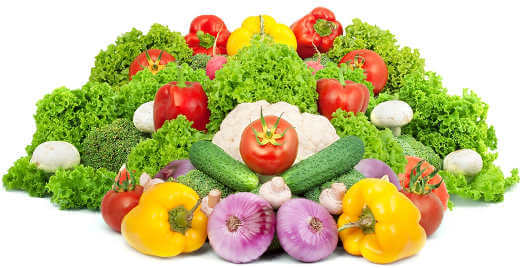
Vegetables like cauliflower, cabbage, onions, bell peppers, green beans, spinach, celery and garlic are the ideal foods for kidney disease because they contain the vitamins, antioxidants and fiber to reduce inflammation and neutralize toxins in the blood. Your selection of fruits should always include apples, berries and grapes.

Fish and egg whites are good sources of protein and have fatty acids that lower inflammation. Eggs are also rich in iron, which is essential for the production of red blood cells. For healthy fats, try including nuts and cooking food with olive or vegetable oil.

Drinking plenty of water is imperative for flushing out waste and diluting your urine. Water also helps to get rid of excess chemicals in your blood that could lead to other health issues.

What are the worst foods for kidney disease?

Avoid processed, packaged foods as much as possible because they contain a lot of salt. Sodium worsens high blood pressure. Canned soups, vegetables and sauces contain high levels of sodium and should be swapped for fresh produce instead. Also, do not add salt while cooking if you would like to prevent or treat kidney disease.

Dairy products should be eaten in moderation because they increase calcium in urine, which might cause kidney stones. Caffeinated and carbonated drinks should also be avoided because of their effect on blood pressure.

What are the best foods for teething?

Babies experience a lot of discomfort when they grow their first set of teeth and this can make finding the right foods for teething difficult for parents. Fortunately, teething babies are willing to chew on just about anything and will be willing to accept foods that can ease their symptoms. In fact, giving your child foods that reduce pain, swelling or itchiness can be a great alternative to over the counter medication. You get to curb hunger while relieving symptoms with little to no side effects.

When does teething occur?

Children begin growing milk teeth, also known as baby teeth, from the time they are only a few months old and continues until they are about two. A complete set consists of 20 teeth and fall out to be replaced by permanent teeth from the age of six or seven.

What are the symptoms of teething?

The appearance of baby teeth can cause redness on the cheeks, swelling of the gums, pain, discomfort, itchiness, difficulty sleeping, agitation, restlessness, poor appetite, fever, mood changes and dribbling. Babies also tend to chew on objects like toys and utensils to manage the sensations in the gums. This is why it is important to feed them foods for teething.

What are the best foods for teething?

It’s important to give your baby hard foods to chew on like carrots, bread crusts, bread sticks and crackers. Monitor your child closely when feeding him or her foods because they can easily turn into choking hazards.

Apart from hard foods, try serving meals and treats as chilled as possible. Cold food helps with pain, discomfort, inflammation and itching in the gums. Leave purees a little longer in the fridge before mealtime and the cold temperature on the gums will calm your baby down. Fruit juices and yoghurts should also be served cold. It is not advisable to feed your baby ice cubes or icicles as these could be too cold for sensitive, developing teeth and gums. Instead, soak utensils, chew toys and pacifiers in ice.

What are the worst foods for teething?

Food served warm can further aggravate the swelling and pain. Since loss of appetite is a possible symptom, feeding your baby warm foods can cause him or her to eat even less. Many parents also assume that making food sweeter will serve as a temporary distraction from discomfort, but the opposite is the case. Avoid feeding your child sugary treats, even those that may seem healthy like honey. Sugar causes teeth decay and might result in teeth falling out sooner than they should.

As soon as you confirm with your physician that your baby is teething, stop bottle or breast feeding. The sucking motion only directs blood to the areas that are swollen and might cause more pain, swelling and discomfort.
Are there other solutions to teething?

Foods for teething are the most affordable way to relieve your baby of symptoms but you can try other methods like chewing toys, teething amber necklaces, gels and medication.

What are the foods that cause inflammation?

Inflammation, according to medical research, can either help you or harm you. It is this double nature that makes it difficult to treat. On one hand, it can be a sign that you are healing and on the other, it can perpetuate diseases and possibly result in death. It is therefore absolutely crucial to be careful that you avoid foods that cause inflammation if you’re suffering from illnesses and conditions.
foods that cause inflammation

What is inflammation?

The immune system is often misunderstood because of the symptoms it produces when it is trying to fight diseases in your body. Symptoms like pain and swelling might lead you to think that your body is headed for shutdown, when in fact it is trying to tell you that your body is fighting back.

When you have harmful substances in your body or an infection is in the process of spreading, you might experience inflammation in certain parts. Usually, inflammation lasts for a few days after which you recover from whatever sickness have invaded your body. However, it is possible that inflammation takes another route and becomes self-perpetuating. When this happens, it begins to destroy good cells and causes damage to your organs.

The swelling and redness you experience after injury, for example, is good because it leads to recovery. Inflammation on your heart, on the other hand, can lead to ruptures and blood clots if left untreated. If you at risk for heart disease, asthma, tuberculosis, ulcers, arthritis or other conditions, it is imperative to avoid foods that cause inflammation. If the case of abscesses and small injuries, inflammation can work in your favor, provided you don’t aggravate it.

What are foods that cause inflammation?

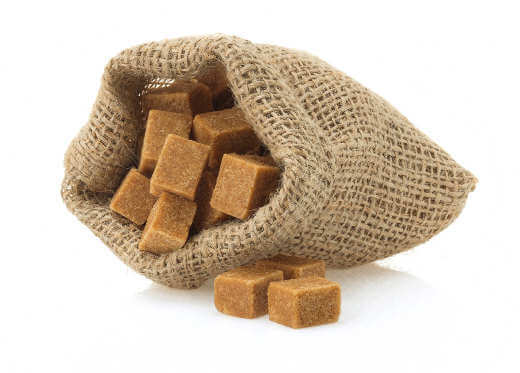
A high intake of sugar can make inflammation worse and threaten your overall health. Sodas, juices, pastry and other sugary treats can have detrimental effects. These foods are usually store-bought and contain substances like fructose, dextrose, maltose and corn syrup. Read food labels carefully before purchase.

Fast food, deep fried and hydrogenated products like margarine all contain trans fats, which are unhealthy fats that lead to the buildup of LDL cholesterol in your body. Some food labels might indicate that there is little to no trans fat in the products but this is not necessarily true.

Limit your consumption of dairy if you’re trying to avoid further inflammation. Most cooking oil and the oil in cheese, milk and other dairy products can cause or worsen symptoms. Dairy products are also found in bread, cake and many desserts. If you experience rashes, acne and digestive problems after eating these foods, it is likely that they are foods that cause inflammation.

What foods reduce inflammation?

Fruits and vegetables such as butternut squash, cabbage, berries and kiwis are anti-inflammatory. They should be included in your diet if you have chronic inflammation. Whole wheat bread, barley, quinoa and brown rice contain complex carbohydrates and can ease swelling. Try cooking foods in olive oil and attain healthy fats from avocadoes and all sorts of nuts.

Soluble fiber foods

In general, all fiber is good for your health and foods containing it should be part of your daily meal plan. However, not all fiber is the same. The type of fiber you receive from soluble fiber foods and insoluble fiber foods has different functions in the body. It is usually not necessary to differentiate the two or choose one over the other, but knowing what each does can help you choose your food more intelligently. Knowledge of fiber is beneficial especially to those who have digestive problems, diabetes and high cholesterol levels.

What is soluble fiber?

This kind is found in soluble fiber foods. When you ingest it, it dissolves in water and creates a gel-like substance that moves through your body. This gel decelerates digestion to make you feel fuller for longer. When you eat foods without soluble fiber, digestion takes place at a normal, faster rate. Food gets digested quickly and moves out of the stomach to be passed out of your body. When your stomach is empty, you feel hungry again, you eat and the cycle goes on. Soluble fiber, therefore, keeps the food you eat in your stomach for a longer period. It takes time for you to feel hunger, which regulates your appetite and keeps blood sugar levels balanced.

Insoluble fiber, on the other hand, does not dissolve in water. It maintains its structure from the time you ingest it to when it leaves you body. Its main functions are to add mass or bulk to stools and acts as a laxative by moving digested food along the digestive tract.

Therefore, if you need to feel fuller for longer, eat more soluble fiber foods. If you need to relieve constipation or symptoms of other digestive conditions, insoluble fiber can be a powerful laxative.

What are soluble fiber foods?

Whole grains are the champions of soluble fiber. Foods like oatmeal, oat bran and other oat-based cereals are great sources of this fiber. A good breakfast would be a bowl of oatmeal with fruit such as oranges, grapefruit, mangoes, strawberries and apricots. Add vegetables like Brussels sprouts, sweet potatoes, asparagus, celery, carrots, cucumbers and turnips to your meals whenever you can. Many types of beans, peas and lentils are also high in soluble fiber.

Add small amounts of flax seed and nuts to your breakfast, lunch and supper to increase your intake.

What are the benefits of soluble fiber foods?

Weight watchers can benefit from these foods because they prevent overeating. Processed and packaged food has very low fiber content. Because of this, they are digested very quickly and leave you hungry sooner. Processed foods also have little nutritional value. Soluble fiber foods keep your appetite under control and can help you stick to a lower calorie diet.

Foods with this fiber also regulate blood sugar levels. Speedy digestion demands more insulin, which can cause sugar levels to peak and drop, especially in diabetics.

Soluble fiber is believed to lower bad cholesterol levels by assisting in its excretion and preventing re-absorption.

Natural laxative food

Next time you feel constipated, you can skip taking a laxative pill and snack on natural laxative food instead. Many have accepted constipation and other digestive problems as part of normal life, but they don’t have to be if you make smarter dietary choices. Your kitchen is filled with lots of foods that act as laxatives and knowing which ones to add to your diet can be the beginning of a regular, healthy digestive system.

Benefits of natural laxative food

Constipation and other digestive conditions are usually caused by fiber deficiency. Fiber helps grind the food you eat and without it, your stomach can’t empty properly and stools can’t move down the tract like they should. Another factor is low water intake. Water helps in the breakdown of food and softens stools. Not drinking enough water can lead to slower digestion.

Other causes include dairy, chocolate, allergies, calcium supplements, iron supplements, antacids, antidepressants, an underactive thyroid, diabetes and high blood pressure. Studies also state that constant use of laxatives can lead to your body unable to produce healthy bowel movement because of dependency on drugs. It is therefore healthier to stick to a diet of natural laxative food.

Which foods are natural laxatives?

Fresh fruit ranks high in the natural laxative category. Apples, bananas, watermelons, cherries and berries contain a lot of fiber and other nutrients to get the bowels moving. They also have high water content, which helps to make stools softer and move digested food along the system.

Prunes are well-known natural laxatives. Apart from their fiber content, they contain special bacteria that reside in the intestines to improve the digestive process. Prunes can be eaten dry as snacks or juiced to make refreshing beverages.

Citrus fruits like oranges and lemons make good natural laxative food for your digestive system. They provide vitamin C which transforms toxic materials in the tract into digestible substances. A glass or two of orange juice in the morning can cleanse your body of backed up foods and waste.

The best vegetables you can eat to solve stomach trouble are tomatoes, garlic and cabbage, which is often the main ingredient in detox drinks and diets. Regular servings of carrots, broccoli, legumes, avocados and flax seed can also clear up your stomach and help you maintain regular bowel movement.
Which foods should you avoid?

Many people find dairy to be the cause of constipation. If this is the case for you as well, it’s best to avoid milk, cheeses, yoghurt and sour cream. Red meat has also been found to lead to digestive complications and disorders.

Processed foods should be kept to an absolute minimum because most contain a lot of sugar, which interrupts metabolism and bowels. Refined, high-sugar foods also have very little fiber and quickly gets stored as fat in the body because of slow-processing, unhealthy carbohydrates.

If you love coffee, opt for decaf. The same goes for teas with caffeine content. avoid highly caffeinated energy drinks and sodas.

Foods to eat while breastfeeding

For the first few months of life, babies depend on their mothers for nutrition. Most of those essential nutrients are derived from breast milk. What you eat as a new mother will trickle down on your baby and affect his or her health. This is why it is crucial to know the right foods to eat while breastfeeding. Maintaining a healthy diet can help boost development in your baby and give you the energy you need to keep up with your new responsibilities as a mom.

Transmission of nutrients from mother to child

Research has discovered that some foods affect the content of breast milk more than others. Breast milk naturally contains a combination of whey protein, casein, vitamins, fats and lactose. These substances are vital for baby’s nerve, brain and eye development. Eating certain foods can change the composition of milk and have harmful effects on growth. Good foods to eat while breastfeeding should increase nutrients in milk and not diminish them.

What are the best foods to eat while breastfeeding?

Keep your meal plan as varied as possible. Try to include as many types of fresh, healthy food as possible. Make sure your plate is always balanced with enough protein, carbohydrates and fats.

Eggs, beans and lean meat are good sources of protein. You should also fill up on cold water fish like salmon, lake trout, shrimp, Pollack and scallops because they provide omega 3 fatty acids as well necessary for eye development. Carbohydrates should be as complex as possible and great sources are whole grains, vegetables and fruit. Fat should be the healthy kind, like that you get from olive oil, avocados and nuts.

The best foods to eat while breastfeeding are also contain choline. Choline is a chemical that is present in breast milk and assists in memory development. Turkey, chicken, sardines, potatoes, collard greens, Brussels sprouts, cauliflower, soybeans and flax seeds have high choline content.

What are the worst foods to eat while breastfeeding?

Foods with unhealthy fats should be limited. These are goods that are processed or store-baked which contain large amounts of saturated and trans fats. Examples are fast food, deep fried food, sausages, bologna, bacon, some cheeses, cake, doughnuts, cookies and other fatty treats. Some cooking oils also have these fats. Read food labels to check for fat content. These foods are unhealthy for both you and baby because the fat can change the level and composition of fat in breast milk. They are also known to cause high blood pressure, intestinal malfunction and other conditions in adults.

Alcohol and caffeinated drinks can also affect your baby. Babies might become restless or irritable as the result of consumption. After every cup of coffee or glass of wine, wait at least 2-3 hours for your body to eliminate them before breastfeeding.

Knowing which foods to eat while breastfeeding is important, however, you should also know how much you should eat. It takes energy to produce milk and if you don’t eat enough calories, you might experience feelings of tiredness.

Magnesium rich foods

Billions are spent every year on multivitamin supplements and one of the bestsellers is magnesium. This mineral has record-breaking health benefits and is one of the most frequently prescribed by doctors. Most people believe that taking supplements is the only way to get the amount of magnesium they really need. The truth however is that it is possible to receive an adequate intake by simply eating more of magnesium rich foods. If you are already on a healthy meal plan, you won’t find including these foods in your diet a stretch. If you’re not, adding magnesium rich foods to your menu is the best way to start turning your health around.

magnesium rich foods

What are the benefits of magnesium?

Magnesium is usually sought by patients with muscular problems. This is because the mineral helps the body to process calcium, which is required for healthy bones, joints and muscles. It boosts nerve to muscle communication to support normal movement and muscular health. Increasing your magnesium intake can also prevent many diseases. You can avoid or treat conditions like high blood pressure, diabetes, heart disease, osteoporosis, kidney disease and thyroid-related symptoms by eating magnesium rich foods and supplements. Other illnesses it can affect positively are insomnia, digestive problems, depression and chronic headaches.

On top of all the above-mentioned benefits, magnesium also plays a vital role in 300 chemical processes in the body, which makes it absolutely essential to your health. In other words, you just cannot afford to live without it.

What foods are rich in magnesium?

You can start by choosing your carbohydrates carefully. Instead of processed staple foods, opt for whole grains instead. Brown rice, whole wheat pasta, buckwheat and oats are all rich in magnesium. Top choice vegetables are most green leafy ones, particularly kale, spinach, okra and chard. Bananas, grapefruit, blackberries and avocados also contain lots of magnesium. Dried fruit is also recommended, provided you eat prunes, apricots and dates.

When it comes to dairy, make sure your cheeses and yoghurt are either low fat or fat free. Other magnesium rich foods include chickpeas, white beans, kidney beans, lentils, mixed nuts and sesame seeds.
The best types of fish you can eat to increase your intake are tuna, mackerel and Pollock. For dessert or as a snack, go for dark chocolate that contains high content of magnesium-loaded cocoa powder.

What are the symptoms of magnesium deficiency?

You should look into eating more magnesium rich foods if you regularly experience fatigue, headaches, nausea, vomiting, muscle cramps, low appetite, difficulty sleeping, numbness, tingling and abnormal heart rate. Women with premenstrual syndrome can also benefit from magnesium if they gain weight, feel bloated and breasts feel tender. You should of course consult your doctor to ensure that these symptoms are caused by magnesium deficiency and not something else.

How much magnesium do you need?

The requirements will vary from mild cases to chronically ill patients. If you have a severe magnesium deficiency, you might need to complement magnesium rich foods with prescribed supplements.

High Folate Foods

It’s easy to forget that our bodies are made up of trillions of cells that get damaged and are replaced by new ones every day. Folate is the vitamin that fuels this daily process and eating a diet of high folate foods will ensure cells reproduce to protect your health. Since folate is responsible for producing red blood cells, lack of this vitamin can lead to anemia and other serious conditions. With a few simple adjustments to your diet, you can avoid uncomfortable symptoms and enhance your wellbeing.

What are high folate foods?

Folate or vitamin B9 is prevalent in liver. Although most animal liver are great sources of folate, turkey provides the most. Among other top high folate foods are green leafy vegetables such as spinach and collard greens. Soy beans, pinto beans, asparagus, okra and peanuts also rank high. Some fruits you should include into your diet are oranges, bananas, tomatoes, watermelons and lemons. Pay close attention to how you prepare these foods, especially vegetables. Boiling, grilling, baking and broiling food too long might cause folate to be lost. Therefore, try to eat food as raw as possible.

When it comes to breads and cereals read food labels very carefully. Some products contain satisfactory amounts of folate that are added to increase nutritional value. The same goes for many fruit juices. If you can find products with added vitamin B9 at your local store, they can make great additions to your folate diet.

What are the benefits of high folate foods?

One of the most important functions of folate is to produce red blood cells. Red blood cells are necessary for taking oxygen to cells and bringing up carbon dioxide into the lungs to be expelled. Without enough of these cells, anemia follows. Symptoms of anemia caused by deficiency include loss of the sense of touch, tingling, paranoia, stiffness, hallucinations and difficulty in walking. High folate foods paired with medical treatment can prevent and cure anemia.

Taking supplements

Folate supplements are usually prescribed for patients who display symptoms of anemia. An intake of this vitamin can also support your bowels by allowing essential minerals, vitamins and other substances to be absorbed. It is not unusual for people to take supplements as prevention for certain cancers, liver complications, kidney disease and to improve memory.

Who should increase folate or vitamin B9 intake?

Most of the time, folate is recommended to children and the elderly. It plays a vital part in growth for development for children and can restore functions such as hearing and memory loss in mature adults. Men and women of all ages also find it useful for treating infertility, Alzheimer’s disease and alcohol-related conditions.

Folate supplements prescribed by a doctor are safe to take but please consult for a diagnosis before purchasing over the counter medication. A diet that includes high folate foods is preferred because it causes little to no side effects and you can reap the health rewards of eating a healthy meal plan.

Best Foods for Heartburn

Most people know that painful burning sensation in the chest that usually creeps up after a meal or during sleep. While many see it as a necessary evil, it can be avoided or lessened by eating the proper foods for heartburn. The burn might last a few minutes to a few hours depending on the severity of the case. The longer your episodes last and the more intense the pain, the more important changing your diet is. This is because heartburn can be complicated by other gastric conditions and cause further damage to your digestive system.

What are the best foods for heartburn?

The best foods are those that are low in fat and high in fiber. You can start your day with a bowl of oatmeal, bran cereal or slices of multi-grain bread. All are rich in fiber to help grind the food substances in your stomach and are less likely to trigger heartburn. If you prefer fruit in the morning, bananas and apples are the safest option. They are much gentler on the stomach and will keep acid where it belongs.

It’s important for meals to include balanced portions of carbohydrates, protein and healthy fats. Brown rice and vegetables like broccoli, baked potatoes, carrots, beans and cabbage are great sources of carbohydrates. Another vegetable to note is ginger, which should be consumed in its natural state and in small amounts. For protein, load up on lean meats like steak with the fat trimmed, skinless chicken and fish. Your supply of healthy fats can come from feta cheese, goat cheese, fat-free sour cream and low fat oils like olive oil and canola.

For dessert, treat yourself to baked chips instead of fried or processed, licorice and fat-free biscuits. Drinking a lot of water is a must because the fluid plays a vital role in digestion.

What are the worst foods for heartburn?

Different people find different foods to be triggers for acid indigestion but there are some common foods that are known for bringing up stomach acid. Among the beverages are coffee, wine, orange juice and cranberry juice. Meat and fish are generally good for your health but if they have added fat, they can be among the worst foods for heartburn. Pasta can also trigger heartburn, especially if it’s eaten with spicy Italian sauces and marinades.

If you are going to eat dairy, choose those that have the lowest fat. Regular sour cream, cheese and cottage cheese have been reported as causes of gastric acid going up into the esophagus, but low-fat versions of these foodstuffs are believed to prevent acid reflux. Tomatoes, garlic, grapefruits and oranges are the leading fruits and vegetables on the bad food list because of their acidic nature and should be avoided if found to cause heartburn after consumption.

Spicy foods have also been dubbed as the worst foods for heartburn and many have reported feeling the burn after eating Indian, Mexican and other traditionally spicy cuisine.

Keep a food journal to find out which foods you should avoid and consult your doctor if heartburn occurs frequently.

  • Previous
  • Page 1
  • Interim pages omitted …
  • Page 6
  • Page 7
  • Page 8
  • Page 9
  • Page 10
  • Interim pages omitted …
  • Page 21
  • Next

sidebar

Welcome!

As a huge fan of Filipino food, it is my goal to teach people how to cook it using the simplest way possible. Prepare your taste buds for an ultimate showdown of delectable Filipino dishes! Read more…

Facebook
Instagram
Pinterest
YouTube

Reader Favorites

Chicken Adobo in a Bowl

Filipino Chicken Adobo Recipe

Leche Flan Recipe

kare kare beef tripe

Kare-Kare Recipe (Beef Tripe)

Pork Sinigang

Sinigang

Receive new recipes by email!


Seasonal

Beef Morcon Recipe

Arroz Valenciana

lechon belly roll recipe

Lechon Belly Roll

Christmas Macaroni Salad

How to Make Macaroni Salad for the Holidays

As Seen In:

good housekeeping
parents
serious eats
livestrong
kitchn
sheknows
Facebook
Instagram
Pinterest
YouTube
About
Meet Vanjo
New? Start Here
Browse Recipes
Explore
Ingredient 101
Philippines
Cooking Schools
Privacy Policy
Disclaimers
Contact
© 2026 Panlasang Pinoy
Site Credits
Designed by Melissa Rose Design Developed by Once Coupled
Back to Top
Back to Top