• Skip to primary navigation
  • Skip to main content
  • Skip to primary sidebar

Panlasang Pinoy

Your Top Source of Filipino Recipes

  • Start Here
  • All Recipes
    • Course
      • Breakfast
      • Lunch
      • Appetizers
      • Dessert
      • Dinner
    • Ingredient
      • Chicken
      • Pork
      • Beef
      • Turkey
      • Vegetable
      • Fish
      • Rice
      • Egg
      • Tofu
      • Noodles
    • Type
      • Adobo
      • Bread
      • Fried Chicken
      • Sinigang
      • Kilawin
      • Ginataan
      • Kaldereta
  • Cooking Schools
  • About
Facebook
Instagram
Pinterest
YouTube
Home Health and Wellness

Health and Wellness

Food High in Lecithin

When it comes to lecithin, most people ask, “What is it good for”? It sounds like just another supplement you’ll never need. You might, however, be surprised to know that if you have had liver problems or been pregnant at some of your life, this substance led to your recovery and improved your health. Although it is naturally manufactured by the liver, you still need to eat food high in lecithin to get an adequate dose your body needs to function at its best.
What is lecithin?

Lecithin is a substance that is produced by the liver to ensure the organ functions properly. It can also be found in plants and animals. It plays a significant role in synthesizing vitamins and minerals, especially vitamins A, D, E and K. It is also essential for cell production and health because it assists cells to receive the nutrients they need.

What are the benefits of lecithin?

Lecithin deficiency affects liver function. If the liver does not produce enough of this substance, it cannot clean your body of toxins, produce proteins or process the nutrients you receive from the food you eat. Relying on your body to create it is not enough. You need a great diet of food high in lecithin to avoid liver disorders like fatty liver disease, inflammation, cirrhosis and hepatitis. These liver disorders can cause uncomfortable symptoms like abdominal pain, tiredness, nausea, weight loss, itchiness, insomnia, hair loss, heart palpitations and dizziness.

In pregnant women, lack of lecithin can disrupt the transmission of nutrients from mother to baby.

What foods are high in lecithin?

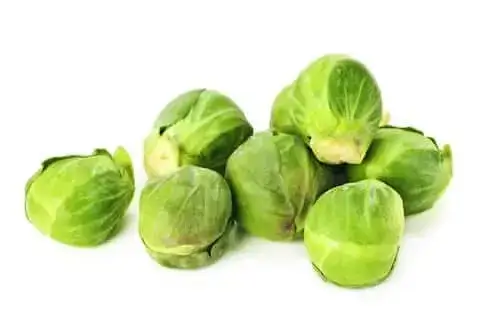
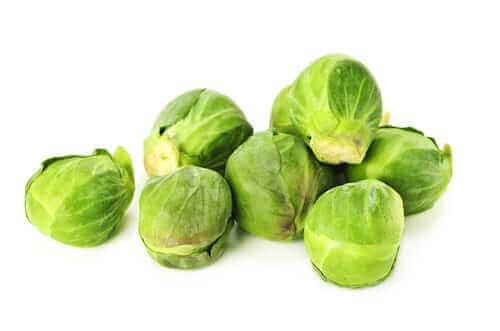
You don’t have to look far to find food high in lecithin. You can find the substance in vegetables and legumes like Brussels sprouts, cabbage, cauliflower, beans and most leafy veggies. Eggs, cheese, yoghurt, milk and other dairy products are also healthy sources of lecithin and many other useful nutrients.

Soy is considered as one of the top sources of lecithin. You can enjoy cereal with soy milk or garnish salad with soy cheese. Soy beans make a wonderful and healthy side dish.

Lean cuts of meat are essential to your lecithin diet. Animal liver in general is loaded with lecithin and regular servings can boost liver function.

Try to keep foods as fresh and natural as possible. Instead of frying, grill, boil or bake food.
What are the worst foods for the liver?

Fatty, high-sugar fast foods should be off the menu if you want to care for your liver. So should alcoholic beverages and salty foods. Consuming too much alcohol leads to toxics accumulating in the blood and when the liver has trouble detoxifying your blood, it can be detrimental to your health. High levels of sodium force the liver to work harder than it should and can lead to conditions like high blood pressure.

Taking supplements

Complement your diet with lecithin supplements if you are diagnosed with deficiency by your doctor. If you are not diagnosed, stick to the lecithin in your diet until you receive professional advice.
Best and Worst Foods for Kidney Stones

The formation of kidney stones in the body is a constant threat for everyone. However, they can be easily averted by simply choosing the right foods for kidney stones to include in your diet. It is not only family genetics that determine whether you’ll develop the condition or not, but lifestyle choices as well. Those who have passed kidney stones are familiar with the often painful symptoms, but knowing what causes them and which diet is best preventing their development is the first step to living kidney stone-free.

What causes kidney stones?

There are four main types of kidney stones, each with a unique cause. They are calcium stones, uric acid stones, cystine and struvite kidney stones.

Most kidney stones are composed of calcium and other substances that are normally great for your health. It is the concentration of these materials in your body that makes all the difference. Calcium is essential for strong teeth and bones, but when the concentration is too high in your urine, it combines with other substances like oxalate and phosphorus to form kidney stones.

Uric acid kidney stones can result from poor hydration. If you don’t drink enough water, the pH level of your kidneys becomes acidic which leads to the formation of stones and problems in urination.

Cystine stones are hereditary and form in urine that contains the chemical cystine, while struvite stones are often due to urinary tract infections. Studies show that obesity, Chrohn’s disease, taking calcium supplements, high blood pressure, chronic diarrhea and gastric bypass surgery also increase your chances of having kidney stones. This is because they hinder the normal absorption of calcium.

What are the symptoms of kidney stones?

Stones can cause painful urination, pain the groin, a constant urge to urinate, less urine, vomiting, nausea, fever and blood or pus in urine.

What foods are good for kidney stones?

The best foods for kidney stones are those that give your body the minerals it needs in adequate amounts, help in the absorption of those minerals and prevent conditions that lead to kidney stones.

First on the list of foods for kidney stones is water. Drinking 8-10 glasses a day is crucial because your kidney needs it to process calcium and other substances.

Since most kidney stones are calcium oxalate, it’s important to watch how much calcium you eat. This part of the diet is tricky because you need a balance between calcium and oxalate in moderate amounts. Get your calcium fix from beans, milk, cheese, fish, seeds and eggs while cutting back on animal protein. Balance it out with low-oxalate foods like kale, cheese, buttermilk, avocadoes, bananas, grapes, grapefruit, bacon, poultry, shellfish, cabbage, cucumber, mushrooms and peas.

What are the worst foods for kidney stones?

The worst foods for kidney stones are those that contain too much salt or too much sugar. Excessive sodium and sugar increase the concentration of calcium in your urine, which leads to kidney stones. Alcohol, carbonated drinks and energy drinks should also be consumed moderately because they are diuretic and cause dehydration.

Best Foods for Acid Reflux

Your stomach contains an acid that is essential for breaking down the foods you eat every day. Because of its volatile pH level, there are muscles in place to help keep it spilling into other parts of your body. When these muscles don’t function properly, particularly the lower esophageal sphincter muscle, the acid can move up into the esophagus or chest to cause a burning, painful sensation. If you experience this burn more than once a week, it is advisable to make sure your diet includes the best foods for acid reflux.

What causes acid reflux?

Acid reflux can be triggered by the foods you eat. It might also be caused by how much you eat and what you do after a meal. Many have reported experiencing symptoms like heartburn after large meals, lying down and bending at the waist immediately after eating. Acid reflux can also be a result of non-dietary related factors like pregnancy, smoking, obesity and taking certain medications.

What are the symptoms of acid reflux?

The most common symptom is heartburn, which manifests as a burning sensation or pain in your stomach, chest, throat or neck. Heartburn is often mistaken by patients for a heart attack simply because it feels like one. Another popular symptom is the regurgitation of stomach acid, which tastes bitter in the mouth.

Acid reflux can also make you nauseous and cause bloating, burping, relentless hiccups, scratchy throat, cough, unintended weight loss and changes in the color of stools. Eating the best foods for acid reflux regularly can reduce or completely eliminate these symptoms.

What are the best foods for acid reflux?

You can be free of acid reflux and heartburn if you watch what you eat. One of the best foods for acid reflux is oatmeal. It is a great tasting breakfast with plenty of fiber to help digestion and can prevent reflux. An alternative breakfast choice is a fruit salad. Fruit such as bananas, watermelons, cantaloupe and honeydew are known to be gentle on the stomach and can help keep acid where it belongs.

Adding a salad to your lunch and supper is a good way to keep stomach acid from splashing up, provided you don’t add tomatoes and keep dressings low in fat.

Broccoli, cauliflower, celery, asparagus, green beans, turkey, chicken and seafood have heartburn-easing abilities. Reflux-preventing carbohydrates include brown rice, bulgur wheat and semolina wheat. You should also season meals with parsley to benefit from its effects on your stomach.

What are the worst foods for acid reflux?

When it comes to food you should avoid, expert opinions are varied. This is because these foods don’t affect everyone the same way. While beef, for instance, might cause acid reflux in some people, it might not cause any symptoms in others. The most complained-about foods are dairy products like cottage cheese and ice cream. Oranges, grapefruit, lemons and tomatoes have also been recorded as causing reflux. More foods include pasta, sugary treats and alcoholic beverages.

Benefits of Polyphenols in Food

What are polyphenols?

You probably know that red wine and dark chocolate are good for your health, but ever wondered why? The answer lies in antioxidants called polyphenols. Polyphenols in food are believed to have amazing effects on the body, some of which include reduction in inflammation, prevention of cardiovascular diseases and pain relief. Although wine and chocolate are the most talked-about sources of polyphenols, there are many other foods that contain adequate amounts of these disease-fighting antioxidants. Incorporating these foods into your diet is the simplest and most affordable way to treat your condition and improve your wellbeing.

Which foods contain polyphenols?

Although the study of polyphenols in food is still in its early stages, research states there are almost 8000 types. They can, however, be divided into four categories: flavonoids, stilbenes, lignans and phenolic acids. All these can be found in different everyday food items and perform unique functions when consumed. It is not advisable to target specific foods for the type of polyphenols they contain. Instead, aim to eat a balanced diet of the mentioned foods for maximum results.

The best sources of polyphenols are unsweetened cocoa usually found in dark chocolate, green tea, coffee, red wine, beans and dark berries. Apples, cherries, purple grapes, citrus fruits and plums are also rich in antioxidants. Vegetables such as broccoli and radishes are known to have high polyphenol content, together with legumes, algae, grains and some cereals.

Polyphenols and inflammation

Inflammation in the body has two natures. On one side, it is a good sign that your body is actively fighting disease. On the other, too much inflammation can cause disease or worsen existing ones. Many heart attacks, cancers and cases of arthritis, diabetes and asthma are a result of excessive inflammation. A polyphenol-rich diet can effectively treat the inflammation that leads to these life-threatening conditions.

Polyphenols and heart disease

Polyphenols in food can help keep your heart healthy and prevent different kinds of cardiovascular diseases. Foods such as red wine and green tea can help you maintain good cholesterol levels and stop fat from accumulating in the blood vessels. The antioxidants also prevent blood clots and inflammation, which are some of the leading causes of cardiac arrest.

Polyphenols and cancer

An interesting discovery by the American institute of Cancer Research has named polyphenols as one of the most effective ways to treat cancer. Ellagic acids in particular proved to have a reversing effect on cancer by stunting the growth of cancer cells and destroying substances in the body that cause malignant tumors. Ellagic polyphenols are highly present in purple grapes and green tea.

Taking supplements

The content of polyphenols in food is enough to prevent and treat a range of diseases, provided you add an adequate water intake to your diet as well. However, in cases when you need the antioxidants’ healing capabilities urgently, taking polyphenol supplements in tablet form might be a good option. Speak to your physician first about the dosage you need before purchase.

Arginine-rich Foods

More and more people are suffering from heart disease and spend countless hours in the hospital undergoing treatment. Recently, however, patients with cardiovascular conditions are learning to control their illnesses through diet. Meals plans are a little more tailored than before and include foods that significantly improve cardio health like arginine-rich foods.

rginine is a nutrient that has been found to have amazing effects on the heart and adding foods that contain it is a healthier, more organic way to increase your intake.

What are the benefits of arginine?

Arginine-rich foods and supplements are recommended for people with heart problems. When ingested, this nutrient turns into nitric oxide. Nitric oxide has a relaxing effect on blood vessels that are usually under pressure and can increase the blood flow to the heart for better functioning.

Apart from its heart-boosting abilities, it also assists your kidney to remove harmful substances and waste from the body. Another benefit is that arganine can speed up the healing of wounds and supports the immune system in fighting disease.

What are arganine-rich foods?

You can get adequate doses of this nutrient from red meat. Be very careful about the amount of red meat you consume because too much can lead to conditions like high blood pressure and kidney malfunction. Alternatively, you can dish up on seafood like shrimp, tuna, salmon and crabs.

Eggs, especially egg yolk, are loaded with arginine. If you need to up your consumption drastically, you can separate eggs and eat the yolk. However, if you like your eggs whole, you will still benefit from their arginine content.

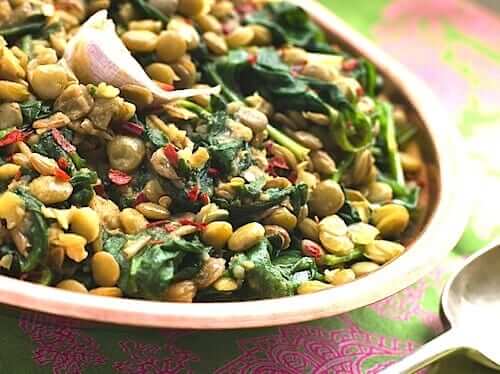
The best vegetables in this category are spinach and lentils. All vegetables are essential to a healthy diet but these two in particular have the highest content.

Your carbs should originate from products made of wheat flour instead of processed white flour. Bread, pasta, rice and cereal made from whole wheat are great choices.

Arganine deficiency is usually found in people who eat low-protein diets. Arganine-rich foods like tofu, almonds, peanuts, walnuts, Brazil nuts and cashews can provide the protein you need.

Taking supplements

There is no problem with taking arginine supplements if they are prescribed to you by a doctor but an arginine-rich diet is always the safer choice if you simply want to improve your health. Speak to your physician about taking supplements with arginine-rich foods. Too much of L-arginine can cause allergic reactions, low blood pressure, abnormal electrolyte levels and digestive issues.

If supplements cause diarrhea, constipation, abdominal pain or breathing problems, speak to your doctor right away. You should also inform your practitioner if you are on heart medication. The combination of heart meds and arginine supplements is known to cause harmful symptoms.

Who should you take more arganine?

Because the nutrient is believed to increase blood circulation, having too little of it in your body can lead to erectile dysfunction, skin rashes, loss of hair and slow healing of wounds. Low levels can also disrupt protein synthesis or produce fat around your liver.

Best Foods for Arthritis

The onset of consistent joint pain in mature adults usually signals arthritis. There are several types of arthritis, each caused by a malfunctioning or worn down part of a joint. This condition is usually regarded as a disease for the elderly but even children younger than 16 can suffer from it. Luckily, its symptoms can be lessened by your diet. Eating the best foods for arthritis can prove to be highly beneficial whether you are chronically ill or looking to prevent it in future.

What causes arthritis?

Every joint consists of two bones connected by flexible ligament to allow movement. The bones are covered in cartilage to prevent friction and supported by synovial membranes and fluids. All these components are enclosed within a capsule. When you have arthritis, it means that one of these parts is either infected or worn down. It might also mean there is not enough fluid between bones to produce smooth movement.

Types of arthritis

Arthritis can take many forms but the most experienced types are osteoarthritis, rheumatoid and infectious arthritis. With osteoarthritis, the bone covering or cartilage wears down and causes bones to rub against each other. Joining ligaments also suffer strain, which causes pain. Rheumatoid arthritis, on the other hand, affects the synovial fluid. When this fluid is lessened or attacked, it may cause inflammation and pain. Infectious arthritis occurs when bacteria enters the body and travels through the blood to form infections in the joints.

If your condition has advanced to stages where symptoms are displayed, seek help and treatment from a medical professional. You should also make it a point to consume the best foods for arthritis to enhance the effect of medication and to further ease symptoms at home.

What are the best foods for arthritis?

The best foods for arthritis are those that manage symptoms like inflammation (swelling), pain, fatigue and infection. Your diet should also include foods that build healthy bone, cartilage and regulates levels of synovial fluid.

You might want to start with antioxidant-rich foods like blue berries, black berries, raspberries, cherries, grapes, plums and cups of green tea. Antioxidants have the ability to cleanse your body of free radicals and bacteria that cause inflammation and infection in your joints. Green tea is also famous for protecting cartilage.

Oranges, kiwi, grapefruit, guava, broccoli, cauliflower and kidney beans are also great foods for your cartilage because they contain high amounts of vitamin C.

Omega 3 fatty acids are known to ease pain, add extra strength and give you more energy. Foods with fatty acids include flax seed, walnuts, salmon, trout, sardines, mackerel and herring.

Substitute cooking oils with olive or extra virgin olive oil to keep inflammation under control and to dull severe pain.
Nutrients called carotenoids are also believed to improve the health of joints. They are present in vegetables like sweet potatoes, butternut squash, egg plant, spinach, pumpkin, carrots and kale.

What are the worst foods for arthritis?

Avoid inflammation-causing foods like baked goods, processed snacks, fried food, margarine, sweet treats and goods made from white flour.

Alkaline Diet Foods

The alkaline diet is one of the most controversial and widely debated diets in the field of health and nutrition. Advocates of this health plan argue that eating alkaline diet foods can affect your body’s pH level. Alkaline-inducing foods are preferred over acid-forming foods because the former maintains the pH level maintain the pH your body needs to fight diseases. The latter, on the other hand, make your body acidic which turns it into a breeding ground for bacteria and can take down your natural defenses against sickness. Although the theory does have some merit, there is ample ground to contest it as well.

Why the diet might work

Some research does show that different foods leave different pH footprints in your body. Those that are classified as alkaline diet foods have certain properties like chlorophyll, which is believed to produce and maintain the disease-fighting alkaline level of blood by increasing oxygen in the bloodstream. Bacteria have trouble surviving in oxygenated environments and are therefore prevented from causing illnesses.

Acid-forming foods are those that interfere or change the normal 7.35 to 7.45 alkaline pH level in blood. Because they also lead to some vitamins, minerals and other substances being excreted, they can make urine slightly more acidic and prevent your body from holding on to the substances it needs to fight bacteria.

Why the diet might not work

Tests show that alkaline diet foods have little to no effect on the pH level, especially that of blood. Blood alkaline is maintained by other components of the body’s system and is not determined by the food you eat. There is however something important to note from this argument. What you eat affects your body’s overall system and functioning. Even if alkaline diet foods don’t affect blood pH level directly, it might have an effect on the components of the body that do. Therefore, the alkaline diet might yield results indirectly because of the foods’ effect on alkalizing agents.

Another factor that counts against this diet is lack of conclusive research. Without evidence, the alkaline diet remains a theory.

What are the best alkaline diet foods?

Many fruits and vegetables are thought to have alkalizing ability. Pears, nectarines, lemons, watermelons, bananas, avocados, peaches and pineapples are top fruits. Veggies include broccoli, lettuce, asparagus and cauliflower.

What are acidifying foods?

Processed foods are believed to cause an acidic environment and dieters are advised to keep away from them. Foods include pasta, white bread, white sugar, white vinegar, most cereals and artificial sweeteners. Red meat and seafood are also discouraged. Dairy like cheese and beverages like coffee and carbonated drinks are said to have acid-forming tendencies as well.

As you’ve probably noticed, favored alkaline foods are all fruits and vegetables. This is a good thing because even if the theory doesn’t hold up, other tried and tested diets verify that these foods have a positive effect on the body. It’s also true that refined food is not healthy and whether you’re trying to alkalize your body or not, they don’t belong on your menu.

Health benefits of brown rice

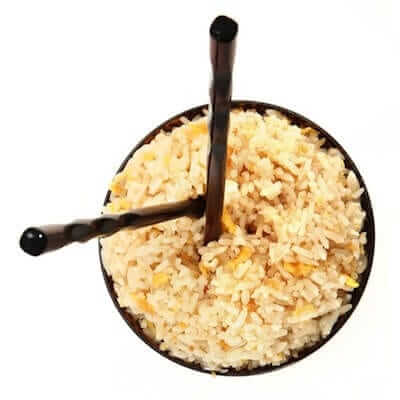
White rice used to be norm until news of the unhealthy carbohydrates it contains spread. Today, grocery store shelves are packed with bags of brown rice. It is considered to be one of the top whole grains available and appears in almost every health plan, even low-carb diets. Recommended from patients with digestive problems to heart disease, the health benefits of brown rice have taken the world of nutrition by storm.

What is brown rice?

Brown rice belongs to the same family of grains as white rice. The biggest difference between them is that white rice has been processed to remove bran and germ, while brown rice is not. This makes it more natural and thus healthier than its counterpart. If you’ve had servings of this rice, you might have cooked it longer than ordinary rice because of its firm texture.

What are the health benefits of brown rice?

This rice is revered for its fiber content. Fiber is essential for healthy digestion. It helps slow down the breakdown of food in your stomach, which helps you feel full for a longer period of time. In this way, it can regulate your appetite and stop you from overeating, which might lead to weight loss.

Because digestion is slower, blood sugar levels are prevented from spiking and dipping. This is especially beneficial for diabetics who struggle with unpredictable insulin levels.

Brown rice helps to add bulk to stools so waste moves smoothly out of your body and reduce pressure on your large intestine. Conditions like constipation and irregular bowel movement can force the colon to work harder than it should. When the colon is strained, it can cause diverticulitis.

Another advantage of brown rice is that it contains protein, vitamins and iron. Eating it regularly can lead to improvement in muscle, nerve and immune system health. The germ of the rice is also believed to contain many more nutrients and essential fatty acids that fight cancer, prevent heart disease and lower bad LDL cholesterol. LDL cholesterol is very important to control because it usually results in many forms of heart diseases.

Vitamin D, calcium and magnesium are also health benefits of brown rice. Your body needs these minerals to keep bones, muscles and joints strong. Magnesium is a popular supplement for people with high blood pressure, osteoporosis, and diabetes and kidney disease.

How do you cook brown rice?

In order to enjoy the full health benefits of brown rice, you should know how to cook it to preserve as many nutrients as possible. You should boil it like you do with normal rice but seal it tightly and cook it on low to medium heat. Allow the steam sealed inside to make it softer.

Be careful not to overcook it. Brown rice should have a firmer texture than white rice. If you cook it too long in an attempt to make too soft, you might lose some of the very nutrients you are consuming it for.

Best foods for gallstones

There are millions of people in the world who are living without gallbladders. Most people have them removed as a result of gallstones. The gallbladder is a sac-like organ that sits beneath your liver to store the bile it produces. Bile consists of a mixture of many substances, among which is cholesterol. Sometimes these substances congregate and form gallstones that vary in size. If the stones grow too big, your doctor might recommend surgically removing the gallbladder. However, this can be absolutely avoided if you get into the habit of eating the best foods for gallstones.

What causes gallstones?

Because gallstones are composed of the substances found in bile, what you eat affects the content of your bile. A diet with saturated and trans fats can increase the level of cholesterol in your bile and cause stones. Examples of these foods are fast foods, fried and processed foods. Fries, hotdogs, burgers, fried meat, chips, cake, doughnut, cookies and other high-fat snacks. People who are overweight or obese are also at risk of gallstones.

What are the symptoms of gallstones?

When gallstones are small or don’t cause blockage to ducts, it is possible to have no symptoms at all. If stones are too small to cause damage, eating a rich diet of the best foods for gallstones can prevent them from growing and avert symptoms.
However, if gallstones become bigger, they can block the bile duct and produce mild to severe pain in the abdomen, stomach pain, shoulder pain, upper back pain, fever, inflammation and yellowing of eyes. Some of these symptoms can be treated with the best foods for gallstones. In some cases, changes in your diet can even eliminate symptoms altogether.

What are the best foods for gallstones?

Low-fat versions of dairy are the best choice. Low fat or skim milk, cheese, yoghurt and cream cheese contain a lower content of unhealthy fats, which can reduce cholesterol. You should also opt for fats found in olive oil, nuts and some seeds instead of foods with saturated fats.

Whole grain carbohydrates have very low amounts of cholesterol-forming fats and can improve digestion significantly. Some of these foods include whole bread, whole pasta, wheat cereals, crackers, granola bars and fruit. Vegetables are also low in fat. Make sure that you don’t add unnecessary fat to servings with salad dressings, butter or mayonnaise.

For dessert, treats like frozen yoghurt and sorbet are healthier options than store-baked processed foods.

What are the worst foods for gallstones?

Deep-fried, fast foods are gallstones waiting to happen. The fat they contain turns into bad LDL cholesterol that accumulates in bile and is transported to the heart. As mentioned earlier, some cooking oils and butter also have high content of bad fats that are difficult for the stomach to process.

Foods with gluten should also be on your watch list. If gluten from wheat, rye and barley products end up in your bile, it can cause larger gallstones.

Sometimes, healthy foods like red meat, oranges, grapefruit, cauliflower and cabbage can lead to gallstone formation in others.

Nutritional information of sweet potatoes

They are soft, filling and delicious but how much do people actually know about the nutritional value of sweet potatoes? Most people are aware that sweet potatoes are healthier than white potatoes but their vitamin, mineral and antioxidant content often goes overlooked. Learning more about the health benefits can help you incorporate it intelligently into your diet.

What is the nutritional value of sweet potatoes?

Sweet potatoes are filling because they contain complex carbohydrates and dietary fiber. These two substances work together to make digestion as smooth as possible. When foods contain fiber and complex carbs, the pace of digestion slows down. Food takes longer to break down and therefore makes you feel full for hours after eating. Complex carbohydrates are converted into energy that is slowly released in the body to give you a lasting energy boost. Because of this slow-releasing ability, sugar in your blood remains stable and insulin production is controlled.

After the food is digested, fiber moves it into the intestines and down to the rectum where it is passed out. As fiber transports foods through the digestive system, less pressure is exerted on the colon which prevents digestive complications like diverticulitis.

Sweet potatoes are good for your heart. They don’t have any saturated or trans fats that usually raises LDL cholesterol. LDL cholesterol is one of the leading causes of heart attacks because it is carried by lipoproteins to the walls of the arteries. When it accumulates, it can cause blockages and blood clots that lead to heart failure. These unhealthy fats are also responsible for weight gain and their absence can lead to a trimmer, healthier body.

These sweet tubers are top providers of vitamin A and are ranked higher than most vegetables. Vitamin A is well-known as medication for the immune system. It strengthens immunity against diseases by keeping cells healthy and moist. When cells are healthy, bacteria, cancerous growths and free radicals are prevented from causing infections and illnesses. In fact, well-functioning cells can help you avoid everything from respiratory illnesses to strokes. The ability of vitamin A makes sweet potatoes essential for people suffering from viral illnesses.

Next on the list of the nutritional value of sweet potatoes is vitamin B1, 5 and 6. Vitamin B1 is believed to improve overall cognitive functions, especially in the areas of memory and concentration. Research also states that higher energy levels and enhanced vision are by-products of consuming vitamin B1. Vitamins B5 and 6 specialize in boosting the metabolism, increasing the number of red blood cells for immunity, assisting the nervous system and producing healthy skin.

Sweet potatoes are hosts to many minerals, some of which include calcium, potassium, magnesium and manganese. When eaten with leaves, you can increase your intake of iron, vitamin C and folate. The benefits of consuming these minerals are too many to mention. Hormone production, increased bone density, protection against bacteria, elimination of free radicals, cancer prevention, and improved synthesis of proteins; muscle restoration and clear skin are just a few rewards you can reap.

  • Previous
  • Page 1
  • Interim pages omitted …
  • Page 7
  • Page 8
  • Page 9
  • Page 10
  • Page 11
  • Interim pages omitted …
  • Page 21
  • Next

sidebar

Welcome!

As a huge fan of Filipino food, it is my goal to teach people how to cook it using the simplest way possible. Prepare your taste buds for an ultimate showdown of delectable Filipino dishes! Read more…

Facebook
Instagram
Pinterest
YouTube

Reader Favorites

Chicken Adobo Panlasang Pinoy

Filipino Chicken Adobo Recipe

Leche Flan Recipe

kare kare beef tripe

Kare-Kare Recipe (Beef Tripe)

Pork Sinigang

Sinigang

Receive new recipes by email!


Seasonal

Beef Morcon Recipe

Arroz Valenciana

lechon belly roll recipe

Lechon Belly Roll

Christmas Macaroni Salad

How to Make Macaroni Salad for the Holidays

As Seen In:

good housekeeping
parents
serious eats
livestrong
kitchn
sheknows
Facebook
Instagram
Pinterest
YouTube
About
Meet Vanjo
New? Start Here
Browse Recipes
Explore
Ingredient 101
Philippines
Cooking Schools
Privacy Policy
Disclaimers
Contact
© 2026 Panlasang Pinoy
Site Credits
Designed by Melissa Rose Design Developed by Once Coupled
Back to Top
Back to Top