Practical Camping Food Ideas
I started cooking outdoors when I was still a kid back in the Philippines. I was not doing the hard part yet, but I helped around while the adults worked on the charcoal, the rice, and the grilled food. We had marinated pork, a sack of day-old rice, and a few cans of sardines for backup. The food was simple, but it was enough for everyone.
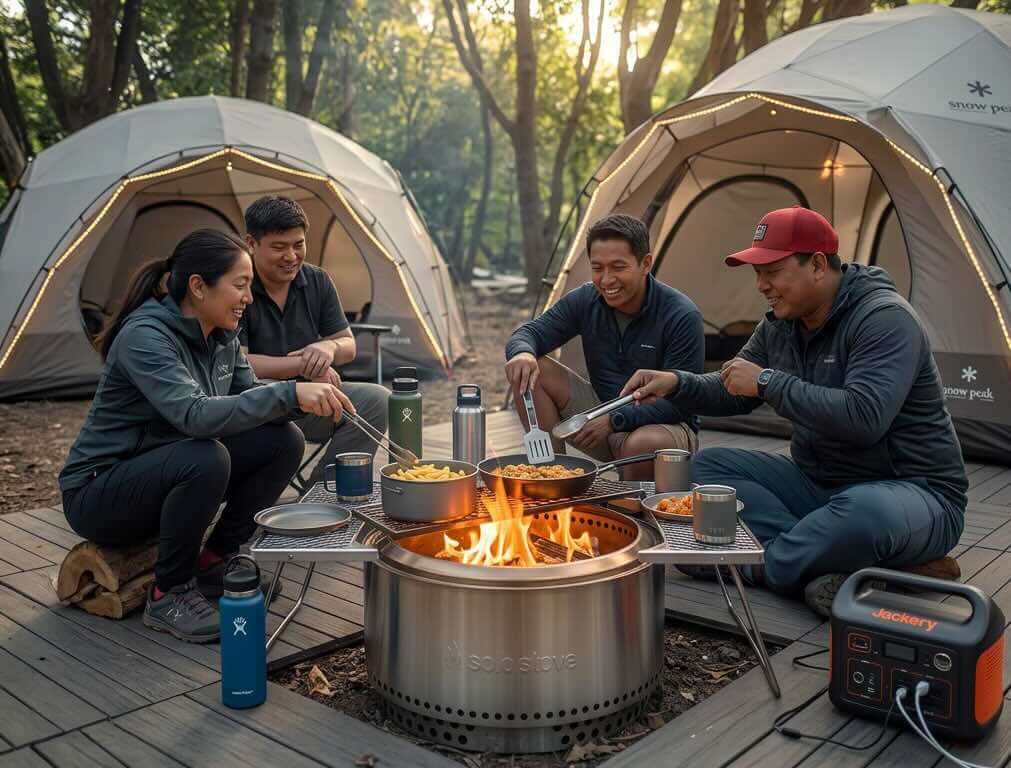
That was more than thirty years ago. Since then I have cooked on both sides of the world, and I camp here in the US too, where the food looks different: foil packets on the coals, hot dogs on a stick, a cast iron pan of bacon and eggs in the cold morning, s’mores at night. I like both styles, and I usually use them together. When my family camps, we put American and Filipino food on the same table. American breakfast, then a Filipino dinner later in the day. Marshmallows for the kids, grilled liempo for the rest of us. That is usually how I plan our camping food now.
I will start with the American camp food most people already know, then move into the Filipino dishes I like to bring, and then show you how I put the two together on one trip. After that I will cover the part that matters most at camp: what to prepare at home, what to bring when you do not want to cook, and how to keep the food safe.
Camping Food in the US
In the US, most camping food starts with the cooler and whatever you can cook over the fire or a camp stove. A lot of families keep it simple: hot dogs, burgers, foil packs, breakfast food, and s’mores at night.
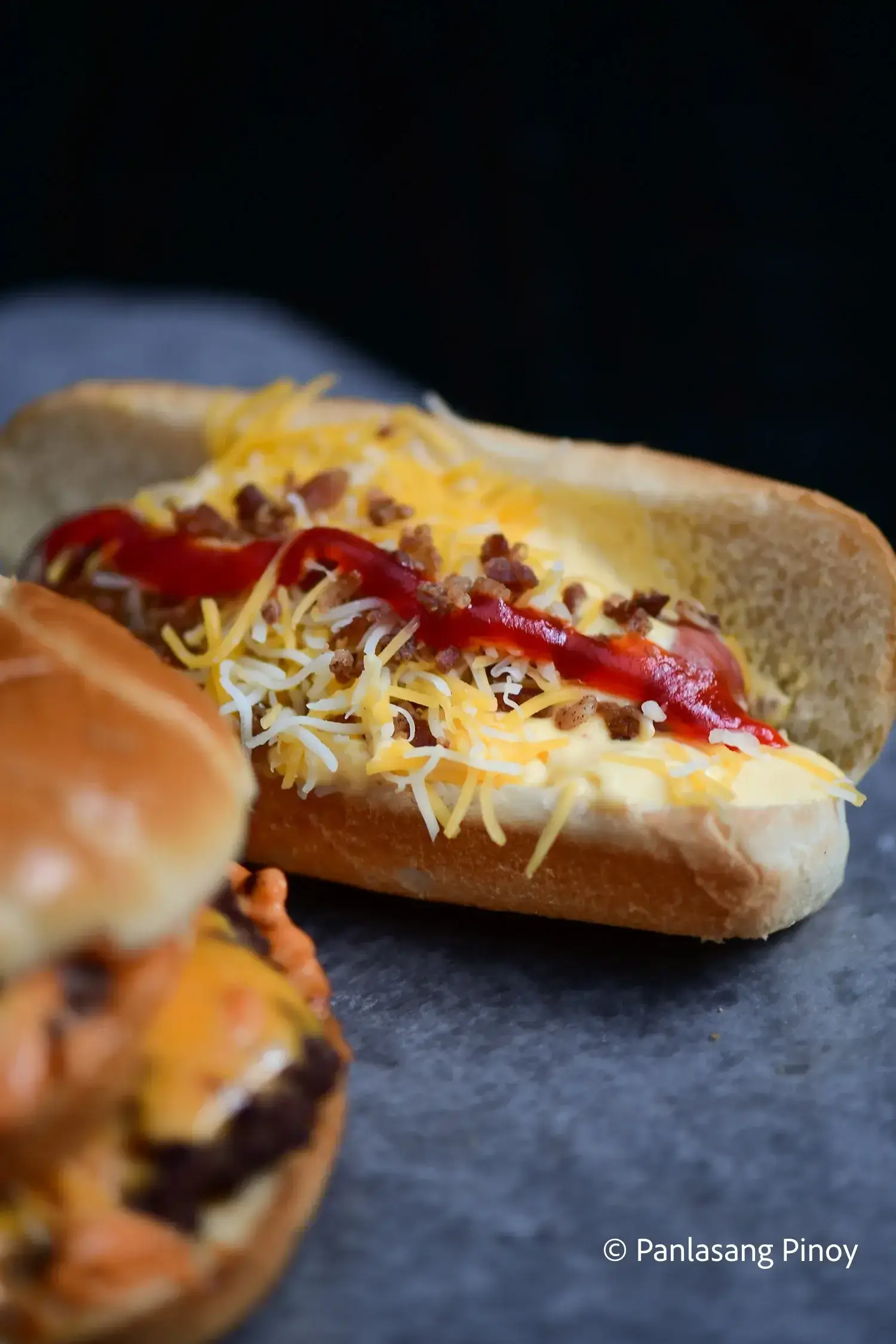
Hot dogs and sausages on a roasting stick are the easiest dinner there is, and kids like cooking their own. Foil packet meals are the other one I lean on: chopped potatoes, onion, a protein, a pat of butter, all sealed in heavy-duty foil and set on the coals. About twenty minutes later you unwrap dinner with no pan to scrub, which matters a lot at a campsite. Then there are burgers and brats on a portable grill, corn in the husk, and a pot of canned chili. S’mores are almost always part of the trip, especially when there are kids around.
Breakfast is usually simple too. A cast iron skillet of bacon, eggs, and hash browns over a camp stove is hard to beat. Hot coffee in the morning also helps, especially when it is cold. Pancakes from a just-add-water mix keep the kids happy. None of it is complicated, and that is the point. American camp food is more about ease and comfort than technique.
Camping Food in the Philippines
Camping in the Philippines feels different. You might drive up to Tanay in Rizal for the sea of clouds, haul everything into a Zambales cove like Anawangin or Nagsasa where there is no electricity at all, or pitch a tent near the surf in La Union. Wherever you go, the food usually comes from what we already cook well at home: marinated meat, rice, one-pot dishes, and food that still tastes good after traveling.
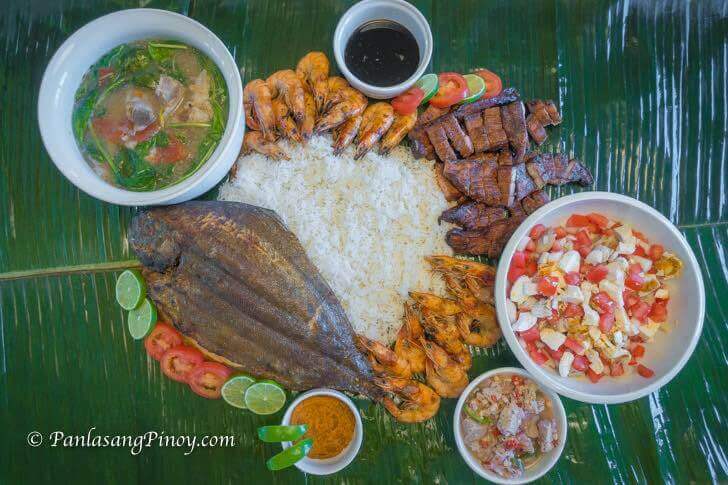
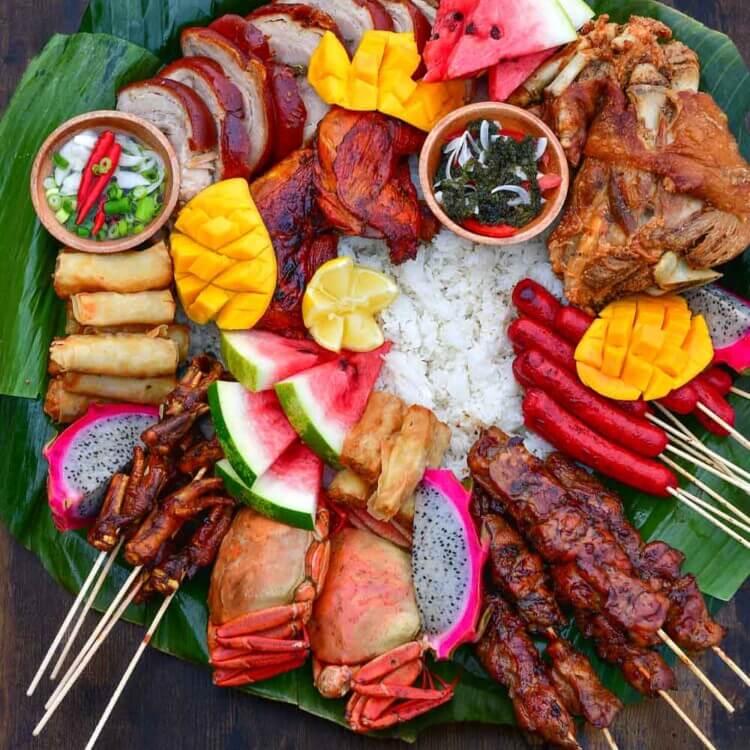
Filipino food works well for camping for a few reasons. The pantry staples we cook with, like soy sauce, vinegar, garlic, fish sauce, and calamansi, need no refrigeration and carry most of the flavor. A lot of our dishes are made to keep. And the food is meant to be shared from the middle of the table, which is how eating at a campsite already works anyway. If you have ever set up a boodle fight on banana leaves, you already know the feeling. Below are the dishes I reach for, and you will find many of them on my list of Filipino picnic food ideas too, since the thinking is the same: pack smart, cook simple, and eat well outdoors.
Marinate Your Grill Meat at Home
This is one of the easiest ways to make camp cooking less stressful. Marinate at home the night before, seal it in a container or zip bag, and drop it in the cooler. By the time you reach the campsite, the meat is already seasoned and ready for the grill, and it has soaked up flavor during the whole drive.
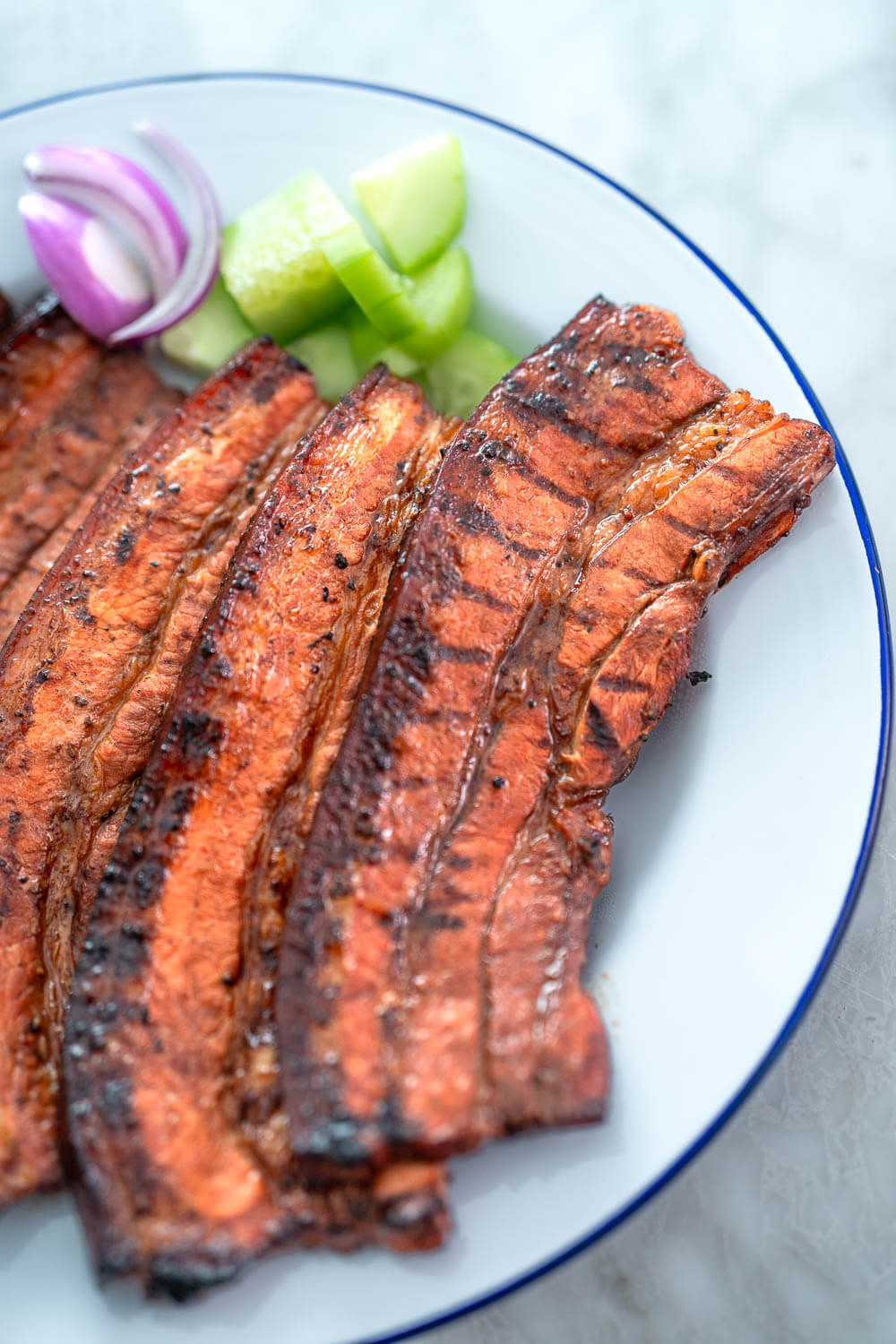
Inihaw na liempo is my top pick. Pork belly, soy sauce, calamansi, garlic, and a little banana ketchup in the basting sauce. Grill it over charcoal until the edges char and the fat renders. Once the pork starts grilling, everyone knows dinner is close. If you only get to marinate after you arrive, this easy liempo inihaw needs just 30 minutes, about the time it takes to get the coals going.
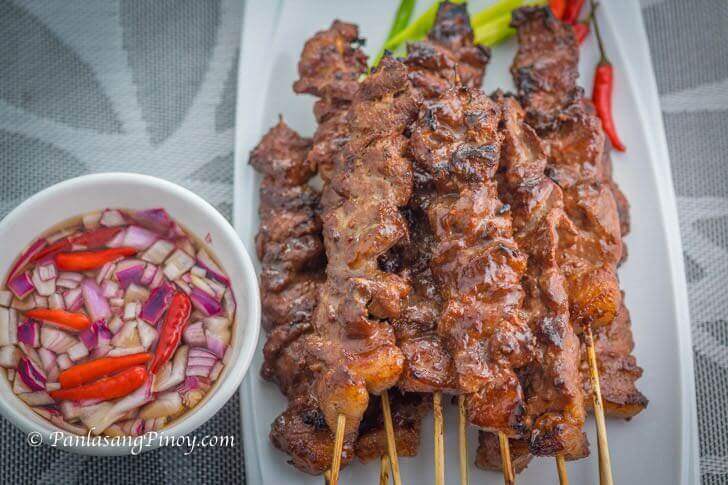
For a bigger group, Filipino-style pork BBQ on skewers is the classic, and it sits naturally next to American grilling. If you prefer chicken, chicken inasal has a lemongrass and calamansi flavor you cannot get from a bottle of barbecue sauce. And if you want the real street-corner taste, the classic Pinoy pork barbecue is the one I grew up eating from the stall just outside our subdivision.
Bring a small bottle of spicy vinegar for dipping, and pack a little papaya atchara if you can. It cuts the richness and keeps everyone reaching for more.
Why I Always Bring Adobo
If I could bring only one cooked dish, it would be adobo. I cook a big batch of pork adobo at home, let it cool all the way down, and then pack it. At the site I just reheat it in a pan, and if I am in the mood, I fry the pieces for a minute to crisp the edges.
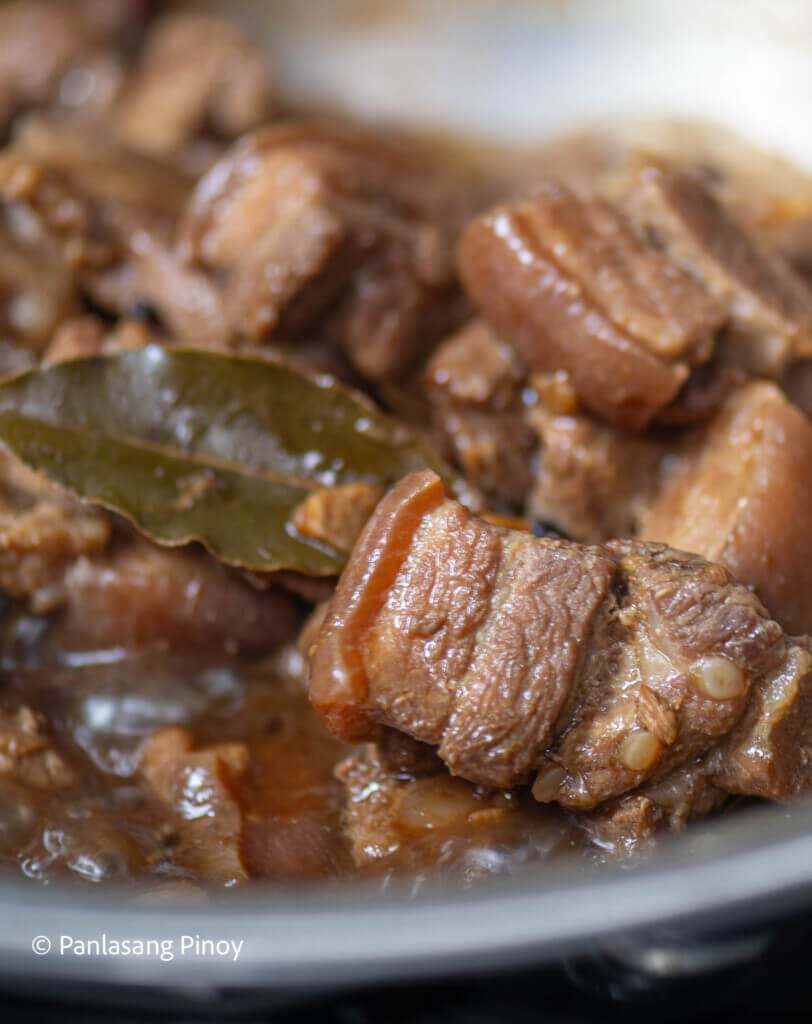
The vinegar and soy sauce keep the meat safe for hours, and the flavor actually gets better overnight, so the adobo I cook on Friday tastes better by Saturday. That is one reason I always bring it to camp. It also saves time at the site, because all you really need to do is reheat it. If you ever get tired of the standard version, there are dozens of adobo variations that pack just as well.
Silog Breakfast: Longganisa and Sinangag
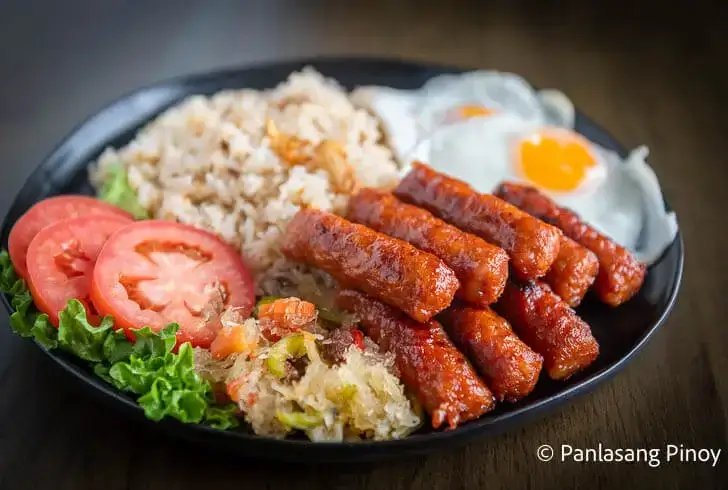
Mornings at camp are cold, especially up in Tanay or Baguio. Nothing wakes everyone up faster than garlic hitting hot oil. Pack skinless longganisa in the cooler; it fries up sweet and garlicky in minutes. Pair it with sinangag made from the rice you brought, add a fried egg, and you have longsilog. It is filling and familiar, and it is exactly what you want when everyone wakes up hungry. Bring more rice than you think you need; day-old rice is actually better for sinangag because it is firmer and will not turn mushy in the pan. If you have not made fried rice before, here is how to cook the rice for it the night before.
Canned Goods That Work Well for Camping
Canned food is useful when you are camping. The trick is turning a can into a real meal instead of eating it cold from the tin. Ginisang sardinas is the move: a can of sardines in tomato sauce, sautéed with garlic, onion, and tomato, then whatever greens you brought.
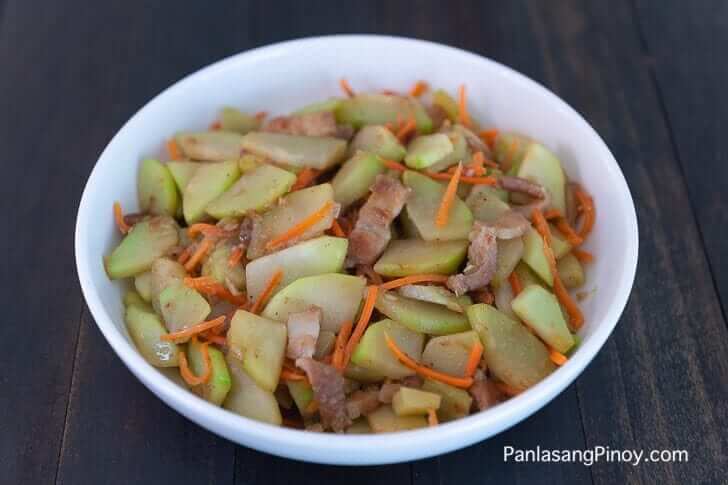
My ginisang sayote at sardinas is the version I make most. A corned beef omelet turns one can into a breakfast that holds you until lunch. And century tuna fried with garlic and a splash of soy sauce makes a fast rice topping when you do not feel like cooking anything serious. These are useful on the second or third day, when the fresh meat is already gone but you still want something hot. If sardines are a regular for you, I put together a few more ways to enjoy canned sardines that all work at a campsite.
One-Pot Meals: Monggo and Sinigang
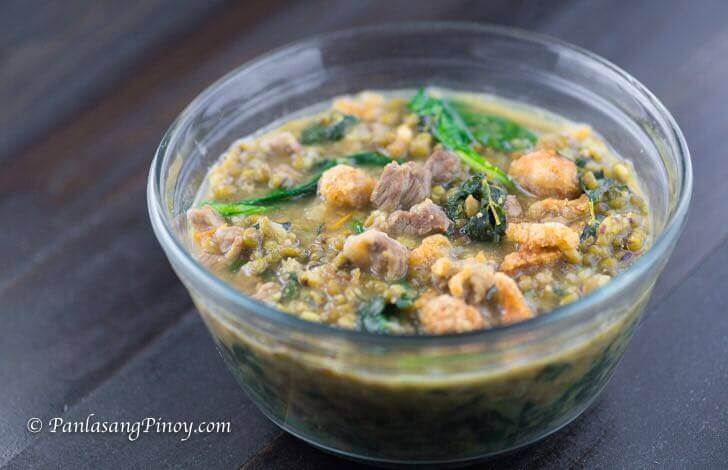
A hot one-pot meal tastes especially good after hiking or spending the whole day outside. Ginisang monggo with grilled liempo is my go-to, since you are already firing up the grill. The smoky pork over soft mung beans makes the long drive feel worth it.
And if one soup belongs at a Philippine campsite on a cold night, it is pork sinigang. A pack of sinigang mix keeps it simple without giving up that sour broth, and a hot bowl of it when the mountain air starts to bite is hard to beat. Arroz caldo is another good one. It is warm, filling, and easy to cook in a single pot. Sinigang earns its spot on my list of Filipino foods that keep you warm for a reason.
Pancit and Spaghetti for the Group
Cooking for a crowd? Pancit canton stretches a long way and packs easily, and there are plenty of ways to make pancit if you want to switch it up.
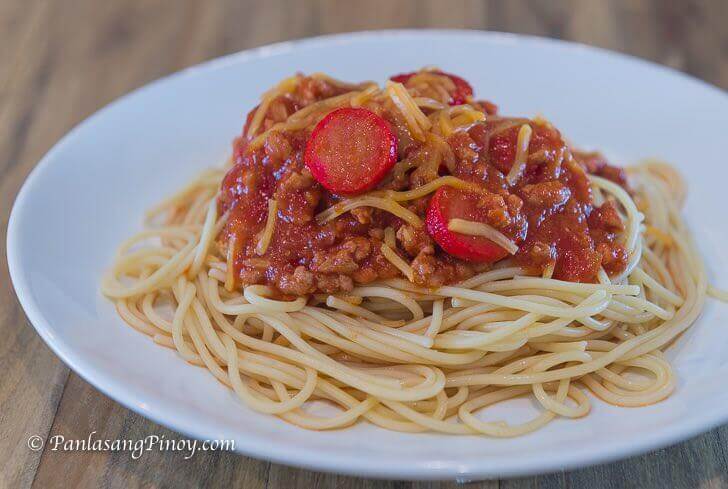
Filipino spaghetti is also good when you are camping with kids or a big family. The sweet kind with banana ketchup and hotdogs is always a hit. Cook the sauce at home, boil the pasta on-site, and the kids (and the adults who grew up on it) will be happy.
How I Mix Both Cuisines on One Trip
This is how my family usually camps now. We do not really choose between American and Filipino food. We use both across the same weekend, and they work well together.
Here is how a two-day trip usually goes for us.
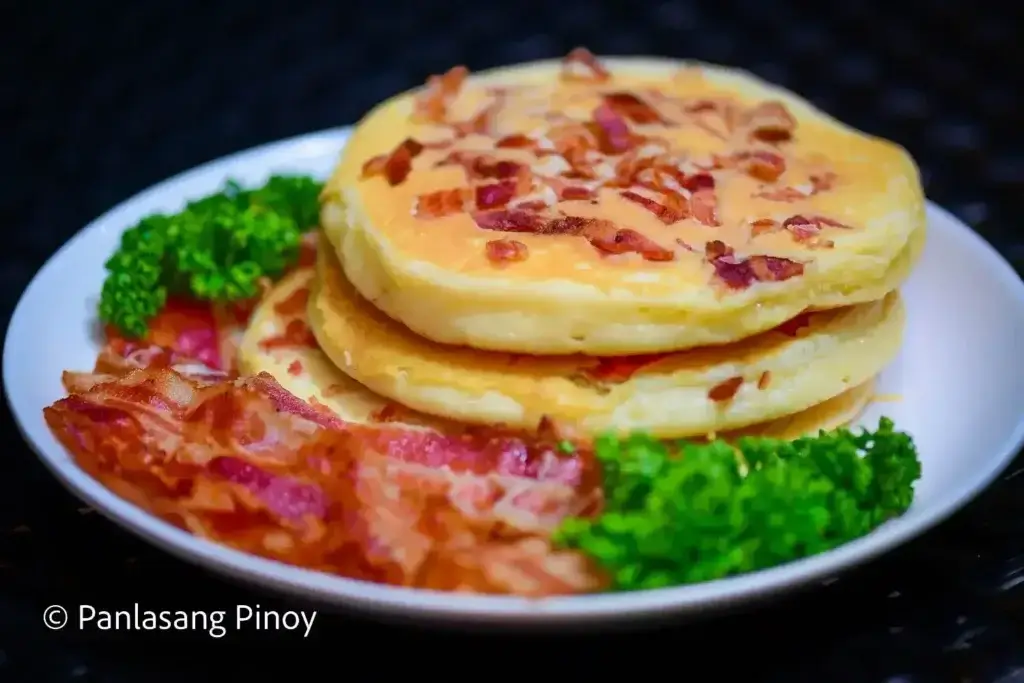
Day one breakfast is American: bacon, eggs, and hash browns in the cast iron, hot coffee, maybe pancakes for the kids. It is fast and comforting, and it gets everyone moving. Lunch is light and no-cook, usually sandwiches. Then dinner turns Filipino: the charcoal comes out, the liempo goes on, and we serve it with rice and the adobo I cooked at home.
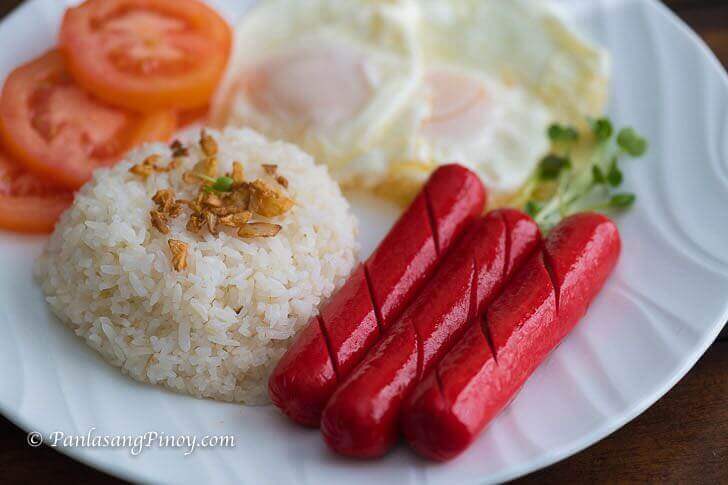
On day two, breakfast flips to silog, because by then everyone is craving garlic rice. Dessert both nights is s’mores, since there is no reason to skip those.
The two styles work well together. American food keeps breakfast and snacks easy, while Filipino food makes dinner more filling after a long day. The grill does double duty: hot dogs and burgers for the kids who want them, liempo and BBQ skewers for everyone else, all over the same coals. A bottle of spicy vinegar sits right next to the ketchup and mustard, and nobody thinks twice about it.
If you come from a Filipino family living in the US, you already know this. We bring the rice cooker camping. We pack a container of adobo next to the cooler of soda. I like bringing both because that is how we eat at home too.
Make-Ahead Camping Food Tips
The biggest thing that makes a trip go smoothly is how much you prepare before you leave. A campsite is a terrible place to chop onions in the dark. Do it at home.
Marinate all your meat the night before and freeze it. Frozen marinated meat also helps keep the cooler cold while it slowly thaws, so it is ready right when you want to grill.
- Pre-cook the dishes that travel well, adobo first, then cool and pack them.
- Cook a big pot of rice and chill it overnight so it is ready for sinangag.
- Chop your garlic, onion, and tomato ahead of time and seal them in small containers. Mix dry seasonings at home into labeled bags.
- Pour soy sauce, vinegar, and oil into small reusable bottles instead of hauling the big ones.
I like arriving at camp with most of the work already done. Cooking becomes mostly assembly and heat. You are reheating, grilling, and putting things together, not starting from scratch, which leaves you free to actually enjoy the trip.
No-Cook and No-Stove Camping Food
Some trips you do not want to cook at all, or you cannot. Maybe there is a fire ban, maybe you are packing light, maybe it is late and everyone is tired. You can still eat well if you plan for it.
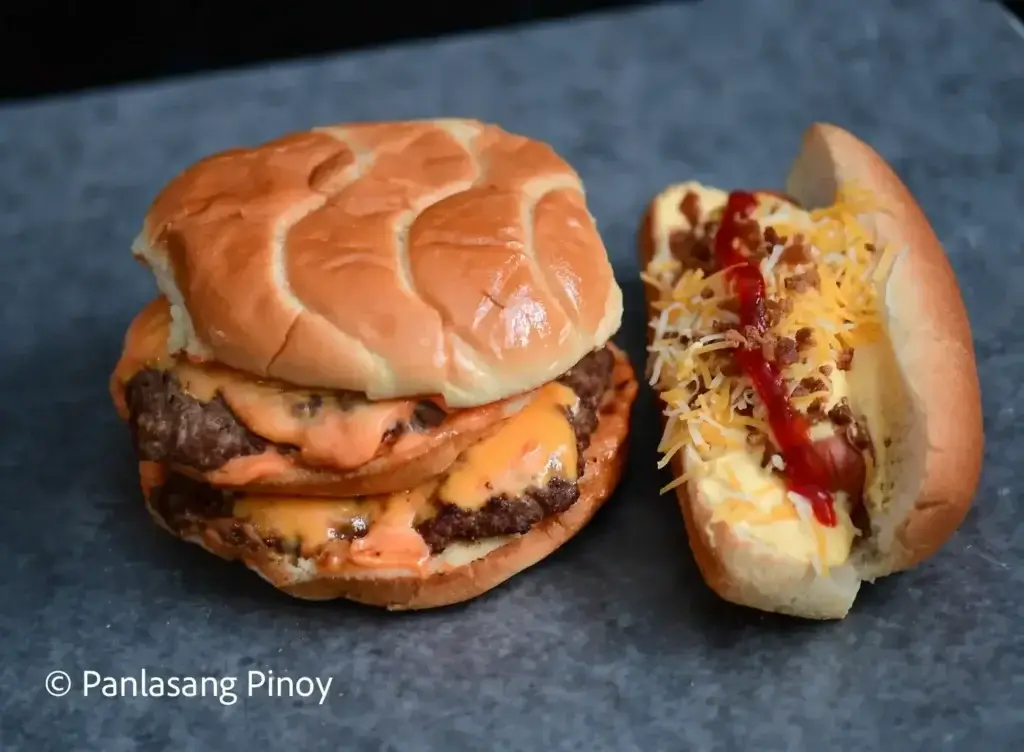
Sandwiches are the easiest option: bread, a spread, and a filling that survives the cooler. On the Filipino side, tuyo and daing are great no-cook-at-camp foods, because you can fry them crisp at home and they keep for days without refrigeration.
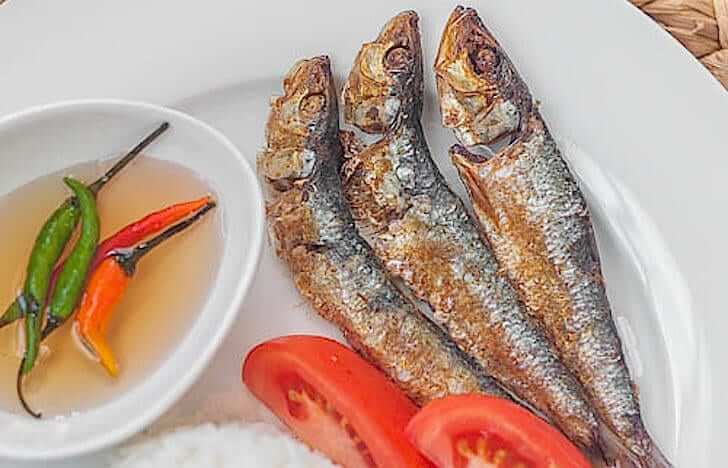
There are several ways to cook tuyo ahead of time, including tips for cutting down the smell. Adobo also works here, because you can cook it at home and eat it later.
Round it out with crackers, peanut butter, and tuna pouches. Fruit like apples and oranges works too. I often bring trail mix, and jerky with me.
Easy Camping Breakfasts
Breakfast is where people tend to overthink it. You want something fast and filling that will warm everyone up, because mornings outdoors are cold and everyone is hungry at the same time.
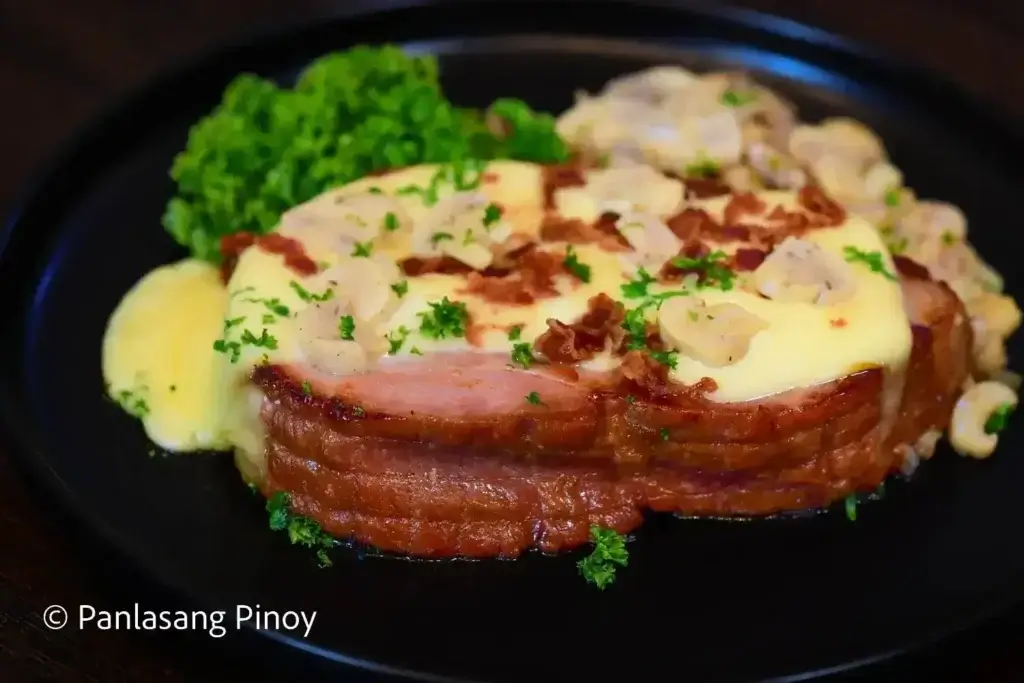
For an American-style breakfast, I usually think of a skillet meal: Ham or bacon, eggs, and hash browns. Or overnight oats you put together at home, which need no cooking at all.
For a Filipino breakfast, silog is always a good idea: longsilog, cornsilog with a corned beef omelet, or just sinangag with a fried egg on top.
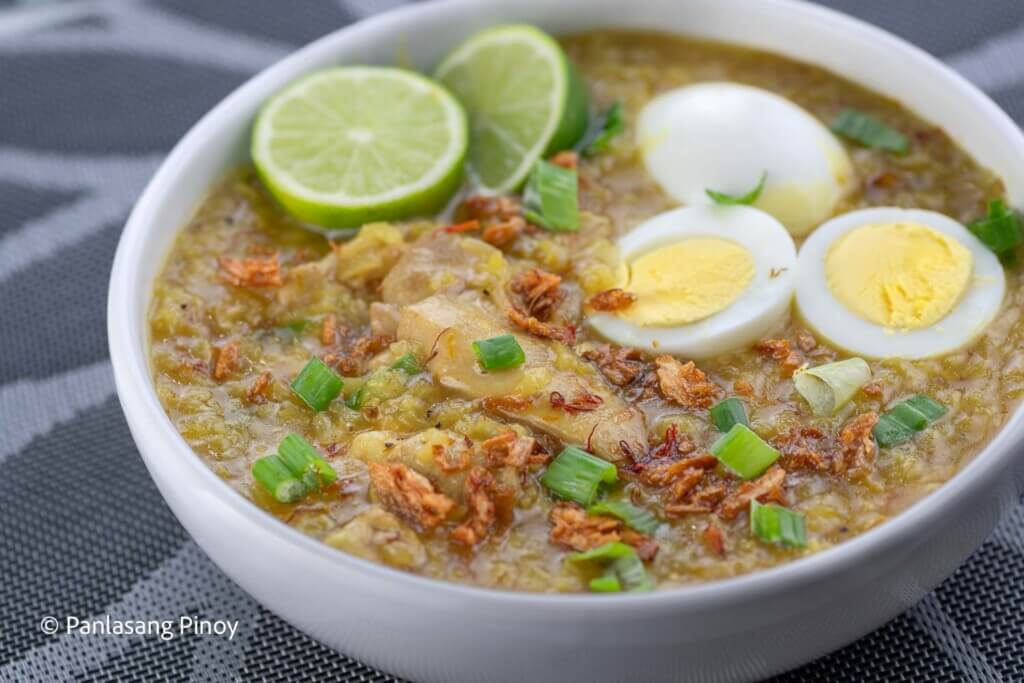
If it is cold and rainy, arroz caldo or a pot of champorado warms everyone up. My own routine, like I said, is an American breakfast on the first morning and a silog on the second. It keeps things from getting repetitive and gives everyone something to look forward to.
Keeping Food Safe Without a Fridge
Food safety is easy to overlook, but it matters a lot when you are outdoors. In Florida heat or a Philippine summer, it comes down to planning, not luck.
Pack your cooler in the order you will eat things. Frozen items and the meat you will cook first go at the bottom; what you need sooner goes on top.
Seal everything tightly in reusable containers. It keeps insects out and it stops leaks from soaking everything else.
The rule is simple: do not let cooked or raw perishable food sit out more than a couple of hours.
Keep the Cooking Gear Simple
You do not need a full kitchen. A portable gas stove or a small charcoal grill covers almost everything here. Bring one pan or wok and one pot for rice and soup, plus tongs, a spatula, and a sharp knife. Heavy-duty aluminum foil is worth bringing for foil-packet meals and for wrapping fish or liempo. Pack biodegradable dish soap, a sponge, and a small basin for washing up.
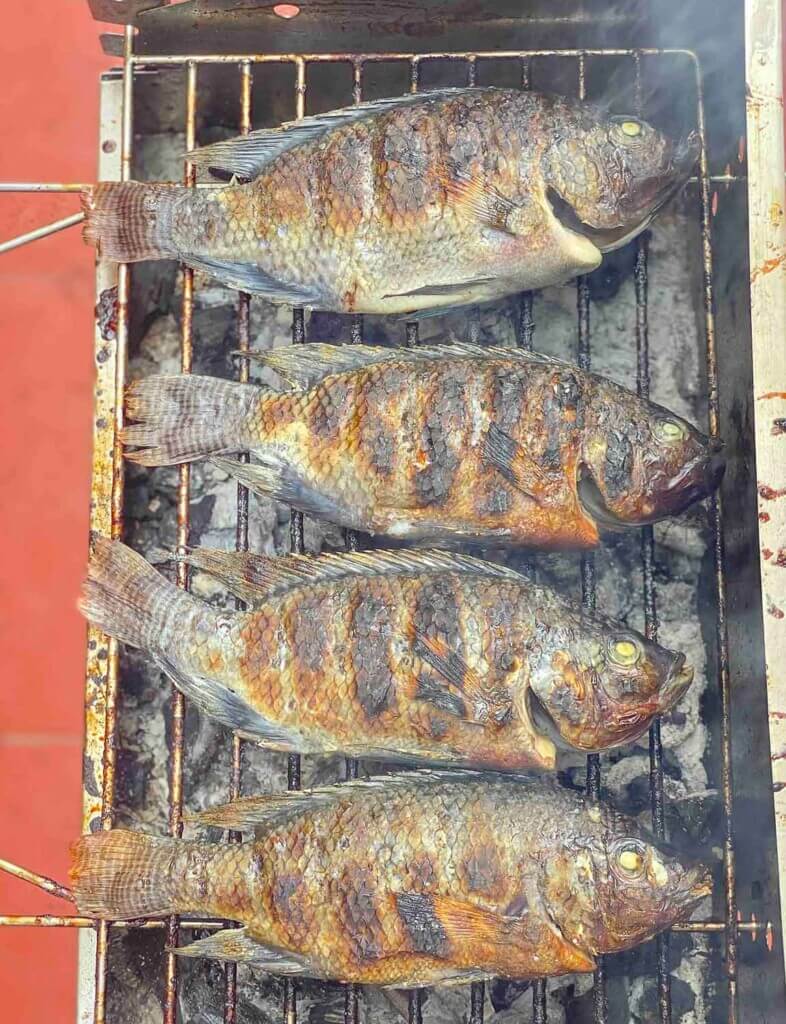
Cook what you need, clean up right after eating so nothing piles up, and bring your trash back with you. The best campsites stay nice because the people before us took care of them.
Frequently Asked Questions
What food should I bring camping that does not need refrigeration?
Plenty of options keep without a cooler: dried fish like tuyo and daing, vinegar-based dishes like adobo, canned goods, instant noodles and pancit canton, crackers, peanut butter, hard cheese, trail mix, jerky, and sturdy fruit like apples and oranges. Rice can be cooked at home and travels fine for a day.
What is the easiest camping dinner?
For ease, it is hard to beat a foil packet meal on the coals or pre-cooked adobo that you just reheat. Both need almost no active work and very little cleanup. To feed a group, pancit canton or pork BBQ skewers go a long way.
How do I cook rice while camping?
You can cook it in a pot over a camp stove using the absorption method, or cook a big batch at home and pack it. Day-old rice is actually ideal, because you can turn it into sinangag, which beats plain rice anyway.
What can I make camping without a stove or fire?
Sandwiches, tuna pouches, crackers and cheese, fruit, trail mix, and anything you cooked at home and packed cold, like fried tuyo or a container of adobo. Dried fish with cooked rice is a full meal with no flame needed.
Can I really mix American and Filipino food on a camping trip?
That is how my family does it. American breakfasts and s’mores, Filipino dinners like liempo and adobo, all on the same trip. The two styles work well together: American food keeps breakfast and snacks easy, while Filipino food makes dinner more filling after a long day outdoors.
The food does not have to be complicated. Some marinated liempo, a pot of rice, a few hot dogs for the kids, a can of sardines for backup, and the people you came with. That is enough.
Food tastes different outdoors. Maybe it is the charcoal, maybe it is the cold air, or maybe it is just because everyone is hungry and eating together. Whatever it is, even a simple plate of adobo tastes better out there. Cooking should feel like part of the trip, not something that keeps you away from everyone. And you do not have to choose between the food you grew up with and the food of the place you are in. I bring both, the same way we eat at home.
What do you bring camping? Do you mix cuisines the way we do, or keep it to one tradition? I would love to hear the dishes your family swears by. Share them in the comments below.
Leave a Comment