• Skip to primary navigation
  • Skip to main content
  • Skip to primary sidebar

Panlasang Pinoy

Your Top Source of Filipino Recipes

  • Start Here
  • All Recipes
    • Course
      • Breakfast
      • Lunch
      • Appetizers
      • Dessert
      • Dinner
    • Ingredient
      • Chicken
      • Pork
      • Beef
      • Turkey
      • Vegetable
      • Fish
      • Rice
      • Egg
      • Tofu
      • Noodles
    • Type
      • Adobo
      • Bread
      • Fried Chicken
      • Sinigang
      • Kilawin
      • Ginataan
      • Kaldereta
  • Cooking Schools
  • About
Facebook
Instagram
Pinterest
YouTube
Home Diets

Diets

Is the Scarsdale Diet Effective?

VLCDs or very low calorie diets have been used as a weight loss solution for years. One great example of a VLCD is the Scarsdale diet. People have long been discouraged from following these diets because of their potential to harm the body. However, Dr. Tarnower, the pioneer of the Scarsdale diet, managed to formulate an eating plan that minimized health risks to help dieters shed weight fast. Although it was developed by a physician, many experts still debate the safety of this unique diet.
scarsdale diet effective

The Scarsdale Diet Explained

While many experts argue that the best way to rapid weight loss is cutting down carbohydrates, the Scarsdale diet takes a different approach. It claims that if people keep their food ratios to 30% carbohydrates, 23% fats and the rest protein, they can achieve quick weight loss. Certain foods are paired to make meals that provide less than 1000 calories a day to create a significant calorie deficit.

The Scarsdale Diet Basic Meal Plan

Dieters are required to follow the Scarsdale meal plan with unwavering discipline to achieve desired results. The foods that form the foundation of this diet include grapefruits, celery, tomatoes, chicken, fish and whole wheat bread. Beverages with sugar are prohibited and so are cooking oil and mayonnaise.

It is highly advisable to follow the exact meal plan. Although the diet is very specific about the meals you should have for breakfast, lunch and supper, you can still use its general structure to create a low-calorie diet of your own. The Scarsdale diet generally recommends that dieters should:

  • Have 2 whole grapefruits daily, one of them early in the morning
  • Have 2 servings of protein-rich food like fish, chicken, turkey, beans or eggs a day
  • Add low-fat cheese to either lunch or supper
  • Snack on celery
  • Include plenty of vegetables with lunch and supper
  • Avoid cooking foods with oil or using oil-based dressings with salads
  • Drinking sugar-free beverages only, whether hot or cold

Useful Tips and Tricks

To achieve success with the Scarsdale diet, there are some tips and rules you can follow to increase your chances of losing more weight. One of the most important rules is to stay away from alcohol. All types of alcohol can hinder weight loss because it slows down the body’s metabolizing ability. Another rule is to avoid snacking between meals. If the urge to eat something between meals is too strong, snack on celery only. You can exercise if you have the energy. If not, save the workout program for after the diet has ended.

Does the Scarsdale Diet Work?

If followed correctly, you can lose weight quickly with the Scarsdale diet. How well you follow the rules and meal plan will influence how much you lose. Many people have reported losing a pound a day with this meal plan, however, results can vary.

The Scarsdale diet is an interesting meal plan because of its protein-fat-carbohydrate ratio and rigidity. It encourages dieters to eat a moderate amount of carbohydrates, while keeping the total calorie count under 1000. Because it is a very low calorie diet, it is considered by some to be harmful to your health. However, if followed correctly for a short period of time, it can have great results.
The Truth about the Anorexic Diet

Anorexia nervosa is a prevalent disorder where people avoid eating to achieve fast weight loss. It is a serious condition for which patients need to be professionally treated. While some see it as a disorder, others view it as a good way to shed unwanted pounds. The potential to lose weight at a fast rate by limiting calories is why the anorexic diet was born. The rest of this article will help you learn more about the anorexic diet.

anorexc-diet-truth

The Anorexic Diet Explained

The premise is very simple. In order to lose weight, you need to eat fewer calories daily. Although the recommended minimum calorie requirement is 1200 for women and 1500 for men, the anorexic diet aims to keep calories under 800 a day. This can easily be done by sticking to the “5 bites” rule, which is basically taking five bites of foods for breakfast, lunch and supper respectively. The type of food you eat is not specified. However, advocates suggest eating foods with high nutritional value.

Is the Anorexic Diet Safe?

Medically, the anorexic diet poses more hazards than benefits. The minimum calories recommended by experts go towards organ function alone. This means every system in your body requires a certain amount of calories to function normally every day. Should you deprive your body of its nutrients, it is highly likely that you will experience a range of illnesses and symptoms of deficiency. This diet should not be considered at all by pregnant women and diabetics.

Is the Anorexic Diet Effective?

This diet might be gaining popularity in some circles, but it is by far the hardest meal plan to adopt. Firstly, it requires a lot of discipline to ignore hunger pangs. Although you are allowed to take bites of filling, protein-rich foods or slow-releasing carbohydrates, the low calorie count is guaranteed to leave you feeling hungrier than ever.

Another reason why many people cannot go through with this diet is because of symptoms like fatigue, dizziness and constipation. The average person needs a certain amount of nutrients daily. Without them, organs might begin shutting down, leading to mental and physical problems.

Food Options for Anorexic Diet

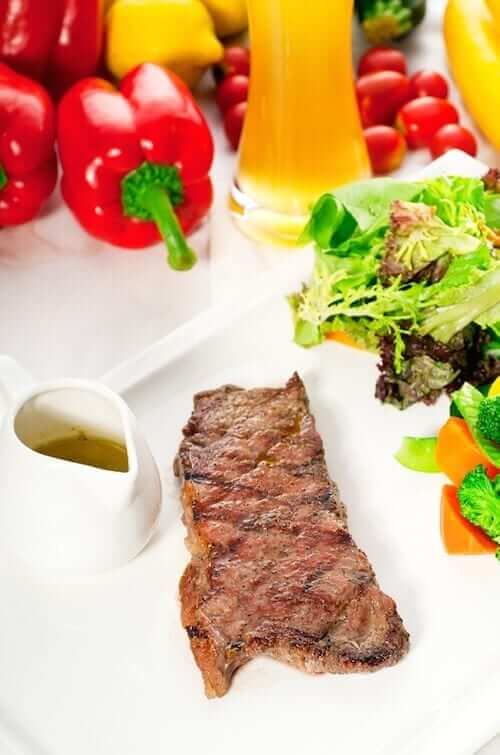
The choice of food is entirely up to dieters. The best way to receive as many nutrients as you can on the anorexic diet is to eat amounts of protein, healthy fats, fiber and carbohydrates. You could have steel-cut oats with plain yoghurt for breakfast, steak with leafy vegetables for lunch and whole wheat bread with an avocado spread for supper. This is an example of how to balance all food groups to ensure your body gets what it needs.

Important thing to Consider about the Anorexic Diet

There is a fine line between following an anorexic diet and being anorexic. Patients are diagnosed as anorexic because they are motivated to go to extreme lengths to lose weight in order to improve self-image and esteem. This is not very different from a person willing to pursue unhealthy avenues to improve appearance and confidence. If you’ve been on the anorexic diet for some time, please speak to your doctor and rule out the possibility of suffering from the disorder as well.

The anorexic diet does not have many fans in the medical world. In fact, dieters are highly discouraged from following it for many reasons. Not only does it advocate unsustainable, extreme weight loss measures, it can also lead to negative effects on your system. Consult your doctor immediately if you’re considering this meal plan.

Pros and Cons of Scarsdale Diet

The Scarsdale diet, created by the physician Dr. Tarnower, is fast becoming one of the most popular low-calorie meal plans around the globe. This is because it is a very low calorie diet that people can use to lose a lot of weight in a short space of time. However, there are pros and cons of scarsdale diet. It is categorized as a VLDC because it aims to keep calories less than 1000 a day while preventing the body from going into “starvation mode”. Despite its popularity, it is still important to examine this diet’s benefits and drawbacks.

pros and cons of scarsdale diet

How the Scarsdale Diet Works

For 7-14 days, followers of the Scarsdale diet are given a strict meal plan that consists of specific foods. The diet’s basic premise is to consume 34.5% carbohydrates, 43% fats and 22.5% fats. Although this is a moderately high number of carbohydrates compared to other low-carb meal plans, advocates of this diet believe that this is what is needed to achieve rapid but sustainable weight loss. Because some food portions are not specified, you should aim to keep the calorie count less than 1000.

Scarsdale Diet Meal Plan

As mentioned earlier, one of the cons of Scarsdale diet is that it is very rigid, and failure to follow it to the last detail can potentially sabotage your weight loss efforts. Dieters are to eat the same meal for breakfast throughout the duration of the diet. There are also foods and beverages that are banned from the meal plan, including alcohol, cooking oil, mayonnaise and sweetened drinks.

Day 1:

Breakfast: 1 grapefruit, 1 slice whole wheat bread, hot or cold beverage without sugar

Lunch: Unlimited amount of tomatoes, cold cut meats of any kind

Dinner: 1 grapefruit, 1 slice bread, fish, green salad


 Day 2:

Breakfast: Same as day1

Lunch: Vegetables (tomatoes, cucumbers, celery), homemade burger with lean meat

Dinner: Any kind of fruit or fruit salad


Day 3:

Breakfast: Same as day 1

Lunch: Salmon, green salad, 1 grapefruit

Dinner: Chicken/lamb/fish


Day 4:

Breakfast: Same as day 1

Lunch: 1 slice bread, 2 eggs, unlimited tomatoes, diet cottage cheese

Dinner: Chicken/turkey (without skin), beans, spinach


Day 5:

Breakfast: Same as day 1

Lunch: 1 slice bread, unlimited spinach, low-fat cheese

Dinner: 1 slice bread, 1 grapefruit, chicken, green salad


Day 6:

Breakfast: Same as day 1

Lunch: Green salad

Dinner: Green salad, 1 slice bread, fish


Day 7:

Breakfast: Same as day 1

Lunch: 1 grapefruit, chicken, vegetables

Dinner: Beef (steak), Brussels sprouts, other choice of vegetables


Pros of the Scarsdale Diet

Apart from fast weight loss in just a week or two, many people find the Scarsdale diet easy to follow. It does not use complicated recipes or the meal plan is specific. Meals contain a balance of carbohydrates, protein and fats. While protein curbs hunger, carbohydrates give the body enough energy to go about daily life. Eating enough carbohydrates also minimizes symptoms such as fatigue, muscle weakness, headaches and dizzy spells.

Cons of Scarsdale Diet

As a VLCD, the danger of the Scarsdale diet is its low calories. The calories and nutrients are not enough to sustain normal body function and can possibly lead to organ complications. Some dieters also find the meal plan to be bland. Weight loss can be unsustainable as well, given that it does not teach dieters how to prepare healthy meals for long-term fitness. The exclusion of exercise might cause loss of muscle over time. Like any extremely low-calorie meal plan, the Scarsdale diet has its pros and cons. On the one hand, cutting calories can cause major weight loss in a short time. This is desirable for people looking for a quick. However, following this diet is unsafe for those with conditions like diabetes and high blood pressure. Eating too few calories can be harmful and unsustainable. Speak to your doctor first before considering this weight loss option.

How to Lose Weight with Ketosis Diet

Among the many low-carb diets available today, the ketosis diet is considered by many experts to be the crème of the crop. It is a fast weight loss program that promises results in as little as 5 days. The ketosis diet or ketogenic meal plans are more than just about cutting down carbohydrates. The diet aims to induce a state where your body burns fat naturally, safely and quickly.

ketosis diet

What is Ketosis?

Ketosis is a state where the human body burns existing fat because of a reduction in carbohydrate intake. It is considered to be a “fat-burning zone” that can be maintained by making – and sticking to – changes in your daily diet. Although the whole process can be quite complex, the basics are simple.

How the Ketosis Diet Works

The body uses calories from the food you eat to make energy every day. This energy is used for bodily functions and your daily activities. The main source of energy is carbohydrates. This is why people often feel weak when they don’t eat carbs, or feel perked up after eating something sweet.

If you cut out down your consumption of carbohydrates, your body starts looking for alternative sources of energy. When carbs are not available, the body will almost always start burning existing fat for energy first. If you remain consistent in keeping carbohydrates low, and keep burning fat, this is known as the state of ketosis. Note that calories from carbs are reduced from this diet, and it is not similar to VLCDs such as the skinny girl diet wherein overall calories from all food sources are reduced to a minimum.

What Can You Eat on the Ketosis Diet?

The ketosis diet aims to keep your carbohydrate count at less than 50 grams a day. In extreme ketosis diets, it can be as low as 25 grams a day. This means that high-protein foods and those with moderate fats are preferred. Protein foods include eggs, fish, meat and fresh beans. Fatty foods refer to those that contain unsaturated, healthy fat like avocadoes, salmon, olive oil, plain yoghurt and some butter. Green vegetables, a little caffeine and plenty of water are encouraged.

There is no limit on how much protein, fats or vegetables you can eat a day. Try to eat as often as 6 times a day to keep your metabolism busy. Although dieters are often warned to avoid eating too much protein, it is hard to exceed protein intake through food alone.

What Can You Not Eat on the Ketosis Diet?

Foods you should cut out while on the ketosis diet include bread, pasta, rice, processed food, fast food, sweetened products and fruit. Cutting out staple foods is easy, but other foods have hidden carbohydrates and added sugars. Be wary of cereals, processed meats, packaged fish, condiments and flavored water.

How Much Weight Can You Lose on Ketosis Diet?

Many dieters report losing between 5 to 15 pounds in 7 days. It is believed that ketosis only kicks in on the third day of the diet. If you’re not losing any weight, it might be because you are eating foods with too many hidden carbohydrates. The best way to see results is to cook with fresh ingredients and avoid anything canned, baked or packaged.

The ketosis diet is a favorite in the health and fitness world because it encourages healthy diet choices. Dieters are allowed to feast on as much protein, healthy fats and vegetables as they want. On the other hand, carbohydrates are kept low to facilitate quick weight loss. Despite how simple and credible this diet might sound, speak to your physician about it first.

Pros and Cons of the Sacred Heart Diet

Diets designed for rapid weight loss have been around for decades, and the sacred heart diet is one of the most well-known and widely used. While others argue that this meal plan is ineffective and potentially dangerous, others affirm its effectiveness and health benefits. If you’ve been searching for a way to shed a few pounds fast, take time to understand how this meal plan works and if it suits your needs.

What is the Sacred Heart Diet?

Although there is no official record to confirm this, the sacred heart diet is believed to have begun at the Sacred Heart Memorial Hospital. This 7-day meal plan was supposedly used by patients to shed weight before surgical procedures. Today, it is a diet followed by millions of people around the world, some of whom claim to have lost between 5-17 pounds in just a week.

How Does the Sacred Heart Diet Work?

The meal plan is quite simple. Dieters are required to consume vegetable soup and 7-8 glasses of water every day, along with a specific food group. On day one, participants eat as many fresh fruit as possible, while on day two, only vegetables are allowed with soup and water. Day three combines both vegetables and fruit.

On day four, 2 bananas and 1 glass of skim milk should be added to every meal. These foods should be consumed with soup and plenty of water. Day five re-introduces beef to the menu. You should only consume 10-20 ounces of beef with plenty of vegetables and a single serving of soup for that day. On day six, unlimited amount of beef, vegetables, water and soup can be eaten. Finally, on day seven, the sacred heart diet recommends vegetables, soup, unsweetened juice and a cup of brown rice.

Pros of the Sacred Heart Diet

One of the reasons why the sacred heart diet is considered as a weight loss option is simply because it yields results. Many people claim to have lost up to 17 pounds with this meal plan in 7 days. Another benefit can be consumption of nutritious foods on which the diet is based. Vegetables, fruits and beef have many health benefits and can provide the body with the useful nutrients.

Also, a lot of dieters claim that they got into the habit of eating fresh produce after the diet. Studies show that a majority of the world’s population does not consume enough fruit and vegetables. By following this plan, dieters can quickly become accustomed to eating healthy foods daily.

Cons of the Sacred Heart Diet

Experts argue that the sacred heart diet does not contain all the nutrients the body needs. This makes it potentially dangerous, especially for those with longstanding conditions and deficiencies. Another argument against the meal plan is that the weight loss is not sustainable. While it is very possible to lose weight rapidly on this diet, some regain it as soon as diet patterns return to normal.

For those looking for a weight loss kick start, the sacred heart diet can be a solution worth trying. However, for this meal plan to be effective, it requires discipline and a long-term fitness plan to sustain weight loss after the diet has ended. Make it a point to consult your doctor before starting as this diet can be potentially harmful to your health.

What is the Anorexic Diet?

Controversial as it might be, the anorexic diet is being promoted around the world as a potential weight loss program for non-sufferers. This diet is causing more shockwaves than any other and a “secret anorexic diet book” is rumored to be available on the market. Although it has already been ruled out by many experts as dangerous, others are looking into how it works, and if it can be used for rapid weight loss.

What is the Anorexic Diet?

anorexic diet

As many already know, anorexia nervosa is an eating condition where patients experience significant weight loss from eating too few calories. This condition is often linked to psychological disorders such as low self-esteem and depression. It is a common misconception that anorexic people do not eat at all. It is true that anorexic patients tend to “fast” on some days, but on most days, a diet extremely low in calories is consumed. Therefore, the anorexic diet is an extremely low-calorie meal plan that might include days of fasting.

How Does the Anorexic Diet Work?

The anorexic diet is often called the “five bite” meal plan. This is because the general rule is to take five bites of any food of your choice for breakfast, lunch and supper. In other words, if you choose to eat an apple for breakfast, for instance, you take five bites and discontinue eating. Those five bites constitute a meal. Calories usually do not exceed 500, which is dangerously low amount compared to the daily requirement of 1200.

What Can You Eat On The Anorexic Diet?

Five bites is very little food. This is why anorexic diet promoters advise participants to take bites of the healthiest foods as possible. Healthy foods can be protein sources like meats and eggs, or fatty options like fish, nuts, yoghurt and avocadoes. Other healthy choices can include vegetable or fruity dishes for vitamins. Some, however, prefer to carb-load to feel more energetic during the diet.

If, for any reason, your physician suggests it might be a good idea to try this diet, avoid processed or sugar-loaded foods as much as possible. Sugary and processed foods might give you energy temporarily, but the body processes them so quickly you will be hungry again in no time. Vitamin and fiber supplements also come highly recommended.

Does the Anorexic Diet Work?

It might. The weight loss experienced by anorexic patients is proof that it is effective. However, losing weight this way might not be as easy as it looks. First of all, there is a concept that your body can slip into the “starvation mode”. This is when the body becomes shocked at the sudden low supply of food and retains fat for survival. Studies have shown that it is not uncommon for people to gain weight when there are sudden changes in diet.

Another factor worth considering is damage to your health. The recommended minimum calorie intake of 1200 for women and 1500 for men is based on scientific research. Research states that the body needs these calories daily for the body to carry out basic processes, and to support vital organs.

The anorexic diet is by far one of the riskiest meal plans you can adopt. Not only does it require a drastic decrease in calories, but the calories are also not enough to sustain body function. Anorexic patients usually suffer a slew of illnesses and conditions, which is expected on this diet as well. If you’ve been considering this diet, run it past your doctor for expert advice.

Scarsdale Diet

If you’ve been wondering what the Scarsdale diet is, it is basically a very low calorie weight loss plan. Developed in the 1950s by Dr. Tarnower, it was intended to help his patients prep for surgery. The diet was eventually modified, published and became available to the general public. From the 70’s on, many began using this strict meal plan to lose weight quickly and effectively.

How Does the Scarsdale Diet Work?

Unlike typical low-carbohydrate diets, the Scarsdale diet actually recommends that your daily eating plan must be made up of 30% carbohydrates. About 40% of your everyday diet should be protein and the rest should be healthy fats. Because it is a VLCD (very low calorie diet), the total calorie count of meals is less than 1000. By following this diet for 7-14 days, you can shed pounds easily and fast.

What Can You Eat on the Scarsdale Diet?

The Scarsdale diet is known for its rigidity. You are only allowed to eat certain foods and deviating from the plan can make it ineffective.

Breakfast

The meal plan recommends that you have a piece of fruit every morning. The most preferred foods are grapefruits and oranges. In addition to fruit, you should also eat a slice of whole wheat bread. If you’re accustomed to having a hot beverage in the morning, make sure it contains no sugar.

Lunch and Dinner

Day 1: For lunch on the first day, you can eat any cold cut of meat and as many tomatoes as you like. You can cook these foods in any you like, as long as you don’t use cooking oil. For supper, you can enjoy fish and vegetables or a salad. Add one slice of bread and a grapefruit.

Day 2: On this day, the Scarsdale diet allows participants to enjoy a burger made of lean meat and plenty of tomatoes. You should also aim to eat generous servings of cucumbers, Brussels sprouts and celery. Dinner should be a fruit salad. Do not drink or add a beverage with sugar to this salad.

Day 3: Lunch on day three should consist of a whole grapefruit, salmon and a green salad. Season the salad with lemon or vinegar only. Avoid using oil-based dressings. A supper of chicken, lamb or fish is recommended.

Day 4: Have a slice of wheat bread with two eggs for lunch. You can add slices of tomatoes and a little cottage cheese (diet version). Supper should strictly be chicken without skin, and vegetables like spinach or beans.

Day 5: Lunch on the fifth day should be a slice of bread with spinach. Add a little low-fat cheese to the meal. Options for supper are a slice of bread, green salad, chicken and grapefruit.

Day 6: You can only have a green salad for lunch. For supper, serve green salad with fish and one slice of wheat bread.

Day 7: On the last day, only vegetables, grapefruit and chicken are allowed for lunch. Dinner must consist of beef, Brussels sprouts and veggies.

The Scarsdale diet is very specific and these are meals paired together to ensure optimal results. You can follow this diet for a week, but others prefer following the meal plan for 14 days. It is not wise to exceed the recommended duration as this diet can have harmful effects on your overall health.

What are negative calorie diet soups?

While others believe it is just a cleaned-up version of the cabbage soup diet, others are seriously considering the benefits of Negative Calorie Soups. Despite the criticism, more and more dieters are gravitating towards negative calorie diet soups because of the weight loss and nutritional advantages.

What Exactly Are Negative Calorie Diet Soups?

negative calorie diet soups

They can be best summed up as vegetable soups. The twist with negative calorie diet soups is that they can act as meal replacements for people looking to lose weight fast. In other words, it is a meal plan. This diet presents a list of specific “negative calorie” vegetables that can be used to make the diet soup. It also includes fresh fruit that can be eaten as snacks throughout the day.

Although this diet has been modified by many, the general instructions are simple. For 7 days or more, you replace your usual meals with vegetable soup. You are not allowed to add meats and fish, but can season it with spices and herbs to improve taste.

What Are Negative Calorie Foods?

The diet is based on the interesting concept that some foods expend more calories to digest than their caloric content. Cabbage, for instance, only contains 30 to 40 calories. When you eat it, the body has to work extra hard to process this vegetable. In other words, your body needs more than 40 calories to digest it. The weight loss, therefore, is not only from reduced calories, but also from the amount of energy it takes to burn these types of foods.

Which Foods Are Allowed In Negative Calorie Diet Soups?

Fruits and Vegetables are the foundation of this diet. This means that bread, grains, fat and sweetened beverages are not allowed. The vegetables you can use to make soups include cabbage, lettuce, celery, broccoli; cucumber, cress, onions and spinach; hot peppers, garlic, carrots and green beans. Potatoes are strictly off limits.

Fruits you can snack on are apricots, tangerines, apples and oranges. The diet will also be effective if you eat berries, lemons, mangoes, pineapples and grapefruit. You can use and combine these foods anyway you want. In fact, there are so many recipes available, you can experiment with hundreds of flavors.

Are Negative Calorie Diet Soups Effective?

These diet soups are effective to an extent. Similar to the cabbage soup diet, many people notice considerable weight loss in a very short amount of time. The calorie count of the meal plan is extremely low, which is a good way to shed pounds. The concept of negative calorie food has not yet been dismissed by professionals and medics. The theory and the results give credit to the diet.

Some experts argue that consuming negative calorie diet soups can be beneficial only as a supplement to your diet. Vegetables and fruits offer high nutrition and can cut your risk of serious conditions. On the other hand, diet soups can have undesirable side effects, especially for those suffering from high blood pressure, diabetes, kidney malfunctions, digestive problems and other conditions.

Because the meal plan requires very drastic changes to your diet, make sure you consult a doctor before switching to negative calorie diet soups. Work out how you can incorporate these soups into your balanced diet. Although they are made of healthy ingredients, soups do not provide the nutrition you need and can potentially have harmful effects on your health.

Does the Sacred Heart Diet Work?

At first glance, the sacred heart diet might seem like just another fad diet. However, the results many have achieved through this meal plan might prove otherwise. This diet is actually a meal plan you can follow for 7 days to help you shed extra weight quickly. Unlike the low-carbohydrate diet, the sacred heart diet is unique because it blends a combination of food groups to achieve desired results.

What Can You Eat on the Sacred Heart Diet?

This meal plan incorporates fruits, vegetables and meat, particularly beef. The premise is that if you consume these food groups on certain days over a week, you can lose up to 17 pounds effortlessly. The aim is to get your body in a state where it is burning a large amount of calories without depriving it of nutrients.

The Sacred Heart Diet Basic Meal Plan

Day One: Vegetable soup, fresh fruit and 8 glasses of water in unlimited amounts. Do not include bananas.

Day Two: Vegetable soup, vegetables and water. No fruit allowed.

Day Three: Fresh fruit and vegetables, as well as soup and plenty of water.

Day Four: Vegetable soup, 6 bananas, 3 glasses of milk (preferably skim) and water.

Day Five: 1 serving of vegetable soup, 6 tomatoes, 10-20 ounces of beef and water.

Day Six: Unlimited amounts of beef and vegetables, one serving of soup and 10 glasses of water.

Day Seven: Soup, vegetables, one cup rice (preferably brown rice) and water.


Why the Sacred Heart Diet Works

Although results vary from person to person, the sacred heart diet is effective at achieving rapid weight loss. The vegetable soup is the main item on the meal plan and is very low in calories. This means you have as much of it as you need without piling on calories. The diet is also a detoxifying solution. It helps rid your body of toxins and cleanses the stomach, leaving you feeling lighter as the week progresses.

Why the Sacred Heart Diet Is Not Recommended

Some experts believe that followers of this diet only lose water weight, instead of real weight. Losing water weight can degrade muscle, and since the meal plan doesn’t accommodate exercise, the effect can be worse. The sacred heart diet is also known to produce unusual bowel movements that might be uncomfortable for many. It is also not uncommon for people to experience dizzy spells, fatigue and hunger.

Useful Tips

If, for any reason, your doctor gives you the permission to follow the sacred heart diet, there are a few factors to keep in mind. Drinking lots of water daily is crucial to the meal plan’s success. Making sure that beef is trimmed of fat is also necessary. To help regulate bowel movements, opt for fiber-rich vegetables, and choose low-calorie fruits like melons for best results.

The sacred heart diet is a controversial meal plan simply because there are health risks involved. While some believe that it doesn’t provide adequate nutrients, others argue that eating nutritious foods daily can reduce symptoms of certain conditions. Whatever your stance is on this diet, remember to consult your doctor for professional opinion.

What is the Sacred Heart Diet?

Much like the cabbage soup diet, the sacred heart diet has been ruled out by some as a fad diet, while others view it as a potential solution for weight loss. It is believed to have originated from the Sacred Heart Memorial Hospital, where patients first used the meal plan to lose weight fast before undergoing surgery. Whether you are a curious skeptic or are in desperate need of a weight loss boost, understanding how this diet works can help you make an informed decision for your health.

How Does the Sacred Heart Diet Work?

Following the sacred heart diet entails consuming certain food groups on specific days to achieve rapid weight loss. Although the meal plan has been modified over the years, there are strict guidelines dieters have to follow to achieve results. It is a 7-day meal plan and advocates of this diet claim that participants can expect weight losses of 5 to 17 pounds a week.

The Sacred Heart Meal Plan

As mentioned earlier, this diet is designed to span over 7 days. You are only allowed to eat certain foods on specific days while others are strictly prohibited.

Day one

On the first day of the diet, participants are allowed to eat only soup and fresh fruit. The soup can be made from a variety of vegetables, including tomatoes, beans, cabbage, celery, peppers and onions. This soup can be eaten all the days of the week. However, on day one, it is to be consumed with fresh fruit only. All fruit is permissible except bananas and there is no limit on the quantity. Make sure you drink 7-8 glasses of water as well.

Day two

The second day is all about vegetables. Dieters can consume any kind of vegetable in any amount. Vegetables can be consumed raw or cooked, as long as they are not prepared using oil. Fruits are strictly prohibited on this day. Only soup and water can be added to the menu.

Day three

Day three combines fruit and vegetables, as well as soup and water. Eat without restriction and until you are fully satisfied.

Day four

This might come as a surprise to many, but day four of the sacred heart diet recommends eating 2 bananas and a glass of skim milk for breakfast, lunch and supper. Bananas and milk are required on this day because this is when the body needs carbohydrates and potassium. Milk and bananas can be consumed in conjunction with water and soup.

Day five

On the fifth day, your diet should comprise of 10-20 ounces of beef, up to 6 tomatoes, soup and 9-10 glasses of water. Vegetable soup should only be eaten once today.

Day six

According to the sacred heart diet, you should eat as much beef and vegetables as you can on day six. Serve soup once and hydrate with plenty of water.

Day seven

On the final day, fill up on soup and vegetables. You can also add a cup of brown rice and opt for unsweetened juices as beverages. If you adhered to the guidelines, you should expect to be 10-17 pounds lighter by the end of the diet.

The sacred heart diet is an interesting meal plan that can yield results if followed religiously. It is mainly based on eating fresh produce, which can have nutritional benefits. Many patients attest to its effectiveness, but like any diet, you should proceed with extra caution and consult your doctor first.

  • Previous
  • Page 1
  • Page 2
  • Page 3
  • Page 4
  • Interim pages omitted …
  • Page 8
  • Next

sidebar

Welcome!

As a huge fan of Filipino food, it is my goal to teach people how to cook it using the simplest way possible. Prepare your taste buds for an ultimate showdown of delectable Filipino dishes! Read more…

Facebook
Instagram
Pinterest
YouTube

Reader Favorites

Chicken Adobo Panlasang Pinoy

Filipino Chicken Adobo Recipe

Leche Flan Recipe

kare kare beef tripe

Kare-Kare Recipe (Beef Tripe)

Pork Sinigang

Sinigang

Receive new recipes by email!


Seasonal

Beef Morcon Recipe

Arroz Valenciana

lechon belly roll recipe

Lechon Belly Roll

Christmas Macaroni Salad

How to Make Macaroni Salad for the Holidays

As Seen In:

good housekeeping
parents
serious eats
livestrong
kitchn
sheknows
Facebook
Instagram
Pinterest
YouTube
About
Meet Vanjo
New? Start Here
Browse Recipes
Explore
Ingredient 101
Philippines
Cooking Schools
Privacy Policy
Disclaimers
Contact
© 2026 Panlasang Pinoy
Site Credits
Designed by Melissa Rose Design Developed by Once Coupled
Back to Top
Back to Top