Palitaw Recipe
Palitaw is a term used to call a sweet flat rice cake that is eaten in the Philippines as a Palitaw is one of my favorite Filipino kakanin because it takes so little to make something this good. This Palitaw recipe uses glutinous rice flour and water for the dough, which gets shaped into flat pieces, boiled, and then rolled in grated coconut with sugar and toasted sesame seeds. I have been making Palitaw for years and it remains one of the fastest rice cake recipes I know. You only need a handful of ingredients and about 25 minutes from start to finish. Palitaw is a true classic in Filipino households, and once you see how easy this Palitaw recipe is, you will want to make it often.
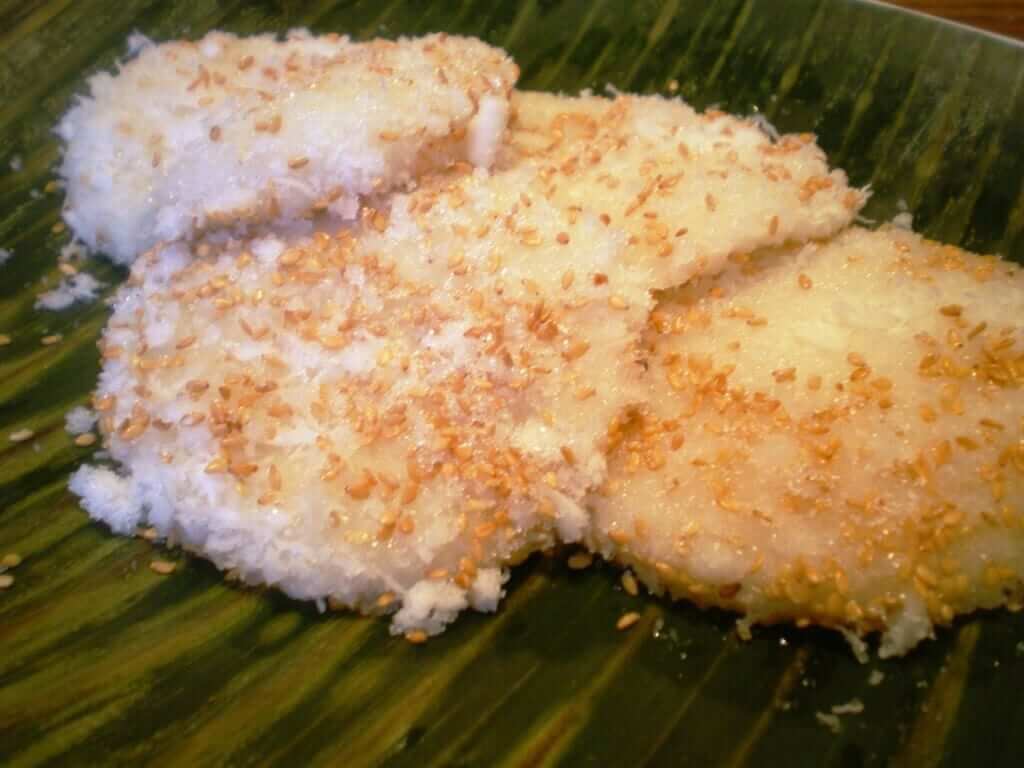
I grew up buying palitaw from vendors who walked through the neighborhood with a large bilao on their heads. You could hear them calling out from a distance, and by the time they got close, the sweet smell of fresh coconut and sesame was already in the air. I always wanted two pieces but my nanay would only let me have one. Looking back, she was probably right. Those are the kind of food memories that stick with you, and honestly, I think that is why I still make palitaw even now. There is something about it. Making it at home in the US is not the same as eating it warm off a bilao on a hot afternoon, but it comes close enough.
The key to great palitaw is the dough. It should feel smooth and pliable, not too wet and not too dry. Once you get that right, everything else falls into place.
What is Palitaw?
Palitaw is a traditional Filipino sweet rice cake, one of the many kakanin we grew up eating. The name comes from the Tagalog word “litaw,” which means “to float” or “to surface,” because the flat dough pieces rise to the top of boiling water once they are cooked through. If you grew up in the Philippines, you probably already know that. In other regions, this rice cake goes by different names. It is called pepalto in Pampanga, inday-inday in the Visayas, and palutang in Cavite.
This rice cake is believed to have originated in Pangasinan, a province in northern Luzon with strong rice-growing traditions. The original method involved soaking sticky rice overnight and grinding it using a stone grinder called a gilingan to produce galapong, which is the same rice paste used for bilo-bilo. Today, most cooks use packaged glutinous rice flour mixed with water, which is much faster and still produces the same chewy texture.
Palitaw is enjoyed all year as a merienda, but it also shows up during celebrations. Some families, especially in the older generation, serve sticky foods like palitaw on New Year’s Eve. The reasoning is that the chewy texture symbolizes togetherness, and the way the rice cake rises in boiling water represents good fortune. I am not sure every family follows that tradition anymore, but I still like the idea behind it.
Why This Palitaw Recipe Works
This Palitaw recipe produces a soft and chewy rice cake every time because of a few details in the process.
- Glutinous rice flour is the right base for the chew. The starch in glutinous rice flour is almost entirely amylopectin, which creates that stretchy, mochi-like texture. Regular rice flour does not have the same composition and will give you a crumbly result instead.
- Boiling cooks the dough evenly without any oil. Dropping the pieces directly into boiling water cooks them from all sides, producing a clean and tender rice cake with no greasy residue.
- Flattening the dough matters. Thick pieces take too long and may not cook evenly inside. A thin disc cooks through by the time it floats.
- Toasting sesame seeds before mixing with sugar releases their oils. Raw sesame seeds do not have much flavor on their own. Toasting them in a dry pan brings out a warm, nutty aroma that changes the whole topping.
Ingredients
- Glutinous rice flour – The base of the dough that creates the chewy texture palitaw is known for
- Water – Mixed with the flour to form a smooth, workable dough
- Grated coconut – The first coating that goes on each piece right after boiling
- Granulated sugar – Combined with sesame seeds for the sweet, crunchy topping
- Roasted sesame seeds – Toasted until golden for a warm nutty crunch that pairs with the coconut
Vanjo’s Advice
These are things I have learned from making this many times for my family. Some of it came from trial and error, and honestly some of it I picked up from watching my mom and just copying what she did without asking why.
- Feel the dough before you start shaping. It should be smooth like soft clay. If it cracks when you press it flat, add a tiny splash of water. If it sticks to everything, dust your hands with a bit more glutinous rice flour. I have had batches go both ways, and the fix is always small adjustments.
- Wet your hands slightly while working. I keep a small bowl of water nearby and dip my fingers before forming each piece. It keeps the dough from clinging to my palms and makes flattening much smoother.
- Cook in batches, not all at once. I usually do 5 or 6 pieces at a time so they have room to move. Crowding the pot causes them to bump into each other and stick together.
- Let the water drip off before coating. I lift each piece with a slotted spoon and hold it for a second or two. If you roll a soaking wet rice cake in coconut, the coating just slides off.
- Desiccated coconut is a fine substitute. When I cannot find freshly grated coconut, I put desiccated coconut in a bowl, sprinkle a few tablespoons of water over it, and mix well. After sitting for about 5 minutes, it softens up and coats each piece nicely. I have heard some people steam the desiccated coconut briefly to soften it. I have not tried that method myself, so I cannot say if it is better.
How to Make Palitaw
Making Palitaw at home is really straightforward. Not much equipment, not much cleanup. Take it one step at a time and you will have a whole plate of these chewy rice cakes ready before you know it.
Make the Dough
- Combine the glutinous rice flour and water in a mixing bowl.
- Mix and knead until a smooth, pliable dough forms that pulls away cleanly from the sides of the bowl.
If the dough feels too dry and cracks when you press it, add water one teaspoon at a time. If it feels sticky and clings to your fingers, work in a little more flour.
Shape and Boil
- Scoop about 2 tablespoons of dough and roll it into a ball using your hands.
- Flatten the ball gently between your palms into a thin oval disc, about a quarter inch thick.
- Bring a pot of water to a rolling boil and carefully drop in the flattened pieces, working in batches.
- Once a piece floats to the surface, remove it with a slotted spoon and let the excess water drip off.
You will notice each piece sinks to the bottom first and then rises after a couple of minutes. That floating is your signal. Do not leave them in too long after they rise. They can get mushy.
Coat and Serve
- Roll each warm piece in grated coconut, pressing gently so it sticks.
- Transfer to the sugar and sesame seed mixture and coat all sides evenly.
Arrange the coated rice cakes on a serving plate. They taste best while still warm and the coconut sticks better when the surface is still slightly damp.
Pro Tips
- Stir the sesame seeds constantly while toasting. They go from golden to burned very quickly. Pull them off the heat the moment they start to change color.
- Shape all your dough pieces first before boiling. It is easier to focus on one task at a time, and you will not be rushing to flatten dough while the pot is already going.
- A quarter inch thick is about right. Too thick and the center may still be raw even after floating. Too thin and they break apart.
- Gently tap with a paper towel if needed. Sometimes the slotted spoon does not get rid of enough water, and a quick tap helps the coconut coat stick evenly.
What to Serve with Palitaw
- Kapeng barako – Strong Filipino coffee that balances the sweetness of the coconut and sugar
- Ginataang Halo-halo – A warm coconut milk dessert with sweet potatoes, bilo-bilo, and sago for a filling merienda spread
- Hot chocolate or tablea – A warm, rich cup that pairs so well with chewy kakanin on a rainy afternoon
- Ripe mango slices – The tartness of fresh mango gives a refreshing contrast to the sweet sesame coating
Storage
This Palitaw stores okay, though in my experience it rarely lasts long enough to worry about.
- Refrigerator: Leftover pieces go in an airtight container for up to 2 days. They will get firm in the fridge. Just let them sit out for about 10 minutes before eating.
- Freezer: If you want to prep ahead, freeze the boiled rice cakes without coating. Lay them on a parchment-lined tray first so they do not stick, then move to a freezer bag once firm. Good for about 1 month. Coat with fresh coconut and the sugar mixture after thawing.
- Reheating: A quick 10-second dip in hot water does the trick for refrigerated pieces. Drain, re-coat, and they are ready. Not quite the same as fresh, but close.
More Kakanin Recipes
- Kutsinta – A soft, sticky brown rice cake with a subtle sweetness, topped with grated coconut
- Biko – Sweet glutinous rice cooked in coconut milk and brown sugar, topped with golden latik
- Sapin Sapin – A colorful layered rice cake made with coconut milk, often seen during fiestas
- Bibingka – A baked rice cake with salted egg and cheese, traditionally enjoyed during the Christmas season
- Espasol – Cylindrical rice cakes from Laguna rolled in toasted glutinous rice flour
- Bibingkang Malagkit – A sticky rice cake baked with a caramelized coconut cream topping
- Maja Blanca – A coconut milk pudding with corn that sets into a smooth, sliceable dessert
Substitutions
- Glutinous rice flour – There is no real substitute for this. Regular rice flour will not produce the same chewy texture. Look for packages labeled “sweet rice flour” or “Mochiko” at Asian grocery stores.
- Fresh grated coconut – Unsweetened desiccated coconut works well. Add a few tablespoons of water and let it sit for 5 minutes to rehydrate before using.
- Granulated sugar – Brown sugar or coconut sugar can replace white sugar for a deeper, more caramel-like sweetness in the topping.
- Sesame seeds – Crushed roasted peanuts are a good alternative. Some families use a mix of both for extra texture.
- Water in the dough – Coconut milk can replace some or all of the water for a richer flavor and slightly creamier rice cake. This is how some cooks in the Visayas make theirs.
Frequently Asked Questions
Can I use regular rice flour instead of glutinous rice flour for palitaw?
I would not do that. Glutinous rice flour has a different starch makeup, and that is what gives palitaw its soft, chewy bite. Regular rice flour will give you something dry and crumbly. Completely different result. At any Asian grocery store, look for packages labeled “glutinous rice flour,” “sweet rice flour,” or “Mochiko.”
How do I know when palitaw is done cooking?
Just watch for it to float. Once a piece rises to the surface of the boiling water and stays up there, it is done. Usually takes about 2 to 3 minutes per batch. Thicker pieces take a bit longer.
Can I use desiccated coconut instead of freshly grated coconut?
Yes, and I do this myself when fresh coconut is hard to find. Put the desiccated coconut in a bowl, sprinkle a few tablespoons of water over it, mix it up, and let it sit for about 5 minutes. It rehydrates enough to coat each piece nicely. Not exactly the same as fresh, but it works well.
How long does palitaw last?
Honestly, it is best the same day you make it. You can store it in an airtight container in the refrigerator for about 2 days, but the texture firms up. Let it sit at room temperature or dip briefly in hot water to soften it back up. You can also freeze uncoated pieces for up to 1 month.
What is the difference between palitaw and pichi pichi?
Both are popular Filipino kakanin coated in grated coconut, but they start from different ingredients. Palitaw is made from glutinous rice flour dough that gets boiled in water. Pichi pichi is made from grated cassava that gets steamed in individual molds. Palitaw has a soft, chewy texture, while pichi pichi is more gelatinous and translucent.
Palitaw is the kind of kakanin that shows you how good simple food can be. Glutinous rice flour, water, coconut, sugar, and sesame seeds. That is all you need, and yet it is enough to bring you right back to a warm afternoon somewhere in the Philippines. Give this Palitaw recipe a try.
Watch How to Make It
Did you make this? If you snap a photo, please be sure tag us on Instagram at @panlasangpinoy or hashtag #panlasangpinoy so we can see your creations!
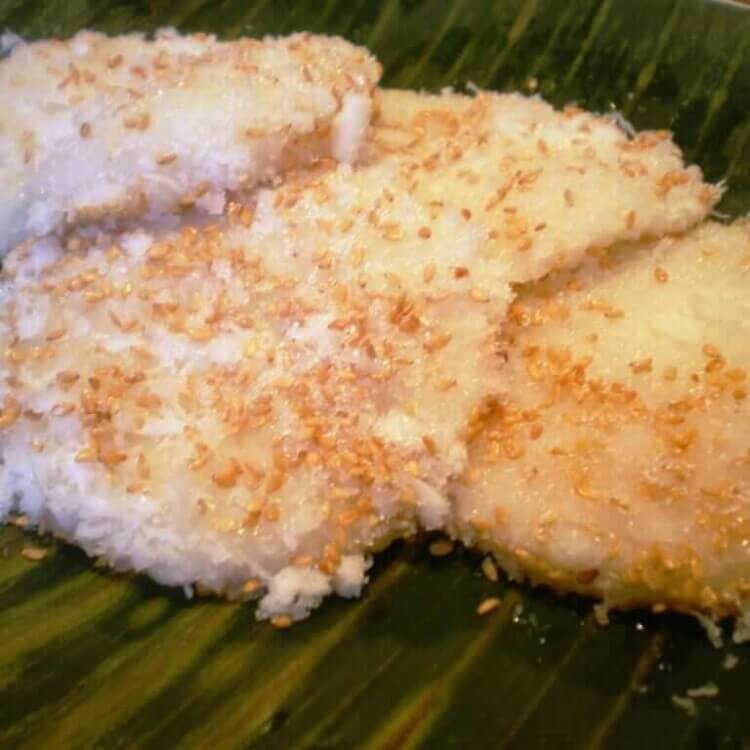
Palitaw Recipe
Ingredients
- 2 cups glutinous rice flour
- 1 cup water
- 1 cup grated coconut freshly grated or unsweetened desiccated coconut
- 1/2 cup granulated sugar
- 1/2 cup roasted sesame seeds toasted in a dry pan until golden
Equipment
- 1 Large pot For boiling the palitaw
- 1 Mixing bowl For combining the dough
- 1 Slotted spoon For removing palitaw from the boiling water
Instructions
- Combine the glutinous rice flour and water in a bowl, then mix and knead until a smooth dough forms. The dough should pull away cleanly from the sides of the bowl.2 cups glutinous rice flour, 1 cup water
- Scoop about 2 tablespoons of dough and shape it into a ball.
- Flatten the dough gently using the palm of your hands into a thin oval disc, about a quarter inch thick.
- Bring a pot of water to a boil and carefully add the flattened dough pieces, working in batches to avoid overcrowding.
- Once the dough floats to the surface, remove it from the pot using a slotted spoon and let the excess water drip off.
- In a separate bowl, combine the sugar and roasted sesame seeds, then toss to combine.1/2 cup granulated sugar, 1/2 cup roasted sesame seeds
- Roll each warm rice cake in grated coconut, pressing gently so the coconut sticks, then coat it with the sugar and sesame seed mixture.1 cup grated coconut, 1/2 cup granulated sugar, 1/2 cup roasted sesame seeds
- Arrange on a serving plate and serve while still warm. Share and enjoy!


Thea Mira Concepcion says
Good Recipe. I added Yema to it as well
Gladys says
Simple and tasty!
Jocelyn Magpily says
Thank you very much! My kids loved the palitaw!
Reysielyn says
Itatanong ko po sana kung normal po na magtubig ang palitaw kahit di pa siya coated with sugar? Or may paraan po ba para maiwasan siyang magtubig?
Vanjo Merano says
Since it was boiled in water, it will be wet. You can use a slotted spoon (spoon with holes) when taking it out of the pot so that water will drain. You can also gently tap with paper towel just to dry it up.
Andrea says
Proportion is perfect. I replaced the fresh coconut with desiccated coconut. I heat the desiccated coconut. Results are the same, with crunchy feeling.