Homemade Marinara Sauce Recipe
I like to keep a batch of homemade marinara sauce in the refrigerator when I know the week ahead is going to be busy. Marinara sauce is a simple Italian tomato sauce made with crushed tomatoes, garlic, onion, olive oil, and a few dried herbs, simmered until it thickens. The reason I make it instead of buying a jar is that I get to decide how much salt goes in, how much garlic, and whether it has any heat at all. One batch is usually enough for spaghetti on one night and for dipping fried mozzarella sticks a few days later.
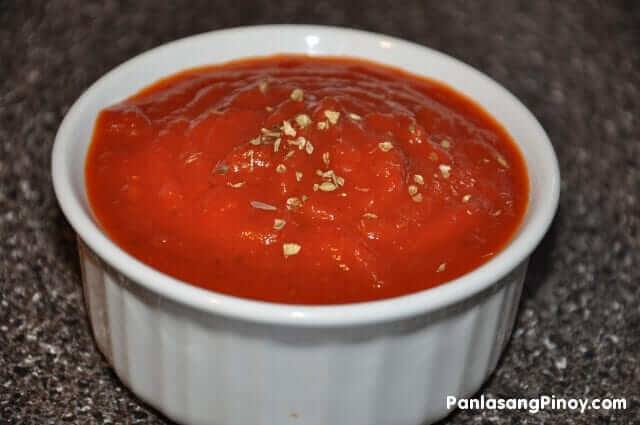
Some people worry that a sauce made from scratch will taste sour compared to the store bought kind. Canned tomatoes are not all the same, and some brands are more acidic than others. What I do is taste the sauce near the end of the simmer and add a small pinch of sugar only if it needs it. This is a plain Italian style sauce, and not the sweet banana ketchup based sauce used in Filipino Style Spaghetti, so it works well anywhere you want a straight tomato flavor.
Most of the work in this recipe happens during the simmer. Twenty to twenty five minutes with the lid off is enough to thicken the sauce and cook out the raw taste of the canned tomatoes. If you cover the pot, the liquid stays in and you end up with a thin sauce that slides off the pasta.
What is Marinara Sauce?
Marinara sauce is a simple tomato sauce from Naples in southern Italy, made with tomatoes, garlic, onion, olive oil, and herbs, and cooked in under thirty minutes. It has no meat and no seafood in it, even though the name suggests otherwise. Tomatoes only arrived in Italian kitchens after they were carried over from the Americas, and cooks in Naples were among the first to build their sauces around them.
The name comes from the Italian word marinaro, which means sailor or of the sea. The name is commonly linked to sailors returning to Naples, although the exact origin is not certain. The sauce was practical because it needed no meat, stock, or long cooking time, so a household could put it together with whatever was already in the pantry.
Homemade marinara sauce is different from a long simmered ragu or a Sunday gravy. A ragu builds its flavor over several hours with meat, wine, and often carrot and celery. Marinara stays short and simple, and the garlic and tomato are what you taste. I use it for baked pasta, spaghetti with meatballs, and as a dip for bread sticks, so I like keeping a container ready in the refrigerator.
Homemade Marinara Sauce Ingredients
- Olive oil – Regular olive oil is fine for this since it cooks for half an hour. I save the extra virgin for drizzling on the food at the table.
- Onion – One small onion, minced. Chop it fine so that it softens into the sauce.
- Garlic – About four cloves. I mince it fresh when I can. The kind that comes minced in a jar tastes flat after a long simmer.
- Crushed tomatoes – One 28 ounce can. The tomatoes have the biggest effect on the sauce, so I would spend a little more on this can if I have the choice. No crushed tomatoes on hand? See the substitutions below.
- Tomato sauce – Use plain canned tomato sauce, not the seasoned kind. One cup loosens the crushed tomatoes so the sauce is not too thick.
- Dried oregano – Crush it between your fingers as you drop it in. I find that it smells stronger that way.
- Crushed red pepper flakes – Optional. A quarter teaspoon is what I use. It is mild, which is what I want when the sauce is going into several different dishes.
- Bay leaf – One is enough for this amount of sauce. Two bay leaves can make it taste bitter in a simmer this short.
- Salt and ground black pepper – Half a teaspoon of salt to start with, then more after tasting.
- Granulated sugar – Optional. Half a teaspoon is usually enough when the tomatoes taste sharp.
- Fresh basil – Add it after the heat is off so it stays green and fragrant.
- Parmesan cheese – Optional. I grate it over each serving instead of stirring it into the pot.
It is worth spending a minute on the canned tomatoes, because they do almost all the work in this recipe. Crushed tomatoes are peeled tomatoes that have been broken down with some puree mixed in, and that is why they make a smooth sauce with very little effort. Whole peeled tomatoes are often the better choice within the same brand, but you have to crush them by hand first. Tomato puree and tomato paste are different products and you cannot swap them in one for one.
If you see DOP San Marzano tomatoes and the price is reasonable, they are worth buying. They are lower in acid and naturally sweeter. There are many imitations, so look for the DOP seal on the can and not just the words on the front label. A good Italian style plum tomato will also work, so you do not need the expensive can.
Vanjo’s Advice
- Use a non reactive pot. Stainless steel or enameled cast iron works well. Bare aluminum and uncoated cast iron react with the acid in tomatoes and can leave a metallic taste in the sauce.
- Season again at the end. The sauce reduces while it simmers, so the salt tastes stronger by the time it is done. I start with half a teaspoon and adjust after I turn off the heat.
- Add the tomatoes before the garlic browns. Thirty seconds in the oil is enough. Browned garlic turns bitter, and that bitterness stays in the sauce even after twenty five minutes of simmering.
- Keep simmering if the sauce still looks watery. Leave the lid off and give it another five to ten minutes. The sauce is ready when it coats the back of a spoon.
- Make a double batch while you are already cooking. The chopping and simmering take the same time whether you cook one can or two. I freeze the second half in portions so I have sauce ready for another dinner.
- Remove the bay leaf before storing the sauce. If you leave it in the container, the sauce can turn bitter after a couple of days in the refrigerator.
- Keep the Parmesan out of the pot. Cheese that is stirred into the sauce can turn grainy when you reheat or thaw it. I grate it over the plate instead, and the sauce stays useful for any dish.
How to Cook Homemade Marinara Sauce
Once all the ingredients are prepared, cook the sauce in three short stages.
Cook the Aromatics
- Heat the olive oil in a cooking pot over medium heat.
- Add the minced onion. Saute for 3 to 4 minutes, or until it softens and turns translucent.
- Add the minced garlic. Cook for about 30 seconds while stirring.
- Lower the heat right away if the garlic starts to take on color.
Make sure the onion is soft before you add the tomatoes. It will soften much more slowly once the sauce becomes acidic.
Simmer the Sauce
- Pour in the crushed tomatoes and tomato sauce. Stir and let the mixture come to a gentle boil.
- Add the oregano, crushed red pepper flakes, bay leaf, salt, and ground black pepper. Add dried basil at this point if you are using it in place of fresh.
- Reduce the heat to low. Simmer uncovered for 20 to 25 minutes, stirring occasionally.
- Continue cooking until the sauce thickens to the consistency you like.
Keep the heat low so the sauce simmers gently. A hard boil cooks off the fresh tomato taste and can scorch the bottom of the pot.
Season and Finish
- Taste the sauce.
- Add the sugar only if the tomatoes taste sharp or acidic.
- Add more salt as needed.
- Turn off the heat, remove the bay leaf, and stir in the chopped fresh basil.
I always taste the sauce before deciding if it needs sugar. Many canned tomatoes do not need any at all. It is also easier to add a little more sugar later than to fix a sauce that has already turned too sweet.
What to Serve with Marinara Sauce
- Spaghetti or any long pasta – Toss the drained noodles in the warm sauce right in the pot so that every strand gets coated
- Fried mozzarella sticks and bread sticks – Serve the sauce warm in a small bowl on the side for dipping
- Italian Sausage Pasta – Grilled Italian sausage simmered in this sauce turns it into a full meal
- Homemade pizza – Spread it thin over the dough. A thick layer will make the crust soggy
- Grilled chicken or pork chops – Spoon the sauce over the meat with melted cheese on top for a quick parmigiana style dinner
Storing Homemade Marinara Sauce
Let the homemade marinara sauce cool before you cover it. Trapped steam turns into water and thins the sauce.
- Refrigerator: Transfer the sauce to shallow containers and refrigerate within 2 hours of cooking. It keeps covered in the refrigerator for up to 4 days.
- Freezer: Freeze the sauce in meal sized portions for up to 3 months. Leave a little space at the top of the container because the sauce expands as it freezes.
- Reheating: Thaw overnight in the refrigerator, then warm it over low heat while stirring occasionally. Add a splash of water or pasta cooking water if it thickened too much in storage.
More Pasta Recipes
- Baked Spaghetti – Spaghetti in meat sauce topped with a rich bechamel and baked until the top browns
- Spaghetti and Meatballs – Cheese stuffed meatballs finished in a meaty version of this red sauce
- One Pot Spaghetti – The noodles cook in the sauce itself, so you only have one pot to wash
- Sausage Macaroni Pasta – Grilled Italian sausage with macaroni for an easy weekend dinner
- Authentic Carbonara – The Roman version made with eggs and cheese instead of cream, for nights when you want a white sauce
Substitutions
- Crushed tomatoes – Use one 28 ounce can of whole peeled tomatoes crushed by hand, or about 2 pounds of very ripe Roma tomatoes, cored and chopped. Fresh tomatoes hold much more water, so simmer for 35 to 45 minutes instead
- Tomato sauce – Stir 2 tablespoons of tomato paste into 1 cup of water, or leave it out and simmer the crushed tomatoes a few minutes longer for a thicker sauce
- Fresh basil – Use 1 teaspoon of dried basil, added with the oregano so that it has time to soften
- Crushed red pepper flakes – Chili powder or a chopped fresh chili works well, or leave it out for a sauce that children will eat
- Onion – A shallot in the same amount is a good swap and gives a slightly sweeter result
- Parmesan cheese – Romano works, or skip it and the sauce is naturally vegan and dairy free
Frequently Asked Questions
What is the difference between marinara sauce and spaghetti sauce?
Marinara is the shorter and simpler one. It is tomatoes, garlic, onion, olive oil, and herbs, simmered for less than half an hour, and it has no meat in it. Spaghetti sauce is a broader term that usually means a longer cooked sauce with ground meat, and often carrot, celery, wine, or stock. You can turn this marinara into a spaghetti sauce by browning ground beef or pork first and simmering it longer.
Is marinara sauce the same as pizza sauce?
No. Pizza sauce is usually uncooked and thicker, because it finishes cooking in the oven on top of the dough. Marinara is simmered on the stove and is looser. You can still use marinara on pizza, but spread it thin and let it reduce a little longer first. Otherwise the extra liquid soaks into the crust.
Why does my marinara sauce taste sour?
The acidity of the canned tomatoes is almost always the reason, and it varies from brand to brand. Half a teaspoon of sugar rounds it out without making the sauce sweet. Simmering it a little longer also helps, since some of the sharpness cooks off as the sauce reduces. If the sauce tastes metallic instead of sour, then the pot is the problem and not the tomatoes.
How much marinara sauce do I need for a pound of pasta?
Around 3 cups for a pound of dry pasta, which is most of one batch of this recipe. I like to save about half a cup of the pasta cooking water and add it while tossing. The starch in it helps the sauce stick to the noodles.
I like keeping a container of this homemade marinara sauce in the refrigerator because it makes pasta nights easier. Taste it before adding more salt or any sugar. Share and enjoy!
Did you make this? If you snap a photo, please be sure tag us on Instagram at @panlasangpinoy or hashtag #panlasangpinoy so we can see your creations!
Homemade Marinara Sauce
Ingredients
- 2 1/2 tablespoons olive oil
- 1 piece small onion minced, about 1/2 cup
- 1 tablespoon garlic minced, about 4 cloves
- 28 ounces crushed tomatoes 1 can
- 1 cup plain tomato sauce
- 1 teaspoon dried oregano
- 1/4 teaspoon crushed red pepper flakes optional
- 1 piece dried bay leaf
- 1/2 teaspoon salt plus more as needed
- 1/4 teaspoon ground black pepper
- 1/2 teaspoon granulated sugar optional
- 2 tablespoons fresh basil chopped, or 1 teaspoon dried basil
- grated Parmesan cheese for serving, optional
Equipment
- 1 Non-reactive cooking pot Stainless steel or enameled cast iron. Bare aluminum and uncoated cast iron react with the tomatoes.
Instructions
- Heat the olive oil in a cooking pot over medium heat. A stainless steel or enameled pot works best because bare aluminum and uncoated cast iron can react with the tomatoes.2 1/2 tablespoons olive oil
- Add the onion. Saute for 3 to 4 minutes, or until it softens and becomes translucent.1 piece small onion
- Add the garlic. Cook for about 30 seconds while stirring. Keep an eye on it because browned garlic can make the sauce taste bitter.1 tablespoon garlic
- Pour in the crushed tomatoes and tomato sauce. Stir and let the mixture come to a gentle boil.28 ounces crushed tomatoes, 1 cup plain tomato sauce
- Add the oregano, crushed red pepper flakes, bay leaf, salt, and ground black pepper. If you are using dried basil, add it at this point as well.1 teaspoon dried oregano, 1/4 teaspoon crushed red pepper flakes, 1 piece dried bay leaf, 1/2 teaspoon salt, 1/4 teaspoon ground black pepper
- Reduce the heat to low. Simmer the sauce uncovered for 20 to 25 minutes, stirring occasionally, until it thickens to your preferred consistency.
- Taste the sauce. Add the sugar only if the tomatoes taste too sharp or acidic. Add more salt as needed.1/2 teaspoon granulated sugar
- Turn off the heat and remove the bay leaf. Stir in the fresh basil.2 tablespoons fresh basil
- Serve with pasta or use it in your favorite recipe. Sprinkle grated Parmesan cheese on top when serving, if desired. Share and enjoy!grated Parmesan cheese
Kats says
Can I not put parsley on it?
Vanjo Merano says
You can sprinkle some fresh parsley (around 1/2 teaspoon) if you like.
Renz says
Where can i find dried oregano, parsley and bay leaves?
KCali says
Making this now. Had lots of stuff plus fresh mozz, garden basil, tomatoes, peppers (Aerogarden cheater) but only edamame spaghetti noodles – he hates them. So, I searched and searched for an interchangeable recipe including fettuccini noodles. Really wanted to make baked spaghetti but… Yeah, not going to the store today.
Wish me luck! And if you post this, I’ll update his review and mine. No joke – he’s a redneck and I’m a beach brain…I don’t eat meat. Cooking for him is difficult and would love suggestions… Freezers and pantry full. But… Yuck.
KCali says
Do you have an app???
Jheng says
Can i substitute basil for parsely?
Vanjo Merano says
You can, but the result won’t be the same as expected. Basil and parsley have different properties.