Mongolian Beef
I make Mongolian Beef when I want something close to takeout without leaving the house. The beef is sliced thin, coated with cornstarch, fried until the edges get a little crisp, then tossed in a thick soy sauce and brown sugar sauce. It is sweet, a little salty, and really good with rice. If you already make beef and broccoli at home, this one feels familiar, but the sauce is sweeter and thicker.
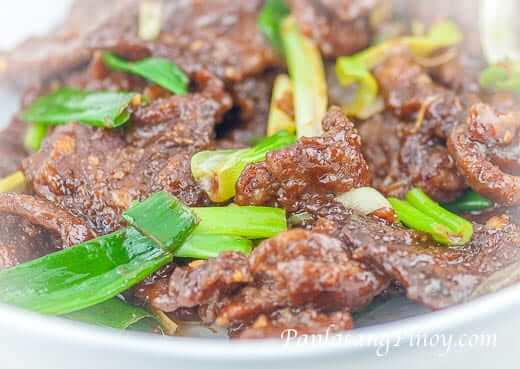
The beef is the part to watch. It can turn chewy when the slices are too thick or when you cut with the grain. I like using flank steak because it is easy to slice thin. Cut it across the grain and it stays tender after frying. The cornstarch also helps because it gives the beef a light crust that catches the sauce.
The sauce is simple. Dark soy sauce gives the dish that deep color, and brown sugar helps the sauce turn thick and slightly sticky as it cooks. Add the cornstarch slurry a little at a time. You might not need all of it, so stop once the sauce is thick enough to coat the beef.
What is Mongolian Beef?
Mongolian Beef is a beef stir fry made with thin slices of beef cooked in soy sauce, brown sugar, garlic, and ginger. Despite the name, this is not a traditional Mongolian dish. It is closer to the Chinese American restaurant style many of us know from takeout menus.
Many people know Mongolian Beef from restaurant chains and takeout menus, so the sauce is usually what they try to recreate at home. It is in the same family as orange chicken and General Tso’s chicken. The sauce is simple, but this is where the dish gets its flavor. Soy sauce gives it salt and color, the brown sugar makes it sweet, and the garlic and ginger keep it from tasting flat.
I can see why it works well for Filipino home cooking too. It is quick, saucy, and made for rice. Most of us end up eating it the same way, with the sauce spooned over hot rice.
Ingredients
Here are the ingredients I use for the beef and the sauce. The full measurements are in the recipe card below.
For the beef
- Flank steak – This is the cut I reach for. Flank stays tender when you slice it thin across the grain. Thinly sliced sandwich steak also works and saves you the knife work.
- Cornstarch – Works in two places here. Most of it coats the beef for a light crust, and a spoonful goes into the slurry that thickens the sauce, so do not skip it.
- Salt and ground black pepper – A light seasoning on the beef before the cornstarch goes on.
For the sauce
- Dark soy sauce – I like using dark soy sauce here because it gives the dish a deeper brown color and is a little less salty than regular soy sauce. If you only have regular soy sauce, see the substitutions below.
- Brown sugar – Light or dark brown sugar both work. Dark brown sugar gives the sauce a deeper taste.
- Garlic and ginger – Fresh and minced. Cook them briefly in the oil at the start of the sauce, just until you can smell them, then move on before the garlic browns.
- Green onions – I add some while cooking and save the rest for the end so the onion flavor does not disappear.
- Vegetable oil – For frying the beef. You reuse a few spoonfuls of it to build the sauce, so none of that flavor goes to waste.
Choosing the Beef for Mongolian Beef
Flank steak works well here because the long muscle fibers are easy to see. Cut it thin and across those fibers, not along them, so the beef stays easy to chew. If flank is hard to find or pricey, sirloin or skirt steak both work. For the easiest route, look for thinly sliced sandwich steak or shabu-shabu beef at an Asian grocery, which skips the slicing entirely.
How to Cook Mongolian Beef
The beef needs a short marinade first, but once that is done and the sauce ingredients are ready, the cooking moves fast. Have everything near the stove before you start frying.
Velvet the Beef
- Combine the sliced beef with the baking soda, 1 tablespoon of light soy sauce, the Shaoxing wine, 1 tablespoon of water, and 1 tablespoon of cornstarch.
- Mix by hand until the beef feels tacky and takes in the liquid.
- Let it rest for 20 to 30 minutes.
The baking soda is what keeps the beef tender, so this short marinade is worth the wait. Do not go past 30 minutes though, since too long can turn the beef soft.
Coat the Beef
- Add 3 tablespoons of cornstarch to the marinated beef.
- Toss until the cornstarch lightly covers each slice.
- Let the beef rest for 10 minutes so the coating sets.
Letting the cornstarch sit sets it into a crust that grips the sauce later. If your beef was previously frozen, pat it dry first so it does not splatter in the oil.
Fry the Beef
- Heat 1/2 cup of cooking oil in a wok or wide pan over medium high heat until it shimmers.
- Fry the beef for up to 1 minute per side, working in batches so the pan is not crowded.
- Remove each batch and set it on a plate lined with paper towels.
- Carefully pour off the used oil, leaving about 3 tablespoons in the pan to build the sauce.
Frying in batches keeps the oil hot enough to crisp the coating. A crowded pan cools the oil and the beef turns soft. The slices only need a quick fry since they finish cooking later in the sauce.
Make the Sauce
- Warm the reserved 3 tablespoons of oil in the wok over medium heat. Add the garlic, ginger, and red pepper flakes and cook just until you can smell them. Do not let the garlic brown.
- Pour in the light soy sauce and dark soy sauce and let it come to a boil.
- Add the brown sugar and stir until it melts into the soy sauce.
- Pour in 1/2 cup water, bring to a boil, then simmer over medium heat for 2 to 3 minutes.
The mix of light and dark soy sauce is what balances the sweetness. Light soy brings the salt and savory side while dark soy gives the deep brown color, so the sauce tastes like takeout instead of just sweet. Browning the garlic turns it bitter, so keep that first step quick.
Thicken and Combine
- Stir 1/2 tablespoon of cornstarch with 2 tablespoons of water until smooth.
- Pour it into the simmering sauce a little at a time, adding only as much as you need. The beef coating already thickens the sauce, so you may not use all of it.
- Return the fried beef to the pan and toss until the slices are coated.
- Add half of the green onions and toss, then finish with the toasted sesame oil and the remaining green onions. Toss one more time and transfer to a plate.
Add the slurry a little at a time and stop once the sauce is thick enough to cling to the beef. Serve warm over steamed white rice.
Vanjo’s Advice
These are the things I watch closely when I cook Mongolian Beef.
- Slice the beef while it is partly frozen. Firm beef is much easier to cut into thin, even slices. I put the steak in the freezer for about 20 minutes before slicing.
- Use a neutral oil with a high smoke point. Vegetable, canola, or peanut oil all handle the high heat. I skip olive oil here since it starts to smoke too early.
- Have the garlic and ginger ready before you fry. Once the beef comes out of the pan, the sauce moves fast, so I mince everything and line it up by the wok first.
- Stir the slurry again right before it goes in. Cornstarch settles to the bottom of the bowl, so a quick stir keeps the sauce from thickening unevenly.
- A wide, heavy skillet works if you do not have a wok. It holds heat well for searing the beef, though you may need to fry in smaller batches.
- Taste and adjust the sweetness. The sauce comes out sweet. If you like it more savory, closer to a gingery ginger beef, cut the brown sugar back a little.
- Serve it right away. The beef is best right after cooking, so have your rice ready before it goes back into the sauce.
What to Serve with Mongolian Beef
- Steamed white rice – This is what I serve it with most often, since the rice catches the sauce.
- Garlic fried rice – This works when you want more flavor than plain rice.
- Yang Chow fried rice – Serve this when you want the meal to feel more complete.
- Steamed broccoli or bok choy – I like having something green on the side since the beef is sweet and rich.
- Pickled cucumber or atchara – The sour bite helps balance the sweet sauce.
Storage
Leftover Mongolian Beef keeps well in the fridge, though the beef softens as it sits in the sauce. Store it in the sauce so it does not dry out.
- Refrigerator: Keep in an airtight container for up to 3 days. The sauce thickens as it chills, which is normal.
- Freezer: Freezes well for up to 2 months. Cool it completely first, then store in a freezer safe container, leaving a little room for the sauce to expand.
- Reheating: Warm in a pan over medium heat with a splash of water to loosen the sauce. The microwave works too, though the beef softens and loses its crust.
More Beef Recipes
- Pepper Steak – Beef stir fried with bell peppers in a savory brown sauce for a less sweet option.
- Beef Stir Fry – A quick everyday version with beef and vegetables when you want something lighter.
- Beef in Oyster Sauce – Another saucy beef dish that goes well with rice.
- Sweet and Sour Pork – A good pick when you want something crispy with a tangy sauce.
- Bistek Tagalog – The Filipino beefsteak in a soy and calamansi sauce, also built on thinly sliced beef.
- Pancit Canton – Stir fried noodles to serve with the beef when you want a fuller spread.
Substitutions
- Flank steak – Sirloin, skirt steak, or thinly sliced sandwich steak all work. Whatever you use, slice it thin across the grain.
- Dark soy sauce – Regular soy sauce works in a pinch, but use a little less since it is saltier, and the color will be lighter. A small splash of regular soy sauce mixed with a little molasses gives you a darker sauce.
- Brown sugar – White sugar works, though brown sugar gives a deeper, slightly molasses flavor. Honey is fine too, but start with less since it is sweeter.
- Cornstarch – Potato starch or tapioca starch can stand in for both the coating and the thickening.
- Green onions – Leeks or thinly sliced regular onion can fill in, though green onions still work best since they taste lighter at the end.
Frequently Asked Questions
Is Mongolian Beef spicy?
No. This version is sweet, not spicy. If you want some heat, add a few dried red chilies or a spoonful of chili garlic sauce when you cook the garlic and ginger.
Can I make Mongolian Beef with ground beef?
Yes. Ground beef works when you want a cheaper and faster version. Brown the ground beef, drain the fat, then cook it in the same sauce. You lose the crispy edges you get from sliced steak, but the flavor still comes through.
What is the difference between Mongolian Beef and beef and broccoli?
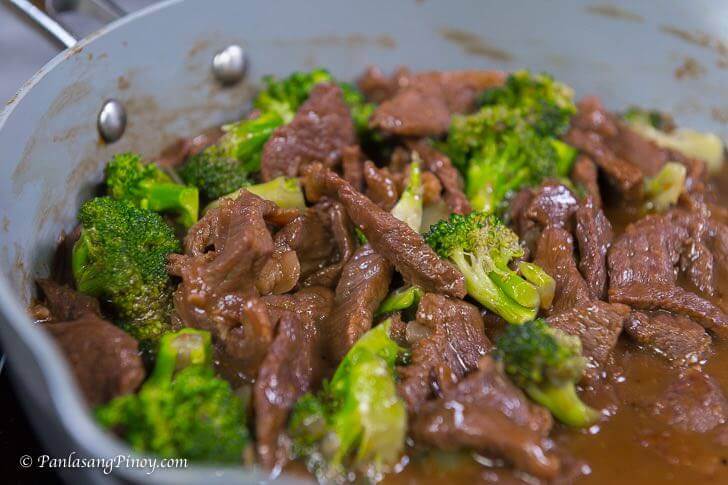
They share the same thinly sliced beef and quick stir fry method, but the sauces set them apart. Mongolian Beef leans sweet with brown sugar and dark soy, while beef and broccoli uses a savory oyster sauce base and, of course, broccoli. Both are good with rice, but Mongolian Beef is the sweeter one.
What is the difference between Mongolian Beef and Szechuan beef?
The big difference is heat. Szechuan beef is spicy, made with dried chilies and Szechuan peppercorns that give a numbing heat. Mongolian Beef is sweeter and mild, with no real heat unless you add chili. Both start with thinly sliced beef, so the cooking is similar even though the flavors are not.
Do I have to fry the beef, or can I make it lighter?
Frying gives the beef those crisp edges, so I still prefer doing it that way. For a lighter version, sear the coated beef in a thin layer of oil over high heat. You lose some of the crust, but the sauce will still coat the beef.
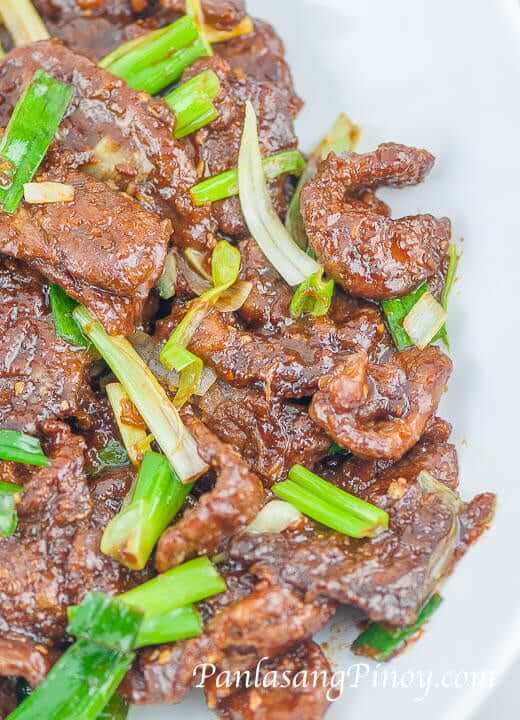
Once the beef is sliced and everything is ready, Mongolian Beef cooks fast. I like serving it right away with hot rice while the sauce is still thick and the beef still has some crisp edges. You can use less sugar if you want it more savory.
Mongolian Beef Reminds me of Beijing Beef from Panda Express. It also makes me think of Stir Fry Ginger Beef and Pepper Steak. All of these dishes that I mentioned are good to have with fried rice.
Try this Mongolian Beef Recipe.Let me know what you think.
Did you make this? If you snap a photo, please be sure tag us on Instagram at @panlasangpinoy or hashtag #panlasangpinoy so we can see your creations!
Mongolian Beef
Ingredients
- 1 lbs flank steak or sandwich steak thinly sliced across the grain
- 1/3 teaspoon baking soda
- 1 tablespoon light soy sauce or regular soy sauce for the beef
- 1 tablespoon Shaoxing wine optional
- 1 tablespoon water for the marinade
- 1 tablespoon cornstarch for the marinade
- 3 tablespoons cornstarch for dredging the beef
- 1/2 cup vegetable oil
- 5 cloves garlic minced
- 1 thumb ginger minced
- 3 tablespoons light soy sauce or regular soy sauce for the sauce
- 2 tablespoons dark soy sauce
- 6 tablespoons brown sugar
- 1/2 cup water for the sauce
- 1/3 teaspoon red pepper flakes optional
- 1/2 tablespoon cornstarch for the slurry
- 2 tablespoons water for the slurry
- 1 cup green onions chopped
- 1 teaspoon toasted sesame oil optional
Equipment
- 1 Wok or wide pan For frying the beef and cooking the sauce over high heat
Instructions
- Combine the beef, baking soda, 1 tablespoon of light soy sauce, Shaoxing wine, 1 tablespoon of water, and 1 tablespoon of cornstarch in a bowl. Mix well until the beef feels tacky, then let it rest for 20 to 30 minutes.1 lbs flank steak or sandwich steak, 1/3 teaspoon baking soda, 1 tablespoon light soy sauce or regular soy sauce, 1 tablespoon Shaoxing wine, 1 tablespoon water, 1 tablespoon cornstarch
- Add 3 tablespoons of cornstarch and toss until the beef slices are evenly coated. Let it rest for 10 minutes so the coating sets.1 lbs flank steak or sandwich steak, 3 tablespoons cornstarch
- Heat the vegetable oil in a wok or wide pan over medium-high heat until it shimmers.1/2 cup vegetable oil
- Fry the beef in batches for about 1 minute per side, working so the pan is not crowded. Remove from the pan and place on a plate lined with paper towels. Set aside.1 lbs flank steak or sandwich steak
- Carefully pour off the excess oil, leaving about 3 tablespoons in the pan.1/2 cup vegetable oil
- Add the garlic, ginger, and red pepper flakes. Saute for 20 to 30 seconds, just until fragrant. Do not let the garlic brown.5 cloves garlic, 1 thumb ginger, 1/3 teaspoon red pepper flakes
- Pour in 3 tablespoons of light soy sauce and the dark soy sauce. Stir to combine.3 tablespoons light soy sauce or regular soy sauce, 2 tablespoons dark soy sauce
- Add the brown sugar and stir until it fully dissolves.6 tablespoons brown sugar
- Pour in 1/2 cup of water. Bring to a boil, then simmer over medium heat for 2 to 3 minutes.1/2 cup water
- Combine 1/2 tablespoon of cornstarch and 2 tablespoons of water in a small bowl. Stir until smooth.1/2 tablespoon cornstarch, 2 tablespoons water
- Pour the cornstarch mixture into the pan a little at a time while stirring, adding only as much as needed to thicken the sauce.1/2 tablespoon cornstarch, 2 tablespoons water
- Return the fried beef to the pan. Toss until the slices are fully coated with the sauce.1 lbs flank steak or sandwich steak
- Add half of the green onions and toss.1 cup green onions
- Add the toasted sesame oil and the remaining green onions. Toss one more time.1 teaspoon toasted sesame oil, 1 cup green onions
- Transfer to a serving plate and serve hot with steamed rice.

Alexiana says
Very tasty recipe!