Pork Adobo with Boiled Eggs
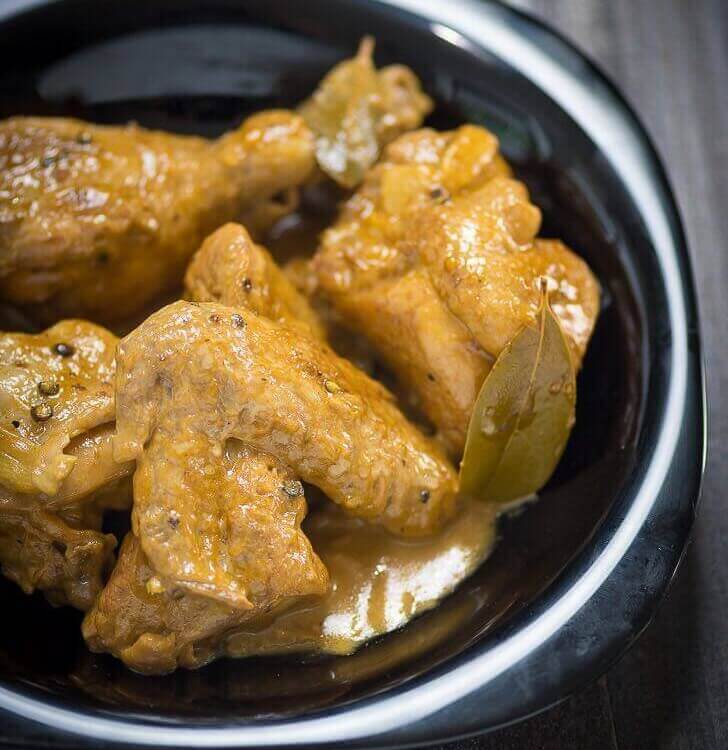
Pork Adobo with Boiled Eggs is a Filipino pork adobo cooked in soy sauce and vinegar, then finished with hard boiled eggs. It is the pork adobo most of us already cook at home, with eggs dropped into the pot near the end so they soak up the sauce. The pork needs a long simmer before it is easy to bite. Adding the eggs is the simple part. If you already cook basic pork adobo, this pork adobo recipe will feel familiar.
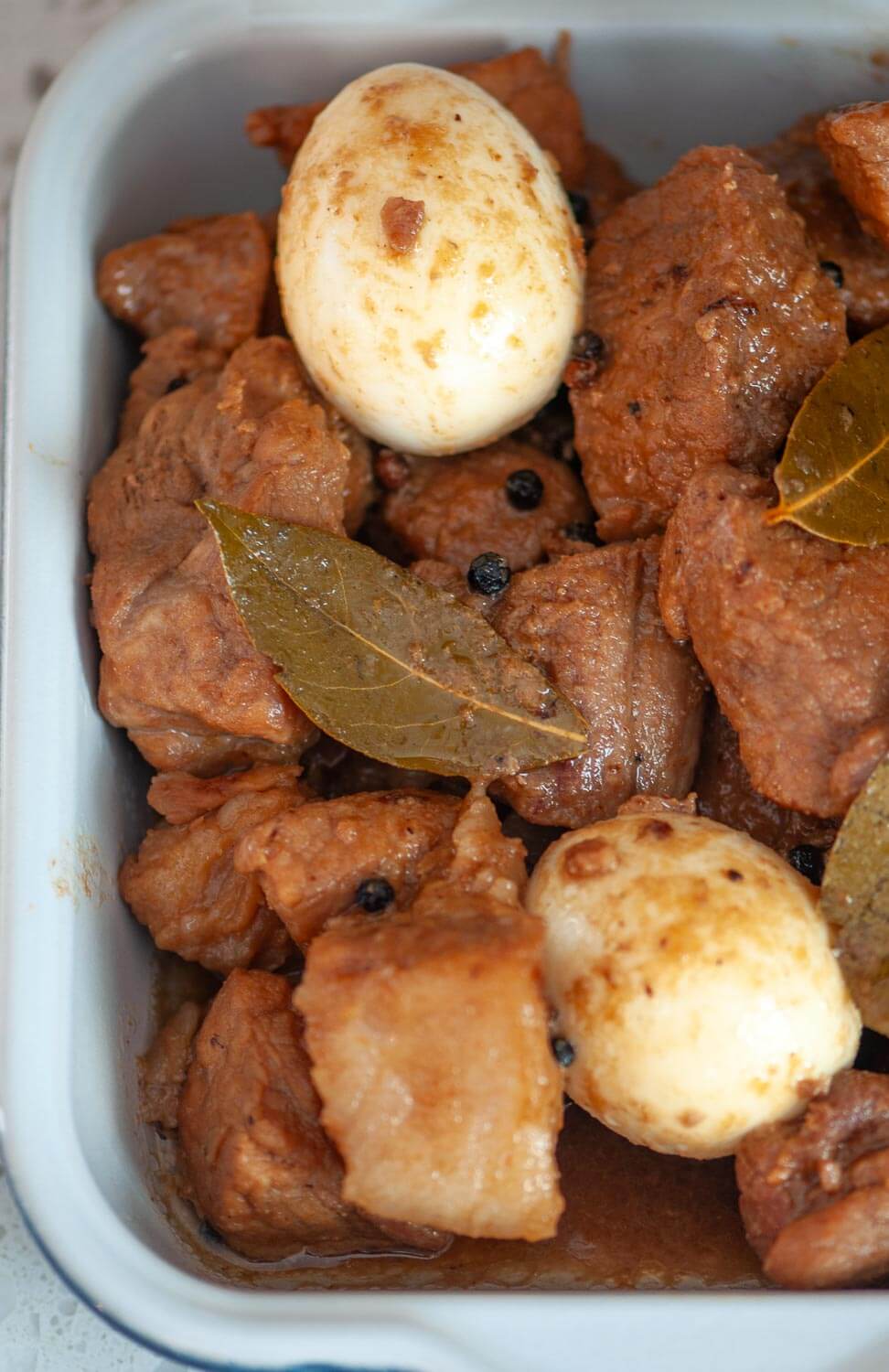
I add two things here that I do not usually put in basic adobo: oyster sauce and dry sherry. I do not add enough to change the dish completely. The adobo taste still comes first, but the oyster sauce gives the sauce more body and the sherry makes it taste smoother with the soy sauce and vinegar. I do the same in my pork adobo with potato and pork adobo with tofu, where a couple of extra ingredients go in but the pot still tastes like adobo.
You cook the pork and eggs in one pot, and the leftovers keep well for the next day. Just give the pork a real simmer so it has had enough time in the pot before the eggs go in at the end.
What is Pork Adobo with Boiled Eggs?
Pork Adobo with Boiled Eggs is a version of the classic pork adobo where hard boiled eggs are added to pork that has been cooked in soy sauce, vinegar, garlic, peppercorns, and bay leaves. Adobo can look a little different from one home to another, but the soy sauce, vinegar, garlic, pepper, and bay leaves are what most people recognize first. The word comes from the Spanish adobar, which means to marinate, but Filipinos were already cooking meat with vinegar and salt long before that name arrived. Vinegar was useful back then because it helped preserve food, especially before refrigerators became common.
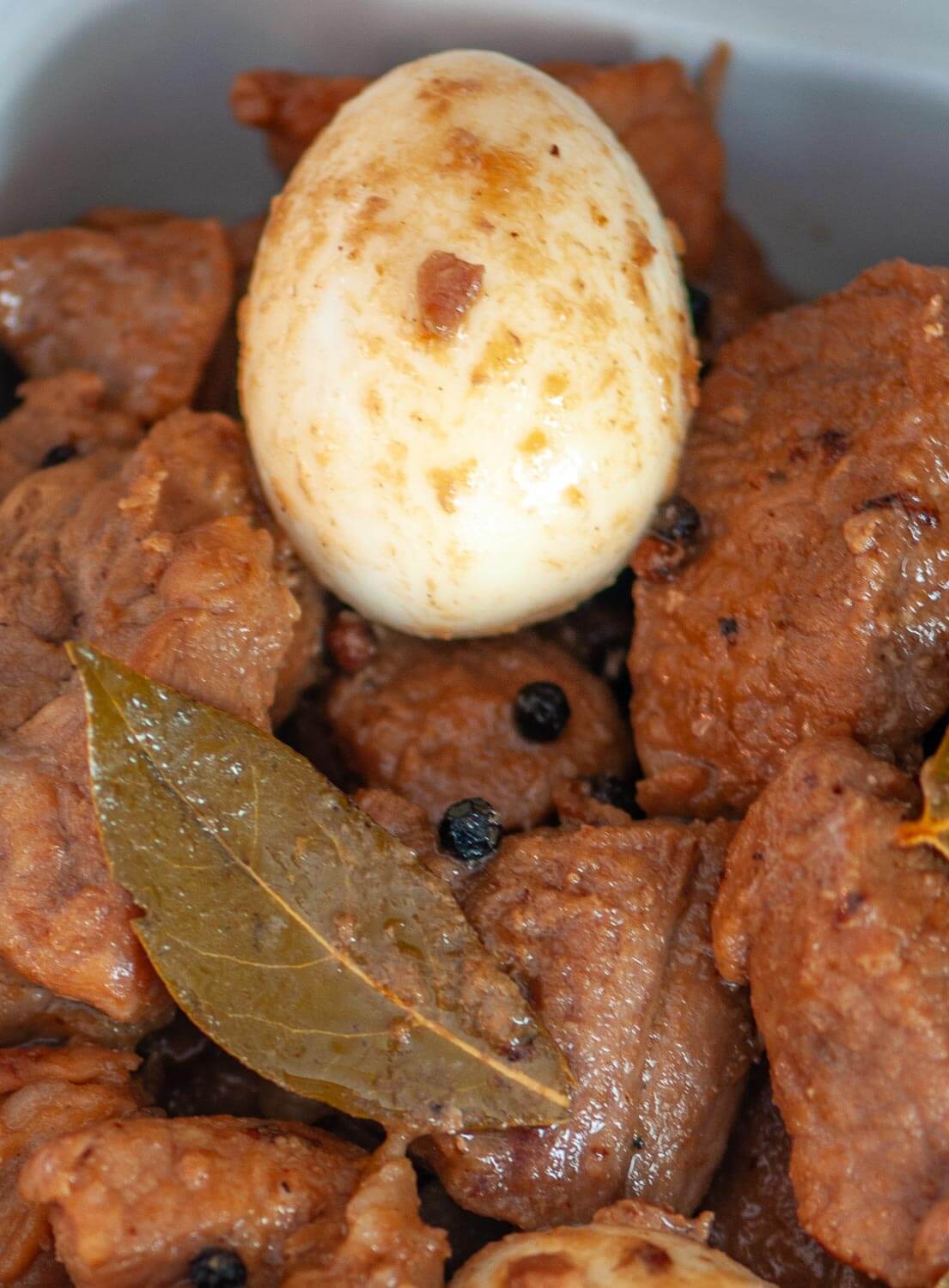
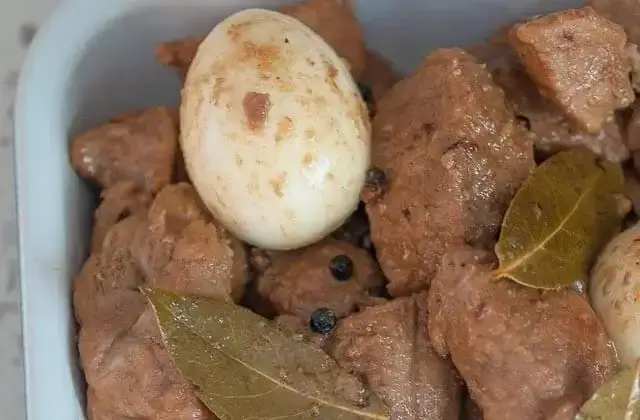
Many Filipino homes add boiled eggs to adobo because it makes the pot go further. Boiled eggs are easy to add. You drop them in near the end, let them sit in the sauce for a few minutes, and they become the part many people look for first. They hold their shape and pick up the color and taste of the sauce. Some families use chicken eggs and others use quail eggs. I have seen it cooked this way in homes all over the country.
This is the kind of adobo you can cook on a regular day, especially when you want rice, pork, and egg on one plate.
Why I Cook It This Way
These are the small things I pay attention to when cooking this.
- Marinating the pork in soy sauce first. The pork sits in soy sauce for an hour before cooking. This gives the pork flavor before it even goes into the pot.
- Toasting the garlic before the pork. Cooking the garlic in oil until golden changes its taste from sharp to mellow. That toasted garlic flavor carries through the whole pot.
- A long simmer for the pork. About 40 minutes of low simmering breaks down the connective tissue so the pork becomes easier to chew. Rushing this step leaves it tough.
- Adding vinegar after the simmer, not before. The vinegar goes in once the pork has cooked. Letting it boil after cooks off the raw sharp edge while keeping the tang.
- Eggs added last. The boiled eggs go in for only a few minutes at the end. That is long enough to warm them and let them pick up sauce, but short enough that the whites do not turn rubbery.
Ingredients
- Pork – The main part of the dish, cut into cubes so it cooks evenly and gives way during the simmer
- Boiled eggs – Hard boiled and peeled, added near the end to soak up the sauce
- Soy sauce – The salty base of the adobo, used both for marinating and for the sauce
- White vinegar – Gives adobo its tang and balances the saltiness of the soy sauce
- Oyster sauce – Gives the sauce body and a little savory sweetness
- Dry sherry – Helps smooth out the salty and tangy taste of the adobo
- Garlic – Crushed and toasted in oil at the start for a mellow base flavor
- Granulated white sugar – A small amount to balance the salt and acid
- Dried bay leaves – Give the sauce that familiar adobo aroma
- Whole peppercorns – Cooked whole so they release a gentle pepper flavor without making the dish hot
- Cooking oil – Used to toast the garlic and brown the pork
Vanjo’s Advice
Here are a few things I do to make this Pork Adobo with Boiled Eggs recipe come out better.
- Marinate the pork for the full hour. I know it is tempting to skip it. The soy sauce gets into the meat better when it has time, so I start the marinade before I do anything else.
- Do not skip the sherry. You can leave it out and it will still taste like adobo, but the sauce tastes better with it.
- Boil and peel the eggs while the pork simmers. That way they are ready when the sauce is almost done, and I am not waiting on them at the end.
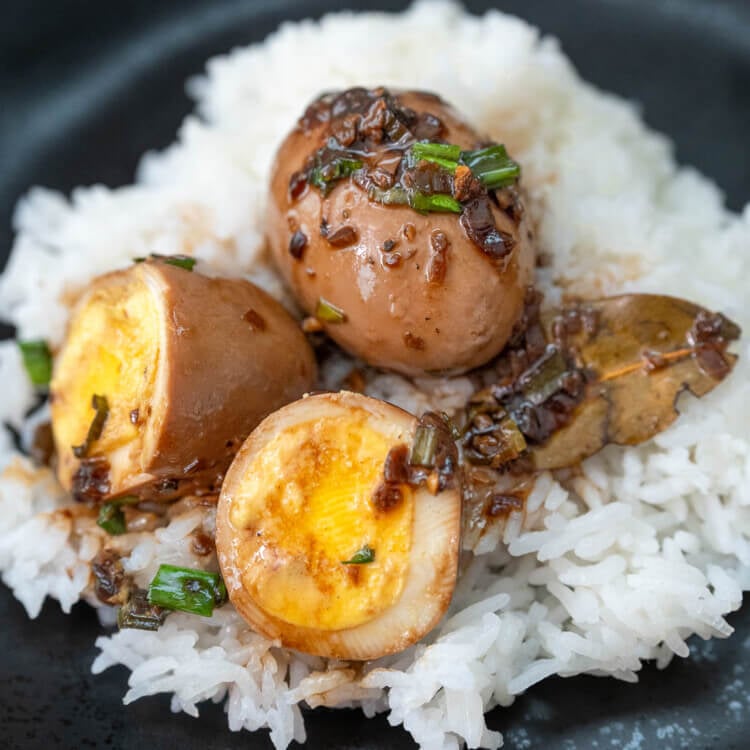
- Halve the eggs and spoon the sauce over them. This is the same way I eat my adobong itlog. Cutting the egg open lets the yolk mix with the sauce and the rice, and it tastes better to me than eating the egg whole.
- I like this for breakfast the next day. Egg, adobo sauce, and hot rice are already enough for me in the morning, and the pork carries me to lunch.
- Taste before adding the sugar. Soy sauce brands have different saltiness. I add the sugar a little at a time and stop when the sauce tastes balanced to me.
How to Cook Pork Adobo with Boiled Eggs
Cook the pork until it is easy to bite first, then drop in the eggs at the end. Here is how I do it.
Marinate the Pork
- Combine the pork slices with part of the soy sauce in a mixing bowl.
- Coat the pork well and marinate for 1 hour.
The longer the pork marinates, the more soy sauce it takes in. Start the marinade before you do anything else.
Toast the Aromatics
- Heat a wide cooking pot and pour in the cooking oil.
- Once the oil is hot, add the garlic, whole peppercorns, and dried bay leaves.
- Cook until the garlic turns light to golden brown.
- Add the marinated pork along with the remaining marinade and the dry sherry, then cook for about 5 minutes.
Watch the garlic closely. There is a difference between golden brown and burnt, and burnt garlic turns the sauce bitter.
Simmer the Pork
- Pour in the remaining soy sauce, oyster sauce, and water.
- Let it boil, then lower the heat and simmer for about 40 minutes, until the pork is easy to chew.
Check the liquid level as it simmers. Add a little more water if it dries out before the pork is done.
Finish with Vinegar, Sugar, and Eggs
- Pour in the vinegar and let the sauce return to a boil.
- Stir in the sugar.
- Add the boiled eggs and cook for 2 to 3 minutes.
- Transfer to a serving plate and serve with warm rice.
Once the vinegar goes in, let it boil before stirring so the raw sharpness cooks off.
Pro Tips
- Cut the pork into even pieces – Pieces of similar size finish at the same time, so none stay chewy.
- Crush the garlic instead of mincing – Crushed cloves hold up through the long simmer and are easy to spot in the sauce.
- Add the eggs at the very end – A few minutes is all they need. Longer cooking makes the whites rubbery.
- Keep the sauce at a simmer, not a hard boil – A steady low simmer softens the pork without drying out the sauce too fast.
What to Serve with Pork Adobo with Boiled Eggs
- Steamed white rice – My first choice, because adobo sauce belongs on rice
- Sinangag – Garlic fried rice, good with this the next morning for breakfast
- Atchara – Gives you something bright between bites of pork and rice
- Fried saba banana – Works if you like a little sweetness beside salty adobo
- Tomato and salted egg salad – Simple, quick, and good with hot rice
Storage
I actually like adobo better after a night in the fridge because the sauce settles into the pork. Keep the pork and sauce together, and add a little water when reheating if the sauce gets too thick.
- Refrigerator: Store in an airtight container for up to 3 days. It tastes even better the day after you cook it. I keep the eggs in the same container so they keep soaking up the sauce while it sits.
- Freezer: The pork and sauce freeze well for up to 2 months. Freeze the eggs separately or leave them out, since boiled eggs turn tough and watery after freezing. When I freeze a batch, I split it into smaller containers so I can thaw only what I need.
- Reheating: Warm the adobo in a saucepan over medium heat until hot. Add a little water if the sauce has gotten too thick. The microwave also works, but I prefer the stovetop when I have time because the sauce heats more evenly and tastes better that way.
More Adobo Recipes
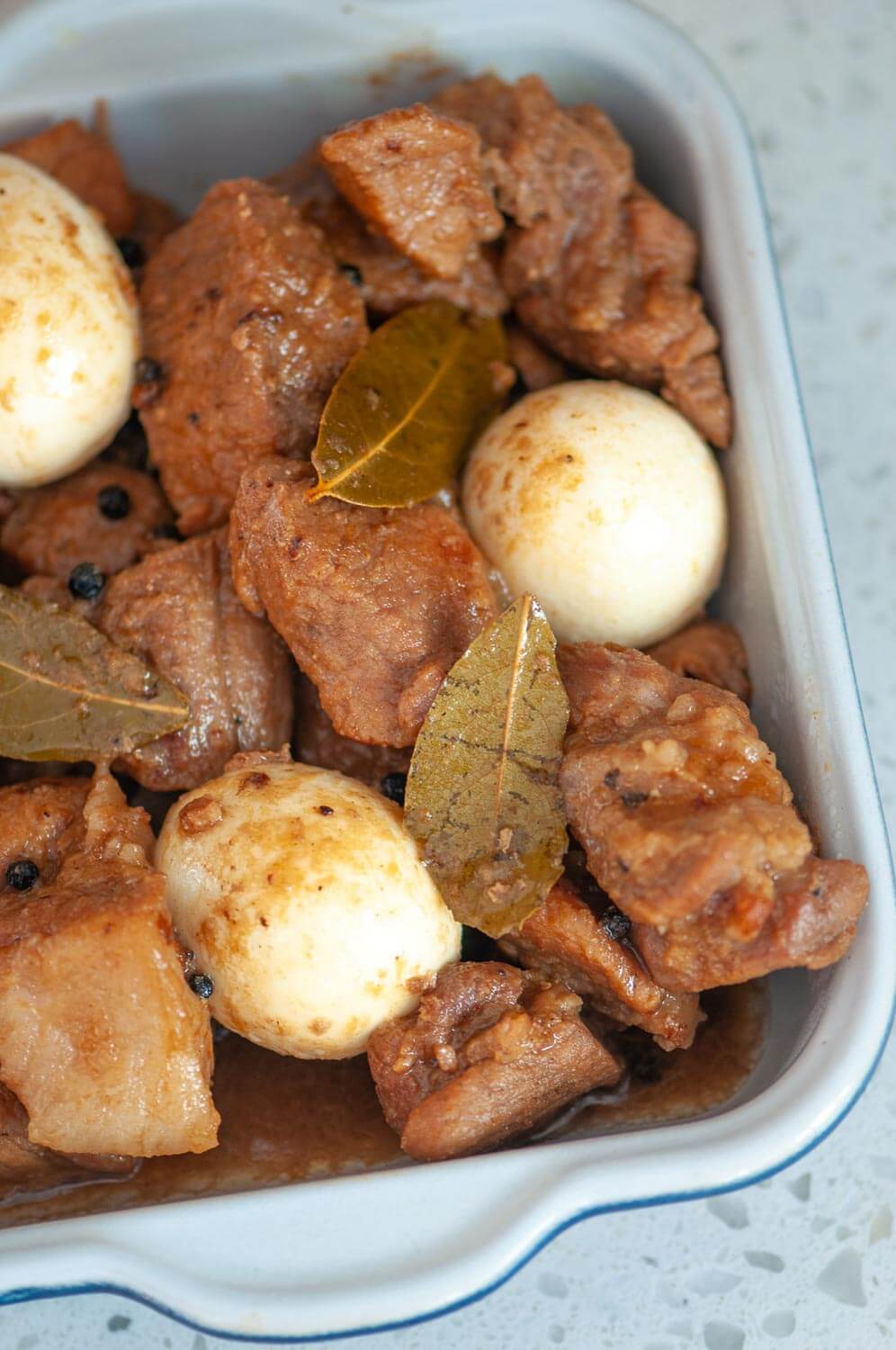
- Chicken Adobo with Egg – The chicken version cooked the same way, with boiled eggs in the sauce
- Chicken and Pork Adobo – Two meats cooked in one pot of adobo sauce
- Adobong Baboy sa Gata – Pork adobo finished with coconut milk for a creamy sauce
- Coke Pork Adobo – A sweeter version where cola cooks down with the pork belly
- Filipino Chicken Adobo – The chicken version of the same Filipino classic
Substitutions
- Pork – Pork belly or pork shoulder both work. Belly is richer, while shoulder is leaner and still cooks down well.
- Dry sherry – Rice wine or a dry white wine can stand in. You can leave it out, though the sauce is better with it.
- Oyster sauce – Hoisin sauce works in a smaller amount, or you can leave it out for a more traditional adobo.
- White vinegar – Cane vinegar or apple cider vinegar both work and give a slightly different tang.
- Soy sauce – Use a low sodium soy sauce if you want a milder, less salty result, and adjust the salt to taste.
Frequently Asked Questions
Why do you add boiled eggs to pork adobo?
It started as a way to stretch a pot of adobo so it fed more people. The eggs go in near the end and soak up the sauce, so they take on the adobo flavor while holding their shape. Many families still add eggs because they taste good in the sauce, not just because they make the pot bigger.
Do I need the dry sherry and oyster sauce?
No, you can skip them. I keep them in because the oyster sauce gives the sauce more body and the sherry makes it taste smoother, but the dish will still taste like adobo without them.
What is the best pork cut for adobo?
Pork belly and pork shoulder are both good choices. Belly has more fat and gives a richer sauce, while shoulder is leaner and still cooks down well over a long simmer. Cut whichever you use into even cubes.
When should I add the vinegar?
Add the vinegar after the pork has simmered and softened, then let the sauce boil before stirring. This cooks off the raw sharp taste while keeping the tang that adobo needs.
Can I make pork adobo ahead of time?
Yes. Pork adobo tastes better the next day once the flavors settle. Cook the pork and sauce ahead, then add fresh boiled eggs when you reheat it, since eggs do not hold up as well to long storage.
I cook Pork Adobo with Boiled Eggs when I want pork, egg, sauce, and rice all in one meal. The pork is enough for the main meal, and the eggs make each serving more filling. Spoon the sauce over warm rice and you already have a good meal. If you make this, tag us @panlasangpinoy on Instagram so we can see how it turned out.
Did you make this? If you snap a photo, please be sure tag us on Instagram at @panlasangpinoy or hashtag #panlasangpinoy so we can see your creations!
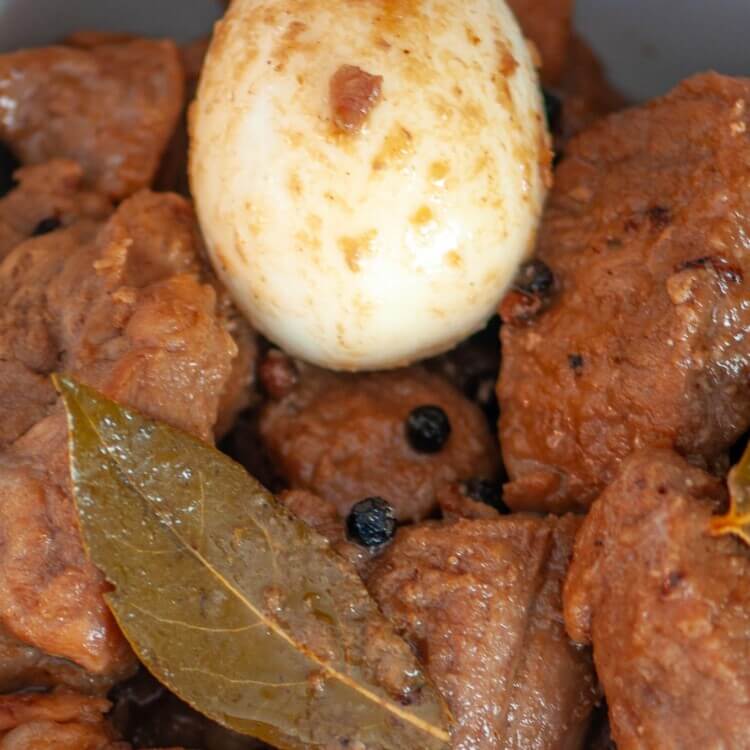
Pork Adobo with Boiled Eggs
Ingredients
- 2 lbs pork sliced in 2×2 inch cubes
- 6 pieces boiled eggs shell removed
- 9 tablespoons soy sauce
- 3 tablespoons white vinegar
- 1 1/2 cups water
- 1 tablespoon oyster sauce
- 1 tablespoon dry sherry
- 6 cloves garlic crushed
- 2 tablespoons granulated white sugar
- 4 pieces dried bay leaves
- 2 teaspoons whole peppercorn
- 3 tablespoons cooking oil
Equipment
- Wide cooking pot Gives the pork room to simmer evenly in the sauce.
Instructions
- In a mixing bowl, combine the pork slices with 4 tablespoons of the soy sauce. Coat the pork with the soy sauce, then marinate for 1 hour.2 lbs pork, 9 tablespoons soy sauce
- Heat a wide cooking pot and pour in the cooking oil.3 tablespoons cooking oil
- When the oil becomes hot, add the garlic. Add the whole peppercorn and dried bay leaves. Continue cooking until the garlic turns light to golden brown.6 cloves garlic, 2 teaspoons whole peppercorn, 4 pieces dried bay leaves
- Add the pork along with the remaining marinade and the sherry. Cook for about 5 minutes.2 lbs pork, 1 tablespoon dry sherry
- Pour in the remaining soy sauce, oyster sauce, and water. Let it boil, then simmer for about 40 minutes.9 tablespoons soy sauce, 1 tablespoon oyster sauce, 1 1/2 cups water
- Add the vinegar. Allow it to re-boil.3 tablespoons white vinegar
- Add the sugar, then stir.2 tablespoons granulated white sugar
- Add the boiled eggs and cook for 2 to 3 minutes.6 pieces boiled eggs
- Transfer to a serving plate.
- Serve with warm rice. Share and enjoy!
chefMe says
this recipe is Great!. my hubby and my toddler loved the taste. I used port tail meat with the bones on, since it is naturally soft in texture. I marinated for only 30 mins, I used light soy sauce and rice wine vinegar (substitute to dry sherry). There was this simmering method for 40 mins that it got burned. I took off the meat and cooked it on another pot, and added 1.5 cups of water to reconstitute. When boiling I added the vinegar (red cane), sugar and the 2tbsp rice wine vinegar, and the boiled eggs. Yummy! Lessons learned, it is a blessing in disguise that the sauce burned, because 9 tbsp light soy sauce is too much for the meat. If using light soy sauce, perhaps reduce it by 3 tbsp, Still sarap, sarap!
idreamgreece says
What is a sherry?
Jenjen1627 says
wine
Vanjo Merano says
Vanessa, dry sherry helps hype-up the taste taking it to a different level. It will still taste ok if you won’t add it though, but there will be a huge difference in the overall taste.