Bagoong Alamang
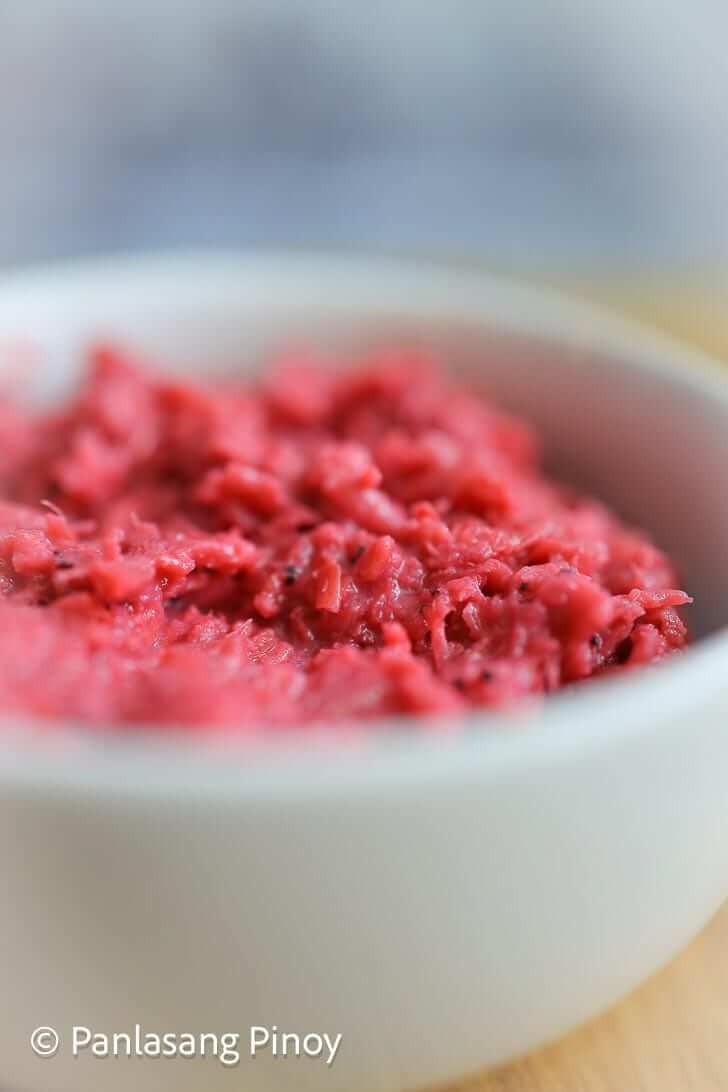
Bagoong alamang is the salty shrimp paste I grew up eating with green mango, kare kare, and pinakbet. Made from tiny shrimp or krill cured in salt, it ferments into a thick, pink to grayish paste with a strong, briny smell. The flavor leans salty and savory, and one small spoon of bagoong alamang can season a whole pan, so I add it slowly. At home, I use it in two ways: cook it as an ingredient, or serve as a condiment.
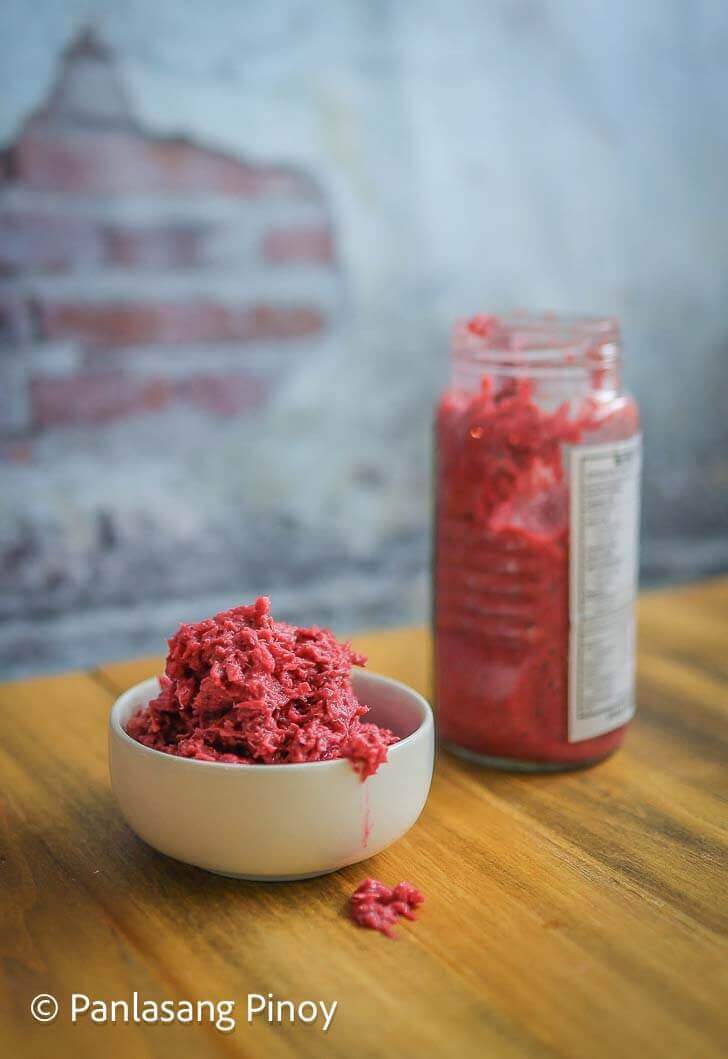
I sauté it first before serving. I cook it with a bit of pork, and chicken on some occasions, and I also sauté it with diced pork fat so it turns into a richer condiment for green mango, jicama, and ensalada. I’ll show you what to look for in a jar and how I usually use it at home.
What is Bagoong Alamang?
Most people translate bagoong alamang as shrimp paste in English. You may also see it labeled fermented shrimp paste or krill paste, since alamang is the tiny shrimp or krill it comes from. To make it, the shrimp are cleaned, mixed with plenty of salt, then packed and left to ferment. As it ferments, it breaks down into a soft, salty paste that runs from pink to grayish.
Bagoong can be confusing because the word does not point to only one thing. Bagoong is the general term. Alamang is the shrimp version, while bagoong isda is made from fish and tastes saltier and fishier. That fish kind is what many Ilocano cooks use for pakbet Ilocano.
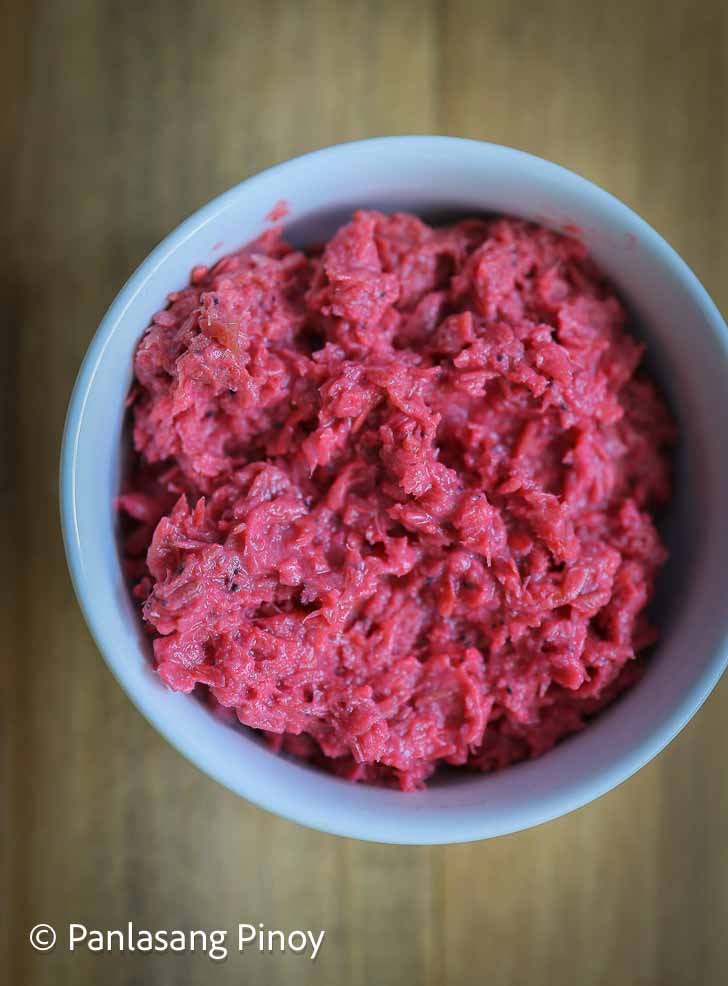
The first thing you taste is the saltiness, then the deep shrimp flavor comes in. The smell is strong and briny, which is normal, and it settles down once the paste is cooked. I use it like salt with extra flavor, especially in stews and sautéed vegetables, or as a condiment on the side. Some dishes get most of their saltiness from bagoong instead of regular salt.
How Bagoong Alamang Is Made
Bagoong alamang starts with tiny shrimp or krill, the alamang it is named after. After a rinse, sometimes in a light brine, the shrimp get mixed with a heavy amount of salt, around a quarter of their weight. Packed into jars or large clay pots and sealed, they are left to ferment.
Fermentation can take at least three weeks, and some batches sit for one to three months for a stronger taste. The mixture is stirred now and then so the salt spreads evenly. Over that time it changes from raw shrimp into a soft, salty paste that runs from pink to grayish. Some makers deepen the pink or red with angkak, a coloring made from red yeast rice, so a very bright jar is not always a sign of a better product.
The salt helps draw out the shrimp flavor and keeps the paste from spoiling, which is why bagoong lasts a long time. Homemade versions are usually just shrimp and salt, while bottled ones may add sugar, garlic, or coloring. I buy a good jar and do the sautéing at home, since that is where most of the flavor comes in.
Types of Bagoong Alamang
- Raw (pink) bagoong alamang – The uncooked fermented paste. Pink to grayish, wet, and very salty, it needs to be sautéed before it goes into most dishes.
- Ginisang (sautéed) bagoong alamang – Bagoong that has already been cooked down with garlic, onion, and often pork. Darker, milder, and ready to serve straight from the jar. Most bottled versions you see are this kind.
- Spicy bagoong alamang – This is the one I reach for with green mango or grilled pork, when I want the heat to balance the saltiness.
- Sweet-style bagoong alamang – A version with sugar added for a sweet and salty balance. People like this one as a dip.
Most of the time, I use ginisang bagoong alamang. It is already sautéed, ready to use, and easier to control. I use raw alamang when I want it to cook with the garlic, onion, tomato, or meat from the beginning.
Bagoong Alamang vs Other Shrimp Pastes
Many Southeast Asian kitchens have their own version of fermented shrimp paste. It is kapi in Thailand, terasi in Indonesia, belacan in Malaysia, mam tom in Vietnam, and ngapi in Myanmar. Most of them start from the same tiny shrimp and salt that bagoong alamang uses.
What makes bagoong alamang different is its texture. Wet and soft, sold in a jar, it gets sautéed before serving. Belacan, terasi, and kapi are usually pressed and sun dried into firm blocks, so cooks toast a piece before using it. They taste similar in some ways, but cooks use them differently.
Inside the Philippines, the shrimp paste also goes by other names, like ginamos in the Western Visayas. The fish version, bagoong isda, is a separate thing and shows up in Ilocano dishes like dinengdeng.
Some readers also mix up shrimp paste and shrimp sauce, but I treat them differently. Bagoong alamang is the thick paste. Shrimp sauce is thinner and more pourable. If a recipe asks for bagoong alamang, reach for the paste in the jar, not the runny sauce.
How to Choose Good Bagoong Alamang
- Color – Raw alamang should look pink to light gray, not brown or dull. Sautéed versions are naturally darker, which is fine. A very bright pink can come from added coloring rather than the shrimp, so do not judge by color alone.
- Smell – It should be briny and clean. Strong is expected, but sour or off is a sign to put the jar back.
- Liquid – A little separation is normal. A watery, runny jar usually means more salt brine than actual shrimp.
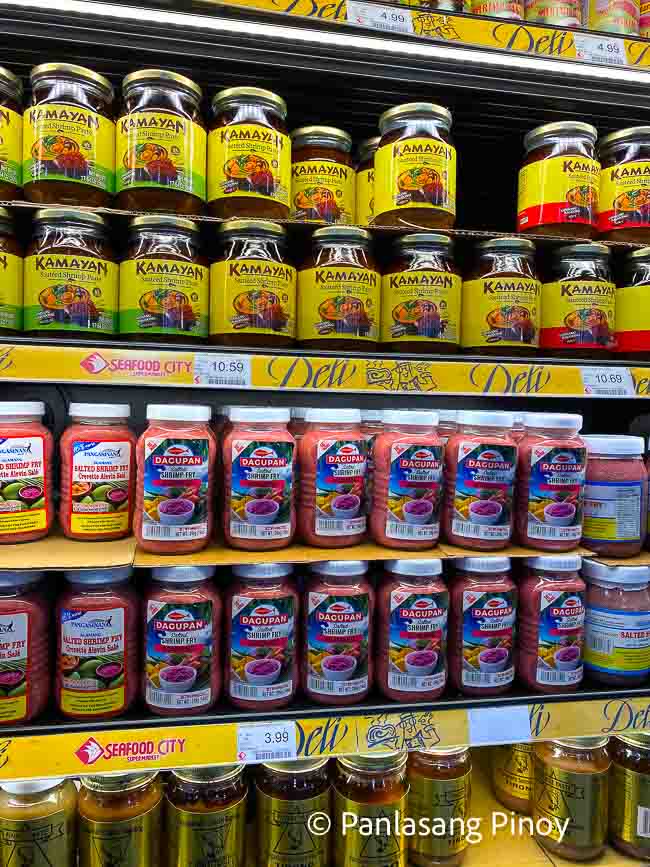
- Label – Look for shrimp (alamang) and salt as the main ingredients. I like it better when the label is simple.
- Ready to use – A sautéed jar is the easiest one to keep at home because you can serve it right away.
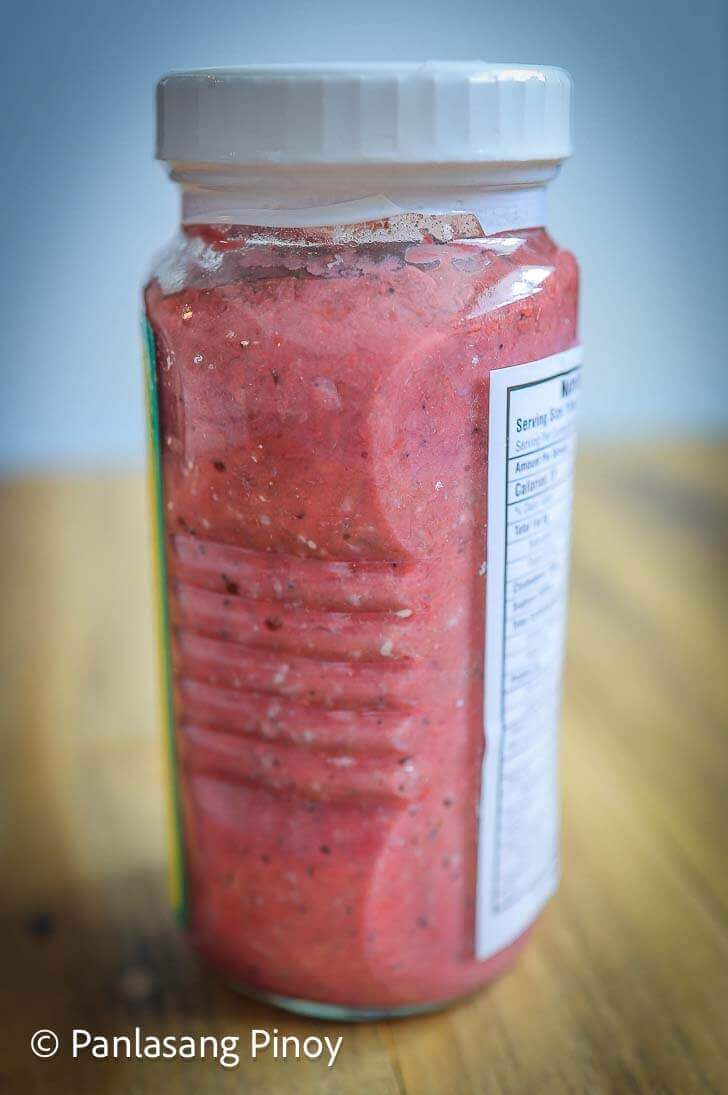
I do not lock myself into one brand. I check the label first. Shrimp and salt should be near the top, and the smell should be briny, not sour. That tells me more than the name on the front.
How to Store Bagoong Alamang
- Keep it refrigerated. I refrigerate bagoong alamang all the time, opened or unopened. The cold keeps the flavor steady and helps contain the smell.
- Use a clean, dry spoon every time. I never dip a wet spoon into the jar.
- Seal the lid tightly after each use. Bagoong has a strong smell, so I always close the jar tightly to keep it from spreading through the fridge.
- A cold, tightly sealed jar can keep for many months. The salt helps preserve it, but I still check the smell and color before using it. If it smells sour, I throw it out.
- If you have a big jar you will not finish soon, you can freeze it. Spoon it into a sealed container, freeze, and thaw it in the fridge when you need it. The texture holds up well.
A Quick Note on Salt
Bagoong alamang is very salty, so I use it in small amounts. It has shrimp in it, but I still treat it mainly as something that seasons the dish. I taste the dish first before adding any more salt, because one small spoonful already does a lot.
Since bagoong alamang is made from shrimp, anyone with a shellfish allergy should skip it. Plain bagoong is usually just shrimp and salt, but some bottled kinds add sugar, garlic, or coloring, so check the label if you are watching for those.
How to Cook Bagoong Alamang
Most of the time, cooking bagoong means sautéing it, or ginisa. The basic idea is to fry garlic, onion, and tomato, often with a little pork, then add the bagoong and let it simmer. A pinch of sugar and a splash of vinegar balance the salt. I included the ginisang bagoong recipe below if you want the measured version. Here is how I handle it, step by step.
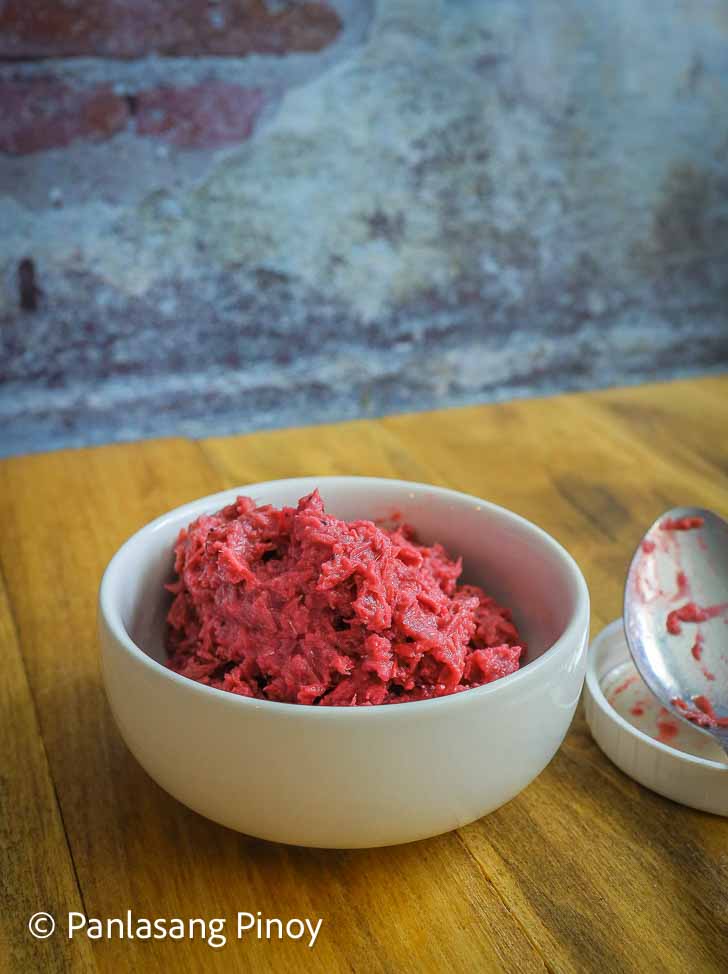
- Sautéing raw bagoong first makes the smell milder and the flavor better. Fry garlic, onion, and tomato, add the raw alamang, and let it cook down for a few minutes until it darkens a little.
- I like to sauté bagoong with a bit of pork, and chicken on some occasions. Render a little fat first, then cook the bagoong in that fat. It tastes better that way, and it is the same base I use for any binagoongan dish.
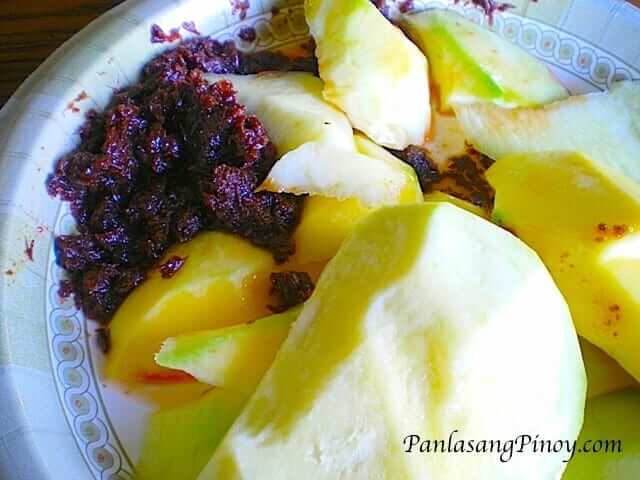
- For green mango, jicama, or ensalada, I sauté the bagoong with diced pork fat until it is rich and a little crisp. Cooked this way it becomes a thick, savory dip instead of just a seasoning. Serve it on the side.
- If you are using raw bagoong, add it early while sautéing so it cooks with the garlic, onion, and tomato. If it is already cooked, stir it in toward the end so the bagoong flavor stays balanced. Either way, taste before adding salt, since the bagoong is already salty.
- Because bagoong is concentrated, start with a small amount. You can always add more, but once the dish gets too salty it is hard to fix.
Can you eat bagoong straight from the jar? The sautéed kind is already cooked, so yes, you can spoon it over rice or eat it with green mango as is. Raw bagoong is better cooked first. The salt keeps it safe, but sautéing makes the flavor rounder and the smell milder.
How to Cook Bagoong Without the Strong Smell
The smell is usually what worries people first, but sautéing makes a big difference. These small steps help keep the smell under control.
- Cook it, do not use it raw – Sautéing is the biggest help. Raw bagoong smells the strongest, and a few minutes in the pan makes it milder.
- Start with aromatics – Garlic, onion, and tomato help balance the bagoong once it hits the pan.
- Add cooked bagoong near the end – If your bagoong is already sautéed, stir it in late so it just heats through.
- Turn on the fan – I switch on the exhaust fan before the bagoong hits the pan. That small habit helps a lot, and the smell fades fast once the food is done.
- Seal the jar – Close it tightly and keep it cold so the smell stays in the jar and not in the fridge.
Substitutes for Bagoong Alamang
- Patis (fish sauce) – Patis works when a dish only needs saltiness. Start with a small amount, since it is thinner and can turn the dish salty fast. It will not add the shrimp body that bagoong does, but it gets you the salt and umami.
- Belacan, terasi, or kapi – The shrimp pastes from nearby countries are close in flavor. They come as dry blocks, so toast a small piece first, then crumble it into the dish. Use just a little, since the block form is concentrated.
- Shrimp sauce – Thinner than bagoong, but it brings a similar salty, shrimp flavor. Stir in a little at a time so it does not take over.
- Bagoong isda (fish bagoong) – If you have the fish version, it works in most cooked dishes. It is fishier and saltier, so adjust as you go.
- Anchovies or dilis – Mashed into the dish, salted anchovies give a similar salty, fishy depth.
- Plain salt – Salt can season the dish, but you lose the shrimp flavor and deeper savory taste.
If you do not eat seafood, there are vegan bagoong versions made from vegetables that try to give the same salty flavor. The taste will not be the same, but it can help when bagoong is hard to find.
Best Flavor Pairings for Bagoong Alamang
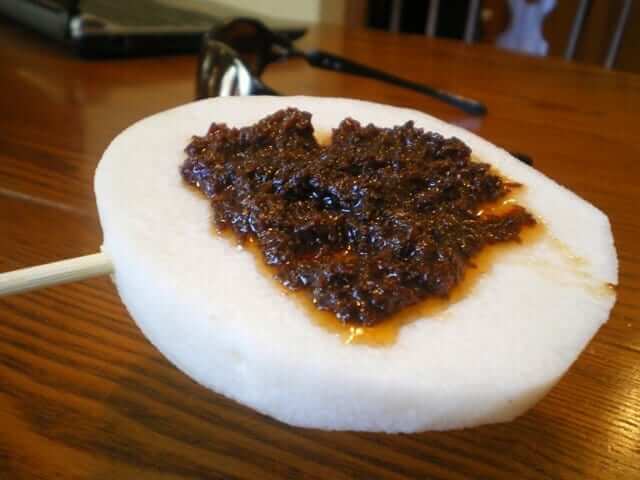
- Green mango and jicama – These cut straight through the salt. A plate of jicama with bagoong or a quick green mango salad is one of the easiest ways to enjoy it.
- Pork and pork fat – Pork works well with bagoong because the fat softens the salty flavor, which is why so many bagoong dishes start with rendered pork.
- Coconut milk (gata) – Coconut milk makes the bagoong taste milder and richer, common in southern dishes.
- Vinegar and chili – Vinegar cuts through the saltiness, and chili adds heat.
- Grilled and fried food – Bagoong works well on the side with grilled meat and rice, especially in a kamayan spread.
Filipino Recipes with Bagoong Alamang
Here are Filipino dishes that put bagoong alamang to work. Some use it as a seasoning cooked into the dish, and one is the sautéed version you eat as a viand over rice.
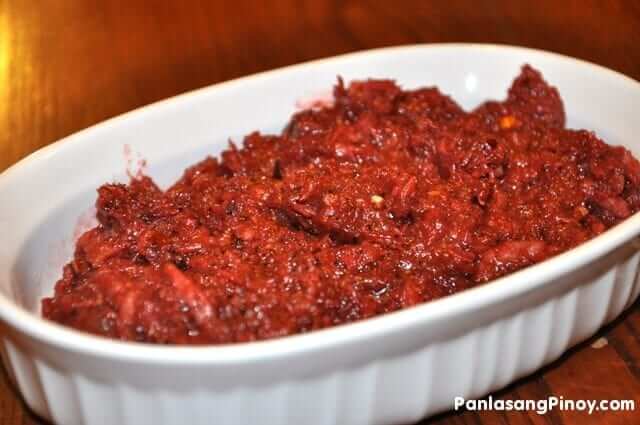
Ginisang Bagoong (Bagoong Guisado)
Sautéed shrimp paste cooked with pork, garlic, onion, and tomato until it is savory and a little caramelized. This is the kind of ginisang bagoong alamang I like keeping in the fridge. You can spoon it over rice, serve it with green mango, or use it as a base for binagoongan. It takes under 20 minutes.
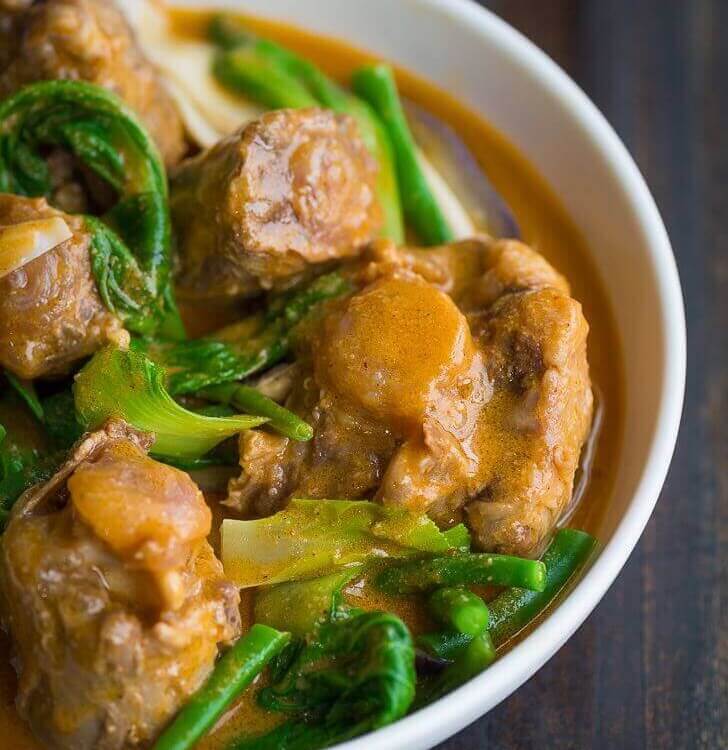
Kare-Kare
I cannot imagine kare kare without bagoong on the side. The peanut sauce is mild on its own, and a spoonful of bagoong mixed into your rice gives every bite the salt and shrimp flavor it needs. For a lot of Filipinos, this is the dish that taught them the flavor.
Pork Binagoongan
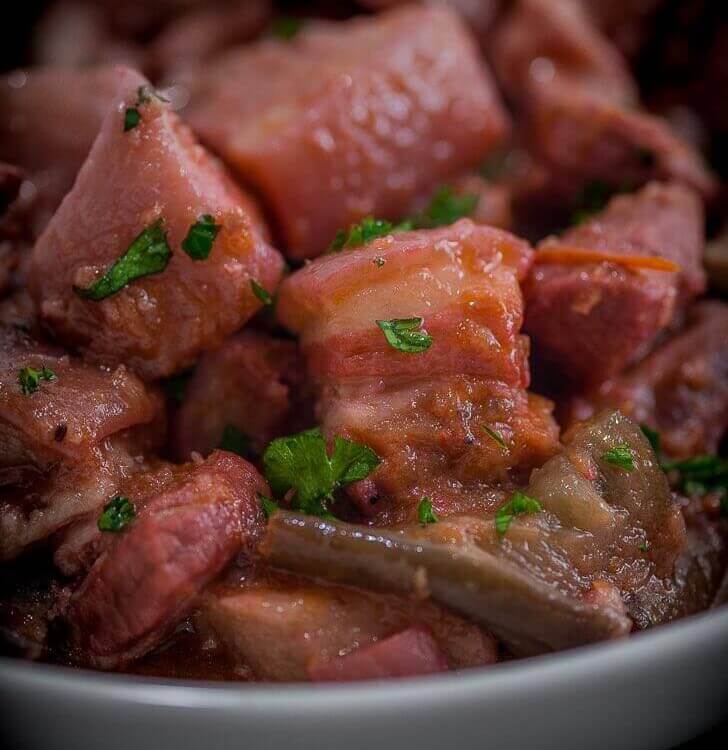
Pork belly stewed in bagoong with tomato, vinegar, and a little sugar. The shrimp paste seasons the whole dish, so I taste first before adding anything else. This is the kind of dish I want over warm rice.
Binagoongang Talong
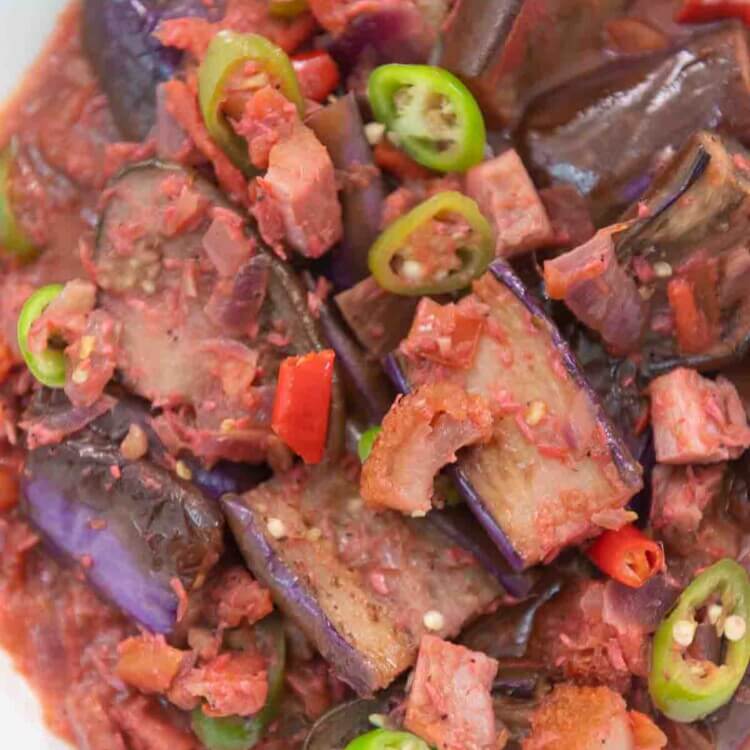
Eggplant fried first, then stewed in bagoong with garlic, onion, and chili. It works with or without pork, so it is an easy meatless dish, and the eggplant soaks up the salty paste. I like this when I want something simple but still strong in flavor.
Pinakbet Tagalog
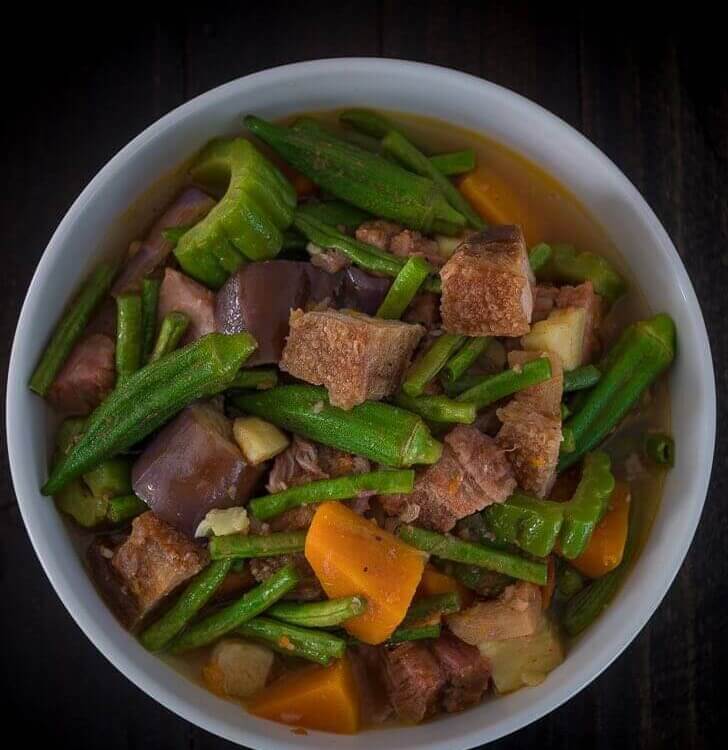
Many Tagalog style versions use bagoong alamang to season squash, eggplant, okra, and string beans. The shrimp paste is what sets them apart from the Ilocano version, which leans on fish bagoong instead.

Bagoong Rice
Bagoong rice is where leftover rice and sautéed bagoong really come together, topped with pork and chopped green mango. The mix of salty, savory, and sour is what makes it easy to enjoy.
Gising Gising
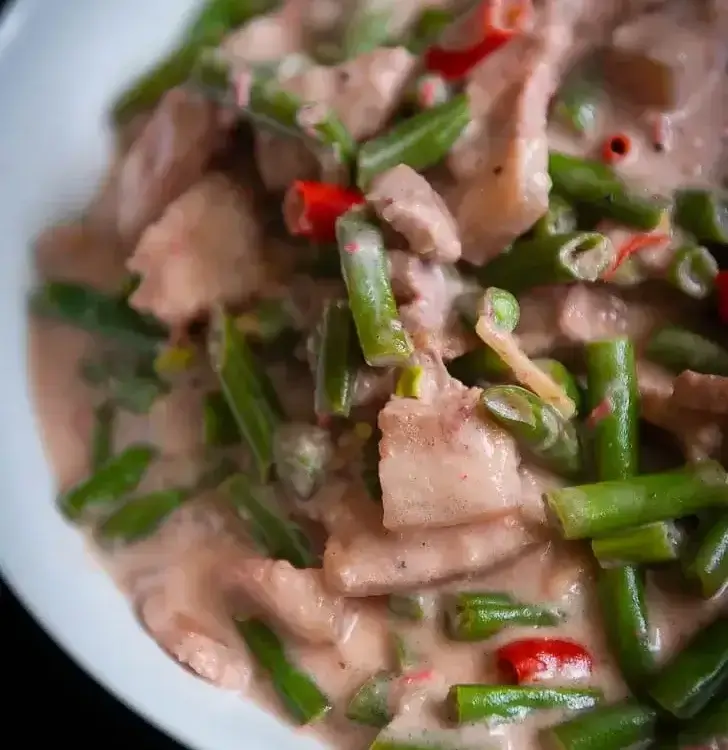
Gising Gising uses green beans, ground pork, coconut milk, bagoong, and chili. The bagoong brings the saltiness and the chili the heat, while the coconut milk keeps the sauce rich.
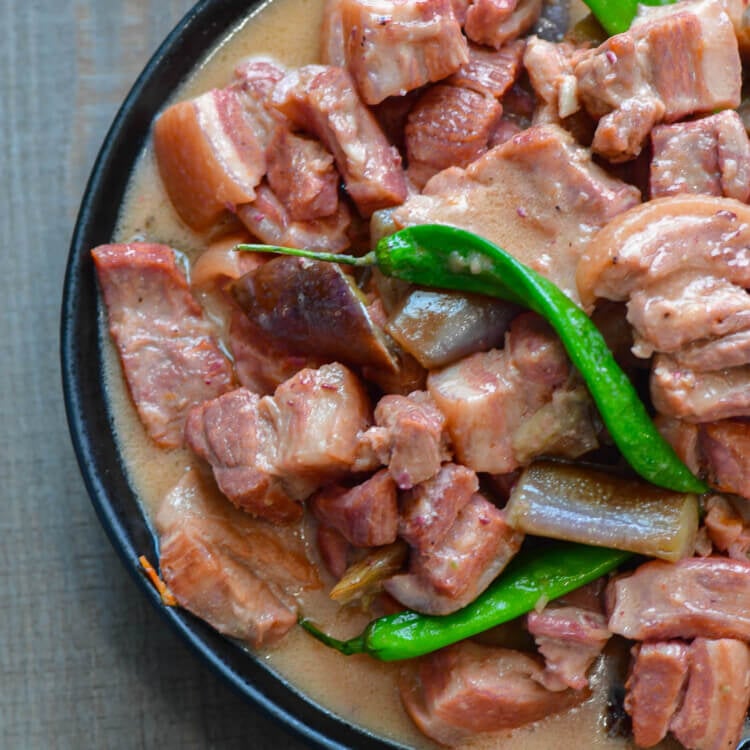
Pork Binagoongan sa Gata
Pork binagoongan finished with coconut milk. The coconut milk makes the bagoong flavor gentler and richer. This version works well for anyone who wants the bagoong softened by gata.
I always keep a small jar in the fridge. Some days, that spoonful of bagoong is all I need to make rice and vegetables taste complete.
Leave a Comment