What is Guacamole?
You know that creamy green dip that disappears first at every party? That’s guacamole. I’ve watched bowls of it get scraped clean in minutes, with people practically fighting over the last scoop. There’s something about that rich, buttery texture mixed with bright lime and a little heat that keeps everyone coming back for more.
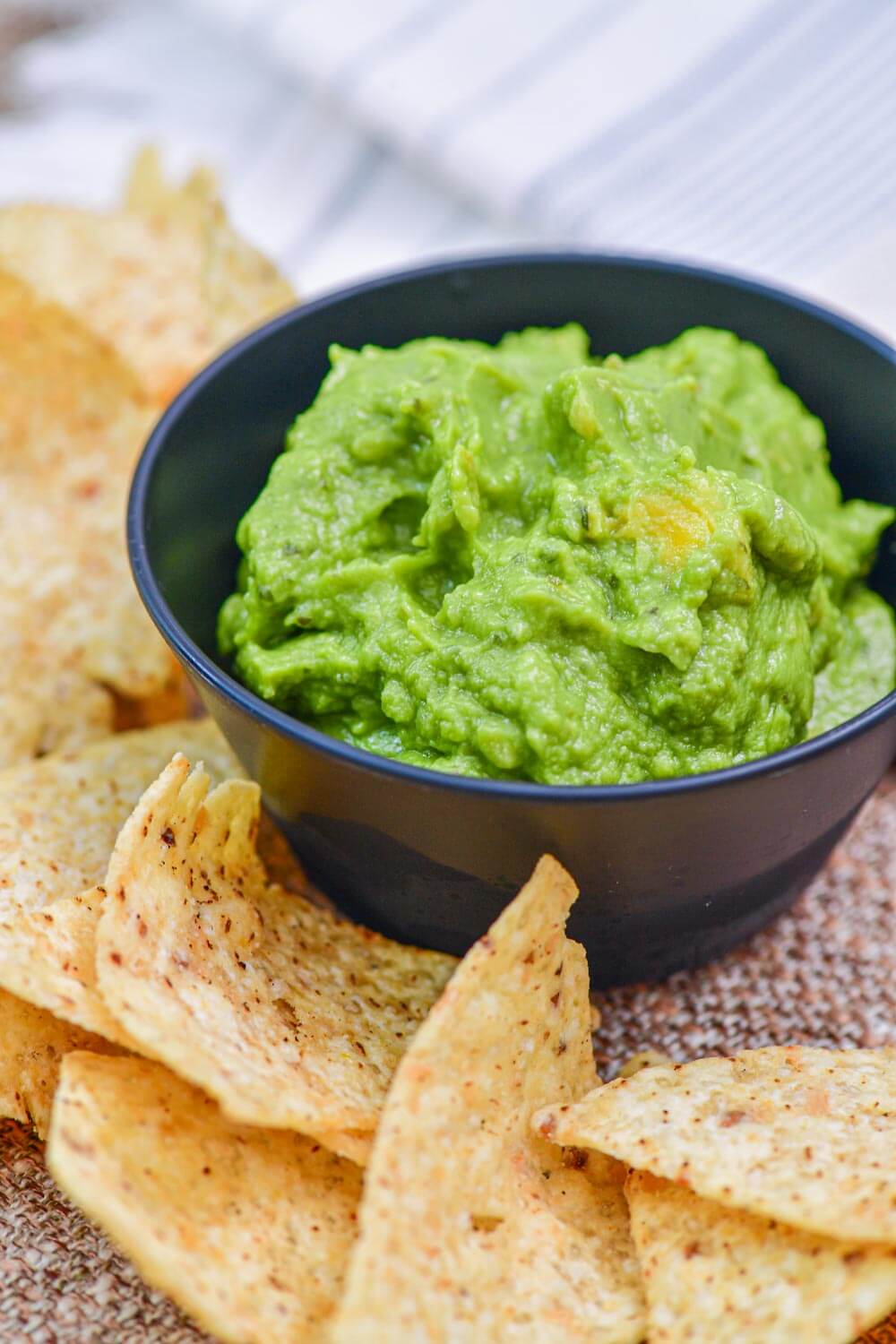
I got serious about making guacamole when I was visiting relatives in Florida years ago (we were still based in Chicago back then). They had this huge avocado tree right in their front yard, loaded with Hall variety avocados. These things were massive compared to the Hass avocados I was used to buying at the grocery store. My aunt taught me how her family made their guacamole, and honestly, it changed everything. No fancy ingredients, no complicated steps. Just ripe avocados, a few fresh additions, and the right technique. That afternoon sparked a bit of an obsession, and I’ve been tinkering with my own version ever since.
Guacamole
Guacamole is an avocado dip that originated in Mexico. The word comes from the Nahuatl word “ahuacamolli,” which translates to “avocado sauce.” Pretty straightforward, right? The Aztecs were making this stuff way back in the 14th to 16th centuries, long before it became a Super Bowl snack staple.
The original version was simple. Aztecs would mash ripe avocados in a molcajete (a stone mortar and pestle made from volcanic rock) and season it with salt, tomatoes, and chili peppers. They’d scoop it up with warm tortillas. When Spanish conquistadors arrived in Mexico around 1519, they fell in love with it. They couldn’t quite pronounce “ahuacamolli,” so they started calling it “guacamole” instead.
The Spaniards also brought new ingredients to the mix. Lime, onions, and cilantro weren’t originally part of the Aztec recipe, but they became popular additions over time. Today, these are considered standard guacamole ingredients in most kitchens.
What I find interesting is how simple authentic guacamole really is. You don’t need a long list of ingredients to make it taste good. Ripe avocados do most of the heavy lifting. The other stuff just adds brightness and a little kick. When I make guacamole at home here in Tampa, I try to keep it close to that original idea. Good avocados, fresh lime, salt, and maybe a few extras depending on my mood. Nothing complicated.
Different Types You’ll Find
Not everyone makes guacamole the same way. Depending on where you are and who’s doing the cooking, you’ll run into different styles:
- Traditional Mexican Style – This one keeps things minimal. Ripe avocados, lime juice, salt, and fresh cilantro. Some cooks add a bit of serrano or jalapeño for heat, and maybe some chopped tomato and onion. The focus stays on the avocado itself.
- Tex-Mex Style – A bolder version that often includes garlic, more onion, and sometimes cumin. Some people even add sour cream to make it extra creamy. This pairs well with heavier dishes like nachos and loaded burritos.
- Chunky Guacamole – If you like texture, this is your style. The avocado is roughly mashed so you get distinct pieces mixed with diced tomato and onion. It feels more like a salsa in some ways.
- Smooth Guacamole – The opposite end. Some folks blend or mash their guacamole until it’s completely smooth, almost like a spread. Works great on sandwiches and burgers.
- Spicy Guacamole – For heat lovers. Extra jalapeño or serrano peppers, sometimes with the seeds left in for maximum kick.
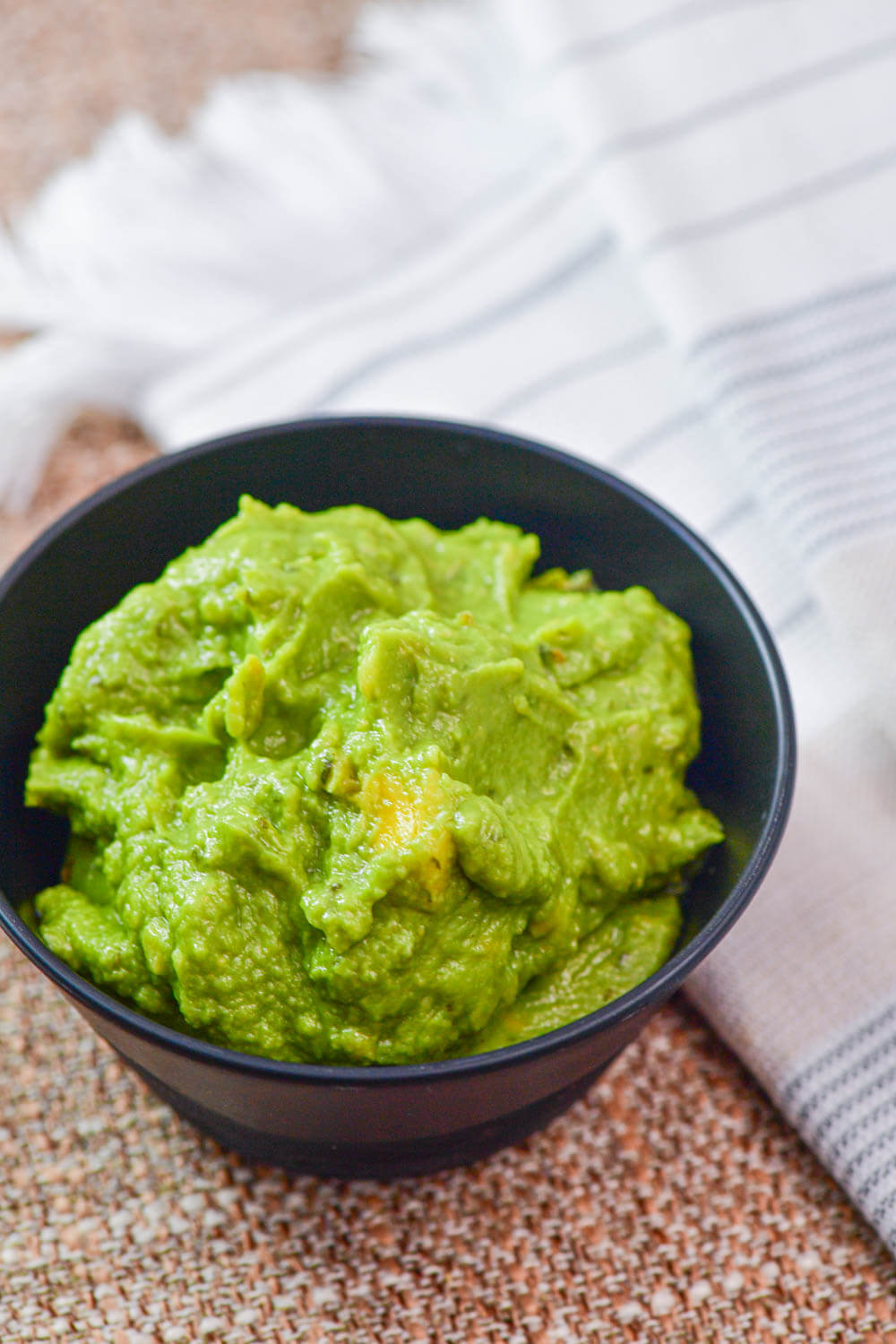
My advice? Start with the traditional style first. Once you get comfortable with the basics, you can experiment. I’ve tried adding all sorts of things over the years. Some worked, some didn’t. That’s part of the fun.
Picking the Best Avocados
Here’s the thing about guacamole: it’s only as good as your avocados. You can have the best recipe in the world, but if your avocados aren’t right, the whole thing falls flat. I’ve learned this the hard way more than once.

- Check the color. Ripe Hass avocados should be dark green, almost black. If they’re still bright green, they need more time. Hass avocados are your best bet for guacamole because of their creamy texture and rich, nutty flavor. Over 80% of avocados sold worldwide are Hass, so they’re easy to find.
- Give it a gentle squeeze. Hold the avocado in your palm (not your fingertips) and press lightly. A ripe one will give just a little but still feel firm. If it’s rock hard, it’s not ready. If your finger sinks in easily, it’s probably overripe.
- Check under the stem. Pop off that little brown cap at the top. If the color underneath is green, you’re good. If it’s brown, the avocado is past its prime and likely has brown spots inside.
- Plan ahead. This is something I wish someone had told me earlier. Avocados ripen at room temperature in about 2 to 5 days after purchase. If you’re making guacamole for a party, buy your avocados a few days early while they’re still firm. Let them ripen on your counter. Once they’re ready, move them to the fridge to slow things down.
- Avoid dents and soft spots. These usually mean the avocado got bruised during handling. Even a small bruise can spread brown spots throughout the fruit as it ripens.
If you’re like me and sometimes forget to buy avocados ahead of time, you can speed up the ripening by putting them in a paper bag with a banana or apple. The ethylene gas helps. It’s not magic, but it shaves off a day or two.
Storage Tips That Actually Work
Guacamole tastes best when it’s fresh, but sometimes you end up with leftovers. Here’s what I’ve learned about keeping it green:
- Press plastic wrap directly onto the surface. This is the most reliable method I’ve found. Push the wrap down so it touches every bit of guacamole with no air pockets. Air is what causes that brown color.
- Leave the pit in. Some people swear by this. The pit only prevents browning where it physically touches the guacamole, so it’s not a complete solution. But it helps a little.
- Add extra lime juice on top. Citric acid slows down oxidation. Before covering your container, squeeze a little extra lime juice over the surface.
- Store in an airtight container. After pressing plastic wrap on the surface, put the container in the fridge with a tight lid.
- Eat it within 1 to 2 days. Even with all these tricks, homemade guacamole starts losing its freshness after a day or two. The flavor fades even if the color stays green.
- Scrape off the brown layer. If the top turns brown, it’s okay. Just scrape off that layer with a spoon. The guacamole underneath is usually still fine.
Honestly, my best advice is to make only as much as you need. Guacamole is quick to prepare, so there’s no reason to make a huge batch unless you’re feeding a crowd.
Nutritional Profile
A lot of people ask if guacamole is healthy. The short answer is yes, as long as you’re mindful about portions.
A quarter cup serving of homemade guacamole has roughly 100 to 120 calories, about 10 grams of fat (mostly the heart-healthy kind), 5 grams of carbohydrates, and 3 to 4 grams of fiber. Most of that fat is monounsaturated fat, the same type found in olive oil. Studies have linked monounsaturated fats to lower LDL cholesterol and reduced heart disease risk.
Avocados are also loaded with potassium. They actually have more potassium per serving than bananas, which is good for blood pressure and muscle function. You’ll also get vitamins C, E, K, and several B vitamins.
The fiber content is worth mentioning. Fiber keeps you feeling full longer and supports healthy digestion. That’s why guacamole can feel more satisfying than other dips.
Now, the catch: guacamole is calorie-dense because of all that healthy fat. A couple of tablespoons is a reasonable serving. The real calorie trouble usually comes from what you’re dipping into it. A basket of fried tortilla chips adds up fast. If you’re watching your intake, try dipping veggies like carrot sticks, bell pepper slices, or cucumber rounds instead.
Guacamole Ingredients Breakdown
Here’s what goes into a good guacamole:
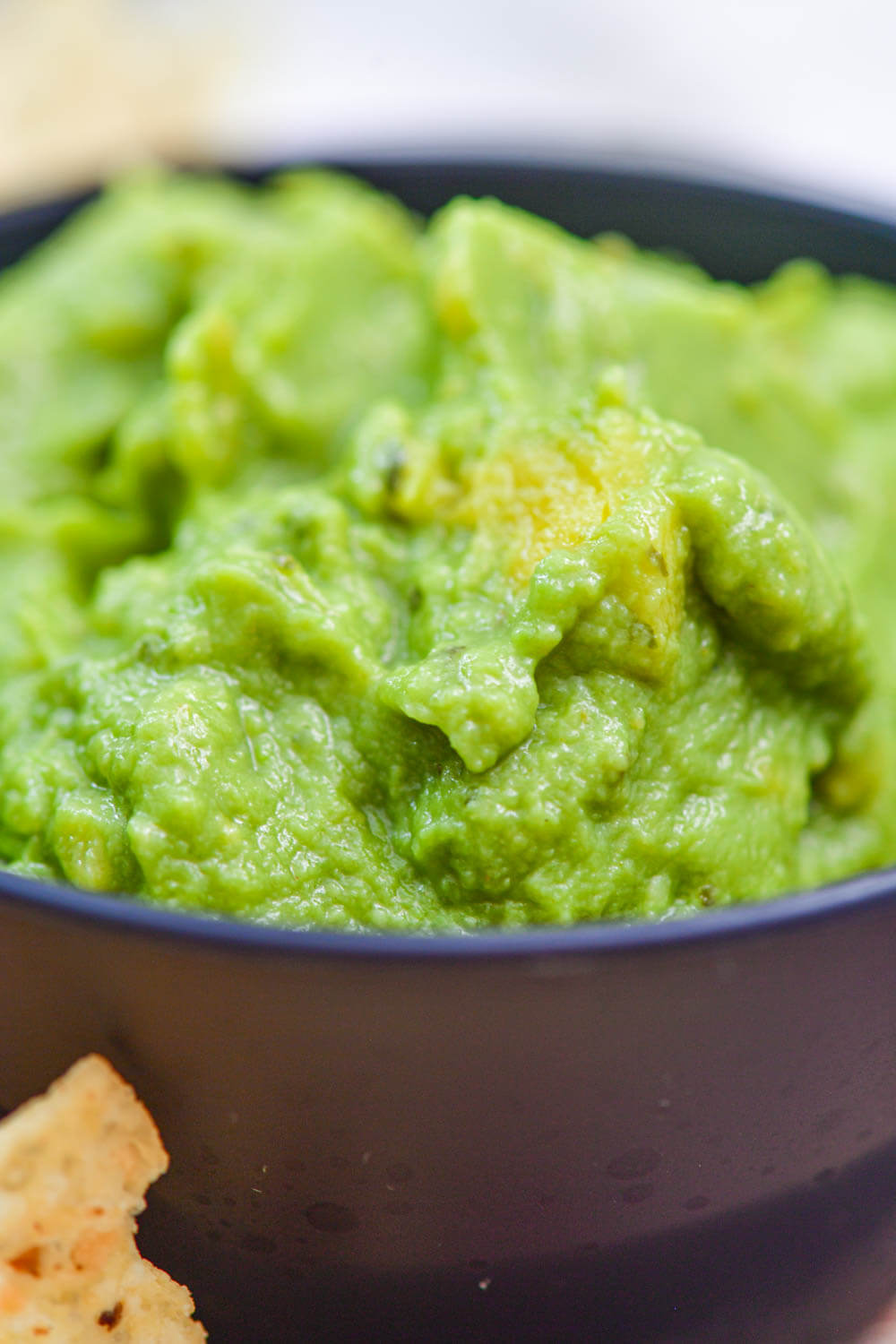
- Ripe Avocados – The foundation. Hass avocados work best because of their buttery texture and rich taste. Florida varieties like Hall are bigger and less creamy, but they still make decent guacamole.
- Fresh Lime Juice – Adds brightness and helps prevent browning. Always use fresh squeezed. Bottled lime juice tastes flat.
- Salt – Brings out all the flavors. Don’t skip this. Underseasoned guacamole tastes bland no matter how good your avocados are.
- White or Yellow Onion – Adds a little bite. Dice it fine so the pieces blend in. Some people soak the onion in cold water for a few minutes to mellow the raw flavor.
- Fresh Cilantro (Wansuy) – That distinctive herby flavor. If you’re one of those people who thinks cilantro tastes like soap (it’s a genetic thing), just leave it out.
- Jalapeño or Serrano Pepper – For heat. Jalapeño is milder, serrano is spicier. Adjust based on your preference.
- Roma Tomatoes – Optional but nice. They add color and freshness. Choose firm tomatoes and remove the seeds to avoid making the guacamole watery.
- Garlic – Some recipes include it, some don’t. A small amount adds depth without overpowering.
If you like things spicy, you might enjoy adding a drizzle of chili garlic oil on top. It’s not traditional, but it adds a nice kick.
How to Make the Best Guacamole
Making guacamole at home is straightforward. You don’t need any special equipment, though a molcajete does make you feel authentic. I usually just use a fork and a bowl.
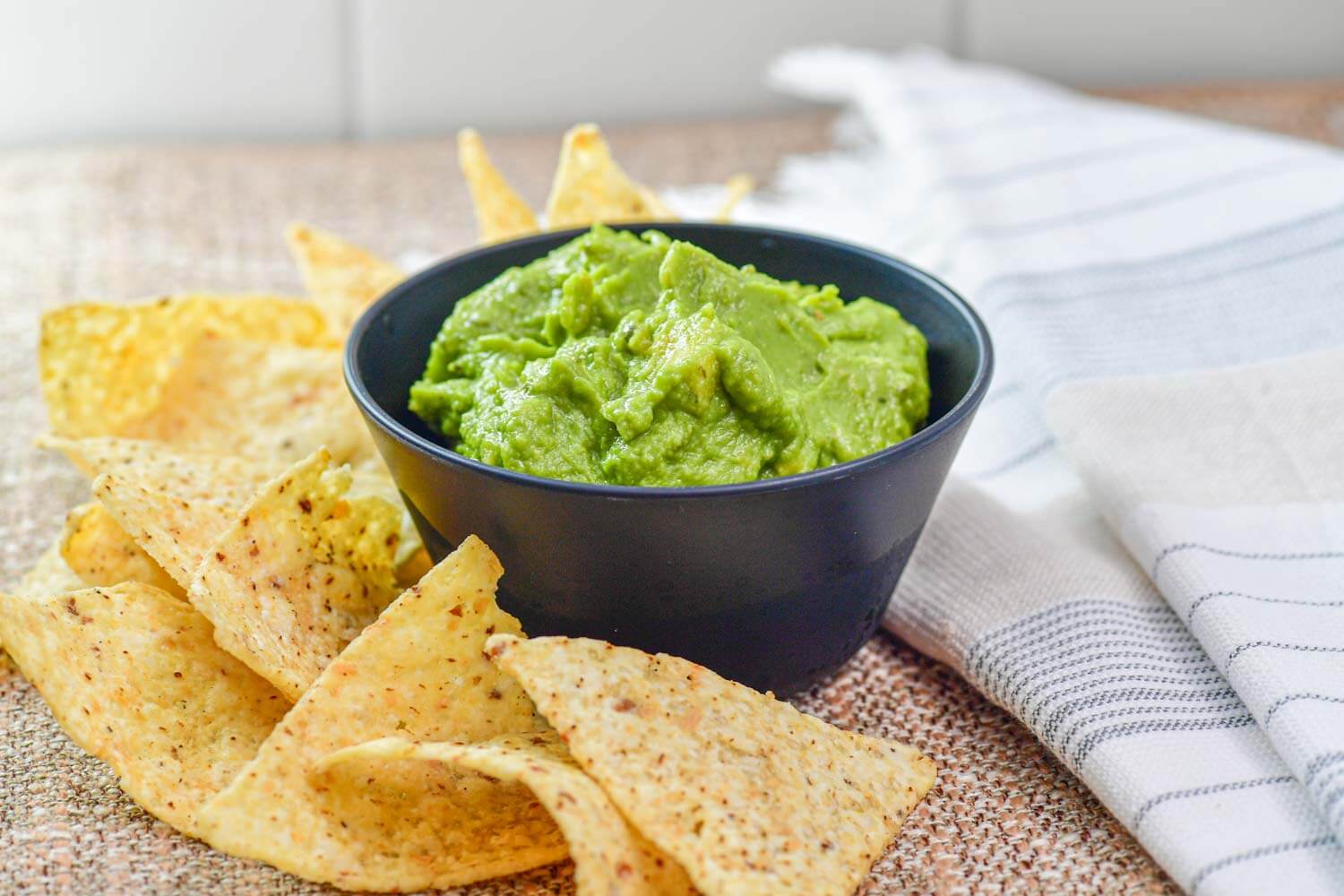
- Start with ripe avocados. Cut them in half lengthwise, remove the pit, and scoop out the flesh into a bowl. For my homemade guacamole, I usually use 3 medium avocados.
- Add salt and lime juice first. Sprinkle salt over the avocado and squeeze fresh lime juice on top before you start mashing. Coating the avocado with lime early helps with flavor and slows down browning.
- Mash to your preferred texture. I like mine a bit chunky, so I don’t go crazy with the fork. Some people use a potato masher for larger batches.
- Fold in the other ingredients. Diced onion, tomato, cilantro (we call it wansuy in Filipino), and jalapeño if you want heat. I usually prep these separately and fold them in gently so the tomatoes don’t get mushy.
- Taste and adjust. This is important. Every avocado is a little different. Some need more lime, some need more salt. Keep tasting until it’s right.
- Serve right away. Guacamole is best fresh. If you need to wait, cover it tightly and refrigerate.
One trick I picked up: if you’re adding jalapeño, remove the seeds and white membrane for milder heat. Leave them in if you want more fire. And for a shortcut version, try combining 1 avocado with 1 teaspoon of lemon juice and 2 teaspoons of mayonnaise. It’s not traditional, but it works in a pinch.
Common Mistakes to Avoid
After making guacamole hundreds of times, here’s what I’ve learned not to do:
- Using unripe avocados. This is the biggest mistake. If the avocado is hard, don’t try to force it. The texture will be waxy and the flavor won’t be there. Just wait another day.
- Overmixing. Guacamole should have some texture. Mash it just enough. If you go too far, you’ll end up with baby food.
- Skimping on the lime. Lime juice does two things: adds flavor and slows down browning. A generous squeeze is always better than not enough.
- Making it too far ahead. Guacamole is a last-minute kind of food. Try to make it within an hour of serving for the best color and taste.
- Forgetting to taste. Every batch is a little different. Taste as you go and adjust the salt and lime.
- Drowning it in extras. The avocado should be the star. Too many add-ins and you lose what makes guacamole special.
What to Eat with Guacamole
Guacamole pairs with so many things. Here are some ideas:
- Tortilla Chips – The classic combo. Look for thick, sturdy chips that won’t break when you scoop.
- Tacos and Burritos – A spoonful of guacamole adds creaminess that balances spicy meats and crunchy vegetables. It’s one of the essential toppings when you’re learning how to make fajitas at home.
- Fresh Vegetables – Carrot sticks, bell pepper slices, cucumber rounds, and celery all work great. Healthier than chips if you’re watching calories.
- Nachos – Pile it on top of cheesy nachos for that creamy contrast.
- Eggs – Breakfast tacos with guacamole are something special. Or just add a scoop to scrambled eggs.
- Grilled Meats – Especially chicken, steak, and pork. The cool creaminess plays off smoky, charred flavors.
- Rice Bowls – A dollop of guacamole turns any grain bowl into something more satisfying. It goes especially well with cilantro lime rice.
- Sandwiches and Burgers – Use it as a spread instead of mayo. Trust me on this one.
Guacamole also pairs nicely with pico de gallo. They share similar fresh ingredients but offer different textures. Together, they make any Mexican-style meal feel complete.

Common Questions Answered
How do I know when an avocado is ripe enough for guacamole?
A ripe avocado feels slightly soft when you gently squeeze it with your palm, but it doesn’t feel mushy. The skin on a Hass avocado should be dark green to almost black. You can also pop off the stem cap and look underneath. If it’s green, you’re good.
Can I make guacamole ahead of time?
You can, but it’s best eaten within a few hours. If you need to make it ahead, press plastic wrap directly onto the surface to block air, then refrigerate. It’ll keep for 1 to 2 days, but the color and flavor are always better when fresh.
Why does guacamole turn brown so fast?
Avocados contain an enzyme that reacts with oxygen, causing oxidation. The flesh turns brown just like a cut apple does. Adding lime juice helps slow this down, and covering the surface to limit air exposure is key.
Is guacamole good for you?
Yes. Guacamole is rich in heart-healthy monounsaturated fats, fiber, potassium, and several vitamins. Just watch your portion sizes since it’s calorie-dense. A couple of tablespoons is a reasonable serving.
Can I freeze guacamole?
You can, but I don’t recommend it for the usual recipe. Frozen and thawed guacamole has a different texture, softer and sometimes watery. If you really want to freeze it, use plain mashed avocado without the tomatoes and onions, which get mushy after thawing.
What can I use instead of cilantro?
Fresh mint works surprisingly well as a substitute. Some people use flat-leaf parsley instead. Or just leave the herbs out entirely. The guacamole will still taste good.
How can I make guacamole less spicy?
Remove all the seeds and white membrane from your jalapeño. That’s where most of the heat lives. You can also use less pepper or skip it altogether.
Recipes with Guacamole
Guacamole works in so many dishes. Here are some of my favorites where it really shines.

Beef Nachos with Cheese Sauce
Homemade nachos topped with seasoned ground beef, rich cheese sauce, fresh tomatoes, and peppers. Add a generous dollop of guacamole on top and you’ve got the perfect game day snack. The cheese sauce alone is worth making this recipe.
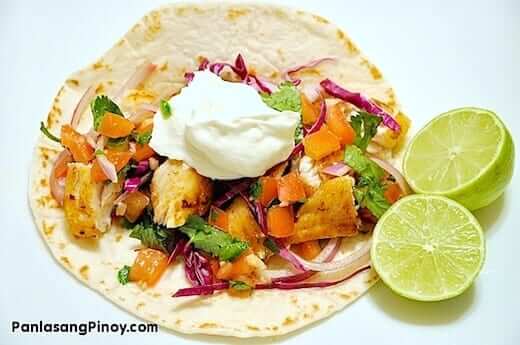
Tilapia Fish Tacos
Light and fresh fish tacos with crispy tilapia, homemade salsa fresca, shredded cabbage, and a squeeze of lime. Guacamole takes these from good to great. The creamy avocado pairs perfectly with the flaky fish and crunchy vegetables.
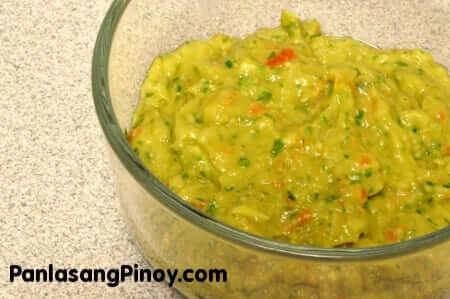
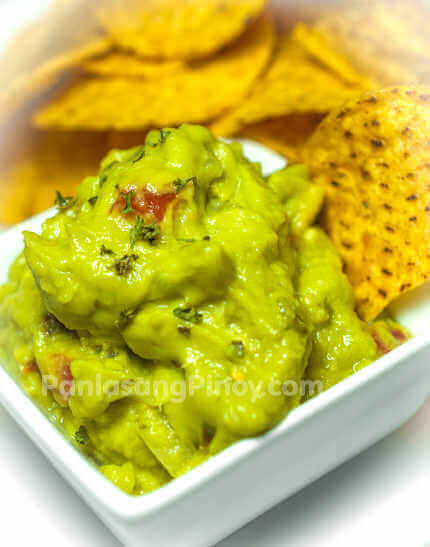
Easy Guacamole Recipe
This is my go-to guacamole recipe for busy days. I use a food processor to shred the onion, tomato, cilantro, and garlic, then fold everything into hand-mashed avocados. Fresh, simple, and ready in about 10 minutes. Great with chips or as a topping for burritos.
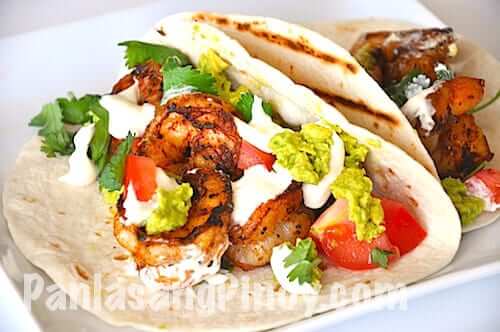
Tangy Shrimp Tacos
These shrimp tacos get a creamy boost from fresh guacamole. The tangy, lightly spiced shrimp goes so well with that rich avocado flavor. I use flour tortillas, but corn works too. If you’re short on time, you can use a quick guacamole made with just avocado, lemon juice, and a bit of mayo.
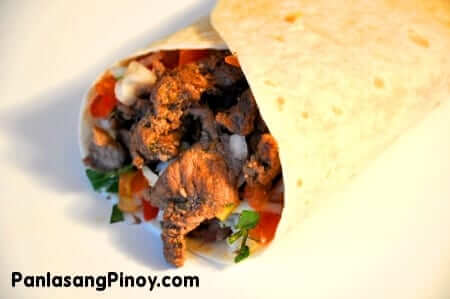
Carne Asada Burrito
A loaded burrito stuffed with grilled steak, cilantro lime rice, pico de gallo, bell peppers, sour cream, cheese, and plenty of guacamole. The guacamole adds that essential creamy element that ties everything together. This is comfort food at its finest.
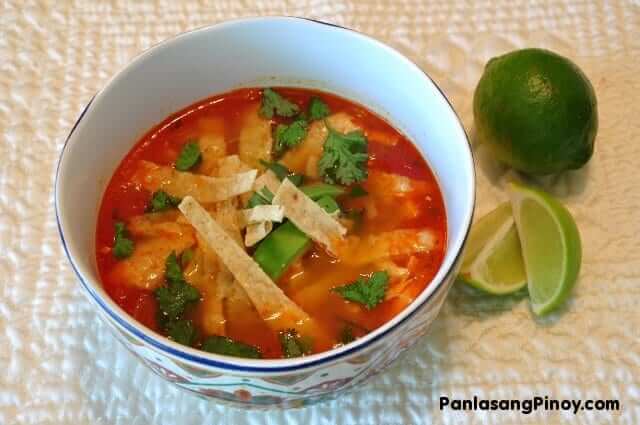
Tortilla Soup
This rich and comforting soup features shredded chicken, tomatoes, and jalapeño in a flavorful broth. It’s topped with crispy tortilla strips, fresh cilantro, cheese, and sliced avocado. The avocado melts into the hot soup and adds a wonderful richness. Great for cold days.

Chicken Fajita
Sizzling chicken fajitas marinated in tangy citrus, then grilled with colorful bell peppers and onions. Serve with warm flour tortillas, salsa, sour cream, and of course, guacamole. The guacamole adds a cool, creamy contrast to the hot, sizzling meat.
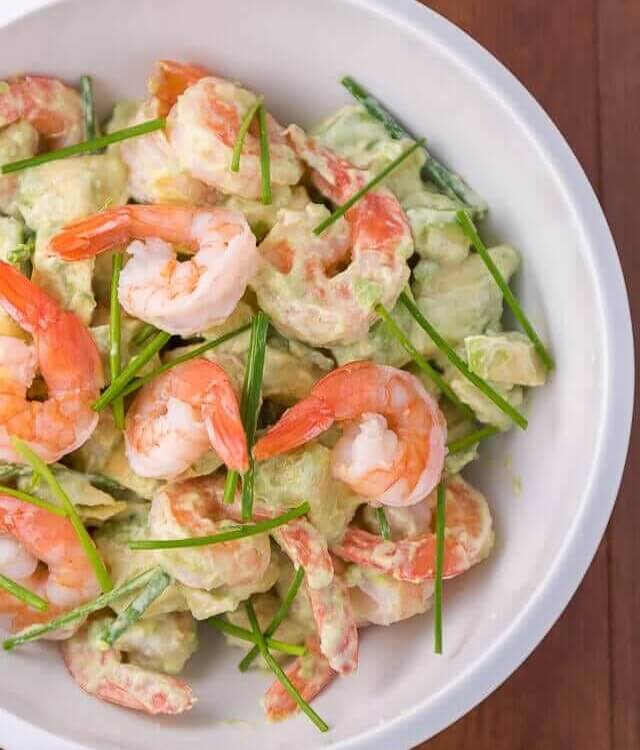
Shrimp Avocado Salad
This chilled salad combines boiled shrimp with creamy avocado, sour cream, lime juice, and chives. It’s filling enough to be a meal on its own, or you can wrap it in flour tortillas for fresh shrimp tacos. A lighter way to enjoy avocado.
Leave a Comment