Korean Fried Chicken
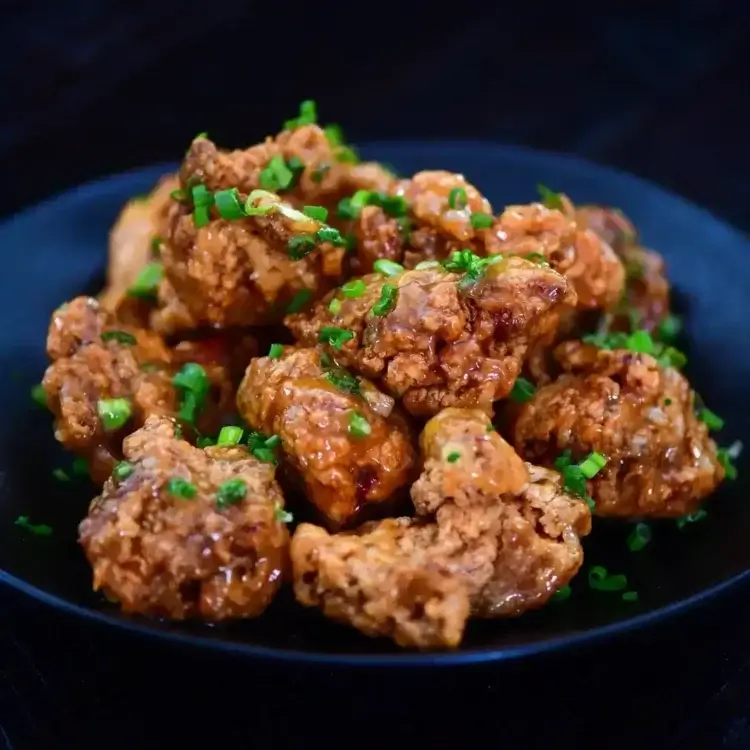
I’ve always enjoyed trying different styles of fried chicken. Each version offers something new, and Korean Fried Chicken has quickly become one of my favorites. It has that perfect crunch from double frying and a flavorful glaze that coats every bite. The balance of heat, sweetness, and umami flavor makes it irresistible. I still remember the first time I cooked this at home; the glaze caramelized beautifully, and the crisp coating stayed crunchy until the last bite.

What is Korean Fried Chicken
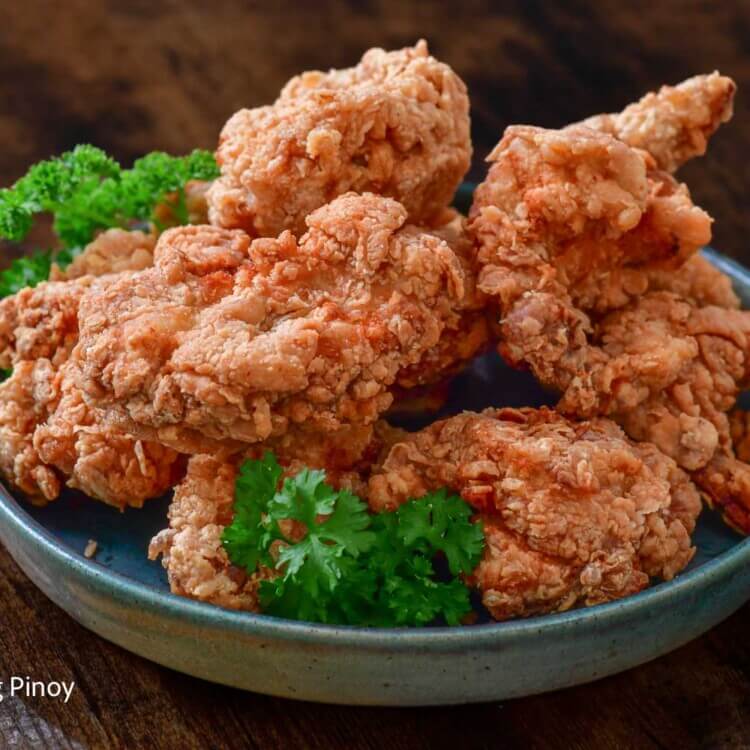
Korean Fried Chicken is a dish known for its light, crisp coating and flavorful glaze. It originated in South Korea and has gained global popularity for its texture and taste. The chicken is usually double fried, which removes moisture from the skin and creates a paper-thin crust that remains crunchy even after being coated in sauce.
The glaze is often made from gochujang, a Korean chili paste that delivers both spice and depth. Mixing this paste with honey, soy sauce, and garlic results in a glaze that is sweet, spicy, and savory all at once. The result is a perfect balance of flavors that enhances the natural taste of the chicken.
This recipe keeps the technique simple while ensuring that each step brings you closer to that restaurant-quality result.
How to Cook Korean Fried Chicken
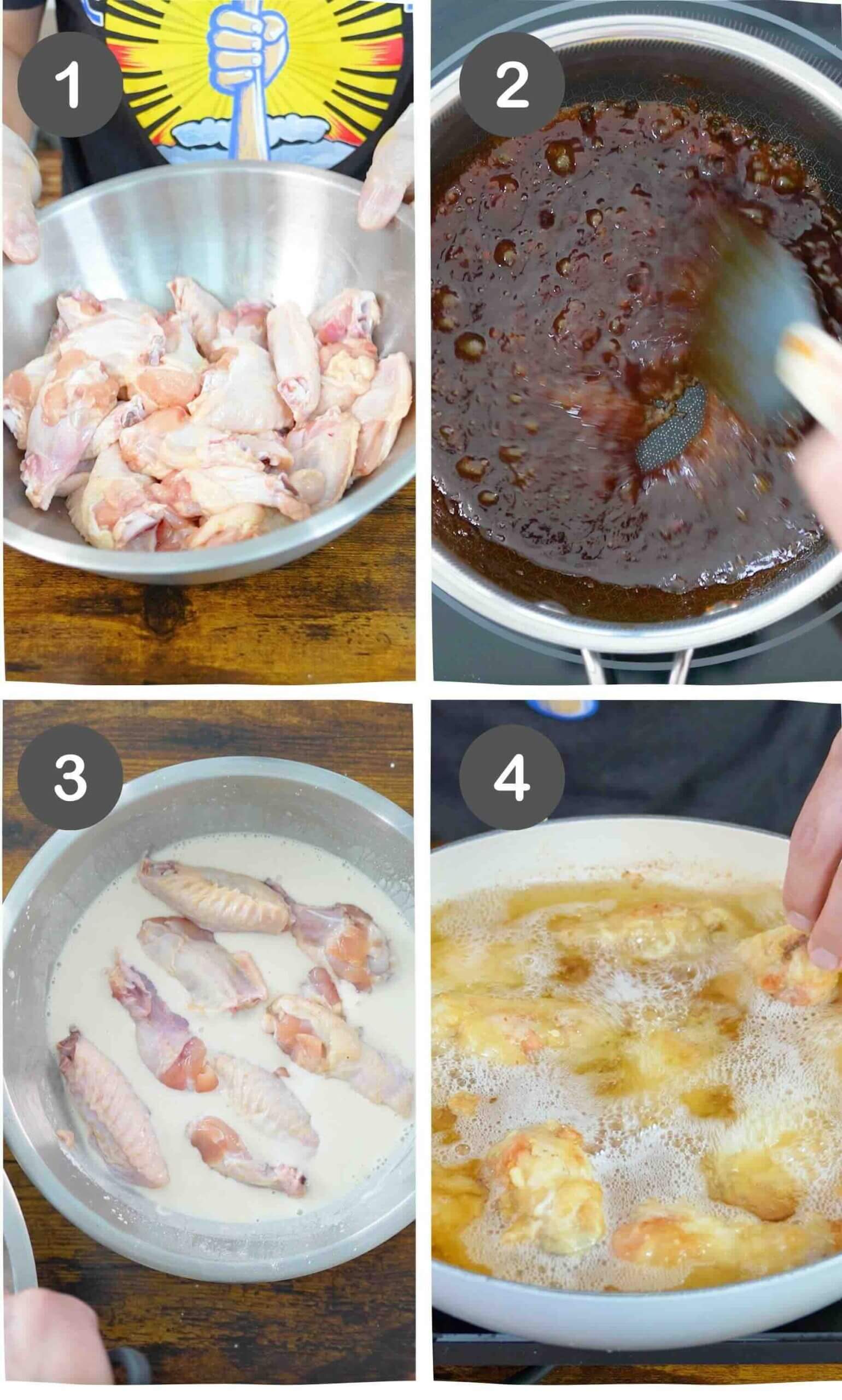
- Marinate the Chicken Wings – In a large bowl, mix together your chicken wings with minced ginger, Maggi Magic Sarap. Marinate it for 15 minutes.
- Prepare the Gochujang Glaze – Heat cooking oil in a saucepan. Sauté onion, minced garlic, and minced ginger. Add mirin and 1 soy sauce. Add honey, gochujang, hot sauce, and sesame oil. Simmer until it thickens.
- Coat the Chicken Wings with Batter – In a separate bowl, combine all-purpose flour, cornstarch, baking powder, salt, garlic powder, and water. Stir until smooth. Dip each marinated chicken wing into the batter, and make sure to let the excess drip off to prevent it from being too thick.
- Double-Fry for Extra Crispiness and glaze it – Pour canola oil into a deep pan and heat it to the right temperature. Fry the battered chicken wings in batches for 5 to 7 minutes. Remove them from the pan and let them rest for 10 minutes. Return the wings to the hot oil and fry for another 5 to 6 minutes until golden brown. Once done, brush each wing with the prepared gochujang glaze, arrange them on a plate, and serve. Enjoy this flavorful Korean Fried Chicken!
Helpful Tips
I personally like my Korean Fried Chicken very crispy. There are 2 ways to make it happen:
- Double fry your chicken. This technique ensures that the chicken gets cooked all the way through while providing a crispy and crunchy texture. Do this by initially frying the chicken for 5 to 8 minutes depending on the thickness. Remove from the pan and let it rest for 10 minutes. Deep fry for the second time until crispy.
- Brush the glaze. Instead of soaking the fried chicken into the thick glaze, try to use a basting brush instead. This will ensure that each piece of chicken gets enough glaze while maintaining its texture. Over glazing will result in less crispy chicken, and it can even make yours soggy if too much glaze is applied.
MORE FRIED CHICKEN RECIPES
VIEW ALLHow to Make Crispy Korean Fried Chicken (Step by Step Photos)
1.Combine chicken wings with 1 teaspoon minced ginger. You also used store-bought ginger paste to save some time.

2. Add 8 grams of Maggi Magic Sarap. Note that you can start with half of the amount indicated during your first try especially if you are new to the product. This way, you can determine the exact amount that you prefer so that you can adjust during your next try in making this fried chicken.

3. Mix all the ingredients together. This step might be simple, but it is important. We need to ensure that the wings are seasoned properly. This will reflect once you taste the dish.

4. Marinate the chicken for at least 15 minutes. While this amount of time is enough for the chicken to absorb the flavors, I still suggest that to marinate the chicken longer for best results. If I am not in a hurry, I usually marinate the chicken for 3 hours.

5. Start to make the glaze. Heat 1 1/2 tablespoons of cooking oil in a saucepan. You may use either canola, vegetable, or even olive oil. One thing to keep an eye-on is the oil temperature. We don’t want it too hot to the point that it reaches its smoke point. This is easy to spot. You will notice smoke slowly coming from the oil. If this happens, simply remove the pot from the stovetop, turn your stove off, and wait for the oil to cool down. Cooking in very hot oil will instantly burn the aromatics.

6. Saute 1 tablespoon of minced onion for 10 seconds. I used purple onion for this recipe. You may use yellow or white onion. You can ince the onion manually with a knife or use a food processor. When using a food processor, you can add the garlic and ginger with the onion and cook everything at the same time.

7. Add 2 teaspoons of minced garlic. Continue sauteeing for 10 seconds. Aside from minced garlic, I sometimes use garlic paste if available. This saves me time and effort in mincing.

8. Add 1 teaspoon of minced ginger. Saute it for 10 seconds to 20 seconds. Similar to the chicken marinade, ginger paste can also be used here.

9. Add 2 tablespoons of gochujang. This is a concentrated ingredient. I suggest that you first start with half of the recommended amount if you are new to it, and make your way through once your taste buds are acquainted.

10. Add 2 tablespoons of hot sauce. I have no specific hot sauce in mind for this recipe. Use your favorite.

11. Add 1 tablespoon soy sauce. I use light soy sauce when making the glaze. Either the Chinese, Japanese, or Filipino kind will do.

12. Pour 1/4 cup mirin. Sometimes, it can be a challenge to source this ingredient depending on your location. I wish that I can suggest an easy-to-source ingredient for you. However, if you happen to have sake sitting on your pantry, you can use it and add a pinch of sugar.

13. Add 2 1/2 tablespoons of honey. Feel free to also use corn syrup as a substitute for honey.

14. Add 1 teaspoon of sesame oil. I suggest to stick with amount of Sesame oil in this recipe. This ingredient might overpower everything else when more than enough is used.

15. Stir and continue simmering until the mixture thickens then set aside

16. Heat 3 1/2 cups of canola oil in a cooking pot. The chicken wings needs to be deep fried. If you happen to have a deep fryer, use it instead. As for the the oil type, you can use neutral oil with a high smoke point.

17. Combine all the batter ingredients in a large bowl. Add 1/2 cup all-purpose flour.

18. Add 1/4 cup cornstarch. This ingredient helps to crisp the coating. You can also use potato or tapioca starch as alternatives.

19. Add 1/2 teaspoon baking powder. This will make the fried wings a bit fluffy, but don’t add too much though. It will make the chicken taste bitter.

20. Add 1/4 teaspoon salt

21. Add 1/2 to 1 teaspoon garlic powder

22. Stir to distribute the ingredients

23. Pour 3/4 cup water

24. Mix until well blended.

25. Dip the chicken wings into the batter

26. Fry the chicken wings by batch for 5 to 7 minutes
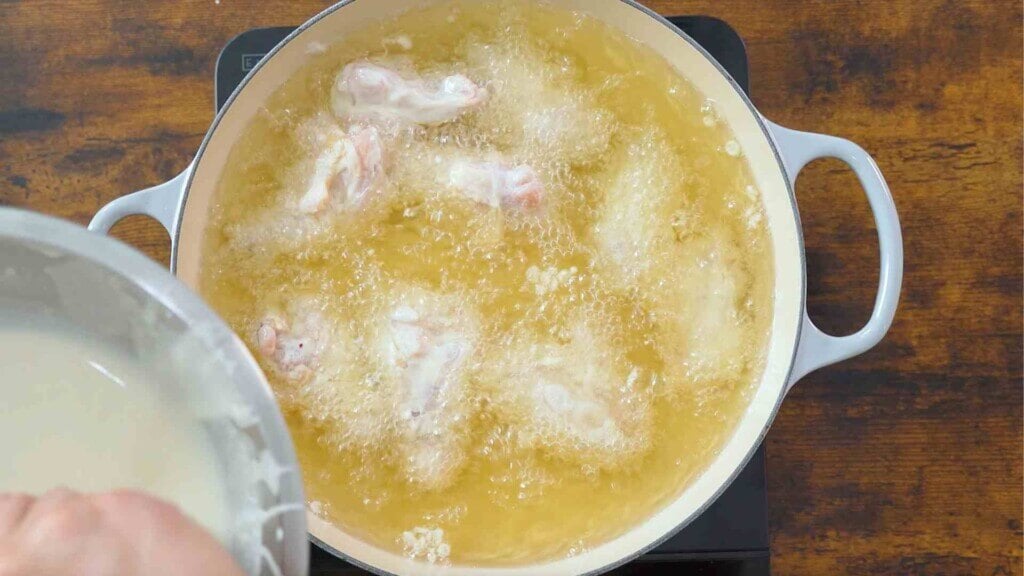
27. Remove from the pan and let the chicken rest for 10 minutes. It is important for the chicken to rest for this amount of time (at a minimum) to retain its juices. The drop in temperature also conditions it for the next step, which is re-frying or double frying. I will explain it on the next step.

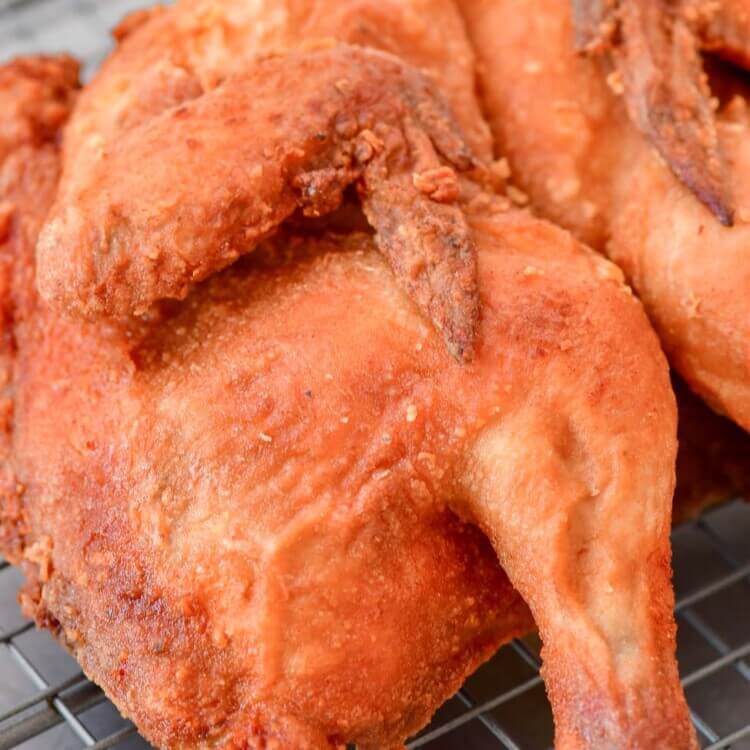
28. Put the fried chicken wings back into the pan. Deep fry for 5 to 6 minutes. This is double frying. It is a technique used in order for the chicken to have a crunchy and crisp exterior. It also preserves the juices (if not over fried). This second fry reduces the moisture from the coating of the chicken which makes it crispier. It also helps to cook the chicken evenly. You can be assured that your chicken is cooked allthroughout.
29. Remove from the pan and let it cool down. I usually let the chicken rest for at least 10 minutes before moving to the next step. This ensures that my chicken wings achieves optimum crispiness.

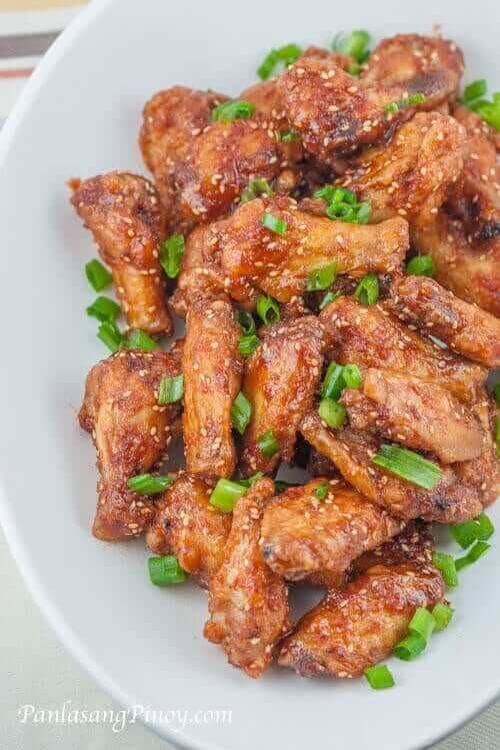
30. Brush each piece of chicken wing with the gochujang glaze. I learned that brushing the glaze instead of dipping the wings helps the chicken retain its crisp texture while still having the same taste. It also saves you from making more glaze to dip it in.

31. Arrange on a serving plate and serve it. This is the part when I raise my glass for a toast. Congratulations! Let’s enjoy our yummy fried chicken.

Ingredients
For the Chicken
-
- Chicken wings – tender pieces that crisp beautifully when double fried
-
- Maggi Magic Sarap – adds depth and balanced seasoning
-
- Ginger – adds subtle warmth and aroma
-
- Canola oil – neutral oil that withstands high heat for frying
For the Batter
-
- All-purpose flour – base for the coating
-
- Cornstarch – ensures a light and crisp texture
-
- Baking powder – helps the coating puff slightly
-
- Salt – enhances flavor
-
- Garlic powder – adds savory notes
-
- Water – binds the ingredients and helps create a smooth batter
For the Sauce
-
- Onion – adds mild sweetness
-
- Garlic – provides aroma and flavor
-
- Ginger – brightens the sauce
-
- Honey – gives sweetness and glossy texture
-
- Soy sauce – adds saltiness and umami
-
- Mirin – balances the flavors with mild acidity
-
- Hot sauce – introduces heat
-
- Gochujang – core of the glaze, bringing spice and richness
-
- Sesame oil – finishes the sauce with nutty aroma
-
- Cooking oil – used for sautéing the aromatics
Gochujang Glaze for Korean Fried Chicken
Gochujang is a traditional Korean fermented chili paste made from red chili powder, glutinous rice, fermented soybeans, and salt. These ingredients come together through fermentation, which gives gochujang its unique mix of heat, sweetness, and umami. It has a thick, sticky texture and a deep red color. This ingredient is a staple in Korean cooking and can be found in many recipes, from soups to stir-fries, just like in this Kimchi Fried Rice recipe.
In this Korean Fried Chicken recipe, gochujang sauce plays an important role by blending perfectly with some ingredients like sesame oil, honey, and hot sauce. The result is crispy fried chicken with a rich glaze that delivers a burst of flavors in every bite. You get the sweetness, umami, and spiciness all working together, making the chicken stand out.

How This Dish Stands Out
This Korean Fried Chicken stands out because of its texture and balance of flavors. The double-frying method keeps the wings crisp even after coating them in glaze, while the gochujang-based sauce adds layers of sweetness, spice, and savory depth. Each bite brings together crunch and flavor in perfect harmony, creating an experience that’s both satisfying and memorable. The combination of the light batter and the sticky glaze is what truly makes this dish shine.
Storage and Leftovers
- Store leftover chicken in an airtight container and refrigerate for up to two days.
- Reheat using an air fryer or oven at 375°F for five to seven minutes to bring back the crispiness.
- Avoid microwaving since it softens the coating and glaze.
- Keep extra glaze in a separate container and brush it on only after reheating to maintain texture.
- If freezing, do not glaze the chicken before storing; glaze only after reheating for the best result.
Substitutions and Variations
- If you do not have mirin, substitute it with rice vinegar mixed with a small amount of sugar.
- Replace gochujang with chili garlic paste or a combination of red chili paste and soy sauce for a similar flavor profile.
- Use boneless chicken thighs if you prefer meatier portions; adjust frying time accordingly.
- For a soy garlic variation, reduce gochujang and increase soy sauce and honey to create a milder glaze.
- Try adding a sprinkle of sesame seeds or chopped green onions on top for added color and aroma.
How Double Frying Creates Extra Crunch in Fried Chicken
During the initial fry, the outer layer begins to cook and harden. However, moisture from the inside still escapes as heat penetrates. This reduces the crispiness of the outer part of the chicken. Letting the chicken rest draws the moisture back, and frying it again using a higher temp seals the moisture inside while making the surface even crispier.
The second fry then drives out this moisture entirely while further browning the outer layer, creating a crunchier texture. This method is why many fried foods, like this Korean Fried Chicken, achieve that perfect crispy exterior while staying juicy inside.

Frequently Asked Questions
- How do I keep the chicken crispy after glazing?
Brush the sauce lightly instead of tossing the wings in it. This helps coat the surface evenly without soaking the crust and keeps the chicken crisp longer. - Can I cook this in an air fryer instead of deep frying?
Yes, you can air fry the wings at 380°F for about twenty to twenty-five minutes. The texture will be slightly different but still crisp and flavorful. - How spicy is Korean Fried Chicken?
The spice level depends on how much gochujang and hot sauce you use. You can start with less and gradually add more until you reach your preferred heat level. - Can I use drumsticks or boneless chicken pieces?
Yes, but make sure to adjust the frying time. Drumsticks need a few extra minutes to cook through, while boneless pieces will cook faster. - What is the best way to make the glaze glossy and rich?
Simmer the glaze slowly until it thickens enough to coat the back of a spoon. The honey and gochujang naturally give it that shiny, flavorful finish.
Korean Fried Chicken is one of those recipes that turns an ordinary meal into something exciting. The golden crust, flavorful glaze, and the warmth from every bite always make me smile. It’s a dish that reminds me how good cooking can bring people together. Try it at home and share it with family or friends. I hope you enjoy every crispy, saucy bite as much as I do.
Did you make this? If you snap a photo, please be sure tag us on Instagram at @panlasangpinoy or hashtag #panlasangpinoy so we can see your creations!

Korean Fried Chicken
Ingredients
- 3 lbs. chicken wings
- 8 grams Maggi Magic Sarap
- 1 teaspoon ginger minced
- 3 1/2 cups canola oil
Batter Ingredients
- 1/2 cup all-purpose flour
- 1/4 cup cornstarch
- 1/2 teaspoon baking powder
- 1/4 teaspoon salt
- 1/2 teaspoon garlic powder
- 3/4 cup water
Instructions
- Combine chicken wings, 1 teaspoon minced ginger, and 8 grams of Maggi Magic Sarap in a large bowl. Mix well. Let it stay for 15 minutes.3 lbs. chicken wings, 1 teaspoon ginger, 8 grams Maggi Magic Sarap
- Meanwhile, make the sauce by heating 1 1/2 tablespoons of cooking oil in a saucepan. Saute the onion, ginger, and garlic for 30 to 40 seconds. Add mirin, and soy sauce. Let boil and then add the honey, gochujang, hot sauce, and sesame oil. Stir and continue simmering until the mixture thickens. Set aside.3 1/2 cups canola oil, 1 tablespoons onion, 2 teaspoon garlic, 1 teaspoon ginger, 2 1/2 tablespoons honey, 1 teaspoon sesame oil, 1 tablespoon soy sauce, 1/4 cup mirin, 2 tablespoons hot sauce, 2 tablespoons gochujang, 1 1/2 tablespoons cooking oil
- Heat 3 1/2 cups of canola oil in a deep pan or wok.3 1/2 cups canola oil
- Combine all the batter ingredients in a large bowl. Stir until well blended.1/2 cup all-purpose flour, 1/4 cup cornstarch, 1/2 teaspoon baking powder, 1/4 teaspoon salt, 3/4 cup water, 1/2 teaspoon garlic powder
- Dip the chicken wings into the batter. Note: let the excess batter drip.
- Fry the chicken wings by batch for 5 to 7 minutes. Remove from the pan and let it rest for 10 minutes.
- Put the fried chicken wings back into the pan. Deep fry for 5 to 6 minutes of until the color turns golden brown. Remove from the pan and let it cool down.
- Brush each piece of chicken wing with sauce.
- Arrange on a serving plate. Serve. Share and enjoy!
Notes
- Mirin – Its natural sugars contribute to the caramelization and glaze, giving the sauce a rich, glossy finish.
- Gochujang – Its spiciness enhances the taste of the chicken. It also helps create a signature glaze that clings to the crispy chicken, giving it a glossy, flavorful coating.
- Alternative for mirin – You can use sake or dry sherry and add a bit of sugar.
- Alternative for gochujang – Mix red chili paste with a touch of miso paste, sugar, and a splash of soy sauce to mimic its spicy, sweet, and umami flavor profile.
Nutrition Information
Watch How to Cook Korean Fried Chicken

Leave a Comment