What is Sage?
I started using sage maybe 18 years ago. Back then, I only knew it from those little jars of dried herbs at the grocery store. But when I tried fresh sage for the first time – fried in butter until crispy – it was a total game-changer. The flavor was so much brighter and more complex than anything I’d tasted from a jar.
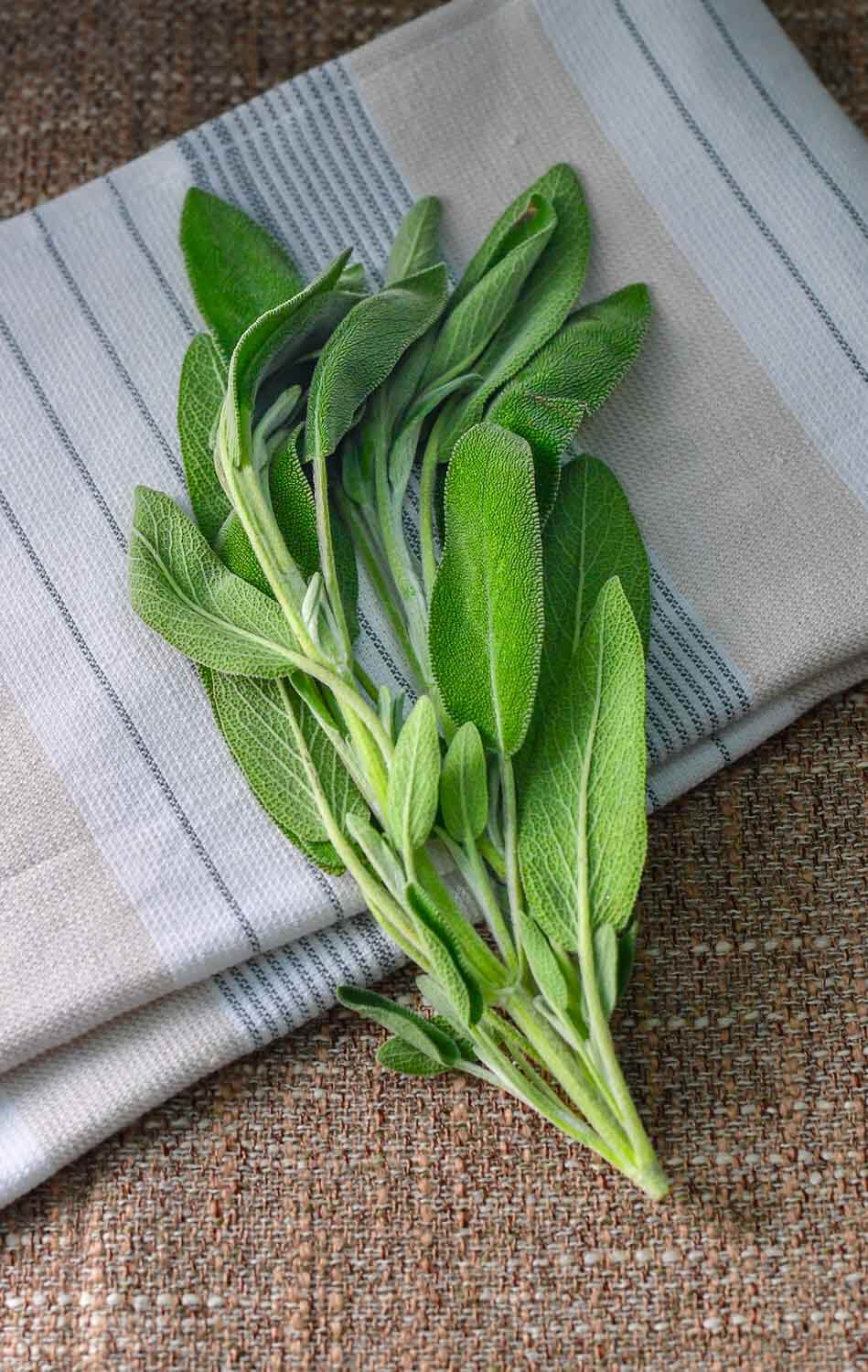
These days, I use sage in in some of the dishes that I cook from traditional Italian dishes to Filipino fusion recipes. It’s one of those ingredients that just makes food taste more interesting. In this guide, I’ll share everything I’ve learned about sage over the years – how to pick it, store it, and cook with it in ways that’ll actually make a difference in your food.
What is Sage?
Sage (Salvia officinalis, if you want the fancy botanical name) comes from the Mediterranean – places like Greece, Italy, and southern France. It’s a perennial herb, which means if you plant it in your garden, it’ll keep growing year after year.
The name “sage” actually comes from a Latin word meaning “to save” or “to heal.” People back in ancient times thought it could cure pretty much anything. They were probably overselling it, but sage does have some legit health benefits that modern science has confirmed.
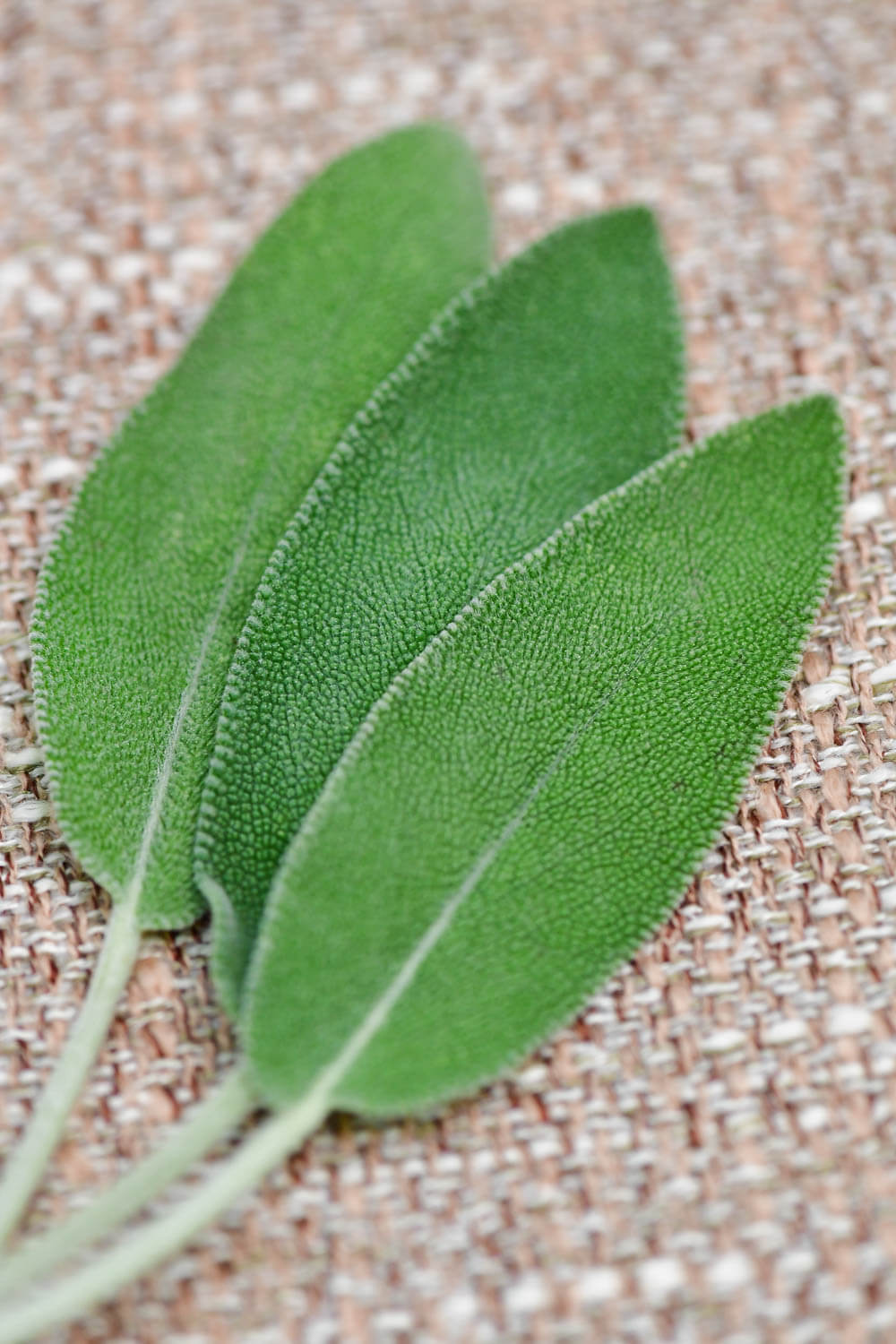
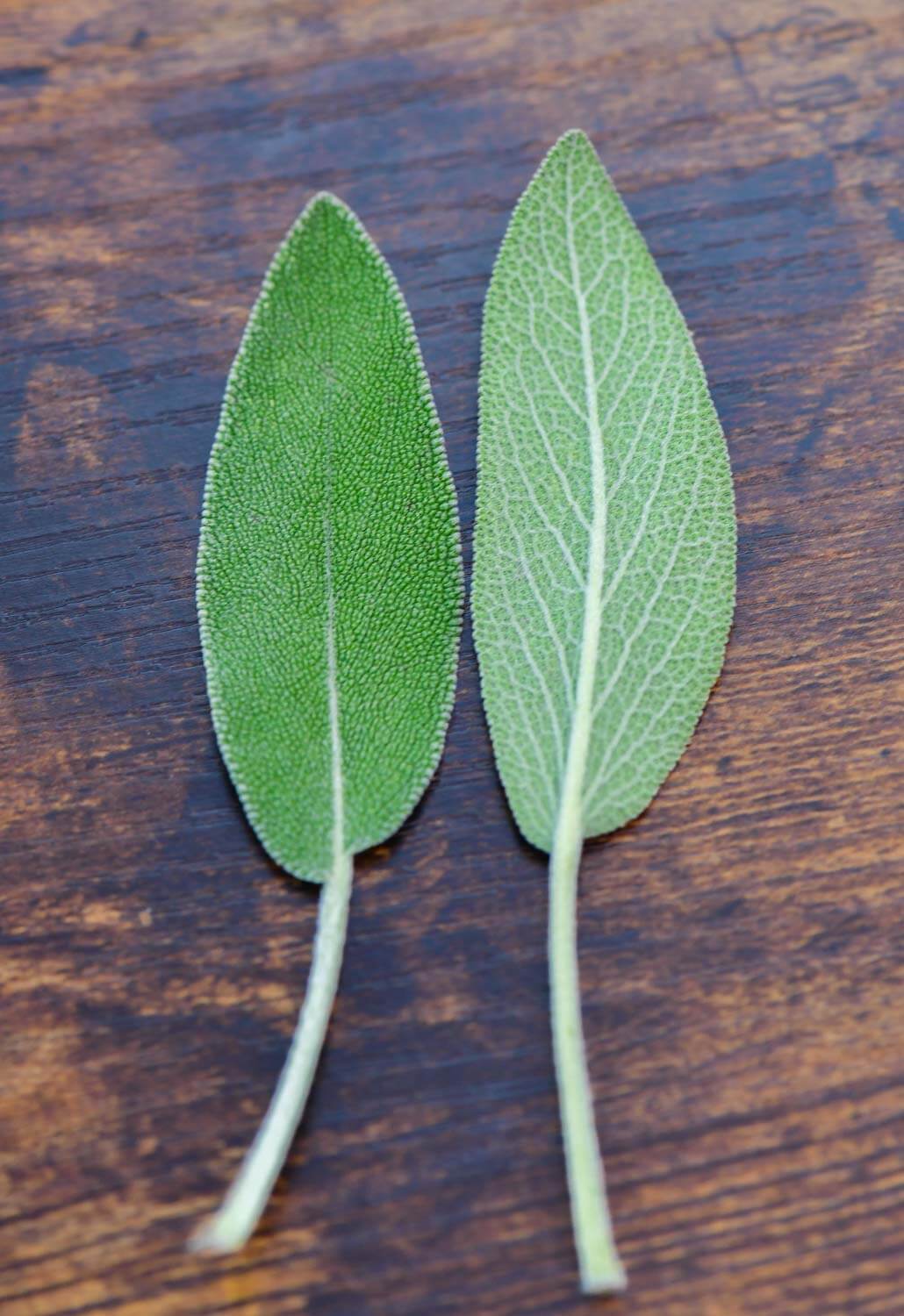
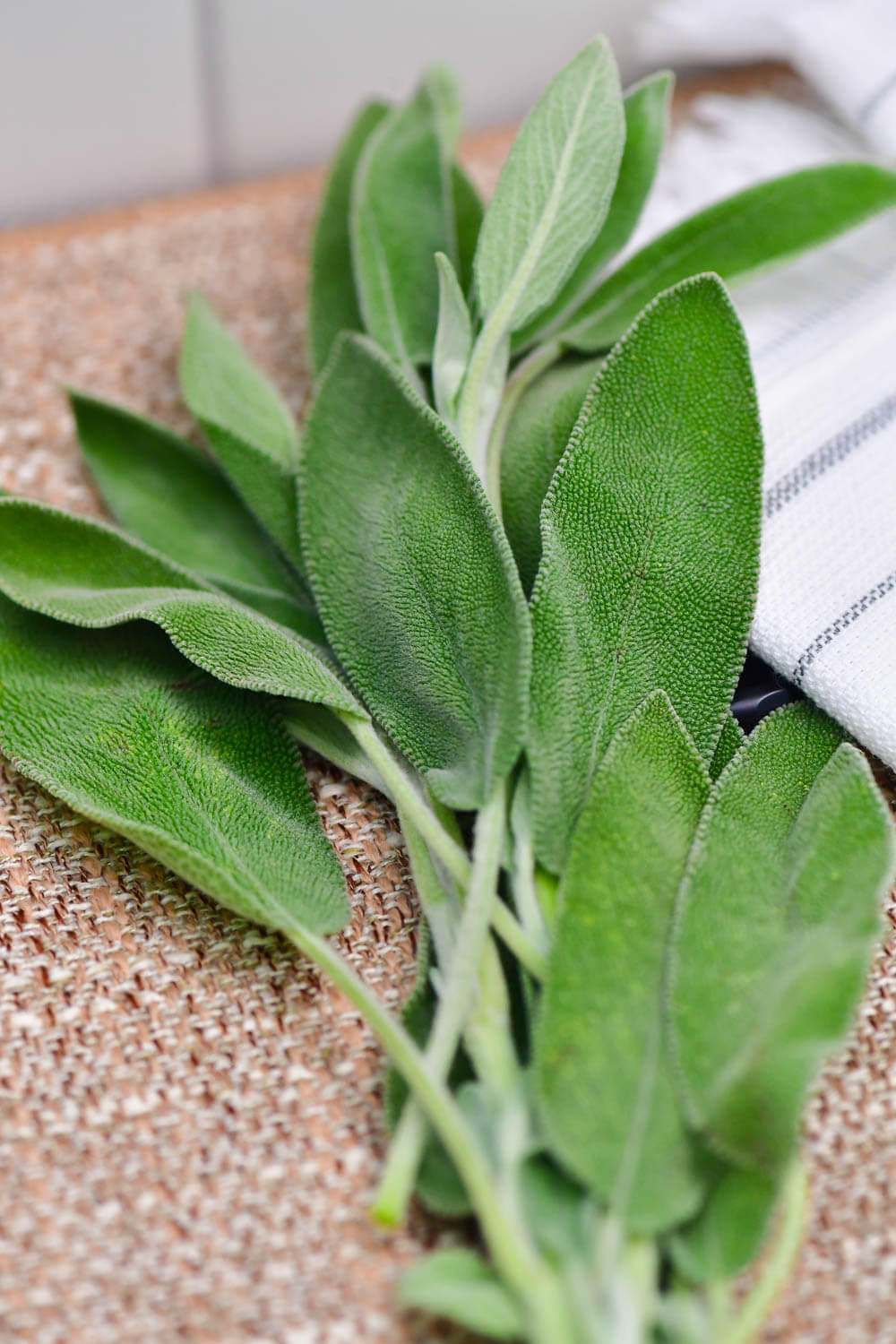
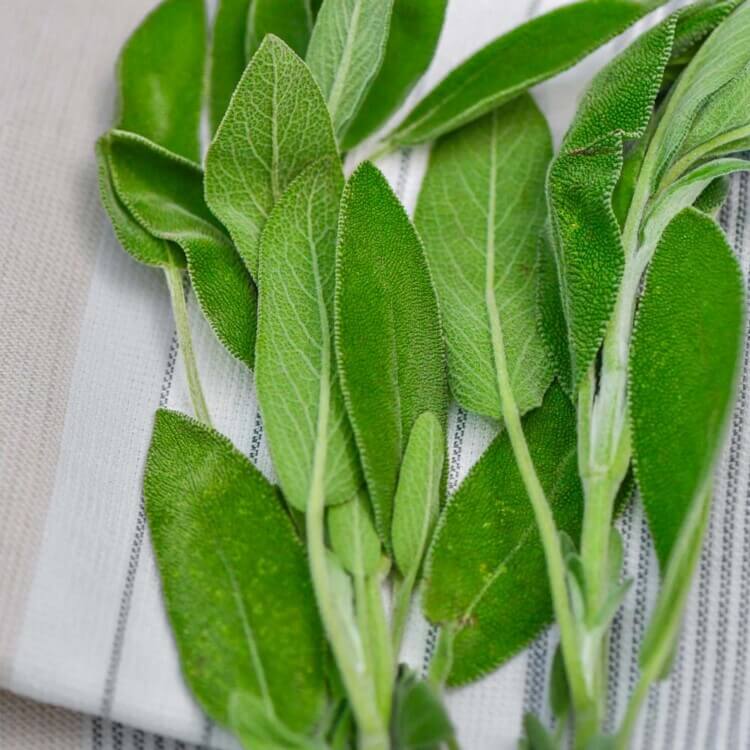
What makes sage special is its leaves – they’re soft and fuzzy, kind of velvety when you touch them. They’re gray-green in color, and when you crush them between your fingers, you get this amazing earthy, slightly peppery smell with little hints of pine and citrus. It’s hard to describe, but once you smell it, you’ll always recognize it.
Sage is related to herbs like mint, basil, rosemary, and thyme – they’re all in the same plant family. But sage has its own distinct personality. It’s stronger and more assertive than most herbs, so you don’t need a ton of it to make an impact.
Different Varieties You’ll Find
When you go to the grocery store, you’ll usually find common sage . This is the standard cooking variety. But there are actually a bunch of different kinds out there. Here are the ones you’re most likely to see:
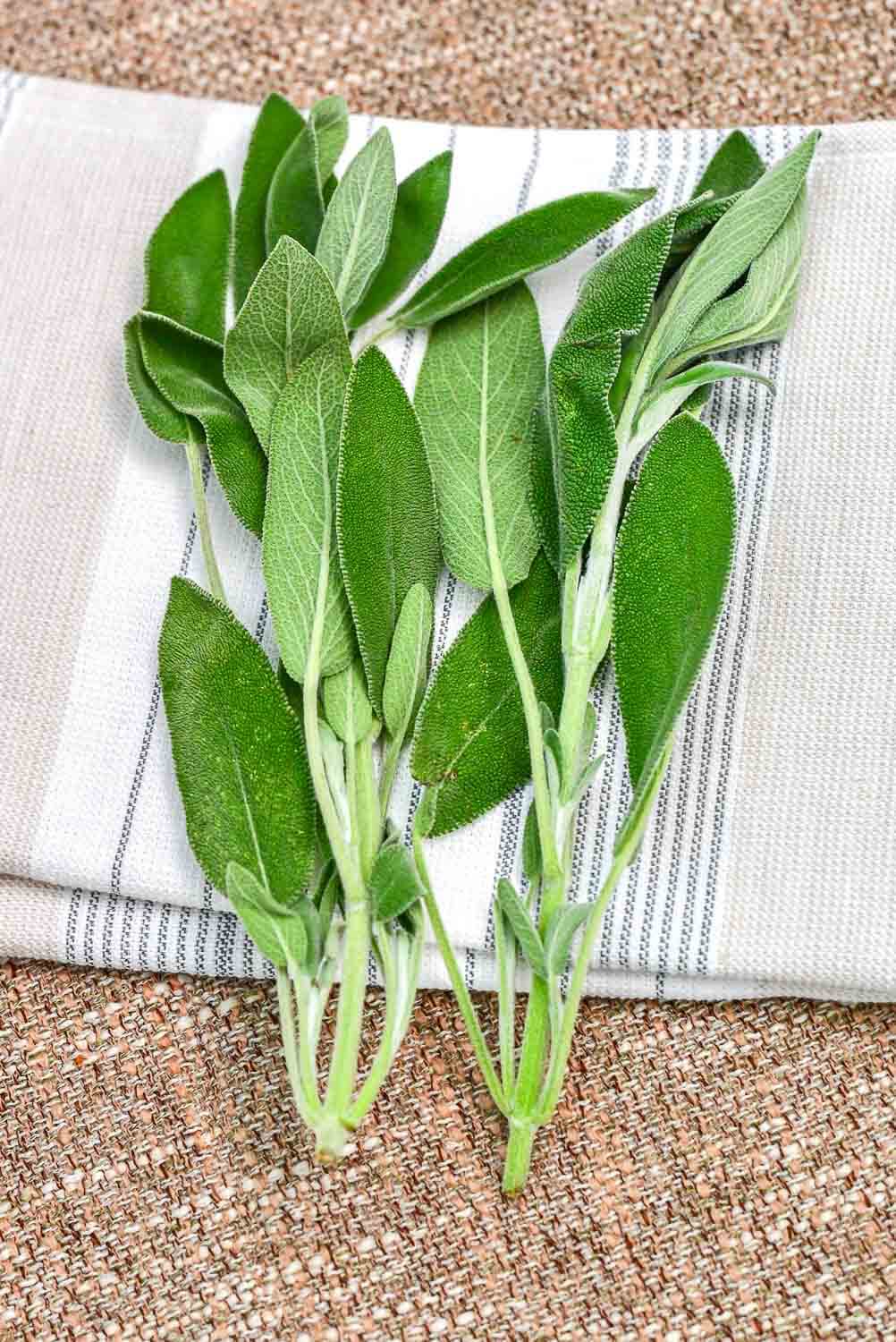
- Common Sage Variety – This is your everyday cooking variety. Gray-green leaves, strong flavor, works in pretty much any recipe. This is what I use 95% of the time.
- Purple Sage Variety – Same as the common variety but with purple-tinted leaves. It looks prettier in the garden, but honestly, it tastes pretty much the same. I’ve used it when I wanted my dish to look a little fancier.
- Pineapple Sage – This one’s different. It actually smells like pineapple – not super strong, but it’s there. The leaves are green and smooth, not fuzzy like the common variety. I’ve used it in fruit salads and drinks. It’s fun for desserts, but don’t use it in place of the regular herb for savory dishes.
- Tricolor Sage Variety – Pretty to look at – the leaves have white, pink, and green colors. It’s milder than the common type, so I mostly see it used as a garnish rather than for cooking.
- Golden Sage Variety – Green leaves with yellow edges. Again, more of a garden variety than a cooking herb, though it’ll work if that’s what you have.
My advice? Stick with the common variety for cooking. The others are nice if you’re growing your own herb garden and want some color, but for actual cooking, common sage is where it’s at.
Picking the Freshest Bundles
When I’m at the store picking out fresh herbs, here’s what I look for:
- The leaves should be vibrant. You want that nice gray-green color, not brown or yellow. If the leaves are turning dark, they’re past their prime.
- They should smell strong when you rub them. Pick up the package and give it a gentle squeeze through the plastic. You should be able to smell that earthy aroma. If you can’t smell anything, it’s probably old and has lost its flavor.
- No slimy or wilted leaves. Fresh leaves should be firm and dry. If they’re wet, slimy, or drooping, skip that bundle and find a fresher one.
- Look at the stems. They should be firm, not dried out or woody-looking. If the stems are all brittle and brown, the whole plant has been sitting around too long.
One more thing – you might see both regular bundles and those little plastic containers with “living” herbs still attached to roots. The living ones will last longer in your fridge, but honestly, regular bundles work just fine if you store them properly.
Storage Tips That Actually Work
Fresh herbs will last 1-2 weeks in your fridge if you store them right. Here’s what I do:
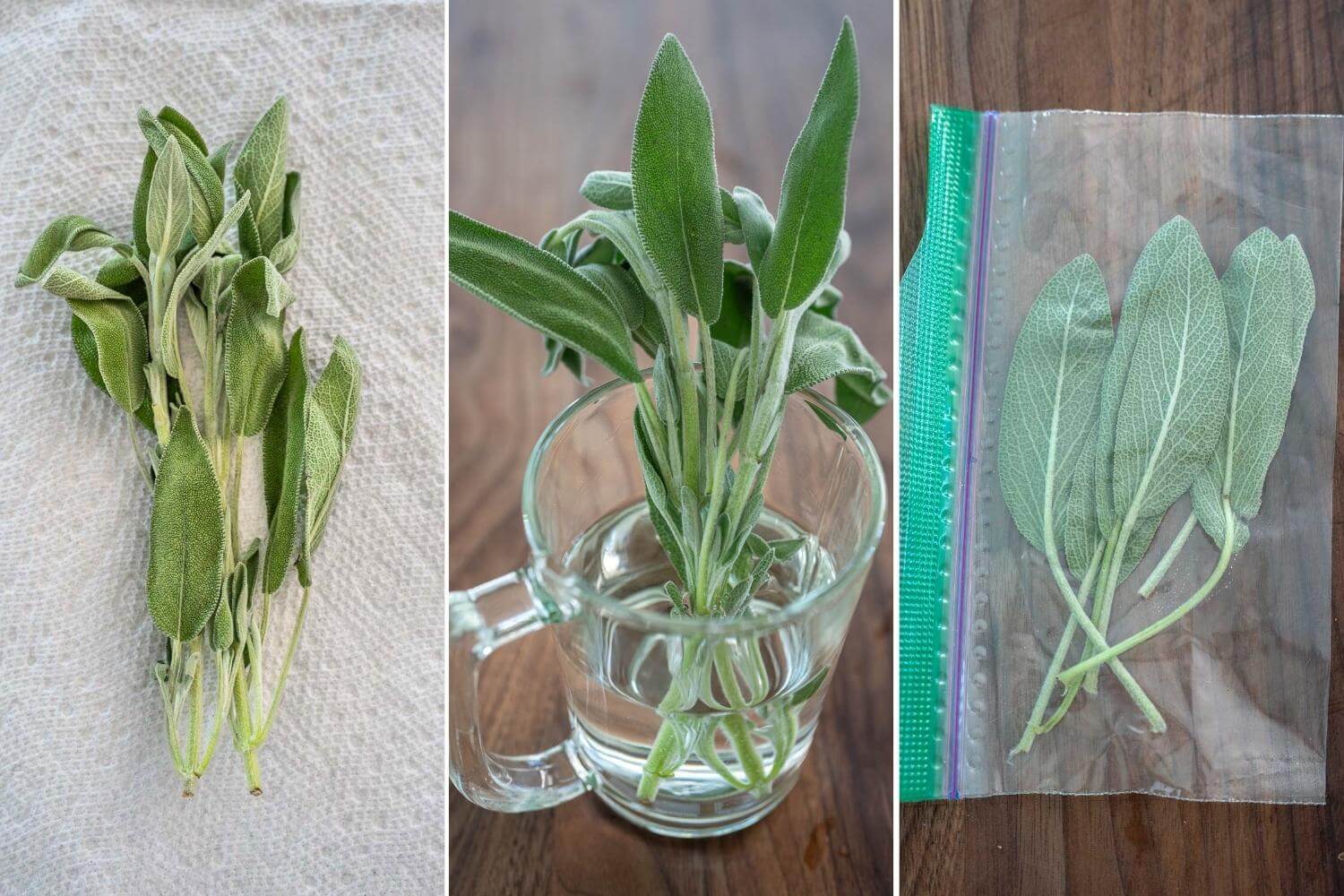
- The Paper Towel Method (My Go-To) – Wrap the herbs loosely in a slightly damp paper towel – not soaking wet, just damp. Put it in a plastic bag or container and stick it in your crisper drawer. The damp towel keeps the leaves from drying out, but it’s not so wet that they’ll get slimy. Check on it every few days. If the paper towel is getting too wet, swap it out for a fresh one. If it’s drying out, dampen it again.
- The Glass of Water Method – Some people like to treat fresh herbs like flowers. Trim the stem ends, put the bunch in a glass with about an inch of water, and loosely cover the leaves with a plastic bag. It’ll keep on your counter for a few days or in the fridge for longer. I don’t usually do this because it takes up space, but it works if you have room.
- Drying for Long-Term Storage – If you’ve got more than you can use fresh, you can dry it. Tie the stems together and hang them upside down in a dry, dark spot with good air circulation. In about a week or two, the leaves will be completely dry and crispy. Strip the leaves off the stems and store them whole in an airtight container. Don’t crumble them until you’re ready to use them – they’ll stay more flavorful that way.
- Freezing for Later – You can also freeze it. Just wash it, pat it completely dry, and freeze the whole leaves on a baking sheet. Once they’re frozen solid, transfer them to a freezer bag. They’ll keep for several months. The texture gets a bit limp when you thaw it, so frozen herbs work best in cooked dishes – not so much for garnishes or crispy fried applications.
Nutritional Profile & Health Benefits
Sage is packed with vitamins and minerals – vitamin K, vitamin A, iron, calcium, and antioxidants. People have used it medicinally for thousands of years, and modern research has found some interesting stuff about its health benefits.
Studies suggest sage might help with memory and brain function, reduce inflammation, and have antimicrobial properties. It’s also traditionally been used for digestive issues and sore throats.
🌿 Want to Learn More About Sage’s Health Benefits?
I got curious and did a whole deep dive into the research on sage’s medicinal properties. I covered everything from brain health to blood sugar regulation. Check it out: Health Benefits of Sage
That said, we’re talking about cooking amounts here. You’d have to eat a ridiculous amount of sage to get major medicinal effects. But hey, every little bit helps, right?
Cooking Techniques That Work Best
Alright, this is where it gets fun. This herb is one of those ingredients where how you cook it completely changes what it tastes like.
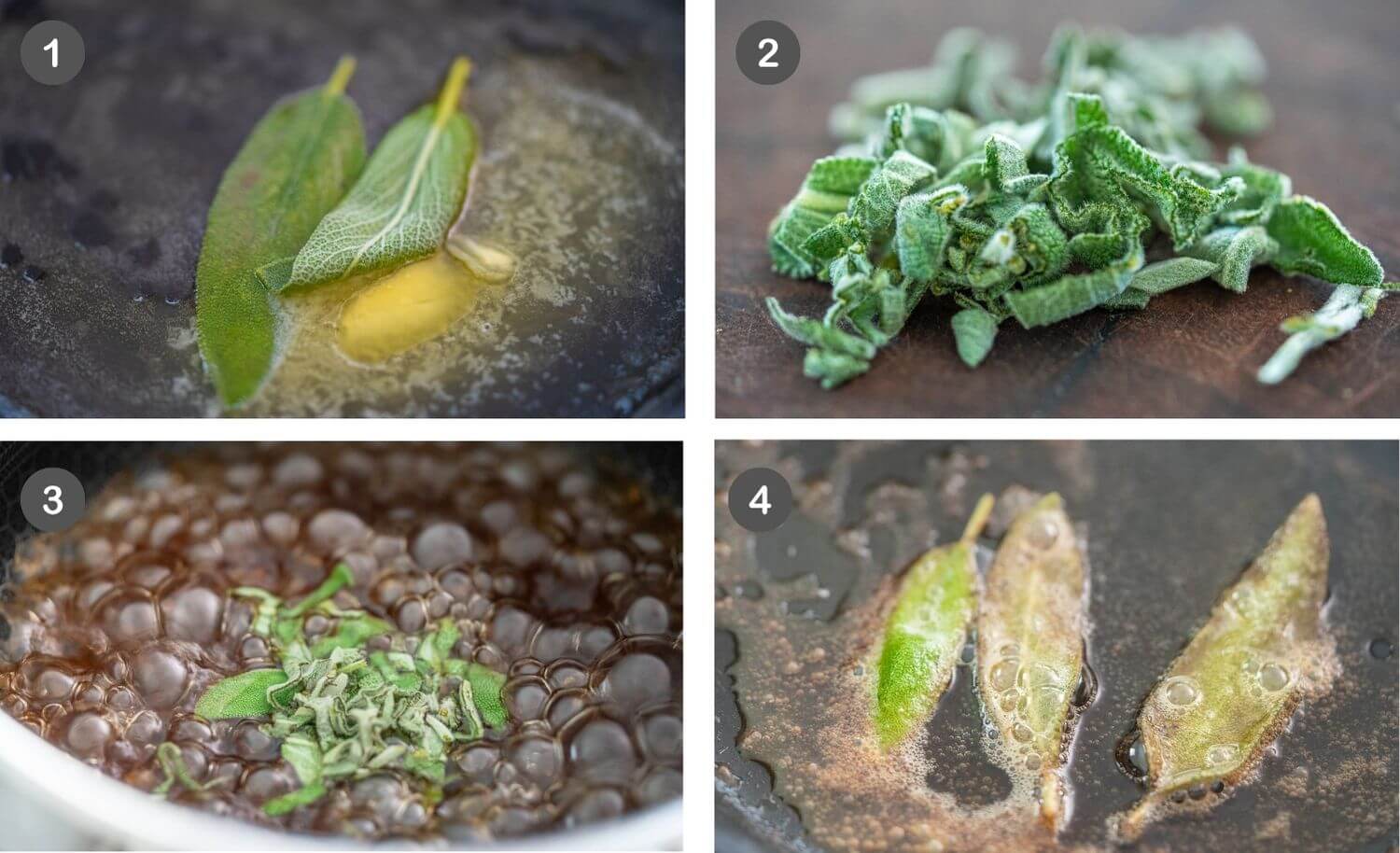
- Fried in Butter (My Favorite Way) – Heat some butter or oil in a pan using medium heat. Toss in whole leaves and let them fry for about 30 seconds to a minute until they get crispy. They’ll turn a darker green and get this amazing nutty, toasted flavor. This is killer on pasta, risotto, roasted vegetables, or even just as a garnish on soup. The crispy leaves add texture and the flavored oil is basically liquid gold.
- Chopped and Fresh – When you want the flavor throughout a dish, chop it up fine and add it to the recipe. Works great in sausages, meatballs, stuffing, or rubbed on meat before roasting. A little goes a long way. Start with maybe 5-6 leaves for a recipe that serves 4 people, then add more if you want.
- Infusing for Subtle Flavor – If you want subtle flavor, throw whole sprigs into soups, stocks, or sauces while they simmer. Fish them out before serving. This gives you the flavor without bits of herb in your food.
- Brown Butter Sauce – This is next-level stuff. Melt butter in a pan over medium heat. Add fresh leaves and keep cooking until the butter turns golden brown and starts smelling nutty – usually 3-4 minutes. The leaves will get crispy and the butter will be insanely flavorful. Toss this with pasta, gnocchi, or ravioli. It’s simple but it tastes like you went to culinary school.
Dried vs. Fresh
You can substitute dried for fresh, but use way less – about 1/3 the amount. So if a recipe calls for 1 tablespoon fresh, use 1 teaspoon dried.
Dried has a more concentrated, earthier flavor. It’s fine for slow-cooked dishes like stews or braises. But for things like brown butter sauce? Fresh is non-negotiable. The flavor is just so much better.
Best Flavor Pairings
This herb loves fatty, rich foods because its strong flavor cuts through all that richness. It’s amazing with pork (especially sausages), chicken, turkey, duck, winter squash, white beans, mushrooms, cream, brown butter, lemon, garlic, and hard cheeses like parmesan.
In Tampa, I use it a lot in fall and winter cooking (I started doing this when we were still in Chicago) . There’s something about this herb that makes me feel comfortable everytime I state it.
Filipino Fusion Experiments
Okay, so this isn’t a traditional Filipino ingredient. But I’ve been experimenting with it in Filipino dishes, and some combinations work surprisingly well.
- Adobo Enhancement: I tried adding a few fresh leaves to chicken adobo during the last 10 minutes of cooking. The earthy, slightly peppery flavor actually complements the soy and vinegar really nicely. It gives the dish a different dimension without making it taste weird or un-Filipino.
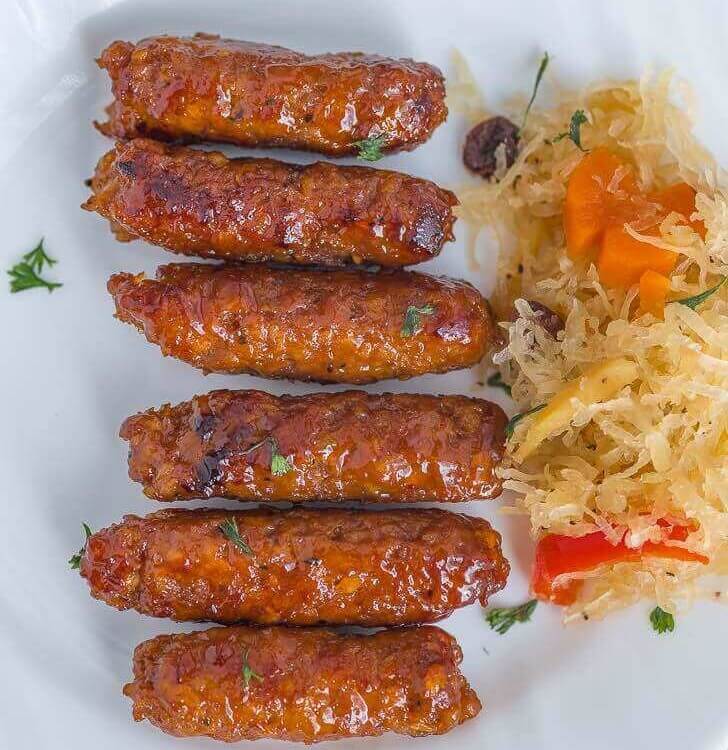
- Longganisa with a Twist: Filipino breakfast sausage usually has lots of garlic and black pepper. I’ve made batches where I added the dried herb to the spice mix, and it creates this interesting bridge between Filipino and American breakfast sausage flavors. My family actually requests it now.
- Brown Butter Pancit: This is probably my favorite fusion dish. Instead of regular oil for pancit canton, I toss the finished noodles with brown butter and crispy leaves. The nutty butter adds this richness that works so well with the noodles. It’s not traditional, but it’s delicious.
- Lechon Belly Rub: Before roasting a lechon belly roll, I mix minced leaves with garlic and rub it all over the meat. It adds complexity to the crispy skin and the aroma while it’s cooking is incredible.
The key with this herb in Filipino dishes is not overdoing it. You want it to enhance the flavors that are already there, not take over.
Common Questions Answered
Is sage the same as sambong in Filipino?
Nope, they’re completely different plants. I get this question a lot because both have aromatic leaves and medicinal uses, so people sometimes confuse them.
Sambong is a Filipino herb that’s traditionally used for kidney and urinary health. It has kind of a camphor-like smell. Sage is Mediterranean, used in cooking, and has that earthy, peppery flavor. They’re not interchangeable at all.
Can I substitute dried for fresh?
Yeah, but use less – about 1/3 the amount. Dried is way more concentrated and has a stronger flavor than fresh.
Also, add dried earlier in the cooking process so the flavors have time to develop. Fresh can go in near the end.
How long does it last in the fridge?
If you store it properly (wrapped in a damp paper towel in the crisper), it’ll last 1-2 weeks. Just check it every few days and swap out the paper towel if it gets too wet.
Can I eat it raw?
You can, but it’s pretty strong raw. Some people add a tiny bit fresh to salads, but honestly, it’s much better cooked. Cooking mellows out the flavor and brings out the nutty, earthy notes.
Is it safe during pregnancy?
In cooking amounts, it’s generally considered safe. But medicinal amounts (like tea or supplements) might not be recommended during pregnancy.
If you’re pregnant or nursing, talk to your doctor before using it in anything beyond normal cooking quantities.
Why does mine taste bitter?
Usually this happens when you use too much or cook it wrong. It can get bitter if you burn it or if you add a ton to a dish.
Start with less than you think you need. You can always add more, but you can’t take it out once it’s in there making everything taste like a forest.
What’s the best cooking method?
Fried in butter. Hands down. It gets crispy, the butter gets infused with flavor, and you can use both the crispy leaves and the flavored butter in your dish.
But honestly, there’s no “wrong” way – it just depends on what you’re making. Experiment and see what you like.
This herb can really level up your cooking once you get comfortable using it. Start simple – try making brown butter sauce for pasta, or rub some fresh leaves on pork chops before you cook them. Once you get a feel for the flavor, you’ll start finding
Other Filipino Dishes You Can Cook with Sage
Sage blends surprisingly well with dishes that already rely on garlic, fat, and slow cooking. I like to treat sage the same way I treat bay leaf. Use it gently and let it support the dish rather than take over.
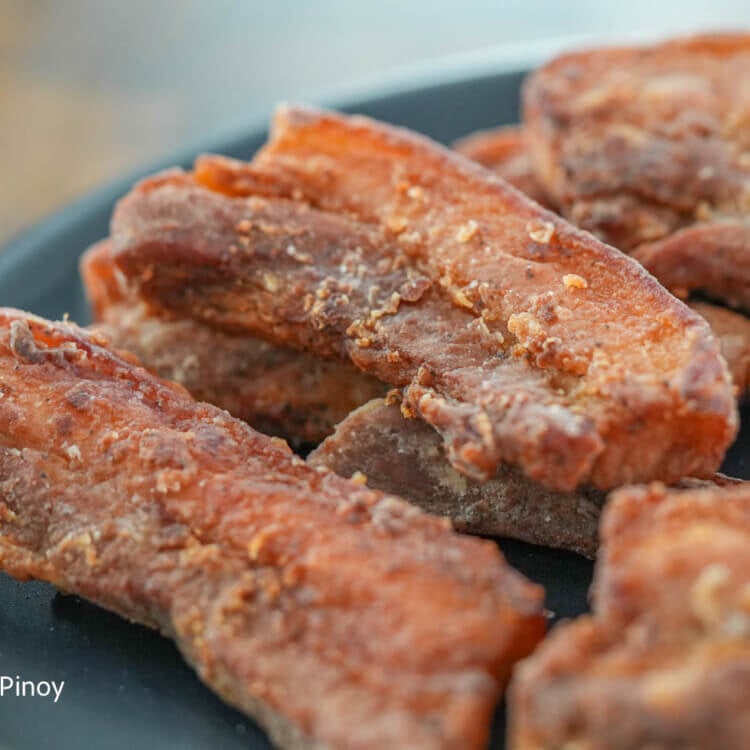
Crispy Fried Pork Belly
This is one of my favorites. Fry a few sage leaves until crisp and use them as a topping, or infuse them briefly in hot oil before frying the pork. Sage loves fat, and pork belly brings that out beautifully.

Garlic Butter Shrimp
Melt butter gently, add garlic, and let one chopped sage leaf bloom before adding the shrimp. The result is rich, aromatic, and very comforting.
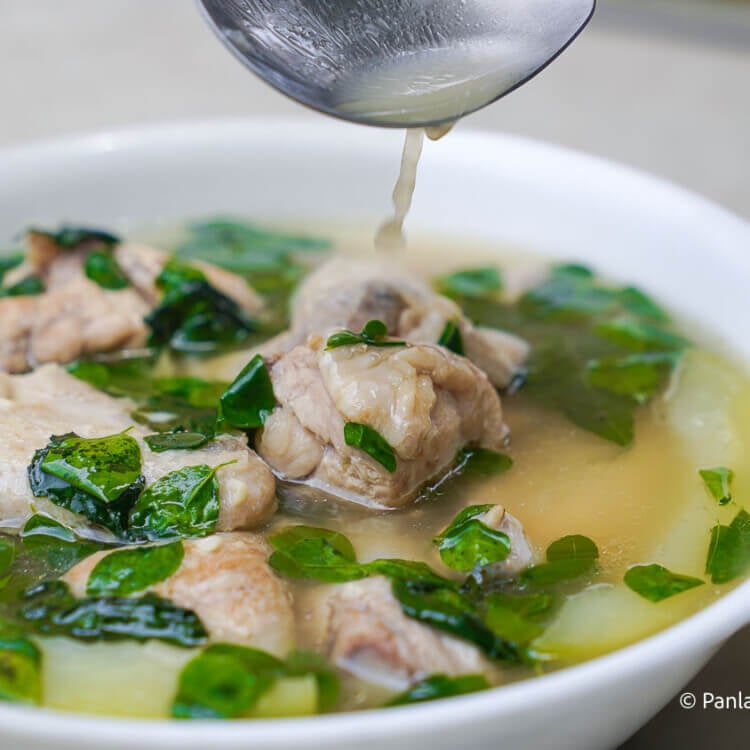
Chicken Tinola
Ginger should always stay in the lead here, but adding a small sage leaf near the end can give the broth extra warmth, especially during cooler days

Maria says
What is sage in Tagalog?
Ming Ferrer says
Sage in tagalog is called dahon ng ibos or in bisaya dahon sa manggialamon. It is one of culinary spices use is cooking and also used as herbal medicine. Used to aid in depression, anxiety, aIzheimers
Celia zaballa says
Hello! Where can i buy sage leaves here in manila and what is sage in tagalog? Thanks
Nino says
Hi! Just wanna know if sage is a sambong in Tagalog or Gabon in bisaya?
Pam says
Hi!I am also on nterested to know if sage is the same thing with sambong.Did you find out?
Christine says
Sage, translated to tagalog is sambit via google translate. But i’m not sure either if it’s a reliable translation.
Cornelio says
Its really sambong?
Glenda King says
According to the Drops dictionary it is Sambong in Filipino. Sambong as I know it here in Luzon smells the same as Sage though it ( sambong) has bigger leaves.