Beef Ribs Sinigang
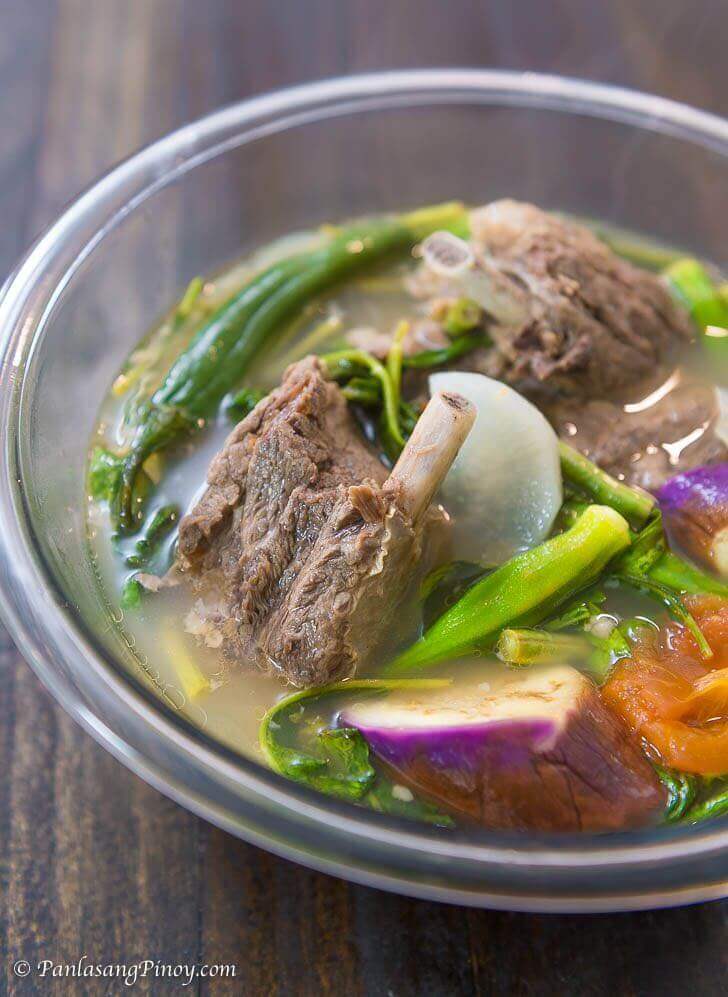
Beef Ribs Sinigang is a Filipino sour soup made with beef ribs cooked in a tamarind broth. I like this version when I want sinigang with meaty ribs, tender beef, and a broth that gets extra flavor from the bones. The pressure cooker makes a big difference here because it softens the ribs in about half an hour instead of making you wait a few hours with a regular pot. This is not the same as the slow simmered beef sinigang I make with neck bones, but it gives you that same sour, hearty broth that tastes so good with rice.
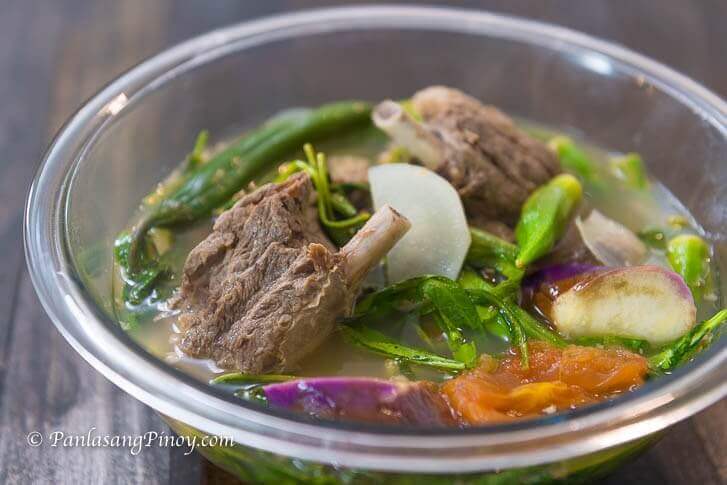
I cooked this often when we were still in Chicago. After a weekend trip to the Filipino store, I would usually come home with extra kangkong, okra, and eggplant because once we had sinigang on the table, I knew another pot would follow a few days later. Sometimes it was this beef ribs version, and sometimes it was pork sinigang. The pressure cooker made it easier to cook on a weeknight. Beef ribs take time to soften, and most nights I just did not have hours to wait.
Let me show you how I cook the ribs first, then build the broth and add the vegetables in the right order. The kangkong leaves go in last because they cook fast. I drop them in, turn off the heat, and let the hot broth soften them just enough so they stay nice and fresh instead of turning limp.
What is Beef Ribs Sinigang?
Sinigang na Tadyang ng Baka, or Beef Ribs Sinigang, is the beef rib version of sinigang, the family of sour soups eaten all over the Philippines. The sourness comes from tamarind, the same agent used in the pork and fish versions, and the pot is rounded out with vegetables like kangkong, radish, and okra.
The word sinigang comes from the Tagalog sigang, which means to stew something in a sour broth. Tamarind, or sampalok, is the usual souring agent, though kamias, guava, and green mango show up too depending on the region and what is in season. Beef is less of an everyday choice than pork for sinigang, so a pot made with ribs tends to land on the table on weekends or when there is a reason to cook something heartier.
The ribs give the broth more body than lean beef cuts. The bones add weight, and the meat around them goes soft and a little sticky as it cooks. Sinigang like this is the kind you make in a big pot to share, ladled over rice while it is still steaming.
Why This Method Works for Beef Ribs Sinigang
I like getting the ribs tender before adding the sinigang mix and vegetables. That gives the soup a cleaner broth, softer meat, and better control over the final taste.
- The pressure cooker – It softens the ribs fast and gives the broth time to pick up flavor from the bones. You get that slow cooked taste without standing by the stove for hours.
- Holding the mix until the meat is done – Adding the sinigang mix after the ribs are tender keeps the tartness fresh, and it lets you taste the broth before the vegetables start soaking it up.
- Adding vegetables by how long they cook – The radish goes in early because it needs more time, and the kangkong waits until the end because it cooks fast.
- Letting the leaves finish off the heat – The hot broth is enough to finish the kangkong, so it stays green instead of turning too soft.
Ingredients
- Beef ribs – The main ingredient. Ribs with the bone left in give the broth body, and the meat turns soft enough to pull apart after pressure cooking.
- Sinigang sa Sampaloc Mix – The souring base that gives the broth its tamarind tang. No fresh sampalok on hand? See the substitutions below.
- Kangkong – Water spinach that wilts into the hot broth. The stalks go in earlier than the leaves.
- Chinese eggplant – Softens into the soup and soaks up the sour broth.
- Tomato – Cooked down early so the broth tastes fuller and the sourness rounds out.
- Long green pepper – Gives a mild heat and aroma without making the soup spicy.
- Okra – Goes in whole for a soft bite and a little body in the broth.
- Daikon radish (labanos) – Sliced and simmered until tender. It is mild and a little peppery.
- Snake beans (sitaw) – Cut into short pieces for a crisp-tender bite.
- Onion – Quartered and cooked early to flavor the broth.
- Patis (fish sauce) – Seasons the soup with salt and umami at the end.
- Water – The base of the broth.
A note on the ribs and the mix. Most of the flavor comes from the ribs, so the cut matters. Beef short ribs and beef spare ribs with the bone left in both give a richer broth, since the bones and the fat around them melt into the liquid. Leaner boneless cuts cook fine but leave the soup thinner. For the sour base I reach for Sinigang sa Sampaloc Mix because it is quick and the same every time. One 40 gram pack is enough here, and I stir in a little more near the end when I want it sharper.
Vanjo’s Advice
Here are a few things I do to make this come out better.
- Use a pressure cooker to save time. It gets the ribs soft in about 25 to 30 minutes instead of two to three hours. A stovetop or electric one both work. If you don’t have a pressure cooker, simply simmer the ribs in a regular pot until tender.
- Taste the broth before you add the mix. After the ribs come out tender I check how beefy the liquid is. If it tastes flat, a little patis early does more than extra sinigang mix, because then the sourness sits on top of a savory base.
- Skim the top after the pressure releases. Beef ribs throw off fat and scum, and spooning it off gives you a cleaner soup. I do this right before the vegetables go in.
- Slice the radish thin. Thin pieces are tender in the few minutes they get. Thick chunks stay hard and mess up the timing of everything else.
- Use more mix if you like it sour. My family likes a sharp pot, so I usually go past what the pack says. I add it in stages and taste as I go so I do not overshoot.
- Eat the ribs with your hands. I enjoy this part because the meat pulls right off the bone once the ribs are tender, the same way I eat BBQ beef short ribs.
- Keep a little broth aside. I hold back some plain broth so I can loosen the soup the next day, since it thickens as the vegetables sit.
How to Cook Beef Ribs Sinigang
Beef Ribs Sinigang is simple once the ribs are tender. Work in stages and add the vegetables in order so each one finishes right.
Pressure Cook the Beef Ribs
- Combine the beef ribs and water in a pressure cooker.
- Pressure cook for 25 to 30 minutes until the ribs are tender, then release the pressure safely.
Move everything to a bigger pot here if your cooker is small. Skim the fat and scum first so the broth stays clear.
Build the Broth
- Add the onion and tomato to the pot and cook for 3 minutes.
- Stir in the Knorr Sinigang sa Sampaloc mix until it dissolves.
- Put in the sliced daikon radish, cover, and cook for 5 minutes.
- Season with patis and ground black pepper.
Add the Vegetables
Taste it now. This is your chance to fix the sourness and salt before the vegetables soak it up.
- Add the long green pepper, okra, snake beans, eggplant, and the kangkong stalks.
- Cover and cook for 5 minutes until the vegetables are just tender.
- Add the kangkong leaves and turn off the heat.
- Cover the pot and let it sit for 5 minutes before serving.
The kangkong leaves cook fast, so I turn off the heat once they go in. That keeps them green and fresh. Spoon into bowls and serve hot.
What to Have with It
- Steamed white rice – I like this best with hot rice, since the sour broth tastes even better soaked into the grains.
- Patis with calamansi – A small dipping sauce of fish sauce and citrus for the ribs and vegetables.
- Fried pompano – Fried tilapia or galunggong on the side is a common match for a sour soup.
- Grilled pork – Something rich and salty balances the sour broth.
Storage and Leftovers
This Beef Ribs Sinigang keeps well, and I think the flavor settles and tastes better the next day.
- Refrigerator – I let the sinigang cool first, then store it in an airtight container. I keep the broth and solids together so the ribs stay moist. It holds up for about 3 days in the fridge.
- Freezer -When I want to keep it longer, I freeze the broth and ribs together for up to 2 months. I leave the leafy vegetables out since they turn limp once thawed, and add fresh greens when I reheat.
- Reheating -I warm it gently on the stove until it reaches a low boil. If the broth has thickened, Adding a little water will help loosen it.
Suggested Recipes
- Corned Beef Sinigang – A quicker beef sinigang that uses canned corned beef for the meat.
- Beef Short Rib Sinigang na may Pakwan – A version with watermelon that leans sweet against the sour broth.
- Porknigang – The pork rib counterpart, made with baby back ribs in the same sour broth.
- Kare-Kare – A beef stew in a rich peanut sauce for when you want something other than sour.
- Spicy Beef Noodle Soup – Another beef soup, this one with a deeper, spicier broth.
- Beef Morcon – A rolled, stuffed beef dish for special occasions.
Substitutions
- Beef ribs – Beef short ribs, spare ribs, or beef shank all work. Cuts with the bone give a richer broth than boneless.
- Sinigang sa Sampaloc Mix – Use fresh tamarind boiled and strained, or about 2 to 3 tablespoons of tamarind paste. For a different sour note, try the kamias version of beef sinigang.
- Kangkong – Spinach, bok choy, or pechay all wilt the same way and go in at the end.
- Daikon radish – White turnip works, or you can leave it out. It is not essential.
- Long green pepper – Use Serrano or jalapeño if siling pansigang is hard to find.
Frequently Asked Questions
Can I make beef ribs sinigang without a pressure cooker?
Yes. Put the ribs in a regular pot with the water and simmer for two to three hours until the meat is soft, skimming the broth now and then. It takes longer, but the result is the same. The pressure cooker only makes the job faster.
Why is my beef ribs sinigang greasy?
Beef ribs are fatty, so some grease is normal. Skim the top while it cooks to take off most of it. If you make the soup ahead, chill it and lift off the fat that hardens on the surface before you reheat. That gives you a lighter, cleaner broth.
Can I add gabi (taro) to beef ribs sinigang?
Yes, and a lot of people do. Gabi thickens the broth a little as it softens. Add it with the radish so it has time to soften, and mash a piece or two into the soup if you want more body.
Can I use beef shank instead of ribs?
You can. Shank is leaner and very tender, with good marrow flavor from the bone. It usually needs a little more time than ribs to soften, so pressure cook it a bit longer or simmer until a fork goes through easily. This will be similar to Cansi.
How do I get the sourness right?
Add the mix a little at a time and taste as you go. If it turns too sour, a splash more water and a little patis evens it out. I find it easier to build the sourness up than to pull it back, so I start light.
I hope this Beef Ribs Sinigang becomes one of those soups you make again when you want something sour and hearty without a long wait. Watch the video above to see how the meat should look before the vegetables go in, and taste the broth before serving, since that last adjustment makes the biggest difference.
Watch How to Make It
Did you make this? If you snap a photo, please be sure tag us on Instagram at @panlasangpinoy or hashtag #panlasangpinoy so we can see your creations!
Beef Ribs Sinigang
Ingredients
- 3 lbs. beef ribs
- 40 grams Knorr Sinigang sa Sampaloc Mix Original
- 1 bunch kangkong
- 1 piece Chinese eggplant sliced
- 2 pieces tomato quartered
- 3 pieces long green pepper
- 8 pieces okra
- 1 small daikon radish labanos, sliced
- 10 pieces snake beans sitaw, cut into 2 inch pieces
- 1 medium onion quartered
- 8 to 10 cups water
- 2 1/2 tablespoons patis
- 1/4 teaspoon ground black pepper
Instructions
- Combine water and beef ribs in a pressure cooker. Pressure cook for 25 to 30 minutes. Note: you can transfer this later to a larger cooking pot once the beef gets tender, if needed.
- Add onion and tomato. Cook for 3 minutes.
- Add Knorr Sinigang sa Sampaloc Mix. Stir.
- Put the daikon radish (labanos) into the pot, Cover and cook for 5 minutes.
- Add long green pepper, okra, snake beans, eggplant, and the kangkong stalks. Cover and cook for 5 minutes.
- Season with patis and ground black pepper.
- Add kangkong leaves. Cover the pot and turn the stovetop off. Let t stay for 5 minutes.
- Transfer to a serving bowl. Serve.
- Share and enjoy!

CS says
Hi,
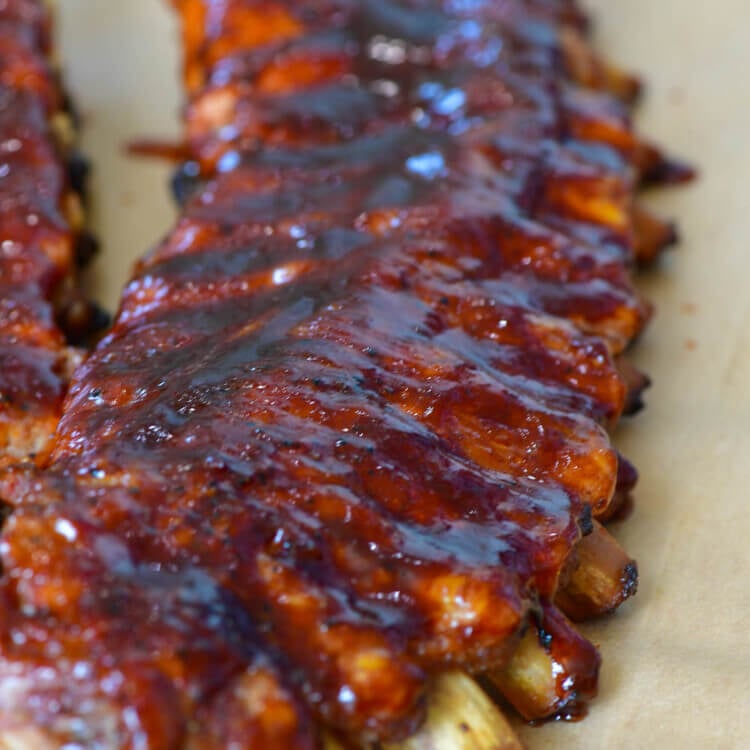
I just made Filipino BBQ today using your recipe. It was tender and delicious. Thank you! For the sinegang recipe, I do not have a pressure cooker. Can you suggest how else to cook the meat?
Thanks again!