Sinigang na Bangus Recipe
Sinigang na Bangus is a dish I cook often at home because it is simple and does not take long to prepare. A whole bangus, some vegetables, and a pot of sour broth are enough for a good meal with rice. My family likes this version, and I like that the fish goes straight into the pot without frying. I usually buy a bangus that weighs around two pounds and ask the vendor to clean it and cut it into steaks.
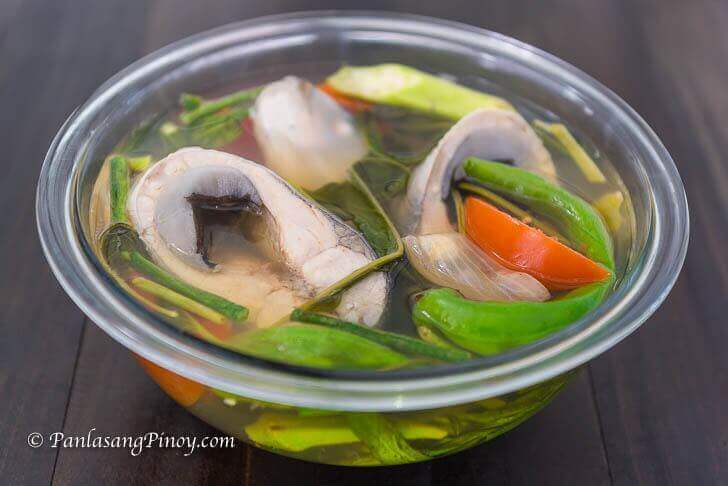
What I like about this version is how light the broth tastes while still getting plenty of flavor from the fish. You can make it as sour as you like, depending on what your family prefers. If you want something heavier, you can also try my pork sinigang. For another bangus version, our sinigang na bangus sa miso has a richer broth.
The bangus goes in after the tomato and onion have started cooking. I let the fish cook in the broth first before adding the souring ingredient. This gives the bangus enough time to cook without having to move it around too much. Keep the pot covered for about 8 to 12 minutes, depending on the thickness of the steaks.
What is Sinigang na Bangus?
Sinigang na Bangus is a Filipino sour soup made with bangus, or milkfish, simmered in a tamarind broth with tomato, onion, and vegetables such as okra, sitaw, and kangkong. The name comes from two words. Sinigang traces back to the old Tagalog word sigang, which means to stew, and bangus is the Filipino name for milkfish.
Bangus is widely available in the Philippines, which is one reason it is commonly used for everyday dishes like sinigang. A whole bangus also cooks much faster than pork, so this version of sinigang is quicker to put on the table.
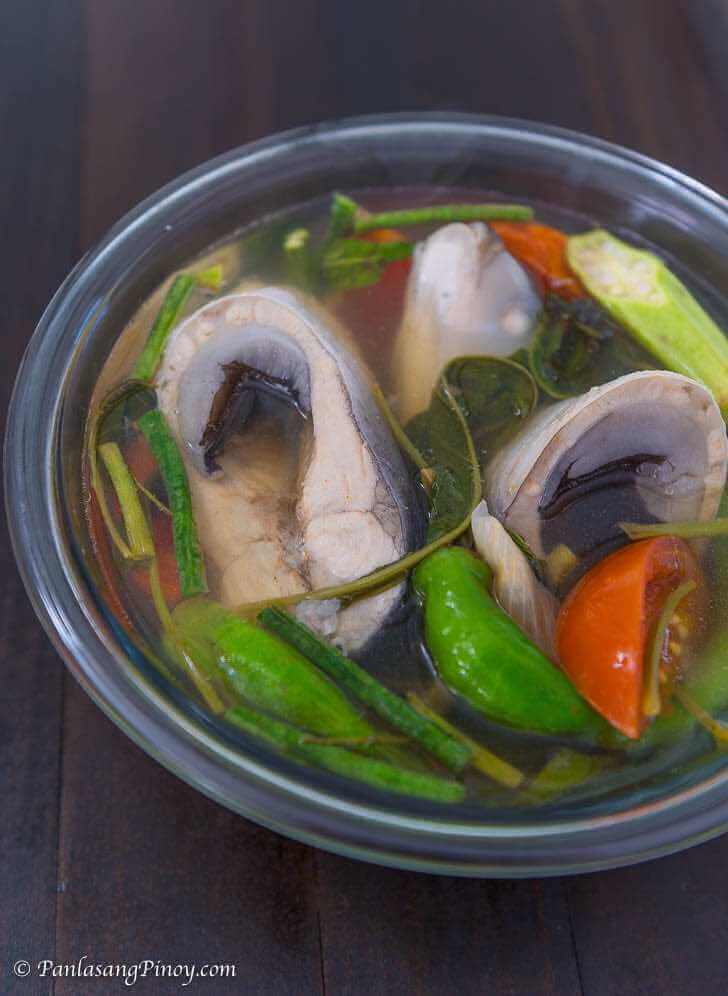
Souring agents change from one region to the next and from one household to another. Tamarind is the most common, though kamias, guava, santol, and miso all turn up in sinigang, and each one gives the broth a different kind of sour. My fish sinigang recipe uses fried snapper in this same style of broth. I serve this one as the main dish rather than a starter, with rice on the side and a second bowl of broth for whoever wants it.
Ingredients
- Bangus (milkfish) – Two pounds, which is one medium fish. Ask the vendor to scale it, remove the innards, and cut it into steaks about an inch thick. Keep the head, since it holds a lot of the flavor that goes into the broth.
- Sinigang sa Sampaloc Mix – One 40 gram pack for 2 quarts of water. Add half first if you are cooking for people who like a gentle sour. No sinigang mix at home? See the substitutions below.
- Kangkong – Use the leaves and the tender part of the upper stalks. The thick lower stalks stay stringy even after cooking, so I trim those off.
- Sitaw (snake beans) – Cut into 2 inch pieces so they fit a spoon. Look for pods that snap cleanly instead of bending.
- Okra – Small pods, left whole with the caps on. Cutting them open before they go in the pot is what makes the broth slippery.
- Long green pepper (siling pansigang) – Two pieces, left whole. You get the aroma without the heat as long as the pepper stays unsplit.
- Tomato – One medium, cut into wedges instead of chopped. Wedges hold together long enough to soften into the broth without disappearing.
- Yellow onion – One medium, also wedged. I use yellow because it gets sweeter as it cooks.
- Fish sauce – About two and a half tablespoons, added near the end so you can taste the broth first.
- Ground black pepper – A quarter teaspoon.
- Water – Two quarts.
The bangus has a big effect on the broth in this recipe because it goes directly into the water without being fried first. Milkfish is raised in brackish fishponds and sold whole, split, or as boneless belly. The meat is mild and slightly sweet, and it is known for its bones, which run in fine rows through the flesh. The fine bones can make bangus harder to eat, which is why boneless cuts are convenient.
Outside the Philippines, Asian supermarkets carry it frozen, either whole or as boneless belly in vacuum packs. Thaw it in the refrigerator overnight rather than in water so the flesh stays firm. If you cannot find bangus at all, use another medium to large saltwater fish with white meat.
Vanjo’s Advice
- Have the fish sliced at the market. Ask for steaks about an inch thick, cut straight across. Pieces cut thinner than that tend to fall apart once the broth boils.
- Wait for a full boil before the fish goes in. Lower the steaks in along the side of the pot once the water is boiling.
- Move the vegetables, not the fish. When you stir after adding the sitaw and okra, run the spoon around the steaks instead of through them. Cooked bangus is soft and it breaks with very little pressure.
- Taste the broth before you add the fish sauce. The sinigang mix already carries salt. I start with two tablespoons and add the last half tablespoon only if the broth still tastes flat.
- Turn the heat off before the kangkong goes in. The leaves finish in the covered pot in about 5 minutes and stay green. Kangkong left over the heat too long turns dark and loses its bite.
- Use a different souring agent when you want something gentler. Tamarind is not the only option. My sinigang na isda sa kamias recipe uses bilimbi, and the sourness is milder than what you get from a full pack of mix.
How to Cook Sinigang na Bangus
Start the Broth
- Heat a cooking pot and pour in the water.
- Add the tomato and onion, then let the water boil.
Give the tomato and onion a few minutes in the boiling water before anything else goes in. The wedges soften and release some of their juice before the souring mix goes in.
Cook the Bangus
- Add the bangus. Cover the pot and cook over medium heat for 8 to 12 minutes.
- Add the Knorr Sinigang sa Sampaloc Mix. Stir and cook for 2 minutes.
The flesh should look opaque all the way to the bone before you move on. Fish is cooked through at an internal temperature of 145°F. Thicker steaks from a larger fish need the longer end of that range, so check the piece nearest the head first.
Add the Vegetables
- Put the long green peppers into the pot.
- Add the sitaw and okra.
- Stir, cover the pot, and cook for 5 to 7 minutes.
- Add the fish sauce and ground black pepper, then stir.
Five minutes is enough if you like the sitaw with some snap left in it. The okra is the one to watch, since the pods go from tender to mushy quickly once the caps soften.
Finish and Serve
- Put the kangkong leaves into the pot.
- Cover the pot and turn the heat off. Let it stay for 5 minutes.
- Transfer to a serving bowl.
- Serve.
Lift the fish out first with a wide spoon, then ladle the broth and vegetables over it. Pouring the whole pot into the bowl at once can break the steaks apart.
What to Serve with Sinigang na Bangus
- Steamed white rice – Plain rice is what I serve with this soup. Spoon a little of the broth over the rice as you eat.
- Fish sauce with chili – Pour fish sauce into a saucer and drop in a few pieces of chili pepper. I eat this soup with it on the side almost every time.
- Tuyo – Salted dried fish cooked until the edges crisp. A piece of it next to the bowl gives you something salty to eat with the rice, and my guide covers five ways to cook it along with how to keep the smell down.
- Fried Galunggong with Salted Egg and Tomato Salad – Round scad fried until crisp, with a salted egg and tomato salad on the plate. You get the fried fish and a cold side in one dish.
- Lechon Kawali – Crispy deep fried pork belly for a bigger meal. Boil the pork ahead of time so only the frying is left once the soup is on the stove.
Storage
Sinigang na Bangus keeps well for the next day, though the vegetables are best on the day you cook it.
- Refrigerator: Let the soup cool, then store it in an airtight container for up to 2 days. Keep the fish in the broth so it does not dry out.
- Freezer: Freeze the broth on its own for up to 2 months. Kangkong and okra turn limp after thawing, so cook fresh vegetables into the reheated broth instead.
- Reheating: Warm it in a pot over low heat until it steams. A hard boil at this stage will break up fish that is already cooked.
More Bangus Recipes
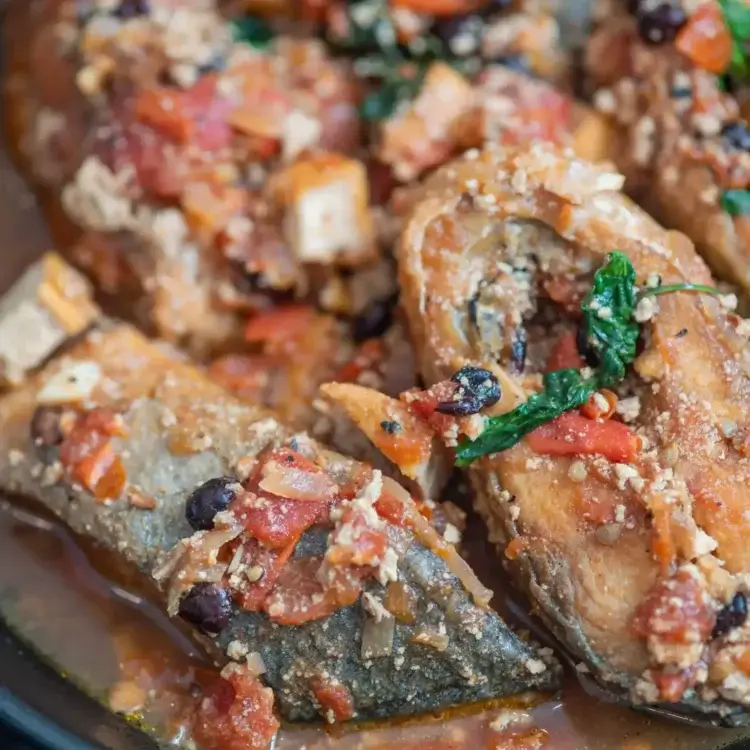
- Paksiw na Bangus – Milkfish stewed in vinegar with ginger, garlic, and eggplant. Fry the leftovers the next day and they taste close to daing.
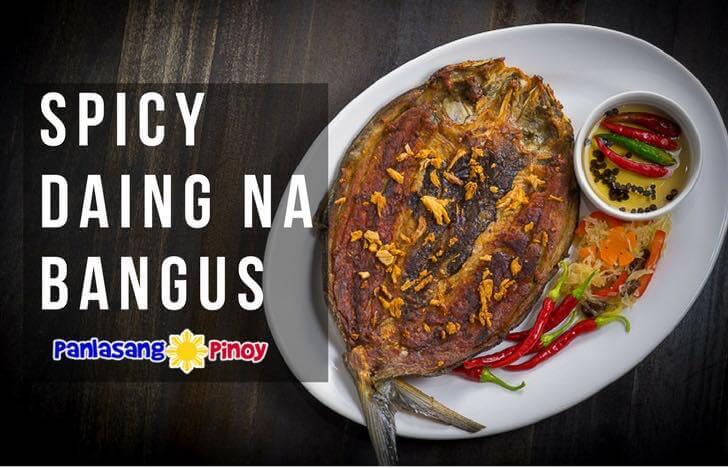
- Daing na Bangus – Butterflied milkfish marinated overnight in vinegar, garlic, and peppercorn, then fried until the edges crisp.
- Inihaw na Bangus – Stuffed with tomato and onion and grilled, served with a soy sauce and calamansi dip.
- Bangus Sisig – Flaked milkfish with chicharon, scallions, and chili. Good as an appetizer or over rice.
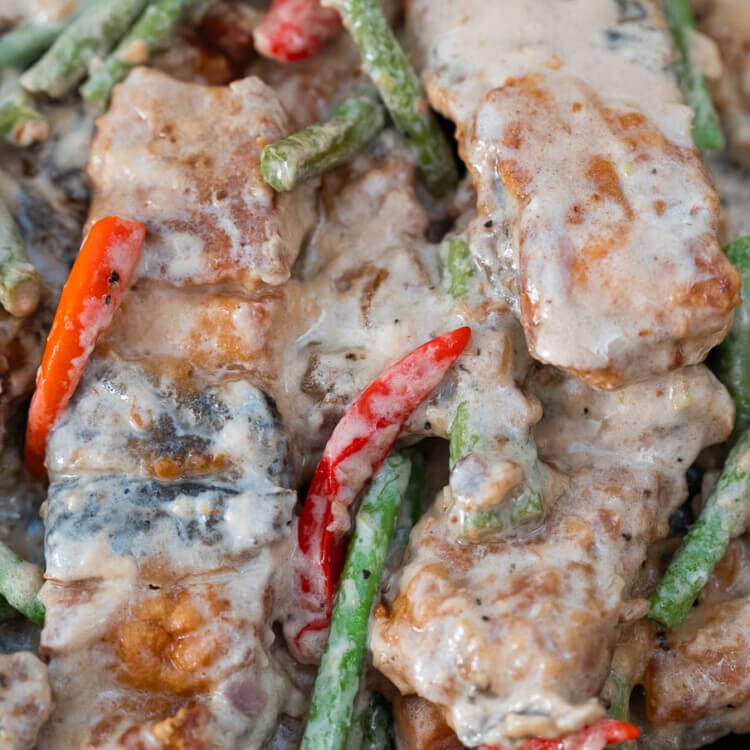
- Ginataang Bangus – Fried milkfish simmered in coconut milk with shrimp paste, ginger, and chili. Frying the fish first keeps the pieces firm through the simmer.
- Bangsilog – The breakfast plate of fried bangus, garlic fried rice, and egg, with spicy vinegar on the side.
Substitutions
- Bangus – Any medium to large saltwater fish with white meat works. Snapper, pompano, and lapu lapu all hold their shape in a sour broth.
- Sinigang sa Sampaloc Mix – Boil 12 to 15 fresh unripe tamarind pods until soft, mash them, and strain the pulp into the broth. My sinigang na liempo sa sampaloc recipe shows this method in full. Tamarind paste also works at about two tablespoons, stirred in and tasted before you add more.
- Kangkong – Spinach or talbos ng kamote go in the same way and at the same point.
- Sitaw – Regular green beans are fine, though they cook faster, so give them 3 to 4 minutes instead.
- Okra – Sliced labanos gives the pot a different texture and a mild peppery taste.
- Long green pepper – Jalapeño is the closest thing on a US shelf. Leave it whole for aroma or split it for heat.
Frequently Asked Questions
Can I use guava instead of sinigang mix?
You can, but it changes the flavor of the soup. Ripe guava gives a mild sweetness along with the sour, so the broth tastes gentler than one made with tamarind. The method changes too, since the guava gets boiled and mashed first to draw the flavor out. My sinigang na bangus sa bayabas recipe has the full order of steps.
Can I use boneless bangus?
Definetely! Boneless bangus belly is easier to eat and usually needs only about 6 to 8 minutes to cook. The broth comes out lighter, so I add an extra tomato when I use it.
Should I fry the bangus before putting it in the broth?
You can fry the bangus first if you want the fish to stay firmer in the broth. Salt the steaks, fry them until golden on both sides, then add them to the boiling broth. You end up with a little more oil in the broth this way.
Why does my broth taste flat even after adding the mix?
If the broth still tastes flat, add a little more fish sauce or souring mix and taste again. The amount you need can change depending on the size of the fish and how much water is in the pot.
Once the bangus is cooked and the kangkong is tender, the sinigang is ready to serve. I like to have it with warm rice and a small saucer of fish sauce with chili on the side. Serve it while the broth is still hot. Share and enjoy!
Watch How to Make It

Did you make this? If you snap a photo, please be sure tag us on Instagram at @panlasangpinoy or hashtag #panlasangpinoy so we can see your creations!
Sinigang na Bangus Recipe
Ingredients
- 2 lbs. bangus (milkfish) cleaned and sliced
- 40 grams Knorr Sinigang sa Sampaloc Mix (Original)
- 1 bunch kangkong
- 12 pieces sitaw (snake beans) cut into 2-inch pieces
- 6 pieces okra
- 2 pieces long green pepper (siling pansigang)
- 1 medium tomato wedged
- 1 medium yellow onion wedged
- 2 1/2 tablespoons fish sauce
- 1/4 teaspoon ground black pepper
- 2 quarts water
Equipment
- 1 Wide cooking pot Wide enough to hold the bangus steaks in a single layer
- 1 Slotted spoon For lifting the fish out without breaking the steaks
Instructions
- Heat a cooking pot and pour in the water.2 quarts water
- Add the tomato and onion. Let the water boil.1 medium tomato, 1 medium yellow onion
- Add the bangus. Cover the pot and cook over medium heat for 8 to 12 minutes.2 lbs. bangus (milkfish)
- Add the Knorr Sinigang sa Sampaloc Mix. Stir and cook for 2 minutes.40 grams Knorr Sinigang sa Sampaloc Mix (Original)
- Put the long green peppers into the pot. Add the sitaw and okra. Stir, cover the pot, and cook for 5 to 7 minutes.2 pieces long green pepper (siling pansigang), 12 pieces sitaw (snake beans), 6 pieces okra
- Add the fish sauce and ground black pepper. Stir.2 1/2 tablespoons fish sauce, 1/4 teaspoon ground black pepper
- Put the kangkong leaves into the pot. Cover and turn off the heat. Let it stay for 5 minutes.1 bunch kangkong
- Transfer to a serving bowl. Serve.
- Share and enjoy!
Michelle Charboneau says
Hi po just wondering if I can use sinigang sa bayabas? Thank you I’m just newbie