Sinangag Recipe (Filipino Fried Rice)
Sinangag is my go-to whenever I feel like having rice for breakfast. It goes well with fried dishes such as tuyo, daing, fried pork chops, and even a simple fried egg. It is also a staple in Filipino silog meals like tapsilog, longsilog, tosilog, and bangsilog.
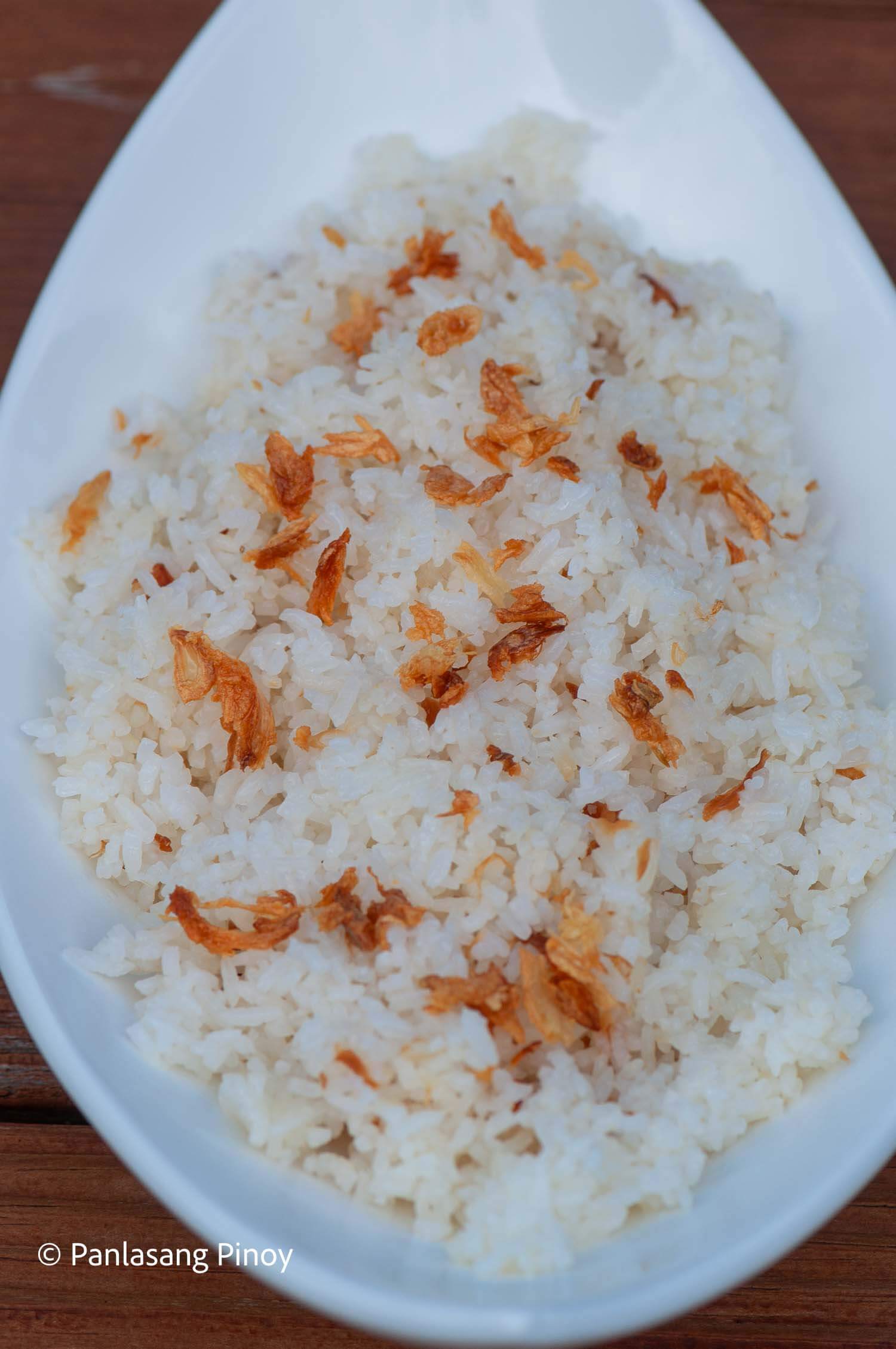
I learned to cook sinangag when I was 12. My mom used to make it at home, and I would watch her cook. One day, she let me take over while she guided me through the steps. That first batch turned out pretty good, and I was so proud of myself that I ended up eating two cups of rice with tuyo!
These days, I still enjoy making sinangag, especially with plenty of garlic. I like those little crispy pieces mixed into the rice, and the smell of garlic toasting in oil always makes me hungry. It’s also a good way to use leftover rice from dinner.
I like my sinangag with plenty of garlic. I enjoy the little bits of crispy garlic mixed into the rice, and the aroma of garlic toasting in oil is enough to make me hungry in the morning. Whenever we have leftover rice from the previous day, making sinangag is the easiest way to put it to good use.
You only need rice, garlic, salt, and cooking oil to make sinangag. Start with the garlic while the oil is still cool and let it turn golden brown before adding the rice. Season the rice beforehand so you can concentrate on frying it once the garlic is ready. My garlic fried rice is a little different. It uses medium grain rice, chives, and a little sesame oil.
What is Sinangag?
Sinangag is our Filipino garlic fried rice. It is usually made with leftover rice from the previous day, fried with plenty of garlic and a little salt. You will find it served with all kinds of Filipino breakfast dishes, especially silog meals.
Silog is short for sinangag at itlog, which means garlic fried rice and egg. The main dish gives the meal the rest of its name, so tapa makes it tapsilog and crispy dried danggit makes it danggit silog.
Why This Sinangag Recipe Works
- The garlic starts in cool oil – It cooks slowly as the oil heats up, so it has time to turn golden and crisp while the oil picks up its flavor. Garlic dropped into very hot oil can burn before it gets there, and burnt garlic tastes bitter.
- Crushed garlic instead of minced – Bigger pieces are slower to burn than a fine mince, and they leave crispy bits of garlic in the rice.
- Day-old rice – The grains are firmer and drier after a night in the refrigerator, so they separate easily in the pan.
- The salt goes on the rice before frying – Tossing the salt into the cold rice spreads the seasoning evenly. It is also the best time to break up the clumps, while your hands are still free.
Ingredients
- Cooked white rice – Day-old rice that was kept in the refrigerator is best. I make fried rice in the morning using the rice left from dinner the night before. Jasmine or any long grain white rice works. If you are cooking a pot just for this, see my guide on how to cook rice.
- Garlic – Five cloves, crushed. Use fresh garlic and crush it with the flat side of your knife so the pieces stay chunky.
- Salt – Half a teaspoon is enough for 3 cups of rice. Fine salt mixes into the rice more evenly than coarse salt.
- Cooking oil – Any neutral oil such as canola or vegetable oil is fine.
Vanjo’s Advice
- Keep the heat at medium or lower while the garlic cooks. Have the salted rice ready beside the stove so it can go in as soon as the garlic turns golden brown.
- Use a wide pan. It gives you enough space to stir-fry the rice evenly. If the pan still feels crowded, add half of the rice first, cook it for about a minute, then add the rest.
- Use more garlic if you like. You can add a few more cloves, and you can also set aside a spoonful of the toasted garlic to sprinkle on top before serving.
- Taste before adding more salt. Tuyo, daing, tocino, and longganisa are already salty, so the rice does not need much when it is going on the same plate.
How to Cook Sinangag
Toast the Garlic

- Pour the cooking oil into a wide frying pan. Turn on the heat and let the oil warm gradually.
- Add the crushed garlic right away, while the oil is still cool. Let the garlic cook slowly as the oil heats up, stirring occasionally so it browns evenly. Continue cooking until the garlic turns golden brown and crisp. Avoid high heat because garlic burns quickly and turns bitter.
Season and Add the Rice

- Sprinkle the salt over the cooked white rice. Toss gently to distribute the seasoning evenly and separate any clumps. Day-old rice works best because the grains are firmer and easier to separate.
- Gradually add the seasoned rice to the pan with the toasted garlic and oil. If the rice is difficult to stir, add half first and cook for about 1 minute before adding the rest. Stir gently to coat the rice with the garlic oil and spread the toasted garlic throughout.
Stir-Fry and Serve

- Continue stir-frying the rice for 3 to 5 minutes, stirring regularly to prevent sticking. Break apart any remaining clumps with a spatula while keeping the grains intact. The rice is ready when it is heated through, with the grains separated and lightly coated in oil.
- Transfer the sinangag to a serving plate or bowl. Serve immediately with your favorite Filipino breakfast dishes, such as tapa, longganisa, tocino, or fried eggs.
What to Serve with Sinangag
- Tuyo or daing – Fried until crisp, with spicy vinegar on the side for dipping.
- Fried pork chops – Good at lunch too. Add a fried egg and it becomes a silog meal.
- Beef tapa – Cured beef fried until the edges brown. With a fried egg, this is tapsilog.
- Longganisa or tocino – The sweet cured meats in longsilog and tosilog. Both can be made at home.
- Fried egg – Sunny side up, with a runny yolk that you can break over the rice. A Filipino omelet with tomato and onion is good too.
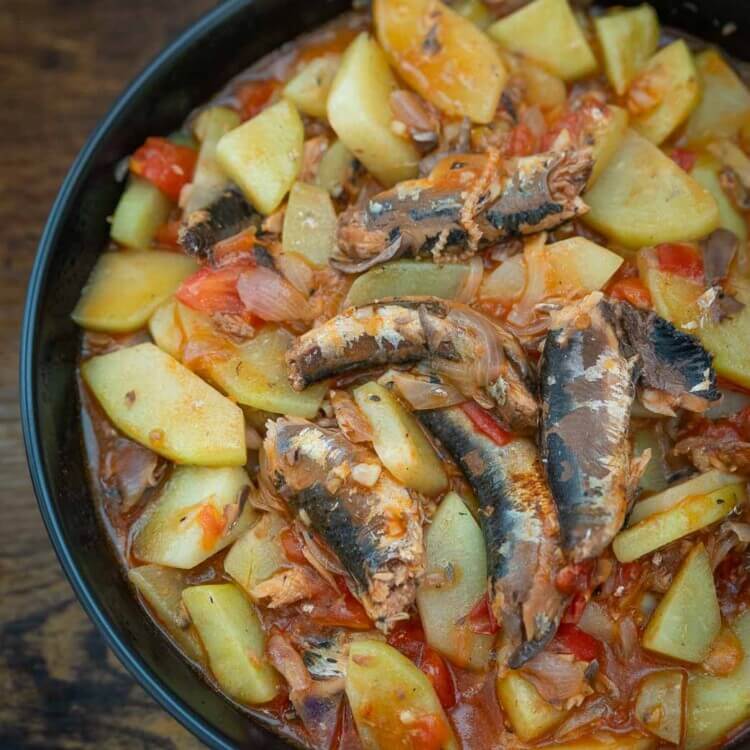
- Ginisang sardinas – Canned sardines sauteed with garlic, onion, and tomato. Spoon the sauce over the rice.
Storage
- Refrigerator: Spread leftover sinangag in a shallow covered container so it cools quickly, and refrigerate it within 1 hour. Eat it within 2 days because the rice was already a day old before frying. The toasted garlic softens in the refrigerator, but the flavor stays.
- Freezer: You can freeze sinangag for up to 1 month. Pack single portions flat in resealable bags so they thaw quickly.
- Reheating: Stir-fry it in a hot pan with a little oil for 2 to 3 minutes. The microwave also works. Cover the bowl, sprinkle in a little water, and heat until the rice is hot all the way through.
More Fried Rice Recipes
- Tinapa Fried Rice – Day-old rice fried with garlic and smoked fish flakes, topped with salted egg and tomato.
- Tuyo Fried Rice – Fried tuyo with the head and bones removed, tossed with garlic and rice.
- Tocino Fried Rice – Sweet cured pork, egg, carrots, and green peas fried with the rice in butter.
- Adobo Rice – Diced leftover pork adobo fried with rice, garlic, and oyster sauce.
- Egg Fried Rice – Scrambled egg, onion, and peppers with soy sauce and a little sesame oil.
Substitutions
- White rice – Day-old brown rice can be cooked the same way. The grains are chewier.
- Cooking oil – Butter or margarine can replace part of the oil. Keep the heat low because butter browns fast. You can also use a little of the oil left after cooking tocino or longganisa. Taste the rice before adding all the salt, and wipe out any dark bits in the pan first.
- Fresh garlic – Fresh garlic is where the toasted bits come from, so use it when you can. If you only have garlic powder, stir 1/2 teaspoon into the rice with the salt. You get the garlic flavor without the crispy pieces.
- Salt – Fish sauce or a little soy sauce can season the rice instead. Soy sauce darkens the rice and makes it taste closer to other kinds of fried rice.
Frequently Asked Questions
Can I use freshly cooked rice for sinangag?
You can, but let it dry first. Spread the hot rice on a tray and let it cool completely, then chill it in the refrigerator for a couple of hours so the grains firm up. Rice that goes into the pan hot and moist turns soft and sticky.
What is the best rice for sinangag?
Long grain white rice such as jasmine. The cooked grains stay separate after a night in the refrigerator, which is what you want for fried rice.
Why does my garlic taste bitter?
It was cooked too dark. Garlic turns bitter once it goes past golden brown. If it burns, start again with fresh oil and garlic because the bitter taste stays in the oil.
Is sinangag only for breakfast?
No. Pares houses serve beef pares with sinangag and a bowl of beef broth, and it goes with fried and grilled dishes at lunch or dinner.
How do you pronounce sinangag?
It is pronounced see-nah-NGAG, with the stress on the last syllable. The ng is a single sound, like the ng in sing.
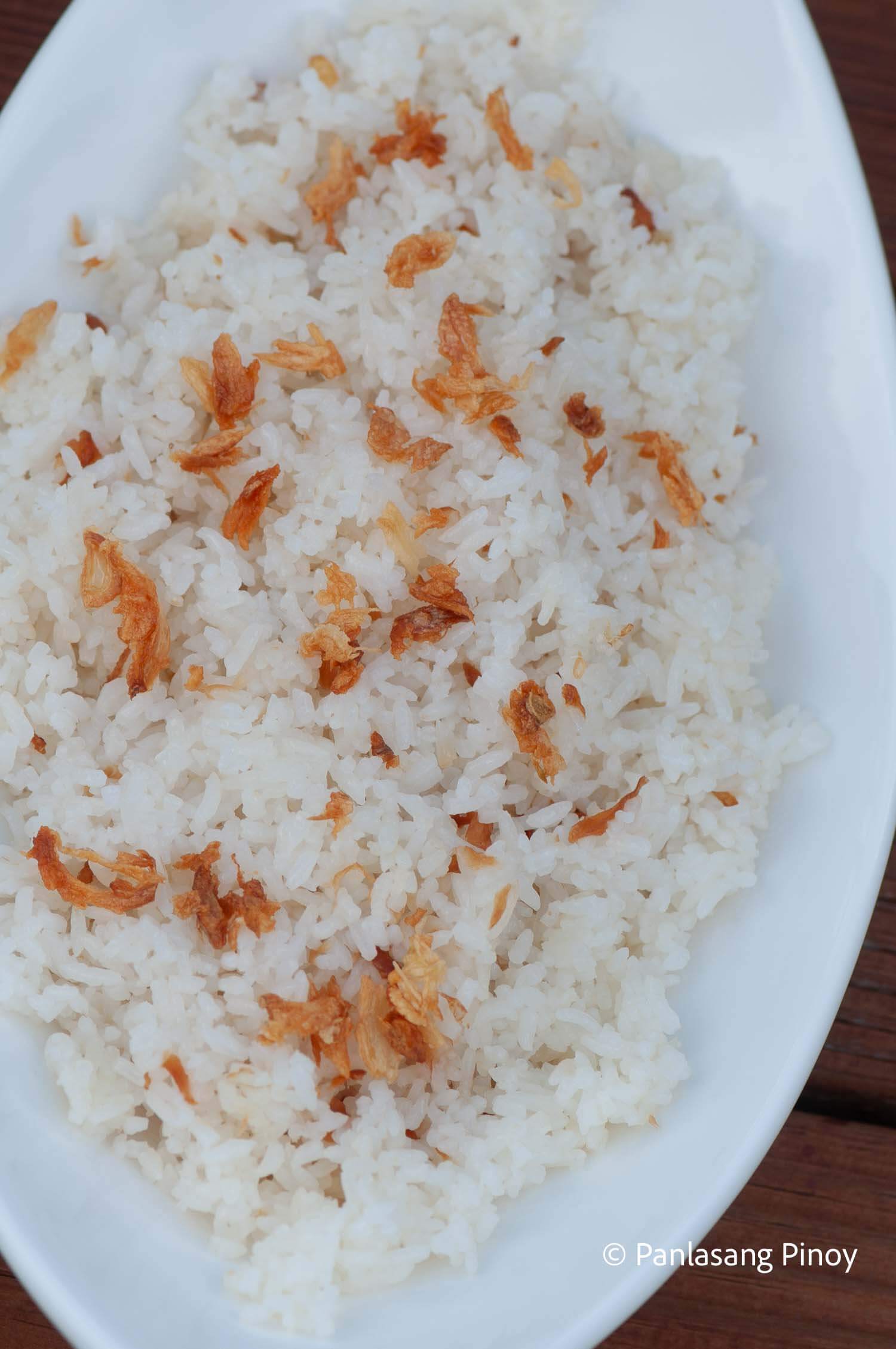
Cook your eggs and the main dish first, then make the sinangag last. That way, the rice goes straight from the pan to your plate while the garlic is still crispy.
Watch How to Make It

Did you make this? If you snap a photo, please be sure tag us on Instagram at @panlasangpinoy or hashtag #panlasangpinoy so we can see your creations!
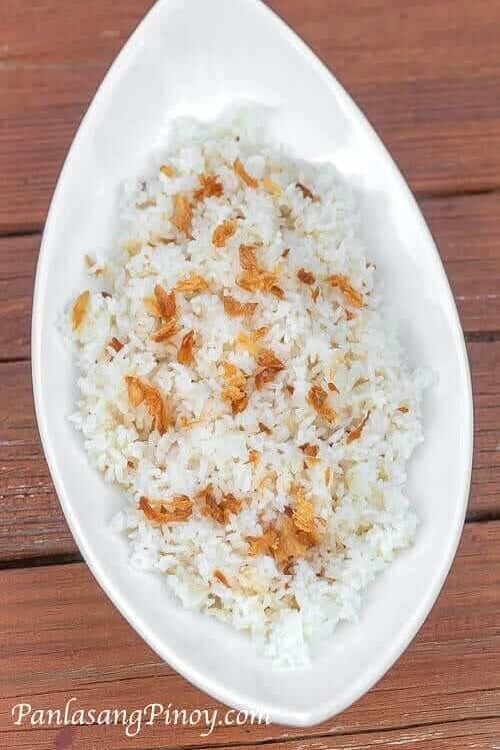
Sinangag Recipe (Filipino Garlic Fried Rice)
Ingredients
- 3 cups cooked white rice day-old
- 5 cloves garlic crushed
- 1/2 teaspoon salt
- 2 1/2 tablespoons cooking oil
Equipment
- 1 Wide frying pan A wok also works
- 1 Spatula For stirring and breaking up clumps
Instructions
- Pour the cooking oil into a wide frying pan. Turn on the heat and let the oil warm gradually. A wide pan gives you enough space to stir-fry the rice evenly without overcrowding.2 1/2 tablespoons cooking oil
- Add the crushed garlic while the oil is still cool. Let the garlic cook slowly as the oil heats up, stirring occasionally so it browns evenly. Continue cooking until the garlic turns golden brown and crisp. Avoid high heat because garlic burns quickly and turns bitter.5 cloves garlic
- Sprinkle the salt over the cooked white rice. Toss gently to distribute the seasoning evenly and separate any clumps. Day-old rice works best because the grains are firmer and easier to separate during stir-frying.1/2 teaspoon salt, 3 cups cooked white rice
- Gradually add the seasoned rice to the pan with the toasted garlic and oil. If the rice is difficult to stir, add half first and cook for about 1 minute before adding the remaining rice. Stir gently to coat the rice with the garlic-infused oil and distribute the toasted garlic throughout.
- Continue stir-frying the rice for 3 to 5 minutes, stirring regularly to prevent sticking and ensure even heating. Break apart any remaining clumps with a spatula while keeping the grains intact. The rice should be thoroughly heated, with the grains separated and lightly coated in oil.
- Transfer the sinangag to a serving plate or bowl. Serve immediately with your favorite Filipino breakfast dishes, such as tapa, longganisa, tocino, or fried eggs.

Charles says
A dear Filipina friend in Manila has turned me on to Filipino food. I’ve tried many recipes and always look here for authentic ones. I love buko pie!
Michelle Solomo says
Thanks for the recipe, this is my go to if I have left over rice. Living in Belgium I have to copy paste the print of you’re recipes because of the lbs, ounce, and cups (we do have measuring cups and table -teaspoons) and of course I copy paste the link on footnote.
Vanjo Merano says
I appreciate the feedback, Michelle. Have a wonderful day there in Belgium.
Shely says
Thanks to your recipe. My kids love it! God bless!
Vanjo Merano says
You are welcome.
Steve says
May I suggest something to make your website even better & more practical?
Please add a PRINT BUTTON on every recipe.
Many of your readers probably want to actually try out your recipe, but in order to bring these instructions to the kitchen, we may want to print it out first so that they will be easier to follow.
Vanjo Merano says
I appreciate the suggestion, Steve. I am in the process of rolling this update for newer recipes. I also had the older recipes scheduled for the print button update and it should take effect soon.
Angie says
You can actually copy paste the recipe to microsoft word. That is what I always do. Thank you and God bless.