• Skip to primary navigation
  • Skip to main content
  • Skip to primary sidebar

Panlasang Pinoy

Your Top Source of Filipino Recipes

  • Start Here
  • All Recipes
    • Course
      • Breakfast
      • Lunch
      • Appetizers
      • Dessert
      • Dinner
    • Ingredient
      • Chicken
      • Pork
      • Beef
      • Turkey
      • Vegetable
      • Fish
      • Rice
      • Egg
      • Tofu
      • Noodles
    • Type
      • Adobo
      • Bread
      • Fried Chicken
      • Sinigang
      • Kilawin
      • Ginataan
      • Kaldereta
  • Cooking Schools
  • About
Facebook
Instagram
Pinterest
YouTube
Home Culinary Arts

Culinary Arts

Become a Culinary Pro at Rhode Island Cooking Schools

The small state of Rhode Island is conveniently situated by a coast that provides fresh seafood to the local culinary scene daily. A state rich in heritage and even richer in flavors, it is host to some of the best eateries and food markets in the country. If you are an aspiring chef looking to earn a qualification against the backdrop of a buzzing local environment, Rhode Island cooking schools are the best choice.

Finding a Cooking School in Rhode Island

Because of its small size, there are not many Rhode Island cooking schools. However, this can be beneficial for new graduates because the state is densely populated with locals and tourists, and culinary skills are in demand. Rhode Island cooking schools and institutes provide excellent, world-class curriculums, as well as facilities to expand student skill sets.

Universities and business schools in Rhode Island have opened up their curriculum over the years to include quality culinary training. Students can choose between degrees and short learning programs to suit career needs. Short, accelerated programs are beneficial for those who want to be employed within months. Degrees, on the other hand, can take up to 4 years and cover a lot of subjects that short courses can’t.

Rhode Island Local Scene and Cuisine

The state is a haven for seafood lovers, and aspiring chefs can have fun learning about the local tastes. Sampling famous dishes, meeting local chefs and going to food events are paramount to your future career. The food industry is a network of culinary professionals, and the sooner you become part of that network, the higher your chances of landing great internships and jobs.

Learning about local dishes can help you keep abreast of rising trends. Trends are important because they keep your skills relevant. A great way to stay current and relevant is to attend at least one of these annual events:

  • Food for Thought in Providence
  • Great Chowder Cook-off in Newport
  • Taste of Rhode Island

Job Opportunities in Rhode Island

Students of Rhode Island cooking schools can look forward to a profitable future, with the average sous chef earning around $45 000 a year. Although this is the average, it is possible to earn more or less depending on the type of job you have. Salaries are determined by the level of demonstrated skills in the kitchen, education and the type of company you are recruited by.

Students with bachelor and associate degrees are typically paid more than those with basic technical skills. If you have good, basic kitchen skills and would like to earn a managerial position, get as much work experience as possible. Employer priorities differ. While some prefer candidates with work experience and little education, others hire graduates who are well-schooled but have little real-life practice.

Best Rhode Island Cooking Schools

  • Johnson and Wales University: offer extensive and competitive degrees in culinary arts, food service management, baking and pastry, entrepreneurship and more
  • Lincoln Culinary Institute
  • University of Rhode Island

What is Tempeh?

Tempeh is a food that has been enjoyed in Asia for centuries. In recent years, it has made its way to countries around the world. It is best known as a vegetarian food option and a great alternative to tofu. It can be prepared in a number ways and seasoned to your liking. Whichever brand of tempeh you prefer, it is a heavily nutritious food anyone can add to their healthy diet.

What is Tempeh?

Tempeh can be described as a firm patty or cake made from soybeans. Soybeans are cooked and left to ferment slightly before it is shaped and cut. If you like, you can learn how to make tempeh at home. If not, there are a few great brands in stores. Although it’s generally nutty in flavor, it is available in many flavors and seasonings. Choose one according to your taste preferences and fitness goals.

photo credit: Scott Veg

What is Tempeh Good For?

This soybean-based food is an amazing source of protein. One cup yields 30 grams of protein, which is more than half of what you need daily. Protein is filling and helps build muscle, which can help with weight management. It also contains manganese, copper and vitamin B. The body uses manganese and copper to improve healing and brain function, while vitamin B maintains a great metabolism.

How to Cook Tempeh

If you’re only finding out what tempeh is, you might not know how to start preparing it. Luckily, cooking tempeh is easy and can be quick depending on which method you use.

Prepping

Tempeh usually comes in firm blocks or cakes. Before cooking, cut into slices or cube them to decrease cooking time. Feel free to marinate it in broth, soy sauce, honey, milk, orange juice or any other flavor of marinade you enjoy. You can also add spices and herbs as desired.

Steaming

To steam tempeh, you can place the block in a pan and cover it in water. Bring water to the boil, lower heat to medium and allow it to simmer for 10 minutes. Once it’s cooked, you can season it and eat as is, or pan-fry or bake it in the oven until golden brown.

Pan-fry

Cut tempeh into slices and marinade for 10 to 20 minutes. Heat oil in a pan, add a chopped clove of garlic and fry until it is crispy and golden brown.

Crumble

If you would like to quickly add tempeh to a salad or soup, steam it and crumble it into your favorite dish.

Cooking Tips

Like tofu, tempeh easily adjusts to the taste of your dish. In other words, it takes on other food’s flavors. With that said, you can marinade it to give it a distinctive taste, or crumble it into strong-flavored foods for it to assimilate its taste while providing a protein boost.

If you’ve been asking yourself what tempeh is, the answer is quite simple. It is a nutrient-packed food made of soybeans you can add to your every day meals. Ideal for vegetarians looking for a tofu replacement, it contains plenty of protein, minerals and vitamins to fill you up and keep you healthy.

Culinary Education Programs at Washington Cooking Schools

When you land in Washington, it doesn’t take long to realize that the state has a rich culinary history and appreciation. From renowned Washington cooking schools to trendy, up-market restaurants, it is a great training ground for aspiring chefs. An agricultural economy with many fresh food markets, it provides new chefs with an opportunity to be creative and daring.

Finding a Culinary School in Washington

Finding a culinary program is made easy with the state’s collection of top Washington cooking schools. You can make your culinary dreams a reality through comprehensive programs ranging from bachelor degrees to certificates. Bachelor and associate degrees are commonly found at universities and community colleges. However, if you prefer a quick course focused on specific skill sets, technical schools may be the wisest choice.

No matter what kind of education you are looking for, schools should be equipped with resources to help you reach your career goals. Resources found at quality schools include:

  • Qualified, experienced instructors
  • Kitchens and student facilities with up-to-date technology
  • Links to internship/externship/apprenticeship programs
  • Postgraduate career support
  • Job placement professionals and services

Washington Local Scene and Cuisine

Washington has an impressive food culture that aspiring chefs and pastry chefs should strive to learn from. Both local residents and visitors are always eager for new, interesting culinary experiences. This is why professional chefs prefer to work in the state, and why many students find it to be an exciting place to learn.

Do not be timid when it comes to networking with local professionals. By simply visiting noted restaurants and meeting the chefs, you can land a volunteer job and become part of the food community even before you graduate. Ask about industry associations you can become a member of to have exclusive access to information about cooking events, competitions and vacancies.

Job Opportunities in Washington

Graduating from Washington cooking schools is only part of the journey. Landing a job and advancing in your career depends on the level of skill you demonstrate, and how hard you’re willing to work to get ahead. Education from a reputable school can only take you so far. Practical experience gained through internships and volunteer jobs, association memberships and your knowledge of local cuisine can enhance your resume greatly.

Regardless of whether you have a degree or a certificate, it is always wise to get as much experience as you can. Be realistic about your job expectations. If your training is limited but you would like a higher paying position, be prepared to work hard and enroll for postgraduate courses if possible.

Best Washington Cooking Schools

  • The Art Institute of Seattle: coveted culinary arts program provider that offers degrees and diplomas
  • Kitchen Academy: offers short, fast-tracked training and coursework
  • Washington State University
  • Bellingham Technical College
  • Columbia Basin College
  • Clark College
  • Lake Washington Institute of Technology
  • Edmonds Community College
  • Skagit Valley College
  • South Puget Sound Community College
  • Bates Technical College

Does oatmeal have gluten?

Gluten intolerance is a serious condition that can cause symptoms ranging from fatigue to damaged intestines. Unfortunately, there are many foods on the market today that contain gluten. Although some foods are clearly labeled “non-gluten”, others can be hard to detect. One such food is oatmeal. This article aims to answer the question millions are asking every day: “Does oatmeal have gluten?”

What is Gluten?

Gluten is a large protein found in the seeds of wheat. It has also been associated with rye and barley. It is common, therefore, for cereals and breads to contain gluten. Contrary to popular belief, gluten is not an unhealthy substance. It is harmful only to those who are intolerant.

How to Tell If You Are Gluten-Intolerant

If you haven’t been diagnosed as intolerant, there are several telltale signs that gluten might be bad for your health. Symptoms include feeling tired after eating foods with gluten; bloating, constipation, diarrhea; fatigue, confusion, dizziness; swollen and painful joints, as well as headaches. These symptoms usually appear as a result of eating gluten foods. Try removing them from your diet for 2-6 weeks to see if your condition improves.

Does Oatmeal Have Gluten?

The answer is yes and no. When oatmeal is made from pure oats, it does not contain gluten at all. However, if oats have been mixed with other grains, it will contain trace amounts of the substance. The bad news is that even small amounts of gluten can affect intolerant people significantly, especially those suffering from Celiac disease.

Oatmeal has gluten only when wheat, rye or barley has been added to it. Adding these grains to oats is common practice in the food industry. Therefore, to find oatmeal without gluten, you have to read the package labels very closely. Generally, if the package does not say “gluten-free”, you should automatically assume it contains gluten and avoid it.

Oatmeal and Celiac Disease

Celiac disease is an extreme form of intolerance. When people suffering from this disease eat gluten, it damages their small intestine. As a result, they cannot absorb the nutrients needed by the body. Without proper absorption, patients end up malnourished and extremely ill. For Celiac patients, the question “does oatmeal have gluten” has far-reaching consequences than those with mild intolerance.

If you have Celiac disease, oatmeal is safe to eat provided you are 100% sure it is gluten-free. If you are not certain, it is advisable to stick other gluten-free breakfast foods like eggs, fish, plain yoghurt, fruit and low-fat meat.

There are also people who suffer from non-Celiac sensitivity. This is when your intolerance to gluten produces symptoms very similar to Celiac disease. In this case, you should also opt of pure oats or gluten-free foods instead. Gluten can be dangerous for intolerant people. Speak to your physician about dietary recommendations.

The next time you go shopping for oats and you’re wondering if your favorite brand of oatmeal has gluten or not, remember this: If it doesn’t say gluten-free, it probably isn’t.

Top Culinary Training at North Dakota Cooking Schools

As cities in North Dakota continue to grow, so is the number of employment opportunities in the culinary industry. Many aspiring chefs are taking advantage of this untapped market to receive the training and work experience they need to launch successful careers. Whether you are resident of the state or looking for a place to develop your cooking skills, North Dakota Cooking Schools offer some of the best training in the country.

Although it is not considered to be the capital of the food industry, North Dakota is in fact a major agricultural center. This means there is an abundance of fresh ingredients and meat markets chefs can use to cook organic and unique dishes. With German, Scandinavian and Swedish influence, you can master some of the most sought after cuisines and specialties in the world.

Finding a School in North Dakota

North Dakota cooking schools offer all levels of culinary education, from 4-year bachelor degrees to certificates. Universities, culinary institutions, community and technical colleges offer great programs that train students for various positions, including head chef, sous chef, line cooks, pastry chefs, institutional cooks and more. Enrolling in an accredited training program can open many doors of opportunities and equip you with the knowledge necessary to land your first entry level or management job.

Different institutions provide different levels of training. Bachelor degrees typically focus on subjects like restaurant management, baking and pastry, nutrition, culinary arts, food cost control and food technology to name a few. Community and technical colleges specialize in developing practical kitchen skills and are usually shorter in duration. This is ideal for students who want accelerated training and wish to acquire a job as soon as possible.

Local Cuisine

Although North Dakota cooking schools provide top education, you can learn a lot more by being involved in the local food scene. Students should strive to:

• Become acquainted with top local restaurants
• Search for internships to expand their training
• Become familiar with local cuisine
• Form relationships with local star chefs and employers before completing studies

The Culinary Job Scene in North Dakota

North Dakota has a wealth of culinary career opportunities. However, students have to keep in mind that is the quality of education and work experience that employers are looking for in employees. Scope out the local employment scene and find out which skills are valued the most. In general, university students tend to be offered higher paying jobs than those with basic technical skills. This, however, is not always the case. It is possible to earn a good entry level job if you take time to network with local professionals.

Top North Dakota Cooking Schools

• University of North Dakota: specializes in nutrition, hospitality, community food service and culinary arts
• Bismarck State College
• North Dakota State University in Fargo
• North Dakota State College of Science: associate degrees and accelerated training programs available to develop a range of skills
• United Tribes Technical College

What is quinoa?

Some call it a grain and others say it is actually a seed. It is considered to be one of the healthiest foods you can add to your diet. It is believed to contain plenty of minerals, vitamins and fiber. Low in calories, it is safe for weight watchers to consume daily without exceeding their calorie limit. So what is quinoa?

What is Quinoa?

Quinoa is classified as a whole grain, much like brown rice. Foods that qualify as whole grains are those that have not been processed. Brown rice, for instance, is a whole grain. However, when it is processed into white rice, it is refined. There are in fact many types of quinoa, but you are more likely to find red, white and black quinoa in stores. Packed with a wide variety of nutrients, it is often a recommended item for healthy meal plans.


What is Quinoa Good For?

From fiber to potassium, quinoa contains many nutrients that benefit your health. It provides dietary fiber, which is necessary for healthy digestion and keeping your bowel movements regular. It is also a great source of iron, which assists in the transportation of oxygen throughout the body. Other nutrients include magnesium and calcium, both of which strengthen bones and muscle. Vitamin B and E can be found in all types of quinoa. These vitamins are essential for metabolizing foods, improving nerve function and shielding the body against harmful bacteria.

What is Quinoa’s Benefit on Weight Loss?

Quinoa is a recommended replacement for refined pasta, bread and rice because of its fiber content. Soluble fiber, when ingested, becomes a gel-like substance in the stomach. When you eat, the gel works to slow down digestion to suppress hunger for longer periods of time. It serves as a sort of appetite suppressant. Feeling full for longer means you are likely to eat less and therefore decrease calories.

What is Quinoa’s Effect on Diabetes?

A good diabetic diet always consists of foods that slow down the release of glucose into the body. Simple carbohydrates from refined rice, pastas and breads cause blood sugar to spike. The result is either hyperglycemia (high glucose levels) or hypoglycemia (low blood sugar). Quinoa is a slow-releasing food and will help you control the amount and rate at which glucose is released into the system.

What is Quinoa’s Effect on Chronic Conditions?

One of the nutrients that quinoa provides is omega 3 fatty acids. Omega fats are effective at reducing inflammation usually associated with arthritis, heart disease, kidney conditions, colon cancer and high blood pressure. While short-term inflammation can be a sign of recovery, long-term inflammation can be problematic to your health and can cause existing conditions to worsen.

How is Quinoa Cooked?

Quinoa naturally comes with a bitter coat that needs to be washed off before eating. It is therefore advisable to rinse it thoroughly. After rinsing, you can either boil it like rice or bake it. Quinoa is a healthy alternative to rice and cereals, and can also be used in main and side dishes.

If you’ve always wondered what is quinoa good for, you should keep in mind the array of vitamins, minerals, fiber and fats encapsulated in a single grain. Like rice, it can be cooked in less than 15 minutes, making it easy to add to your balanced diet.

What is clarified butter?

When the question “what is clarified butter?” is asked, it is not uncommon for people to give contrasting answers. Some call it “nutty” butter, while others say it is “drawn” butter. In other parts of the world, it is known as ghee. While all these answers are true, there are slight variations to each one. Clarified butter is in higher demand than ever before because of its many cooking benefits.

What is Clarified Butter?

Clarified butter is essentially ordinary unsalted butter that has been melted and cooked in order to remove water and milk solids. It can be easily prepared at home and by cooks of any skill. When milk solids are removed, the result is yellow butter fat. It is preferred because it has elements of both cooking oil and butter.

What is Clarified Butter Used For?

Also known as “drawn” butter, clarified butter can be used to cook many foods. Some cooks prefer to use it in day to day cooking. You can use it to prepare anything from eggs to stir fry. Others reserve it for special purposes. It comes in handy when you want to fry foods for an extended period of time, or when you are cooking at very high heat. It can be used as a substitute for butter in baking recipes or a replacement for oil.

What is Clarified Butter’s Advantage Over Butter?

Clarified butter has a higher smoking point. This means that you can cook foods at high heat without producing any smoke. Smoke is unhealthy regardless of what kind of oil or butter you use. Another advantage that clarified butter has, particularly over cooking oil, is flavor. Although it is not as flavor-rich as “milky” butter, it still has a distinct flavor you can taste in food. You can also store if for longer.

What is the Difference Between Clarified Butter and Ghee?

There is a fine line between clarified butter and ghee. The difference lies in the way they are prepared. To make clarified butter, you simply heat ordinary butter over low heat until the milk solids sink to the bottom and the foam floats to the top. You strain it and it is done. Ghee is when you cook the butter for a much longer time. The longer you melt and cook butter, the longer it can stay stored for later use.

What is Clarified Butter’s Effect on Health?

The use of clarified butter should always be kept to a minimum. Butter contains fats that can have adverse effects on the heart. Fortunately, clarified butter has been shown to contain fats that are more easily processed by the body than those found in ordinary butter and many cooking oils.

How Do You Make Clarified Butter at Home?

In a large pan, put in as much unsalted butter as you would like. Take note that the final product will be 25% less than what you started with. Melt it at low heat until it melts and begins cooking. As it cooks, foam should rise to the top. Remove this foam carefully with a spoon. Milk solids will also begin forming at the bottom of your pan. You can remove them through straining later.
If you want your butter to have a nutty flavor, cook it until the milk solids turn brown. Extending cooking time will also produce ghee, which can be stored foe 3-6 months in the fridge. You can keep it in a jar or container of choice refrigerated or at room temperature.

What is Clarified Butter’s Smoke Point?

The average smoking point for clarified butter is between 300 to 375 F. Ghee, however, has a much higher smoking point. The general rule of thumb is that the smoking point goes up as the cooking time increases.

Clarified combines the smoking point of cooking oil with the flavor of butter. It can be stored longer than conventional butter and be kept refrigerated for future use. Delicious and slightly healthier, you can use it to prepare a range of meals, provided it is used in moderation.

What is Hummus?

So, what is hummus anyway? These days, it is almost impossible to find a menu without hummus as an option. From its humble beginnings as a Middle-Eastern delicacy, it has flourished into a billion dollar industry. You can use in sandwiches, pitas and even burgers. It is predicted it will replace mayonnaise as the healthier alternative and people can’t get enough of it. To regular consumers, it’s a way of life. The uninitiated, however, are still asking “what is hummus exactly”?

what is hummus

What is Hummus?

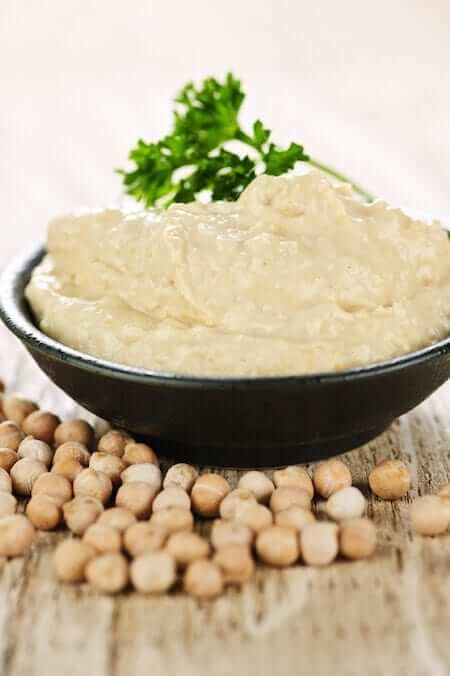
Hummus is a dip that can also be eaten as a spread. It is made with minimal ingredients that include chickpeas, lemon juice, garlic, olive oil, salt and tahini. Although these are the basic ingredients, cooks and hummus lovers have modified the recipe by adding red peppers, artichokes, spinach and other food products. Hummus can be served as a dip or as a sauce for sandwiches, pitas, wraps and many other meals of your choice.

What is Hummus’ Nutritional Benefit?

Hummus is made of natural ingredients that are sources of both protein and fiber. This makes the dip quite filling and healthy for your digestive system. In addition, it contains adequate amounts of vitamin B and folate. While vitamin B is best known for converting food eaten into energy, folate is valued for its ability to prevent a range of illnesses. Folate is highly recommended for pregnant women because it prevents fetal conditions.

To add to its impressive nutritional profile, hummus provides certain minerals as well. Among these minerals are magnesium and phosphorus. Both these minerals are essential for maintaining strong, functional muscle, bones and nerves. Other nutrients include iron and zinc, which are proven to improve immune and brain function.

What is Hummus’ Effect on Weight Loss?

Dieters should be cautious about the amount of hummus they consume. On one side, it contains protein and fiber, which makes you feel full faster and for longer. This means it can help you with appetite control. It also contains relatively low calories, with 4 tablespoons averaging at 100 calories.
On the other hand, hummus has a higher fat content. The fat is unsaturated, which is healthier. It is the sort of fat one finds in avocados, olive oil and nuts. However, be careful not to consume too much of this spread. The fat is still moderately high and can cause you to eat more calories than you expected.

What is Hummus’ Effect on Diabetes?

Millions of diabetics have already incorporated hummus as the go-to dip for snacks. Its carbohydrate content is very low and fiber acts as a gatekeeper for glucose. In other words, the small amount of carbs that hummus contains are released slowly into the bloodstream to prevent sugar spikes and dips.

How to Make Hummus at Home

hummus

Now that you know what hummus is, you can learn how to make it at home. One of the simplest ways to make it is to grab a cup of chickpeas, a few tablespoons of lemon juice and a clove of garlic. Add a pinch of salt, 2 tablespoons of olive oil, a tablespoon of tahini and throw all the ingredients into a processor. Adjust measurements according to preferred taste and experiment with other natural foods to enhance flavor.

So what is hummus? It is simply a delicious, all-natural dip and spread that you can eat with anything. It fills you up, keeps you full for longer and helps you keep a trim waistline. It is also a tasty source of minerals, vitamins and healthy fats.

What is the difference between feta cheese and goat cheese?

There is a common misconception that feta cheese is a type of goat cheese. This is not true. However, a closer look at the sources of the milk used to produce these cheeses shows why many can assume that. Feta cheese and goat cheese differ from composition right down to taste. Both are delicious and provide certain nutrients that are good for you.

difference-between-feta-cheese-and-goat-cheese

Difference between feta cheese and goat cheese:

 Types of Milk Used

The biggest difference between feta cheese and goat cheese lies in the type of milk. Feta cheese can be made entirely from sheep milk. In some instances, it can contain a small percentage of goat milk. If goat milk is used, it should not exceed 30% of the product. If more is used, the cheese cannot be categorized as feta anymore. Goat cheese, on the other hand, is made from 100% goat milk with no sheep milk whatsoever.

Types of Nutrients

Feta cheese is known to contain certain kinds of healthy bacteria that are capable of killing harmful bacteria called Listeria. Goat cheese is infamous for its high protein content. Goat cheese is higher in calories than feta, and contains more saturated fat. Feta ranks higher in cholesterol, sodium and carbohydrates. The differences in nutrients are not large but significant nonetheless.

Taste and Texture

Not all experts agree on the taste of cheeses. However, feta cheese is widely known for its tangy, salty and oftentimes bitter taste. The taste of goat cheese has been likened to cream cheese and is considered to be saltier than feta. It is also worth noting that goat cheese does develop a deeper flavor when it ages. In terms of texture, feta cheese tends to be chunky, while goat cheese takes on a crumbly or chalky feel.

Price Range

In past years, feta cheese was more readily available than goat cheese. This made it more affordable than its counterpart. Over the years, goat cheese became more accessible and its price has significantly decreased since. With prices of cheeses almost neck and neck, goat cheese is still more expensive than feta in many parts of the world.

The Healthier Choice

Choosing the healthier option between the two depends on the state of your health. If you are on a weight loss diet, you should consider eating feta over goat cheese. This is because 100 grams of goat cheese has around 100 calories more than feta cheese. It also has higher saturated fat content.

On the other hand, if you have heart conditions, it is advisable to opt for goat instead of feta cheese.

The cholesterol and sodium in feta can be problematic to your cardiovascular health when consumed in excess. Too much sodium can also have a negative imprint on blood pressure.

It is hard to say which cheese tastes better. The cheese you prefer depends entirely on your taste. Feta cheese is mostly used in Greek salads and French dishes because it complements dressings, sauces and greens. Goat cheese is most commonly used in heavier, savory meals because of its likeness to cream cheese.

There is a thin line between feta cheese and goat cheese. It is not uncommon to confuse them. This is because there are often traces of goat milk in feta. While both are equally flavorful, they differ in the types of nutrients and calories. When preparing meals with these cheeses, keep your health and fitness goals in mind.

What is a truffle?

Well-known as a delicacy for the wealthy, truffles are flavorful mushrooms that are commonly harvested in Europe, Asia and parts of Africa. They are a rare commodity that can be found on plates around the world. Difficult to grow and even harder to harvest, they require specialized care. Although they have long been considered a flavoring agent, research has discovered that eating truffles can potentially benefit your health.

what is truffle

What is a Truffle?

Although experts often argue about what a truffle is, it has formally been classified as a mushroom. It is notoriously challenging to harvest because it grows underground and emits a scent when it is ripe. There are human beings that are trained to detect this scent. However, merchants prefer to use sniffer dogs and pigs to help pick them out when they are ready for harvest.

Truffles come in different colors. The most commonly available types are black and white. Some truffles are categorized by their country of origin. That is why they are sometimes referred to as Italian, French, Chinese or African truffles. They have been certified as edible.

What is a Truffle Used For?

Truffles are valued by chefs for their ability to flavor dishes. Generally, the stronger their scent, the stronger the flavor is. They can be used as ingredients, added to side dishes or served as garnish. They can be sliced, grated or kept in the fridge for later use.

Because the aroma of truffles is very important, many cooks strive to preserve it. Unfortunately, the scent only lasts for a few days at the most, which is why they should be served as fresh as possible. Storing it for too long will eventually diminish the aroma and consequently, the flavor as well.

What is a Truffle’s Nutritional Benefit?

Truffles are surprisingly great sources of protein. This makes them an ideal protein alternative for vegetarians. They also have low carb content. Diabetics and dieters can safely add this food to their meal plans without causing fluctuations in blood sugar. It is important, however, to know the exact amount of carbohydrates in your truffle servings before eating.

These nutritious mushrooms are known to be free of cholesterol and low in fat. This is a big plus for those suffering from heart diseases. Too much cholesterol in your system can lead to artery blockages that cause heart attacks and strokes. By filling up on truffles, you might reduce your risk significantly.

What is a Truffle’s Advantage Over Normal Mushrooms?

Ordinary mushrooms do have nutritional value. However, they cannot provide the distinct flavor that truffles do. The reason truffles are not consumed as frequently as normal mushrooms are because they are hard to find. They can also be quite costly, ranging anywhere from $250 to $750 a pound. As the harvesting methods advance, some merchants are starting to sell them for cheaper.

If you didn’t know what a truffle is, you’ve been missing out on many of its nutritional and culinary benefits. It is a flavor-rich mushroom cultivated in certain parts of the world, and one that is quickly gaining popularity worldwide. A cholesterol-free source of protein, it is packed with essential nutrients that can improve your wellbeing.

  • Previous
  • Page 1
  • Interim pages omitted …
  • Page 9
  • Page 10
  • Page 11
  • Page 12
  • Page 13
  • Interim pages omitted …
  • Page 27
  • Next

sidebar

Welcome!

As a huge fan of Filipino food, it is my goal to teach people how to cook it using the simplest way possible. Prepare your taste buds for an ultimate showdown of delectable Filipino dishes! Read more…

Facebook
Instagram
Pinterest
YouTube

Reader Favorites

Chicken Adobo Panlasang Pinoy

Filipino Chicken Adobo Recipe

Leche Flan Recipe

kare kare beef tripe

Kare-Kare Recipe (Beef Tripe)

Pork Sinigang

Sinigang

Receive new recipes by email!


Seasonal

Beef Morcon Recipe

Arroz Valenciana

lechon belly roll recipe

Lechon Belly Roll

Christmas Macaroni Salad

How to Make Macaroni Salad for the Holidays

As Seen In:

good housekeeping
parents
serious eats
livestrong
kitchn
sheknows
Facebook
Instagram
Pinterest
YouTube
About
Meet Vanjo
New? Start Here
Browse Recipes
Explore
Ingredient 101
Philippines
Cooking Schools
Privacy Policy
Disclaimers
Contact
© 2026 Panlasang Pinoy
Site Credits
Designed by Melissa Rose Design Developed by Once Coupled
Back to Top
Back to Top