• Skip to primary navigation
  • Skip to main content
  • Skip to primary sidebar

Panlasang Pinoy

Your Top Source of Filipino Recipes

  • Start Here
  • All Recipes
    • Course
      • Breakfast
      • Lunch
      • Appetizers
      • Dessert
      • Dinner
    • Ingredient
      • Chicken
      • Pork
      • Beef
      • Turkey
      • Vegetable
      • Fish
      • Rice
      • Egg
      • Tofu
      • Noodles
    • Type
      • Adobo
      • Bread
      • Fried Chicken
      • Sinigang
      • Kilawin
      • Ginataan
      • Kaldereta
  • Cooking Schools
  • About
Facebook
Instagram
Pinterest
YouTube
Home Culinary Arts

Culinary Arts

What are Dumplings?

It is hard to provide a clear definition of what dumplings are. This is because there are so many varieties across the world. Essentially, they are cooked pieces of dough shaped into balls. You can enjoy them plain or with savory fillings. Whether you prefer sweet American or salty Chinese dumplings, these flexible foods can be prepared according to your taste.

What are Dumplings Made of?

The three basic ingredients in all dumplings are water, flour and salt. These ingredients are then combined to make dough. You can season the dough with any spices and herbs of your choice. Many cooks prefer to make dough and cook it in a meaty casserole or stew to give it flavor. Dumplings have a neutral taste, which makes it easy to manipulate the flavor to your liking.

What are Dumplings’ Nutritional Profile?

The nutritional profile of dumplings depends on the kind of flour you use. Generally, cooks use all-purpose flour. In Britain, using self-rising flour is common. The healthiest type of flour, however, is whole wheat. This is because it contains more fiber than any other. Fiber aids digestion and can fill you up better than white flour, which usually has simple carbohydrates.

What you serve dumplings with is also very important. If you prefer dumplings in stews and soups, add plenty of vegetables for vitamins and minerals. You can serve it with beef for iron, with chicken for protein or fish for omega fatty acids. Breakfast dumplings with eggs and cheese can also provide the selenium and calcium needed for healthy bones and muscle.

What are Dumplings’ Effect on Your Health?

Dumplings can be healthy if you choose whole wheat flour over white flour. White flour is discouraged because of its simple carbohydrates. These carbs are processed too quickly in the body and can make you hungry soon after a meal. Whole wheat often has complex carbs and fiber, which hold back hunger and reduces overeating.

The foods you serve dumplings with also determine the amount of nutrients you consume. Green vegetables, eggs and lean meats make nutritious, low-calorie fillings. You can serve dumplings alongside main dishes or make delicious fillings with the ingredients.

How to Make Dumplings

To make 12 dumplings, you will need:

  • 2 ½ cups flour (whole wheat preferred)
  • ¾ cup low-fat milk
  • 4 tbsp. oil
  • 4 tsp. baking powder
  • Water or broth as needed
  • Pinch of salt

Step 1:

Combine flour, milk, oil, baking powder and salt in a large bowl.

Step 2:

Heat enough water or broth to cover dumplings and bring it to the boil.

Step 3:

Use a large spoon to drop the dumpling mixture into boiling water or broth. Cook one spoon at a time for 10 minutes or until you insert a toothpick in the middle and it comes out clean. Serve with broth, soup, gravy or stew.

Dumplings can be whatever you want them to be. You can make them meaty, spicy, sweet or plain stuffed with fillings. They are quick to make, and only need a handful of ingredients. With wheat flour and healthy add-ons, they can be a nutritious meal you can prepare in minutes.

What is Garlic Butter?

If your food tastes a little bland, you can add flavor instantly with a bit of garlic butter. Many shy away from eating butter because of its bad cholesterol reputation. However, butter does have its qualities and when used moderately, can liven up your dishes. Learn how to make and use garlic butter in a way that is healthy and beneficial.

What is Garlic Butter Made of?

The recipe of garlic butter is simple and straightforward. It contains butter and garlic crushed and blended into a flavorful paste. Many cooks prefer to use unsalted butter to make garlic butter. Unsalted butter absorbs the flavor of garlic better and reacts well to herbs and spices like parsley and pepper. You can also add fresh peanuts to give garlic butter a nutty twist.

What is Garlic Butter Used For?

A lot of people like using garlic butter for cooking. Instead of melting butter and sautéing garlic separately, you can have both ingredients readily available. Another way to use garlic butter is to melt it and pour it over salads, meats and seafood dishes like scampi as a dressing. Garlic butter also makes a delicious bread spread, especially for Italian and French breads.

What is Garlic Butter’s Nutritional Value?

As soon as butter is mentioned, many people tend to think about bad, heart-clogging cholesterol. Although it is true that butter has saturated fats, it has its benefits too. Garlic butter contains a good amount of vitamins A, E and K. It also has healthy fatty acids that can destroy bad bacteria. Studies show that garlic butter is actually healthier than margarine.

What is Garlic Butter’s Effect on Your Health?

When eaten in moderation, garlic butter can have a few health benefits. The vitamins in butter, especially vitamin K, can prevent a range of diseases. Combined with an adequate calcium intake, vitamin K can strengthen and support your bones. Garlic butter is also one of the few food sources of Butyrate, a fatty acid that helps you feel full. When it comes to butter, moderation is key. Too much can raise your cholesterol and put you at risk of heart disease.

How to Make Garlic Butter

Fortunately, garlic butter can be easily made at home. All you need is:

  • 1 cup of unsalted butter
  • 1 tablespoon of minced garlic (use more or less according to your taste)
  • 1 tablespoon salt
  • ½ teaspoon black pepper
  • ½ teaspoon dried parsley (option)

Step 1:

Place butter in a bowl in a warm part of your kitchen to soften. Do not heat. Once soft, throw it in a blender/food processor for a smoother consistency.

Step 2:

Add garlic, salt, pepper and parsley. Combine thoroughly.

Step 3:

Pour into a bowl and cover tightly with cling wrap. Refrigerate until set.

Garlic butter is a tasty addition to any meal. It gives foods a creamy, rich texture and also offers essential nutrients. Whether you use it as dressing or a spread, its strong flavor can complement any dish.

Wisconsin Cooking Schools Training Programs

Wisconsin is a crock pot of many culinary influences. From German-inspired cuisine to Italian flavors, the state’s food culture is diverse and dynamic. With its fair share of top Wisconsin cooking schools and booming food industry, it is one of the best places for culinary students to learn, live and work. Regardless of which position you would like to occupy in the food service industry, you can find great programs that provide excellent training and an exciting learning experience.

Finding a Culinary School in Wisconsin

From universities to technical colleges, there are many Wisconsin cooking schools that offer the programs you need. Define which skills will be valuable in your field and search for courses that meet those needs. Some schools offer bachelor and associate degrees, which are beneficial if you need a broader curriculum. Other institutions offer certificate programs and workshops, which focus on teaching you fundamental culinary skills within a short period of time.

It is important to check if the school you’re interested in can provide the resources needed for culinary training. Institutions, regardless of your level of study, should have:

  • Student-run facilities and equipped kitchens for practical work
  • Instructors who are also professionals in their fields
  • Internships and apprenticeship opportunities you can apply to while studying
  • Career counseling to help you define your goals
  • Job placement help from the institution

Wisconsin Local Scene and Cuisine

To make the most of your education, you should enquire about and participate in local culture. Students can learn much in this state’s local food scene and learn skills that will complement their training. By tasting local dishes, taking note of influences, meeting chefs and networking, students can find out more about the job market they are going to be part of in future.

Wisconsin is famous for its culinary diversity. The state is an important producer of dairy products and local chefs are not shy to include game and fresh fish in their dishes. It also has a string of ethnic restaurants where students can sample traditional German, Italian, Polish and Norwegian cuisine. With a local food community that has so much to offer, there are many learning opportunities for aspiring chefs.

Job Opportunities in Wisconsin

After completing your training at Wisconsin cooking schools, you will be qualified to work in the state’s thriving market. Cities like Milwaukee, Green Bay and Madison are homes to many restaurants and hospitality businesses. This means there is no shortage of work and new graduates can use them as a launching pad for their careers.

Wisconsin also hosts a number of events that give new chefs an opportunity to display their culinary skills. Local festivals are great places to network and meet potential employers. Use them to make contacts and access inside information from important industry players. Events include:

  • The Morel Mushroom Festival
  • U.S Championship Cheese Contest
  • Food for Thought Festival
  • The Warrens Cranberry Festival

Best Wisconsin Cooking Schools

Wisconsin cooking schools range from state universities to technical institutions. Review the programs offered to see which suit your career goals best.

  • University of Wisconsin Stout
  • Bryant and Stratton College
  • Wisconsin Technical College
  • Blackhawk Technical College
  • Lakeland College
  • Madison Area Technical College
  • Northeast Wisconsin Technical College
  • Southwest Wisconsin Technical College
  • Viterbo College in La Crosse

What is Truffle Oil?

Truffle oil was once considered an exotic ingredient and used mainly by professional chefs. Today, it has become a common item in kitchens worldwide and comes in several varieties. Truffle oil comes highly recommended because it adds flavor and a great aroma to meals. It is also one of the healthier oils on the market today.

What is Truffle Oil Made of?

Truffle oil is essentially oil that has been infused with the taste and smell of truffles. Truffles are natural growths that are found mostly near trees. They are fungi which bear resemblance to mushrooms. Because they are difficult to harvest, pigs and trained dogs are used to find them. There are many kinds of truffles and therefore many types of truffle oils.

The most popular kinds of truffle oils are black, white, burgundy, garlic and Hungarian. Black truffle oil is made from French black truffles, a popular item on most 5-star eateries. White truffle oil is sourced from Italian truffles, which are known for having a taste and scent similar to garlic. Burgundy truffle oil gives food a cornmeal flavor, while Hungarian truffle oil is much sweeter in taste.

What is Truffle Oil Used For?

Cooks use truffle oil to inject some flavor into mild-tasting foods. You can also use this oil as dressings for salads, fish, scampi, meats, pastas and pizzas. Combine truffle oil with a little olive oil, mustard, vinegar and lemon juice to make vinaigrette. Truffle oil can bring out the flavor of truffles, and goes well with eggs, mushrooms and baked potato chips. It is often sprinkled on tender meats like fillet mignon that are sensitive to seasoning.

What is Truffle Oil’s Nutritional Value?

Truffle oil is believed to be healthier because it is based on olive oil. Olive oil is perhaps the healthiest cooking oil you can eat because it contains heart-friendly, unsaturated fats. Genuine truffle oil is also cold-pressed, which means it is not treated with potentially harmful chemicals.

Although truffles are primarily used to infuse flavor and scent into the oil, they too leave traces of important nutrients. Truffles are high in fiber, protein, amino acids and iron to name a few. Be aware that not all oils are made with real truffles. For maximum nutrients, purchase genuine truffle oil from reputable vendors.

What is Truffle Oil’s Effect on Your Health?

In addition to giving dishes a flavor boost, genuine truffle oil is healthy for your heart. Unsaturated fats can reduce cholesterol and delay the onset of cardiovascular conditions. Truffle oil also has very few calories and can keep blood sugar even for diabetes patients.

How to Make Truffle Oil

Experts recommend that you purchase truffle oil instead of making it at home. This is because homemade oil can develop botulism. Botulism is bacterial growth that is caused by lids and jars that have not been sterilized correctly.

Truffle oil has been a chef favorite for many years. It adds rich flavor and a pleasant aroma to any dish. When served with truffles, it can provide an assortment of vitamins and minerals. Opt for genuine truffle oil from a trusted vendor.

South Carolina Cooking Schools for Aspiring Chefs and Cooks

It might not be the first state you think of when it comes to culinary training, but South Carolina cooking schools are a great choice for anyone looking to work in the food industry. Not only are there world-class institutions, students also get to expand their skills at local events and competitions. A state known for its tasty grits and shrimp, South Carolina is becoming a hotspot for culinary fans.

Finding a Cooking School in South Carolina

Students have a choice to study at various South Carolina cooking schools. Whether you need an extensive degree or a quick kitchen course, these schools offer accredited, quality education. Before you fill in any application forms, be sure that the chosen school has the resources you need. Resources include well-equipped kitchens, student-run eateries, job placement services, internships and apprenticeships.

It is highly advisable for students to also read through the curriculum to see if subjects are relevant to career goals. While some schools offer short courses in kitchen work, meat cutting and food service, others have a broader curriculum. University and college degrees often include baking and pastry, professional cooking, nutrition and hospitality management in their subjects.

South Carolina Local Scene and Cuisine

Your learning experience should not be limited to the classroom. Go out and explore local cuisines and taste regional dishes to expand your tastes and knowledge. If you can, study local chefs and their careers, and make an effort to network with them. Local events also offer plenty of competitions and showcasing opportunities to show off your culinary skills. Events popular in South Carolina include:

  • Lowcounty Oyster Festival
  • Charleston Food and Wine Festival
  • International Food and Wine Festival
  • Hotel, Motel and Restaurant Supply Show

Job Opportunities in South Carolina

Your education from South Carolina cooking schools combined with external work experience can catapult you into your career once you finish your studies. If you would like to enter the job market sooner, short courses are the best choice. However, short courses means that training might be limited to basic skills. This is why you should actively search for internships, externships and apprenticeships early on to improve your chances of getting a good job.

Bachelor and associate degrees generally give students an advantage. This is because they cover more culinary disciplines. Students should nonetheless seek every opportunity to gain practical experience. While theoretical knowledge is valuable, the ability to perform in the kitchen is crucial to career success.

Your chances of employment can be further improved by being a part of associations like the American Culinary Federation. As a member of these influential networks, you can monitor employment trends and have access to information about upcoming vacancies.

Best South Carolina Cooking Schools

  • The Culinary Institute of Charleston
  • The Art Institute of Charleston – International Culinary School
  • College of Charleston
  • Greenville Technical College
  • Horry-Georgetown Technical College
  • South Carolina State University
  • Bob Jones University
  • Clemson University

What is Filet Mignon?

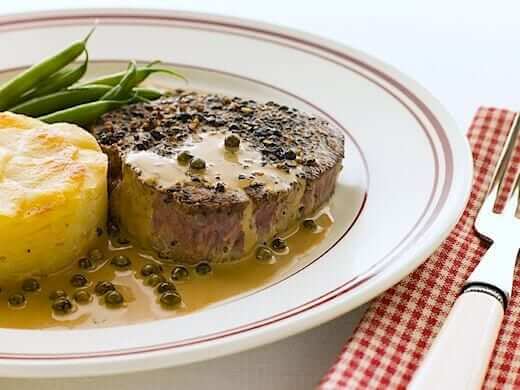
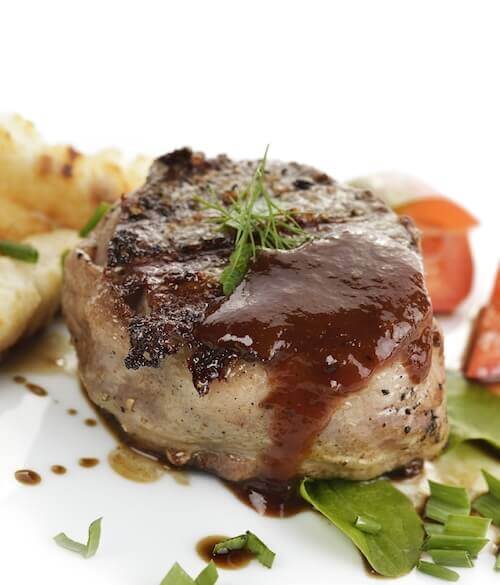
You’ve probably heard it being mentioned on cooking shows and by Michelin star chefs and thought “what is filet mignon”? Filet mignon is an extremely tender piece of beef. It is this tenderness that makes it the most sought after piece of steak in the world. Cooking filet mignon at home is very simple, as it does not require much seasoning or complicated technique.

how-to-cook-filet-mignon

What is Filet Mignon Cut From?

Steak cuts come from various sections of a cow’s body. Some cuts are tougher because the muscles in those areas are often exercised during the life of the cow. Others are tender because they are not. Filet mignon is cut from the tenderloin, which is the tenderest part of the tender section. The reason it is expensive is because this tender section is quite small and because of its texture compared to other steak cuts.

What is Filet Mignon’s Nutritional Profile?

Filet mignon’s texture is as good as its nutrient content. This tender steak is high in protein, providing 22 grams of protein per 3 ounces. This makes up almost half the protein men and women need every day. Another great nutrient in filet mignon is iron. Iron oxygenates your blood which gives you more energy and other positive health effects.

Other minerals and vitamins found in red meat are potassium, magnesium, phosphorus; and B vitamins. These nutrients perform many good functions in the body, from preventing heart disease to improve brain signal transmission. Filet mignon, however, contains more saturated fats than any other meat.

What is Filet Mignon’s Effect on Your Health?

If you frequently suffer from heart and blood diseases, getting hold of this steak cut can help you reduce symptoms with help from iron. Iron is also beneficial if you are often fatigued. The high protein content is good for people with an active lifestyle and those trying to lose weight. Protein maintains muscles and can help you gain control over your appetite.

How to Cook Filet Mignon

The best way to prepare filet mignon is the same technique you should use with other steak cuts. The exception is, of course, seasoning. Filet mignon can fall apart if you add unnecessary spices to it. Therefore, it is advisable to stick to salt and pepper.

Step 1:

Take your filet mignon out of the freezer and let it sit in room temperature for half an hour before cooking. This is also the best time to season it too.

Step 2:

Heat 1-2 tablespoons of oil in a pan on high heat and cook both sides of the steak until you get a crusty outer layer. This should take 3-4 minutes on each side.

Step 3:

Place the seared filet mignon on a baking tray and bake at 450 F. Do not cut the meat to test for doneness. Instead, watch how red it is in the center. If juices are floating on top, it’s rare. If it’s red in the center but has no juice, it’s medium. Well done steak should have a uniform brown color all over.

Filet mignon is more than just a succulent, pricy piece of steak. It is also full of minerals and vitamins that are beneficial for your body. Practice cooking steak with lower grade pieces of beef first before you try preparing filet mignon. Serve with vegetables, baked potatoes, salsa verde and other healthy, low-calorie sides.

what-is-filet-mignon


Learn the Culinary Arts at Utah Cooking Schools

A tourist state with a taste for new flavors, Utah is one of the best culinary training centers in the country. Aspiring chefs and food industry workers can look forward to receiving high quality education and training from Utah cooking schools. Programs are administered by qualified instructors, kitchens are equipped with state-of-the-art facilities, and students can learn rare skills from the robust local food scene.

Finding a Cooking School in Utah

As a culinary student, you have to give priority to those Utah cooking schools that combine classroom teaching with practical training. Schools should ideally cover theoretical subjects like hospitality management, nutrition, food safety and sanitation. In addition, practical training in kitchen facilities or student-run restaurants should be included in the curriculum.

There are a few differences to note between degrees and certificates and/or diplomas. While the duration of degrees is longer, they provide more extensive knowledge of various disciplines. Certificates and diplomas are shorter programs that focus on teaching technical kitchen skills. Degrees are usually seen as more valuable to recruiters, but certificates give students an early start.

Whichever school you believe is best for your culinary career goals, it should have these necessary resources:

  • Kitchen facilities and student-run eateries
  • Theoretical coursework on sanitation and safety
  • Internship/apprenticeship/job placement opportunities
  • Professional cooking instructors

Utah Local Scene and Cuisine

It is up to students to enhance their own education by taking part in the local food community. Utah has the advantage of being a tourist state, which gives chefs the opportunity to play with different flavors and create interesting dishes. Get a taste of local cuisine and introduce yourself to chefs as often as possible to get in touch with your future employers.

It will also help your career to become a member of these industry associations:

  • The American Culinary Federation in Salt Lake City
  • The Utah Restaurant Association
  • The Research Chefs Association in Rocky Mountain

Job Opportunities in Utah

Getting your training at Utah cooking schools is only half the learning experience. By being involved in the local food community, joining associations and seizing opportunities to practice, you increase employment probabilities. Given that the average sous chef earns $35 000 in Utah, you should aim to excel in your studies to land a good paying job.

The most culinary work opportunities are in cities like Salt Lake City, St. George and Logan. These cities have many hospitality and tourism establishments looking to hire qualified graduates. Alternatively, you can try job-hunting in Sundance and Park City. Although they are not as large as the other cities, they have a steady flow of visitors each year. You can find and apply to the businesses that benefit from human traffic brought by tourism.

Best Utah Cooking Schools

  • Art Institute of Salt Lake City – International Culinary School
  • Utah State University
  • Utah Valley University
  • Salt Lake Community College
  • Utah College of Applied Technology
  • Bridgerland Applied Technology College
  • Brigham Young University

What is a quiche?

A quiche is one of the most featured foods in cookbooks and restaurant menus around the world. It is a hearty, rich dish that can be made in many different ways. Easy to prepare and very filling, you can make one effortlessly at home with a few of your favorite ingredients. Whether you’re vegetarian or a meat lover, you can make quiche according to your taste and health preferences.

what-is-a-quiche

What is Quiche Made From?

Traditionally, quiche is made from eggs, bacon and cheese with a pastry crust. You can use ham, salmon or chicken instead of bacon, and substitute regular cheese with feta or Swiss cheese for a tangier taste. Vegetarians can replace meaty products with nutritious vegetables like broccoli, carrots, onions and mushrooms. If you prefer to make a low-calorie quiche, consider making your own pastry, using low-fat milk and reducing the amount of cheese.

What is Quiche Used For?

Quiche is a great main dish and can be satisfying alone. Because it tends to be high in calories, it is best not to add any more with side dishes. Many prefer to have quiche for brunch or lunch, but you can serve it for supper if you prefer. Quiche is usually cut into slices and eaten like a cake. This is a good way to manage your calorie intake as well.

What is Quiche’s effect on Health?

Given the ingredients that go into this dish, its high caloric content is not surprising. The average calorie count for one slice can contain 300-450 calories, depending on the ingredients you use. For healthier versions, it is advisable to use green vegetables and chicken.

Nutrient-wise, quiche is loaded with protein. This means that you can feel full with just 1-2 slices of the dish. Eggs also contain vitamins A, B and C, which perform everything from disease-prevention to improving your vision. Eggs also provide the body with choline and potassium, minerals necessary to brain activity and nerve function. Cheese is a healthy source of calcium for strong bones and teeth.

How to Make Quiche

Quiche Lorraine is one of the more traditional types of quiche. If you’ve never made it before, you can follow this recipe to start. You will need:

  • 2 sheets of shortcut pastry
  • 1 tbsp of cooking oil (olive oil is best)
  • 1 medium onion, chopped
  • 4 strips of bacon
  • 1 cup feta, Swiss or cheddar cheese, grated
  • 3 medium eggs
  • 1 tps whole wheat flour
  • ½ cup low-fat or skim milk
  • ½ cup cream

Step 1:

Lightly grease a flan pan and line it with sheets of pastry. Bake in a preheated oven at 200 degrees until pastry is golden. Remove from oven and set aside.

Step 2:

Heat oil in a pan and fry onions and bacon for 2-3 minutes. Remove from heat, drain the oil on paper towels and add ingredients to pastry. Sprinkle cheese on top.

Step 3:

Mix eggs, flour, milk, cream and a pinch of salt in a separate bowl and pour the mixture into the pastry. Bake at 180 degrees for half an hour or until quiche is set.

Ham and Cheese Quiche is also a great recipe that you must try.

What is Tapioca?

Tapioca is a well-known starch that is taken from a plant called cassava. Because of its chewy, gel-like consistency, it can be used in many recipes as a substitute for gluten. The cassava plant is widely consumed only in Africa and South America, while the rest of the world uses this plant exclusively for its starch. Learn about some of its characteristics and how you can use it to make tasty dishes.

What is Tapioca Made From?

As mentioned earlier, tapioca is a product of cassava. This starch is extracted from the cassava plant and used as a cooking agent. When soaked with other fluids, it becomes a gel capable of thickening a wide range of foods. Many professional cooks prefer this starch because it can retain its gel-like structure for much longer than corn starch. It can also be frozen, which makes it easy to store for future use.

What is Tapioca Used for?

From burger patties to candy, tapioca can be used to thicken almost any food. Bakers can use it to prevent dough from becoming soggy, as well as to give desserts a rich, thick texture. It is also not uncommon to find it as a listed ingredient on soup packets, flour and even meat products. Other common uses include desserts like boba tea, tapioca pudding and gummy sweets.

If you are on a gluten-free diet, cooking with tapioca is beneficial. It acts like gluten and even shares the same neutral taste, but without the effects.

What is Tapioca’s Effect on Your Health?

Since it is a starch, it means that it is a pure carbohydrate. It does not contain any fat or protein at all. Unfortunately, it is quite high in calories, with one cup containing 500 calories. You therefore need to watch the quantity you use in your dishes. If you’re counting calories, add those of the tapioca as well. If you enjoy foods made with tapioca, eat in strict moderation to avoid weight gain and erratic blood sugar levels.

Tapioca Storage and Use

Tapioca is available in different forms from your local food store. More often than not, you’ll find it in pearl form, which is great for desserts. You can also purchase tapioca flour or powder that you can use in soups and your favorite sauce recipes. Alternatively, you can buy the flakes. The type of tapioca you purchase will depend on what your recipe calls for.

Many people prefer to freeze tapioca in order to extend its life. However, this starch can be stored dry as long as it is tightly sealed. One of the big benefits of tapioca has over other starches is that it stays a gel for a long time. This means you can freeze and thaw it repeatedly without compromising its structure.

Tapioca can be a great product to have in your kitchen, especially if you are intolerant to gluten. It can be used to thicken almost anything and has a very long shelf life. Whether you’re diabetic or simply watching your weight, use this starch in moderation.

Culinary Training Programs at South Dakota Cooking Schools

To most people, South Dakota is a hotspot for thrill seekers. It is home to the country’s biggest tourist destinations like the Grand Canyon and Mount Rushmore. This state attracts thousands of visitors, from bikers to curious geologists. With so much traffic going in and out of the state, culinary students have a diverse audience to cook for. If you’ve always wanted to become a chef or work in the food industry, there are great South Dakota cooking schools that can jump start your career.

Finding a Cooking School in South Dakota

Although the state is not flooded with culinary schools, it does boast a few that can provide exceptional training. The most prominent South Dakota cooking schools are universities, which offer comprehensive programs. You can enroll for a 4-year bachelor or 2-year associate degrees. The benefit of degrees is that you are educated on a variety of subjects, including nutrition, food technology and hospitality management.

On the other hand, if you cannot afford to earn a degree financially or time-wise, you can always apply for a more technical program. Technical skill programs are shorter and can equip you with the kitchen skills you need to start working in months. Students can train in various areas, like sanitation, food service and food preparation.

Regardless of the South Dakota cooking schools you choose, ensure that they have necessary facilities to propel your career. Good schools often have job placement services, ongoing career support and kitchen facilities where you can sharpen your culinary skills.

South Dakota Local Scene and Cuisine

South Dakota does not have a set preference for specific cuisines and tastes. This is an advantage for culinary students, because it allows you to create and experiment with dishes. Whether you are a meat enthusiast or love working with fresh ingredients, aspiring chefs are free to set their own trends and test them on an eager, adventurous audience.

To improve your odds of landing a great position, make time to meet the local chefs and restaurant owners in as many establishments as possible. You should also aim to attend the food festivals and take part in local cooking contests. Local events and festivals include:

  • The Festival of Nations
  • The Taste of Brookings

Job Opportunities in South Dakota

In addition to education, hands-on experience is valuable to employers in this state. This is why you should take advantage of any externships, internships, volunteer jobs, contests and apprenticeships offers at South Dakota cooking schools. It is also wise to join the American Culinary Federation, which provides information and resources to new graduates.

The best place to look for culinary employment opportunities is in the larger cities of the state. Not only do these cities invite travelling visitors, but they are also populated by local residents. Restaurants, hotels, casinos and other hospitality establishments in these areas have a solid customer base and steady job opportunities.

Best South Dakota Cooking Schools

  • National American University: combines culinary programs with business training
  • Black Hills State University
  • South Dakota State University in Brookings
  • Sinte Gleska University
  • Mitchell Technical Institute: offers a variety of qualification including degrees, certificates, diplomas and short courses
  • Previous
  • Page 1
  • Interim pages omitted …
  • Page 7
  • Page 8
  • Page 9
  • Page 10
  • Page 11
  • Interim pages omitted …
  • Page 27
  • Next

sidebar

Welcome!

As a huge fan of Filipino food, it is my goal to teach people how to cook it using the simplest way possible. Prepare your taste buds for an ultimate showdown of delectable Filipino dishes! Read more…

Facebook
Instagram
Pinterest
YouTube

Reader Favorites

Chicken Adobo Panlasang Pinoy

Filipino Chicken Adobo Recipe

Leche Flan Recipe

kare kare beef tripe

Kare-Kare Recipe (Beef Tripe)

Pork Sinigang

Sinigang

Receive new recipes by email!


Seasonal

Beef Morcon Recipe

Arroz Valenciana

lechon belly roll recipe

Lechon Belly Roll

Christmas Macaroni Salad

How to Make Macaroni Salad for the Holidays

As Seen In:

good housekeeping
parents
serious eats
livestrong
kitchn
sheknows
Facebook
Instagram
Pinterest
YouTube
About
Meet Vanjo
New? Start Here
Browse Recipes
Explore
Ingredient 101
Philippines
Cooking Schools
Privacy Policy
Disclaimers
Contact
© 2026 Panlasang Pinoy
Site Credits
Designed by Melissa Rose Design Developed by Once Coupled
Back to Top
Back to Top