• Skip to primary navigation
  • Skip to main content
  • Skip to primary sidebar

Panlasang Pinoy

Your Top Source of Filipino Recipes

  • Start Here
  • All Recipes
    • Course
      • Breakfast
      • Lunch
      • Appetizers
      • Dessert
      • Dinner
    • Ingredient
      • Chicken
      • Pork
      • Beef
      • Turkey
      • Vegetable
      • Fish
      • Rice
      • Egg
      • Tofu
      • Noodles
    • Type
      • Adobo
      • Bread
      • Fried Chicken
      • Sinigang
      • Kilawin
      • Ginataan
      • Kaldereta
  • Cooking Schools
  • About Panlasang Pinoy
Facebook
Instagram
Pinterest
YouTube
Home Culinary Arts

Culinary Arts

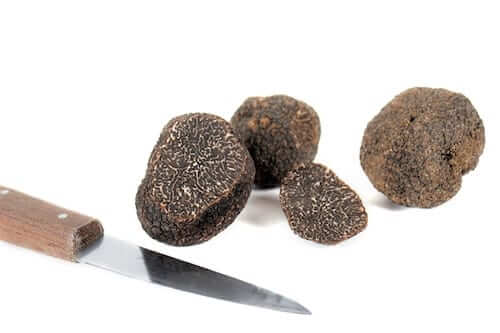
What is a truffle?

Well-known as a delicacy for the wealthy, truffles are flavorful mushrooms that are commonly harvested in Europe, Asia and parts of Africa. They are a rare commodity that can be found on plates around the world. Difficult to grow and even harder to harvest, they require specialized care. Although they have long been considered a flavoring agent, research has discovered that eating truffles can potentially benefit your health.

what is truffle

What is a Truffle?

Although experts often argue about what a truffle is, it has formally been classified as a mushroom. It is notoriously challenging to harvest because it grows underground and emits a scent when it is ripe. There are human beings that are trained to detect this scent. However, merchants prefer to use sniffer dogs and pigs to help pick them out when they are ready for harvest.

Truffles come in different colors. The most commonly available types are black and white. Some truffles are categorized by their country of origin. That is why they are sometimes referred to as Italian, French, Chinese or African truffles. They have been certified as edible.

What is a Truffle Used For?

Truffles are valued by chefs for their ability to flavor dishes. Generally, the stronger their scent, the stronger the flavor is. They can be used as ingredients, added to side dishes or served as garnish. They can be sliced, grated or kept in the fridge for later use.

Because the aroma of truffles is very important, many cooks strive to preserve it. Unfortunately, the scent only lasts for a few days at the most, which is why they should be served as fresh as possible. Storing it for too long will eventually diminish the aroma and consequently, the flavor as well.

What is a Truffle’s Nutritional Benefit?

Truffles are surprisingly great sources of protein. This makes them an ideal protein alternative for vegetarians. They also have low carb content. Diabetics and dieters can safely add this food to their meal plans without causing fluctuations in blood sugar. It is important, however, to know the exact amount of carbohydrates in your truffle servings before eating.

These nutritious mushrooms are known to be free of cholesterol and low in fat. This is a big plus for those suffering from heart diseases. Too much cholesterol in your system can lead to artery blockages that cause heart attacks and strokes. By filling up on truffles, you might reduce your risk significantly.

What is a Truffle’s Advantage Over Normal Mushrooms?

Ordinary mushrooms do have nutritional value. However, they cannot provide the distinct flavor that truffles do. The reason truffles are not consumed as frequently as normal mushrooms are because they are hard to find. They can also be quite costly, ranging anywhere from $250 to $750 a pound. As the harvesting methods advance, some merchants are starting to sell them for cheaper.

If you didn’t know what a truffle is, you’ve been missing out on many of its nutritional and culinary benefits. It is a flavor-rich mushroom cultivated in certain parts of the world, and one that is quickly gaining popularity worldwide. A cholesterol-free source of protein, it is packed with essential nutrients that can improve your wellbeing.

Sous Chef Job Description

The sous chef job description is a lengthy one. This is because sous chefs are second to the executive or head chef. Second in command, they are required to oversee almost every aspect of a commercial kitchen. Being a sous chef is a privileged position. Not only do you learn directly from the highest authority, you also have the opportunity to lead and train juniors as well.

What is the Sous Chef Job Description?

The sous chef job description can be divided in two: assisting the head chef and leading junior staff. As the French term “sous” implies, this chef works under the head chef. He or she acts as an assistant, charged with tasks the head chef needs help with. Duties can include creating reports, adding creative input to the menu, managing inventory, and of course, cooking.

The leadership part of the sous chef job description involves training other staff members and enforcing discipline. Sous chefs are also responsible for making sure cleanliness and food safety regulations are adhered to. Some employers require sous chef to work out schedules for employees, and even produce programs that provide staff incentives. Between daily admin duties and supervising staff, the sous chef is definitely a valuable member of personnel in the kitchen.

Sous Chef Education and Training

Because the sous chef must have superior cooking ability, he or she needs to receive training in a variety of cuisines. Theoretical knowledge combined with practical experience is required to qualify for the position. It is important to note that it is very rare for a new graduate to land this job. Chefs usually have to acquire years of experience before being promoted to sous position.

Culinary courses are offered by many institutes, hospitality schools and colleges. To boost career prospects, it is advisable to enroll at an accredited institution. Whichever school you prefer, take time to research its curriculum and more importantly, its reputation with employers. Although it can be difficult to get into the top 10 culinary schools in the world, you can still earn a good qualification from a reputable, local one.

Career Prospects for Sous Chefs

You can tell from the sous chef job description that they play a pivotal role in the kitchen. This is why many chefs of this caliber earn more than their counterparts. Salaries, as well as the sous chef job description, vary greatly from employer to employer. Establishments in need of sous chefs include restaurants, casinos, hotels and cruise ships.

One of the biggest benefits of being a sous chef is having the opportunity to become executive chef. Many sous chefs end up taking over the position of head chef. This, however, is not guaranteed. It is through a display of leadership, cooking and managerial skills that promotions are granted. To increase chances of success, try to stay abreast with cooking methods and trends to stay innovate and relevant.

Commercial kitchens around the world offer great positions for experienced cooks looking to become sous chefs. While the sous chef job description is demanding, it can be just as rewarding. Working under the executive chef is an ideal opportunity to learn from the best and prepare to head your own kitchen in future. It is also a chance to hone leadership skills and pass on expertise to the next generation of chefs.

How long do you bake salmon?

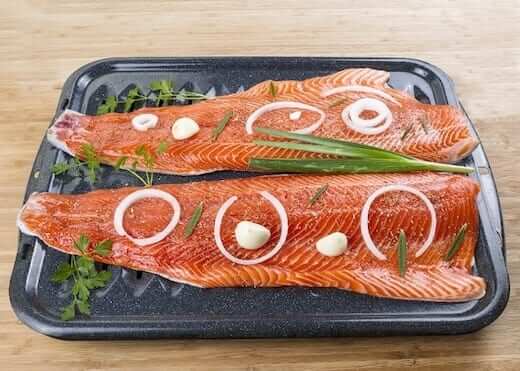
When cooked properly, salmon can be richly nutritious and delicious. It is available in different types, cuts and sizes. It can be cooked in several ways, but baking tends to be simpler and quicker. Because it is such a delicate fish, it’s easy to overcook it. So, how long do you bake salmon?

How-long-do-you-bake-salmon

Identify the Type of Salmon

Salmon is bred and stored in different ways. It can either be wild or farmed, fresh or frozen. The size and thickness of the fish also matters. Smaller salmon pieces cook much faster than larger ones. Thick fillets also tend to cook longer than thinner pieces.

If you want to know how long to bake salmon, consider the size and thickness. Generally, salmon an inch thick can take about 10 minutes to bake. If it is two inches thick, leave it in the oven for 20 minutes. In other words, add 10 minutes to each inch. Monitor salmon frequently. When its color changes to an opaque pink, it is ready.

How Long Do You Bake Salmon In Paper?

You have the option of wrapping salmon in parchment paper before cooking it. Covering fish is advantageous because it prevents it from drying out. Baking salmon with paper allows you to slip in herbs, lemons and other kinds of seasoning. It also keeps the fish intact and is easy to clean. You can follow the 1-inch-10-minutes rule until the flesh is pink and a little flaky.

How Long Do You Bake Salmon In A Dish?

If you prefer to bake salmon in an oven-proof dish, keep in mind that it might take longer. How long to bake salmon depends on what you add to the dish and the heat settings you choose. While some cooks prefer covering salmon with fluids like orange and lemon juice, others bake it bare. If you are adding juices, give the salmon 20 to 30 minutes to cook. Because thinner, smaller pieces cook quickly, check it in 10-minute intervals to be safe.

How Long Do You Bake Salmon With Vegetables?

Baking salmon fillets with vegetables is a popular method. It can, however, be a little tricky because you are cooking both fish and veggies. The best way is to precook your vegetables and place them together with the salmon in foil. Moisturize them with olive oil, wine or lemon juice, and close the packet to trap steam inside. It should be ready when fish flakes at the touch of a fork, which normally takes 30 minutes.

Tips and Precautions

When you consider how long to bake salmon, keep in mind the container you use and the moisture you want to add. Dashing the fish with olive oil, juice or wine gives salmon a great flavor. However, if you overdo it, it will increase your chances of overcooking it. Although salmon usually cooks well in temperatures between 350 and 450 degrees, follow instructions given in the recipe.

How long you bake salmon depends on several factors. Firstly, the smaller the fish, the faster it will cook. Secondly, uncovered fish tends to bake slower than salmon wrapped in paper or foil. Thirdly, the moisture you add to fish not only adds flavor, but it can also accelerate the cooking process. Monitor your salmon regularly so you can enjoy perfectly baked salmon every time.

More buttermilk substitute suggestions

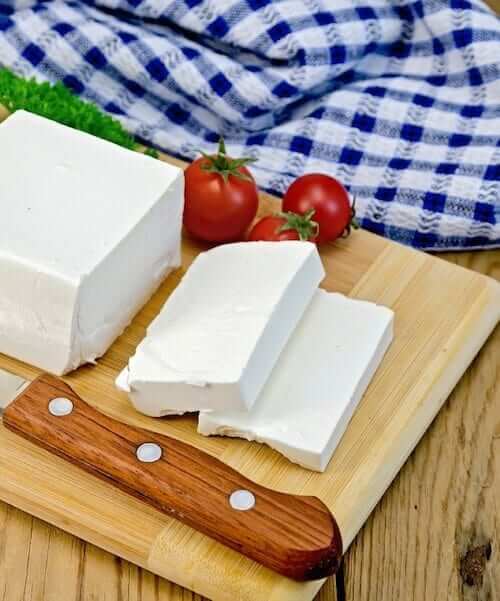
Finding a great buttermilk substitute has been the headache of casual and professional cooks alike. Because buttermilk can sometimes be challenging to find and store, it is wise to learn how to create a replacement that can match its texture and flavor. With just two or three ingredients, you can make a worthy buttermilk substitute to help you prepare your dishes.

more-buttermilk-substitute

What is Buttermilk?

Buttermilk is flavorful, rich by-product of churned butter. Sweet buttermilk is the most frequently found product in stores. However, it can also be sour in taste. The flavor depends on the butter that was churned. While people living in the countryside usually have easy access to it, city residents are not so lucky. Fortunately, there are a few simple but effective buttermilk substitute recipes to try.

Why is Buttermilk Preferred?

This sweet or sour product is included in many recipes for several reasons. It is processed to the point where it produces lactic acid. Lactic acid allows buttermilk to soften meat and therefore tenderize it. Cooks like its effect particularly on tougher meats like beef, mutton and goat. Bakers also prefer buttermilk because it reacts well with baking ingredients. The result is lighter and crispier cookies, breads and treats. It also gives cakes and cornbread a moist, rich texture.

How to Make a Buttermilk Substitute

It is true that buttermilk can be made from all types of milk. However, it is important to choose the right kind of milk and curdling agent to create a replacement that is just as rich and tasty. The factors you should always keep in mind when making a buttermilk substitute are texture, acidity and fat content.

The rich texture of buttermilk can be replicated by using whole milk. However, if you are watching your calorie intake, it is better to use whey or skim milk instead. In fact, skim milk is preferred by many because it is low in fat, and can produce the consistency similar to buttermilk. Curdling the milk only requires an acidic agent, which is not hard to find.

Recipes for Buttermilk Substitute

buttermilk-substitute

Making a suitable replacement for buttermilk is simple and quick. It can be produced using products you already have in your kitchen.

Milk and Lemon Juice:

With this method, all you have to do is add a tablespoon of lemon juice to every cup of milk. Sit the mixture aside for 5 to 10 minutes to allow it to curdle.

Milk and Sour Cream:

Sour cream makes a great acidifying agent. Blend it together with your choice of milk until you achieve the same consistency as buttermilk. To lower fat content, opt for low-fat sour cream.

Milk and White Vinegar:

White vinegar has the same effect on milk as lemon juice does. You can use it to create a rich buttermilk substitute by letting it settle for 5 to 10 minutes as well.

Milk and Yoghurt:

The yoghurt used here should be plain and not sweetened in any way. The good bacteria in plain yoghurt are essential to achieve buttermilk taste and texture. Mix two tablespoons with your whole, skim or whey milk.

Although buttermilk has a unique taste, consistency and texture, its properties can be recreated with a buttermilk substitute. Whether you prefer whole or whey milk, lemon juice or yoghurt, a replacement can be made in your kitchen in less than 10 minutes. Once it’s curdled, you can enjoy tender meats and crispy treats in no time.

What are the different steak cuts?

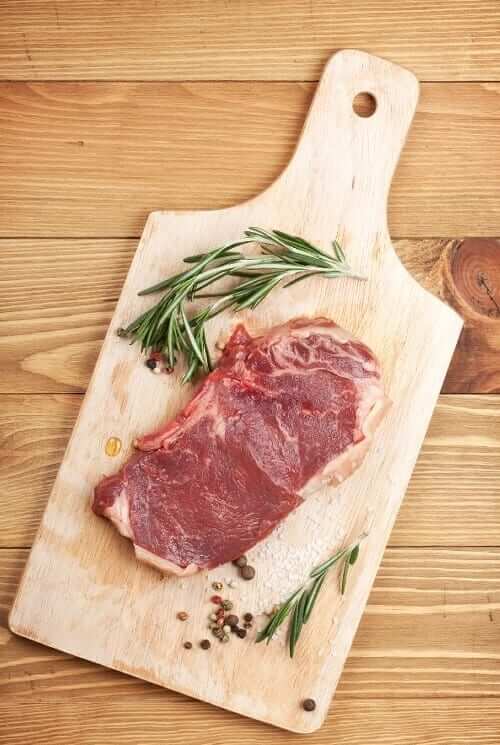
From barbeques to gourmet meals, beef is served daily on millions of dinner tables worldwide. Although it is widely consumed, only a few know the different steak cuts that affect its tenderness, flavor and price. Steak cuts refer to the part of the cow where meat comes from. While some are extremely tender, others can be tougher but more flavorful. Knowing the cuts and grades of meat can help you prepare delicious meals.

steak-cuts

Terms You Should Know

The first step to understanding steak cuts is to be familiar with common terms used. The grade of beef, for instance, is a term used to describe the quality of meat. Beef can be premier, choice or select. Premier steak refers to the highest quality of steak, while select is the lowest. Most stores sell only premier and choice. Select meat is often used to make beef products.

Another important term to know is marbling. Marbling is basically white fat that lies within the various sections of meat. The more marbling a piece of beef has, the more flavorful it is. The age of beef is also noteworthy. Aged meat is considered to be of better quality. When meat is aged, it turns to a deep, rich red color with a slightly stronger scent.

Steak Cuts and Cow Parts

A cow is generally divided into the fore and hind quarters. The parts closest to the shoulders bear meat that is relatively tougher. Steak cuts made from the front part include chuck, brisket, rib and flank cuts. In the hind quarters, you can find sirloin, tenderloin, loin, topside and of course oxtail cuts. While the former requires more tenderizing through slow cooking or boiling, the latter is very tender and easy to grill and fry. Shanks or shins are cut from the legs.

Steak Cuts by Tenderness

Steak cuts from the front or fore-quarters should ideally be slow cooked or be used in a stew. Their tougher texture needs to be softened before being eaten. If grilled or roasted, they can be hard and stiff. Meat from the hind part of the cow, however, is much tender.

The least tender cut of meat, but tender nonetheless, is considered to be the sirloin. A popular cut from the sirloin is the T-bone, which is part sirloin and part tenderloin. Topside/silverside steak cuts can also be juicy, and are often leaner as well. The two most tender steak cuts are from the loin and tenderloin. Out of the two, the tenderloin is considered to produce premier meat.

The tenderloin is also known as fillet. It is the most expensive because the part it is cut from is smaller than the rest. Popular steak cuts made from tenderloin are rib eye, strips, filet mignon and T-bone. Recommended ways to cook it include grilling, pan-frying, broiling and roasting.

Here is a link to an article that comprehensively talks about steak cuts.

Steak cuts are important if you want to know which meat you should use for your meals. An easy way to differentiate cuts by tenderness is to remember that meat gets tender the further you move away from the cow’s shoulders. If you’re watching your weight, beef with less marbling is probably best. If you need more flavor, look for white, waxy fat on meat. Whichever you choose, customize your shopping experience by classifying beef into steak cuts, marbling, grade and price.

An aspiring chef practicing at his home kitchen

How To Become a Chef : The Complete Career Guide

Cooking has a way of drawing people in. It often begins with a simple meal at home or a small job in a busy kitchen where the rhythm of cooking becomes comforting. No matter how your journey starts, the dream of becoming a chef comes from a genuine love for food and the desire to create something that brings people joy.

how to become a chef

If you imagine yourself in a professional kitchen, leading a team, creating dishes that reflect your personality, or even running your own restaurant someday, this guide will help you understand the path ahead. You will learn about different chef roles, the training you may need, and the skills that help you grow. Becoming a chef takes patience, but every step becomes meaningful when you enjoy the process.

What a Chef Really Does

A chef does more than prepare food. A chef manages the kitchen, teaches cooks, plans menus, creates new dishes, and ensures that every plate leaving the kitchen reflects quality. A chef also shapes the atmosphere of the kitchen through patience, leadership, and consistency.

Chefs work in many environments such as restaurants, hotels, cruise ships, private homes, and corporate food service. Some specialize in pastries, sauces, nutrition, or large scale menu development. No matter the path, each direction offers a chance to grow while bringing good food to people.

How Your Journey Begins

There is no single path to becoming a chef. Many begin in culinary school. Others start from the ground level in a kitchen and work their way up. Some discover their passion while cooking at home. Your starting point is valid, and each journey is unique.

chefs creating a meal

Here are the most common ways future chefs begin their culinary careers.

Start as an Apprentice or Kitchen Helper

Working in a real kitchen teaches discipline, teamwork, timing, and respect for every task. Learning from experienced cooks gives you skills that stay with you throughout your career.

  • How To Become An Apprentice Chef
  • Helpful Tips On How To Become A Chef
  • 7 Ways To Become A Successful Chef

Consider Formal Culinary Training

Culinary school provides structured lessons, hands on practice, and industry connections. It teaches foundational skills that help you grow faster, especially in advanced chef roles.

  • Executive Chef Training Overview
  • Sous Chef Training Overview
  • Pastry Chef Training Overview

Practice Cooking At Home

An aspiring chef practicing at his home kitchen

Home cooking builds creativity, confidence, and skill. Many great chefs first fell in love with food through their own kitchens, experimenting with flavors that inspired them.

Gain Real Kitchen Experience

Professional kitchens teach speed, consistency, and teamwork. Working in this environment helps you understand the intensity and joy of real service.

Skills That Help You Grow As A Chef

Great chefs combine technique, creativity, and professional discipline. These skills stay with you throughout your career and grow through constant practice.

Technical Skills

    • Knife handling

    • Food safety and sanitation

    • Heat control

    • Preparation of sauces

    • Basic roasting and baking

    • Plating and visual presentation

Professional Skills

    • Leadership

    • Communication

    • Time management

    • Problem solving

    • Consistency

Creative Skills

    • Understanding ingredients

    • Balancing flavors

    • Developing new dishes

    • Creating appealing presentations

Understanding Chef Roles and Ranks

The kitchen brigade system gives structure to professional kitchens. Each position has clear responsibilities that support the flow of service. Learning these roles helps you choose your ideal career direction.

Executive Chef

Executive chef standing in his kitchen 1

An executive chef leads the entire kitchen. This includes planning menus, supervising staff, managing costs, and guiding the kitchen’s vision.

  • What Is An Executive Chef

Chef De Cuisine

The chef de cuisine manages daily operations and works closely with the executive chef to ensure quality and consistency.

  • How To Become The Chef De Cuisine

Sous Chef

Filipino Sous Chef

The sous chef assists the executive chef and supervises the team. This role demands leadership, technical skill, and reliability.

  • What Is A Sous Chef
  • Sous Chef Job Description

Pastry Chef

A pastry chef specializes in pastries, desserts, breads, and baked goods. This path is ideal if you enjoy creativity and precision.

  • What Is A Pastry Chef

Saucier Chef

A saucier prepares sauces and sautéed dishes and often handles some of the most detailed items on the menu.

  • How To Become A Saucier Chef

Personal Chef

A personal chef cooks for individuals or families, offering customized meals and private dining experiences.

  • How To Become A Personal Chef

Dietary Cook

Dietary Cook

A dietary cook prepares meals according to medical or nutritional requirements and often works in healthcare settings.

  • How To Become A Dietary Cook

Corporate Chef

A corporate chef oversees multiple kitchens, ensures consistency across locations, and leads large scale food programs.

  • How To Become A Corporate Chef

How To Grow Your Career In The Kitchen

Your progress depends on consistency and commitment. These practices build strong foundations for long term success.

  • Practice every day
  • Learn from mentors
  • Master the basics
  • Explore a specialization
  • Continue studying and improving
  • Create a portfolio of your work
  • Stay reliable and disciplined

Earning Potential For Chefs

Chef salaries vary depending on experience, location, and kitchen role. Entry level positions may begin with modest pay, but earnings grow as you advance into leadership positions such as sous chef, chef de cuisine, or executive chef.

  • How Much Is The Average Chef Salary

Choosing The Right Chef Path For You

Your interests guide your direction. Creative cooks may enjoy pastry work. Natural leaders may grow into executive chefs. Those who enjoy flexibility may prefer becoming personal chefs. If you like structured growth, restaurant kitchens offer clear advancement.

Becoming a chef is a meaningful journey that teaches patience, discipline, and creativity. Each lesson, shift, and challenge shapes your growth. If this path excites you, take the first step and keep moving forward with confidence. You will discover your place in the kitchen as you learn and grow.

Best Culinary Schools in Massachusetts 

Those who plan to seriously pursue a career in the culinary industry might want to consider signing up for one of the culinary schools in Massachusetts, which is home to world-class universities that offer four year courses as well as technical institutions that provide a faster track to landing one’s first job in the industry.

What’s so unique about these schools is that they all belong to an entire network that’s invaluable to culinary students because not only do these schools provide high-quality hospitality training but this they also serve as a springboard to anyone planning on pursuing a Bachelor’s Degree in the field.

Much like its training grounds, the actual food scene in the state is quite large. As a matter of fact, the hospitality and tourism ranking in terms of employment is among the top three, as ranked by the Northeast Regional Competitiveness Council – an organization composed of the leaders in the government, business, and educational sectors.

Massachusetts is also home to the Green Mountains and other agricultural spots situated between towns and cities. There are vineyards along the coast, and seafood is a tradition during the summer. Because many markets sell only locally grown ingredients, much of the food in the region are products of the best ingredients from its lands and sea.

But as you explore the world of Massachusetts, you’ll find Boston at the very heart of its culinary industry. This is where budding chefs try their luck by putting their skills to the test in New England kitchens, in which Culinary Schools in Massachusetts plays a great part. This is where many tourists come to see experience the culture, see the attractions, and of course, taste good food.

This is all very important as it will eventually play a very important part in your education with any one of the culinary schools in Massachusetts. If your goal is to land a good spot in the local culinary industry, then need to be familiar with not only the local ingredients and cuisine but with the big names in the industry as well.

A good way to get lots of exposure is to keep in mind and experience famous food festivals like the Boston Taste in Cape Cod, Fisherman’s Feast, the Boston Wine Expo, and the Nantucket Wine Festival. This is where you’ll be exposed to the best of the region’s food and possibly meet the best chefs. Taking time to know them and even establish networks is a great way to jumpstart your culinary career,

There are a couple of culinary schools in Massachusetts that are definitely worth browsing through:

Le Cordon Bleu College – the Boston based institution has campuses all over the world, producing culinary professionals that have become the best in the industry.

The International Institute of Culinary Arts markets itself as a training ground for mixing traditional culinary techniques with creative styles of cooking, and as the place where students are exposed to working in school-owned restaurants.

Pittsfield Berkshire Community College offer a notable associate’s degree program to its students plus a program for hospitality administration, with training values that focus on helping graduates land a job in the field.

These, among other culinary schools in Massachusetts, have a wide range of programs to suit every student’s needs.

Culinary Schools in West Virginia 

West Virginia has a lot of good attractions and has a very rich culinary culture. In fact, the Culinary Schools in West Virginia provide for a very comprehensive educational experience for students who want to pursue a career in the culinary arts. Whether you’re looking for a Bachelor’s Degree in the field or other forms of certification of your mastery of any culinary discipline, West Virginia has community and technical colleges to give you what you need. The fact that West Virginia has a huge pool or colleges and universities to choose from indicates an equally high demand in the food industry in that area. Students can opt for a four-year course in colleges and universities to get HRM degrees or they can go for the two-year programs and focus on a particular culinary skill.

With the kind of training from Culinary Schools in West Virginia  along with the high market demand, you will most likely aim to get a job upon graduation, so setting your goals is key to a smooth transition into you career. The kind of job you want in the future should dictate greatly the kind of path you will take in the educational stage. For those who intend to focus on being a restaurant operator or owner, a good management or business program could complement your culinary training beautifully in any Culinary Schools in West Virginia . You can find these programs in Mountwest Community and Technical College, the Pierpont Community and Technical College, and other institutions that offer HRM.

On the other hand, the Pastry and Baking Degrees are ideal for those who plan on taking up baking desserts and creating great tasting candies. An important aspect to one’s educational path in the culinary arts, students should make the most of the fully equipped facilities from the schools of their choice. The Culinary Schools in West Virginia have varying packages and services to help facilitate their students’ learning in the program, which makes all the difference in their training to become effective chefs or culinary professionals in their respective fields.

Here are some of the few qualities that good Culinary Schools in West Virginia should have:

Almost, if not all, of the instructors or chefs guiding the students are professionals who have been well known in their practice;

There are well equipped facilities to facilitate hands-on training; There’s a comprehensive program for internship in order to achieve the best exposure to actual professional kitchen environments;

A thorough career and job placement project to help graduates get their first job You’ll also be able to empower your status by becoming a member of professional associations in the culinary world.

One such association is the American Culinary Foundation, which makes ties with and provides recognition to various reputable culinary schools in West Virginia. These memberships will give you a real edge in the industry you will be specializing in, as you will gain access to members-only events that will expose you to exclusive networks, so it’s definitely worth the investment.

Culinary Schools in Washington State

It doesn’t take much to be able to tell that Washington is all about fresh, local and seasonal food – all you have to do is to pass by the Pike Place Market in Seattle. If you’re one those people still starting out as a chef, you might want to consider exploring the culinary schools in Washington State, since it’s one of the richest sources of culinary education found on the West Coast. Restaurants are everywhere, and most people practice good awareness with the food they eat.

culinary schools in washington state

Washington is known for its huge agricultural industry, thanks to its production of a wide variety of crops. Aside from being well known for their apples which are used to produce beer, the region also exports tons of peas, cherries, raspberries, and grapes. Strawberries, cranberries, asparagus, and wheat are also used by local chefs to make delightful dishes. So in a nutshell, people who want to go to culinary school would do well in considering Washington.

There are lots of really good Culinary Schools in Washington State, may they be technical schools or colleges. With a little bit of homework, it won’t be long until you narrow down your options and finally take a pick, so long as you make sure to have a clear definition of what you really want and identify both your long and short term goals. Look into their individual programs and take note of what they could possibly offer: internship opportunities, apprenticeships, and even job placement.

Here are some culinary schools in Washington State you might want to add to your list of options:

Bellingham Technical College – dubbed as exemplary by the American Culinary Federation, thanks to their high educational standard

Clark College – boasts an intensive program for first year students where they are integrated into the craft with a 10-point focus study

Edmonds Community College – offers a wide range of courses that merit the Basic Commercial Cooking Certificate, while those who want to pursue more can opt for an Associate’s Degree in Culinary or Baking.

Lake Washington Institute of Technology – aside from offering courses that merit a Culinary Arts Certificate of Proficiency, students can also strive for a National Restaurant Association Education Foundation certificates, which are great for one’s resume.
Art Institute of Seattle – offers especially a Bachelor of Science Program in Culinary Arts Management.

Kitchen Academy – their Culinary Arts diploma comes with an intensive and innovative program that will land new chefs a job within a year.

These institutions, among other reputable culinary schools in Washington State, offer a wide range of programs that have produced many graduates. Thanks to their well-equipped kitchen facilities and professional chefs and instructors, these schools are able to offer the kind of education that’s not only well recognized and accredited by culinary organizations, but have produced successful alumni as well. Students who enroll in most of these programs are even given the chance to participate in student run restaurants that serve real paying customers. It’s the kind of experience that any budding chef simply can’t pass up.

Maine Culinary Schools – Community College

Anyone looking through the culinary schools in Maine will realize that there aren’t any institutions that are independently dedicated to teaching the culinary arts, but there are very good degree programs offered at various colleges and universities that one can enroll with. Aside from having a little bit of math and composition, these programs are quite well within one’s budget and require only a few things before enrolling.

Maine Culinary Schools - Community College

Here are a couple of options:

For those looking for a Culinary Arts Associate in Applied Science, you want to look into York County Community College first. The two-year program offers a series of sessions including but not limited to knife skills, sauces, nutrition, pastries, as well as international and American regional cuisine (amounting to a total of 64 credits). Those who earn their degrees from this institution are expected to find a spot as chefs or enter the restaurant management business.

Eastern Maine Community College teach their students concepts of in-line cooking, menu planning, preparation work, sanitation, and dining room execution, either through a one-year course in Food Service Specialization or with an Associate’s Degree in Culinary Arts for two-years.

Another school that offers an Associate in Applied Science Degree in Culinary Arts is the Southern Maine Community College, based in South Portland. The entire curriculum will cover dining room service, specialty cooking, meats, poultry, fish, soups, sauces, as well as pastries and desserts. Students who go here will also get the opportunity to take part of European study tours going to Italy or Australia. This course also teaches inventory control, menu planning, personnel and business management, culinary math with bookkeeping, accounting, and so many other skills needed for anyone entering into the hotel and restaurant management field.

There are approximately 60 students that graduate from culinary schools in Maine annually. Based on the number of students that are officially enrolled, Southern Maine Community College is the largest in the State, with 25 students (or 41% of the total number) graduating in 2009 alone.

It costs approximately $3,365 every year you study in Southern Maine Community College, but this totally pays off when you become one of the 4,700 plus chefs who can be employed within the state and earning an average of $22,400 every year, by the time you have earned your degree in 2018.

The 2% projected increase in employment in the culinary industry is attributed highly to Maine’s large tourism that flock to restaurants in search of good traditional food and modern dishes, which in turn is also due to the fact that Maine is well within reach of Boston, Massachusetts, which is also a hotspot for the culinary industry.

Here are some food facts about Maine:

The state’s large agricultural industry gives more than a fourth of the country’s blueberries.

Maine is famous for its boiled lobsters

Much of the country’s cooking style is influenced by Quebecois and French culture

Learn more about the state’s food and drink culture by signing up for any of the culinary schools in Maine.

  • Previous
  • Page 1
  • Interim pages omitted …
  • Page 10
  • Page 11
  • Page 12
  • Page 13
  • Page 14
  • Interim pages omitted …
  • Page 27
  • Next

sidebar

Welcome!

As a huge fan of Filipino food, it is my goal to teach people how to cook it using the simplest way possible. Prepare your taste buds for an ultimate showdown of delectable Filipino dishes! Read more…

Facebook
Instagram
Pinterest
YouTube

Reader Favorites

Chicken Adobo in a Bowl

Filipino Chicken Adobo Recipe

Leche Flan Recipe

kare kare beef tripe

Kare-Kare Recipe (Beef Tripe)

Pork Sinigang

Sinigang

Receive new recipes by email!


Seasonal

Beef Morcon Recipe

Arroz Valenciana

lechon belly roll recipe

Lechon Belly Roll

Christmas Macaroni Salad

How to Make Macaroni Salad for the Holidays

As Seen In:

good housekeeping
parents
serious eats
livestrong
kitchn
sheknows
Facebook
Instagram
Pinterest
YouTube
About
Meet Vanjo
New? Start Here
Browse Recipes
Explore
Ingredient 101
Philippines
Cooking Schools
Privacy Policy
Disclaimers
Contact
© 2026 Panlasang Pinoy
Site Credits
Designed by Melissa Rose Design Developed by Once Coupled
Back to Top
Back to Top