• Skip to primary navigation
  • Skip to main content
  • Skip to primary sidebar

Panlasang Pinoy

Your Top Source of Filipino Recipes

  • Start Here
  • All Recipes
    • Course
      • Breakfast
      • Lunch
      • Appetizers
      • Dessert
      • Dinner
    • Ingredient
      • Chicken
      • Pork
      • Beef
      • Turkey
      • Vegetable
      • Fish
      • Rice
      • Egg
      • Tofu
      • Noodles
    • Type
      • Adobo
      • Bread
      • Fried Chicken
      • Sinigang
      • Kilawin
      • Ginataan
      • Kaldereta
  • Cooking Schools
  • About Panlasang Pinoy
Facebook
Instagram
Pinterest
YouTube
Home Culinary Arts

Culinary Arts

What can be used as a shortening substitute?

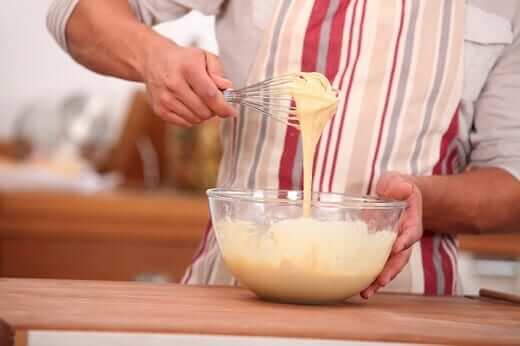
Shortening is often mistaken for a process in baking. It actually refers to a type of fat that you can mix into dough to make the crust of pies, tarts and other baked goods crumblier and softer. Although it sounds irreplaceable, there are a few products you can use as shortening substitute. Bakers want to replace shortening mostly because of its effects on your health but others look for substitutes simply because they don’t have any.

shortening substitute

What is shortening?

Shortening starts off as vegetable oils extracted from plants like cottonseed or soybean. In the beginning, it is in liquid form. When it is hydrogenated, it becomes a solid substance similar to butter or lard. To add it to batter, it needs to be melted or creamed. It goes into the oven with all the other ingredients and produces freshly baked goods with phenomenal light texture. A shortening substitute, therefore, needs to contain ingredients that can replicate this texture that bakers love so much.

Why do you need a shortening substitute?

Shortening and its substitutes all contain an amount of saturated fat. Saturated fat is not good for your health. It can accumulate in the body and cause weight gain and increase your chances of developing conditions. Because shortening and other similar substances contain bad fats, it cannot be said that this solid fat is better for your health than its counterparts.

Bakers use shortening substitute because they want they want to enjoy the benefits of shortening on goods while improving on taste.

What are shortening substitutes?

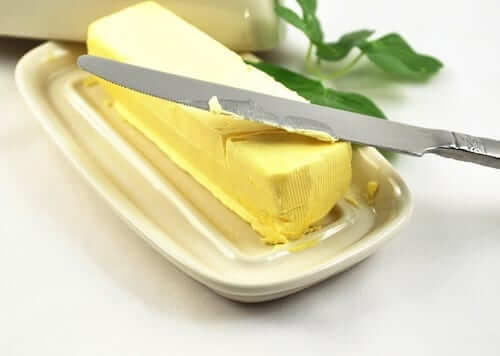
Butter is the most common replacement for shortening. Some bakers use unsalted butter. Goods baked with butter are more flavorful and delicious. Using it as shortening substitute is a good idea because it improves taste, whereas shortening leans towards being tasteless. Using butter can cause a few changes in the end product. These goods tend to expand while cooking and make crusts a bit flaky. You can get the best of both worlds by using both butter and shortening in the same batter.

Another great shortening replacement is lard, which is fat from pigs. Novice bakers are nervous about using lard because they think it might add a pork taste to treats. This is not necessarily something to worry about. You can hardly taste the pork in lard because of the rigorous processing it goes through. You should be careful when it comes to using lard as shortening substitute because it is likely to make crusts thinner and flaky instead of tender.

Should you substitute shortening?

Butter and margarine might be lower in calories compared to shortening but they contain trans fats than can be very bad for your health. Saturated fats becomes LDL cholesterol when it is digested, which can build up around your organs, especially the heart. LDL cholesterol on your heart can cause heart attacks and other life-threatening cardiovascular symptoms. If flavor is the only benefit you receive from using substitutes, it might be better to stick to shortening.

What is a good substitute for baking soda?

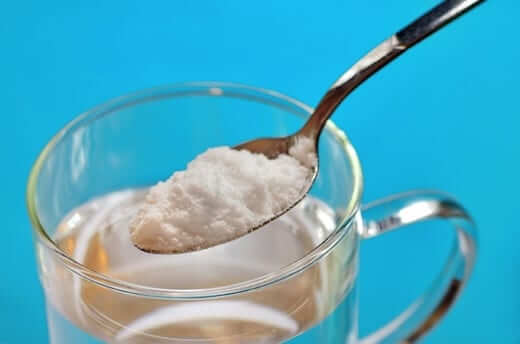
Baking soda is on almost every list of baking ingredients. It is a mysterious and volatile white powder. Many people have no clue how it is made and only a few know it can be mined directly from the earth. You probably still have the packet you bought from a decade ago because recipes only need a tiny amount of it. Given the interesting nature of this product, you won’t be blamed for thinking that finding a baking soda substitute is impossible. In fact, making a replacement for baking soda is easy and you can prepare it with products that are already in your kitchen.

substitute for baking soda

What is the difference between baking soda and baking powder?

These two have a lot in common. They contain more or less the same ingredients. They are both used to make baked goods rise and can substitute each other whenever necessary. Baking soda is preferred when it comes to baking because it contains substances that the powder does not. When it is combined with other ingredients and heated, it allows carbon dioxide in the batter to escape through very small bubbles. When carbon dioxide leaves your batter, it rises and makes whatever you are baking much lighter in texture and more delicious. Baked goods with lighter texture also look great, which is why baking soda is the baker’s best friend.

Baking soda’s pH level is alkaline. In order to release carbon dioxide, it needs to be mixed with an acidic ingredient like buttermilk. Whatever you substitute for baking soda should have a similar alkaline content, but you should also make sure your buttermilk substitute is acidic to achieve maximum results. The carbon dioxide is released but never makes it out of batter. It is trapped inside it and because of this the batter is forced to rise.

The good news is that if you ever find yourself out of soda, baking powder makes a great baking soda substitute. You need to double and in other cases triple the amount of baking powder in recipes for it to have the same effects of baking soda.

When do you need baking soda?

This might sound like a silly question with an obvious answer but baking soda is not always used in baking cakes, muffins, cupcakes and other treats. Many people use it as a meat tenderizer while others find it to be an effective cleaning agent for dirty surfaces.

How to make your own baking soda substitute?

You cannot just replace baking soda with a double portion of baking powder and end it there. A good baking soda substitute should be alkaline but contain a little bit of acid as well. The simplest recipe for a substitute involves combining baking powder with cream of tartar. No matter how much of it you need, you should always mix one part of baking powder with two parts of cream of tartar. You’re free to add a teaspoon of corn starch which can prevent baking powder from reacting prematurely.

What are the ingredients of butter?

Many nutrition experts are on the fence about who should eat butter and who shouldn’t. It is often mistaken by people for margarine, which only adds to the confusion. There are also differences between butter made at home and the types available in grocery stores. The best way to answer all the questions you have about this food product is to learn more about butter ingredients. Knowing what is in it can help you determine if it belongs in your diet or not.

What are butter ingredients?

Butter is milk in a concentrated form. It contains fats, calcium, phosphorus, vitamins, protein and in some cases, salt.

There are four general categories of fats, namely saturated, trans, monounsaturated and polyunsaturated fats. The first two are bad for your health because when they are digested, they are converted into LDL cholesterol. This kind of cholesterol is carried by your bloodstream through your whole body and unfortunately most of it ends up on your heart. If you don’t limit your intake LDL cholesterol, it won’t be long before you develop heart disease. Unsaturated fats on the other hand, protect your heart by lowering LDL cholesterol levels. If you buy butter from the store like most people do, you need to read the list of butter ingredients carefully. If it contains little to no saturated or trans fats, it is safe to add to your shopping cart.
butter ingredients
Butter is often said to be a calcium-rich food and rightfully so. You need calcium to maintain good bone density and bone strength. Shortage of this mineral can result in poor muscle function, osteoporosis, dysfunctional nerves and weak bones and teeth. The average person needs about 1000 grams of calcium a day but the requirement might change if you already suffer from deficiency. If you want to increase your intake, it is not a good idea to eat more butter. Instead, get your supply from other calcium-rich foods like milk, almonds, orange juice, salmon, sardines and soy.

Although phosphorus sounds like a smoking chemical you’d find in a lab, it is one of the butter ingredients you should look for. Like calcium, it has wonderful effects on bones. Other benefits include assistance in nutrient absorption, cell restoration, improved digestion, increased energy and maintaining the balance of different hormones.

Protein is not normally associated with butter so it might come as a surprise to see it as an ingredient. Protein has similar health benefits to calcium except it is involved in many other health-boosting chemical processes in the body.

Protein in butter is often seen as a bonus, not a recommended primary source.
The types of vitamins you can expect to find in butter are vitamins A, D and E. Vitamin A strengthens your immune system, vitamin D helps your body to absorb phosphorus and vitamin E stops diseases from developing through its antioxidant capabilities.

Salt might be present or absent from butter ingredients depending on the type and brand of butter you buy. Unsalted butter is usually sold in a separate section to salted versions.s

What is Shortening?

If you like baking your own treats at home, you might have stumbled upon some recipes and asked yourself “what is shortening?” The chemical process involved is a nightmare to understand. It’s usually explained in a string of scientific terms. It is basically a type of fat added to dough to make baked goods softer and lighter instead of crispy and flaky. This fat is solid and can be made from plants or animals. Shortening is usually a term used to describe both the type of fat you add and what happens when you do.

what is shortening

Why should you use shortening?

Flour made of wheat contains a substance called gluten, which makes dough sticky and chewy. Adding shortening changes the effect of gluten on the batter. In other words, without shortening, baked goods are flaky. With shortening, whatever you bake comes out of the oven soft and crumbly. Having said this, it is perfect for tarts, pies and just about any treat that needs a crust with great texture.

Simply put, the term “shortening” refers to the fat’s ability to shorten the strands of gluten in wheat flour.

What is shortening used for, other than baking?

As mentioned earlier, shortening is a fat, which means it can serve as a substitute for the fat you normally use. Many people replace it with butter and cooking oils. Butter and margarine contain water and usually splashes when it is heated for frying foods. Shortening has less water content, which means it will remain contained inside the pan or pot. The solid fat does not need to be refrigerated for long life. In the early centuries, it was favored over butter and margarine because it was cheaper to manufacture and could be stored for long periods without requiring refrigeration.

What is shortening made of?

It is fat made from vegetable oils. In most cases, shortening is the product of cottonseed or soybean oils. It can, however, be made from oils derived from animals. Since they are initially in liquid form, hydrogen is added to these vegetable oils to turn them into solid fat. For you to add it to your batter, you need to melt it or cream it in.

What are the effects of shortening on your health?

Unfortunately, there is a price to pay for making perfectly baked treats. Shortening contains the highest calories when compared to butter and margarine. Fortunately, it redeems itself by being the lowest in cholesterol. All three substances – butter, margarine and shortening – contain saturated fats. These fats are the unhealthy kind and have been discovered to cause poor digestion, increase the risk of heart disease and make you gain weight. Shortening, however, does not contain trans fats. Trans saturated fats are far more dangerous than saturated fat because they transform into LDL cholesterol which is detrimental to cardiovascular health.

What can be used as a shortening substitute? Get the information here.

Which is best: butter, margarine or shortening?

Each of these sources of fats has their own advantages and disadvantages. The best way to answer this question is to follow the recipe.

How to Brew Tea

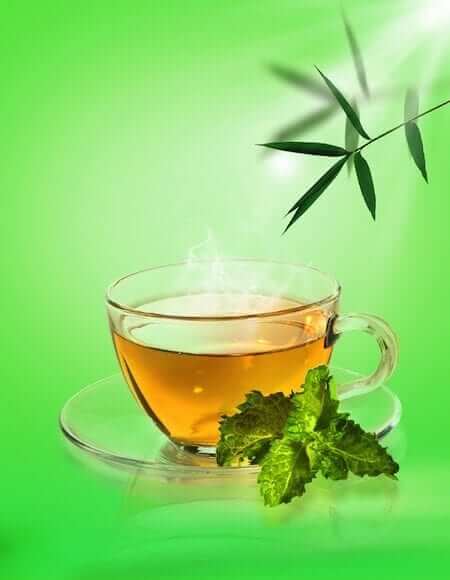
Learning how to brew tea was once an ancient, important practice. There was special brewing equipment you have to use and tea leaves had to be picked carefully. These days, hot water dispensers and tea bags make tea something you can put together in seconds. Because it’s rushed, your cup of tea might not be strong enough, essential nutrients might remain in the bag and its soothing scent might be lost. Knowing how to make tea the right way can bring back those heart-warming mornings and long, relaxing afternoon teas.

how to brew tea

Types of tea

There are over 100 kinds of tea but they are usually grouped into four categories. The main types of tea are black, green, white, oolong, Rooibos and mate tea. Some may contain infusions of peppermint, flowers, ginger and many herbs. Some people prefer combining different teas together to create their own blends.

Tea can, of course, also be hot or iced. After brewing, you can make sweet tea out of it.

The brewing process

The brewing process is very simple and standard. Boil water until it’s hot and soak leaves to add flavor. However, if you want that perfect cup, you need to pay more attention to detail. The amount of leaves you use, the infusions you add, the type and the temperature of water make a huge difference.

Water

Some experts say that the water you use is not all that important. Others argue that the best type of water to brew tea is spring water. They also maintain that a cup of tea tastes much better and richer when the water contain less chlorine. Instead of tap water, they recommend you get bottled mineral or spring water.

How hot the water is also plays a part in how your tea will taste and smell. Some teas are ruined by boiling water. Teas like green, oolong and white teas tend to acquire a bitter taste when soaked in water that is too hot. Instead of allowing water to heat up all the way, turn off the teapot, kettle or whichever vessel you are using.

Tea leaves

If you’re used to making tea with bags bought from the grocery store, you’ve been missing out. The best tasting and smelling teas are made with tea leaves. There is no art to tea bags but using tea leaves to brew tea helps you customize your flavors and increase the strength of the taste.

There is much debate about the amount of tea leaves you should pour per cup. The standard is 8 ounces or a teaspoon per cup. Others say that the perfect cup needs 8 ounces per 200 ml of water you use. These standards are not set in stone. If you prefer a stronger blend, simply add another teaspoon.

It is also advisable to brew tea with loose leaves. They are high in quality but can be a little more expensive than tea bags. If you give them a little more room when steeping, you can taste the subtle flavors and infusions you’ve always wanted.

FoodSaver V3240 Vertical Vacuum Sealer review

You can save pounds of food and thousands of dollars every year by getting you and your family the FoodSaver V3240 Vertical Vacuum Sealer. It uses improved sealing technology to suck air out quickly and prevent bacteria from growing on and rotting your groceries. Food stays fresh for many months and will be safe to eat when you need it.

Features

Instead of sealing once, the FoodSaver V3240 Vertical Vacuum Sealer and FoodSaver double seals food to keep it fresh and edible for longer. Bacteria-inducing air and moisture are completely sucked out of the food bag. There are two separate settings for sealing dry and wet foods. There are also additional settings to determine the speed at which the food is sealed.

Vertical design is practical and frees up space on the kitchen top. The appliance can also be rolled and stored away in the cupboard for future use.

Pros

Having a reliable food vacuum sealer like the FoodSaver V3240 Vertical Vacuum Sealer in the kitchen is a great investment. In an unpredictable economic climate and skyrocketing prices, it helps to saves as much money as you can. Sealing food can cut down grocery costs significantly and leave you with enough money to spend on other expenses.

This sealer is also ideal if you enjoy cooking with fresh produce. You can stop vegetables and fruits from growing mould, whether peeled or unpeeled, cooked or raw. It also helps to preserve homemade and store-bought breads, meats and poultry. Foods that usually spoil quickly like fish and other seafood can remain fresh for weeks.

It works well with cooked meals as well. If for any reason you lose your appetite halfway through a meal, you can seal it and eat it at a later stage. Many types of food can be saved, whether in solid or liquid form.

The newer vertical construction of the FoodSaver V3240 Vertical Vacuum Sealer saves a lot of space. Instead of spreading out horizontally, it extends upwards to take up as little room as possible.

The quality of food preservation is doubled by the double sealing feature. Food is protected from harmful germs and burn from keeping it in the freezer too long. You are allowed to season or marinade foods before sealing. When you open sealed bags, food will taste as great as it did before.

Cons

There is not much negative criticism from users about the FoodSaver V3240 Vertical Vacuum Sealer. Some people have a hard time learning how to use it but an instructional booklet is available with each unit for guidance if you get stuck. People struggle particularly with purees and sauces but with enough practice, it gets easier.

Should you buy it?

Sealing food is not something that only doomsday preparers do. It comes in handy in your home, camping trips vacations, and the office and in many circumstances. Having a double-sealer like the FoodSaver V3240 Vertical Vacuum Sealer is even more beneficial because food can be preserved for a long time to save you money.

What is Sriracha sauce?

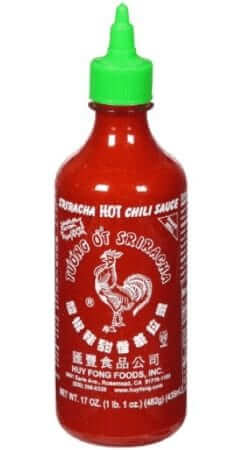
Sriracha sauce, pronounced seer-RHA-shah, is basically a hot sauce … with a twist. Although it is only making waves across the world in recent years, it has been in existence since the 1980s. The recipe of this sauce was created by David Tran, an American immigrant from Vietnam. Because he didn’t enjoy the taste of local hot sauce, he simply made his own. Today, Sriracha bottles are quick sellers in grocery stores across the globe and are regularly ordered with food at restaurants.

What are the ingredients in Sriracha sauce?

You might think that the name of the sauce has something to do with its ingredients. It doesn’t. Sriracha is the name of the city on the coast of Thailand. The city is actually called Si Racha, a name its creator chose because of his Asian heritage. This hot sauce is made from very simple, everyday ingredients which include chili peppers, vinegar, garlic, sugar and salt. Together, they give it a unique, hot taste with a tinge of sweetness from sugar. Because of the simplicity of the recipe, many manufacturers and people have created their own versions of sriracha sauce to enjoy.Sriracha Sauce

Why is sriracha sauce so famous?

Many people dash their meals with this sauce because they love the taste. It is a favorite among those who enjoy spicy foods and the bitter-sweet taste appeals to millions. You must be warned that this sauce is extremely hot and should not be consumed if you have digestion or bowel conditions like irritable bowel syndrome, chronic diarrhea, constipation and gastrointestinal diseases.

What are the health benefits of sriracha sauce?

Hot peppers contain a compound called capsaicin, which has been found to have numerous benefits on the body. One of the major advantages is that it causes the release of endorphins. Endorphins are pleasure-inducing hormones that can also be found in foods like chocolate. Endorphins are known for easing body pain and people who suffer from arthritis can eat it to reduce symptoms.

Capsaicin has been found to help with inflammation and itchiness. Again, arthritis patients can benefit from this. Inflammation occurs in many illnesses, including heart and skin disease. This ingredient in hot sauce has shown to kill certain harmful cells, especially prostate cancer cells.

Sriracha sauce is not for the faint-hearted. If you decide to try it and realize too late you can’t stand the heat, there are a number of methods you can try to quench the fire in your mouth.

If the sauce is too hot:

  • Eat or drink dairy products. Milk, yoghurt, cheese, sour cream and ice cream have chemical called casein. Casein is a lifesaver if you want to make eating peppers bearable because it can wash the heat off your tongue in minutes.
  • Eat grains like pasta, rice and bread. These foods have the power to absorb capsaicin and can ease hotness.
  • Drink tomato juice and swirl it in your mouth before swallowing.

If you’d like to make sriracha sauce at home, there are dozens of recipes available to try.

Culinary Schools in Maine

Culinary Schools in Maine

The lobster in Maine is good enough to make you live there and for others, it’s a good enough reason to learn how to become a chef there too. If you’re looking for great culinary schools in Maine, you will find plenty. Most are located in the southern region of the state and the best technical schools are in Bangor and Portland. Culinary schools in Maine are purposely situated around culinary hotspots that have been featured in films and magazines. The food heritage is legendary and the local culture is buzzing. However, before you fill out an application form, it’s wise to know which training institutions are the best and which ones are more apt to help you meet your career goals.

Be wary about applying for Maine culinary schools without accreditation. You should always make sure that you’re enrolling to receive quality training and any school that receives a nod from the American Culinary Federation Accrediting Commission is worth considering.

Depending on your career ambitions in the food industry, you should also compare school curriculums and the length of each program.
Students who are eager to work as early as possible and are looking for quick entry into the job circuit benefit from diplomas, certificate and associate degrees offered at technical and community colleges. These colleges often cover subjects such as:

  • Cooking and baking principles and methods
  • Hospitality management
  • Culinary management
  • Knife skills
  • Food safety and sanitation
  • Local cuisine

If you would like to become a chef, line chef, professional cook, caterer, restaurateur, food entrepreneur, manager, consultant, instructor, pastry chef and other specialized occupations, it is advisable to enroll for associate and bachelor degrees that are usually offered at universities, institutes, community and technical colleges. These programs are normally 2-4 years long and include subjects like:

  • Food purchasing
  • Food cost control
  • Menu planning
  • Local and international cuisine
  • Hospitality institution administration and management
  • Restaurant management
  • Nutrition and dietetics
  • Entrepreneurship

Culinary Schools in Maine where you can receive all levels of qualification:

  • University of Maine
  • Central Maine Technical college
  • Beal College in Bangor
  • Eastern Maine Technical college
  • Southern Maine Community college
  • Thomas College
  • Washington County Technical college

An education alone might not be enough to land you the job of your dreams, which is why it is important to supplement your studies with networking and making the most of the opportunities that your school, local festivals and associations offer. Attending and taking part in festivals like the Yarmouth Clam festival, the Maine Lobster fest, Annual Chilli Fest, Harvest on the Harbour Food and Wine fest, Maine Fair and Maine Restaurant Week will increase your chances of being at the right place at the right time, with the right people. By participating, you can improve career prospects by chatting with local chefs, knowing customers, being informed about opportunities and learning more about local and international cuisine from the best.

Culinary Schools in Massachusetts

The reason why Massachusetts culinary schools are among the most preferred institutions in the country is because it is one of the few states where you can land a great job within a short period of time after graduation. It is listed among the three best employment trade states in the entire United States and is home to Boston, a busy culinary and cultural centre. If you’re considering studying and training in Massachusetts, the world-class curriculums coupled with the local culinary scene will make it an experience to remember.

Careers in the food industry are numerous. You can train to be a chef, sous chef, line cook, restaurateur, caterer, baker, pastry chef, instructor, consultant, menu planner and many more. At the end of your studies, you can land a job in hospitality institutions such as:

  • Restaurants
  • Casinos
  • Hotels, resorts, local spas
  • Culinary and other schools
  • Private businesses
  • Bakeries

Once you’ve decided what role you would like to play in the vast culinary industry, you should search for Massachusetts culinary schools that will help you achieve your dreams. The first factor to consider is the type of qualification you would like to have. Do you want a certificate, diploma, associate degree or bachelor degree? Certificate and diplomas usually don’t run longer than 2 years and their focus is mainly on providing students with the technical skills to begin working soon after graduation. The downside to quick programs is that you might find it difficult to land higher paying jobs. If you decide on an associate or bachelor degree, you can expect more theoretical subjects complemented by practical work. The advantage of getting a degree is that you qualify for managerial positions and will be able to move up the success ladder easier. However, degrees take 2-4 years to complete, which means you have to wait a few years before hitting the job market.

Recommended Massachusetts culinary schools are:

  • Le Cordon Bleu College situated in Boston
  • International Institute of Culinary Arts
  • Bristol Community College
  • Berkshire Community College
  • Greenfield Community College
  • Marian Court College
  • North shore Community College
  • Bunker Hill Community College

Before you complete your studies, find time to drop by at the Fisherman’s Feast, the Nantucket Wine festival, the Boston Taste of Cape Cod and the Boston Wine Expo. This is a great and affordable way students can enjoy and learn about local cuisine. If you have networking skills, you can easily find yourself in the company of America’s best chefs, who are always willing to share some insider secrets and tips for success.
Also, don’t overlook the value of joining associations like the Massachusetts Culinary Association, Restaurant Association and the North Atlantic Region Research Chef Association. This is where you can receive regular updates about new posts, read industry news, get ideas for new dishes and learn about upcoming events, conferences and seminars to support and boost your career.

What is a substitute for buttermilk?

Whether you own a bakery or you’re trying your hand at baking, you are likely to run into recipes that require buttermilk. If you don’t have it or you simply want to omit it because of health reasons, you can always use a buttermilk substitute. Most bakers don’t want to replace buttermilk because it contains acid that works beautifully with baking soda. If you find yourself without leavening buttermilk, there are foods you can replace it with that achieve the same effect or you can easily make your own buttermilk substitute.

buttermilk substitute

Why do recipes need buttermilk?

Most baked goods require ingredients that will help them rise and give them a lighter texture. Buttermilk is one of those ingredients. You might have noticed that almost recipe that calls for this type of milk also requires baking soda. This is because the chemical reaction that takes place between these two substances can make baked treats cook well and taste great. Buttermilk contains acids called lactic acids.

When these are mixed with baking soda, carbon dioxide gets released while your goodies are in the oven. Carbon dioxide escapes through small bubbles that help dough rise and swell. The end result is better-tasting cakes, cupcakes, brownies, bread and whatever else you feel like baking. This lactic acid is what makes a suitable buttermilk substitute hard to find.

Types of buttermilk

There are four general types of buttermilk. The first is traditional buttermilk, which is the primary ingredient in butter and cream. It derives its lactic acids from the fermentation process that occurs when you churn butter and cream. The second is acidified buttermilk. Milk is intentionally and not naturally acidified by adding acids from foods like lemon juice. The third kind is cultured buttermilk. Here, milk goes through pasteurization and immunized with the lactic acids that are usually found in traditional buttermilk. To make it seem more organic, farmers and manufacturers add pieces of butter. The final type is buttermilk that has been powdered. This is usually the one you need to complete your recipe.

What is the best buttermilk substitute?

Yoghurt, preferably the plain type, is a highly recommended substitute for buttermilk. Those who suggest it hardly explain why but it is probably because it contains the bacteria that cause lactic acid as well. One cup of yoghurt can be substituted with one cup of buttermilk. In some cases, it is better to mix yoghurt with a little bit of milk.

Another great idea is to mimic the process of acidized milk. You can substitute buttermilk with regular milk and add a dash of lemon juice to increase its acidic content. You can also use vinegar to add acid if you are out of lemon.

You can also make a wonderful buttermilk substitute with just normal milk and cream of tartar. Adding 1 ½ to 1 ¾ teaspoons of tartar to a cup of milk should the trick.

If you are using powdered buttermilk in your recipes, mix three to four level tablespoons to water.

  • Previous
  • Page 1
  • Interim pages omitted …
  • Page 11
  • Page 12
  • Page 13
  • Page 14
  • Page 15
  • Interim pages omitted …
  • Page 27
  • Next

sidebar

Welcome!

As a huge fan of Filipino food, it is my goal to teach people how to cook it using the simplest way possible. Prepare your taste buds for an ultimate showdown of delectable Filipino dishes! Read more…

Facebook
Instagram
Pinterest
YouTube

Reader Favorites

Chicken Adobo in a Bowl

Filipino Chicken Adobo Recipe

Leche Flan Recipe

kare kare beef tripe

Kare-Kare Recipe (Beef Tripe)

Pork Sinigang

Sinigang

Receive new recipes by email!


Seasonal

Beef Morcon Recipe

Arroz Valenciana

lechon belly roll recipe

Lechon Belly Roll

Christmas Macaroni Salad

How to Make Macaroni Salad for the Holidays

As Seen In:

good housekeeping
parents
serious eats
livestrong
kitchn
sheknows
Facebook
Instagram
Pinterest
YouTube
About
Meet Vanjo
New? Start Here
Browse Recipes
Explore
Ingredient 101
Philippines
Cooking Schools
Privacy Policy
Disclaimers
Contact
© 2026 Panlasang Pinoy
Site Credits
Designed by Melissa Rose Design Developed by Once Coupled
Back to Top
Back to Top