• Skip to primary navigation
  • Skip to main content
  • Skip to primary sidebar

Panlasang Pinoy

Your Top Source of Filipino Recipes

  • Start Here
  • All Recipes
    • Course
      • Breakfast
      • Lunch
      • Appetizers
      • Dessert
      • Dinner
    • Ingredient
      • Chicken
      • Pork
      • Beef
      • Turkey
      • Vegetable
      • Fish
      • Rice
      • Egg
      • Tofu
      • Noodles
    • Type
      • Adobo
      • Bread
      • Fried Chicken
      • Sinigang
      • Kilawin
      • Ginataan
      • Kaldereta
  • Cooking Schools
  • About
Facebook
Instagram
Pinterest
YouTube
Home Culinary Arts

Culinary Arts

How Long to Boil Lobster

Lobster meat is sweet and succulent, not to mention highly nutritious. Cold water lobster, in particular, is meaty and considered to be of the highest quality. Lobster can be prepared by boiling, steaming or baking. While it is relatively easy to cook, many are still unclear about how long to boil lobster. Here are some tips on how long to boil lobster and eat it without the mess.

how long to boil lobsters

Health Benefits of Lobster

Although lobster can be costly, it makes up for it in taste and nutrients. The meat in lobster is protein-rich, which means you’re likely to feel satisfied after a serving. Lobsters also have enough magnesium and potassium. When these minerals combine with protein, they can help repair and add strength to muscle and bone.

In addition to muscle building nutrients, lobster also contains amounts of zinc and vitamins B and C. these nutrients are charged with making sure your body is protected from diseases.

Find the Best Lobster

When buying lobster, you should avoid going for the cheapest. If it seems to be too good of a deal, chances are you’re getting low-quality, warm water lobster. The best kind is cold water lobster. Cold water lobster is expensive because it is imported from countries like New Zealand and South Africa. Female cold water lobsters are believed to be larger, therefore providing more meat.

Print

How Long to Boil Lobster

Boiling is an easy, fast cooking technique for cooking whole lobsters. To boil, you will need:
Prep Time 5 minutes minutes
Cook Time 12 minutes minutes
Total Time 17 minutes minutes
Servings 1
Author Vanjo Merano

Ingredients

  • Fresh lobsters preferably cold water (one per person)
  • Salt
  • Garlic butter

Instructions

  • Fill a large pot with about three quarters full with cold water. Add a teaspoon or two of salt and boil.
  • Add lobster to boiling water so it dives head first.
  • This step is the most important. Knowing how long to boil lobster depends on its weight. Cook lobsters for 12 minutes at first. From there, add 1 minute of cooking time for every ¼ pound. When done, lobster meat should be opaque.

Nutrition

Serving: 1g


How to Eat Lobster

To eat lobster with minimal mess, you will need:

  • Nut cracker
  • Bowl
  • Kitchen sears (optional)

Step 1:

Cut off claws by twisting them at the joints. Crack open the main claw with a nut cracker. Discard shells and pry inside to take out the meat.

Step 2:

Gently break the jaw by pulling it back. Do the same with legs.

Step 3:

The lobster tail is full of meat and should be handled with care. With both hands, hold the tail in one hand and the body in another. Gently pull the lobster tail back until it breaks away from the body. Pluck out flippers from the tail and insert a finger into the gaps left by flippers. Push meat out and cut out any meat lying on the underside too.

Knowing how long to boil lobster is the secret to well-cooked, tender lobster meat. Calculate the cooking time prior to cooking using the method on step 3. When meat is opaque and soft, cut shell open and serve with garlic butter, tartar sauce, salsa verde and other delicious sauces.

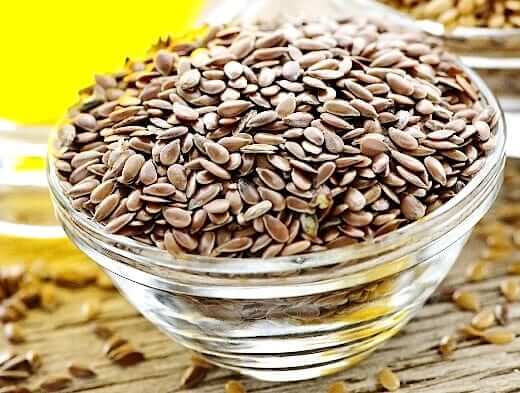
What are Flax Seeds?

From crash diets to long-term weight loss programs, there is hardly a healthy diet that does not feature flax seeds. They are known as the natural appetite suppressants of the food world, and contain lots of other beneficial nutrients as well. Cultivated from the flax plant, it has been exported and consumed for centuries. It is now available in several varieties in stores and can be used in many recipes.

Health Benefits of Flax Seeds

what are flax seeds

Flax seeds are usually recommended to people who do not consume enough fiber. This is because they are very fibrous and can help treat indigestion and irregular bowel movements. Flax seeds also have the ability to suppress your appetite, making them ideal foods for people on weight loss diets.

Other than fiber, flax seeds have an impressive amount of B vitamins and manganese. Manganese and B vitamins are great energy boosters and promote a healthy metabolism. They are also good for bones and can lower bad cholesterol in heart disease patients. Other essential nutrients in flax seeds are omega fatty acids and lignans. Lignans are antioxidants that reduce your risk of having heart conditions.

If you are going through menopause, you should seriously consider adding flax seeds to your diet. Research shows that these seeds can reduce the onset of hot flashes associated with menopause. Diabetics can also use flax seeds to enjoy stable blood sugar.

Types of Flax Seeds

Flax seeds are generally categorized into two main groups: yellow and brown flax seeds. Both types have been found to be equally nutritious but each has its own unique assortment of nutrients. Flax seeds can be whole or ground. It is advisable that you grind seeds before eating them. This is because whole flax seeds tend to pass through the system without being digested.

Milled flax seeds refer to a seed that have been made into a powder, and is often used as a replacement for all-purpose flour. Flax seed oil is a popular product and made from extracting natural oils from the actual seeds. When shopping for flax seed products, make sure they don’t contain too many preservatives.

Cooking with Flax Seeds

Flax seeds have a nutty taste that goes well with most foods. You can sprinkle ground flax seeds on everything from oatmeal to plain yoghurt. They also taste great with green salads and can add fiber to light soups. Toss a few flax seeds into the blender to make smoothies richer, or add them to sauces like tapenade for a bulkier texture.

How to Grind Flax Seeds

Grinding whole flax seeds is as easy as adding them to a food processor and blending until it is finely ground. Grinding seeds makes them easier to cook with and to digest. Make sure the seeds are fresh and are not exposed to too much air or sunlight.

Flax seeds are quickly rising to the top of the super-food list. Their nutty and slightly neutral flavor plays well with a lot of dishes, making them easy to add to your diet. Serve with salads, soups, sauces and breakfast to turn ordinary dishes into nutrient-packed meals.

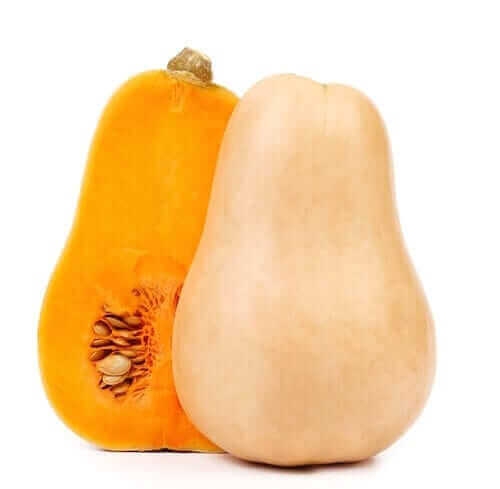
What is Butternut Squash?

Of all the winter squashes available, the butternut squash is one of the most popular. It has rich flesh that is sweet in flavor and its taste is compatible with a range of dishes. In some countries, it is called a butternut pumpkin because of its appearance and similar taste. It also has a few calories and a lot of nutrients. Learn how to peel, cut and cook this delicious, nutrient-rich vegetable in minutes.

Health Benefits of Butternut Squash

The yellow-orange flesh of a butternut squash is not only tasty, but packed with plenty of nutrients too. Butternut squash is fibrous, which means it is both filling and beneficial for your digestive process. Fiber can decrease or even eliminate intestinal and bowel problems like constipation, diarrhea, irritable bowel syndrome, unusual stools and more.

Potassium is another important nutrient found in butternut squash, as well as folate and vitamins A, B and C. Consuming the recommended amount of potassium a day is good for bone and muscle. Folate, or folic acid, prevents diseases. This disease-prevention ability is enhanced by vitamins B and C. Butternut squash has 80-90 calories a cup and is ideal for weight loss programs.

How to Peel Butternut Squash

butternut-squash

Butternut squash has a shell that most find hard to cut and peel. To be able to peel squash successfully, you need a very sharp, serrated knife and peeler. First, use the knife to make several penetrating cuts on the surface of butternut squash. Once pierced, place the squash in the microwave and cook on high heat for 2 minutes. Warming butternut squash in the microwave is an effective way to soften the shell.

How to Cut Butternut Squash

When the shell has been softened, slice off the ends of the squash. Lay it sideways and cut it in half. It is advisable to cut it where the narrow neck meets the base. From there, you can peel the shell off lengthwise. Make sure you peel off the green veins as well.

Boiling Butternut Squash

After peeling the skin off, use a spoon or clean hands to remove the seeds. Cut the flesh into cubes and boil in a pot of water. When tender, season with cinnamon or seasoning of your choice.

Baking Butternut Squash

The best way to bake butternut squash is to leave its skin on. Instead of cutting the butternut squash at the neck, slice it in half lengthwise. Remove the seeds and bake at 400 F lying face down. Bake until the flesh is a deep orange color and tender. Brush with olive oil before baking. If you’re baking cubed pieces, place them on a tray lined with aluminum foil.

Roasting Butternut Squash Seeds

One of the best things about this variety of squash is that the seeds are edible and tasty. Just boil the seeds for 10 minutes, dry and sauté in a tablespoon of olive oil. Serve.

You can use butternut squash to add sweetness to a lot of dishes. It is a delicious veggie side dish that goes well with main dishes, and is tasty in soups, gravies, salads and even desserts. Its low calories are ideal for dieters and low carbohydrate content is safe for diabetics.

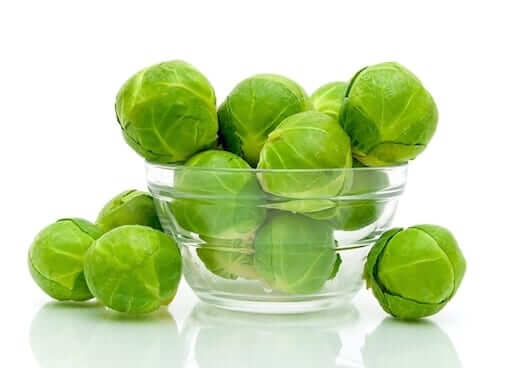
Brussels Sprouts

Next time you go grocery shopping, grab a pack of fresh Brussels sprouts to improve your diet. These green, round vegetables are excellent sources of many nutrients you need daily. They are especially great for vegetarians who need alternative sources of protein. Although their origin is uncertain, what is certain is that they have an impressive nutritional profile that can better your health.

brussels sprouts

Types of Nutrients in Brussels Sprouts

Like most green natural foods, Brussels sprouts are packed with vitamins and minerals. They contain some of the highest levels of vitamin A and C, as well as calcium and potassium. Your body needs vitamin A for organ growth and to maintain their function. It is also essential for visual health. Vitamin C is a powerful cold and flu buster, and can slow down aging and increase energy.

Brussels Sprouts and Bone Health

If you have low bone density or weak muscle due to illness or aging, Brussels sprouts can help. These vegetables actually contain reasonable amounts of protein, which is unusual for plants. Protein, combined with the potassium and calcium found in Brussels sprouts, can greatly improve muscle and bone strength and agility.

Protein is made up of amino acids, and the amino acids found in Brussels sprouts are not complete. This is why experts recommend that you pair sprouts with whole grains. Whole grains are seeds, breads, pastas and cereals that have not been processed. These can include quinoa, whole wheat bread and brown rice.

Brussels Sprouts and Weight Loss

A cup of cooked Brussels sprouts contains an average of 50 calories. This is good news if you are following a weight loss diet. Sprouts hardly have any fat, and can be eaten in large amounts without packing on the pounds. It is advisable to season them with low-calorie dressings and seasonings to avoid adding unnecessary calories to your meal.

Brussels Sprouts and Diabetes

Following a low-glycemic diet is not only beneficial for diabetics, but also for weight watchers as well. For a food to qualify as low-glycemic, it has to have little effect on blood sugar levels. High blood sugar and insulin levels can cause weight gain, hyper or hypo-glycemia and many other health complications. To avoid this, fill your plate with slow-releasing foods like Brussels sprouts.

Cooking with Brussels Sprouts

Brussels sprouts are easy to prepare, partly because they don’t need much cooking. Some of the best ways to cook sprouts is to blanch or steam them. Not only are these cooking methods time-saving, but they preserve lots of nutrients too. Alternatively, you can boil Brussels sprouts in lightly seasoned water, or roast them until crispy in the oven. Making Sauteed Brussels Sprouts with Bacon is also a good idea.

Delicious alone, sprouts are great snacks for between meals. You can also toss them in a healthy dressing and add to a salad with other greens. They are also tasty in hearty casseroles and stews. Be careful not to over-season Brussels sprouts and opt for organic seasonings like salt, spices, herbs, lemon or lime juice. Serve and enjoy.

Pennsylvania Cooking Schools

If you’ve been searching for top culinary training programs, Pennsylvania cooking schools are some of the best places to earn your qualification. Filled with work opportunities and showcasing events, this state offers students a rich, holistic learning experience. It is home to influential food associations, and is well-known for its signature dishes. If you want to become a part of this dynamic culinary hub, your first step should be to find programs offered by top Pennsylvania cooking schools

Finding a Cooking School in Pennsylvania

There are more than a few Pennsylvania cooking schools that provide 5-star education. It ultimately depends on the student if studying for a degree, certificate or diploma is best. Universities and some colleges often offer lengthy programs that provide extensive classroom education and training. Community colleges and technical schools are better at providing short courses that prepare students to enter the job market earlier.

Since the reputation and quality of a school are important, there are signs to look out for during your search. Usually, Pennsylvania cooking schools that have up-to-date kitchen facilities and post-graduate career support are the best. You should also find out if the program you’re interested in offers job placements, referrals for apprenticeships and internships. Great schools employ professional chefs to teach students, and also have student-run operations to enhance skills.

Pennsylvania Local Scene and Cuisine

The local food and cultural scene in Pennsylvania is nothing short of dynamic. With a range of local ingredients to cook with, chefs are encouraged to showcase their culinary creativity. Make an effort to immerse yourself in the cultural cuisines of the state and to participate in local events as often as possible. Interacting with the culinary community can expose you to unique job opportunities and contests valuable to your career.

Some of the best local events and contests to attend are:

  • Pennsylvania Food and Beverage Show in York
  • Pittsburgh Food and Cooking Expo
  • Taste of Pennsylvania Wine and Food Show
  • Pittsburgh Wine Festival

Job Opportunities in Pennsylvania

There are three sure-fire ways to make sure your culinary career gets off on the right note.

  • Enroll in Pennsylvania cooking schools programs
  • Learn local culture and network with chefs
  • Become a member of the American Culinary Federation

Associations in the food industry are important because they help you make important connections with the right people. With a good education and a few contacts, you can land a job anywhere in the state. Salaries depend on the type of skills you possess. Work opportunities are available for new graduates in a range of institutions.

Best Pennsylvania Cooking Schools

  • The International Culinary School: this competitive institution is a part of the Art Institute of Philadelphia and offers degrees and diplomas in assorted culinary disciplines
  • JNA Institute of Culinary Arts: offers 30-60 week accelerated training programs
  • Pennsylvania Culinary Institute: offers Le Cordon Bleu courses, as well as American-influenced disciplines
  • The Restaurant School
  • Community College of Allegheny County
  • Pennsylvania State University
  • Pennsylvania Highlands Community College
  • Marywood University in Scranton
  • Montgomery County Community College
  • Lancaster County Career and Technology Center

What is Miso Soup?

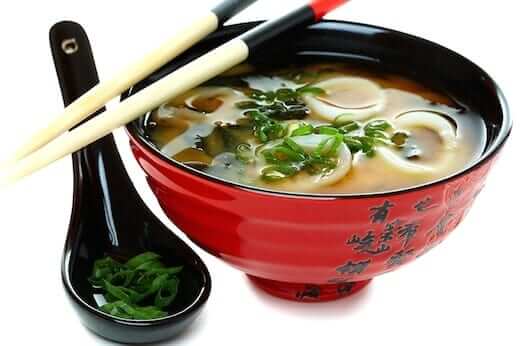
What is miso soup? Originally from Japan, miso soup has made a big impression on cultures around the globe. It is a low-calorie, delicious soup made from sea weed, dashi stock and sometimes soy beans. When combined with vegetables or meat pieces, it is a whole meal on its own. Traditionally however, it is served as a light side dish for main meals. Nutrient-rich and easy to make, miso soup is a great supplement to any diet.

what is miso soup made of

What is Miso Soup Made from?

Original miso soup is made from combining miso paste and a special stock called “dashi”. Dashi is often made with dried kelp and bonito fish. Many natural food stores and vendors sell ready-made dashi broth, but you can make you own by boiling kelp or wakame seaweed in water. Miso paste is also available in stores and often contains tofu, wakame and soy beans.

Miso soup has been adapted by many cultures. In the US, cooks that cannot find dashi stock usually use vegetable stock instead. It is also not uncommon for people to add a range of vegetables to the soup to make it rich and filling. Vegetables like potatoes, onions and mushrooms are added to miso soup. Other cultures prefer adding tofu, shrimp and even pork.

Health Benefits of Miso Soup

The nutrients in miso soup are derived from the dashi stock. Traditional dashi stock contains wakame or kelp, as well as fish. The seaweed in miso soup is rich in calcium and magnesium, which are essential to strong teeth and bones. Seaweed also contains iodine, iron, folate and vitamins A, B, C, D, E and K. This wide spectrum of vitamins and minerals improve every area of health from metabolism to red blood cell production.

Whether the dashi is made from bonito fish or dried sardines, the addition of fish gives miso soup plenty of omega fatty acids. These fatty acids are great at controlling inflammation that usually results from diabetes, heart disease and bowel conditions. If you want more nutrients in your miso soup, add healthy ingredients like tofu, mushrooms, Swiss chard and potatoes.

How to Make Miso Soup at Home

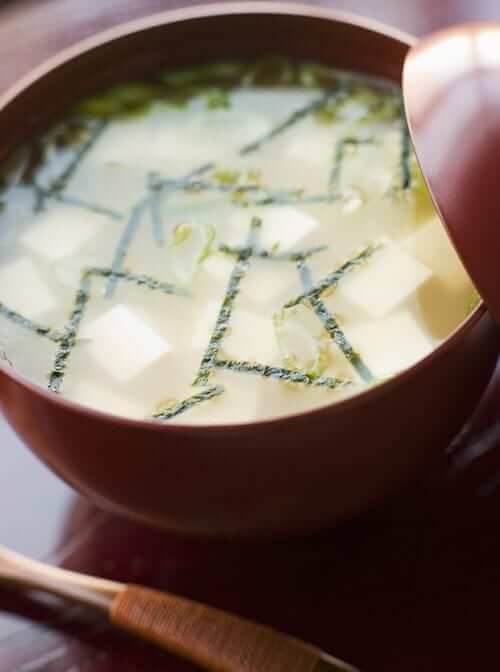
what is miso soup

You can make a bowl of miso soup in your kitchen. Although the traditional version only includes miso paste and dashi stock, feel free to add vegetables, meats, seafood and spices. All you need is:

  • 4 cups water
  • 2 tsp. dashi granules
  • 2-3 tbsp. miso paste
  • 2 medium onions, cut into small 1/2 –inch pieces

Step 1:

Add water and dashi in a large pot and bring it to a boil over high heat. Stir to combine.

Step 2:

Reduce heat to medium and stir in the miso paste. Add the onion pieces and let the soup simmer for 2-3 minutes.

Step 3:

Remove from heat and add seasoning, meat, seafood and/or cooked vegetables. Serve.

Miso soup is a low-calorie alternative to processed varieties. It can be prepared in minutes and enjoyed at all meals. Add cooked vegetables for a vegetarian meal, or meats and seafood like shrimp for a high-protein dish.

Here is another simple miso soup recipe that you will like.

What is Swiss Chard?

Some say it is form of spinach and others argue that they are totally unrelated. Some prefer the red-stalk variety and others claim that rainbow-stalked types are more nutritious. So what is Swiss chard? Swiss chard is a leafy, green vegetable that looks a lot like spinach but does not belong to the same family. It can have a red, orange, white and even a multi-colored stalk. This salad favorite can be tasty, filling and nutritious if cooked the right way.

What is Swiss Chard Used for?

Swiss chard is usually used in the place of spinach. This is because the former has a slightly stronger taste than the latter. Swiss chard can also be used in green salads and blends well with a variety of foods like cheese, vegetables, nuts and dressings. You can also use it as a topping or filling. Chard tastes great with pizza and can make a healthy, low-calorie filling for wraps and omelets.

What is Swiss Chard’s Nutritional Profile?

photo credit: alex

Green, leafy vegetables are always good sources of fiber and vitamins. Swiss chard contains impressive amounts of vitamins A, B, C and K. When combined, these vitamins can enhance immunity against diseases, strengthen bone, aid metabolism and improve brain activity. Swiss chard is also packed with iron, which is important for the blood cells and the circulation of oxygen.

What is Swiss Chard’s Effect on Your Health?

There is no need to worry about calories with Swiss chard. It only contains about 20 calories per 100 grams. With such a low calorie count and a range of nutrients, you can add it to every meal while still managing your weight. It is cholesterol-free, which is good news for those with heart conditions.

Chard is also low in carbohydrates. If you are diabetic, you can add it to your menu to keep your glucose levels in check. It is a super-food for those with bone-related illnesses like osteoporosis. People with vitamin deficiencies can also reap big benefits by including this vegetable in their diet.

How to Cook Swiss Chard

To prepare Swiss chard, you can boil, steam, sauté and even microwave it.

Boiling

Cover chard with water and boil over medium heat for 1-2 minutes, or until tender. Boil leaves and stalks separately because stalks usually take longer to cook.

Steaming

First add stalks into the steamer, followed by leaves 3-4 minutes later. It is cooked when it’s soft and wilted.

Sautéing

In 2-3 tablespoons of olive oil, sauté stalks for 2-3 minutes and then add chard leaves. You can add parmesan cheese and seasoning for flavor.

Microwaving

Rinse Swiss chard in cold water. Instead of drying it, cook it in the microwave on high heat with water on its leaves. Microwave at 1-minute intervals until leaves are wilted.

Swiss chard is a great ingredient to add to any dish. It cooks quickly and goes well with many other foods. To enhance flavor, you can add a variety of cheeses, garlic, nuts, lemon zest and even hot peppers.

What is Posole?

Posole or Pozole is a festive soup with its roots in Latin America. It is a soup usually served on occasions and is a celebrated dish particularly in Mexico and some South Western parts of North America. Prepared only with the freshest ingredients, it contains a variety of food groups. Although it is quite rare to find pozole in stores, its recipe has finally made its way to millions of kitchens around the world.

posole

What is Pozole Made of?

The main ingredient of pozole is hominy. Hominy is corn that has been dried, treated and refined to make the soup. Traditionally, cooks have to soak the corn in an alkaline agent like lime juice in order to remove the outer shell. Thereafter, it is dried and ground to the desired consistency. The grounding process is mainly to achieve a smoother consistency for easier digestion. Today, you can purchase hominy in specialized stores instead of making it from scratch.

In addition to hominy, pozole is also made with meat, vegetables and spices. Most pozole-lovers like it spicy, which is why hot chili peppers are usually added. Most ingredients used to make the soup are actually garnishes that you will add after it is cooked.

“Pozole” photo credit: jeffreyw

What is Pozole’s Nutritional Profile?

The nutrients your pozole contains will vary according to the vegetables and spices you add to the recipe. Traditional recipes often require cabbage, tomatoes, hot peppers, cilantro, avocadoes and of course, hominy. When these ingredients are combined, they make a soup rich in vitamins A, B, C and K; fiber, calcium, iron; copper, manganese, phosphorus and zinc.

What is Pozole’s Effect on Your Health?

Pozole is great for weight management because of its low calories. A bowl of pozole has 120-150 calories. Because it’s filling and nutrient-rich, you can even use it as a replacement for lunches and supper. Diabetics can also enjoy this spicy soup because it releases glucose slowly into your system, which is the secret to keeping blood sugar levels normal.

Studies show that most people do not ingest enough minerals and vitamins. Enjoying several helpings of pozole a week can provide your body with hard-to-find minerals like copper and zinc.

How to Make Pozole

To make pozole at home, you will need:

  • 2-3 cups fresh hominy
  • 1-2 pounds of pork or chicken
  • 3 cloves of garlic, finely chopped
  • 2 teaspoons salt
  • 6 cups water

Step 1:

Combine all ingredients in a large pan and bring to the boil. Reduce heat and simmer until meat is tender.

Step 2:

Remove from heat and scoop out meat pieces. Shred meat and return it to the pan. Simmer again for 10-15 minutes.

Step 3:

Serve soup with shredded cabbage, diced avocadoes, lime wedges, cilantro and oregano as garnishes.

You can make pozole an everyday occasion by following this simple recipe. Feel free to add your own seasoning with spices like cumin and chili powder. You can replace meat with more vegetables for a vegetarian recipe, and substitute pork with all kinds of meat and seafood.


What is Ghee?

Commonly called clarified butter by some, ghee is essentially butterfat extracted from unsalted butter. It is used in the place of cooking oil or butter and has a delicious nutty taste. Ghee was first made popular in India, but quickly spread to the rest of the world’s kitchens. Not only can you make ghee at home, you can also benefit from some of its nutrients as well.

ghee image
Photo credit: Rainer Zenz

What is Ghee Made From?

Traditionally, unsalted butter is used to make ghee. Butter is melted at a certain temperature until milk solids start to separate from the butter fat. The solids are then removed and the liquid fat is drained. The result is golden yellow ghee. You can use it to cook any dish, substitute butter or oil, and even use it to make seasonings and sauces.

Health Benefits of Ghee

If you are allergic to dairy, ghee will come in handy. Ghee has milk solids filtered out, which means it is healthier for people who cannot process dairy. It also contains fats that are easily absorbable in the body, which gives you a quick energy boost. Ghee has high amounts of vitamins A, D, E and K, which can improve your vision, metabolism, bone strength, growth and immunity against illnesses.

Ghee vs. Clarified Butter

Ghee and clarified butter belong to the same group but they are not the same thing. Although they are both made from unsalted butter, ghee is simmered a little longer to acquire a nutty flavor. Apart from flavor, ghee’s other advantage is its high smoke point. A high smoke point means that it can endure higher levels of heat without burning.

How to Make Ghee at Home

Making ghee at home is a great skill if you want control over the flavor. You can make as much of it as you want. Not only is it cost-effective, it allows you to make large amounts to store for later use. To make ghee, you will need:

  • 1 pound butter (preferably unsalted)
  • Skimmer
  • Cheese cloth or strainer
  • Container for storage

Step 1:

Warm up a large pan over medium-low heat. Once heated, add butter and stir to melt.

Step 2:

Allow butter to come to a low bubble. If it starts splattering, reduce heat.

Step 3:

The white protein layer should start forming on top, with bits sinking to the bottom. Use a skimmer to remove the white layer.

Step 4:

Once removed, turn up the heat a notch to cook the bottom bits until brown.

Step 5:

Remove from heat and strain the butterfat through cheese cloth or a strainer. Pour ghee into a container and store at room temperature.

Ghee is a healthy, non-dairy alternative to butter. It also contains more nutrients than most cooking oils. Ghee has a high smoke point, which means you can cook many kinds of food with it. Learn how to make ghee at home and you can have bottles and bottles of readily available butterfat to cook and add flavor to your favorite dishes.

Links:

DIY Ghee – nomnompaleo
How to Make Ghee – 101 Cookbooks


What are Blackstrap Molasses?

Blackstrap molasses refers to the liquid that remains as a by-product of sugar production. It is a black and sometimes dark brown liquid with a thick, sticky texture. Although it is usually used to make ethanol, cooks use it to sweeten foods and get a dose of nutrients at the same time.

What are Blackstrap Molasses Made of?

To make sugar, juice is extracted from sugar cane. This juice has to be boiled a few times to attain usable sugar. In the processing of boiling, blackstrap molasses form and can be poured into containers for storage. It might sound like a complicated procedure, but it can actually be done at home.

Health Benefits of Blackstrap Molasses

Most people assume that blackstrap molasses must be very sweet. This is an understandable misconception. Although molasses do contain sugar, it is less than you think. Blackstrap molasses lose most of the sugar during boiling process and the end result is tasty and nutritious.

Blackstrap molasses have several minerals worth mentioning. They contain iron, selenium and potassium. These minerals have been proven to energy, muscle and thyroid function. Other nutrients in molasses are magnesium, calcium and manganese. There are also traces of B vitamins disease immunity and when combined with sugar can release quick energy to keep you alert.

What are Blackstrap Molasses Used for?

Many cooks like incorporating blackstrap molasses in their baking. They help bring flavor to baked treats and are also used as natural sweeteners for hot beverages. In industrial circles, they are used to make health supplements for people suffering from bone, muscle, thyroid and heart disease.

How to Make Blackstrap Molasses at Home

If you are new to blackstrap molasses, it is best to purchase them from a store. However, you can try your hand at making them at home too. You will need:

  • Several sugar cane stalks or sorghum
  • A functional mill
  • Cheese cloth or strainer
  • A large pot

Step 1:

Cut the stalks of sugar cane and pull out the seeds. Sugar cane stalks should be cut 5-6 inches from the ground.

Step 2:

Once seeds are removed, place the stalks against a kitchen rack and leave to sit for 7 days.

Step 3:

Extract juice from sugar cane stalks by putting them through the mill. Run the juice through a strainer or cheese cloth.

Step 4:

Pour the sugar cane juice into a pot and bring to a low boil over low heat. Boil the juice for 5-6 hours.

Step 5:

After boiling for several hours, a green film should start appearing at the top and the mixture should be yellow and viscous.

Step 6:

Remove the green substance and remove from heat to cool. Repeat the slow boiling process again two more times, boiling the molasses until the green film appears. Scoop it out before returning the pot to heat.

Step 7:

After the third cycle of boiling, you should have dark-colored blackstrap molasses. Pour into a heat-resistant container and store for later use.

Blackstrap molasses are richly-textured substances that are used in everything from medications to baking. Look for recipes that call for blackstrap molasses to enrich your diet with its nutrients.

  • Previous
  • Page 1
  • Interim pages omitted …
  • Page 5
  • Page 6
  • Page 7
  • Page 8
  • Page 9
  • Interim pages omitted …
  • Page 27
  • Next

sidebar

Welcome!

As a huge fan of Filipino food, it is my goal to teach people how to cook it using the simplest way possible. Prepare your taste buds for an ultimate showdown of delectable Filipino dishes! Read more…

Facebook
Instagram
Pinterest
YouTube

Reader Favorites

Chicken Adobo Panlasang Pinoy

Filipino Chicken Adobo Recipe

Leche Flan Recipe

kare kare beef tripe

Kare-Kare Recipe (Beef Tripe)

Pork Sinigang

Sinigang

Receive new recipes by email!


Seasonal

Beef Morcon Recipe

Arroz Valenciana

lechon belly roll recipe

Lechon Belly Roll

Christmas Macaroni Salad

How to Make Macaroni Salad for the Holidays

As Seen In:

good housekeeping
parents
serious eats
livestrong
kitchn
sheknows
Facebook
Instagram
Pinterest
YouTube
About
Meet Vanjo
New? Start Here
Browse Recipes
Explore
Ingredient 101
Philippines
Cooking Schools
Privacy Policy
Disclaimers
Contact
© 2026 Panlasang Pinoy
Site Credits
Designed by Melissa Rose Design Developed by Once Coupled
Back to Top
Back to Top