• Skip to primary navigation
  • Skip to main content
  • Skip to primary sidebar

Panlasang Pinoy

Your Top Source of Filipino Recipes

  • Start Here
  • All Recipes
    • Course
      • Breakfast
      • Lunch
      • Appetizers
      • Dessert
      • Dinner
    • Ingredient
      • Chicken
      • Pork
      • Beef
      • Turkey
      • Vegetable
      • Fish
      • Rice
      • Egg
      • Tofu
      • Noodles
    • Type
      • Adobo
      • Bread
      • Fried Chicken
      • Sinigang
      • Kilawin
      • Ginataan
      • Kaldereta
  • Cooking Schools
  • About
Facebook
Instagram
Pinterest
YouTube
Home Culinary Arts

Culinary Arts

What is Feta Cheese?

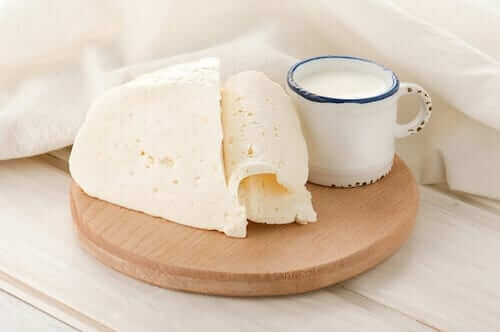
Feta cheese is a well-known Greek cheese that has a salty, tangy flavor. It is most frequently served with salads but can be served with other savory dishes as well. Although it is loved most for its unique briny flavor, it is becoming more popular for its nutritional benefits. Whether you buy it from a store or prefer making the cheese at home, add it to your diet to enjoy its nutrients and taste.

feta cheese

What is Feta Cheese Made of?

While some countries make their feta cheese from sheep’s milk, others prefer to mix sheep and goat’s milk. In the US, it is not uncommon to find feta cheese made from cow’s milk. Once made, it is cured in a salty solution until it ages and acquires its tangy taste. Fresh feta cheese is white, holey and has a soft texture that makes it crumble easily.

Health Benefits of Feta Cheese

Feta cheese is a powerful source of calcium, which is a mineral you need for good dental and bone health. It is also known to be high in phosphorus, which helps transport essential nutrients to cells and assists in metabolizing food for energy. Feta cheese also has small amounts of other minerals including manganese, magnesium, selenium, iron and zinc. Because it has a high unsaturated fat content, be sure to consume in moderation.

How to Make Feta Cheese at Home

Although it takes a bit of practice, you can learn how to make feta cheese at home. You will need:

  • 1 gallon milk (sheep, goat or mixture)
  • 1 tbsp. fresh plain yoghurt
  • ½ tablet rennet
  • Thermometer

Step 1:

In a large stainless steel pot, heat milk until it reaches a temperature of 30 C or 86 F. Stir while heating.

Step 2:

Slowly stir in plain yoghurt and make sure it is well-combined. Remove from heat and allow milk to sit for 1 hour.

Step 3:

Dissolve rennet tablet in a ¼ cup of lukewarm water. Add the rennet to the milk, cover and let it sit overnight.

Step 4:

The next day, the liquid (whey) should start separating from the gel-like solids (curd). With a knife, gently cut the curd in bite-sized pieces, lifting curds to stir.

Step 5:

Allow the curd to sit aside for 15 minutes and strain the mixture through cheese cloth. Pour the whey into a jar and store away for later.

Step 6:

The curds left are those needed to make feta cheese. Add these curds to a bowl and sprinkle about ½ teaspoon of salt. Mold the cheese using a molder or with your hands, and leave to sit overnight.

Step 7:

Measure 20 ounces of whey and combine it with 4-5 tablespoons of salt in a separate bowl. Allow the salty whey to sit for 24 hours and pour it over the feta cheese. Place the cheese in whey in the fridge to pickle for 4-6 days. Serve.

Feta cheese is always a great item to have available in your refrigerator. Its tangy, zesty flavor goes well with a range of dishes and can provide valuable nutrients too. Serve with salads, soups, baked potatoes, quiche, pastas and nachos for delicious meals.

How to Make Butter

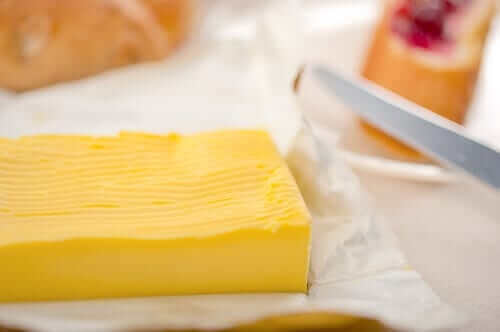
More in recent years than ever before, people are learning how to make butter at home using modern techniques. Unlike centuries ago when people churned butter manually, today’s methods uses convenient hand blenders and mixers. Making butter has become so simple you can have a bowl ready in just a few minutes.

How to Make Butter

Benefits of Learning How to Make Butter

There are several advantages to making butter in your own kitchen. One benefit is taste. Homemade butter – when made right – can be creamier than store-bought varieties. You can also make garlic butter and add flavoring of your choice. Homemade versions also give you control over how much salt you want in your butter, if any at all.

Butter made at home can also be nutritionally superior if you choose the right ingredients. Generally, butter sold in stores tends to have higher concentrations of unsaturated fats. Because you have full control over what you use, you can opt for healthier ingredients. Other than taste and nutrition, it is quick to make and cost-effective in the long term.

Print

How to Make Butter

If this is your first tutorial in how to make butter, you might want to practice your technique often. It is highly encouraged that you make butter unsalted, as it is easier to season and change into ghee if desired. The easiest recipe to start with is one that uses whipping cream. For this you’ll need:
Prep Time 30 minutes minutes
Cook Time 1 minute minute
Total Time 31 minutes minutes
Servings 5
Author Vanjo Merano

Ingredients

  • 1 US pint of whipping cream or 473 ml
  • Ice water as needed
  • Pinch of salt optional

Instructions

  • Add whipping cream to a large bowl or open container.
  • Using a blender, begin mixing the cream starting at a low speed and gradually progress to medium speed. At medium speed, cream should turn into smooth whipped cream.
  • Continue mixing until the cream starts to become stiff. During this process, the fat is being separated from buttermilk. In 5-10 minutes, butter fat should start sticking to the blades of your mixer.
  • Drain the buttermilk into a jug and store away in the fridge for future use. Use a spoon to scoop out your butter and transfer it to a separate bowl.
  • Pour cold ice water over your newly-churned butter to rinse. Keep pouring water until it becomes clear. Drain the remaining buttermilk and season with salt if you prefer. Refrigerate butter until it sets and serve.

Nutrition

Serving: 5g

Whipping vs. Cultured Cream

You have the choice of substituting whipping cream with an organic “cultured” cream. Cream with cultures is healthier because it contains good bacteria that have infection-preventing abilities. Use the same method to make cultured butter as you would with whipping cream.

Knowing how to make butter at home means you’ll always have a healthier, creamier stick of butter to use for cooking or spreading. If you would like to add flavor or make clarified butter in future, make unsalted butter instead. Making butter is not only delicious, but convenient and affordable as well.

What is Chai Tea?

Millions worldwide are replacing their morning coffee with chai tea. Ever since news of this tea’s health benefits broke out, the demand for the spicy beverage has been on the rise. Chai tea is unique in that it includes both milk and sweeteners, which goes against the common advice of nutritionists. Many people have their own versions of chai tea, and with practice, you can create your own too.

what is chai tea

What is Chai Tea Made of?

Although chai tea leaves are now available in stores, the name actually refers to the combination of tea with spices, milk and sweeteners. The tea used is often green, black or oolong tea. Spices vary according to individual preferences, but the most commonly used are cinnamon, cardamom, ginger and peppercorns.

Milk is also a traditional ingredient of chai tea, and often used generously. You can create healthy versions of this tea with skim or soy milk. When it comes to sweeteners, honey is always best.

What is Chai Tea’s Nutritional Information?

Green, black and oolong tea are well known for their high antioxidant content. These are nutrients that cleanse and boost the body’s overall function. The spices added to chai tea like cinnamon and ginger also contain important chemicals that aid digestion, bowel movements and disease prevention. Milk is a reliable source of calcium necessary for bone growth and strength.

What is Chai Tea’s Effect on Your Health?

The health benefits of chai tea are too many to mention. Cinnamon alone fights against infections, cures upset stomachs, reduces symptoms of bowel conditions and can prevent cancers. Ginger is famous for its healing properties and is often a listed ingredient on medicines. Cardamom is an effective natural laxative. Not only does it rid the body of waste, it can also reduce inflammation and prevent blood clots,

There is a misconception that adding a sweetener can cancel out all the health benefits of other ingredients. This could be true if you use table sugar, but not necessarily with honey. Honey has benefits of its own and can complement the taste of chai tea. When choosing milk, use the low-fat, skim or goat variety. These milks have more calcium and fewer calories to help you manage your weight.

Print

How to Make Chai Tea

Prep Time 5 minutes minutes
Cook Time 15 minutes minutes
Total Time 20 minutes minutes
Servings 2
Author Vanjo Merano

Ingredients

  • 2 black or oolong tea bags
  • 2 ½ cups water
  • 2 pieces cinnamon bark
  • ½ teaspoon of cardamom seeds
  • ½ teaspoon ginger
  • 125 ml honey
  • 1 ½ cup milk

Instructions

  • Wrap cinnamon, cardamom and ginger in cheese cloth with a string so you can pull it in and out.
  • In a pot, bring water to a low boil and place the spice cheese cloth inside. Let spices simmer in water for 15 minutes and pull out it out.
  • Remove the pot from heat and add tea leaves. Allow leaves to sit in water for 2 minutes before pulling them out. Strain the water and stir in milk and honey. Serve and enjoy.

Nutrition

Serving: 2g

Chai tea is a soothing, nutritious beverage you can make in your kitchen any time. In just one cup, you can receive a healthy dose of antioxidants and minerals. Incorporate this chai tea to your diet to experience a range of health benefits.

What is Guacamole?

If you are a fan of Mexican food, you’re well aware that a dish is not complete without a serving of guacamole. Guacamole literally means “avocado sauce”. It is a tasty, and sometimes spicy, condiment that can be enjoyed with a variety of foods. Originally from Mexico, guacamole has now become a favorite around the world.

What is Guacamole Made From?

The main ingredient of this creamy sauce is avocado. Avocadoes are mashed to form the base of the sauce. Thereafter, other ingredients can be added to it for more flavors. Many prefer to add diced onions and tomatoes with spicy seasoning. Others like it milder with yoghurt, or acidic with lime juice. You can also substitute avocado for edamame, which is a low-calorie alternative.

What is Guacamole Used for?

Guacamole is mainly used as a dip for chips and crackers. You can also use it as a spread on bread, or as a topping. It is best served with nachos and tortillas. If you prefer, you can eat guacamole alone as a salad. However, there are many who find avocado to be too fatty and difficult to keep down without bread or vegetables.

What is Guacamole’s Effect on Your Health?

Avocadoes have plenty of nutrients to offer. They contain high amounts of vitamins C and E, known for strengthening the immune system and improving nerve function. These vitamins are also beneficial for muscle, ligaments, tendons and blood vessels. Avocadoes are also one of the top sources of unsaturated healthy fat, which can reduce bad cholesterol and protect your heart.

If you are trying to lose weight or maintaining it, you need to watch your guacamole intake. Avocadoes can be high in calories, with the average avocado containing more than 300 calories. Choose whole grain bread when using it as a spread, and whole wheat crackers and chips when using it as dip. Eat in moderation.

How to Make Guacamole

Now that you know what guacamole is, you can learn how to make it at home. For a basic recipe, you’ll need:

  • 2 medium avocadoes
  • ½ medium tomato
  • ½ medium onion
  • 1 clove of garlic
  • 2 tablespoons of black pepper
  • 1 teaspoon lime juice
  • A pinch of salt

Step 1:

Mince all of your ingredients except for avocadoes

Step 2:

Cut avocadoes open and remove the pip inside. Use a spoon to scoop out the flesh, place in a dish and mash.

Step 3:

Add all other ingredients to mashed avocadoes and serve.

As you can see, making guacamole at home is very simple. After making the sauce, it is best to refrigerate it for 20 minutes to half an hour. You can substitute lime juice for lemon juice, and pepper for hot spices like paprika. If you are prone to stomach ulcers, it is best to avoid hot seasoning and opt for salt only instead.

Guacamole is an exceptional additional to any dish. With its creamy, rich texture and nutritional benefits, it is the ideal side dish for everything from chips and sandwiches.

What is Scampi?

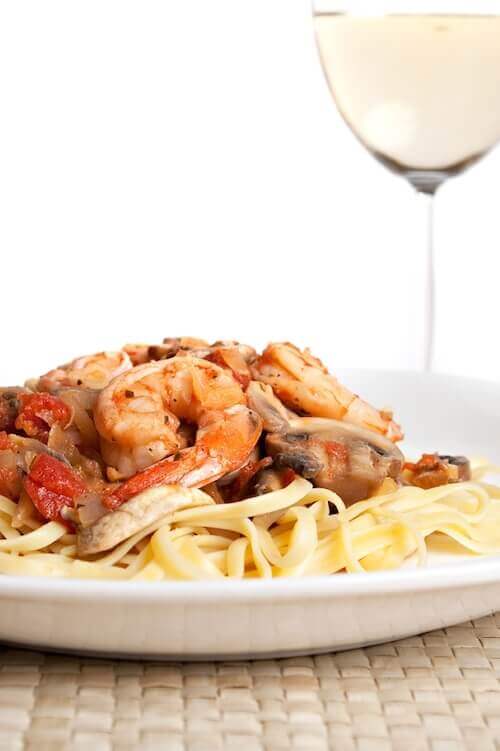
“What is scampi” is one of the most popular questions asked on search engines. With terms like “langoustines” and “Nephrops norvegicus”, it’s no wonder the world is confused about what this seafood dish is. Scampi is basically a dish prepared by cooking crustaceans. While some countries prefer to use crayfish and squat lobsters, others make it with Norway lobsters and crabs.

what-is-scampi

What is Scampi Made With?

The debate about what scampi is stems from the kind of crustaceans used to make it. Although there are differing opinions, what you use depends on what is available to you. Scampi is commonly made with Norway lobster tails and hermit crabs in Mediterranean cultures, shrimp in the UK and regular lobsters in the US. The best way to pick out your ingredients is to visit your local fish market and find out which crustaceans are on offer. Here is a good recipe for shrimp scampi.

What is Scampi Used for?

Scampi is usually served as finger food for guests at occasions. Many also eat is as a quick brunch or filler for in-between main meals. You can serve it as a full meal if you are watching your weight, or even as a side dish for your favorite meals. Seafood lovers can add this dish to their platter. How you eat it and how much of it depends on your calorie goals, and whether you need a full meal or a quick bite.

What is Scampi’s Nutritional Profile?

Shrimp, lobster or crayfish, most seafood is full of protein. A 1 cup serving contains about 22 grams of protein, which contributes a significant amount to your daily requirement. Scampi is also very low in carbohydrates. In fact, the amount of carbs and cholesterol it has depends largely on how you prepare it. Scampi can also give you a healthy dose of iron, potassium and vitamin C. Iron plays a big role in oxygenating your body and in maintaining blood cells. Potassium is great for the heart and kidney function. Please note that vitamin C is found in scampi made with shrimp, and not necessarily all version of the dish.

What is Scampi’s Effect on Your Health?

If you’re managing your weight, try to limit the amount of scampi you eat. One cup contains almost 300 calories and plenty of cholesterol. On the upside, it is filling and can satisfy your hunger. On the downside, it piles up the calories and its cholesterol content can do damage on your heart.

How to Make Scampi

Since shrimp is widely available worldwide, here is an easy recipe you can use to make scampi at home. You will need:

  • 1 pound shrimp, shelled
  • 2 tbs. olive oil
  • 2 tbs. butter
  • 1 tbs. minced garlic
  • ½ white wine

Step 1: Melt butter with oil in a pan over medium heat. Add garlic and sauté until golden brown.

Step 2: Add shrimp followed by white wine. Allow wine to boil for 3 minutes, coating shrimp.

Step 3: Turn the shrimp and cook for another minute. Remove from heat and season with lemon juice and pepper. Regardless of which crustaceans you want to use, scampi is a delicious dish that you can prepare in little time. You can serve with bread, brown rice or just eat it as is. Filled with protein and plenty of iron, it is a satisfying, tasty dish to add to your menu.

What are Chickpeas?

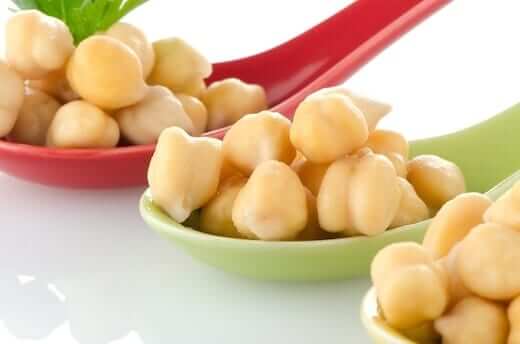
Chickpeas are small, healthy legumes that are used by cooks to make a variety of dishes. Their neutral, versatile taste makes them a great food to have in your kitchen. They are the main ingredient in hummus, falafel and some types of tofu. They can also be added to soups and salads to increase fiber content and overall nutritional value.

what are chickpeas or garbanzos

Health Benefits of Chickpeas

Chickpeas are one of the most fiber-rich foods. Because of this, they are often added to light meals to make them more satiating. Fiber is also important for healthy digestion, and can reduce the risk of digestive problems like constipation and irritable bowel syndrome. Chickpeas are also high in protein, which is good for muscle and works with fiber to curb hunger.

The main mineral found in chickpeas is manganese. Manganese is responsible for processing protein in your body. It also makes bone stronger and can reduce the amount of bad cholesterol in your system. Folate or folic acid is another featured nutrient. Folic acid supports cell creation and has been shown to prevent cancers, birth defects and other illnesses.

What are Chickpeas Used for?

When cooked, chickpeas make a fibrous addition to green salads and can bulk up low-calorie soups. Middle Eastern cultures prefer chickpeas in making hummus and falafels. The Burmese people in Asia often use chickpeas to make a certain type of tofu. Chickpeas can also be used as a substitute for beans for people who are susceptible to excessive flatulence.

How to Cook Chickpeas

Chickpeas are known for swelling up. They grow up to twice their size when cooked. This is why it is important to soak them for several hours prior to cooking. You can boil, slow cook and even roast chickpeas in an oven. Add a tablespoon of baking soda to cooking water to prevent flatulence.

How to Boil Chickpeas

Step 1:

Soak chickpeas in a pot full of water for 8 hours. Drain the water and run the chickpeas under cool water to clean.

Step 2:

In a fresh large pot, add a liter of water for every cup of chickpeas. Bring water to a boil and reduce heat to medium-low. Allow peas to simmer until they are soft and tender.

Step 3:

Drain water, rinse the chickpeas again and serve.

How to Slow-Cook Chickpeas

Step 1:

Wash and strain chickpeas in cold water. Do not soak overnight.

Step 2:

Add chickpeas and water into a pot and cook on low heat for 8 hours. For a quicker method, you can slow cook peas on high heat for 4 hours.  Drain, rinse and enjoy.

How to Roast Chickpeas in Oven

Step 1:

Preheat oven to 200 C or 400 F. Rinse soaked chickpeas and remove any loose surrounding skins.

Step 2:

Grease a baking dish or line it with foil. Arrange the peas on the dish and drizzle olive oil, making sure they are all coated.

Step 3:

Cook until chickpeas are golden brown. They should also have a crunchy texture. Season with your choice of spices and serve.

Chickpeas can be used in any dish to add more fiber, protein and nutrients. Their versatile flavor blends well with a lot of foods. Serve in soup, salads or pasta, or grind them to make delicious hummus and falafels at home.

What is Glutinous Rice?

Glutinous rice is a type of rice, which is cultivated mostly in Asian countries. It is now being exported around the globe and made available in stores worldwide. Glutinous rice is also known as “sticky rice” because of its consistency when cooked. It is a satisfying dish that can be eaten for breakfast, lunch and even dinner.

What is Glutinous Rice Made of?

Glutinous rice is actually the name of a type of rice and not of a particular dish. Its composition is unique in that the rice becomes sticky when it is cooked. The name might be misleading. In fact, many think that glutinous rice contains a large amount of gluten. This is not necessarily true. White, glutinous rice has little to no gluten, but the whole grain variety tends to have trace amounts of it.

What is Glutinous Rice Used for?

Asian communities, prefer using glutinous rice to make sweet treats and snacks. The rice can also be worked into desserts to make them more filling. Glutinous rice is sometimes ground into a fine powder, which is then used to make a sort of cereal. It is sweetened with sugar or honey, and mixed with milk for breakfast. Other countries prefer to serve it as a side dish or make Spanish rice.

What is Glutinous Rice’s Nutritional Information?

Rice is one of the best fiber-rich foods. Whole grain rice has more insoluble fiber compared to white rice. Glutinous rice also carries vitamins B and D, potassium and phosphorus. These nutrients are responsible for growing and maintaining good bone density. They are also vital for the immune system, nerve function, metabolism and organ performance.

What is Glutinous Rice’s Effect on Your Health?

Like most rice types, glutinous rice is relatively low in calories. 1 cup contains about 200 calories. Those on weight programs should try to find whole grain glutinous rice instead of the white kind. Although they have roughly the same amount of calories, whole grain rice has complex carbohydrates which can help control hunger. Whole grain rice also assists in controlling blood sugar and insulin for diabetics.

How to Cook Glutinous Rice

Ideally, glutinous rice should be cooked in a bamboo basket. However, if you don’t have it in your kitchen, using a wire mesh rack in your steamer will do. You will need:

  • 1 cup glutinous rice
  • 1-2 cups water
  • Bamboo basket or rice steamer

Step 1:

Soak the rice in a large bowl overnight. This gives glutinous rice the best texture. Drain water.

Step 2:

If using a bamboo basket, collect rice and wrap it in cheese cloth or muslin. Cook it for 15 minutes on one side, turn the cloth and cook for another 15 minutes. If you’re using a steamer, cook the glutinous rice until it gains a sticky consistency. If it’s still watery, cook it further for a few minutes. Serve.

Whether you want to make sweet rice treats or use it as a side dish for savory meals, glutinous rice is a great food option to add to your diet. Whole grain varieties are much healthier and can keep your weight and blood sugar in check. Eat in moderation.

What is Cayenne Pepper?

Nothing adds a zing to a dish quite like cayenne pepper. This popular spice is made from chili peppers that have been ground, baked and sifted into a powder. Originally used in a town in French Guiana, today it is one of the most imported spices in the world. Loaded with nutrients that have been associated with everything from weight loss to migraine cures, cayenne pepper is a healthy addition to your spice rack.

What is Cayenne Made From?

The original plant used to make cayenne pepper is of course the red chili pepper. Red chili peppers are harvest, dried and ground. After the grinding process, they are molded into cake-like clusters and baked. The peppers are then ground even further to form a fine, red powder sold in food stores worldwide. Although the commercial process of making cayenne pepper is complex, making it at home is very easy.

Health Benefits of Cayenne Pepper

Cayenne pepper is a host for plenty of vitamins, particularly vitamins A, B, C and E. These set of vitamins are in charge of maintaining healthy energy levels, metabolism and immune system. Cayenne pepper is also known to have bone and muscle-building minerals like potassium and manganese.

Out of all the nutrients found in this spice, there is one in particular that has caught the attention of experts. This nutrient is called capsaicin. Capsaicin has been vigorously researched for its effect on the metabolism and appetite. Experts believe that it has the potential to rev up your body’s metabolic processing and to curb appetite for weight loss. It is also been looked into as a cure for migraines.

What is Cayenne Used For?

Cayenne pepper is a secret ingredient to a lot of cuisines. Indian and Mexican cuisine chefs use it regularly to add a hot twist to their dishes. It is sometimes used as a substitute for paprika and black pepper. Some cultures use it as the active ingredients in drinks, while others prefer to add it to sauces and dips like salsa verde, tapenade and homemade mayonnaise.

How to Make Cayenne Pepper at Home

Making cayenne pepper at home is very simple. It can also save you money in the long term. You will need:

  • 25 grams of chili peppers
  • ½ teaspoon salt
  • Mortar and pestle

Step 1:

Preheat oven to 150 C or 300 F.

Step 2:

Rinse and cut the stems off the red chili peppers.

Step 3:

Place on a baking tray and dry the peppers until they are crispy. Make sure oven is closed.

Step 4:

Remove from heat and add them to a mortar and pestle. Add salt. Crush the dry peppers until they become a fine powder.

Step 5:

Store cayenne pepper in a sealed container in a cool place for later use. Remember not to touch your eyes or mouth while preparing.

Cayenne pepper is a valuable spice to have in your kitchen. It can use it to spice up bland dishes, while benefiting from its many nutrients. Be careful when making cayenne pepper at home and avoid eating if you have stomach ulcers.


What is Couscous?

Couscous is commonly described as pasta because it is made from the same flour. In its raw state, it is a grainy substance made from grounded wheat. When cooked, it is much smoother in consistency and can be served with many meals. Couscous is very easy to prepare, and can be seasoned to produce a variety of flavors. In addition to great taste, it is also packed with nutrients that are essential to your health.

What is Couscous Made of?

The basic ingredient used to make couscous is durum wheat. This wheat is then ground into semolina flour. Semolina flour is widely used to make other forms of pasta. Couscous is a food that is eaten globally. It is said that it originated in Africa and quickly spread to the Middle East, UK, US and Asian countries. It is cooked in many ways and with different ingredients globally.

What is Couscous Used for?

When cooked well, couscous can be combined with many other foods to make tasty side dishes, salads and even main meals. Because of its unobtrusive taste, you can prepare and season it with fruit, vegetables, meats, nuts and beans. It’s a good way to add more fiber and carbohydrates to small meals in order to feel full faster.

What is Couscous’ Nutritional Profile?

One of the benefits of couscous is that it is whole grain. This means that the nutrients have not been processed out of the plant. It is therefore rich in fiber and complex, healthy carbohydrates. You can also find plenty of B vitamins in couscous, which help keep the brain, heart, blood and immune system in order. B vitamins are also important in the production of red blood cells and metabolism.

Couscous contains a good amount of selenium and manganese. These minerals care for your reproductive system, keep thyroid hormones balanced and regulate your blood sugar. They are also recommended by physicians to pregnant women because they can prevent birth defects in unborn children.

What is Couscous’ Effect on Your Health?

Couscous is a good example of a low-calorie carbohydrate source. A cup of this whole grain dish contains around 180 calories and is loaded with the complex carbs and fiber you need to hold back hunger. Complex carbohydrates are also effective at normalizing blood sugar, which is an essential part of life for diabetics.

If you’ve been gaining weight because of thyroid malfunction, couscous can give you the nutrients you need to solve this problem. Selenium, in particular, supports the thyroid and harmonizes the hormones for a faster metabolism.

How to Cook Couscous

The easiest way to prepare couscous is to boil or steam it. To boil, you will need:

  • 1 cup couscous
  • 1 cup water or chicken broth
  • ½ tsp. salt

Bring water or broth to the boil in a pot. Stir in couscous and salt and cook for 10 minutes. Cook until it is no longer crunchy. That’s it!

Besides being incredibly easy to make, couscous is also a nutritious food you can enjoy without stacking up calories. Have it with your salads, favorite meals and even desserts. Add spices and herbs to create new flavors.

What is Ahi Tuna?

Ahi tuna refers to a type of large tuna that is native to tropical seas. It is a notably large species of fish and can weigh more than 300 pounds. Nutritious and very satisfying, this fish is becoming a popular dish in many countries. This is because it is easy to prepare, it’s healthy and plays well with many other foods.

What Does Ahi Tuna Look Like?

Ahi tuna is known formally as yellowfin tuna for the obvious reason that it has yellow fins. Ahi is a Hawaiian name attachment that points to its waters and other species of tuna related to it. Ahi tuna shares a few similarities with the bigeye tuna because of its size and habitat. If you buy your fish fresh from the market, it’s best to ask for the yellowfin. Canned varieties are available at some stores.

What is Ahi Tuna Nutritional Profile?

With 40 grams of protein per 6-ounce serving, ahi tuna is one of the best sources of this nutrient. In fact, one serving of this fish alone constitute almost all your protein daily requirement. Selenium is another nutrient found in high amount in ahi tuna, as well as phosphorus, potassium and vitamins B and D.

It is important to note that ahi tuna usually contains more mercury than other species of fish. High mercury levels in your blood can be harmful and often cause various symptoms. If you ever experience nausea, vomiting, mouth pain or sleeping problems after eating ahi tuna, please discontinue immediately.

What is Ahi Tuna’s Effect on Your Health?

Protein is a favorite nutrient for dieters and athletes. This is because it reduces hunger to help with your appetite and, helps build and repair muscle. If you take daily protein supplements, you might consider reducing your dosage when you eat ahi tuna. A protein overload has potential to cause health problems.

Selenium is a mineral that people don’t get enough of daily, and ahi tuna is a delicious way to get a dosage. Vitamins B and D can improve neurological reactions and strengthen your bone tissue. Potassium does wonders for the nervous system and phosphorus prevents fractures by keeping bones and joints strong.

How to Cook Ahi Tuna

You can prepare ahi tuna quickly in a pan or oven. Here are some easy methods you can try at home.

Searing

Season the tuna with salt and your choice of spices. Heat a pan as is or with a little olive oil at high heat. Wait for the pan to be hot. Add your ahi tuna steak and cook on both side until they are caramelized.

Baking

Preheat oven for 175 degrees. Season the ahi tuna with your choice of marinade, spices or plain salt. Bake in an oven-proof dish until it is flaky and the skin loses its pink color.

Ahi tuna or yellowfin is a great tasting, protein-loaded fish. Whether you choose to serve it with vegetable sides or alone, it responds well to many types of seasoning and makes a filling, healthy meal.

  • Previous
  • Page 1
  • Interim pages omitted …
  • Page 6
  • Page 7
  • Page 8
  • Page 9
  • Page 10
  • Interim pages omitted …
  • Page 27
  • Next

sidebar

Welcome!

As a huge fan of Filipino food, it is my goal to teach people how to cook it using the simplest way possible. Prepare your taste buds for an ultimate showdown of delectable Filipino dishes! Read more…

Facebook
Instagram
Pinterest
YouTube

Reader Favorites

Chicken Adobo Panlasang Pinoy

Filipino Chicken Adobo Recipe

Leche Flan Recipe

kare kare beef tripe

Kare-Kare Recipe (Beef Tripe)

Pork Sinigang

Sinigang

Receive new recipes by email!


Seasonal

Beef Morcon Recipe

Arroz Valenciana

lechon belly roll recipe

Lechon Belly Roll

Christmas Macaroni Salad

How to Make Macaroni Salad for the Holidays

As Seen In:

good housekeeping
parents
serious eats
livestrong
kitchn
sheknows
Facebook
Instagram
Pinterest
YouTube
About
Meet Vanjo
New? Start Here
Browse Recipes
Explore
Ingredient 101
Philippines
Cooking Schools
Privacy Policy
Disclaimers
Contact
© 2026 Panlasang Pinoy
Site Credits
Designed by Melissa Rose Design Developed by Once Coupled
Back to Top
Back to Top