• Skip to primary navigation
  • Skip to main content
  • Skip to primary sidebar

Panlasang Pinoy

Your Top Source of Filipino Recipes

  • Start Here
  • All Recipes
    • Course
      • Breakfast
      • Lunch
      • Appetizers
      • Dessert
      • Dinner
    • Ingredient
      • Chicken
      • Pork
      • Beef
      • Turkey
      • Vegetable
      • Fish
      • Rice
      • Egg
      • Tofu
      • Noodles
    • Type
      • Adobo
      • Bread
      • Fried Chicken
      • Sinigang
      • Kilawin
      • Ginataan
      • Kaldereta
  • Cooking Schools
  • About
Facebook
Instagram
Pinterest
YouTube
Home Culinary Arts

Culinary Arts

Common sage

What is Sage?

I started using sage maybe 18 years ago. Back then, I only knew it from those little jars of dried herbs at the grocery store. But when I tried fresh sage for the first time – fried in butter until crispy – it was a total game-changer. The flavor was so much brighter and more complex than anything I’d tasted from a jar.

Sage Herb

These days, I use sage in in some of the dishes that I cook from traditional Italian dishes to Filipino fusion recipes. It’s one of those ingredients that just makes food taste more interesting. In this guide, I’ll share everything I’ve learned about sage over the years – how to pick it, store it, and cook with it in ways that’ll actually make a difference in your food.

What is Sage?

Sage (Salvia officinalis, if you want the fancy botanical name) comes from the Mediterranean – places like Greece, Italy, and southern France. It’s a perennial herb, which means if you plant it in your garden, it’ll keep growing year after year.

The name “sage” actually comes from a Latin word meaning “to save” or “to heal.” People back in ancient times thought it could cure pretty much anything. They were probably overselling it, but sage does have some legit health benefits that modern science has confirmed.

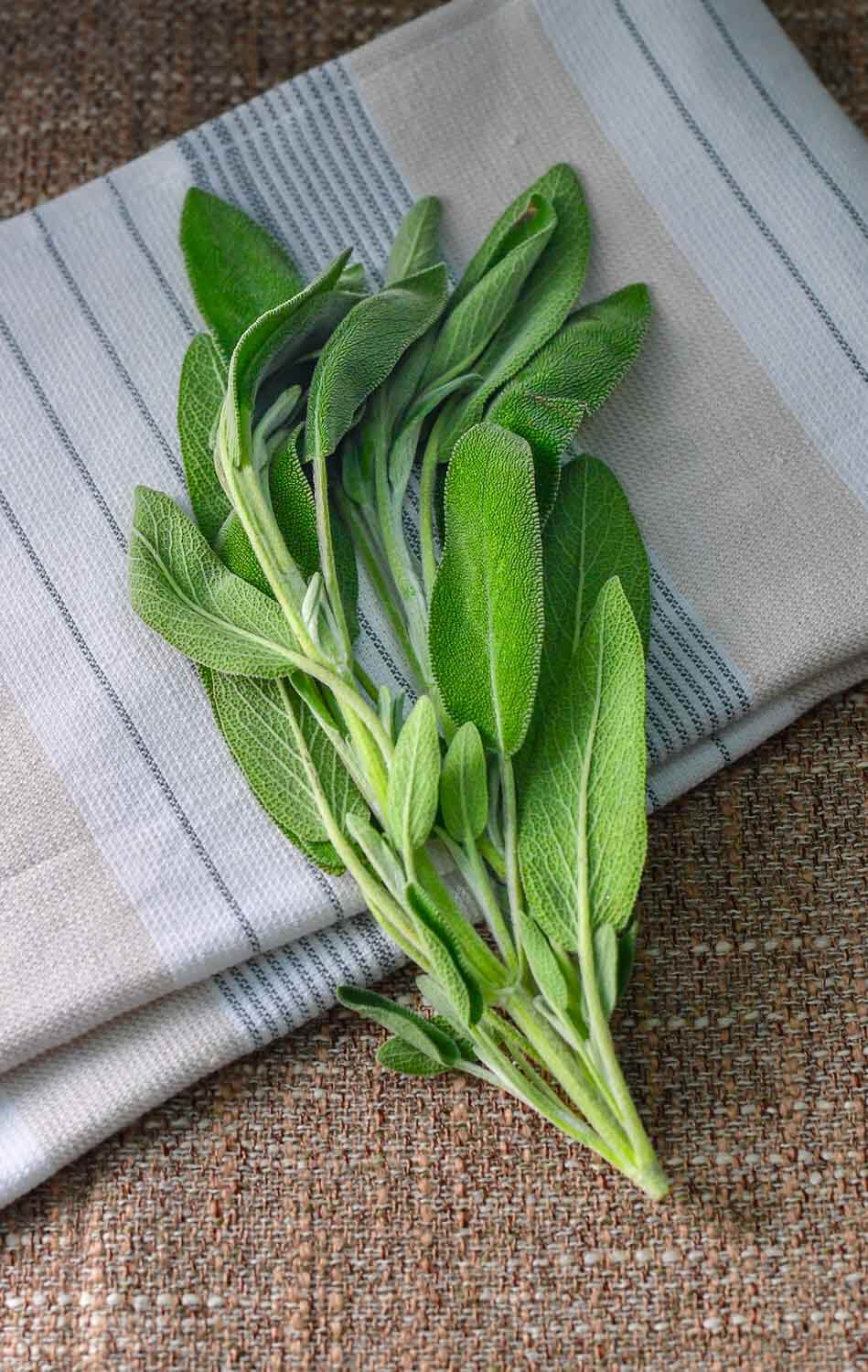
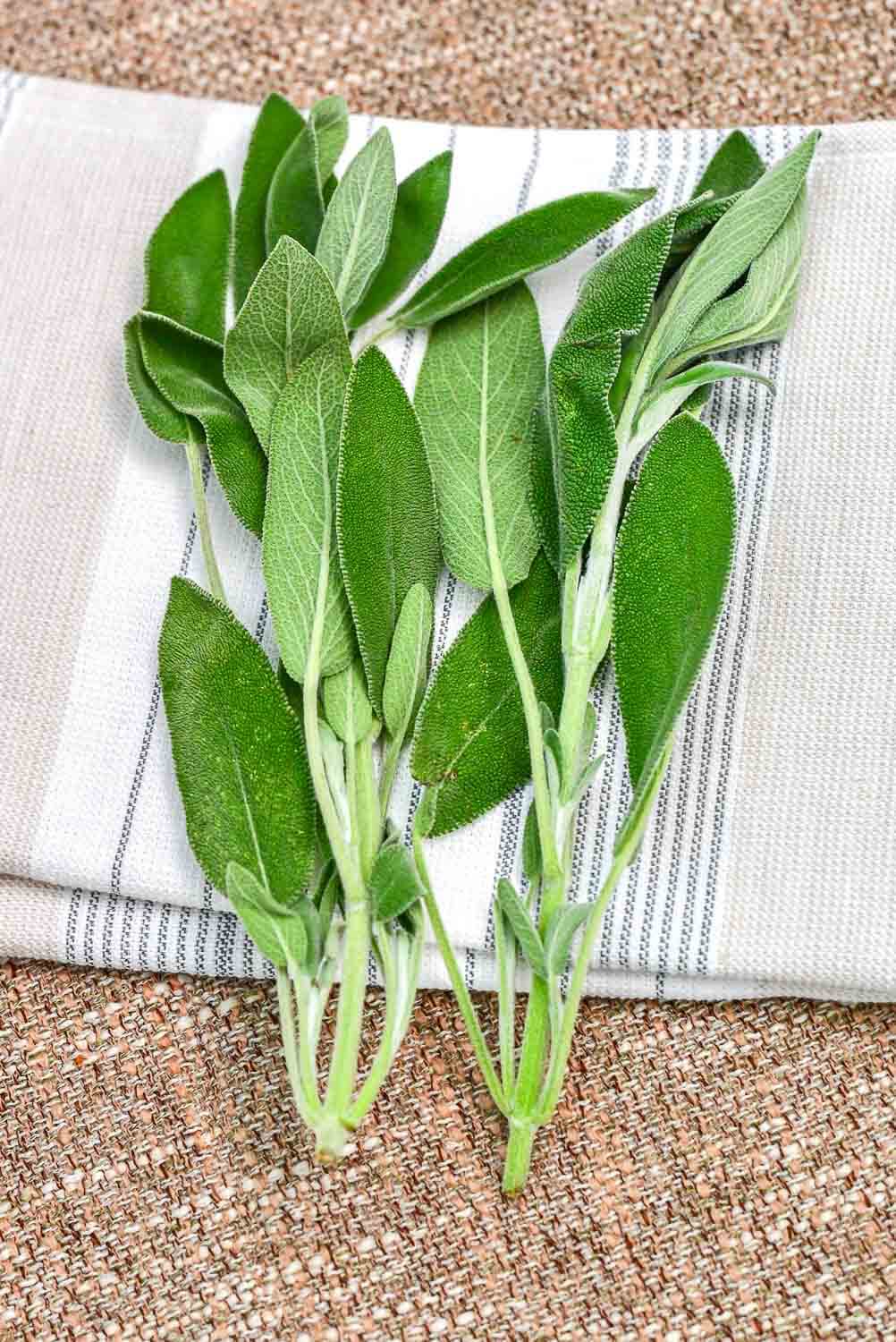
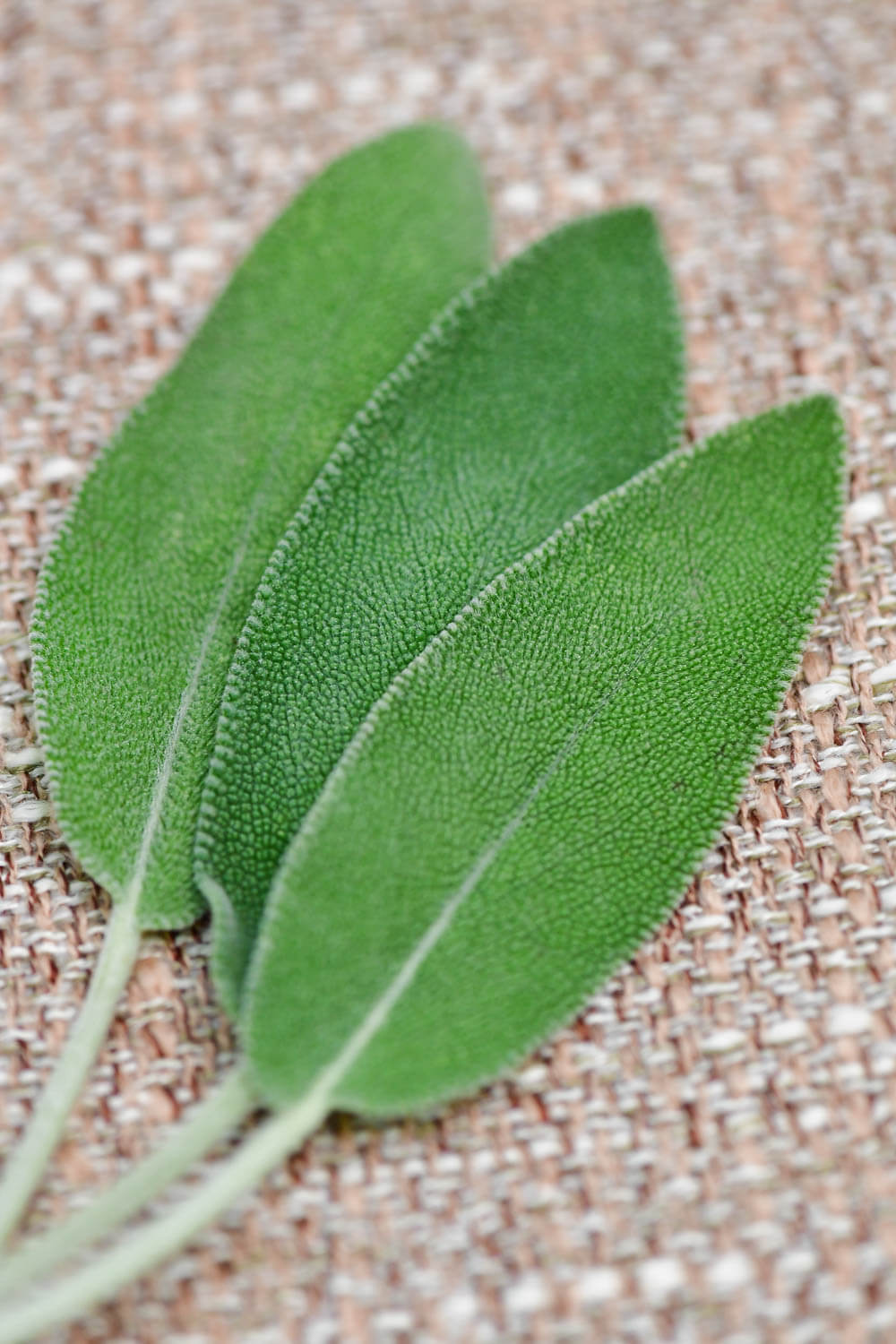
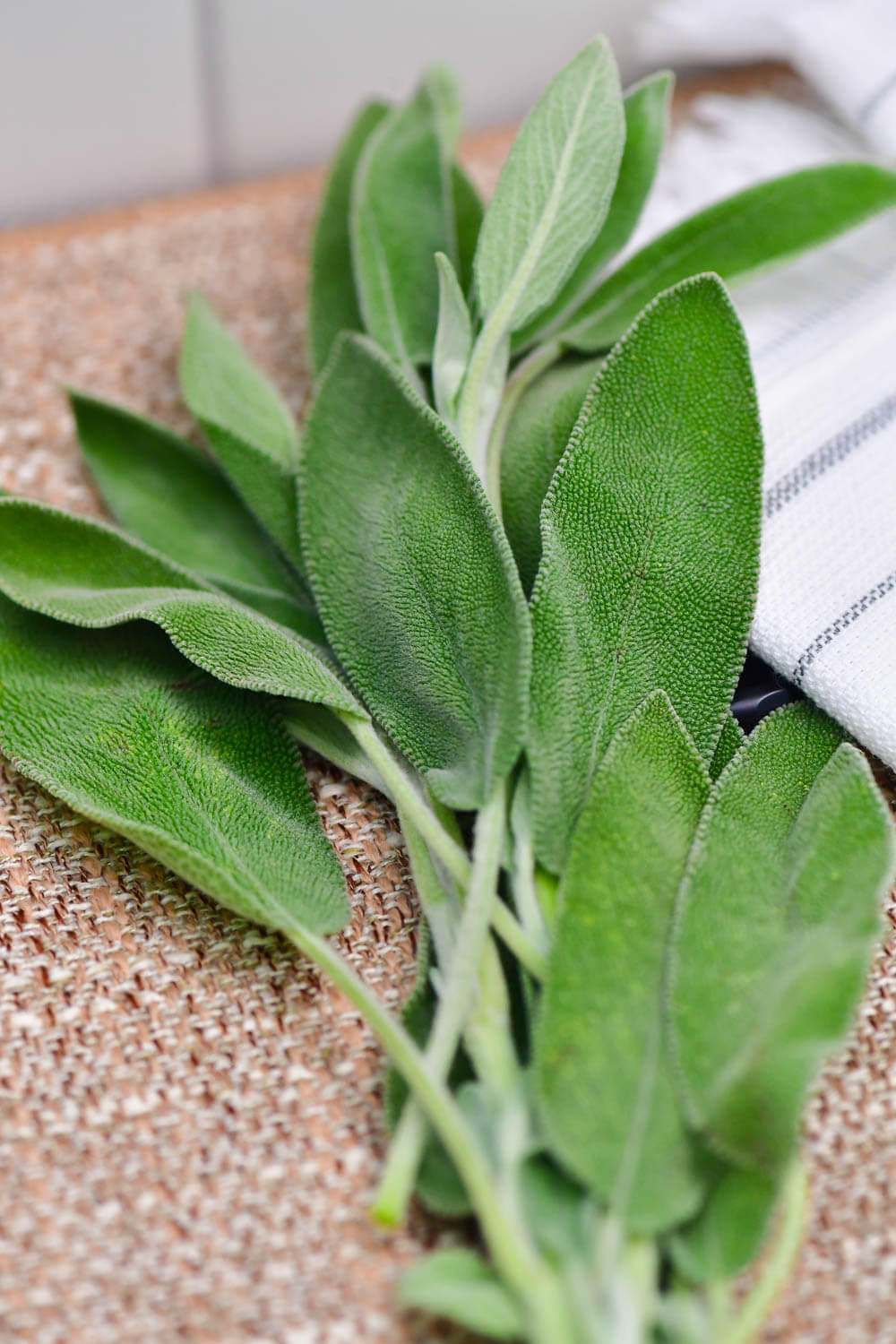
What makes sage special is its leaves – they’re soft and fuzzy, kind of velvety when you touch them. They’re gray-green in color, and when you crush them between your fingers, you get this amazing earthy, slightly peppery smell with little hints of pine and citrus. It’s hard to describe, but once you smell it, you’ll always recognize it.

Sage is related to herbs like mint, basil, rosemary, and thyme – they’re all in the same plant family. But sage has its own distinct personality. It’s stronger and more assertive than most herbs, so you don’t need a ton of it to make an impact.

Different Varieties You’ll Find

When you go to the grocery store, you’ll usually find common sage . This is the standard cooking variety. But there are actually a bunch of different kinds out there. Here are the ones you’re most likely to see:

Herb garden sage
  • Common Sage Variety – This is your everyday cooking variety. Gray-green leaves, strong flavor, works in pretty much any recipe. This is what I use 95% of the time.
  • Purple Sage Variety – Same as the common variety but with purple-tinted leaves. It looks prettier in the garden, but honestly, it tastes pretty much the same. I’ve used it when I wanted my dish to look a little fancier.
  • Pineapple Sage – This one’s different. It actually smells like pineapple – not super strong, but it’s there. The leaves are green and smooth, not fuzzy like the common variety. I’ve used it in fruit salads and drinks. It’s fun for desserts, but don’t use it in place of the regular herb for savory dishes.
  • Tricolor Sage Variety – Pretty to look at – the leaves have white, pink, and green colors. It’s milder than the common type, so I mostly see it used as a garnish rather than for cooking.
  • Golden Sage Variety – Green leaves with yellow edges. Again, more of a garden variety than a cooking herb, though it’ll work if that’s what you have.

My advice? Stick with the common variety for cooking. The others are nice if you’re growing your own herb garden and want some color, but for actual cooking, common sage is where it’s at.

Picking the Freshest Bundles

When I’m at the store picking out fresh herbs, here’s what I look for:

  • The leaves should be vibrant. You want that nice gray-green color, not brown or yellow. If the leaves are turning dark, they’re past their prime.
  • They should smell strong when you rub them. Pick up the package and give it a gentle squeeze through the plastic. You should be able to smell that earthy aroma. If you can’t smell anything, it’s probably old and has lost its flavor.
  • No slimy or wilted leaves. Fresh leaves should be firm and dry. If they’re wet, slimy, or drooping, skip that bundle and find a fresher one.
  • Look at the stems. They should be firm, not dried out or woody-looking. If the stems are all brittle and brown, the whole plant has been sitting around too long.

One more thing – you might see both regular bundles and those little plastic containers with “living” herbs still attached to roots. The living ones will last longer in your fridge, but honestly, regular bundles work just fine if you store them properly.

Storage Tips That Actually Work

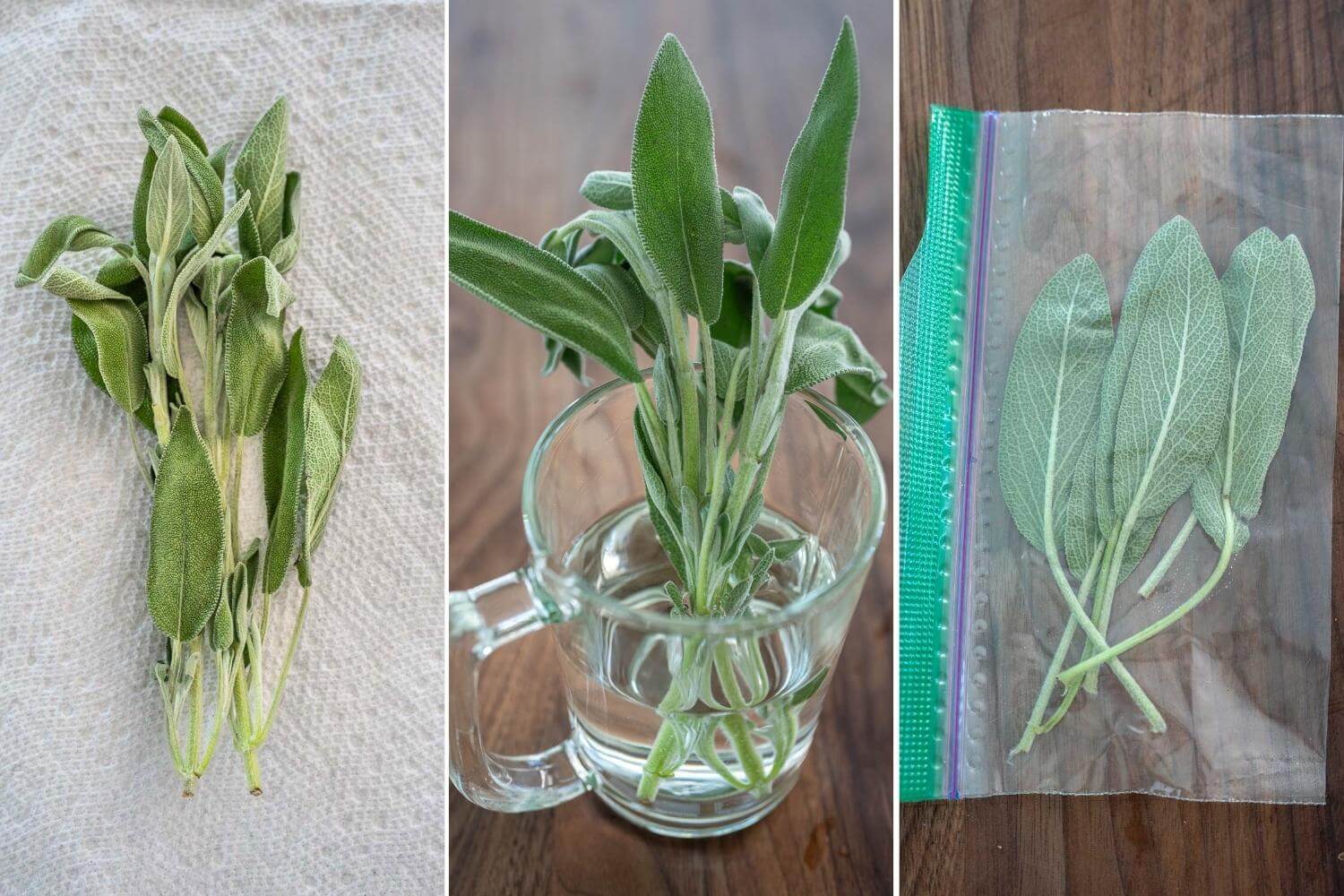
Fresh herbs will last 1-2 weeks in your fridge if you store them right. Here’s what I do:

Sage storage tips
  1. The Paper Towel Method (My Go-To) – Wrap the herbs loosely in a slightly damp paper towel – not soaking wet, just damp. Put it in a plastic bag or container and stick it in your crisper drawer. The damp towel keeps the leaves from drying out, but it’s not so wet that they’ll get slimy. Check on it every few days. If the paper towel is getting too wet, swap it out for a fresh one. If it’s drying out, dampen it again.
  2. The Glass of Water Method – Some people like to treat fresh herbs like flowers. Trim the stem ends, put the bunch in a glass with about an inch of water, and loosely cover the leaves with a plastic bag. It’ll keep on your counter for a few days or in the fridge for longer. I don’t usually do this because it takes up space, but it works if you have room.
  3. Drying for Long-Term Storage – If you’ve got more than you can use fresh, you can dry it. Tie the stems together and hang them upside down in a dry, dark spot with good air circulation. In about a week or two, the leaves will be completely dry and crispy. Strip the leaves off the stems and store them whole in an airtight container. Don’t crumble them until you’re ready to use them – they’ll stay more flavorful that way.
  4. Freezing for Later – You can also freeze it. Just wash it, pat it completely dry, and freeze the whole leaves on a baking sheet. Once they’re frozen solid, transfer them to a freezer bag. They’ll keep for several months. The texture gets a bit limp when you thaw it, so frozen herbs work best in cooked dishes – not so much for garnishes or crispy fried applications.

Nutritional Profile & Health Benefits

Sage is packed with vitamins and minerals – vitamin K, vitamin A, iron, calcium, and antioxidants. People have used it medicinally for thousands of years, and modern research has found some interesting stuff about its health benefits.

Studies suggest sage might help with memory and brain function, reduce inflammation, and have antimicrobial properties. It’s also traditionally been used for digestive issues and sore throats.

🌿 Want to Learn More About Sage’s Health Benefits?
I got curious and did a whole deep dive into the research on sage’s medicinal properties. I covered everything from brain health to blood sugar regulation. Check it out: Health Benefits of Sage

Sage herb plant leaves

That said, we’re talking about cooking amounts here. You’d have to eat a ridiculous amount of sage to get major medicinal effects. But hey, every little bit helps, right?

Cooking Techniques That Work Best

Alright, this is where it gets fun. This herb is one of those ingredients where how you cook it completely changes what it tastes like.

Cooking techniques for sage that works for me
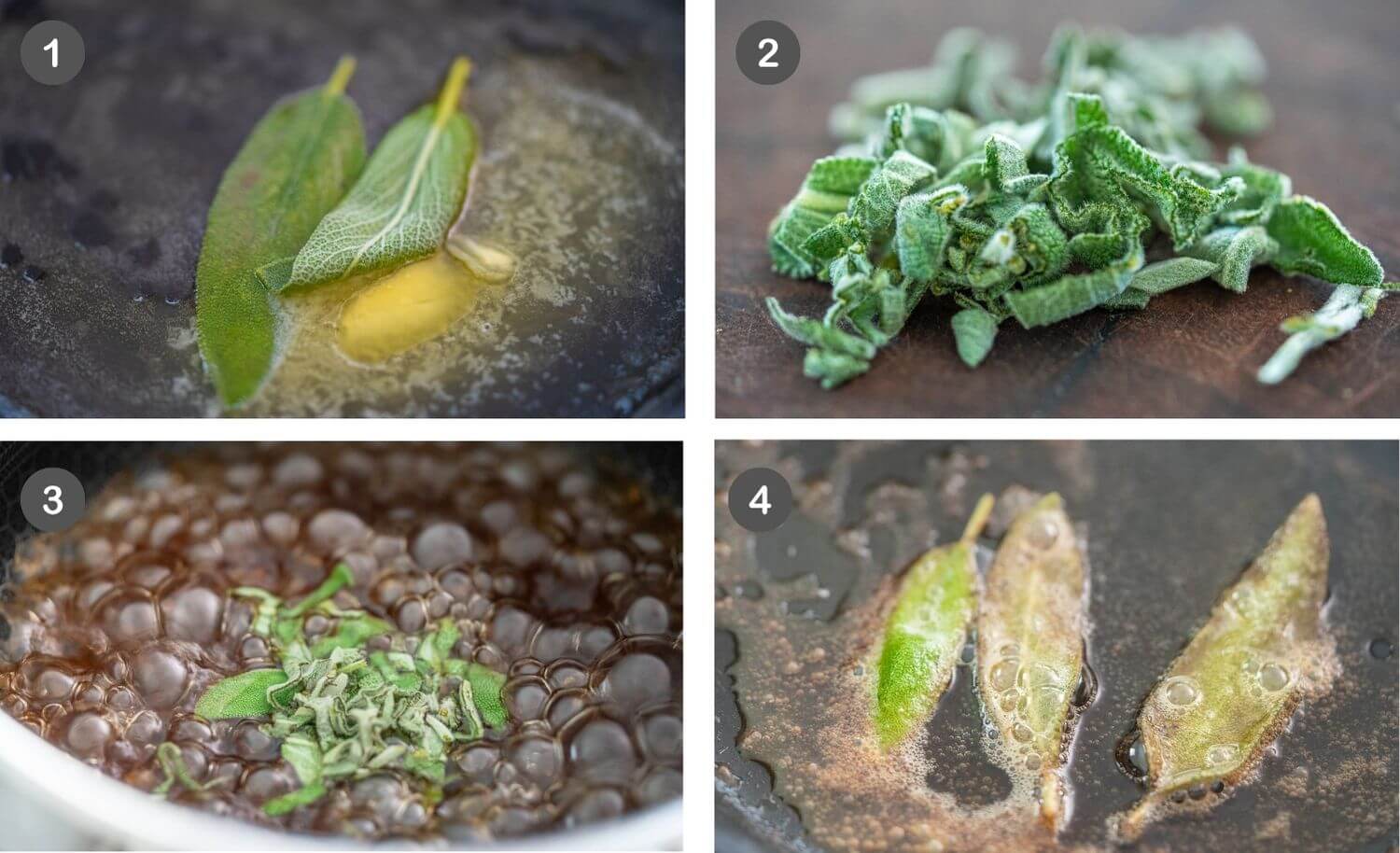
  1. Fried in Butter (My Favorite Way) – Heat some butter or oil in a pan using medium heat. Toss in whole leaves and let them fry for about 30 seconds to a minute until they get crispy. They’ll turn a darker green and get this amazing nutty, toasted flavor. This is killer on pasta, risotto, roasted vegetables, or even just as a garnish on soup. The crispy leaves add texture and the flavored oil is basically liquid gold.
  2. Chopped and Fresh – When you want the flavor throughout a dish, chop it up fine and add it to the recipe. Works great in sausages, meatballs, stuffing, or rubbed on meat before roasting. A little goes a long way. Start with maybe 5-6 leaves for a recipe that serves 4 people, then add more if you want.
  3. Infusing for Subtle Flavor – If you want subtle flavor, throw whole sprigs into soups, stocks, or sauces while they simmer. Fish them out before serving. This gives you the flavor without bits of herb in your food.
  4. Brown Butter Sauce – This is next-level stuff. Melt butter in a pan over medium heat. Add fresh leaves and keep cooking until the butter turns golden brown and starts smelling nutty – usually 3-4 minutes. The leaves will get crispy and the butter will be insanely flavorful. Toss this with pasta, gnocchi, or ravioli. It’s simple but it tastes like you went to culinary school.

Dried vs. Fresh

You can substitute dried for fresh, but use way less – about 1/3 the amount. So if a recipe calls for 1 tablespoon fresh, use 1 teaspoon dried.

Dried has a more concentrated, earthier flavor. It’s fine for slow-cooked dishes like stews or braises. But for things like brown butter sauce? Fresh is non-negotiable. The flavor is just so much better.

Best Flavor Pairings

Common sage

This herb loves fatty, rich foods because its strong flavor cuts through all that richness. It’s amazing with pork (especially sausages), chicken, turkey, duck, winter squash, white beans, mushrooms, cream, brown butter, lemon, garlic, and hard cheeses like parmesan.

In Tampa, I use it a lot in fall and winter cooking (I started doing this when we were still in Chicago) . There’s something about this herb that makes me feel comfortable everytime I state it.

Filipino Fusion Experiments

Okay, so this isn’t a traditional Filipino ingredient. But I’ve been experimenting with it in Filipino dishes, and some combinations work surprisingly well.

  • Adobo Enhancement: I tried adding a few fresh leaves to chicken adobo during the last 10 minutes of cooking. The earthy, slightly peppery flavor actually complements the soy and vinegar really nicely. It gives the dish a different dimension without making it taste weird or un-Filipino.
  • Longganisa with a Twist: Filipino breakfast sausage usually has lots of garlic and black pepper. I’ve made batches where I added the dried herb to the spice mix, and it creates this interesting bridge between Filipino and American breakfast sausage flavors. My family actually requests it now.
  • Brown Butter Pancit: This is probably my favorite fusion dish. Instead of regular oil for pancit canton, I toss the finished noodles with brown butter and crispy leaves. The nutty butter adds this richness that works so well with the noodles. It’s not traditional, but it’s delicious.
  • Lechon Belly Rub: Before roasting a lechon belly roll, I mix minced leaves with garlic and rub it all over the meat. It adds complexity to the crispy skin and the aroma while it’s cooking is incredible.

The key with this herb in Filipino dishes is not overdoing it. You want it to enhance the flavors that are already there, not take over.

Common Questions Answered

What is sage

Is sage the same as sambong in Filipino?

Nope, they’re completely different plants. I get this question a lot because both have aromatic leaves and medicinal uses, so people sometimes confuse them.

Sambong is a Filipino herb that’s traditionally used for kidney and urinary health. It has kind of a camphor-like smell. Sage is Mediterranean, used in cooking, and has that earthy, peppery flavor. They’re not interchangeable at all.

Can I substitute dried for fresh?

Yeah, but use less – about 1/3 the amount. Dried is way more concentrated and has a stronger flavor than fresh.

Also, add dried earlier in the cooking process so the flavors have time to develop. Fresh can go in near the end.

How long does it last in the fridge?

If you store it properly (wrapped in a damp paper towel in the crisper), it’ll last 1-2 weeks. Just check it every few days and swap out the paper towel if it gets too wet.

Can I eat it raw?

You can, but it’s pretty strong raw. Some people add a tiny bit fresh to salads, but honestly, it’s much better cooked. Cooking mellows out the flavor and brings out the nutty, earthy notes.

Is it safe during pregnancy?

In cooking amounts, it’s generally considered safe. But medicinal amounts (like tea or supplements) might not be recommended during pregnancy.

If you’re pregnant or nursing, talk to your doctor before using it in anything beyond normal cooking quantities.

Why does mine taste bitter?

Usually this happens when you use too much or cook it wrong. It can get bitter if you burn it or if you add a ton to a dish.

Start with less than you think you need. You can always add more, but you can’t take it out once it’s in there making everything taste like a forest.

What’s the best cooking method?

Fried in butter. Hands down. It gets crispy, the butter gets infused with flavor, and you can use both the crispy leaves and the flavored butter in your dish.

But honestly, there’s no “wrong” way – it just depends on what you’re making. Experiment and see what you like.

This herb can really level up your cooking once you get comfortable using it. Start simple – try making brown butter sauce for pasta, or rub some fresh leaves on pork chops before you cook them. Once you get a feel for the flavor, you’ll start finding

Other Filipino Dishes You Can Cook with Sage

Sage blends surprisingly well with dishes that already rely on garlic, fat, and slow cooking. I like to treat sage the same way I treat bay leaf. Use it gently and let it support the dish rather than take over.

Fried pork belly liempo

Crispy Fried Pork Belly

This is one of my favorites. Fry a few sage leaves until crisp and use them as a topping, or infuse them briefly in hot oil before frying the pork. Sage loves fat, and pork belly brings that out beautifully.

GET RECIPE
Chili Garlic Butter Shrimp

Garlic Butter Shrimp

Melt butter gently, add garlic, and let one chopped sage leaf bloom before adding the shrimp. The result is rich, aromatic, and very comforting.

GET RECIPE
Classic Chicken Tinola

Chicken Tinola

Ginger should always stay in the lead here, but adding a small sage leaf near the end can give the broth extra warmth, especially during cooler days

GET RECIPE

How to Become a Dietary Cook

As the world becomes more health-conscious, the demand for dietary cooks is steadily rising. A dietary cook is not only a culinary expert but a nutrition specialist as well. With extensive knowledge of how food affects the body, the dietary cook whips up delicious meals that benefit health.

Duties of a Dietary Cook

The primary responsibility of a dietary cook is to prepare meals with health in mind. These professionals create nutritious dishes for patients and healthy people alike. In essence, dietary cooks use food as a natural medicine for the body.

Because nutrition takes top priority in this profession, the cook needs to have extensive knowledge about vitamins and minerals, as well as fatty acids, protein and other nutrients. Cooks also need to be familiar with Recommended Daily Intake guidelines as put forward by the National Academy of Sciences.

When preparing meals, cooks need to balance nutrition with flavor. Because many people find healthy foods bland, it is the cook’s responsibility to make meals more pleasant to the palate. This means playing around with different flavors to enhance taste and improving the presentation of dishes.

Cooking is not the only duty of a dietary chef. Like all culinary professionals, he or she needs to clean and maintain the kitchen according to safety and sanitation regulations. This means keeping stations, floors and storage facilities spotless. Cooks are also expected to monitor and restock with fresh supplies.

Dietary Cook Training Requirements

Because the job entails focusing on more than just taste, aspiring dietary cooks need both culinary training and nutrition education. As a professional cook, you must be able to create creative, tasty dishes for diners.

As a nutrition expert, it is up to the cook to prepare meals that contain the right nutrients and calories in the right quantities. Health care centers often provide precise recipes that should be followed to safeguard the health of patients. In some cases, physicians can prescribe specific foods that should be incorporated into a patient’s daily diet.

In addition to cooking and nutritional training, cooks need to obtain certification in food handling, sanitation and other industry requirements. Candidates can either apply for a 2 or 4 year degree that encompasses all the necessary subjects or take a series of short courses at vocational schools to receive different qualifications.

Practical training is crucial in this business. Before seeking employment in health care establishments, trainees should acquire practical skills through internships and apprenticeships available.

Qualities of a Good Dietary Cook

Precision is a trait a dietary cook cannot do without. With a job where quantities and calories are everything, it pays to be detail-oriented. Cooks should get into the habit of re-checking food items because an error can affect the health of a patient in a big way.

Dietary Cook Salary and Job Opportunities

Traditionally, dietary cooks work in establishments that offer health care services like hospitals, homes and hospices. These days, cooks are hired by a variety of employers and even personally by athletes, performers and other individuals whose occupations rely on maintaining good health.

Cooks who are just starting out can earn $10 000 to $20 000 yearly. However, most move on to managerial posts that pay an average of $36 000 per annum. Cooks can also become personal chefs for wealthy clients to boost earning potential.


A Guide to Cooking Barley

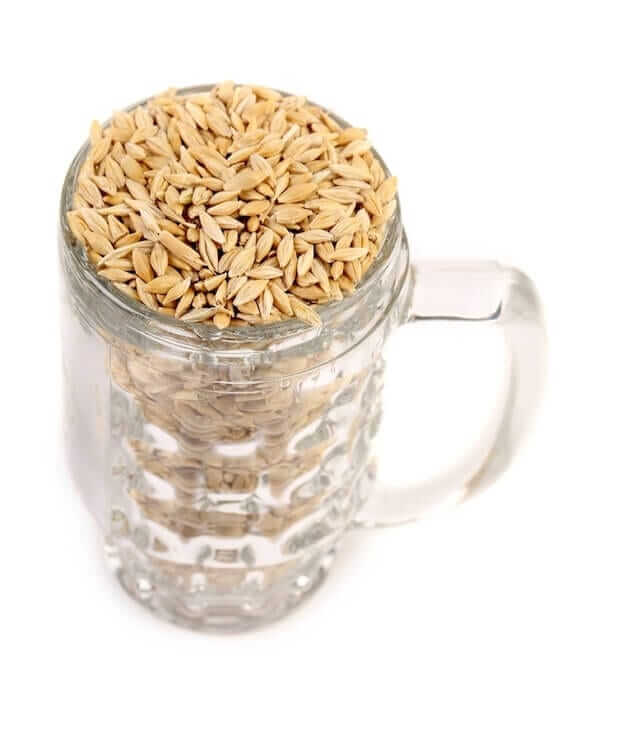
Barley is a grain most popular for being an ingredient in beer. Many people also prefer having it for breakfast instead of oatmeal. Regardless of how it is enjoyed, it is a healthy staple filled with important nutrients. Cooking barley regularly prevents a host of illnesses and helps you maintain good health.

Cooking Barley

Common Uses of Barley

Although is it widely used to make alcoholic beverages, barley has other healthier uses. It is a cereal grain much like oatmeal and can be enjoyed in the same way. Cooks also add it to stews and soups for richer flavor and texture. When cooked correctly, barley can replace white rice, cous cous and other grains.

Health Benefits of Barley

The main nutrient in barley is fiber. When fiber combines with the minerals and vitamins this grain has to offer, it can have a powerful, positive effect on your health. Cooking barley the right way can help with everything from digestion to cancer prevention.

Fiber

Discovered to be an excellent source of dietary fiber, barley’s effect on digestion has not gone unnoticed. Fiber plays a role in the transit of food from your intestines to the bowels. It helps break down food at a steady pace to regulate blood sugar and moves food along to prevent constipation.

In addition to normalizing digestion, it firms up stools in the colon and aids in excretion. Fiber is also promotes healthy digestive bacteria, helps destroy harmful bacteria in the tract and flushes out bile acids to lower your cholesterol.

Manganese

Eating barley more often can do wonders for people with bone-related conditions. It contains more than half the manganese you need daily. Manganese builds, strengthens and supports bones and connective tissue. It can add density to weakened bones and improve the flexibility of joints.

Selenium and Copper

Adding barley to meals can improve your body’s response to sickness and disease. It is high in selenium and copper, minerals that protect cells and fight off infections. These nutrients also restore the thyroid gland associated with weight regulation and boost energy by improving iron absorption.

Chromium, Magnesium and Phosphorus

As you age, the muscular-skeletal system deteriorates. This includes bones, muscles, joints and nerves. To maintain the health of this system, you need adequate amounts of chromium, magnesium and phosphorus. Fortunately, barley is rich in all three minerals.

Vitamin B

There are two more reasons why you should make barley your main grain: vitamin B1 and vitamin B3. B1 takes care of your nervous system and heart while B3 turns carbs and fats into much-needed energy.

Cooking Barley

Barley

Cooking barley is not that different from preparing other grains. However, its hull is much tougher and takes longer to cook. Combine one cup of barley with 2 ½ cups of water, bring to a boil and simmer until tender and fluffy. This usually takes 40 minutes to an hour.

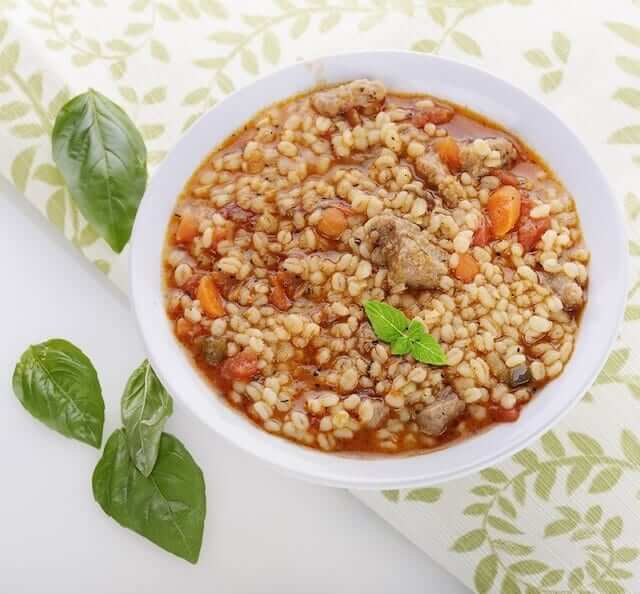
Barley can be boiled in broth for more flavor or served with milk for breakfast. Another way of serving barley is adding it to soup or a salad. You might also enjoy barley risotto. It doesn’t matter how you eat it. The important thing is to make sure you do.

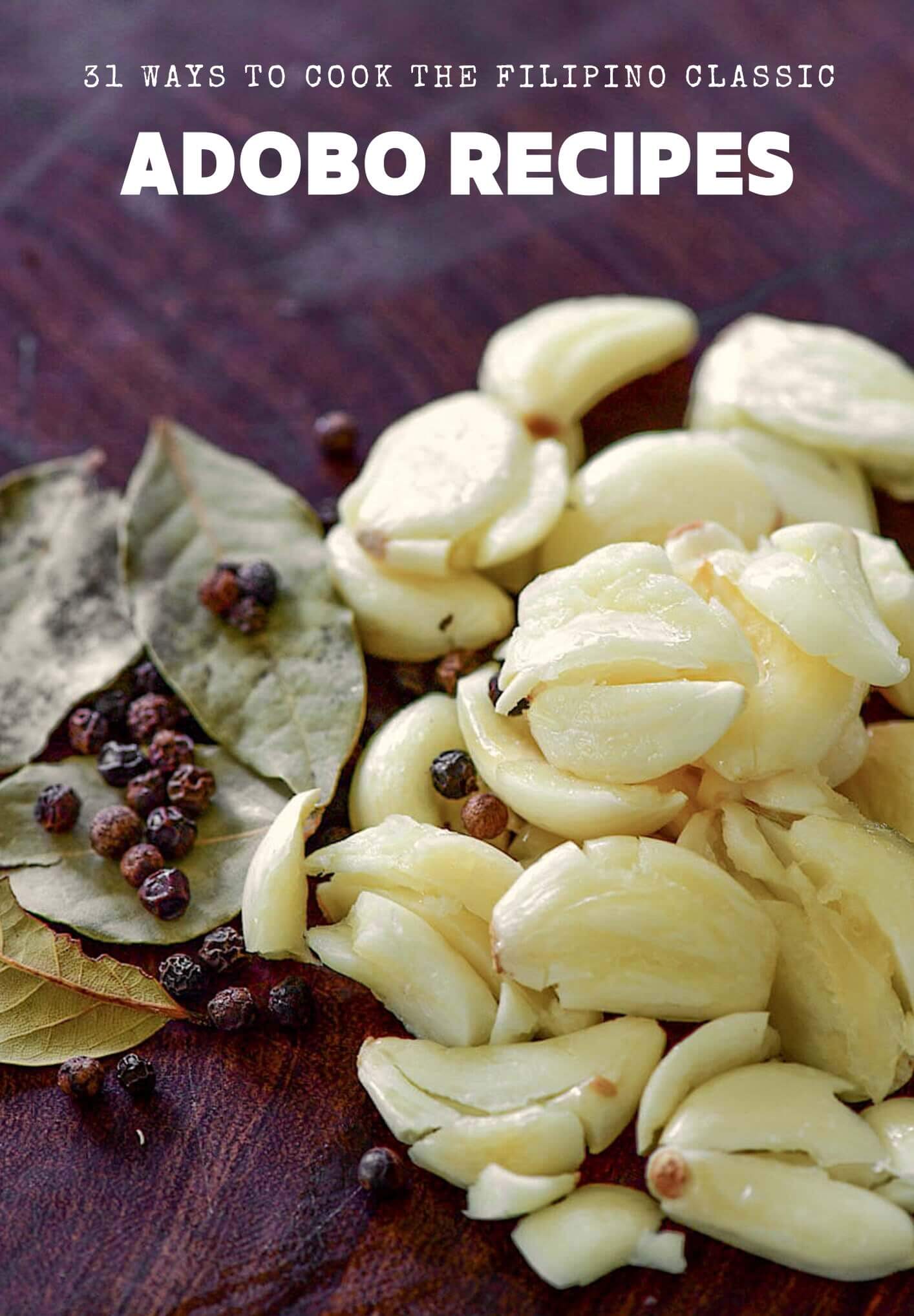
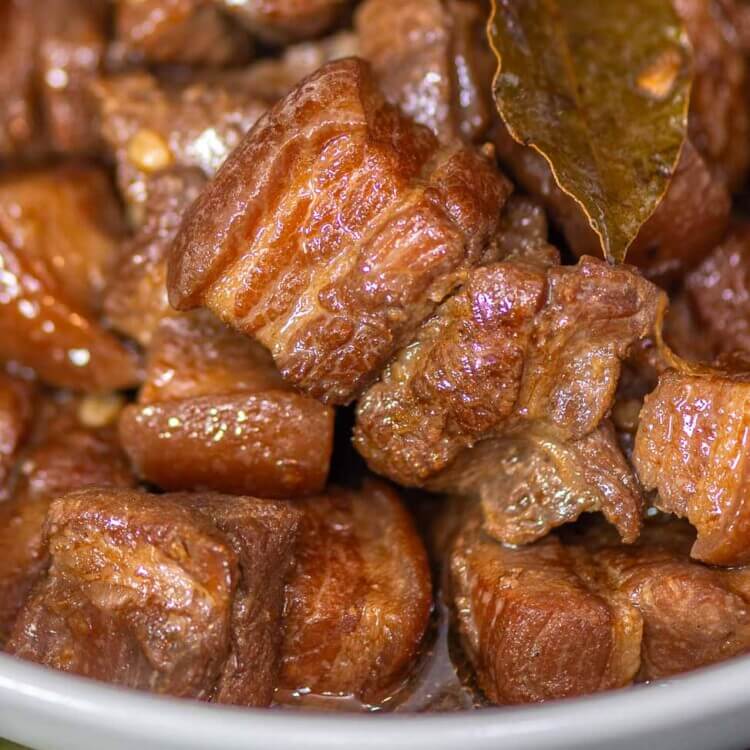
31 Insanely Delicious Adobo Dishes

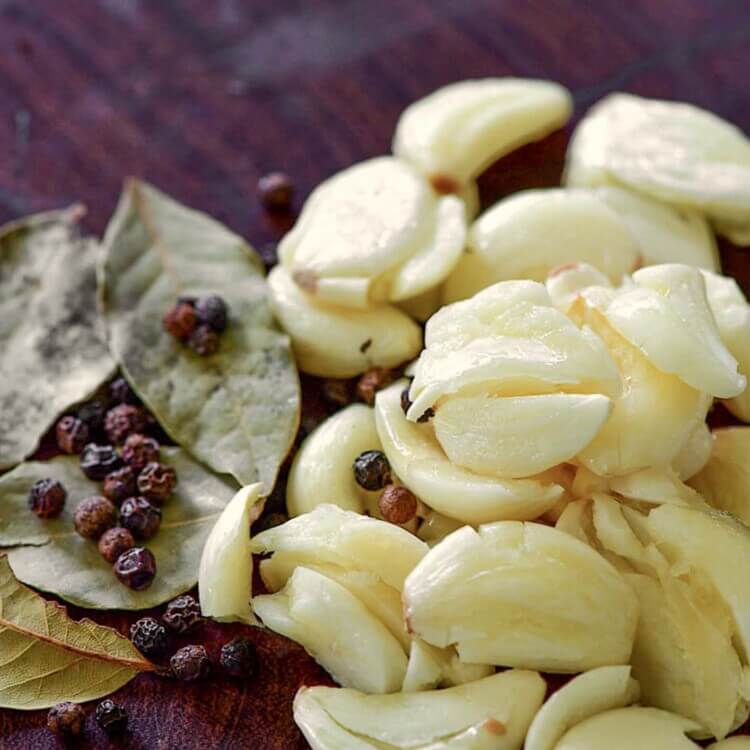
Adobo is a type of filipino dish cooked usually in soy sauce and vinegar with the addition of garlic, peppercorn and dried bay leaves. Meats such as chicken, pork, beef, and goat meat are commonly used. There are also adobo dishes that involve fish and seafood, vegetables, and rice.

We have compiled some of our best adobo dishes in a single place for you to be guided accordingly. You can bookmark this post for future use or simple browse around and checkout which adobo recipes you want to cook today, or plan to include in your weekly menu.

Enjoy these Insanely Delicious adobo dishes!
31 Insanely Delicious Adobo Dishes

1. Chicken Adobo

Chicken Adobo Recipe

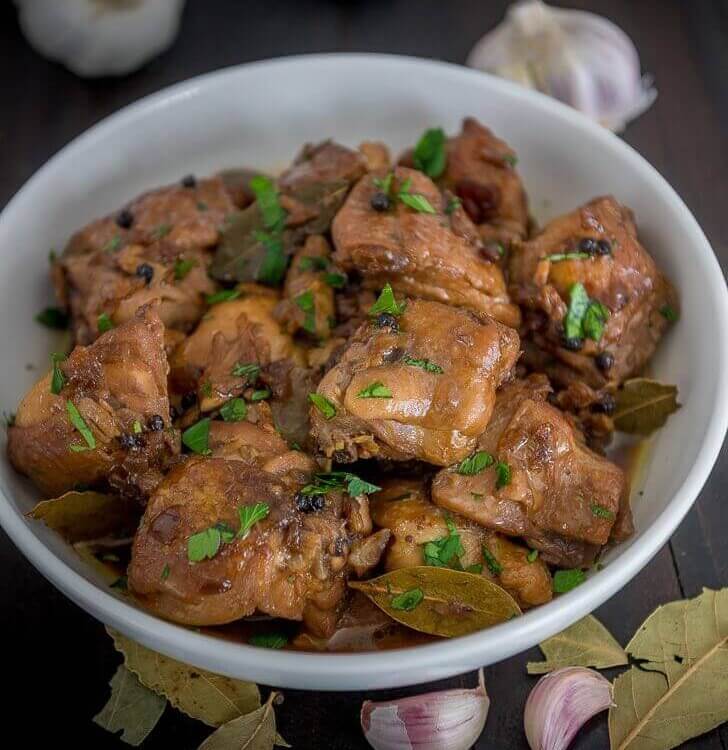
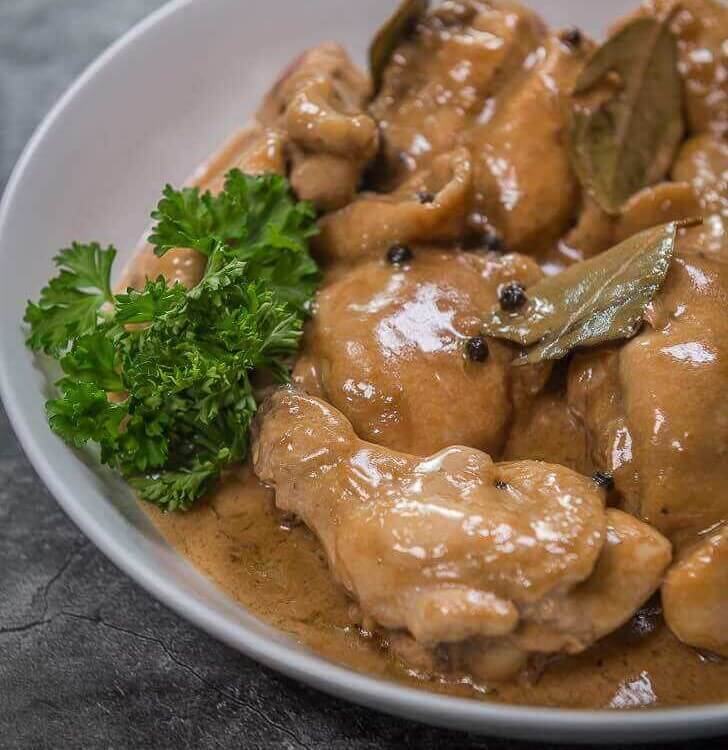
Chicken Adobo is a delicious adobo dish. It is simply made from the following ingredients: chicken slices, soy sauce, vinegar, garlic, whole peppercorn, and dried bay leaves.   get the recipe here

2. Pork Adobo Paksiw

Pork-Adobo-Paksiw

Pork Adobo Paksiw is pork adobo made into a paksiw dish by adding more vinegar, some sugar, and lechon sauce. Get the recipe here

3. Adobo Steak

Adobo-Steak1

Adobo steak is a yummy steak adobo dish that you will surely enjoy. This is best eaten with warm white rice. get the recipe here

4. Adobong Dilaw (Yellow Adobo)

Adobong Dilaw (Yellow Pork Adobo)

Yellow Adobo is another name for Adobong Dilaw. This is a dish comprised of pork and turmeric. The turmeric (fresh or turmeric powder) gives this dish its yellow color. get the recipe here

5. Crispy Shrimp Adobo

Crispy Shrimp Adobo

Crispy shrimp is best eaten as an appetizer (or pulutan) along with beer. Making an adobo out of crispy shrimp makes the dish tastier and better. get the recipe here

6. Adobong Hipon sa Gata (Shrimp Adobo in Coconut Milk)

Adobong-Hipon-sa-Gata-2

Coconut milk can also be added to adobo dishes to make it rich and more flavorful. This Shrimp Adobo with Coconut Milk is a good example. get the recipe here

7. Adobo Pork Chops

Adobo-Pork-Chops

Pork chop is a good ingredient for adobo. Pork Chop Adobo is a yummy dish that you can enjoy with a side of sauteed Asian vegetables and rice. get the recipe here

8. Fish Adobo

Fish-Adobo

Fish Adobo is something that you can make using any fish variety when you feel like eating seafood. This is a tasty dish that is worth to be tried. get the recipe here

9. Adobo Fried Rice

Adobo-Fried-Rice

Give new life to your leftover rice by making an adobo fried rice out of it. It is easy and quick to prepare this fried rice dish. get the recipe here

10. Adobong Bulalo (Beef Shank Adobo)

Adobong-Bulalo

Beef Shank or Bulalo makes a good adobo dish. This popular cut for beef soup just needs to be tenderized with soy sauce and water (or beef broth) for great results. get the recipe here

11. Bok Choy Adobo

Bok Choy Adobo

Bok Choy or even Pechay can turn out to be a main dish. Make an adobo out of these veggies and serve with brown rice. get the recipe here

12. Crusted Pork Chop with Adobo Rice

crusted-pork-chop-with-adobo-fried-rice-recipe-2

Crusted or Fried Pork Chop pairs well with Adobo rice. The image can get you hungry. Do something about your cravings, the next link that you will see is pointing to the recipe. get the recipe here

13. Fried Fish Adobo

Fried-Fish-Adobo

While Fish Adobo is good, you can make it even better (if you like fried food better) by turning it into fried fish adobo. get the recipe here

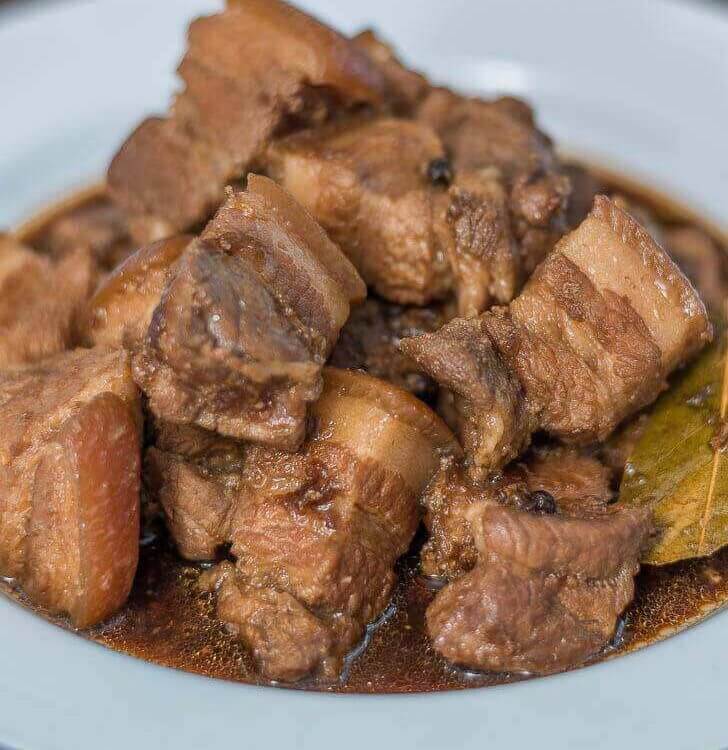
14. Pork Adobo

pork-adobo

Pork adobo is a common adobo dish prepared during regular days. It is also used as a base recipe for other pork adobo dishes. get the recipe here

15. Adobong Mani Recipe (Peanut Adobo)

Adobong Mani (Peanut Adobo)

Legumes such as peanuts can also be made into an adobo snack. This recipe uses lots of garlic. Add some red chili if you want it spicy. get the recipe here

16. Adobong Labong Recipe (Bamboo Shoot Adobo)

Adobong-Labong1

Bamboo shoots are edible and it is also a popular ingredient in Asia. There is all the reason why making an adobo dish with it (while adding shrimp and pork) sounds like a  good idea. Well, it is actually. get the recipe here

17. Adobong Tahong Recipe (Mussels Adobo)

Adobong-Tahong

Mussels or Tahong can be made into a good adobo dish with or without the shell on. This is a good main dish and it can even be dredged in flour then fried later on to be a tasty and crunchy appetizer. get the recipe here

18. Spicy Pork Adobo

Spicy-Pork-Adobo

Pork adobo with lots of chili and spices make is what Spicy Pork Adobo is all about. get the recipe here

19.Adobo Meatballs

Meatball-Adobo-bowl

Meatballs can be steamed, fried, made into a sweet and sour dish, and it can also be made into an adobo dish. The list just goes on and on. get the recipe here

20. Pork Adobo with Boiled Eggs

Pork-Adobo-with-Egg

Pork Adobo with Boiled Eggs is yummy and packed with protein. The pork and eggs make a good combination and the sauce makes it more interesting. get the recipe here

21. Pork Adobo with Tofu

Pork Adobo with Tofu

Do you want pork or tofu for dinner? Why not do both? Pork with Adobo will bring you the best of both worlds. get the recipe here

22. Pork and Chicken Adobo Recipe

Pork-and-Chicken-Adobo1

Combine two superb adobo dishes and you will get yummy pork and chicken adobo. Add more garlic for better result and enjoy with newly cooked rice. get the recipe here

23. Chicken Feet Adobo

Chicken-Feet-Adobo1

Chicken feet has been underrated because this seemed to be a regional ingredient. While it takes one to develop an aquired taste for it, those who already have it should go ahead and check this out.  get the recipe here

24. Adobo Flakes Recipe

pork-adobo-flakes-recipe

Pork Adobo Flakes is an evidence that the simple pork adobo can be turned into different dishes. This is a good one and I am not kidding. get the recipe here

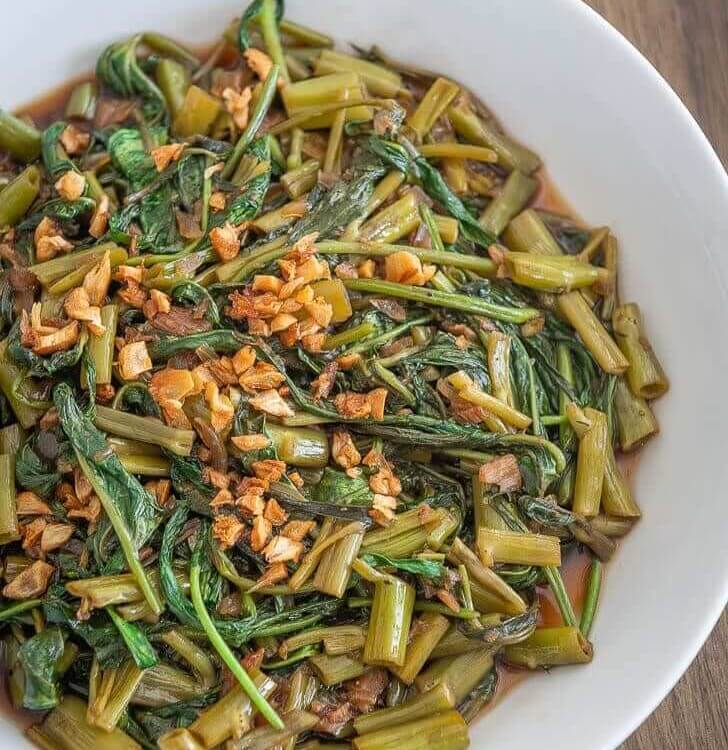
25. Adobong Kangkong (Water Spinach Adobo)

Adobong Kangkong Recipe

Water spinach or any leafy green vegetable with similar characyeristics (such as Ongchoy), can be made into a simple adobo dish such as this. It is simple, quick, and budghet friendly. get the recipe here

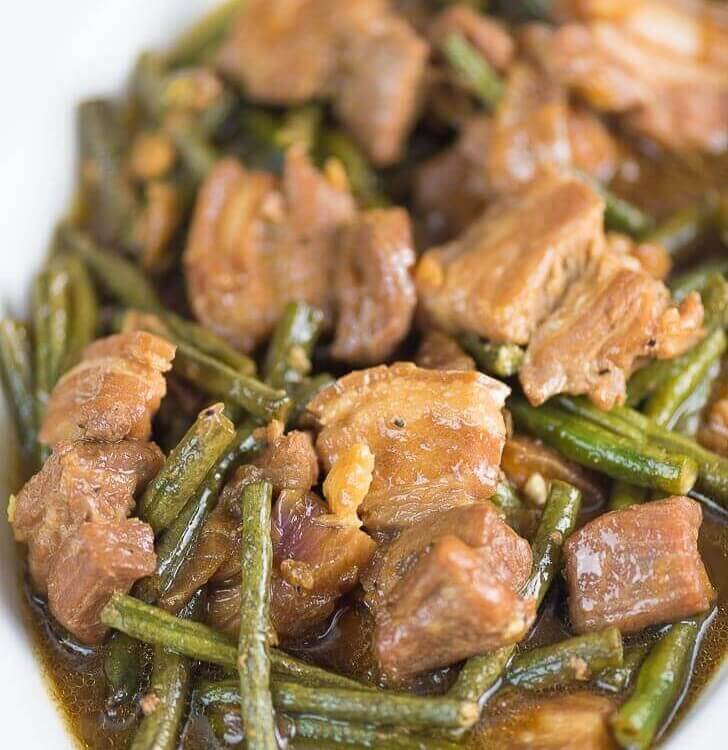
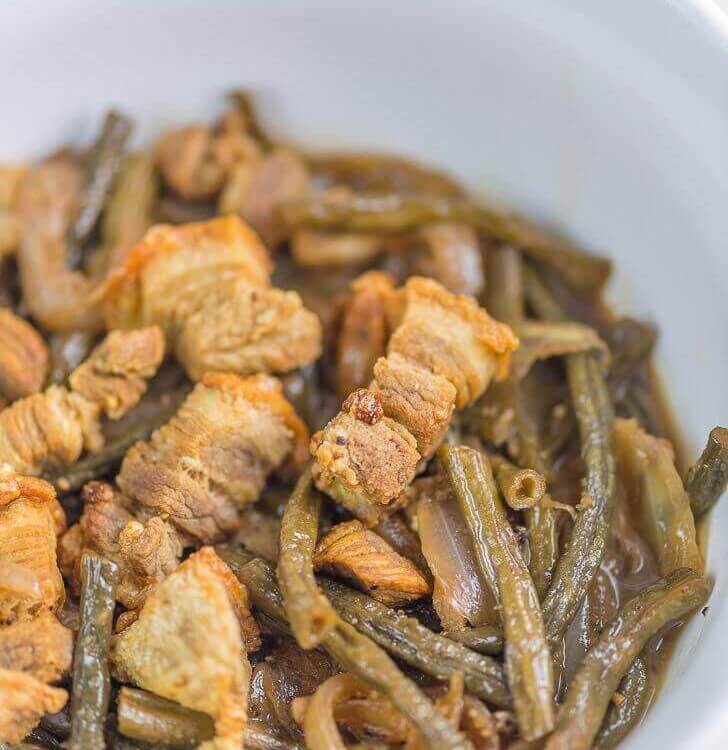
26. Adobong Sitaw Recipe (String Beans Adobo)

Adobong-Sitaw1

String Beans with Pork is called Adobong Sitaw.You can use les pork if you prefer, the dish will still be delicious. get the recipe here

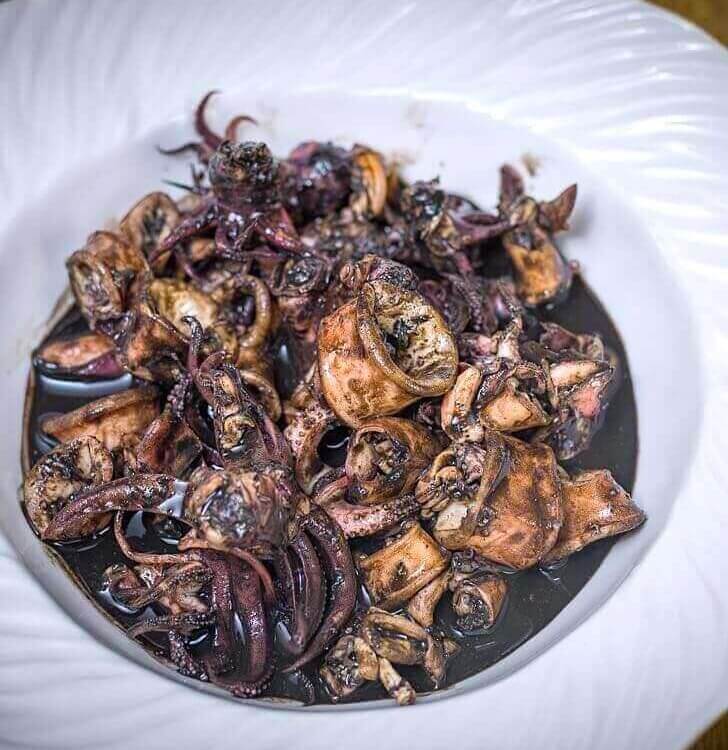
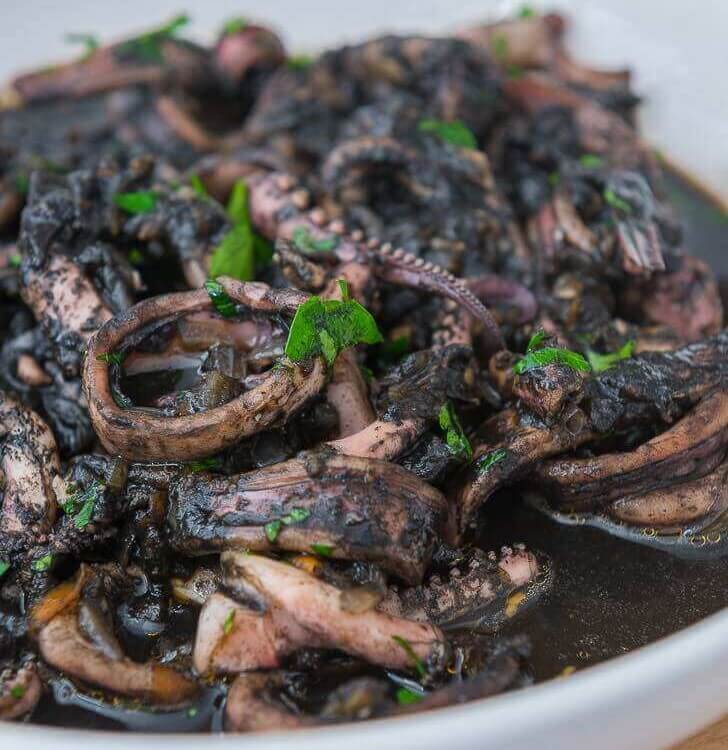
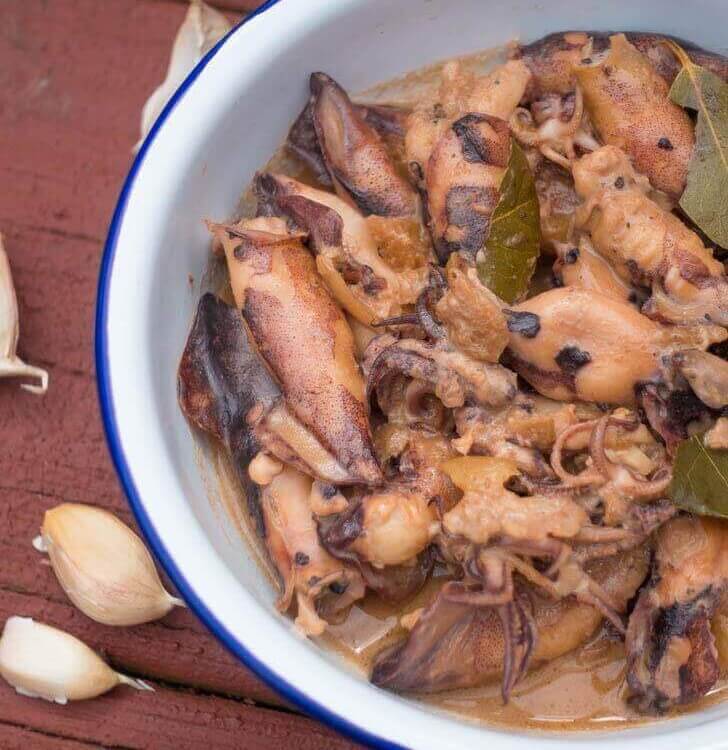
27. Adobong Pusit Recipe

Adobong-Pusit1

Small squid is the best ingredient for squid adobo. It is flavorful and can turn white rice to black (this is great because the black sauce is very tasty). get the recipe here

28. Adobong Kambing Recipe (Goat Meat Adobo)

Adobong-Kambing1

Goat meat makes a good adobo. Dry goat adobo is what we suggest. You will need to simmer the dish until the sauce evaporates. get the recipe here

29. Adobong Isaw (Small Intestine Adobo)

Adobong Isaw (Small Intestine Adobo)

Pig or cow small intestines are usually cooked as an appetizer or pulutan. This carefully cleaned ingredient needs to be tenderized fully by boiling in water and other spices before cooking and turing it unto this adobo dish. get the recipe here

30. Pork Adobo with Potato Recipe

Pork Adobo with Potato

Potato is a generic ingredient that can be added almost to any dishes with sauce. Pork Adobo with Potato is a good adobo variation. get the recipe here

31. Crock Pot Pork Adobo

Crock Pot Pork Adobo

One of the most tender and comforting adobo dish is Crock Pot or Slow Cooked Pork Adobo. This do not need any introduction. get the recipe here

How to Become a Personal Chef

If you enjoy job versatility, becoming a personal chef might be the best option for you. Personal chefs work for individual clients, most of whom are families who do not have the time or capacity to prepare meals daily. With a little more training and networking, you might just become a personal chef to the stars.

Personal vs. Private Chef

It is important not to confuse personal chefs with private chefs. A personal chef is one who works with a variety of clients. A private chef, on the other hand, usually works for a single client and may live on the premises or commute to the home on a daily basis.

Duties of a Personal Chef

The role of a personal chef depends on the needs of individual clients. Some employers require a chef to cook meals every day on request. Others may hire a cook to create a special menu for a specific period of time. Athletes, for instance, might ask a cook to design a diet that helps them prepare for a tournament.

Regardless of the client’s needs, a personal chef must have exceptional cooking skills. He or she should be familiar with a range of flavors and ingredients to create customized menus. Extensive knowledge of nutrition is also essential when catering for health-conscious clients.

In addition to cooking, chefs must adhere to food safety and handling practices. A home kitchen should be kept just as clean and sanitary as one in a restaurant. The refrigerator should be stocked with fresh items and these should be packaged and labelled appropriately.

Personal Chef Training Requirements

Although formal training is not required, getting a degree or certificate in the culinary arts is highly advised. Education exposes you to different culinary techniques and cuisines. Training makes you more efficient, creative and versatile.

After graduation, you can either market chef services yourself or join a placement agency. Many clients and agencies have strict selection processes. They prefer formally trained candidates with work experience. To better your chances of being employed, start with an internship, apprenticeship or entry-level job first.

Qualities of a Good Personal Chef

A good personal chef is attentive to the needs and preferences of clients. Because most people are particular about what they eat, it is up to the chef to listen to what the employer wants and craft menus accordingly.

Good chefs are also professional. They are always punctual and presentable. You must arrive for work or appointments on time and be dressed appropriately for the job. Be respectful towards employers and do not invade their privacy.

Communication is vital to maintaining good relationships with clients. As a chef, you must refine your listening skills and follow up with questions to avoid confusion. You should also ask clients for feedback from time to time to find out how you can improve their experience.

Personal Chef Salary and Job Opportunities

Personal chefs can earn between $23,000 and $42,000 depending on the number of clients. Some employers pay more than others because they have larger families or have specific dietary requirements.

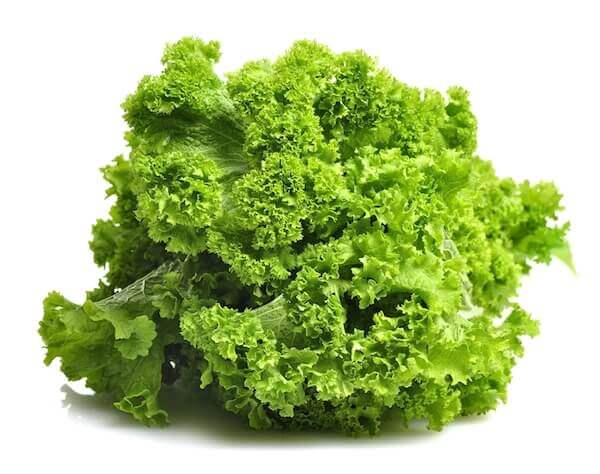
What are Mustard Greens?

In most grocery stores, you’re likely to find mustard greens with bok choy, cabbage and collard greens on the same shelf. These vegetables not only share a similar green, leafy appearance, but belong to the same family of plants. Mustard greens, in particular, have a sharp taste that can spruce up a number of healthy dishes. They provide an abundance of nutrients that can revitalize your health and help you live longer.

Types of Nutrients in Mustard Greens

Mustard greens are qualified to be on the “power foods” lists because of the quantity and quality of nutrients they contain. These greens provide five times the vitamin K quantity you need every day, and more than half the vitamin C. Just one cup gives you up to 85% of the recommended intake of vitamin A and has decent quantities of vitamin E as well.

Mustard Greens

Mustard Greens and the Heart

To the body, these vitamins offer the support your immune system needs to fight inflammation. Inflammation can be a huge problem for people with heart disease. Another reason why mustard greens are heart-friendly is that they are very low in fat and cholesterol. Eating a cup of mustard greens several times a week can improve your heart’s condition significantly and prolong the life of other vital organs.

Mustard Greens and Weight Loss

Leafy greens are great weight loss allies for several reasons. Firstly, mustard greens contain only 20 calories a cup, which helps to keep your calorie count low. Expert nutritionists have also found that consuming more vitamin C can increase the effectiveness of your workouts by as much as 30%. In other words, you stand to burn more calories if you eat mustard greens and other vitamin C loaded foods.

Mustard Greens and Cancer Prevention

One of the secrets to preventing cancer is increasing the amount of antioxidants and phytonutrients in the body. Unhealthy cells and free radicals are some of the leading causes of cancers. Mustard greens can prevent the onset of malignant growths and diseases by providing a collection of these anti-cancer nutrients.

Mustard Greens and Bone Health

Serving up portions of mustard greens can give you tougher teeth and bones. This is because these vegetables are rich in calcium and magnesium. Magnesium has also been proven to better muscular health as well, which is necessary for people with active lifestyles and muscle-degenerating diseases. Mustard greens have also been discovered to have small quantities of protein.

Cooking with Mustard Greens

The best way to enjoy mustard greens is when they are as raw and crisp as possible. Because prolonged cooking can deplete them of the nutrients, it is advisable to blanch or steam them for a few minutes for tenderness. Sautéing and braising are also good preparation methods.

Mustard seeds are delicious with vegetables of the same group. You can combine them with broccoli, blanched cabbage and collard greens in a salad or as a side dish for meaty meals. You can dice the leaves to add to a stew or sprinkle over soups as garnish. Always buy mustard greens fresh from your grocer.

What is Spanish Rice?

Spanish rice is a flavorful dish that is most popular in South America and some parts of North America. While rice is often served as a staple food, many prefer to add it to the main course as a side dish. Despite its name, there is no evidence that links it to Spain. In fact, it is known in many parts of the world as “Mexican rice”. Regardless of its origins, Spanish rice can be a delicious, healthy addition to your menu.


What is Spanish Rice Made From?

Spanish RiceSpanish rice consists mainly of rice, with other ingredients added to it for a boost of flavor. Rice is first sautéed with onions and garlic in cooking oil. Thereafter, broth and tomato seasoning are added to give it a great taste and its signature red color. Depending on your taste preferences, you can also add spices like chili, cumin and saffron to give it a twist.

While some consider Spanish and Mexican rice to be the same dish, others argue that it is the spices that distinguish them. Some cooks claim that Spanish rice should be seasoned with saffron, and Mexican rice with cumin.

What is Spanish Rice’s Nutritional Benefit?

Rice is surprisingly healthy and can provide your body with a range of important vitamins. It is believed to contain vitamins B and D, which support your metabolism and immune system. When coupled with calcium, vitamin D can also strengthen your bones and prevent bone-related conditions like arthritis and osteoporosis in later years.

Rice is also known to contain insoluble fiber. Insoluble fiber works to normalize your bowel movements and helps to firm up loose stools. Another nutritional benefit of Spanish rice is its tomato flavoring. Tomatoes are rich in vitamin C, choline, lycopene and many other antioxidants that can nourish and cleanse your system.

What is Spanish Rice’s Effect on Your Health?

Although Spanish rice is filled with nutrients, it also contains carbohydrates. White rice, in particular, has been processed and contains simple carbs. The upside of simple carbohydrates is that they can give you instant energy. However, they are broken down so quickly by the body; you are likely to end up hungry soon after eating. This can lead to overeating and high insulin.

To remedy this problem, you should opt for brown rice instead. Brown rice provides complex carbohydrates, which curb hunger and stabilize blood sugar. Another great health tip is to use fresh tomatoes instead of tomato sauce for flavoring. Fresh hot red peppers can also kick start your metabolism.

Print

How to Cook Spanish Rice

This Spanish Rice recipe is quick and simple.You will need to following:
Prep Time 10 minutes minutes
Cook Time 20 minutes minutes
Total Time 30 minutes minutes
Servings 1
Author Dey Merano

Ingredients

  • 1 ½ cup Jasmine rice cooked
  • 2 tablespoons olive oil
  • ¼ onion chopped
  • 2 ½ cups broth preferably chicken broth
  • 1 cup grated tomato or tomato sauce

Instructions

  • Heat olive oil in a pan and sauté onions for 5 minutes. Add rice and cook until golden brown.
  • Stir in broth and tomatoes/tomato sauce and bring to the boil. Turn heat down to low and simmer for 20 minutes until done.

Nutrition

Serving: 1g


Whether you call it Mexican or Spanish rice, this dish is a tasty, nutrient-rich addition to your diet. Season according to your preferences, and choose brown rice over white for added fiber and complex carbohydrates.


What is Olive Oil?

From weight loss to cancer prevention, olive oil is one of the most recommended foods in healthy diets. It can be used for anything from sautéing to seasoning. Some even use it as skin lotion, while others add to herbal cures to treat illnesses. Learn about how this oil is made, its health benefits and how to spot the best from the worst.

How is Olive Oil Made?

Olive Oil

Olive oil, as the name suggests, is made using olive fruits. The process begins by crushing olives in order to extract the oil. From there, the oil undergoes maceration and other refining processes before it is bottled and sold. Pure olive oil is available from some vendors. However, most of the olive oil brands consumers buy have gone through refining techniques.

Types of Olive Oil

olive oilEver wondered what the difference between regular and extra virgin olive oil is? The “virgin” in olive oil refers to the pureness. Extra virgin olive oil is hardly processed. It goes through minimum refining, which is why it is often more bitter in taste. It is widely used in salads because of its fruity taste. Some cooks say they can taste the olive in the oil.

Regular olive oil, on the other hand, has been treated with certain soluble solutions. Others are heated or cold-pressed in production. In other words, some olive oils are less authentic in order to enable mass production. Because producing olive oil can be expensive, prices are higher than other oils.

Health Benefits of Olive Oil

In terms of health, olive oil is worth its cost. It is a famous source of monounsaturated fats, which are healthy fats associated with lowering cholesterol to cut the risk of heart disease. Olive oil also contains antioxidants, phytonutrients and vitamin E. These nutrients are helpful in preventing many diseases ranging from diabetes to high blood pressure. Research also claims that olive oil can help treat osteoporosis as well.

How to Buy the Best Olive Oil

The best type of olive oil is extra virgin olive oil. It is superior in both nutrients and taste. When used as a dressing or seasoning, the olive flavor is prominent. However, this fruity flavor diminishes as soon as the oil is heated. Extra virgin olive oil usually has a harvest date on the packaging, and smells like fresh fruit. If the oil tastes synthetic like cardboard or hay, it’s likely that it has gone bad.

There is a saying among professional cooks that the more bitter it taste, the better the quality. However, cooks sometimes prefer to use virgin oil instead of extra virgin. Virgin olive oil is more affordable but still has plenty of nutrients too.

Olive oil comes highly recommended because of its cooking and health benefits. It offers a high concentration of nutrients and can be used to cook just about anything. Remember to look for extra virgin olive oil and to use it within a few months after opening. Keep away from heat and make sure the bottle is tightly closed for longer shelf life.

What are Rolled Oats?

What are rolled oats? Oats have long been a champion breakfasts for families and athletes for many years. Because of their popularity, more companies are creating different varieties of oats. Nowadays, you can find everything from banana-flavored oats to instant oatmeal that cooks in minutes. Rolled oats, however, are still one of the healthiest types available. So, what are rolled oats?

What are Rolled Oats?

There are three primary types of oats available in stores, which include steel-cut, instant and rolled oats. Each are made and packaged differently, which affects their nutritional value. Steel-cut oats refer to those that have undergone minimal processing, which is why they have a firmer texture and nutty flavor. Instant oats are those that have been processed to shorten cooking time.

Rolled oats, on the other hand, offer the best of both worlds. They still have most of the nutrients that steel-cut varieties do, but have been softened to lessen cooking time as well. Rolled oats are made by harvesting whole groats, which are then steamed, flattened and dried for packaging. The steaming gives them a softer texture and makes them easier to cook.

Nutrients in Rolled Oats

One of the biggest advantages of rolled oats is that they still contain most of their original nutrient profile. They contain a lot of fiber and complex carbohydrates. Rolled oats are rich in calcium, potassium, phosphorus, iron, selenium and zinc. They also contain most vitamin B complex micronutrients, and have traces of many other minerals.

Rolled Oats and Digestion

One benefit of oats that is widely marketed is that they help to keep you “regular”. The term “regular” refers to normal bowel movements as a result of healthy digestion. This is a huge advantage for people with constipation and other digestion-related difficulties. The nutrient responsible for regulating your digestive process is fiber, and rolled oats has plenty of it.

Rolled Oats and Weight Loss

Instant oats might be convenient, but if you are losing weight, rolled oats are best. Rolled oats have lower calories because they don’t contain the same added sugars that instant oatmeal does. Because they are minimally processed, rolled oats have more fiber. When combined with complex carbohydrates, fiber keeps you full for a longer time to regulate your appetite.

Rolled Oats and Diabetes

If you’re struggling to find healthy breakfasts for your diabetic diet, rolled oats are an excellent option. Because rolled oats are fiber-rich and have complex carbs, they are broken down slowly into glucose. This prevents insulin spikes or dips, keeping your blood sugar normal. Vitamin B and iron provide you with the energy you need safely and naturally.

Other Health Benefits of Rolled Oats

Having rolled oats for breakfast can help those with weak bones. They provide high levels of calcium and potassium, which help strengthen both bone and muscle. Rolled oats also have selenium and zinc, which give the immune system a powerful boost to ward off diseases. Regular servings can also reduce your chances of having heart disease thanks to phosphorus and iron. Enjoy oats with milk and yoghurt for more calcium or with fruit for more vitamins.

What are Alfalfa Sprouts?

Alfalfa sprouts are actually flowers that are harvested from the plant of the same name. While most people prefer to buy them from grocers, others enjoy growing alfalfa sprouts at home. Although small, they are surprisingly loaded with vitamins and other nutrients. Sprinkling a handful of these tasty sprouts in your meals can boost your nutrient consumption.

alfalfa sprouts

Alfalfa Sprouts Nutritional Profile

Alfalfa sprouts carry most of the nutrients that the parent plant needs to grow. Because of this, they are filled with a variety of essential vitamins and minerals. It boasts high quantities of vitamins A, B, C, E as well as vitamin K. Studies claim that alfalfa sprouts can also give you a good amount of fiber too. To get the most nutrients, choose homegrown sprouts or eat store-bought varieties while still fresh.

Health Benefits of Alfalfa Sprouts

Many cooks dash their meals with crushed alfalfa sprouts to add a little to salads and other dishes. In addition to flavor, a serving of these sprouts can provide a great vitamin boost. Vitamin A is popularly associated with improving eyesight, but it also builds up immunity against disease-causing bacteria.

Alfalfa sprouts contain a high amount of vitamin B complex, which is actually a collection of micronutrients that support bodily processes from metabolism to hair growth. Vitamin C and K strengthen the body’s ability to heal, while vitamin E fights cancers by protecting cells.

In addition to being a good source of vitamins, alfalfa sprouts contains some dietary fiber. While every person needs fiber to digest food and pass waste normally, it is especially beneficial for those with digestive problems. Fiber can counter constipation, diarrhea and irregular bowels.

How to Grow Alfalfa Sprouts at Home

Health experts advise sprout-lovers to grow their own batch at home. This is because there have been past reports about E. coli outbreaks among commercially prepared alfalfa sprouts. Growing sprouts is actually quite simple, and can be done easily in your kitchen.

Step 1:

To grow ½ pound of alfalfa sprouts, take 2 tablespoons of seeds and rinse them under cold water.

Step 2:

Place sprout seeds in a jar and cover with cold water. Soak seeds for 10-12 hours.

Step 3:

Drain the water and pour fresh, cool water inside the jar and swirl around to rinse. Drain out the water. Shake the jar so that the seeds coat the sides of the jar and allow them to sit in 70-80 degree temperature. Avoid light or heat.

Step 4:

Keep rinsing the seeds and draining the water out of the jar daily for the next 5-6 days. Place the jar in sun light for 15-20 minutes.

Step 5:

Once fully sprouted, you can eat them immediately or store in the fridge for later. Make sure you eat your alfalfa sprouts within 7 days of maturity.

Alfalfa sprouts might be small but they are big on nutrition. They offer a variety of vitamins and add an interesting flavor to many meals. Learn how to grow alfalfa sprouts at home and use in salads, soups and stews.


  • Previous
  • Page 1
  • Interim pages omitted …
  • Page 4
  • Page 5
  • Page 6
  • Page 7
  • Page 8
  • Interim pages omitted …
  • Page 27
  • Next

sidebar

Welcome!

As a huge fan of Filipino food, it is my goal to teach people how to cook it using the simplest way possible. Prepare your taste buds for an ultimate showdown of delectable Filipino dishes! Read more…

Facebook
Instagram
Pinterest
YouTube

Reader Favorites

Chicken Adobo Panlasang Pinoy

Filipino Chicken Adobo Recipe

Leche Flan Recipe

kare kare beef tripe

Kare-Kare Recipe (Beef Tripe)

Pork Sinigang

Sinigang

Receive new recipes by email!



Seasonal

Beef Morcon Recipe

Arroz Valenciana

lechon belly roll recipe

Lechon Belly Roll

Christmas Macaroni Salad

How to Make Macaroni Salad for the Holidays

As Seen In:

good housekeeping
parents
serious eats
livestrong
kitchn
sheknows
Facebook
Instagram
Pinterest
YouTube
About
Meet Vanjo
New? Start Here
Browse Recipes
Explore
Ingredient 101
Philippines
Cooking Schools
Privacy Policy
Disclaimers
Contact
© 2026 Panlasang Pinoy
Site Credits
Designed by Melissa Rose Design Developed by Once Coupled
Back to Top
Back to Top