Filipino Vinegar: A Home Cook’s Guide
Let me guess. A recipe told you to “add vinegar,” you went to the store, and there were five different bottles of suka staring back at you. Which one did they mean? Does it even matter?
It does, and that is exactly what this guide is for. Filipino cooking uses more than one kind of vinegar, and they are not the same. Grab the wrong one and your adobo can come out sharper or flatter than you wanted. Grab the right one and the dish just clicks. I have been cooking with these for over thirty years, so let me walk you through them like I would a friend standing in my kitchen.
I keep several kinds on hand. Cane vinegar is my everyday workhorse. Coconut vinegar comes out for seafood, and spiced vinegar lives on the table whenever something fried is involved. By the end of this, you will know which bottle to reach for too.
What Is Filipino Vinegar?
Suka is the Filipino word for vinegar, but Filipino vinegar is not just one kind. It can be made from sugarcane juice, coconut sap, nipa palm sap, kaong sap, rice, or fruit. The ingredient used to make it affects how the vinegar smells, how sour it tastes, and which dishes it works well with.
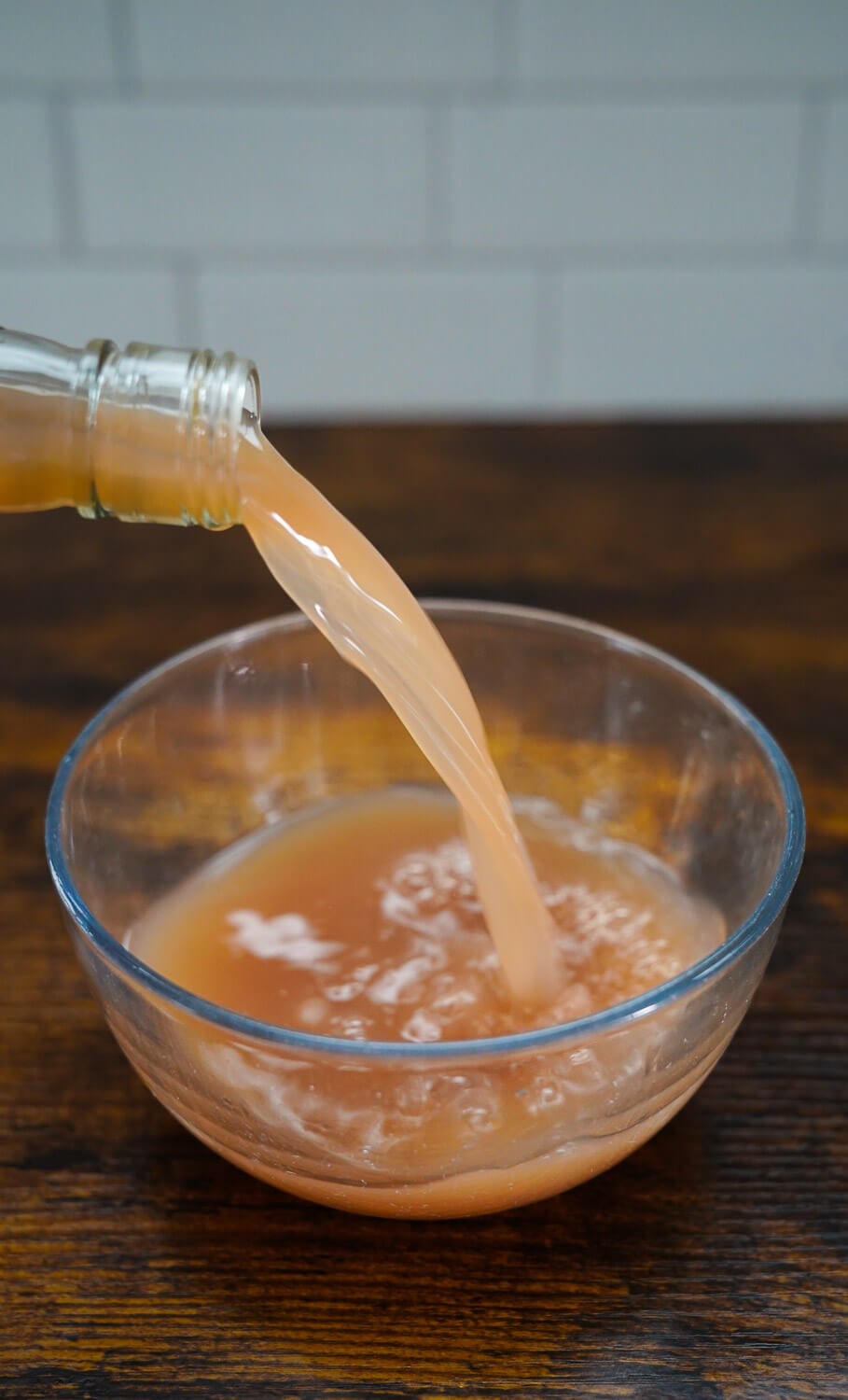
Traditional vinegar begins with something sweet. The natural sugar first ferments into alcohol. Acetic acid bacteria then convert that alcohol into vinegar. This also explains the connection between some Filipino vinegars and local fermented drinks. Coconut sap can first become tuba, then go through another fermentation to become sukang tuba.
Why does this matter in the kitchen? A cane vinegar may give adobo a direct, familiar sourness, while coconut vinegar can add a more noticeable fermented aroma to kinilaw or paksiw. The strength can also change from one producer to another, so two bottles labeled cane vinegar may not taste exactly the same.
Check the label before buying. Naturally fermented vinegar may retain some of the aroma and flavor of the sap, juice, or fruit used to make it. Distilled white vinegar often has a more direct sour taste, even when the acidity on the label is similar.
Do not rely on color alone. Some naturally fermented cane vinegars are pale gold, while others are clear. A darker bottle is not automatically naturally fermented, and a clear one is not automatically synthetic. Look at the ingredient list and check for terms such as “naturally fermented” or “naturally brewed.”
The Filipino Vinegar Cheat Sheet
In a hurry? Here is the whole family at a glance. Scroll down for the full story on each one.
| Vinegar | Made From | Reach For It When… |
|---|---|---|
| Cane (sukang maasim) | Sugarcane juice | Adobo, paksiw, pickles, everyday cooking |
| Coconut sap (sukang tuba) | Sap from the coconut flower | Kinilaw, seafood, spiced vinegar |
| Coconut water vinegar | Water from inside the coconut | Lighter dishes, dressings, dipping |
| Nipa (sukang Paombong) | Nipa palm sap | Paksiw, atchara, when you want it tangy |
| Kaong | Kaong sugar palm sap | Dipping sauces, dressings, light marinades |
| Sukang Iloko | Basi (Ilocano cane wine) | Ilocano food, grilled meat, a richer adobo |
| Fruit vinegars | Pineapple, banana, mango, bignay | Dipping sauces, marinades, salad dressings |
| Spiced vinegar | Plain vinegar plus chili and aromatics | Anything fried or grilled |
The Main Types of Filipino Vinegar
Cane, coconut, nipa, and kaong are considered the four main vinegars of the Philippines. Get to know these and you have got the foundation covered.
Cane Vinegar (Sukang Maasim)
If you only ever buy one Filipino vinegar, make it this one. Cane vinegar is made from fermented sugarcane juice, and it is the bottle I reach for most days of the week. It is mild and easygoing, so it does not steamroll the other flavors in a dish. The label might say cane vinegar, sukang maasim, or sukang puti, and you will spot Datu Puti and Silver Swan in just about every Filipino store.
I use it for adobo, paksiw, atchara, and most dipping sauces. One small habit worth picking up: taste a spoonful when you open a new bottle, because one cane vinegar can be a fair bit sharper than the next.
Coconut Vinegar
Here is where a lot of guides oversimplify, so let me clear it up. The coconut tree actually gives us two different vinegars, and they are not the same thing even though they come from the same plant.
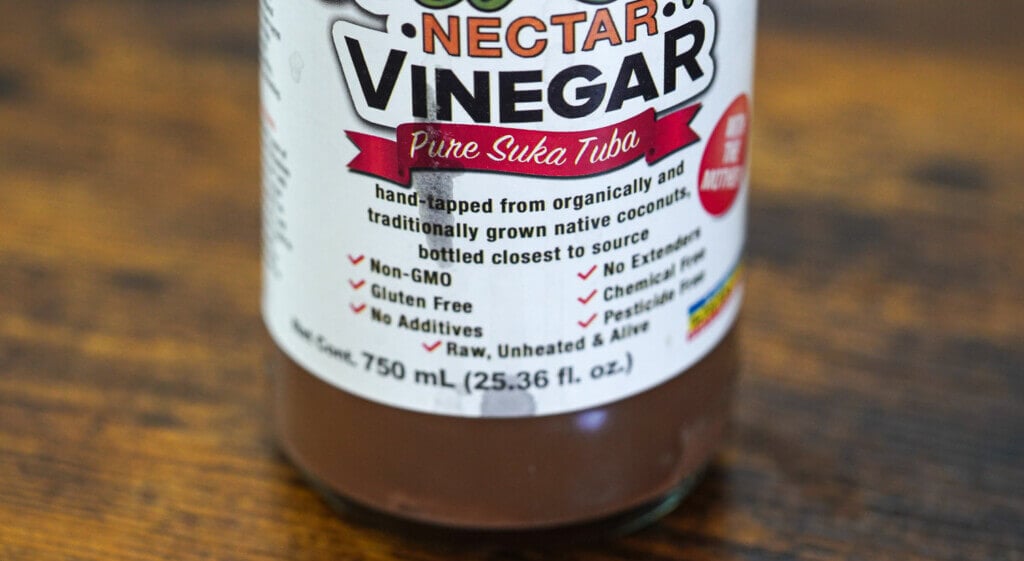
- Sukang tuba is the traditional one. It is made from coconut sap, the tubâ tapped straight from the tree’s flower stalk. It does not taste like coconut at all. The flavor comes from the fermented sap, and it carries a real fermented aroma. This is the prized one, sold at roadside stands near coconut country, and it is fantastic for kinilaw because its gentler acid firms up the fish without toughening it.
- Coconut water vinegar is the other one. It is fermented from the coconut water inside the nut rather than the sap. It tends to be lighter and milder. A lot of bottles sold abroad simply say “coconut vinegar,” and they can be either type, so check the source on the label. If a recipe asks for sukang tuba, look for the words coconut sap vinegar.
Both are wonderful with seafood. Reach for coconut vinegar in kinilaw na tanigue and sinuglaw, or any time you want the vinegar itself to add a little aroma.
Nipa Palm Vinegar (Sukang Paombong)
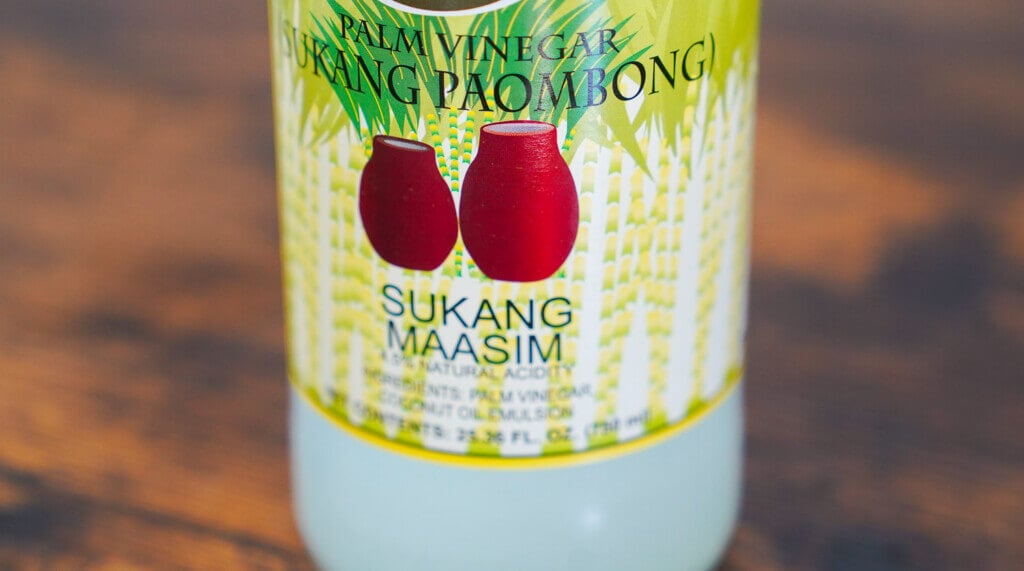
Nipa vinegar comes from the sap of the nipa palm, the one that grows in mangroves and along riverbanks. You might see it labeled sukang sasa, sukang nipa, or sukang Paombong, after the town in Bulacan that is famous for it. How it tastes really depends on the maker and how long it has aged. Younger batches can lean a touch sweet or faintly saline, and longer fermentation can push some bottles more sour. So taste before you commit it to a dish. It is lovely in paksiw, atchara, and marinades, especially when you want that sourness to stay front and center after cooking.
Kaong Palm Vinegar
Kaong vinegar comes from the sap of the kaong sugar palm, the same tree that gives us those sweet kaong beads in halo-halo. It is the gentle one of the group, usually mild with a little natural sweetness and even a fruity note. It is also the hardest to find, because tapping the sap is slow work and the season is limited. If you do come across a good bottle, save it for dipping sauces, dressings, and lighter marinades where you do not want the vinegar shouting over everything.
Sukang Iloko
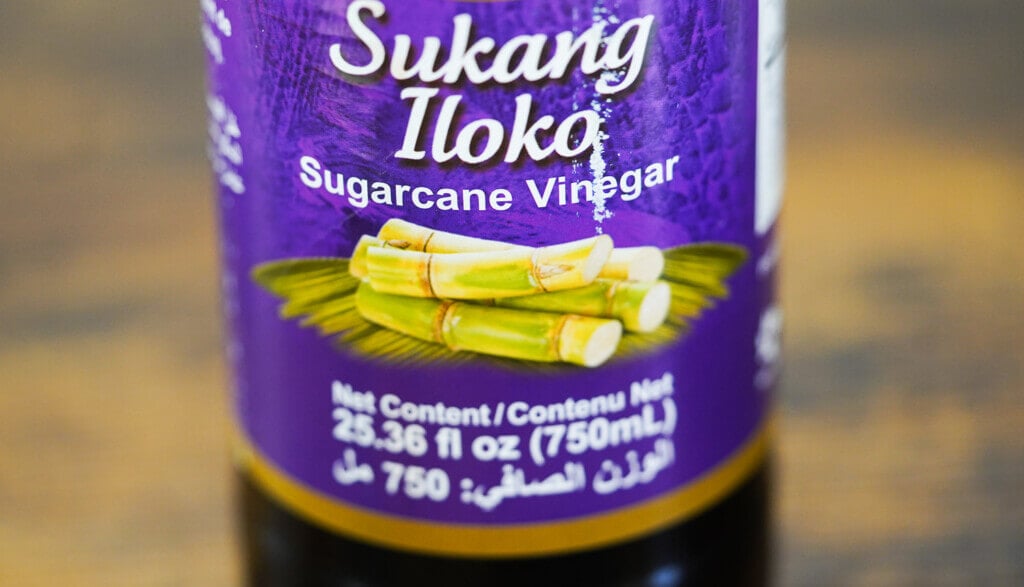
This one is special. Sukang Iloko is a cane vinegar, but not the everyday kind. It is made from basi, the Ilocano sugarcane wine, often aged in burnay, the big clay jars traditionally used up in the Ilocos region. That aging gives it a darker color and a deeper, richer sugarcane flavor than ordinary commercial cane vinegar. I keep it apart from my regular sukang maasim because it genuinely tastes different. Try it with longganisa, bagnet, and Ilocos empanada, or use it in adobo when you want something with more backbone, just taste first since it can be stronger than you expect.
Filipino Fruit Vinegars
Cane and palm get all the attention, but Filipino makers turn all sorts of fruit into vinegar too. These are more regional and harder to track down, but they are worth grabbing if you spot one.
- Pineapple vinegar (sukang pinya) – fermented from pineapple juice, sweet and tart at the same time. It is great in dipping sauces for lumpia and spring rolls, and in pork or chicken marinades.
- Banana vinegar (sukang balsa) – made from banana, with a mellow sweetness and a gentle fruity edge. It plays nicely in stews and braises.
- Mango vinegar – tangy and fragrant, lovely in salad dressings and light marinades.
- Bignay vinegar – made from the small native bignay berry, more of a specialty find, prized where it is produced.
The rule of thumb with fruit vinegars: they are sweeter, so taste as you go and you may not need as much.
Spiced Vinegar
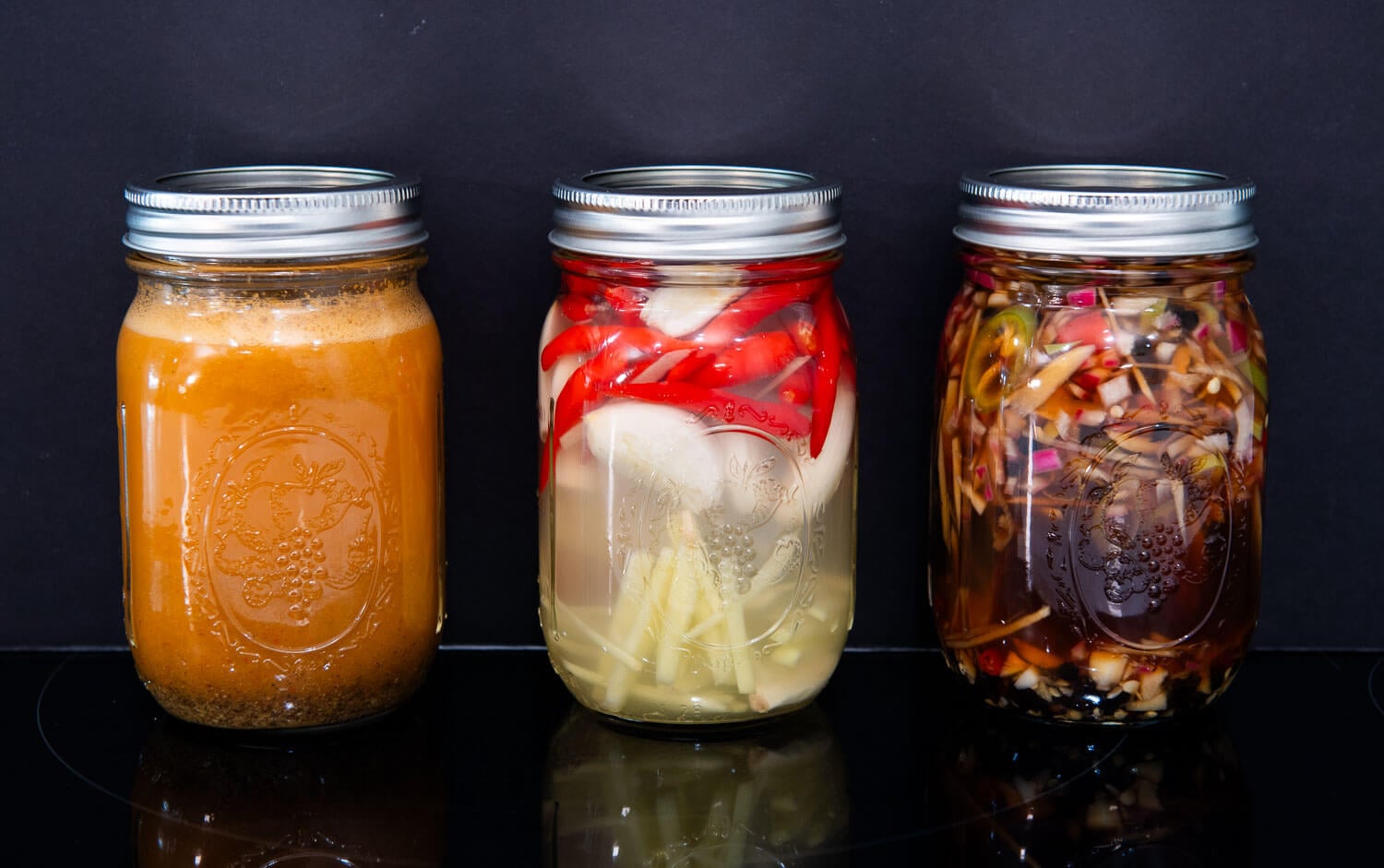
This is the vinegar most people picture: plain vinegar loaded up with chili, garlic, ginger, shallots, and peppercorns. It is mostly a dipping sauce, the thing you splash on anything fried or grilled, though you can cook with a little of it when the seasonings fit. There are a few you will hear about again and again.
Sinamak
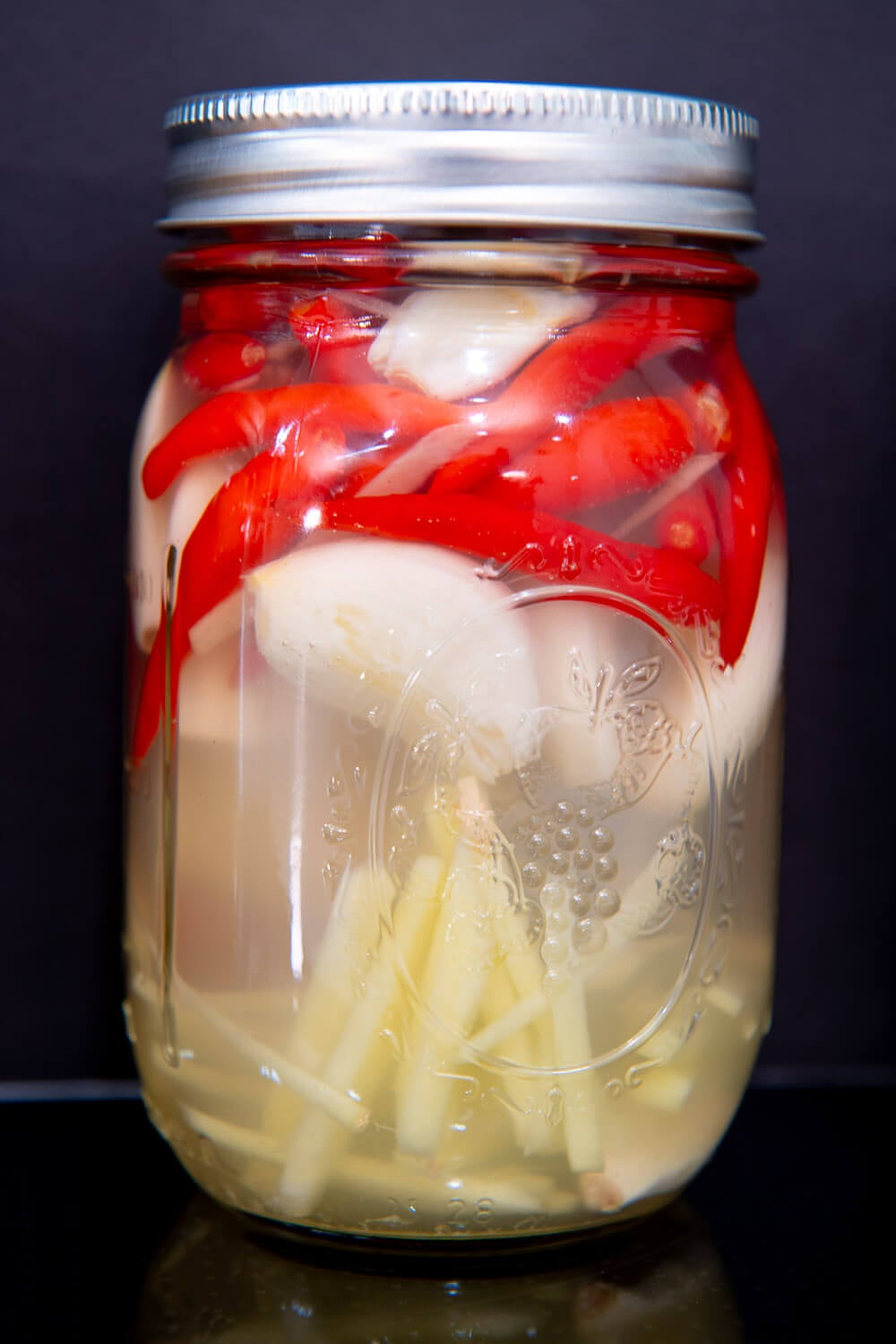
The Ilonggo classic from Western Visayas. Recipes vary, but most pack in vinegar, chili, garlic, ginger or langkawas, and peppercorns. It is the secret behind that distinct chicken inasal flavor, and it is glorious with grilled fish, fried seafood, lumpia, and pork barbecue. Want to make your own? Here is my sinamak recipe.
Pinakurat
Fun fact: pinakurat is technically a brand, not a vinegar type, even though most people use the name loosely. It is a spiced coconut vinegar from Iligan City, and the name comes from the Cebuano word for “surprise,” which tells you everything about that first punchy mouthful. It already has chili, garlic, and seasoning in it, so taste before you add soy sauce, salt, or more chili.
Sukang Quezon
Less famous than the other two, but it belongs in the same family. It is another regional spiced vinegar, and like sinamak and pinakurat, every maker has their own blend of chili and aromatics.
Or Just Make a Quick Sawsawan
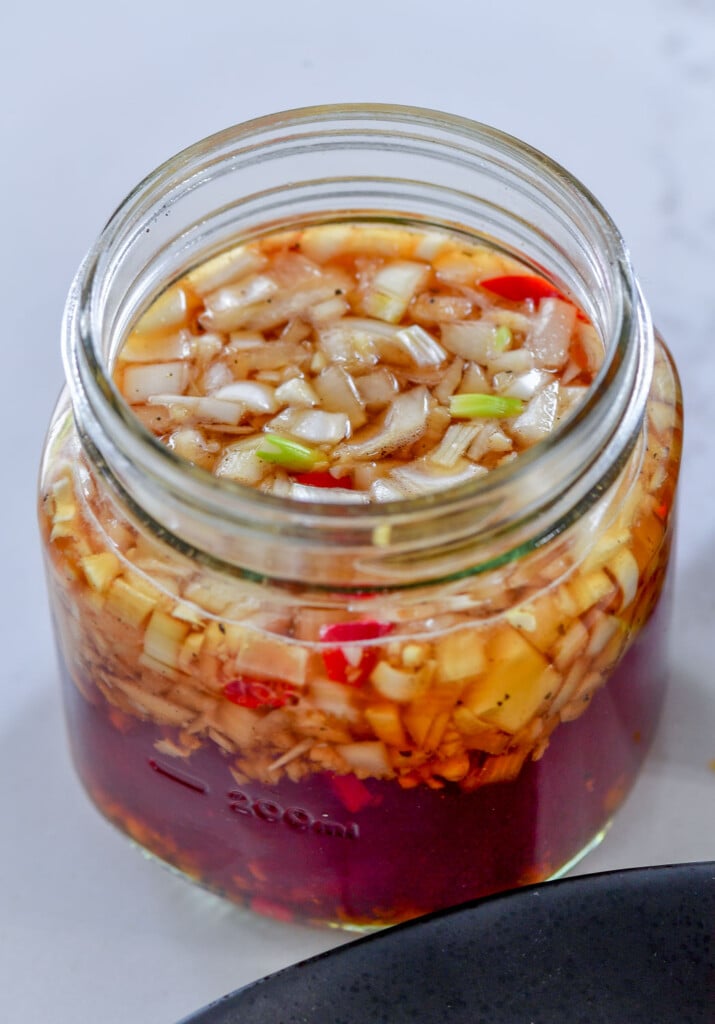
You do not need a fancy bottle. For a fast dipping sauce, stir vinegar together with chopped onion, garlic, chili, and a crack of pepper, or a splash of soy sauce, depending on what you are eating. My Filipino vinegar dipping sauce guide has three versions ready in minutes.
Which Vinegar Should You Use?
Here is the cheat code, dish by dish.
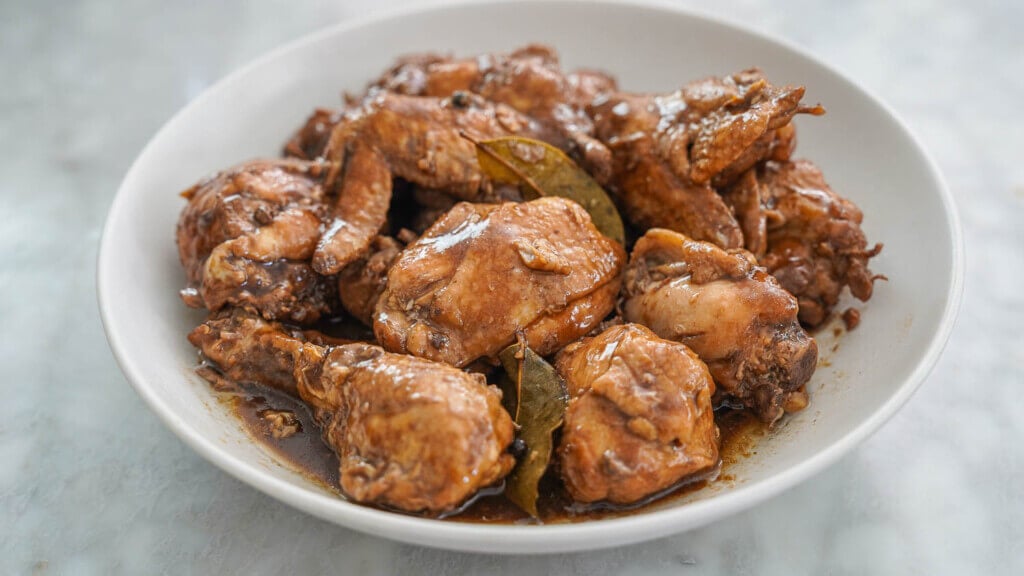
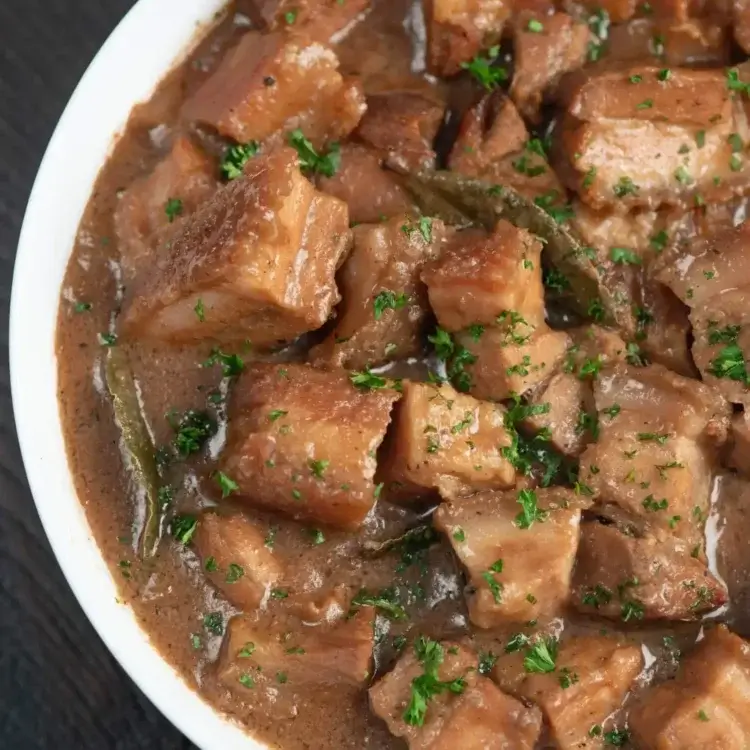
- Adobo: start with cane vinegar. It works beautifully with soy sauce, garlic, peppercorns, and bay leaves without taking over. Coconut vinegar gives a more fermented aroma, and sukang Iloko makes it richer. Cook it with cane first, then play around. Begin with pork adobo, chicken adobo, or pork and chicken adobo.
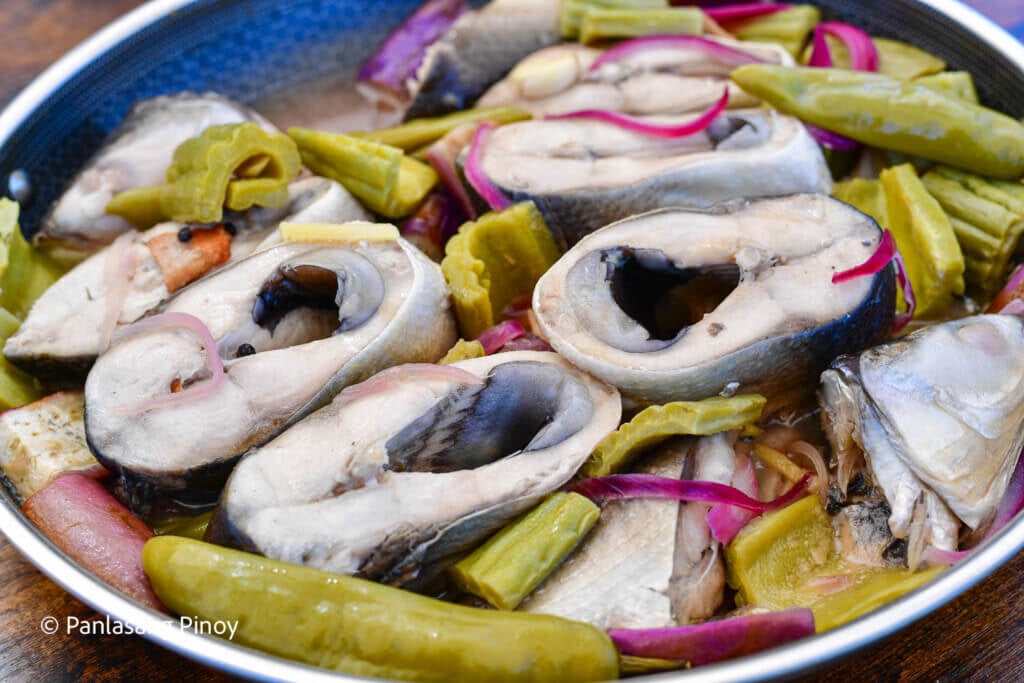
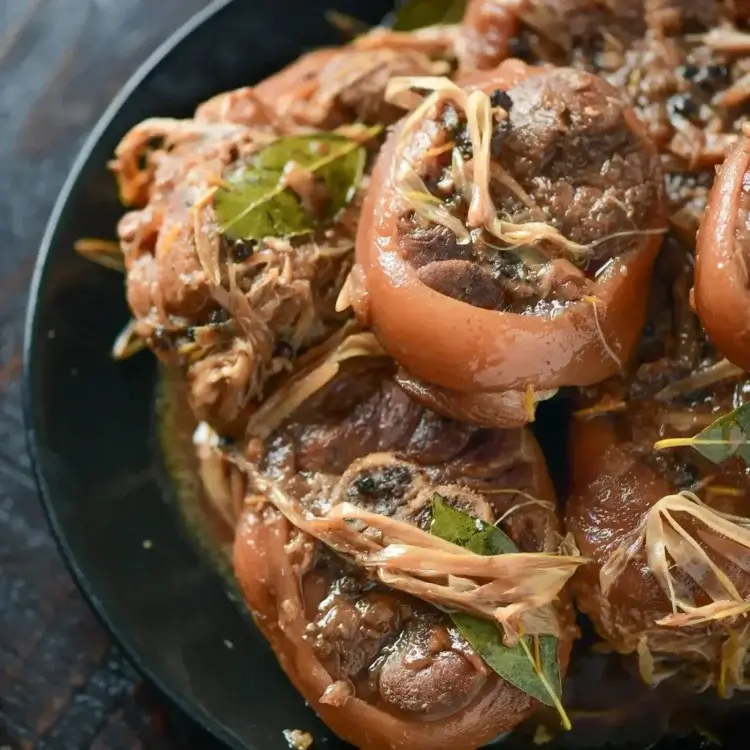
- Paksiw: vinegar is the star here, so it carries the dish. Cane works for almost any version, coconut is great with fish, and nipa is your pick when you want the sourness to really come through. Try paksiw na isda, paksiw na bangus, or inun unan.
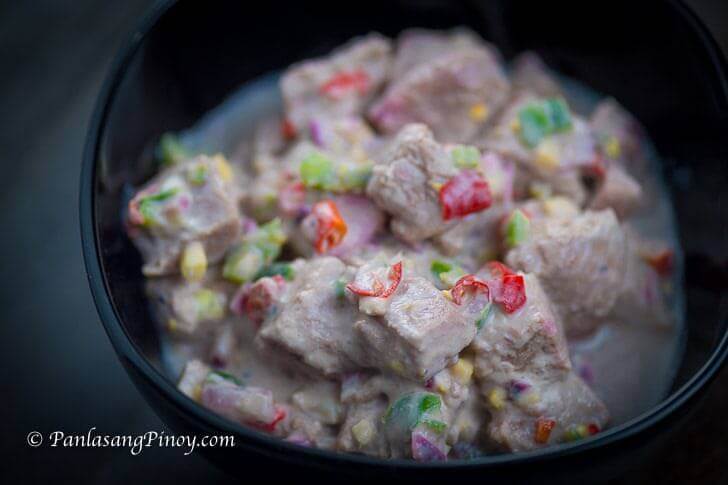
- Kinilaw: coconut vinegar is the move, because its softer acid works with the seafood, ginger, onion, and chili. Cane works too. Just keep an eye on the time, because too long in acid turns the fish tough. See kinilaw na tanigue or kinilaw na tuna.
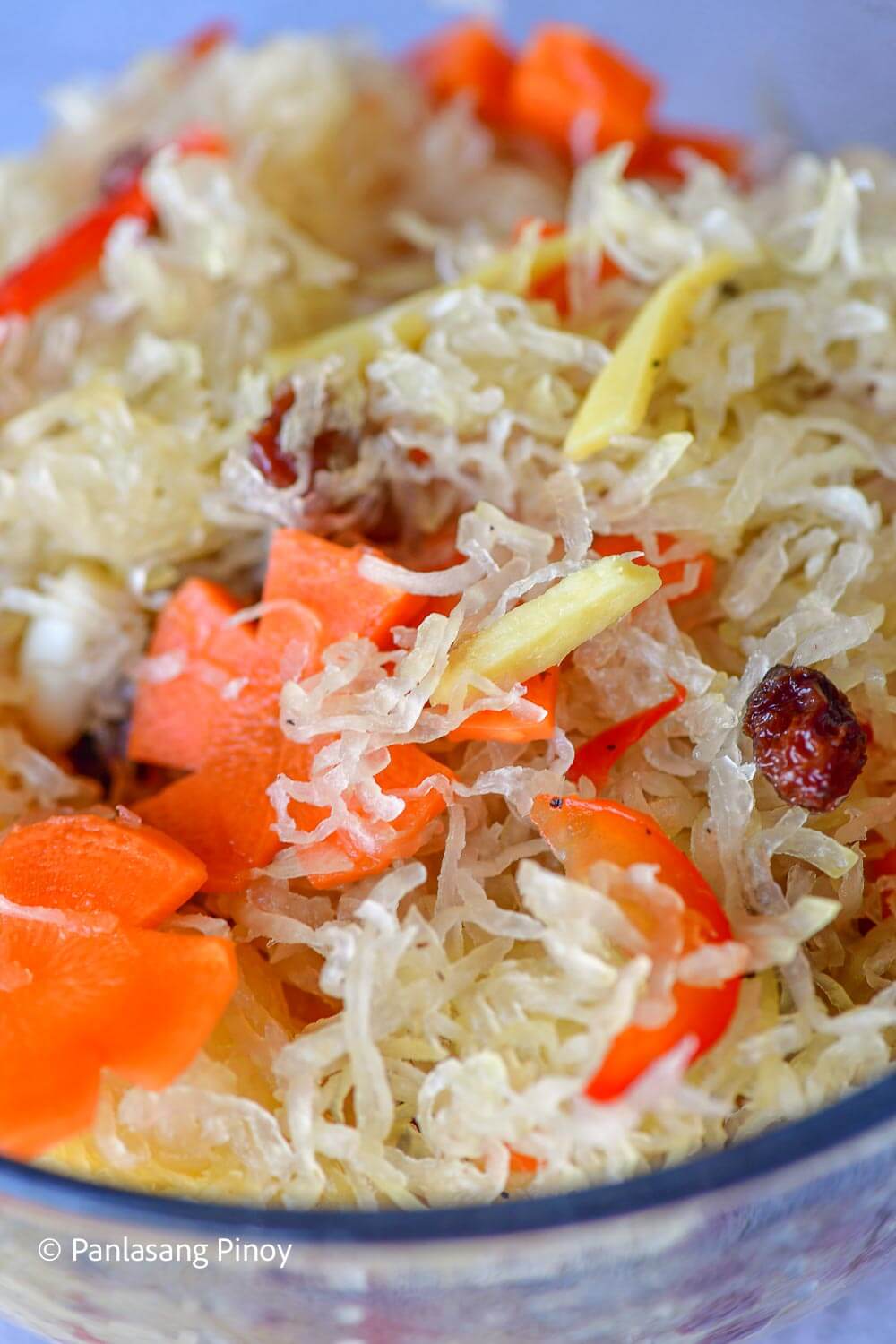
- Atchara and pickles: cane vinegar is your friend. Its mild sourness sits well with the sugar, salt, ginger, and vegetables. Use it for atchara and other fridge pickles. If you are doing a tested canning recipe, check the acidity on the label and do not swap in a weaker vinegar unless the recipe says you can.

- Anything fried or grilled: this is spiced vinegar’s moment. The acidity cuts the salt and grease, and the chili and garlic do the rest. I serve it with Bangsilog, Crispy Adobo Flakes, Tokneneng, and Lechon Kawali.
A Quick Word on Tasting and Adjusting
Every bottle is a little different, so taste a spoonful whenever you open a new one. Notice how sour it is, whether it has that fermented smell, and if there is any sweetness. Then you will know how heavy a hand to use. A few quick fixes:
- Too sharp? Use a little less, or add a splash of water. Let it cook before you add any sugar.
- Too mild? Add it bit by bit until the dish is as sour as you like.
- Still tastes raw? Keep simmering. Vinegar mellows once it cooks.
- Way too sour? A little water or broth helps, and a pinch of sugar softens it. Go easy, though.
- Tastes flat? Check the salt before reaching for more vinegar. It might just need seasoning.
Vanjo’s Advice
Should You Let Vinegar Boil Before Stirring?
Many Filipino cooks let the vinegar come to a boil before stirring the pot. This is a useful practice, especially in adobo and paksiw, but stirring too early does not trap the vinegar in the dish or ruin the sauce.
What matters more is giving the vinegar enough time to cook. When cooks say vinegar tastes raw, they mean it still has a strong smell and a sharp sour taste that seems separate from the other ingredients. After a few minutes of simmering, that sharpness softens and the vinegar begins to blend into the sauce.
Here is what a home cook should do:
- If you add the vinegar after sautéing the meat and seasonings – Pour it in and let the liquid come to a boil. Leave it undisturbed for about 1 to 2 minutes, then stir and continue simmering.
- If the vinegar goes in with the water, soy sauce, and other liquids – You can stir everything from the start. Just give the dish enough time to simmer.
- If the sauce still smells strong or tastes too sharp – Continue simmering before adding sugar, water, or more seasoning.
- Taste only after the vinegar has cooked for several minutes – The flavor can change a lot once it has had time to blend with the other ingredients.
The simple rule is this: you do not need to be afraid of stirring vinegar. Let it boil, give it time to cook, and taste the sauce after it has simmered.
No Filipino Vinegar? Here Is What to Use
Stuck without the real thing? You can still cook. Check the acidity on the label and expect the flavor to land a little differently.
- White cane vinegar – usually your best bet for Filipino cane vinegar. The kind in Latin grocery stores is easy to find, though strength still varies.
- Distilled white vinegar – sharper than Filipino cane or coconut vinegar, so start with a little less, let it cook, then taste and add more.
- Unseasoned rice vinegar – works in salads, dipping sauces, and some marinades. It is milder, so you may want more.
- Seasoned rice vinegar – has added sugar and salt, so do not swap it in directly unless you adjust the rest of the seasoning.
- Apple cider vinegar – works in some adobo and paksiw, but it brings a fruity note.
- Balsamic vinegar – not a good stand-in for traditional adobo, paksiw, kinilaw, or atchara. Its sweetness, color, and grape flavor change the dish too much.
Real vs. Synthetic
Here is one that surprises people: not all commercial vinegar is actually fermented. Some is made with diluted synthetic acetic acid instead. Back in 2019, a study from the Philippine Nuclear Research Institute reported that a lot of vinegars on local shelves were using synthetic acetic acid rather than natural fermentation. They figured this out with carbon-14 lab testing, which can tell plant-based acetic acid from the synthetic kind, so it is not something you can spot by eye at the store.
Now do not let that scare you off your favorite bottle. The acetic acid itself behaves the same either way. If you want to be sure you are getting naturally fermented vinegar, it is easy: read the ingredient list, look for “naturally fermented” or “naturally brewed,” and buy from a producer you trust.
Is Kinilaw Safe to Eat?
People have loved kinilaw for generations, so let me put your mind at ease and walk you through how to enjoy it well. The one thing to understand is this: even after the vinegar and calamansi turn the fish opaque and firm, kinilaw is still raw. The acid changes the texture, but it does not cook the fish the way heat does. That is not a reason to be scared of it. It just means a little care up front goes a long way.
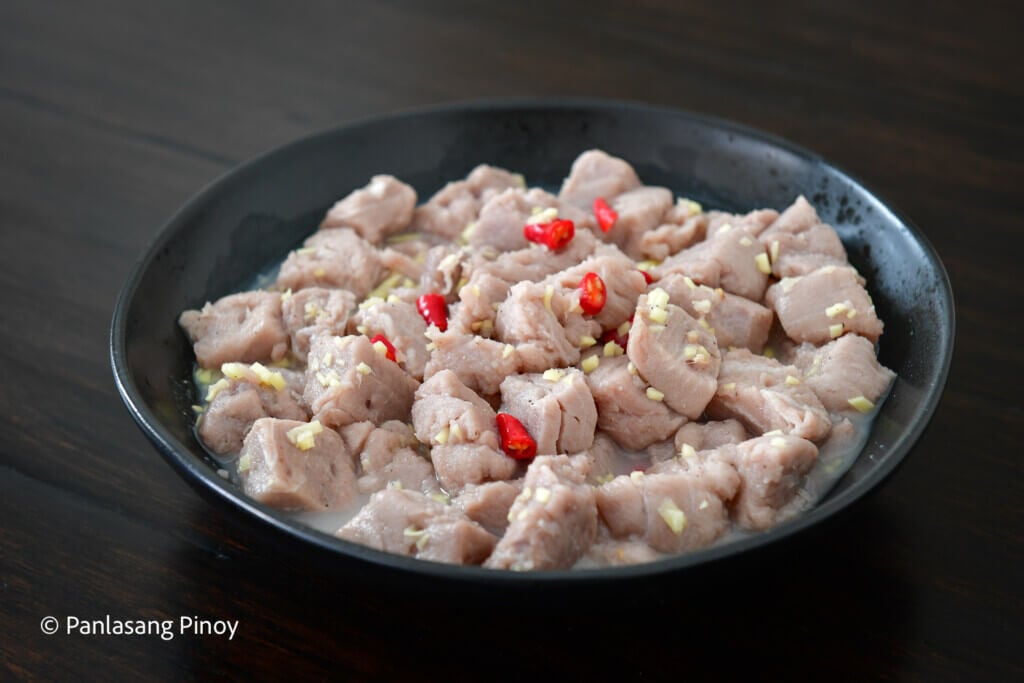
Here is all you really need to do:
- Buy from a source you trust – ideally one that handles fish for raw eating, and tell them that is what you are making.
- Keep it cold – from the store all the way to your kitchen, and serve it the same day.
- Ask about freezing – some fish for raw dishes is frozen under the right conditions first to take care of parasites, so check what your fishmonger recommends for your fish.
- Remember that “fresh” is not the whole story – very fresh fish is not automatically safe for raw eating without the right sourcing and handling.
One gentle note: if you are pregnant, feeding very young kids or older folks, or anyone with a weakened immune system, it is kindest to cook the fish instead. Serve them sinuglaw or a quick paksiw na isda so everyone can still join in. Everybody gets to enjoy the meal, just a little differently.
How to Store Your Vinegar
Vinegar is one of the easiest ingredients to keep in the kitchen. Plain vinegar lasts a long time, and you usually do not need to refrigerate it. Spiced vinegar needs a little more attention, especially when it contains fresh ingredients.
- Plain store bought vinegar – Keep the bottle tightly closed in a cool, dark cabinet. There is usually no need to take up space in the refrigerator.
- Store bought spiced vinegar – Check the label and follow the storage instructions from the manufacturer. Some bottles can stay in the cabinet, while others should be refrigerated after opening.
- Homemade spiced vinegar – Follow the storage directions in the recipe. Be more careful when the bottle contains fresh garlic, onion, herbs, chili, or fruit. Keep the ingredients submerged and refrigerate it when the recipe instructs you to do so.
You may also notice cloudiness, sediment, or a thin layer called a vinegar mother in naturally fermented vinegar. This can be normal and does not always mean the vinegar has spoiled. Check the label or the producer’s instructions when you are unsure. If the vinegar develops an unusual smell, visible mold, or anything that does not look right, it is safer not to use it.
Filipino Vinegar FAQ
Which Filipino vinegar should I buy first?
Cane vinegar. It covers adobo, paksiw, pickles, marinades, and dipping sauces, so it is the most useful bottle to start with.
Is coconut vinegar the same as sukang tuba?
Not quite. Sukang tuba is made from coconut sap. Other bottles labeled coconut vinegar are made from coconut water, which is milder. Same tree, different liquid, so check the label.
What vinegar is best for adobo?
Cane vinegar is the dependable starting point. Coconut vinegar and sukang Iloko also work and add a stronger fermented flavor.
Can I mix two vinegars in one recipe?
Absolutely. Taste the blend first, since strength varies. Start with equal parts only when you already know both bottles.
Can I cook with spiced vinegar?
Yes, when the chili and garlic suit the dish. Just remember it is already seasoned, so adjust the salt.
Does Filipino vinegar need refrigeration?
Plain commercial vinegar is happy in a cool, dark cupboard. Follow the label for commercial spiced vinegar, and the recipe for homemade infusions.
Which Bottles Should Live in Your Kitchen?
If you are just starting out, keep it simple. Get a bottle of cane vinegar for everyday cooking and a spiced vinegar for the table. Add coconut vinegar when you want to make kinilaw or paksiw. From there, nipa, kaong, sukang Iloko, and the fruit vinegars are all fun to collect whenever you find a good producer.
And whatever you bring home, taste it before you cook. Filipino vinegar changes from bottle to bottle, even within the same type. Once you know how sour and how aromatic yours is, you will know exactly how much to use. Happy cooking!

florence says
do you have sawsawan recipes? if so can it shared?
thanks
Vanjo Merano says
Yes, I do. I have several sawsawan recipes, including classic vinegar dips, spicy soy sauce, and simple combinations for grilled dishes, fried food, and seafood. You can start with this Filipino vinegar dipping sauce guide: https://panlasangpinoy.com/filipino-vinegar-dipping-sauce/
More sawsawan recipes will be added as well. Thanks for reading!