• Skip to primary navigation
  • Skip to main content
  • Skip to primary sidebar

Panlasang Pinoy

Your Top Source of Filipino Recipes

  • Start Here
  • All Recipes
    • Course
      • Breakfast
      • Lunch
      • Appetizers
      • Dessert
      • Dinner
    • Ingredient
      • Chicken
      • Pork
      • Beef
      • Turkey
      • Vegetable
      • Fish
      • Rice
      • Egg
      • Tofu
      • Noodles
    • Type
      • Adobo
      • Bread
      • Fried Chicken
      • Sinigang
      • Kilawin
      • Ginataan
      • Kaldereta
  • Cooking Schools
  • About Panlasang Pinoy
Facebook
Instagram
Pinterest
YouTube
Home Culinary Arts

Culinary Arts

Safe cooking temperature for meat

Everyone has unique preferences when it comes to how well their meat is cooked. Some like it rare and others well-done. Eating meat raw might be fine in a restaurant but if you are grilling your meats at home, you need to learn about the cooking temperature for meat. Undercooked meat can cause all sorts of problems in your digestive system but this can be avoided if you know how to cook your favorite meat the right way.

What is the safe temperature for cooking meat?

Beef

Beef should be cooked at 160 degrees when it is ground and 145 degrees if it is fresh. Uncooked beef can contain E Coli, which is a bacterium that infests the stomach and causes symptoms like diarrhea, stomach cramps, bloody stools and even a little fever.

Ground beef requires a higher temperature than fresh meat because it is made out of meat from a lot of different cows. One cow might be healthy but the next one might be infected. Since they both end up in the same meat packet, you will catch bacteria and fall ill.

It’s hard to think about disease-causing beef without thinking about mad cow disease. Mad cow disease should be controlled at the basic level. It is up to manufacturers and farmers to disinfect cattle. It cannot be killed by simply cooking it.

Pork

Pigs are well-known for their less-than-sanitary ways and the worms they ingest while feeding. One of the most reported diseases from people who have eaten uncooked pork is trichinellosis, also known as trichinosis. This is when the larvae of a worm called trichinella enters your stomach and makes you sick. It is known by the symptoms it produces, which include discomfort in the abdomen, fatigue, fever and diarrhea. This disease can spread to the nervous system and cause itchiness in the face, pain in the joints, headaches and constipation.

Therefore, 160 degrees is the best temperature for cooking meat. Fresh pork and ham can be cooked at 145 degrees but if the pork is mixed or ground, it’s 160 degrees.

Poultry and chicken

Poultry and chicken need a slightly higher temperature than other meats. Both should be cooked at 165 degrees. Eating them undercooked can put you at risk for campylobacter, a disease that can cause serious damage to your health if left untreated. Campylobacter confuses the immune system and causes it to attack your nervous system. Apart from diarrhea, this infection can lead to conditions like arthritis and other neuron-related diseases.

Another disease from undercooked meat worth noting is Listeria. It affects all types of meat and causes muscle pain, nausea, diarrhea and fever. If you experience these symptoms, contact your doctor right away because it has a tendency to spread to the nervous system. When it does, your neck might become stiff and headaches might follow.

Knowing the right cooking temperature for meat is crucial to your health. While diseases might produce symptoms for a few days, some might be life-threatening.

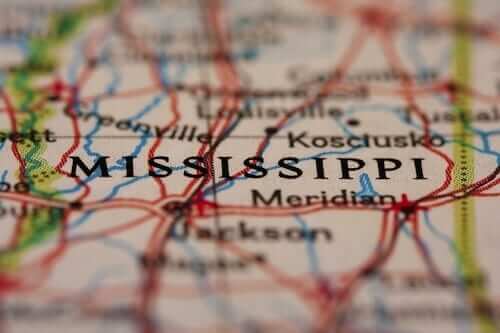
Culinary Schools in Mississippi

There is so much more to Mississippi than the best Southern foods in the country. Many travel especially for the legendary catfish and the cornbread but to many alumni culinary students, it’s the best place to get your culinary training. It’s easy to imagine how enjoyable the educational experience would be when you’re enrolled at one of the best Mississippi culinary schools and feasting on local cuisine during the weekends.

You cannot start looking for a school without knowing what you would like to work as after graduating. Mississippi culinary schools offer programs that are very different in curriculum, the form of training and duration. Certificate programs often have courses that you can complete in a few months while diplomas can last a few months to a couple of years. Both programs feature accelerated training which is mostly practical in nature and designed to get students into jobs quickly. Associate and bachelor degrees are much longer, around 2-4 years. Degrees focus more on theoretical subjects than certificates and diplomas but still include internships or periods of practical training as well.

Universities usually offer inclusive bachelor degrees and are ideal if you looking for higher paying jobs after graduation. Technical colleges and institutes are normally well-rounded, focusing on both practical and theory. Community colleges are also great places to receive your training and education is also balanced. You could begin your studies at a community or technical college and advance your culinary expertise through universities and institutes. Regardless of how and where you would like to train, it’s important that whichever Mississippi culinary schools you apply to have accreditation from the American Culinary Federation.

If the school you’re interested in is accredited and offer the curriculum you believe can help you achieve your career goals, take it a step further and check if the institution has the following:

  • Well-equipped kitchens for student practical training
  • Well-informed, experienced instructors and appearances by guest chefs and entrepreneurs
  • Societies for alumni students
  • Internships, externships, apprenticeships and other opportunities to earn while working
  • Great history of job placement

Outstanding Mississippi culinary schools are:

Alcorn State University, which provides basic and extended culinary studies, especially students interested in nutrition and dietetics

Coahoma Community College offers education for students that need training to occupy all positions, from the kitchen to management

For quality education in Hospitality management and Tourism, Hinds Community College can help you achieve your goals

Mississippi Gulf Coast Community College is a multi-campus institution that covers every area of the food service industry

Other training organisations include the state university and the Viking Cooking School

Get a dose of local cuisine and form profitable relationships with chefs by attending the Annual Crawfish festival, World Catfish festival, Biloxi Seafood fest, the Natchez Food and Wine festival and the Southern Foodways Alliance Symposium. You should also become part of local industry associations to know about opportunities, alerts and upcoming conferences and other events.

Culinary Schools in Missouri

Missouri culinary schools do not compromise when it comes to the quality of their culinary education and training. Students, professional chefs and critics can all attest to the first-rate training offered at these schools. On top of that, cities like St. Louis and Springfield come alive as tourists drive in for tasty weekend getaways and festivals are thrown all over the state. Admission into a great culinary school is all that stands between you and an unforgettable learning experience.

Choosing the most suitable Missouri culinary schools to enrol might be a little harder than you think. You need to assess each school’s curriculum, check if there are facilities available, investigate their job placement ability and find out which modules will lead to qualifying for which jobs. During your school search, you are bound to come across certificate, diploma, associate and bachelor degrees. While some take only months to complete, other programs like degrees might take a few years.

Certificates and diplomas are often categorised as accelerated programs because of the intensive technical training they provide and the short duration of the courses. These training programs are specifically formulated for students who would like to start job hunting and working as soon as they can. Associate degrees can last for 2 years and usually include theoretical subjects as well as practical work experience. Bachelor degrees and advanced studies are the most theoretical qualification programs out there and should be balanced with adequate practical know-how to work after graduation.

The most popular courses offered by Missouri culinary schools are:

  • Culinary arts
  • Hospitality management
  • Restaurant administration and management
  • Cooking and baking fundamentals and methods
  • Baking and Pastry
  • Nutrition
  • Dietetics
  • Food safety and sanitation
  • Hotel management
  • Kitchen studies
  • Kitchen equipment use and care

After graduation, you can land a job in a restaurant, spa, resort, casino, school, business, hospital, culinary institute and other institutions where hospitality is the order of the day.

Missouri culinary schools accredited by the America Culinary Federation are plenty and the best of these are:

L’Ecole Culinaire is a top institution that provides students with quality education as well as updated facilities such as kitchens and computer laboratories. It offers associate degrees in culinary arts and diplomas in culinary basics.

University of Missouri-Colombia outshines most of its counterparts when it comes to nutrition, hospitality management and food science

Other top institutions include the Central Missouri State University, East Central College, Forest Park Community College, Lake Career and Technical Centre, Rolla Technical Institute, Fontbonne College, Forest Park Community College, Northwest Missouri State University, Jefferson College and College of the Ozarks.

This is not a complete list of reputable Missouri culinary schools but it might give you a good place to start your search. Once you’ve been admitted, it’s wise to join the American Culinary Federation, Research Chefs Association or the United States Personal Chefs Association. Being a member will allow you to receive news about career opportunities and give access to great advice.

Hawaii culinary schools

Many are familiar with Hawaii as a tourist destination but for others, Hawaii culinary schools are some of the best places to get a career as a professional chef on track. It’s easy to see why the state would be regarded as one of the top locations of study for culinary students. Local cuisine is unusual and usually boasts Asian and island flavours that cannot be found anywhere else in the country. There is a hoard of tourists flying into the state every day which means there are plenty of eager mouths to feed looking for a unique culinary experience. If you guarantee a quality education in one of the best culinary schools, submerge yourself in the culture and get involved in industry organisations, you might just be the next big chef to come out of the sunny state.

The programs offered are as diverse as the flavours themselves. You can study for:

  • An Associate degree in Culinary Arts
  • Associate degree in Restaurant management and supervision
  • Associate degree in Baking and Pastry
  • Certificate in Culinary Arts
  • Hotel management
  • Hospitality management
  • Certificate in Food Preparation

This is not a complete list of certificates and degrees and you should make a conscious effort to consult with course administrators at different schools for a better understanding of your options. Qualifications can be obtained from universities, community colleges, technical institutions and culinary institutes.

These are some of the Hawaii culinary schools you can use to narrow down your search:

Maui Culinary Academy comes up at the top of the list when it comes to cooking institutions because the training offered is much specialised and it provides the best practical experience in the state.

Gros Bonnet Culinary Arts Academy is one of the oldest and most respected training organisations for chefs. Apart from quality education, it also gives students plenty of career support after graduation and is situated in a region of Hawaii that attracted many tourists.

Hawaii Community College values practical training but also puts adequate emphasis on the theoretical part of the industry

One program renowned for its apprenticeship program is Kapiolani Community College. It is an accredited institution with international ties and offers students the opportunity to earn a small living while training

Leeward Community College is also a great option for wanna-be chefs looking for excellent education and kitchen training.

One of the simplest ways to land a job after qualifying is to become a familiar in Hawaii’s annual festivals. The Hawaii Lodging, Hospitality and Food Service Expo as well as the Kapalua Wine and Food festivals are just two of the best places to network with chefs who have made a name for themselves in the local industry. New pastry chefs can also take advantage of the Hawaiian Chocolate and Kona Chocolate festivals to display creativity in confectionery and to learn the preferences of tourists and local customers. Join the Maui Chef’s Association and Restaurant Association to learn about these events and other opportunities.

Culinary Schools in Louisiana

You can become the next big name to come out of Louisiana by enrolling for culinary courses at any of the top Louisiana culinary schools. Not only will you receive competitive culinary training but will also enjoy learning in a vibrant, flavourful environment and mingling with the best chefs and restaurateurs in the industry. The state of Louisiana has a deep food heritage and combines American, Spanish, French, African and Native American tastes. It is a wonderland for students who dream of becoming chefs or occupying positions in the food service industry.

Louisiana is an easy place to fall in love with but before you start exploring the rich local culture and cuisine, the first priority is to secure your education in one of the top Louisiana culinary schools. Before you apply, take some time to examine the curriculum offered at each school. A reputable school should include some of these subjects:

  • Hospitality management or studies
  • Culinary arts
  • Nutrition
  • Restaurant operations and management
  • Baking and pastry
  • Cooking methods
  • Food purchasing
  • Food cost control
  • Local cuisine
  • Knife skills
  • Kitchen equipment operation and care
  • Food safety and sanitation

There are many more subjects that curriculums cover and the above mentioned are just an overview of what to look for to help you find a suitable school. Good Louisiana culinary schools should also offer students opportunities and facilities to prepare students for work. Some of these opportunities and facilities include:

  • An internship, externship or any other form of practical work experience
  • Restaurants or kitchens where students perform practical application of studies
  • Experienced instructors with good connections in the local industry
  • Alumni societies to help graduates find jobs and further careers
  • A good job placement record

When you’ve found accredited Louisiana culinary schools to apply to with a great curriculum, facilities and post-graduate support, it’s time to decide what type of qualification you need. Even though schools might cover the subjects you need, it’s HOW they’re covered that matters most. In other words, does the school focus more on practical experience and less on theory or vice versa? Does the school offer diplomas, certificates, associate degrees or bachelor degrees? Does the school give students the opportunity to study further? The rule of thumb is: if you want to start working as soon as possible, apply to technical colleges and institutes. If you want a steady-paced program with a balance between theory and practice, opt for universities and community colleges.

Best Louisiana culinary schools are:

  • The New Orleans Culinary Institute
  • University of Louisiana
  • University of New Orleans
  • John Folse Culinary institute
  • Louisiana technical college
  • Southern University
  • Delgado Community college
  • North-western State University of Louisiana

While studying, try to attend the World Championship Crawfish Etoufee cook-off, New Orleans Wine and Food festival and the Louisiana Watermelon festival to learn about and taste local cuisine as well as to network with local chefs to increase career prospects.

Culinary Schools in Kentucky

Fried chicken is one culinary achievement that the state of Kentucky is well known for but only few are aware that Louisville, Bowling Green and Lexington are some of America’s culinary gems. This is good news not only for foodies but culinary students as well. While most wouldn’t consider the state the ideal place to study, there are many great culinary schools in Kentucky that you can attend where you can learn to become a chef, pastry chef, restaurant manager, caterer, kitchen supervisor, menu planner, consultant and other occupations in the food and service industry

Kentucky culinary schools boast excellent, world-class curriculums. Students can look forward to learning all about:

  • Hospitality management
  • Restaurant operations, procedures and management
  • Beverage management
  • Catering
  • Baking principles
  • Diet and nutrition
  • Culinary arts
  • Culinary management
  • Kitchen studies
  • Equipment use and care
  • Food safety and sanitation
  • Food cost control

You should consider your choice of school carefully. Different institutions focus on different aspects of training and some take longer than others. If you need accelerated practical training in order to get an entry-level job as soon as possible, it would be best to apply to technical and community colleges. If, on the other hand, you need a comprehensive qualification with as much theory as practical know-how, Kentucky culinary schools that offer associate and bachelor degrees are best. Universities are also great places for students who would like to advance their studies by joining an Honours or Masters Program. Culinary institutes are regarded as the best option because of their specialised and intensive programs, where students are usually given special attention by tutors and instructors. Institutes also have a reputation of having up-to-date training kitchens and equipments.

At the end of the day, your selection is determined by your career needs. Wherever you decide to receive your training, just make sure courses are accredited by the American Culinary Federation Accrediting Commission.

Some of the best accredited Culinary Schools in Kentucky are:

  • Sullivan University is regarded as the National Centre for Hospitality Studies. It is recognised for its outstanding diplomas, certificates and degrees in baking, beverage management and working as a personal chef
  • Ashland community and technical college offer exceptional courses in the culinary arts, food and beverage management. Since this is a technical college, you can expect a lot of hands-on work in student-run restaurants and local hospitality institutions
  • Elizabethtown community and technical college excels in culinary management and restaurant administration

Other recommended Culinary Schools in Kentucky are:

  • Bowling Green Technical College
  • Sullivan University
  • National college in Lexington
  • West Kentucky Community and Technical College

Education and training doesn’t end in the classroom. Learn about local flavours and network with celebrity chefs at festivals like the Annual World Chicken festival, Anderson County Burgoo fest and Kentucky Bourbon festivals. Join industry associations like the American Culinary Federation, Women’s Chefs and Restaurateurs and the Research Chefs Association to receive job updates, industry news and career support.

Kansas Culinary Schools

Imagine being admitted into one of the best Kansas culinary schools and earning a top qualification. You enter and win cooking contest, make lifelong friends, get to meet celebrity chefs and eventually land your first job as a chef in an esteemed restaurant. Depending on your cooking skill, talent and networking skills, this is an actual possibility if you decide to study in Kansas. The state is well known for its somewhat modest and traditional cuisine but many chefs have taken advantage of the state’s curiosity in the culinary to open restaurants, manage hotel and resort kitchens and work in established corporations. With the right qualification, you can too.

Whether you are interested in a certificate or culinary degree, the most common curriculum courses at Kansas culinary schools include:

  • Culinary arts
  • Hospitality Institution management
  • Baking and Pastry principles
  • Restaurant management and operations
  • Food cost control
  • Nutrition
  • Dietetics
  • Food purchasing
  • Food service
  • Leadership skills
  • Kitchen equipment operation
  • Food safety and sanitation
  • Knife skills

With a culinary qualification from Kansas culinary schools, you can work at hospitality institutions like spas, hotels and resorts. You can also find work at casinos, schools, private businesses and catering companies. If you enjoy finding and cooking for private clients, a certificate, associate degree and bachelor’s degree can prepare you to become a personal chef.

The best Kansas culinary schools include:

  • International Art Institute in Kansas City
  • Barton Community College
  • Garden City Community College
  • American Institute of Baking located in Manhattan
  • Johnson County Community College

To maximize your educational experience, it would be best to attend conferences and festivals in Kansas. Take time to pass by at the Wichita Wagonmasters Downtown Chilli Cook-off. This festival is usually open to entrants and the main dishes are obviously chilli. This contest allows a certain number of chefs to enter and stand a chance to win a cash prize of up to $5000. Another fun festival to attend is the Kansas City Hog Wild Barbecue festival. Kansas is renowned for its barbecues and is home for many barbecue themed restaurants. Another barbecuing festival to note is the American Royal contest.

The purpose of attending these festivals is, first and foremost, to showcase your kitchen skills if you are accepted as a contestant. Even though you might not win the first prize, being among distinguished and loved chefs is a great way to get noticed by industry foodies and get in contact with future employers. Another reason you should be present at these festivals is to sample local food and learn the responses of customers to different flavors and tastes. This knowledge will come in handy when you are job hunting, especially if you’re looking for work in Kansas. The third reason festivals should be attended is to exchange ideas, industry tips, meet other students, form relationships and potentially build a client or customer base if you’re planning to run your own food franchise.

Maryland Culinary Schools

Culinary schools in Maryland have been a big factor in the fantastic food scene of the state. Only a few people are aware of how favorable the economy of the state is for upcoming chefs and culinary professionals. There is a high demand for culinary jobs such as chefs, cooks, caterers, restaurateurs and managers.

In Maryland, local cuisine is what you make it to be. Chefs can cook with any ingredient from seafood to locally grown vegetables. Flavors are unlimited and customers come from all over the world. Therefore, when looking for a school, you need to keep your eye out for one that includes local cuisine. A curriculum that covers local cuisine is not the only element that defines a good school.

  • Culinary arts
  • Baking and cooking principles
  • Nutrition
  • Food safety and sanitation
  • Kitchen equipment (use and care)
  • Hospitality
  • Basic restaurant administration, procedures and operations
  • Institution management

Note that subjects will differ across learning programs. Certificate and diploma programs tend to focus on providing students with technical skills while associate and bachelor degrees include more theoretical areas of study: cost control, food purchasing and menu planning are some examples. Each qualification has its own goals. It is important to speak to your course administrator to learn about these.

Some of the highly recommended culinary schools in Maryland are:

  • Stratford University (BIC foundation)
  • Allegheny College of Maryland
  • L’Academie de Cuisine
  • Wor-Wic Community College
  • Frederick Community College
  • The Anne Arundel Community College

Being a student at top culinary schools is Maryland is one way to kick off your career in the foodservice industry but you should also ensure you put your best foot forward in the local culinary scene as well. Take the opportunity to extend your education by getting involved in festivals like the Annapolis Rotary Crab Feast, the Havre de Grace Seafood festival and the Chesapeake Oyster and Beer Festival. This is where many local and chefs from out of state gather to showcase their latest dishes and chatting to them can result in career opportunities when you complete your studies. The earlier you start networking, the better your chances of landing a job early.

In addition to attending festivals, join associations like the Central Maryland Chefs and Cook Association and the Maryland Restaurant Association. Most of the time, membership is cheaper for students and the benefits include receiving job alerts, learning about new trends in the industry and staying updated with news.

Culinary Schools in Iowa

Culinary Schools in Iowa

Many wouldn’t dare to miss the Rib America festival for obvious reasons but among the thousands of barbecue lovers, there are culinary students eager to obtain their qualification from the best Iowa culinary schools and whip up dishes of their own. The culinary scene in Iowa is much more relaxed and traditional compared to other states. Popular ingredients include cheeses, meats and flavours inspired by Amish, Norwegian and Swedish cultures. If you would like to become a professional chef or occupy any position in the food and hospitality industry, enrolling in one of these Iowa culinary schools is a good first step to get your foot into culinary door

In most accredited institutions, you can expect to receive education and practical training in:

  • Hospitality management
  • Culinary arts
  • Hotel and restaurant management
  • Business diplomas
  • Baking and Pastry

There are diplomas, certificates, associate degrees and bachelor degrees you can easily apply for. Admission, however, will depend on high school grades or in some cases, the years of work experience you have if you’re looking to extend your studies.

Some Iowa culinary schools are preferred over others and the most highly recommended are the following:

Iowa State University has credible courses that students can study in order to learn the necessary skills for working in and out of the kitchen. Graduates qualify to work as chefs, sous chefs, line chefs, bakers, caterers, managers, consultants and instructors.

Eastern Iowa Community College is another great alternative for aspiring chefs looking for great education and kitchen experience.

If Kirkwood is an area you would enjoy living, Kirkwood Community College is nearby and offers competent education for wanna-be professional cooks.

Other great training institutions include the Hamilton College, Hawkeye Community College and the North Iowa area Community College.

For courses that teach business skills as well as cooking, the American Institute of Commerce in Davenport can be the ideal place to earn your qualification.

The best course is always the one that meets your career ambitions. Some curriculum are more hands-on than others while other courses are for the business-minded. If you would like to work in managerial positions or own a restaurant, enrolling in institutes focused on commerce is advisable. Institutions that emphasize practical experience are more suitable for aspiring chefs, cooks, personal chefs and caterers. Regardless of what you decide to study, make sure that the program offers enough support through associations or advisory boards to help you jump-start your career.

When you’re admitted into a training program at one of the accredited Iowa culinary schools, you should also try to attend as many local festivals as possible. Some festivals and annual conferences include the much-loved Rib America and West point Sweet Corn festival. They are likely to be held in Des Moines, which is the culinary capital of Iowa. Once there, you can connect with industry experts and great chefs who can give you great tips on how to make it big as a culinary professional.

Culinary Schools in Indiana

Indiana might be considered to be one the quieter states to live in but  culinary schools in Indiana, on the other hand, are vibrant places for culinary students to study, train and work. Qualified chefs who have had the privilege of becoming professionals in Indiana can attest to the full theoretical and practical knowledge received at its institutions and the exciting festivals they’ve attended and mingled with the best chefs in the business.

Indiana is proud of the heritage of its cuisine. If you decide to study in this state, you can be there just in time for its fine festivals. Some of these festivals include the Brickyard Barbecue Festival, Vintage Indiana and the Pierogi festival. You are likely to meet a host of famous chefs and learn from their culinary expertise. This is a great place to get introduced to local culture, tastes and favourite dishes that your future customers and clients love.

Although getting acquainted with local cuisine is a good idea, your primary focus should be attaining education and training in order to join the industry and make a name for yourself in the culinary world. You can enrol for an associate degree, a bachelor’s or certificate. Each qualification improves your chances of employment after completion and will equip you with the skills you need to excel in your specialized field.

A decent culinary curriculum should include subjects in hospitality, culinary arts and food service but should be enhanced by:

  • On-site restaurant practical training
  • Internships or a form of practical work experience
  • Well-equipped kitchens with equipment and procedures
  • Experienced, well-trained cooks, chefs and instructors
  • Career support after graduation
  • Links to industry associations and ability to get discounted memberships for students

Among the best Indiana culinary schools available are:

The Art Institute of Indianapolis where students can study at respectable International Culinary schools for certificates and degrees.

Chef’s Academy hosts culinary programs that teach students to master every area of the industry in order to work as anything from personal chefs to restaurant owners.

Indiana Business College offers some of the best culinary and entrepreneurial courses in the state.

The Indiana State University is a great place to study and gain relevant qualifications within an active campus life.

Ivy Tech State college is a technical institute that offers practical work experience to apply and win entry-level jobs after completing the course.

Davenport college and Marian College also offer competitive programs that equip students to be chefs, line chefs, caterers, managers, instructors and restaurant owners.

It’s always a good idea to become a committed member of an association like the Indiana Restaurant association, Chefs of Northwest Indiana and Restaurant and Hospitality association of Indiana. Joining associations puts you in a position to know about opportunities as they come about, attend seminars that are not accessible to the general public, meet chefs from all over the world and experiment with new flavors to add to your menu.

  • Previous
  • Page 1
  • Interim pages omitted …
  • Page 12
  • Page 13
  • Page 14
  • Page 15
  • Page 16
  • Interim pages omitted …
  • Page 27
  • Next

sidebar

Welcome!

As a huge fan of Filipino food, it is my goal to teach people how to cook it using the simplest way possible. Prepare your taste buds for an ultimate showdown of delectable Filipino dishes! Read more…

Facebook
Instagram
Pinterest
YouTube

Reader Favorites

Chicken Adobo in a Bowl

Filipino Chicken Adobo Recipe

Leche Flan Recipe

kare kare beef tripe

Kare-Kare Recipe (Beef Tripe)

Pork Sinigang

Sinigang

Receive new recipes by email!


Seasonal

Beef Morcon Recipe

Arroz Valenciana

lechon belly roll recipe

Lechon Belly Roll

Christmas Macaroni Salad

How to Make Macaroni Salad for the Holidays

As Seen In:

good housekeeping
parents
serious eats
livestrong
kitchn
sheknows
Facebook
Instagram
Pinterest
YouTube
About
Meet Vanjo
New? Start Here
Browse Recipes
Explore
Ingredient 101
Philippines
Cooking Schools
Privacy Policy
Disclaimers
Contact
© 2026 Panlasang Pinoy
Site Credits
Designed by Melissa Rose Design Developed by Once Coupled
Back to Top
Back to Top