Ginisang Ampalaya (Sauteed Bitter Melon)
Ginisang Ampalaya is a simple bitter melon dish cooked with eggs, tomatoes, garlic, and onion. Ampalaya is known for its bitter taste, and that flavor is what makes this dish different from other vegetable dishes. The tomatoes help mellow it out, while the eggs make it taste fuller and more satisfying. This cooks in under twenty minutes and does not cost much to make. It also goes really well with rice. This is the same kind of ginisang ampalaya I have been eating since I was a kid, using the simple ingredients my mom always cooked with at home.
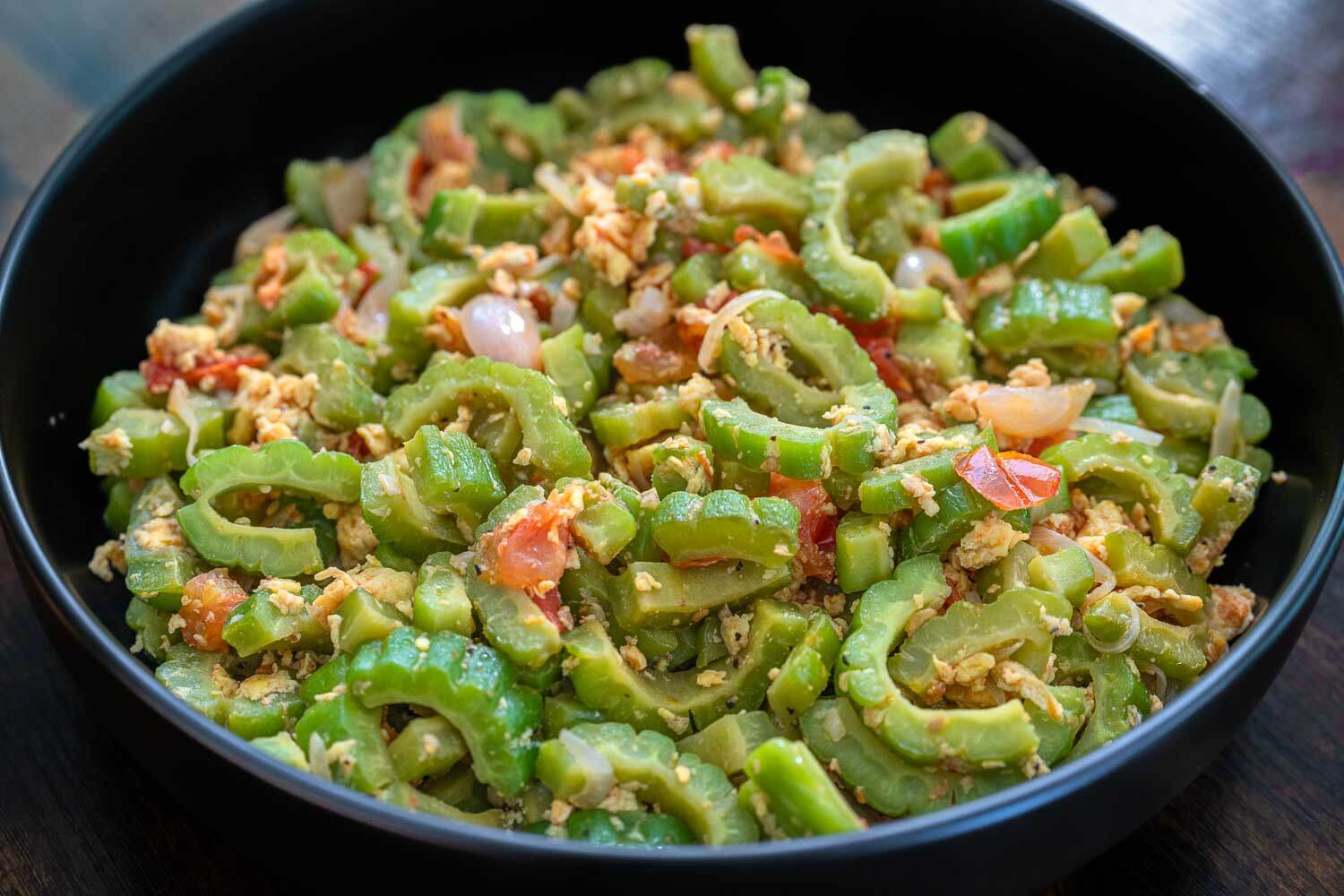
I will be honest with you. I hated ginisang ampalaya growing up. My mom cooked it often, so I had to learn how to eat it. I forced myself to finish a serving every time, and somewhere along the way, my taste buds caught up. By my teens, I came around. Now I cook it most weeks for my own family, often with fried fish on the side. You can also check my other ampalaya recipes if you want more ways to cook this vegetable.
Most people think there is only one way to reduce the bitterness, but you actually have a few options. I will walk you through them in this post. Once the ampalaya is sliced and prepared the right way, you will get tender pieces, soft eggs, and just enough bitterness to make the dish taste like it should without being too strong.
What is Ginisang Ampalaya?
Ginisang Ampalaya is a Filipino sauteed bitter melon dish made with garlic, onion, tomato, and beaten eggs. Ginisa means sauteed in Tagalog, and ampalaya is the Filipino name for bitter melon, which is also called bitter gourd. The plant is called Momordica charantia, and it grows in many warm places, including Southeast Asia, India, and parts of Africa.
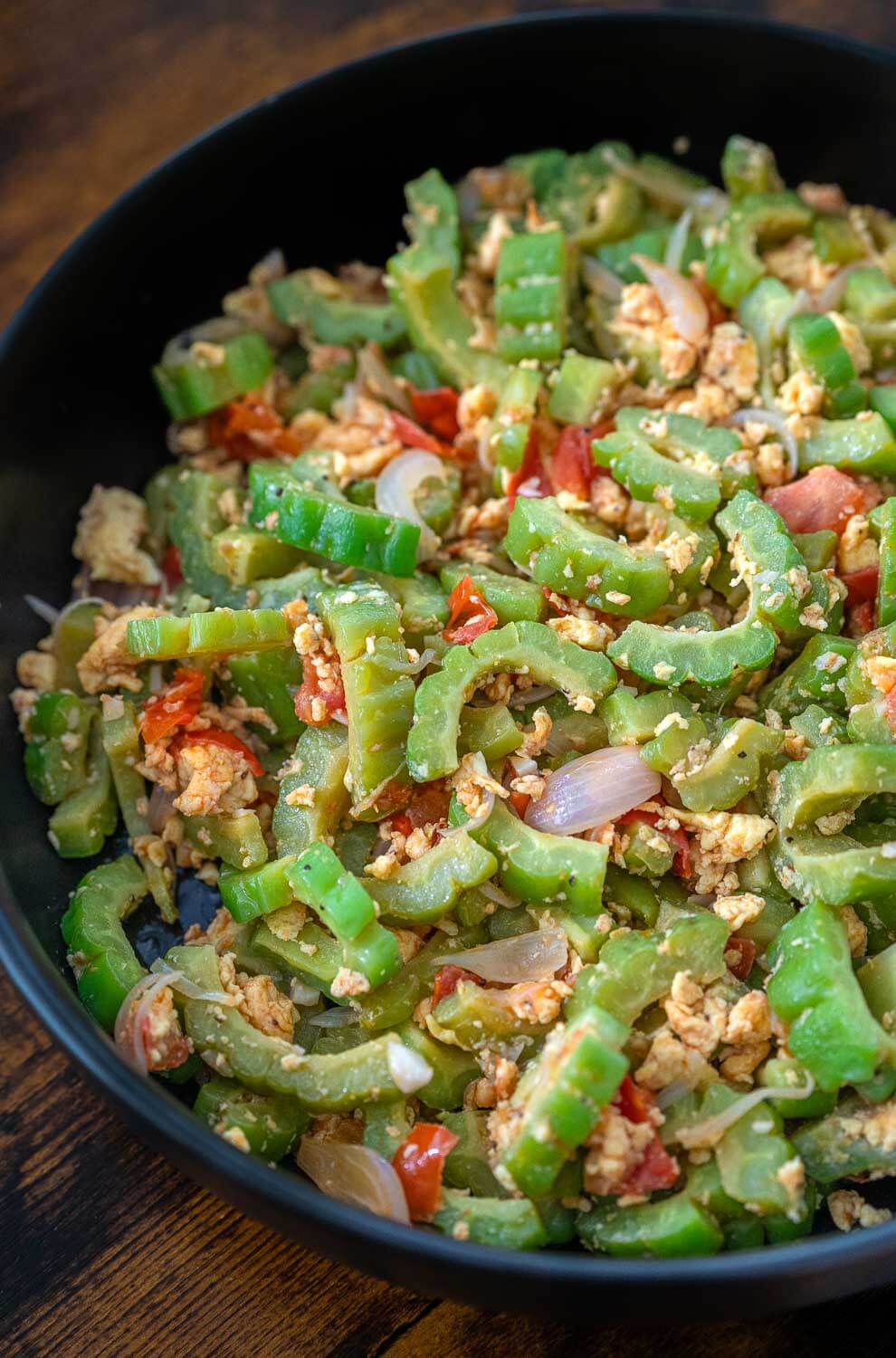
Filipino home cooks prepare ampalaya in many ways, but this sauteed version is one of the most common. The garlic, onion, and tomato help soften the bitter flavor, while the eggs make the dish more filling. It is simple, affordable, and easy to cook on a regular weeknight.
You will see ginisang ampalaya served in carinderias, packed in lunchboxes, and placed on dinner tables next to fried fish and rice. A lot of us grew up eating it because our moms cooked it often. I did not enjoy it at first, but I understand now why it was always on the table.
Why This Ginisang Ampalaya Recipe Works
A few simple things help this ginisang ampalaya recipe come out right. Most of them have to do with how you slice the ampalaya, how long you cook it, and when you add the eggs.
- Thin slicing helps a lot. Thin slices cook faster and taste less bitter than thick ones. This is the easiest adjustment you can make.
- Salt water can reduce the bitter taste. This is an optional step. Soaking the slices in warm salted water helps draw out some of the bitter juice. Rinsing and gently squeezing the slices after soaking makes the flavor milder.
- Tomatoes help balance the dish. The tomatoes soften in the pan and add a little natural sweetness. They do not hide the bitter flavor, but they make it easier to enjoy.
- The eggs should not be stirred right away. Letting the beaten eggs sit for a few seconds helps them form soft pieces that cling to the ampalaya instead of breaking apart too much.
Ingredients
- Ampalaya – Pick firm and bright green bitter melons. Smaller ones usually taste better and are easier to cook.
- Eggs – Eggs make the dish more filling and help balance the bitter flavor.
- Tomatoes – Tomatoes add a little sweetness and moisture once they soften in the pan.
- Onions – Yellow or red onions both work. They add sweetness and aroma to the dish.
- Garlic – Garlic gives ginisang ampalaya its familiar sauteed flavor.
- Ground black pepper – A small amount adds warmth without overpowering the vegetables.
- Maggi Magic Sarap – This adds savory flavor and helps season the eggs and ampalaya evenly. Adjust depending on your taste.
- Cooking oil – Use any neutral cooking oil you normally use for sauteing.
Vanjo’s Advice
The way I prepare it is simple. I do not always treat the bitterness the same way. It depends on how much time I have and who will be eating.
- You have a options to reduce the bitterness. (1) The full salt soak – soak in salted water and gently squeeze to let some of the juices out. This gives the mildest result. (2) The quick salt rub works when you want something in the middle. Simply rub salt all over the ampalaya. Let it stay for 3 minutes and rinse. Sometimes I skip both and just slice the ampalaya thin before cooking. The flavor is sharper, but it is still good.
- Slice the ampalaya thinner than usual. I like the pieces about one eighth inch thick. Thin slices cook fast and become easier to eat.
- Choose younger ampalaya when you can. Firm green ampalaya works best for this recipe. I skip the ones that are turning yellow or orange because they are usually too ripe and more bitter.
- Do not overcook the eggs. Soft eggs make the dish taste better. Turn off the heat while the eggs still look tender.
- Pour the eggs evenly. Spread the beaten eggs across the pan so the ampalaya gets coated in different spots.
- Taste before serving. Some ampalaya pieces are more bitter than others, and some seasonings are saltier. A quick taste at the end helps you adjust.
- Give the flavor time. Bitter food is not always easy to like right away. I did not like ampalaya as a kid, but I eventually learned to enjoy it. You might also get used to it sooner than you think.
- Serve it with fried fish and rice. This is how I have always enjoyed it. Crispy fried tilapia or galunggong, hot rice, ginisang ampalaya, and a small bowl of patis with calamansi on the side make a simple but satisfying meal
How to Cook Ginisang Ampalaya
Cooking ginisang ampalaya at home is simple. Prepare the ampalaya first, saute the aromatics, cook everything together, and finish with the eggs and seasoning. The full ingredient amounts are in the recipe card below.
Prep the Ampalaya
- Slice the ampalaya in half lengthwise. Scoop out the seeds and white pith with a spoon. Try to remove most of the white part because it adds to the bitter taste.
- Slice each half into thin half moon pieces. Place the sliced ampalaya in a large bowl.
- If you want a milder taste, dissolve one tablespoon of salt in warm water. Soak the sliced ampalaya for five to eight minutes, rinse it under running water, and gently squeeze it using cheesecloth.
- If you are in a hurry, you can skip the soaking step. Just slice the ampalaya thinly and continue cooking.
Saute the Aromatics
- Heat the cooking oil in a pan over medium heat.
- Saute the garlic, onion, and tomato until the onion softens and the tomato starts to break down.
Let the tomato soften before adding the ampalaya. The tomato adds moisture and helps balance the bitter flavor later.
Cook the Ampalaya
- Add the sliced ampalaya to the pan. Toss it with the garlic, onion, and tomato.
- Saute for about one and a half minutes, then season with ground black pepper.
- Pour the beaten eggs over the ampalaya. Let the eggs sit for about twenty seconds before stirring.
- Continue cooking for about one minute, stirring gently until the eggs are just set.
The eggs should still look soft when you turn off the heat. They will continue to cook from the heat left in the pan, and this keeps them from getting dry.
Season and Serve
- Sprinkle the Maggi Magic Sarap over the dish.
- Stir gently until everything is well blended.
- Transfer the ginisang ampalaya to a serving plate and serve it hot with rice.
What to Serve with Ginisang Ampalaya
- White rice – Plain rice is still the best partner for ginisang ampalaya. It balances the bitter flavor and makes the dish more filling.
- Fried Tilapia – This is my usual choice with ginisang ampalaya. Crispy fish, hot rice, and bitter melon with eggs make a meal that feels very familiar.
- Fried Galunggong – Fried galunggong also works well because the salty and crispy fish balances the soft ampalaya and eggs.
- Patis with calamansi – A small bowl of fish sauce with calamansi adds brightness to the plate.
- Crispy Pork Belly Chicharon – This makes the meal heavier, but the crunch tastes good with the soft ampalaya and eggs.
Storage
Ginisang ampalaya tastes best right after cooking. The eggs are softer, and the ampalaya still has a good bite. Leftovers are still okay, but I do not usually keep this for too long.
- Refrigerator: Store cooled leftovers in an airtight container for up to two days. The eggs hold up better than the ampalaya because the slices soften more as they sit.
- Freezer: I do not recommend freezing this dish. The ampalaya turns watery and the eggs can become rubbery after thawing.
- Reheating: Warm it in a pan over low heat for two to three minutes. Stir gently so the eggs do not break apart too much. You can use the microwave, but the eggs may become firmer.
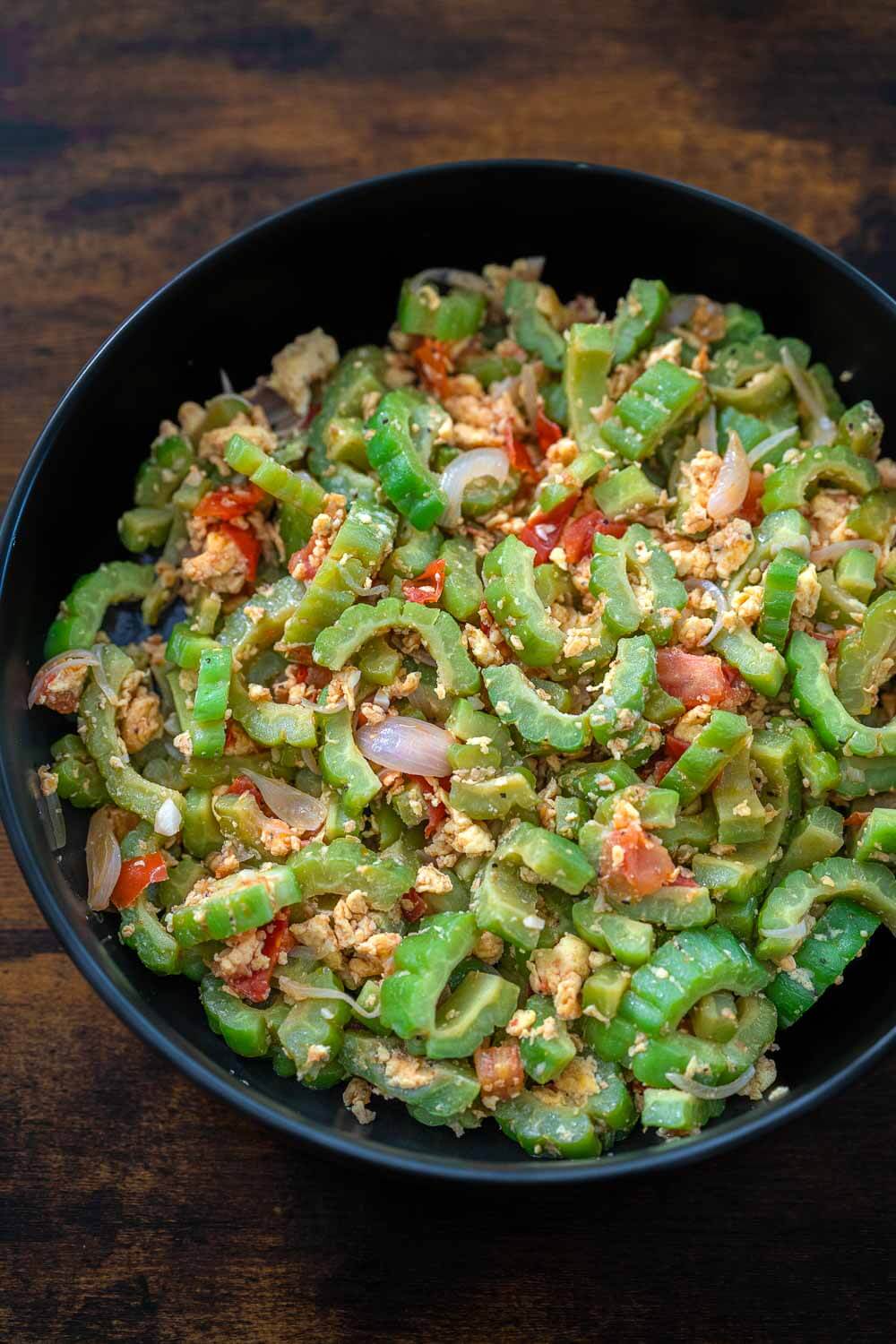
More Ampalaya Recipes
- Ginisang Ampalaya with Shrimp. This version adds shrimp to the bitter melon and eggs, making the dish more filling.
- Ampalaya Salad. A fresher way to serve bittermelon. This works great when paired with fried dishes.
- Ampalaya con Carne. This is a beef and bitter melon stir fry with a savory sauce.
- Stuffed Ampalaya. Bitter melon is filled with seasoned ground pork and cooked until tender.
- Ginisang Sardinas with Ampalaya. This is a quick canned sardines and bitter melon dish that works well for busy days.
- Pakbet Ilocano. This vegetable dish includes ampalaya, eggplant, okra, squash, and string beans.
- Ginisang Gulay. This is a simple sauteed vegetable recipe with a mix of everyday Filipino vegetables.
Substitutions
- Ampalaya – Chinese bitter melon can be used if that is what you have. It is usually lighter in color and a little milder.
- Eggs – You can use egg whites if you want a lighter version. You can also skip the eggs and add tofu if you want a meatless protein option.
- Tomatoes – Fresh tomatoes are best, but canned diced tomatoes can work when needed.
- Cooking oil – Use the cooking oil you normally have at home. Vegetable oil, canola oil, or refined coconut oil all work.
Frequently Asked Questions
What is ginisang ampalaya in English?
Ginisang ampalaya means sauteed bitter melon. Ampalaya is the Filipino name for bitter melon, and ginisa means sauteed.
How do I make ampalaya less bitter?
Slice it thin, remove the white pith, and soak the slices in warm salted water for five to eight minutes. Rinse the slices after soaking and gently squeeze them before cooking. Younger ampalaya also helps because it is usually less bitter than overripe ones.
Can I skip the salting step?
Yes, you can skip it. I do this when I am in a hurry or when I want to keep more of the natural flavor of the vegetable. The dish will taste more bitter, but thin slicing helps a lot.
Can I skip the salting step?
Yes, you can skip it. I do this when I am in a hurry or when I want to keep more of the natural flavor of the vegetable. The dish will taste more bitter, but thin slicing helps a lot.
Can I skip the salting step?
Yes, you can skip it. I do this when I am in a hurry or when I want to keep more of the natural flavor of the vegetable. The dish will taste more bitter, but thin slicing helps a lot.
Can I add meat or shrimp to this recipe?
Yes. Shrimp, ground pork, or sliced beef can be added. Cook the meat or shrimp after the aromatics and before adding the ampalaya.
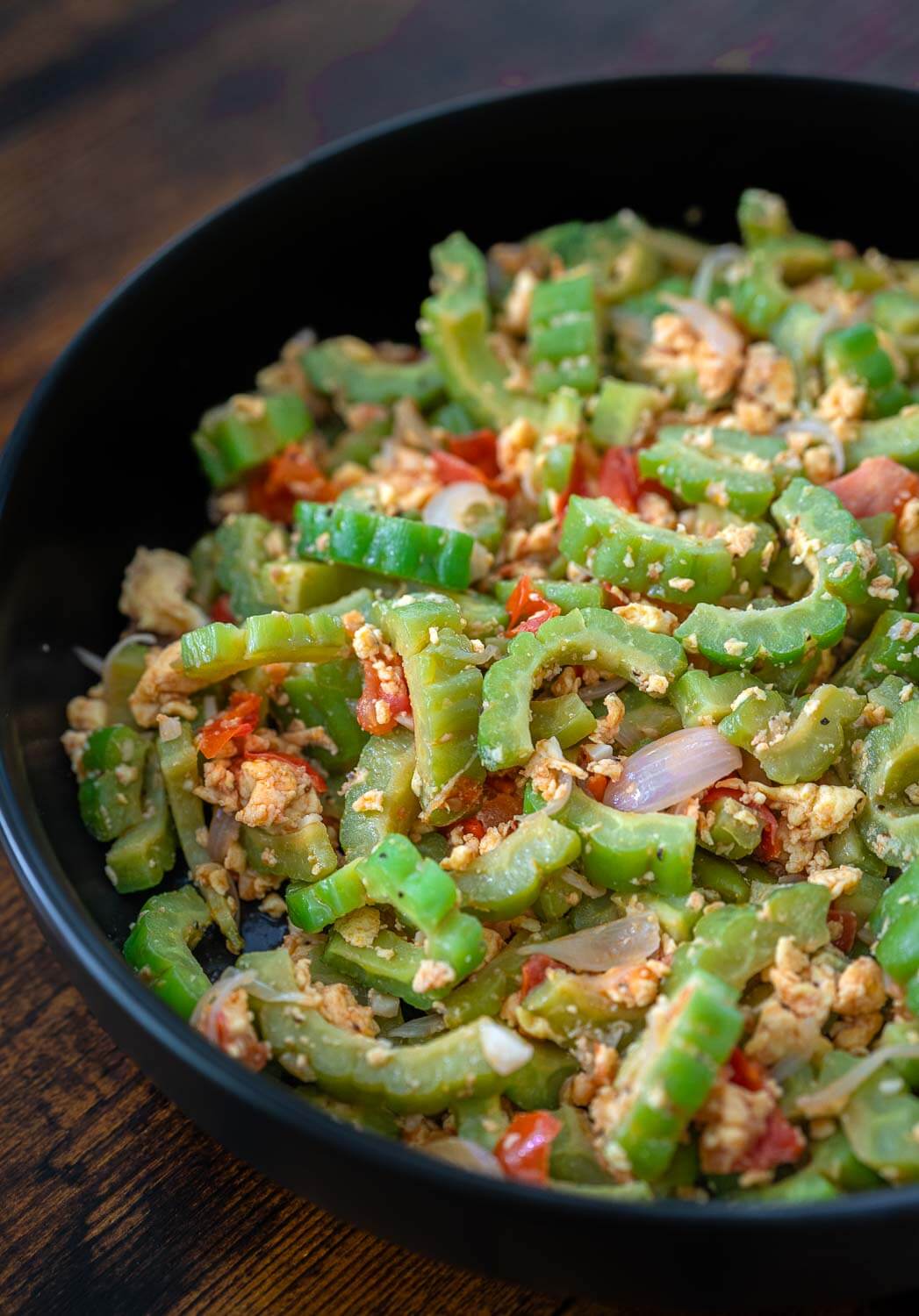
Ginisang ampalaya took me a while to appreciate, but now I cook it often because it is simple, healthy, and satisfying with rice. Try the method that works best for you, especially when handling the bitterness. Serve it with fried fish if you can, and let me know how it turns out.
Watch How to Make It

Did you make this? If you snap a photo, please be sure tag us on Instagram at @panlasangpinoy or hashtag #panlasangpinoy so we can see your creations!
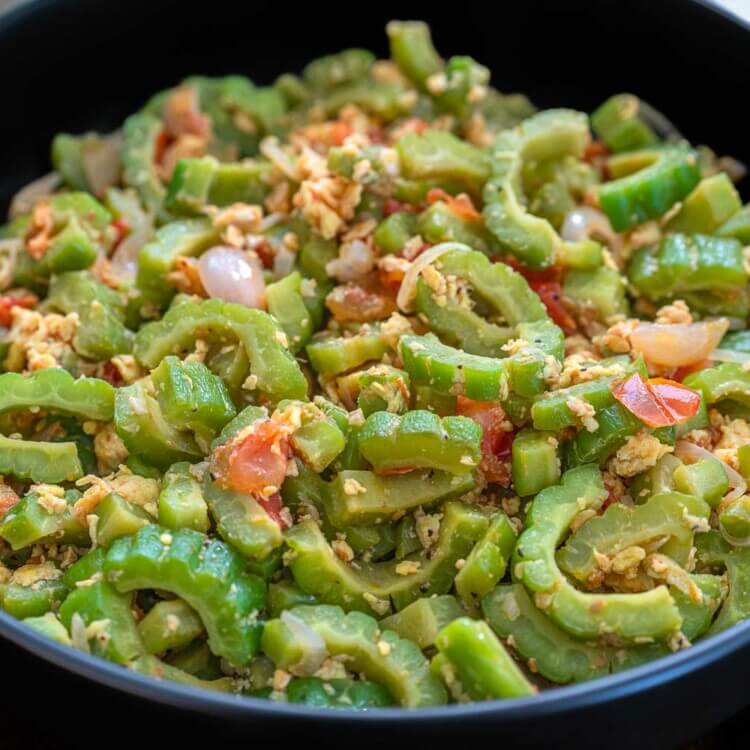
Ginisang Ampalaya
Ingredients
Equipment
- 1 Frying pan or wok Use a wide pan so the ampalaya does not steam in its own moisture
Instructions
- Place the sliced ampalaya in a large bowl and set it aside.3 pieces ampalaya
- Heat the cooking oil in a pan over medium heat.3 tbsp cooking oil
- Saute the garlic, onion, and tomato until the onion softens and the tomato starts to break down.5 cloves garlic, 2 pieces onions, 2 pieces tomatoes
- Add the ampalaya. Saute for 1 1/2 minutes.3 pieces ampalaya
- Season with ground black pepper.1/2 teaspoon ground black pepper
- Pour in the beaten eggs. Let them sit for 20 seconds before stirring. Continue cooking for 1 minute.3 eggs
- Season with Maggi Magic Sarap. Stir until well blended.4 grams Maggi Magic Sarap
- Transfer to a serving plate. Serve with rice. Share and enjoy!



Tubaplayer1 says
Love this recipe. Simple to follow, and delicious.
I will make it again, next time without the eggs.
sharmaine says
I tried this recipe and it was the best ampalaya I’ve ever cooked, thank you po Chef Vanjo!
Kim says
First time to try.. It was delicious. Thank you
angelina singson boucher says
Hi Vans,
Thanks for the recipe, i am re-posting this on my blog, with reference as this site. I am a local gardener in Ottawa, ON, Canada (ZOne 5B) and I am planting bitter melons. Just a habit since I was born in Cebu. My friends are enthusiastic about growing ampalaya, but have no clue how to cook it.
I like your video, and also your simple recipe, so thanks again.
Angelina – The gardener
Hartmie says
More ampalaya recipes kuya pls… favorite kasi namin ang ampalaya
thank you very much for sharing your talent… malaking tulong. ingat ka lagi and God bless always 🙂
Mike Hunt says
There should be an explanation for some of the steps.
Rachel says
I have an ampalaya plant in my garden (new this year), I never tasted it before, and I haven’t eaten Philippine cooking. I made the ginisang from your recipe and video, with a little less ampalaya because I was afraid of the bitterness. It was very good, I’ll make more tomorrow.
I liked the ampalaya crisp, my husband prefered it cooked longer.
In Israel we like bitter olives, and not those that taste like nothing. So this taste is fine for us.
Panlasang Pinoy says
You are welcome, Pauline. Kain ka ng mabuti para sa baby mo 🙂
regina says
Thanks for this video, will cook that for diner. Please share some more vegetarian dishes. More blessings!
Panlasang Pinoy says
Will do that soon regina
ALINE says
ginisang ampalaya is my very favourite filipino food!
thank you.
malou says
My fiance ask me to make a LECHE PLAN for our dessert,im in trouble that time coz i really dnt how to do it,so then i do google search which Panlasang Pinoy is the best…fast and easy procedure…Thanks to Panlasang Pinoy and more power!
Panlasang Pinoy says
Welcome Lerma 🙂
mary anne bernad says
I love your page…. Am going to try to cook all the recipe you posted sa mnga gulay.
Cecilia MQ says
I love the background music…so Pinoy
Panlasang Pinoy says
Welcome 🙂