Batuan (Batwan)
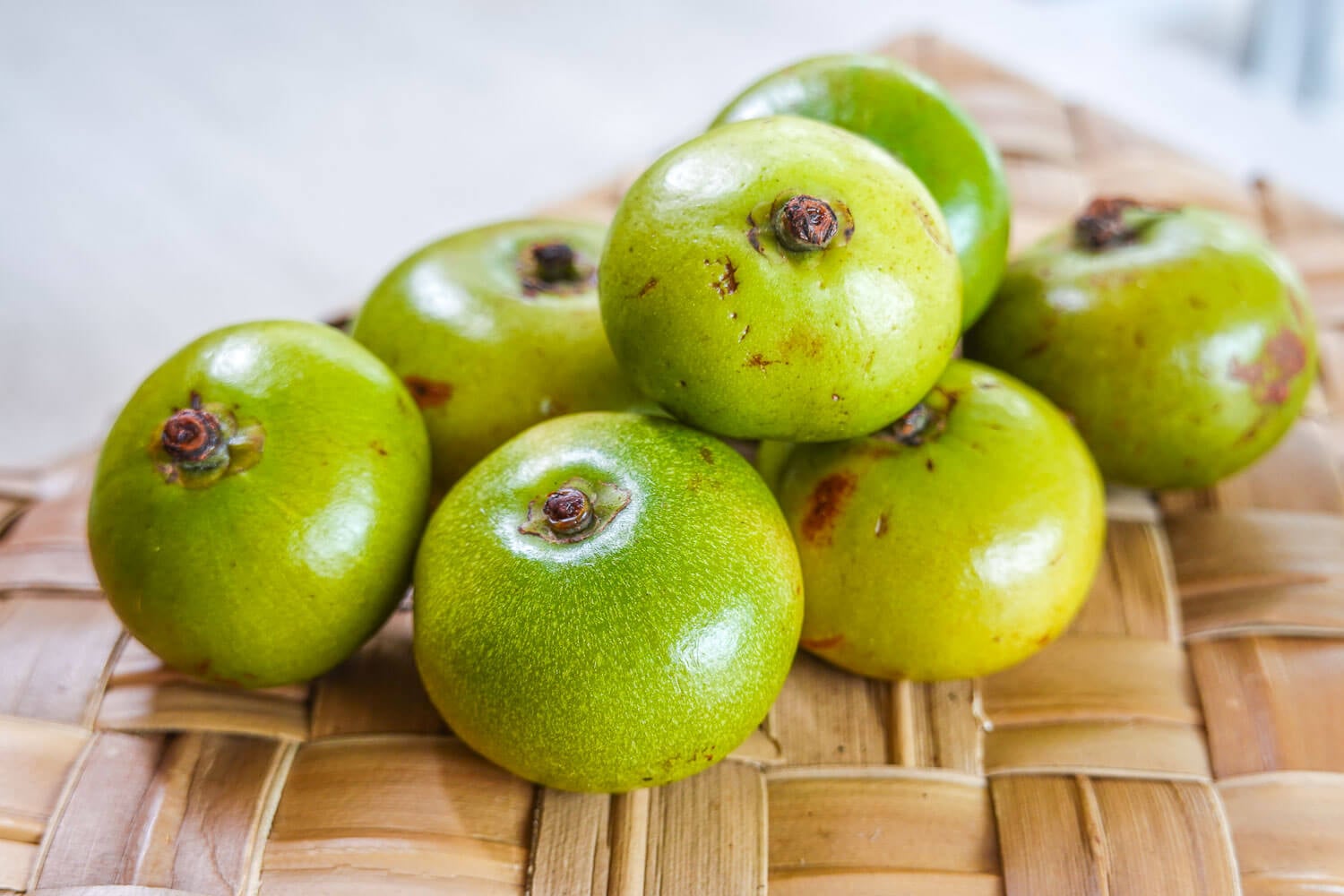
Batuan is the sour fruit that Ilonggo cooks put in the pot where a Tagalog cook would use tamarind. It is small, round, and green, about the size of a golf ball, and it goes into kansi, KBL, and fish stews all over Iloilo and Negros. You will also see it spelled batwan, and both spellings mean the same fruit.
When I wrote my KBL recipe back in 2012, fresh batuan was not available where I lived, so I used sinigang mix in its place. A lot of readers outside Western Visayas are in the same spot, and that is one reason to understand what the fruit does before deciding what to use instead of it.
Batuan sours a broth without making it sharp, and it has almost no smell of its own, so the beef, pork, or fish in the pot still tastes like itself. The powder and paste made in Bacolod and Iloilo do the same job, so you do not need the fresh fruit to cook with it.
What Is Batuan?
Batuan is mainly used to sour soups and stews. It is picked green, when it is at its most sour, and it goes into the pot whole to sour the broth. The Ilonggo word for that job is pang-aslom, and in Iloilo and Negros this is the pang-aslom most cooks reach for. The fruit comes from a tall forest tree native to the Philippines, Garcinia binucao. Mangosteen is in the same genus, so the two are related, but batuan is not a type of mangosteen and does not taste like one.
Batuan or Batwan: Which Spelling Is Right?
Both are right, and they refer to the same fruit. Batuan is the spelling in Department of Agriculture, Bureau of Agricultural Research, and university sources, and on the Slow Food Ark of Taste listing. Batwan is how the word sounds in Hiligaynon, and it is the spelling you will see more often in Iloilo and Negros, on market signs, menus, and product labels such as batwan powder.
In Tagalog the fruit is binukaw or bilukaw, which is where the species name binucao comes from. Other provinces have their own names for it, but none of them is used nationwide, so outside the Visayas, batuan is still the name most likely to be understood.
What Does the Fruit Look Like?
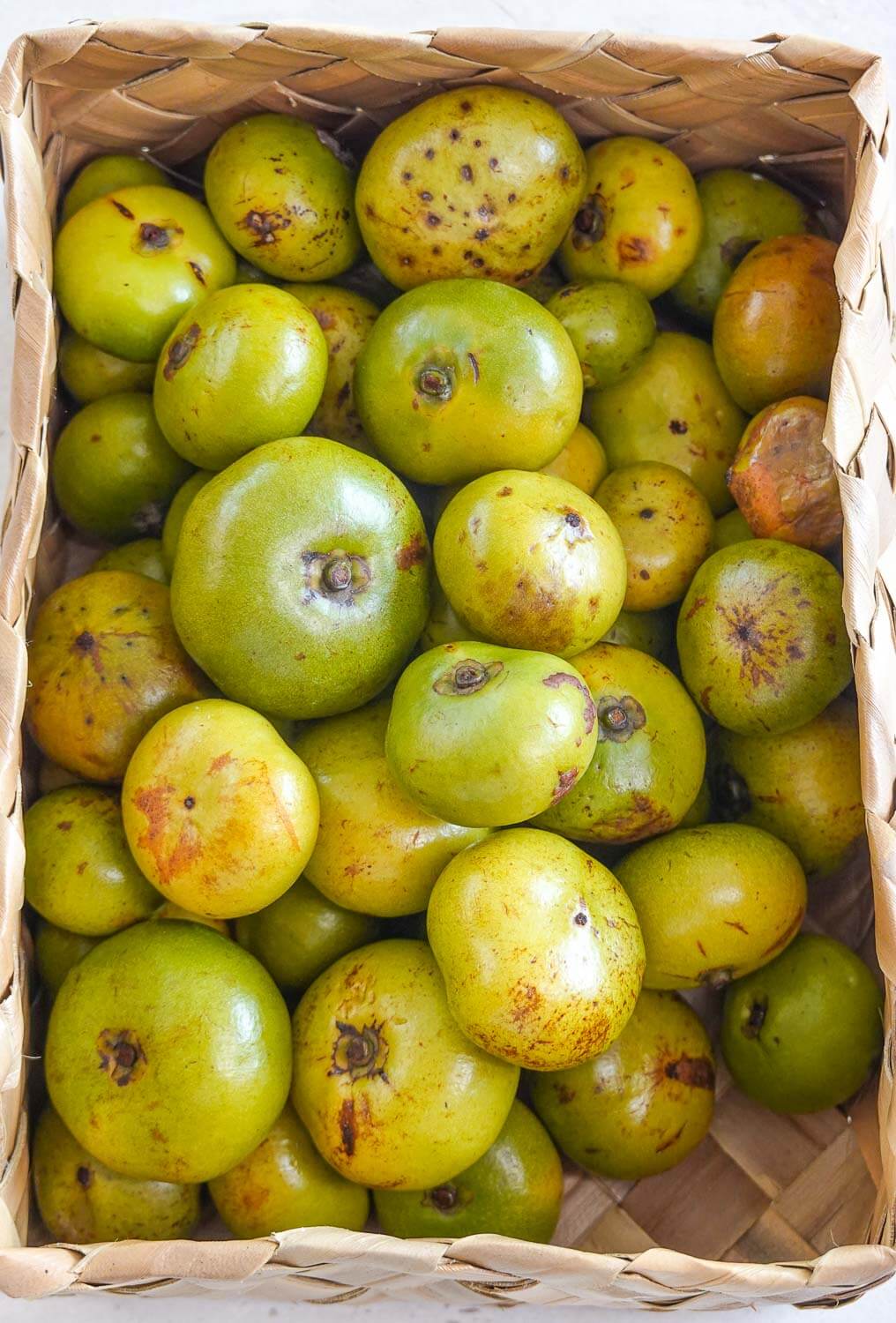
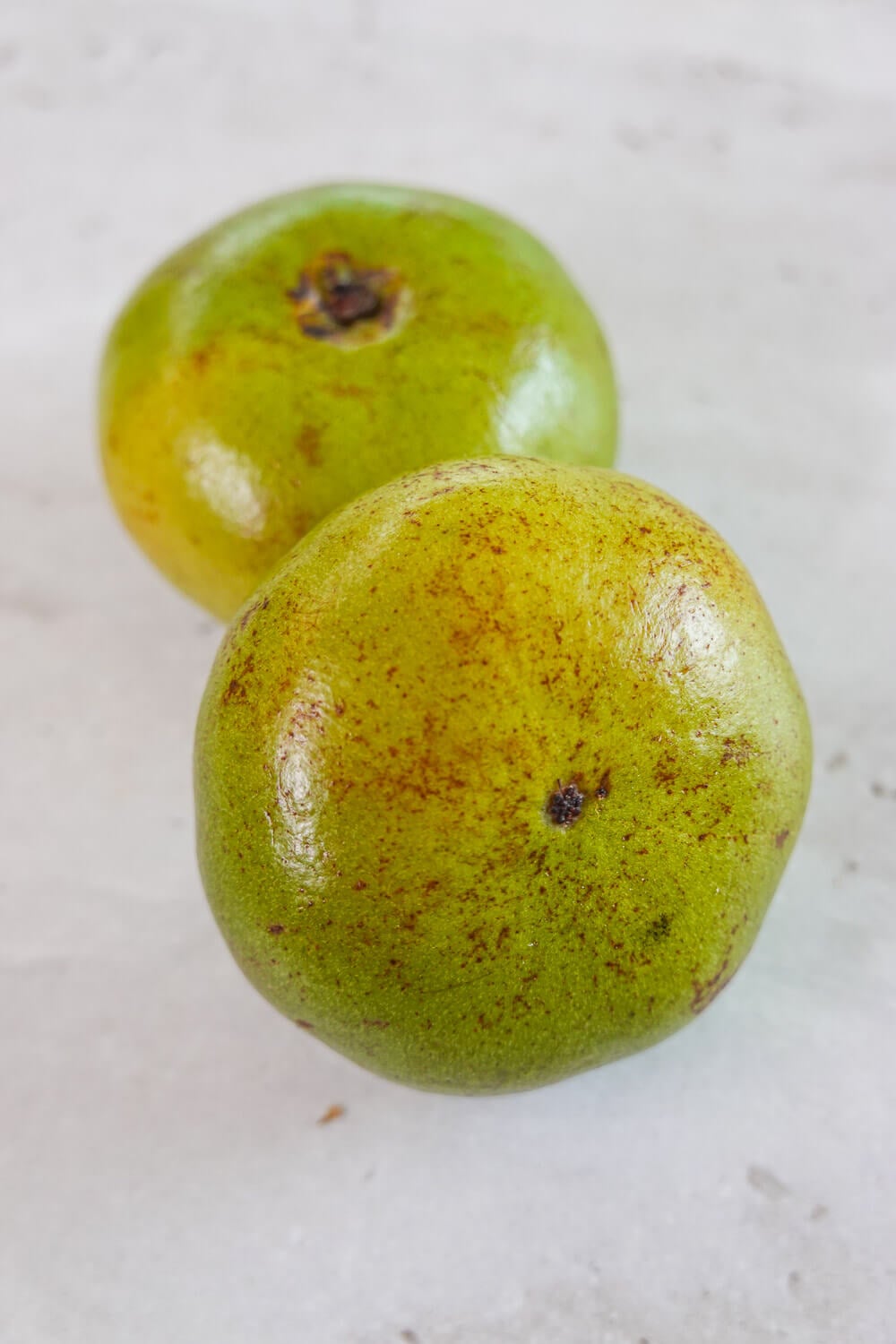
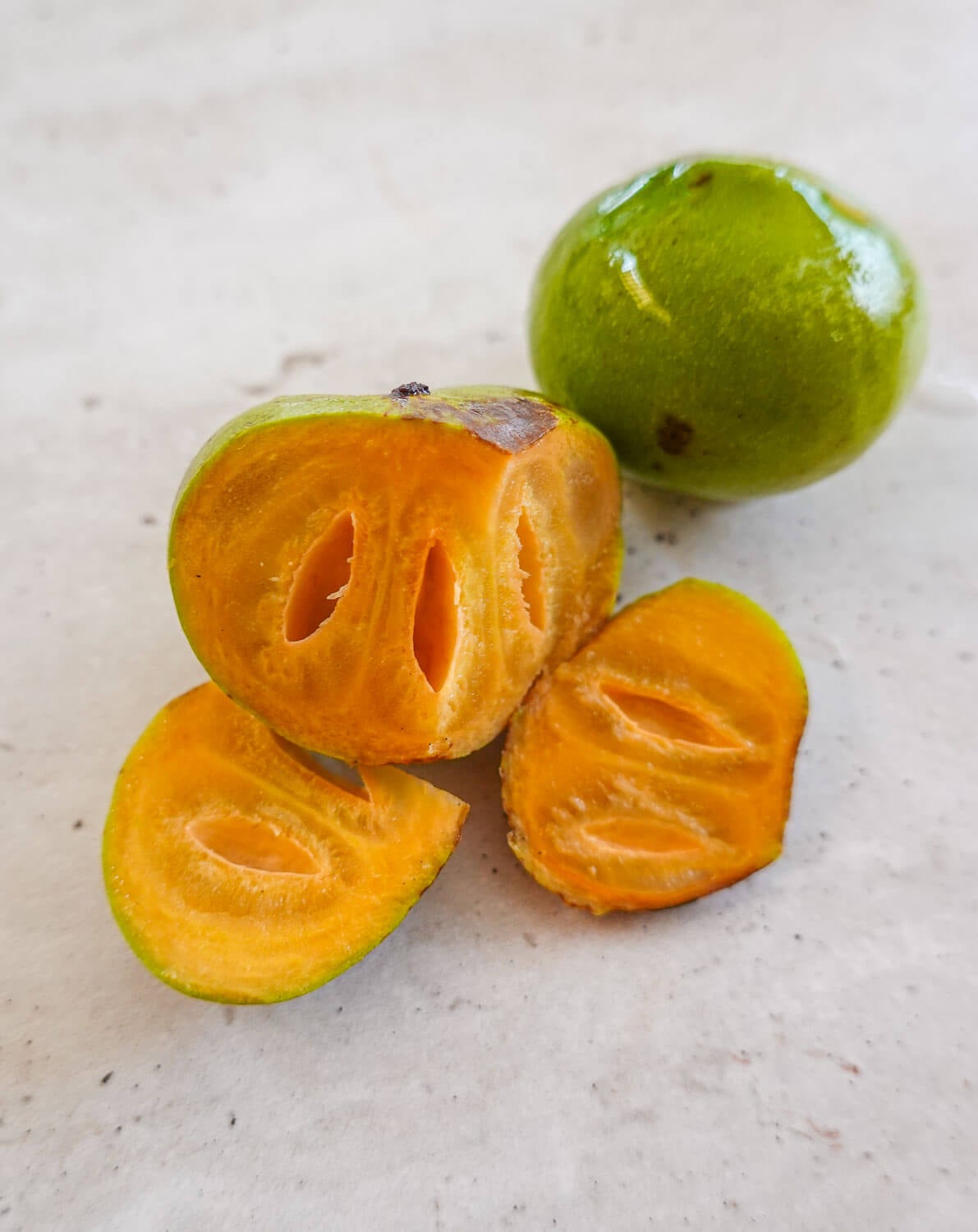
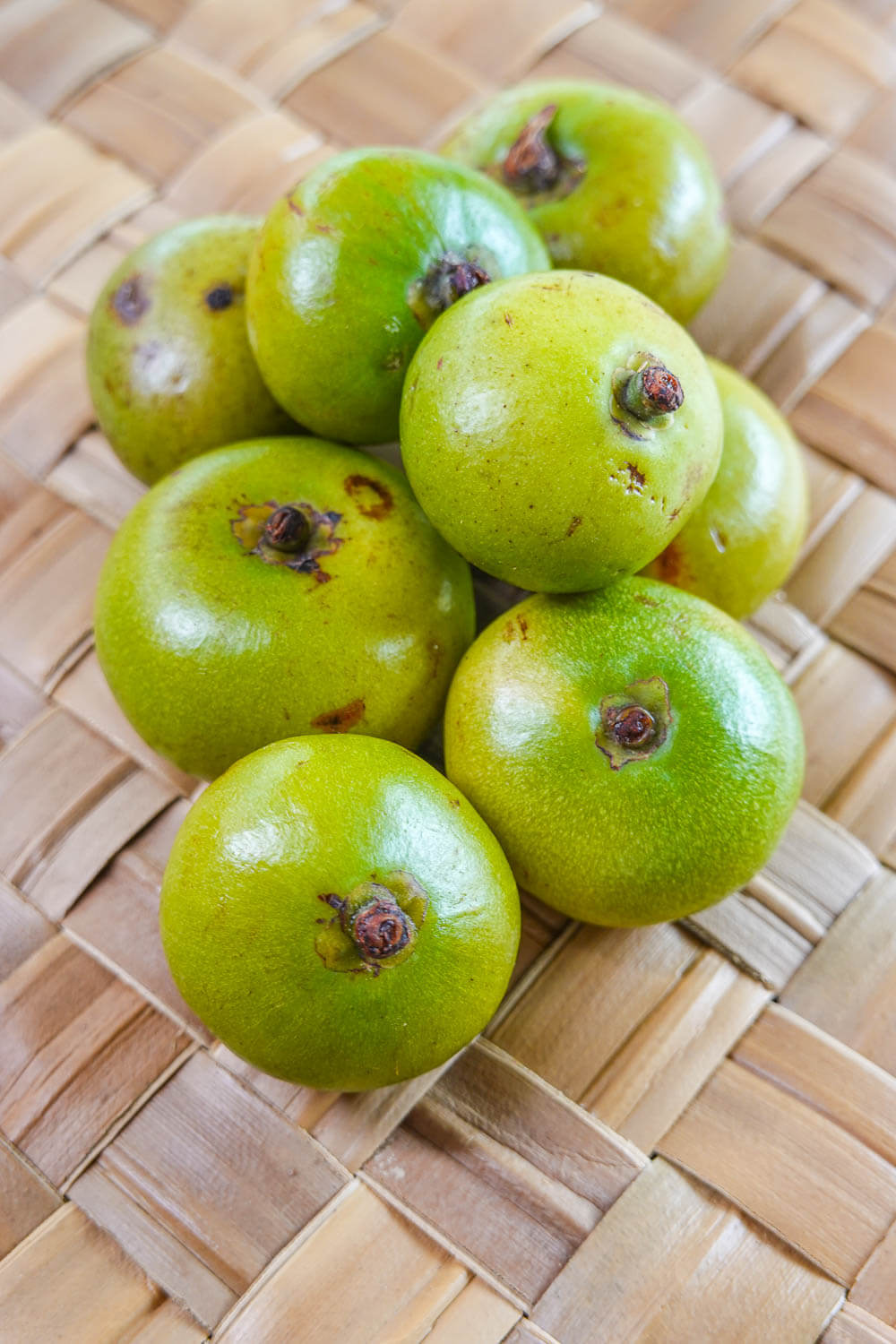
A fresh batuan is round and green, about 4 to 5 centimeters across, with firm, smooth skin. That green stage is the one cooks want. As the fruit ripens the skin turns yellow and the pulp loses some of its sourness, so a green fruit sours a pot harder than a yellow one. Cut it open and you find juicy, pale pulp around several large seeds. The seeds are not eaten.
The Batuan Tree
The tree is a tall evergreen, up to about 25 meters in the forest, with shiny leaves that come in reddish before turning green. The fruits hang along the branches and the main trunk. It is a lowland tree, and you find it in forests and old farm lots rather than in orchards.
What Does It Taste Like?
It is sour, but not harsh. Cooks in Iloilo describe it as gentler than tamarind or kamias. The fruit has very little smell, so it does not add a fruity note to a dish. What you taste is the sourness and a slight astringent feel at the back of the mouth from the seeds and skin.
A ripe yellow batuan is still sour. The acidity falls as the fruit matures, but no source describes it turning sweet, and cooks prefer the green stage because it sours the pot more.
Why Batuan Matters in Filipino Cooking
Sourness in Filipino cooking is regional. The same pot of pork and vegetables tastes different in Batangas, Pampanga, and Iloilo because each place sours it with what grows nearby. Tamarind is the standard in most of Luzon. I use kamias when I want something sharper, and ripe guava when I want a milder soup. Young tamarind leaves, green mango, santol, and calamansi each have their own dishes and their own provinces. Batuan holds that place in Western Visayas. It fills a similar role in Ilonggo cooking to the one tamarind fills in many Tagalog dishes.
What Is It Used For?
Most cooks use batuan for one thing: souring a savory dish. The whole fruit simmers in a soup or stew, softens, and releases its juice into the liquid. Beef shank, pork hock, and whole fish are the proteins it goes with most, and green jackfruit often shares the pot.
It also goes into fish dishes cooked with little liquid, like pinamalhan, where it takes the place of vinegar. Some cooks put it in marinades or in ginataan instead of tomatoes. Off the stove, the fruit is eaten with salt, brined as a pickle, or sliced and sun-dried.
Filipino Dishes That Use Batuan
Cansi
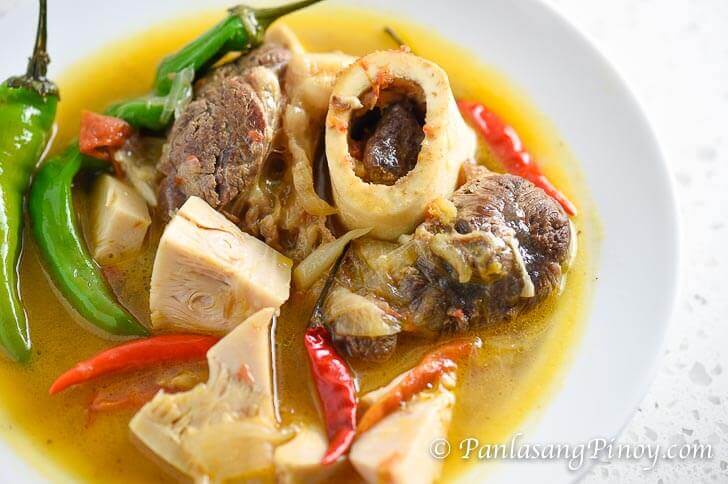
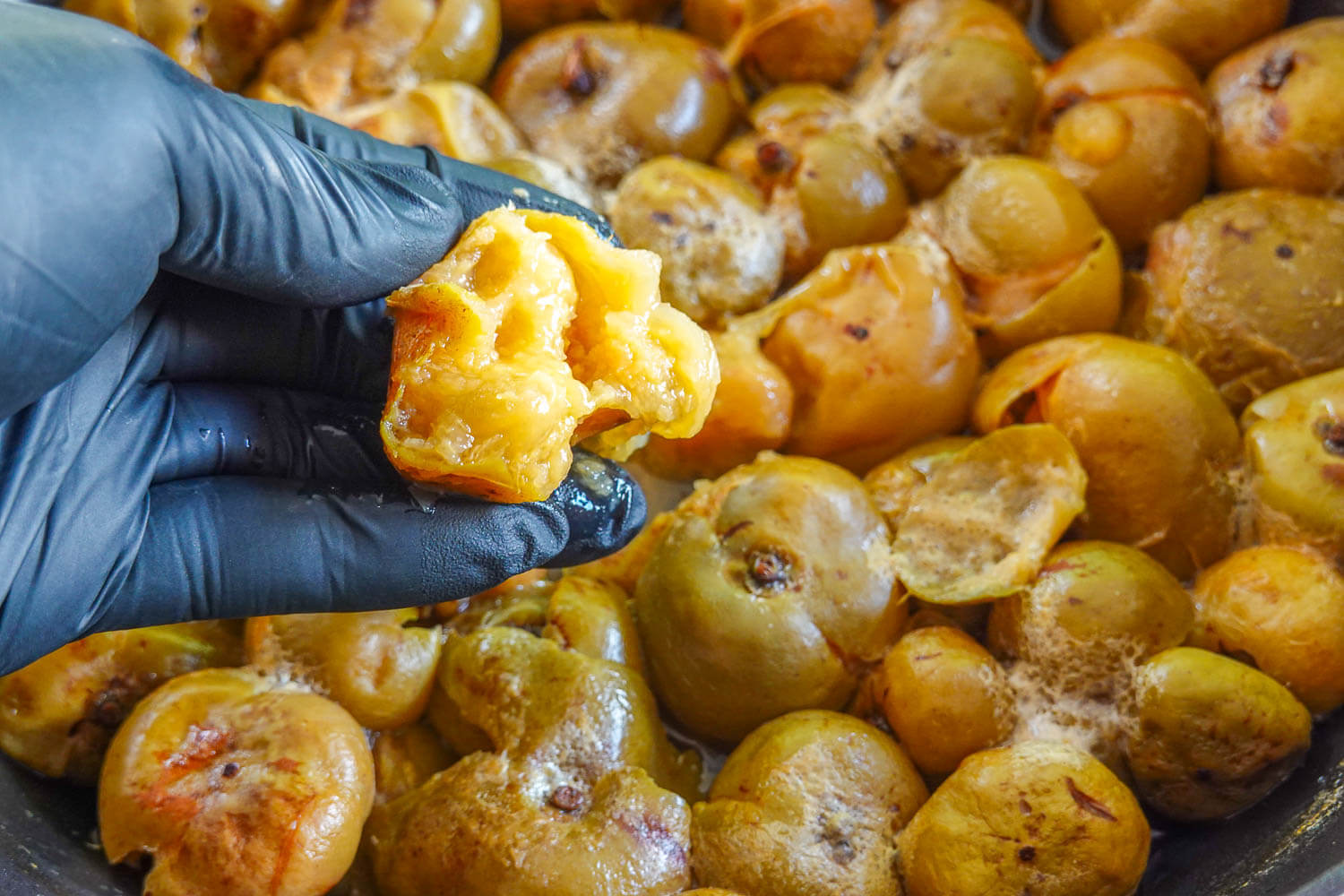
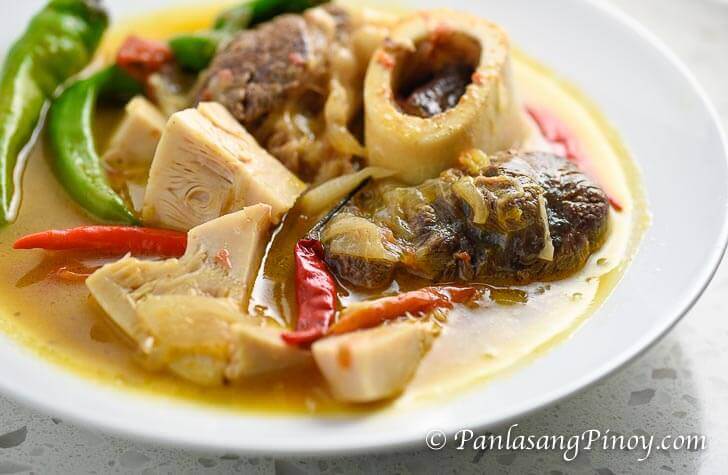
Cansi is the Ilonggo beef soup people describe as bulalo and sinigang in one pot. Beef shank and marrow bones simmer until the meat falls apart, with lemongrass, green jackfruit, and annatto for the orange color. Batuan goes in after the beef is tender, with the jackfruit, and cooks until it softens. Batuan gives kansi its sourness, while the marrow and jackfruit give the broth its body.
KBL
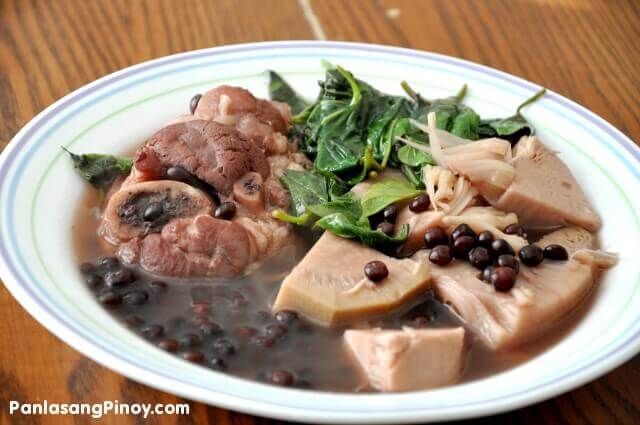
KBL stands for kadyos, baboy, kag langka: pigeon peas, pork, and jackfruit. Pork hocks boil with lemongrass until tender, the pigeon peas cook until soft and turn the broth purple, and green jackfruit goes in last. Batuan sours the Ilonggo version, and because it is mild, you still taste the pork and the peas. Iloilo recipes call for about six to eight fruits for a kilo of pork hocks.
Fish Dishes
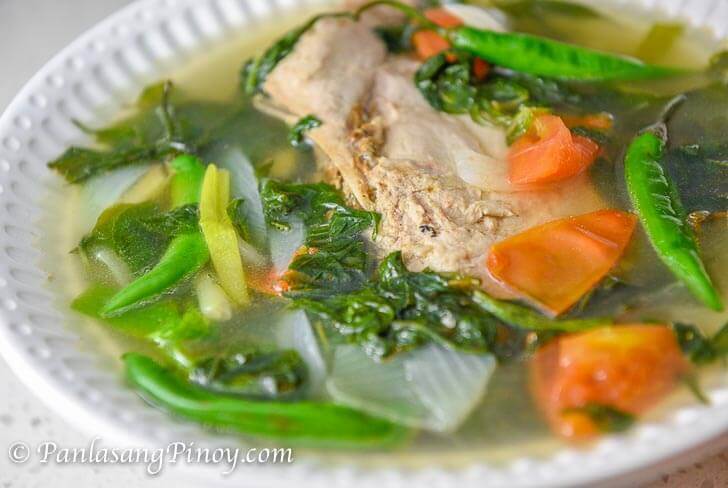
Ilonggo fish tinola is a sour fish broth, not the ginger soup a Tagalog cook means by tinola, and batuan is one of the fruits used to sour it. Pinamalhan, the Ilonggo paksiw where the fish cooks down until nearly dry, is made with vinegar in many households, but many Ilonggo cooks use batuan, and others use kamias, green mango, or guava. Whole fish also get cooked in a batuan broth with vegetables the way sinigang is made elsewhere.
How to Use Fresh Batuan
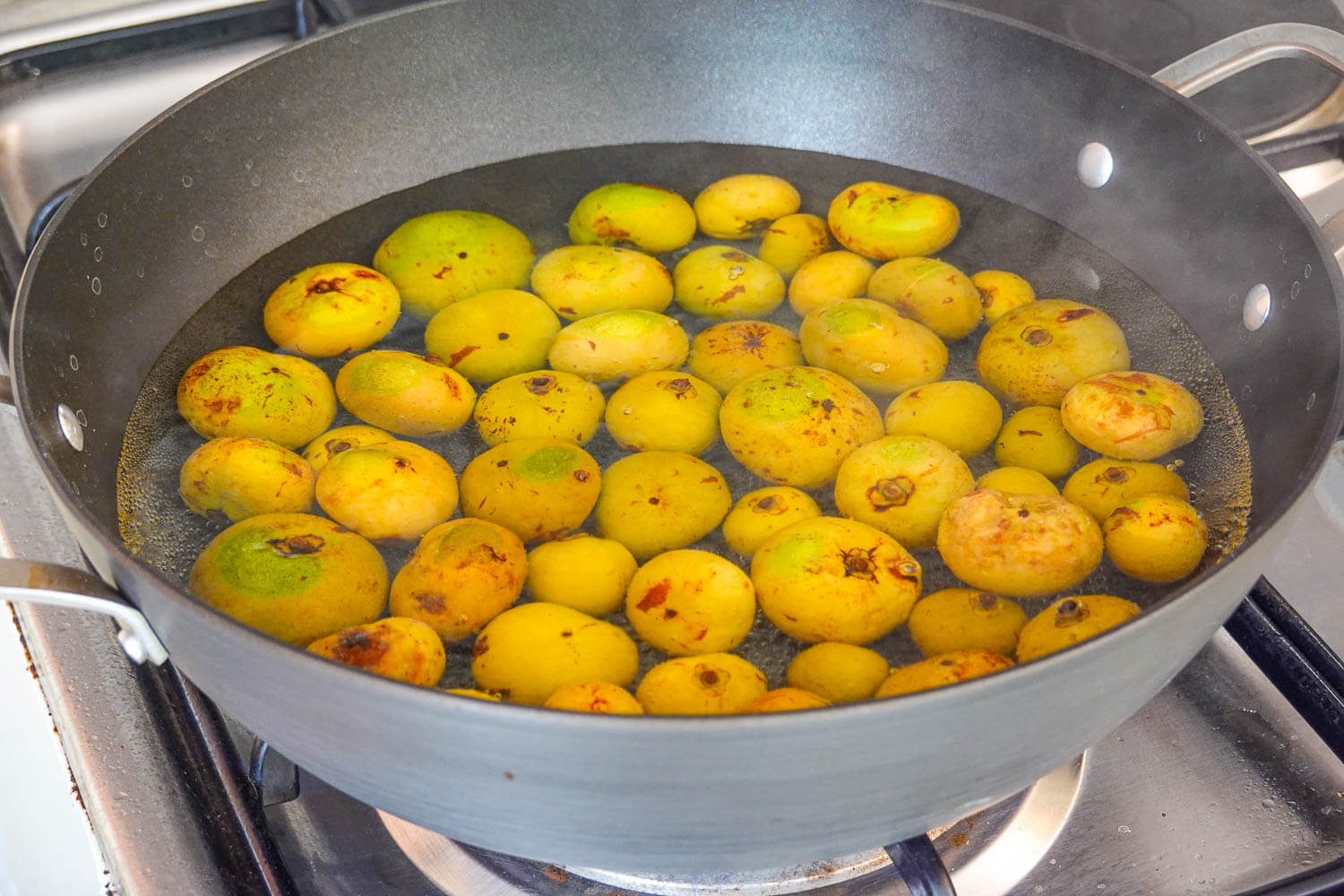
Wash the fruit and put it in the pot whole. That is how most Ilonggo cooks handle it, and it is the least work.
Do You Peel It?
Most cooks do not. The skin softens in the broth along with the pulp. Some cooks peel or halve the fruit first to speed up the souring, but it is a choice, not a requirement.
Do You Cut It or Remove the Seeds?
You do not need to do either before cooking. The seeds stay in while the fruit simmers. Once the fruit is soft, press it against the side of the pot with a spoon to squeeze out the juice. If you do not want pulp and seeds in the bowl, lift the softened fruit out, mash it in a little hot broth, and pour the liquid back through a strainer. Some cooks do this in a cup of boiling water before the fruit ever meets the meat, so they can add the liquid to taste.
When Do You Add It?
After the meat is tender. In kansi and KBL the fruit goes in with the jackfruit and cooks another ten minutes or so, until it gives when pressed. Some recipes add it from the start, but the sourness keeps building the longer the fruit sits in the liquid, so a late addition is easier to control.
How Much Should You Use?
There is no fixed ratio, because the fruits vary in size and in how sour they are. Kansi and KBL recipes from Iloilo and Negros cooks fall in a narrow range, though: five to eight fruits for six to eight cups of broth, the pot you would make for a kilo or two of meat. Start at the low end, taste after the fruit softens, and add more if you want it more sour.
How Do You Adjust the Sourness?
Adjust with more fruit rather than more time. A longer simmer makes the pot more sour too, but it also overcooks the vegetables. If the broth is already too sour, add water and season again with fish sauce. Pressing the fruit harder releases more juice, so press lightly at first if you are unsure.
Fresh, Frozen, Puree, Paste, and Powder
Fresh fruit lets you control the sourness by the piece. Most of the year, and everywhere outside the Visayas, you will be choosing among the other forms instead.
| Form | Best use | Advantages | What to know |
|---|---|---|---|
| Fresh | Kansi, KBL, fish tinola, pinamalhan | Easy to control by the piece | Seasonal; ripens fast at room temperature; hard to find outside Western Visayas |
| Frozen (whole, home-frozen) | Any dish that takes the fresh fruit | Keeps the fruit past the season; goes into the pot without thawing | Not sold as a product as far as I can find; you freeze it yourself |
| Brined or pickled | Appetizer, side to fried fish, souring a pot in a pinch | Keeps for months in the jar | Salty as well as sour, so season the dish after adding it |
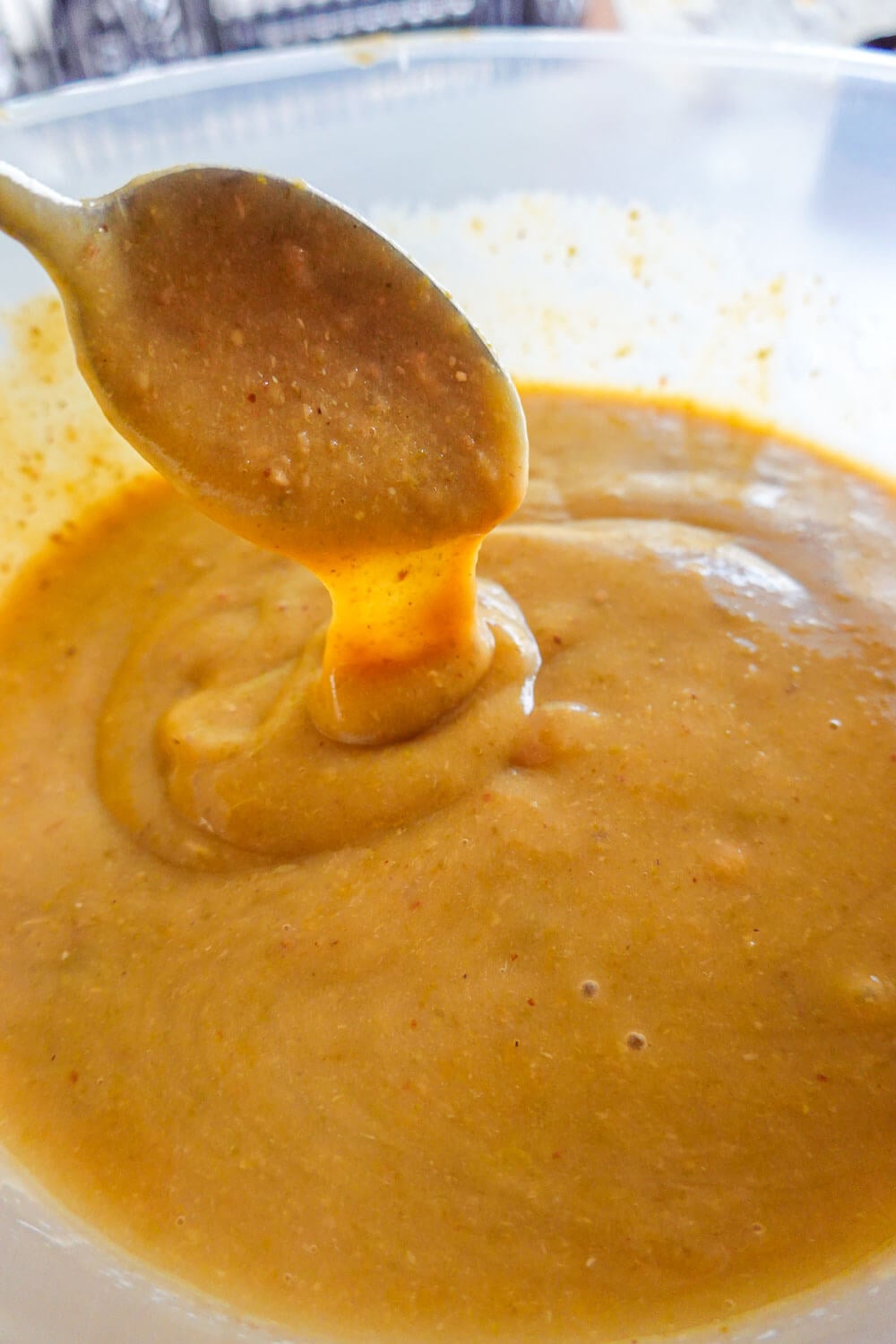
| Puree | Sinigang-style soups, marinades | Tastes closest to fresh; spoon it in by the tablespoon | Some brands include skin and seed bits; refrigerate after opening; strength varies by maker |
| Paste | Kansi, sinigang, any sour broth | Shelf-stable in a jar; sold in supermarkets and abroad | Follow the label amount; some brands add salt |
| Powder | Soups, sinigang mix substitute | Lightest to ship; keeps six months or more sealed | Some brands grind pulp, skin, and seed together; taste and add gradually |
There is no reliable conversion between fresh fruit, puree, and powder, because each maker concentrates the fruit differently. A Bacolod puree maker uses about three tablespoons of puree per liter of broth for a fish sinigang, which is a fair starting point. For paste and powder, use the package amount, then taste.
Best Substitutes for Batuan
Any of these will sour the pot. None will taste like batuan, which is milder and less aromatic than all of them, so expect the dish to come out a little sharper or fruitier.
- Kamias – The substitute Ilonggo recipes name first. Use it whole the way you would use batuan, and press it once soft. It tastes brighter and more sharply sour, so start with fewer pieces and add as you go.
- Fresh tamarind or sinigang mix – The easiest to find, and what I used for my KBL and what my kansi recipe calls for. Tamarind has a stronger flavor and aroma, so start with less than the packet says.
- Green mango – Works in fish dishes and pinamalhan, where Ilonggo cooks already use it. Slice it and add it with the fish. The sourness is tart and fruity.
- Guava – Less sharply sour than tamarind or kamias, but ripe guava is also sweeter and more aromatic, so it changes the dish more than the others.
- Calamansi – Better in a marinade or as a finish than in a long-simmered soup, since the sourness cooks off and the citrus flavor stays. Squeeze it in at the end.
- Vinegar – For pinamalhan and paksiw, cane vinegar is the traditional alternative. My guide to Filipino vinegar covers which type to use.
So the best substitute depends on the dish: kamias or tamarind for kansi and KBL, vinegar or green mango for pinamalhan. If you can find batuan powder or paste, use that before any of these, since it is the same fruit.
Can You Eat Batuan Raw?
Yes. In Iloilo and Negros people eat the fresh fruit cut open and dipped in salt. The pulp is the part you eat; the seeds are spat out and the skin is usually left. Brined batuan is served as an appetizer the way salted green mango is, and even the ripe yellow fruit gets salt or bagoong rather than being eaten plain, because it stays sour. Raw eating is a snack habit, though. Most of the fruit goes into the pot.
Where Does Batuan Grow?
Batuan is native to the Philippines. Current botanical references recognize the Philippines as its native range, although some older sources give it a wider Southeast Asian distribution. Within the country it has been recorded across Luzon, on Mindoro, Palawan, Masbate, Panay, Negros, and Leyte, and in parts of Mindanao. It grows mainly in lowland areas.
Is It Only Found in Iloilo?
No. The tree grows across the Philippines, but the cooking tradition around it is strongest in Iloilo and Negros, and those are two different things. Batuan is strongly associated with Iloilo because it appears in several of the region’s best-known dishes, not because the tree grows only there.
When Is Batuan in Season?
Fresh batuan is usually easiest to find around April to June, although the timing varies by place and some trees keep fruiting into the rainy season. There is no reliable nationwide harvest calendar for it. That short season is also one reason processed forms such as powder, paste, and puree are useful.
How to Choose the Fruit at the Market
Look for firm, green fruit with smooth, unbroken skin. Green fruit sours the pot more than yellow, so for cooking, green is what you want; a little yellowing means the fruit is riper and slightly milder, and that is fine. Avoid soft spots, wrinkled skin, or dark patches. Size is not a quality signal, since small fruits are as sour as large ones, but if you are buying by the piece, pick similar sizes so they soften at the same rate.
How to Store and Freeze It
Fresh batuan ripens quickly at room temperature. Left on the counter it turns yellow within days, and the sourness you bought it for starts to fade. I could not find a published shelf-life study for fresh batuan, so the times below are general fresh-fruit guidance.
- Room Temperature – A day or two at most, if you plan to cook with it right away.
- Refrigerator – Keep the whole, unwashed fruit in a paper bag or a loosely closed container in the crisper. It should hold for about a week. Use any fruit that is turning yellow first.
- Freezer – Freezing is the practical way to keep batuan past its season. Wash and dry the fruit, then freeze it whole in a freezer bag with the air pressed out, or vacuum sealed if you can. There is no need to cut it or remove the seeds. Drop the fruits you need into the pot frozen; they soften in the broth the same way fresh ones do. The sourness holds up well in the freezer. Use it within a few months for the best taste.
Where to Buy Batuan
In the Philippines
Fresh batuan is easiest to find in Western Visayas during the season, in the public markets of Iloilo and Negros Occidental, sold by the piece or by the kilo. Outside those provinces, fresh fruit is a matter of luck. A few weekend market vendors in Metro Manila bring some up from Negros, and Lazada and Shopee sellers ship fresh and pickled batuan from the Visayas, but supply comes and goes. The paste and the powder are much easier to find: Mama Sita’s sells a batuan fruit paste in supermarkets nationwide, and batwan powder from Negros and Iloilo makers is sold online.
Outside the Philippines
Fresh and frozen batuan are not sold commercially abroad as far as I can find, which matches what I found when I lived in the US. What you can buy is the paste and the powder. Mama Sita’s Batuan Fruit Paste is carried by Filipino online grocers in the United States and turns up in Filipino stores in New Zealand and elsewhere, and batwan powder from Negros is sold on Amazon, Etsy, and Filipino online shops in the US. If your local Filipino or Asian supermarket carries Mama Sita’s products, ask them to order the paste. Stock changes, so check before you plan a kansi around it.
Its Place in Filipino Food Culture
Cansi, KBL, and Ilonggo fish tinola are gently sour, and that gentleness comes from this fruit. Made with tamarind instead, they are still good dishes, but they taste different, and cooks from Iloilo notice. Slow Food put batwan on its Ark of Taste, a list of traditional foods at risk of disappearing, because younger cooks in the Visayas are switching to packaged souring mixes that are easier to buy. The powder and paste help here. They let someone from Iloilo who now lives in Manila or California cook kansi the way it is cooked at home.
Frequently Asked Questions
Is it batuan or batwan?
Both spellings refer to the same fruit. Batuan is the spelling used by most government and research sources, while batwan is common in everyday use in Iloilo and Negros, and you will see both on product labels.
What is batuan called in English?
There is no common English name for it. English-language sources use the local name batuan or batwan, or the scientific name Garcinia binucao. Some older references call it binukaw, the Tagalog name.
How much batuan should I use?
Most kansi and KBL recipes use 5 to 8 fruits for 6 to 8 cups of broth. Start there, taste after the fruit softens, and add more if you want the soup more sour.
What is the best substitute for batuan?
Kamias is the substitute most Ilonggo recipes name first, and sinigang mix or fresh tamarind is the easiest to find. Green mango also work in fish dishes. None of them tastes exactly like batuan, but all of them sour the pot.
Can you freeze batuan?
Yes. Wash and dry the fruit, freeze it whole in a sealed bag, and add it to the pot straight from the freezer. The sourness holds up well after freezing.
Can I use batuan powder instead of fresh?
Yes. Stir a little into the broth near the end of cooking, taste, and add more as needed. Brands differ in strength, so follow the package directions rather than a fixed ratio to fresh fruit.
Batuan Recipes to Try
- Cansi – The Ilonggo beef shank soup with green jackfruit, lemongrass, and annatto. My recipe uses sinigang mix; if you have batuan, use five to six fruits in its place and add them with the jackfruit.
- KBL (Kadyos, Baboy, at Langka) – Pork hocks, pigeon peas, and jackfruit. The recipe gives five batuan or one and a half tablespoons of sinigang mix, so it works either way.
- Sinigang na Bangus – Milkfish in a tamarind broth with okra, sitaw, and kangkong. Fresh batuan works in this pot too; use six to eight fruits instead of the mix and press them once soft.
- Sinigang – My main sinigang recipe, soured with young tamarind. It covers how each souring ingredient changes the soup, which is the best way to understand where batuan fits.
Batuan is easier to cook with than to find. If you come across the fresh fruit, buy more than one pot needs and freeze the extra whole. If you cannot find it at all, use the paste or powder before any substitute, since it is the same fruit.
Leave a Comment