5 + 1 Ways to Cook Tuyo (Plus How to Reduce the Smell While Cooking)
Tuyo is salted dried fish, usually small herring that has been cured in salt and dried under the sun. It is salty and pungent and the edges get crisp when you fry it. In the Philippines it is a regular breakfast. Outside the Philippines it is the dish a lot of us learn to cook quietly because of the smell. There are many ways to cook tuyo, and these are the ones I actually make at home, ranked by how often I eat them.
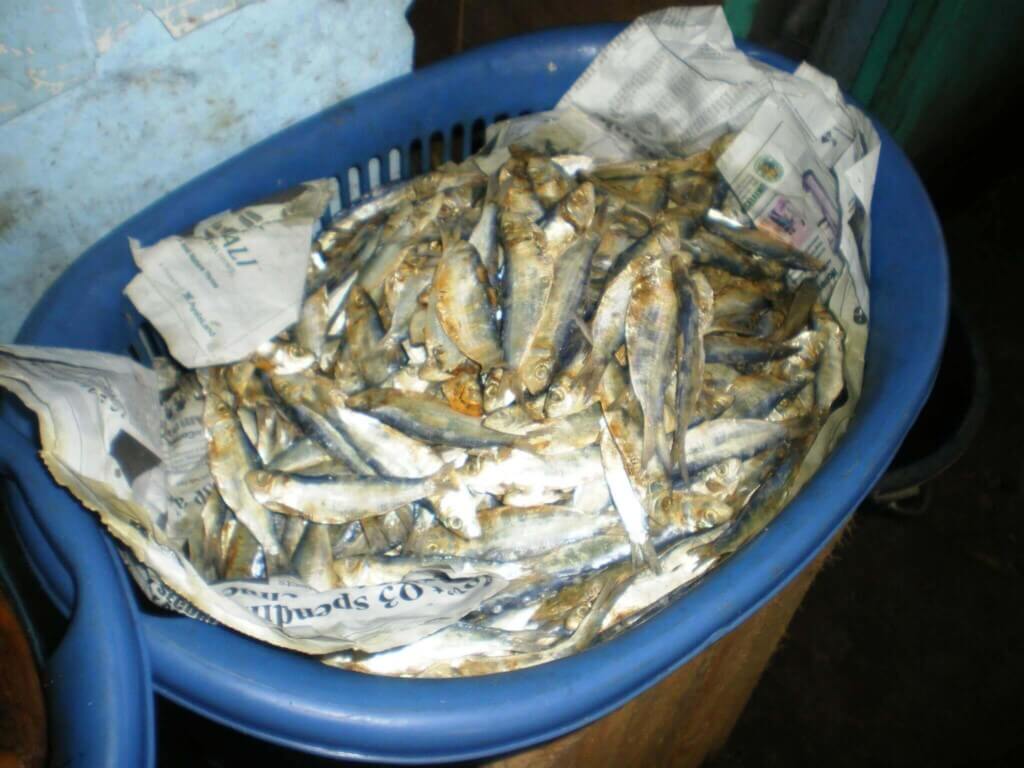
Tuyo was a normal breakfast at home when I was growing up in Las Piñas. We usually had it fried, with rice, sliced tomato, and vinegar with chilies on the side. When I moved to Chicago for work, I had to be more careful because I was cooking inside an apartment. That was when I started baking tuyo in foil and keeping bottled tuyo around. I still use both here in Tampa today.
How to Cook Tuyo Without the Smell
This is usually the first thing people ask me about tuyo. If you live in an apartment or anywhere the smell of fried fish will travel, here are the three things I use.
Bake in Foil
- Wrap the tuyo in aluminum foil and seal the edges.
- Bake at 400°F for 6 to 10 minutes with the kitchen vent on.
The smell is still there, but it is much easier to manage. You also lose a little of the crispness you get from a hot pan. I do this every time I cook tuyo indoors.
Soak Before Frying
- Soak the dried tuyo in water for 30 minutes. This softens the flesh and pulls out some of the salt.
- Pat the fish dry with paper towels before frying, otherwise the oil will splatter.
My mom did this when I was a kid. It also helps a little with the smell because there is less moisture turning to steam in the hot oil.
Use Bottled Tuyo
- Open a jar of bottled tuyo and drain the oil if needed.
- Use the fish straight from the jar in your dish, no frying required.
Bottled tuyo is already cooked, packed in oil, and the bones are soft enough to eat. No frying at home means no smell in the house. I keep a jar in the pantry all the time now.
Now the six dishes.
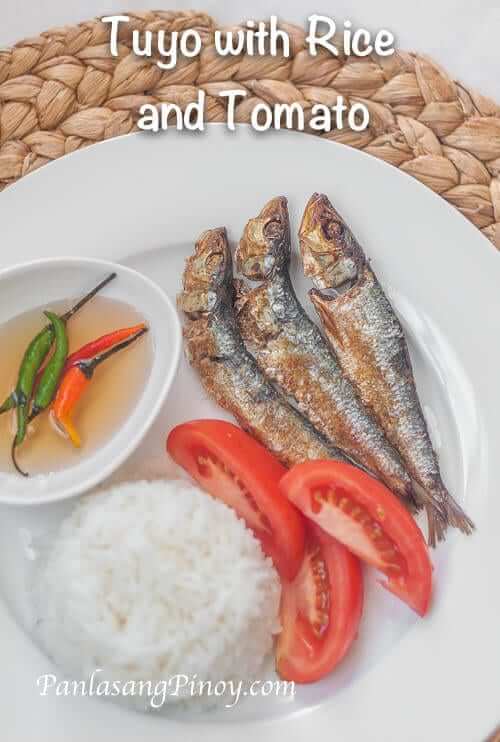
Tuyo with Rice and Tomato
This is the one I grew up with. My mom made it this way, and it is still the first plate that comes to mind when I think of tuyo. Fried tuyo, white rice, a wedge of fresh tomato, and sinamak on the side.
I bake the tuyo now instead of frying. Same plate, less smell. If you have a backyard or a covered patio, set up a portable burner outside and pan-fry. That is still the best texture. This plate works because every part balances the other. The fish is salty, the rice is plain and absorbs the salt, the tomato cuts through it, and the vinegar adds heat and sharpness on top.
Swap the plain rice for sinangag and the plate goes up a notch. The toasted garlic works well with the salt fish.
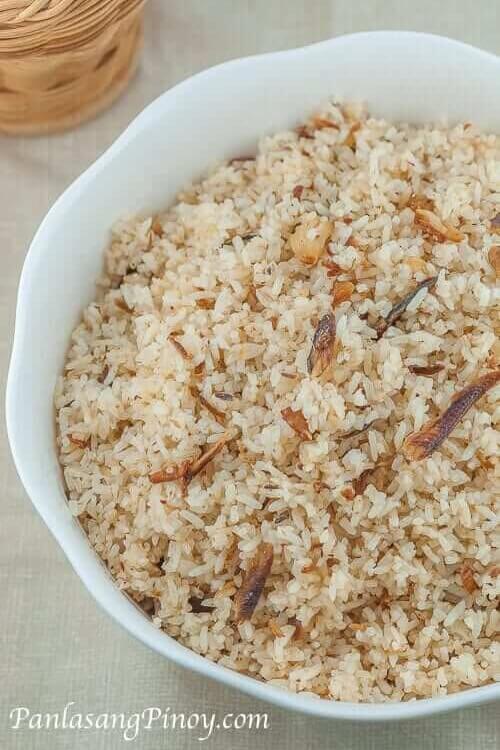
Tuyo Fried Rice
This is the same breakfast plate, but the fish is mixed into the rice. I started making this when I had two pieces of leftover tuyo from the night before and did not want to fry fish again in the morning.
Flake the cooked tuyo and fold it into garlic fried rice. The fish is salty enough that you do not need to add much salt to the pan. Top it with a fried egg and breakfast is done.
This is also the version I make when I want tuyo but the smell is a problem. The smell is much lighter because the fish is already cooked.
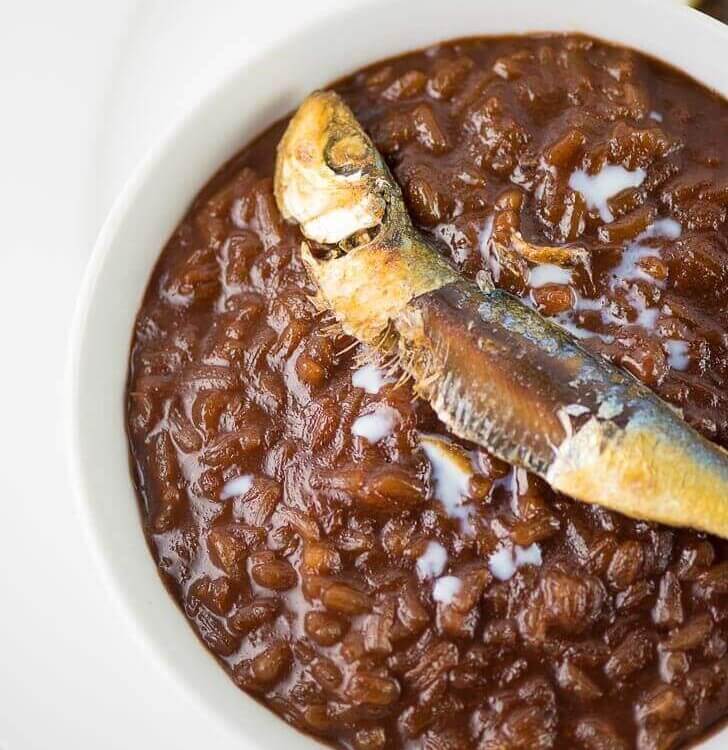
Champorado with Tuyo
Sweet chocolate rice porridge and salty fried fish in the same meal. It sounds strange the first time you hear about it, but the combination really works.
Champorado is sweetened with sugar and made dark with cocoa tablea. You eat the porridge warm with a piece of fried tuyo on the side. A spoon of sweet porridge, then a bite of salty fish. The salt makes the chocolate taste richer and the chocolate makes the fish taste less sharp. After a few bites, the pairing makes sense.
If you have never tried this combination, fry one piece of tuyo and serve it with a small bowl of warm champorado. You will know in two bites.
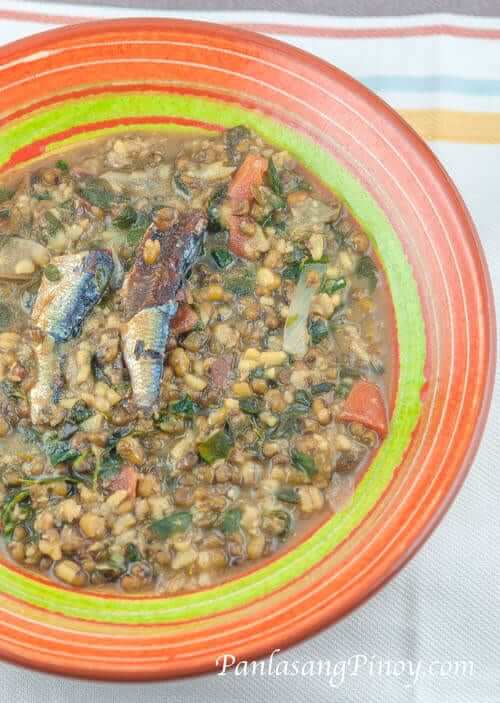
Monggo with Tuyo
This was something I tried one winter in Chicago. A lot of monggo recipes use pork, shrimp, or tinapa for extra flavor. I had bottled tuyo in the pantry and no pork in the fridge, so I used the tuyo. It worked.
Bottled tuyo is cooked and packed in oil. The bones are soft enough to go down with the meat, so you do not pick anything out. Add the bottled tuyo to your sautéed garlic and onion, cook for a minute, then stir it into the mung beans. The fish breaks down into the broth and gives the monggo a stronger savory flavor.
I add malunggay leaves at the end. Spinach, alugbati, or hot pepper leaves also work.
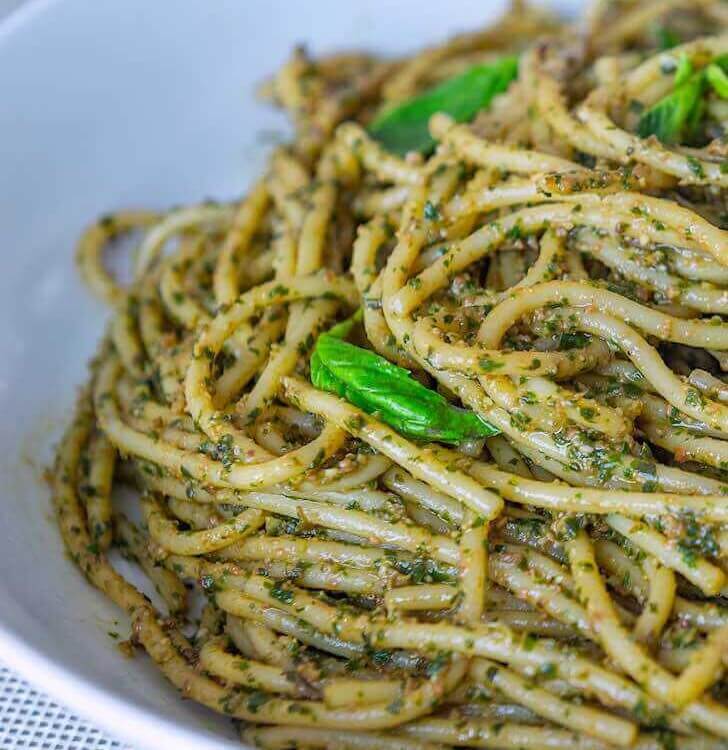
Tuyo Pesto Spaghetti Pasta
This is the pesto version I make more often now. Fresh basil pesto made from scratch, spaghetti, parmesan, and bottled tuyo flaked through the noodles.
I suggest doing three things for better pasta. Flake the fish thoroughly and pull out any scales or larger bones you find. Save a cup of pasta water before you drain the noodles because the pesto sets up tight once it cools and a splash of pasta water loosens it back up. Use bottled tuyo for this, not fried — bottled gives you the soft texture the pasta needs.
The pesto gives the pasta its main flavor, while the tuyo adds saltiness and depth.
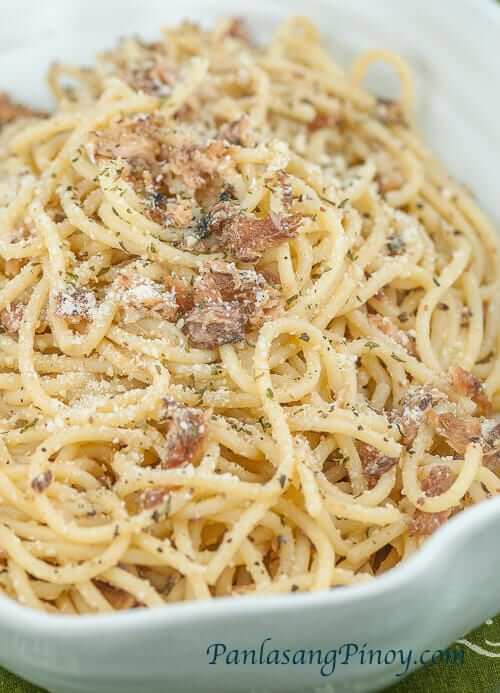
Tuyo Pasta
The simplest pasta on the list. Spaghetti, bottled tuyo, parmesan, garlic powder, dried basil, olive oil, and black pepper. No sauce to make. Twenty minutes from start to plate.
I put this at the bottom not because it is bad. I put it here because it is the most stripped down version, and it is also the one I recommend to friends who say they do not like dried fish. The bottled tuyo and parmesan make the fish taste milder, so it is easier for first timers to enjoy.
If you want a richer pasta after you have tried this one, try the Creamy Tuyo Pesto variation. Same idea, blended into a cream sauce.
Vanjo’s Advice
- Bottled tuyo is the version I reach for most days now. It costs more per ounce than the dried fish in plastic bags, but it solves the smell problem and the bones problem at the same time. If you cook in an apartment, this is the easier path.
- Soak dried tuyo in water for 30 minutes before frying. My mom did this and I almost stopped doing it for a while. Then I started again. The fish is less salty and the flesh is softer.
- Use day-old rice for the breakfast plate. Fresh rice gets mushy under the tomato juice and the vinegar dip, while day-old rice stays separate.
- Do not skip the fresh tomato. The acid is what keeps the salty fish tasting good past the second bite.
- Spicy vinegar on the side, always. Plain vinegar works, but sinamak is better. The dip is what carries the meal.
- When you bake tuyo in foil, use a double layer. The fish oil can leak through one layer onto the baking sheet, and the smell will sit on the pan for a few washes.
What to Serve with Tuyo
Tuyo is salty, so I like serving it with simple or slightly sour sides.
- Sinangag (garlic fried rice) — the standard pairing because the toasted garlic gives the plate flavor without competing with the salt fish
- Plain steamed white rice — works for the same reason, and it stretches the small piece of tuyo into a full meal
- Sliced fresh tomatoes — the acid resets your mouth between bites of salty fish
- Salted duck egg and tomato salad — another salty element that still gets cut by the tomato, for a heavier breakfast plate
- Papaya atchara — sweet and sour contrast that works like the tomato but with more punch
- Champorado — the famous sweet and salty pairing if you want something different from the standard plate
For drinks, hot brewed coffee in the morning and cold water with the meal. Sugary carbonated drinks fight the fish because the sweetness clashes with the salt instead of balancing it.
How to Store Tuyo
- Dried tuyo in plastic bags keeps in a sealed container at room temperature for weeks. Once you open the bag, transfer the fish to a zip-top bag and keep it in the refrigerator. This keeps the oil from going off and contains the smell.
- Bottled tuyo goes in the refrigerator after opening. Keep the fish covered by the oil at all times. It lasts about three weeks once opened.
- Cooked tuyo dishes can be kept for three days in the refrigerator. Reheat gently in a pan or on low in the microwave. Avoid reheating it too long because the fish can turn rubbery.
Frequently Asked Questions
What is tuyo?
Tuyo is salted dried fish, usually made with small herring. The fish is cured with salt and dried under the sun, which gives it that strong salty flavor Filipinos know so well. Tuyo is also the Filipino word for dry. It is eaten most often for breakfast with rice, vinegar, and tomato.
How do you cook tuyo without the smell?
Bake it in foil instead of frying. Wrap the fish in two layers of aluminum foil, seal the edges, and bake at 400°F for 6 to 10 minutes with the kitchen vent on. The smell is much easier to manage this way. Bottled tuyo is the other option because it is already cooked, so heating it puts off much less aroma than frying fresh tuyo in a pan.
Should I soak tuyo before cooking?
Yes, if you want softer flesh and a less salty fish. Soak the dried tuyo in water for 30 minutes, then pat it dry with paper towels before frying. Skipping this step is fine if you are short on time, but the soaked version is easier to eat.
What is the difference between dried tuyo and bottled tuyo?
Dried tuyo is whole salted fish sold in plastic bags, and you fry or bake it yourself. Bottled tuyo is already cooked and packed in oil, often with garlic and chili. The bones in the bottled version are soft enough to eat. Dried tuyo has the better fried texture, while bottled tuyo is easier and produces almost no smell.
What goes with tuyo for breakfast?
Garlic fried rice, sliced fresh tomato, spicy vinegar, and a fried egg. Champorado is the famous sweet alternative. Hot brewed coffee on the side.
Can I eat tuyo bones?
The bones in bottled tuyo are soft enough to eat. With dried tuyo that you fry yourself, no. Take out the spine and the larger bones before eating.
Why is tuyo so salty?
Salt is the curing agent. It draws moisture out of the fish so it can dry without spoiling, and most of the salt stays in the dried flesh. One small piece is meant to season a whole cup of rice, not to be eaten on its own.
Is tuyo the same as daing?
Both are salted and sun-dried Filipino fish, but they are not the same. Tuyo is whole small fish, usually herring. Daing covers a broader category and the fish is usually split open, gutted, and dried flat. Danggit is a specific kind of daing made from rabbitfish
Leave a Comment