Lengua Estofado Recipe
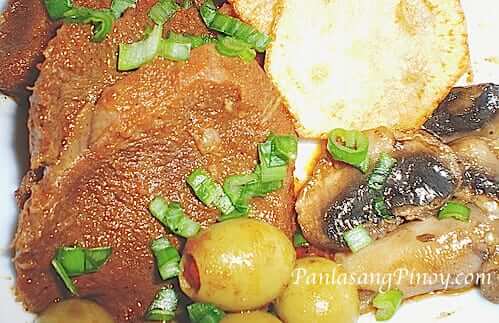
I was maybe 15 or 16 the first time I cooked lengua estofado. That was back in the Philippines, and I had no idea what I was doing. I just knew the adults always had it at family gatherings and I wanted to try. The tongue came out a little tough that first time, to be honest. But the sauce, that sweet and tangy tomato sauce with the olives, I knew right away that this Lengua Estofado recipe was going to be something I would keep cooking for the rest of my life. Lengua Estofado is a hybrid of Spanish and Filipino cooking. The diced tomatoes, white wine, and green olives come from the Spanish side.
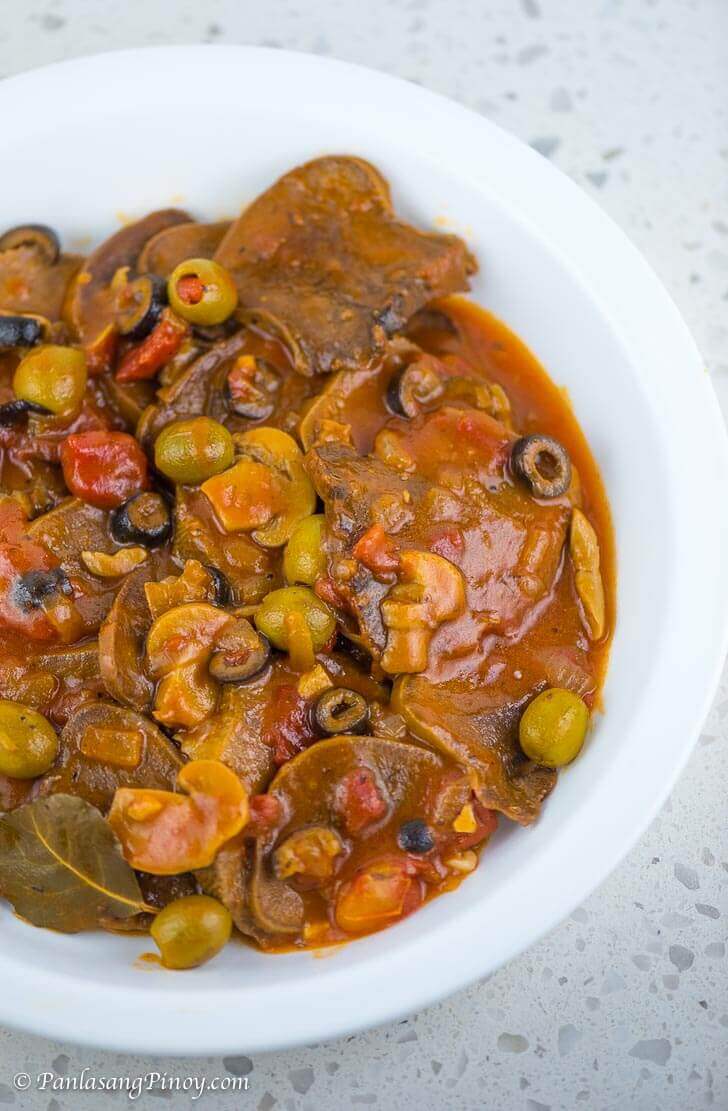
The soy sauce, vinegar, and brown sugar are what make this Lengua Estofado truly Filipino. Some people spell it lengua estofada, which is just the feminine Spanish form. Same dish. The version I make today is a lot better than that first attempt, but the core of my Lengua Estofado has not changed much.
I used to hate ox tongue. Seriously. When I was a kid, I looked at it on the serving plate during Christmas Eve and thought it was the strangest food anyone could eat. My cousins were the same way. We would pick at the rice and skip the lengua entirely. I finally caved one year, probably because there was nothing else left, and discovered that it tasted better than most beef dishes on the table. Softer than brisket. The sauce reminded me of a richer beef kaldereta with that same tomato backbone but more character from the wine and olives. It has been on our holiday table ever since.
Getting the tongue tender is everything. I pressure cook it for 45 minutes. If you do not own one, plan for two to three hours of boiling. There is no shortcut for this part.
What is Lengua Estofado?
Lengua Estofado is a Filipino braised beef tongue stew made with tomatoes, soy sauce, vinegar, sugar, and olives. Its name comes from the Spanish words lengua, meaning tongue, and estofado, meaning stew. Spanish colonizers brought the estofado cooking method to the Philippines centuries ago. Over time, Filipino cooks added soy sauce, vinegar, and sugar to the pot, and the dish became something new. You may see it spelled “lengua estofada” in some places. Both refer to the same recipe.
There are different regional takes worth knowing about. In the Western Visayas, the Ilonggo version uses muscovado sugar and coconut vinegar with saba bananas, which gives the sauce a sweeter, more tropical quality. Up in Pampanga, they have lengua pastel, which goes in a completely different direction with a creamy white sauce, button mushrooms, and young corn. My version leans closer to the Spanish-influenced style: diced tomatoes, white wine, green olives. What makes it Filipino is the soy sauce and vinegar.
Beef tongue is not cheap. In Chicago, where I lived for years, it used to be affordable at the wet market but prices have gone up everywhere. That is part of why this dish shows up mostly at celebrations. It takes real time and real money to prepare. But the result is worth it every time.
Why This Lengua Estofado Recipe Works
This lengua estofado recipe turns out well because of specific decisions in the cooking process.
- Dredging the tongue in flour before pan-frying does two things at once. It gives the slices a thin crust, and that flour dissolves into the sauce as it simmers, which is how you get a thick sauce without adding a thickener later.
- Diced tomatoes with white wine create an acidic base. Without the wine, the sauce is just a tomato stew. The wine lifts it.
- Soy sauce and vinegar in the same pot give the sauce a savory and tangy quality. I know it sounds like adobo seasoning, and honestly, the principle is similar. But the tomato and olive combination takes it somewhere else entirely.
- Reducing the sauce by half concentrates the flavor. Do not skip this step. A watery lengua estofado is a waste of expensive tongue.
- Olives and mushrooms going in toward the end stay firm and keep their texture. If you add them too early, the mushrooms turn to mush and the olives fall apart.
Ingredients
- Beef lengua (ox tongue) – boiled until fork-tender, then sliced
- All-purpose flour – for dredging before pan-frying
- Canned diced tomatoes – the tomato base of the sauce
- Beef powder – for a deeper savory flavor
- White wine – I use Pinot Grigio. Sauvignon Blanc also works.
- Yellow onion – minced
- Garlic – crushed and minced
- Brown sugar – softens the acidity from the tomatoes and vinegar
- Soy sauce – the Filipino signature in this stew
- Vinegar – just a small amount to brighten the sauce
- Bay leaves – for aroma
- Button mushrooms – sliced
- Green olives (pitted) – the Spanish touch
- Black olives – sliced
- Water – to loosen the sauce as needed
- Salt and ground black pepper – for final seasoning
- Cooking oil – for pan-frying
Vanjo’s Advice
I have been cooking this dish for over 30 years now. Here is what I have learned.
- Get the tongue very tender before anything else. Pressure cook for 45 minutes. If you are using a regular pot on the stovetop, set aside two to three hours. There is no way around this. Tough tongue ruins everything.
- Cool the tongue before peeling. I sometimes put it in the freezer for about 20 minutes after boiling. The thick skin slides right off when it is cold. When it is still hot, the skin sticks and tears. I learned this the hard way.
- Shake off the excess flour. You want a light dusting, nothing more. Too much and your sauce turns gummy. I have seen people dredge it like they are making fried chicken. That is too much.
- Let the sauce reduce on low heat. High heat burns the sugar and tomatoes at the bottom. Low heat, patience, and the sauce thickens properly. It should coat the back of a spoon when it is ready.
- Pour the vinegar in and do not stir right away. Let it re-boil on its own first. If you stir too early, the vinegar flavor stays raw and sharp. This is the same principle as cooking adobo.
- This is my favorite lengua dish. My second favorite is Lengua in White Mushroom Sauce. Completely different experience. Cream and butter instead of tomato and wine.
How to Cook Lengua Estofado
This lengua estofado recipe takes patience, especially the tenderizing step at the beginning. But the actual cooking moves quickly once the tongue is ready.
Pan-fry the Sliced Tongue
- Heat cooking oil in a wide cooking pot over medium heat.
- Dredge each slice of lengua in flour and shake off the excess. Pan-fry for about 1 minute per side until lightly browned. Set aside.
- In the same pot, sauté the onion and garlic until the onion softens.
- Pour in the diced tomatoes and white wine. Stir and let the mixture simmer for 2 minutes.
Do not wash the pot before adding the tomatoes. The browned bits from the tongue dissolve into the tomato mixture and add flavor you cannot get any other way.
Simmer in the Sauce
- Return the pan-fried beef lengua to the pot.
- Stir in the soy sauce and water, then add the beef powder. Bring everything to a boil.
- Add the bay leaves. Cover and cook over low heat until the sauce reduces to about half.
- Pour in the vinegar. Let it re-boil without stirring.
Keep an eye on the liquid level. If it drops too fast, add a splash of water so the sauce does not stick and burn.
Add the Olives and Mushrooms
- Add the brown sugar, green olives, black olives, and mushrooms. Toss to combine.
- Cook for 5 to 8 minutes until the mushrooms soften and the olives warm through.
- Season with salt and ground black pepper.
- Transfer to a serving plate. Serve warm.
Pro Tips
- Use Pinot Grigio or Sauvignon Blanc. A commenter named Noel once asked me if red wine works. It does not. Red wine changes the color of the sauce and makes it taste heavy and dull. I told him to use red wine for beef mechado instead.
- Pit the green olives before cooking. I should not have to say this, but biting into a pit while eating with rice is not a fun experience.
- Slice the tongue while it is cold. This is a practical tip that saves a lot of frustration. Cold tongue holds its shape. Warm tongue tears and falls apart under the knife.
- Have extra water ready. Once the sauce starts reducing, it can thicken faster than you expect. Keep a small bowl of water near the stove.
What to Serve with Lengua Estofado
- Steamed white rice – I eat this with rice every time. The sauce needs something to soak into.
- Sinangag (garlic fried rice) – The toasted garlic and the tomato-olive sauce go really well together
- Mashed potato – Not traditional, but it works. I tried this once when we had leftover mashed potatoes from Thanksgiving.
- Garlic bread – for scooping up the sauce. My kids prefer this over rice sometimes.
- Asian cucumber Salad – the smokiness and vinegar cut through the richness of the stew
Storage
Lengua estofado stores well. The flavor actually improves overnight because the sauce has time to soak deeper into the meat.
- Refrigerator: Airtight container, up to 3 days. Sauce thickens when cold, which is normal. It loosens up when you reheat it.
- Freezer: Up to 2 months. Keep the sauce and meat in the same container so the tongue does not dry out.
- Reheating: Stovetop over medium-low heat. Add a tablespoon of water if the sauce is too thick. Microwave works in a pinch, but stovetop is better.
More Lengua Recipes
- Lengua in Mushroom Sauce ox tongue in a savory brown sauce with oyster sauce and Worcestershire
- Creamy Lengua in White Sauce with Mushroom an easy version with cream of mushroom and all-purpose cream
- Lengua Con Setas a simpler mushroom and soy sauce approach
- Creamy Lengua with Corn similar to pastel de lengua with sweet corn kernels
- Lengua Kare-Kare beef tongue in a thick peanut stew with vegetables and shrimp paste
- Lengua a la Vinagreta a cold appetizer with olive oil and vinegar marinade
- Pata Estofado pork knuckle in sweet soy and banana sauce, same estofado technique
Substitutions
- Beef tongue pork tongue works. It is smaller and cooks in about 30 minutes in the pressure cooker. Milder flavor, thinner slices, but the sauce makes up for it.
- White wine dry vermouth is a good substitute. You can also mix a small amount of rice wine vinegar with water.
- Green olives capers give a similar briny quality if olives are hard to find where you live.
- Canned diced tomatoes fresh ripe tomatoes, chopped small. A reader named Estela asked me about this, and yes, fresh tomatoes work. Just cook the sauce a few minutes longer.
- Beef powder a crumbled beef bouillon cube does the same job.
- Button mushrooms oyster mushrooms or shiitake will work, but the taste and texture shift a bit.
Frequently Asked Questions
Can I use a pressure cooker or Instant Pot for the tongue?
Yes. I actually prefer pressure cooking over the traditional method. I set it to 45 minutes, and the tongue turns out tender every time. An Instant Pot on high pressure for 40 to 50 minutes gives the same result. Without a pressure cooker, you are looking at a minimum of two hours on the stovetop, sometimes closer to three depending on the size of the tongue.
How do I remove the skin from the beef tongue?
Wait for it to cool down. That is the biggest tip I can give. I sometimes stick it in the freezer for about 20 minutes after boiling. That thick outer skin practically slides off when it is firm and cold. When it is still hot, the skin sticks, tears unevenly, and you end up fighting it. A vegetable peeler helps for any stubborn spots that do not come off cleanly.
What is the difference between lengua estofado and lengua estofada?
Same dish. “Estofado” and “estofada” are masculine and feminine forms of the same Spanish word. Filipino cooks use both.
Can I make lengua estofado ahead of time?
This is actually what I recommend. The sauce tastes better the next day because it continues to absorb into the meat as it sits in the refrigerator. I usually cook the whole batch the day before a party and just reheat it gently on the stovetop. One reader commented that she prepared this ahead for New Year’s Eve dinner and it came out great. You can also boil and peel the tongue a day or two in advance, then build the stew when you are ready to serve.
Can I use pork tongue instead of beef?
Yes. Someone asked me this on my Lengua in Mushroom Sauce post. Pork tongue is smaller and cooks faster, so adjust the boiling time to about 30 minutes in the pressure cooker. The meat is milder than beef tongue, and the slices will be thinner. But the sauce carries enough flavor to make it work.
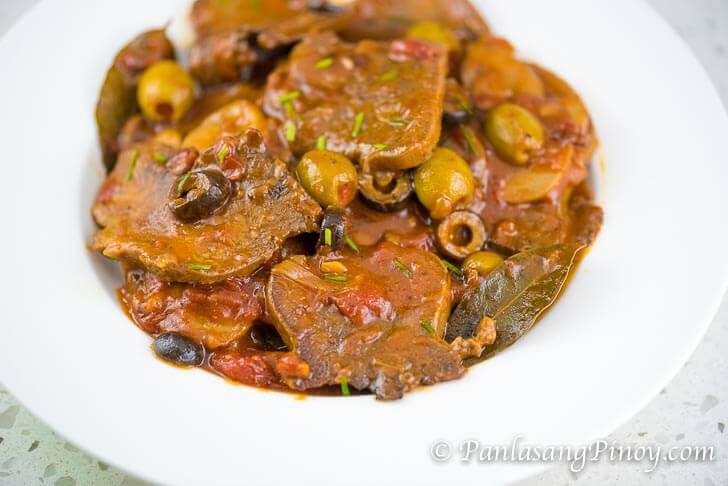
I was a teenager when I first made lengua estofado, and I am still cooking it the same way for my family during the holidays. My version has gotten better over the years, mostly because I learned to be more patient with the sauce and less afraid of the tongue. Give this recipe a try.
Watch How to Make It

Did you make this? If you snap a photo, please be sure tag us on Instagram at @panlasangpinoy or hashtag #panlasangpinoy so we can see your creations!
Lengua Estofado
Ingredients
- 2 lbs beef lengua boiled until tender and sliced
- 1/2 cup all-purpose flour
- 1 can diced tomatoes 14 oz
- 2 teaspoons beef cube bouillon
- 3/4 cup white wine
- 1 pieces medium yellow onion minced
- 3 cloves garlic crushed and minced
- 2 tablespoons brown sugar
- 2 tablespoons soy sauce
- 1 tablespoon vinegar
- 5 pieces bay leaves
- 1/2 cup button mushrooms sliced
- 1 cup green olives pitted
- 1/4 cup black olives sliced
- 1 cup water
- salt and ground black pepper to taste
- 1/4 cup cooking oil
Equipment
- 1 Pressure cooker For tenderizing the beef tongue in 45 minutes. A regular pot works but takes 2 to 3 hours.
- 1 Wide cooking pot For pan-frying the tongue and building the sauce.
Instructions
- Heat the cooking oil in a wide cooking pot over medium heat.1/4 cup cooking oil
- Dredge the sliced lengua in flour and shake off the excess. Pan-fry for about 1 minute per side or until lightly browned. Remove from the pot and set aside.2 lbs beef lengua, 1/2 cup all-purpose flour
- Using the same pot, sauté the onion and garlic until the onion becomes soft and aromatic.1 pieces medium yellow onion, 3 cloves garlic
- Pour in the diced tomatoes and white wine. Stir and allow the mixture to simmer for 2 minutes.1 can diced tomatoes, 3/4 cup white wine
- Return the pan-fried beef lengua to the pot.2 lbs beef lengua
- Stir in the soy sauce and water, then add the beef bouillon. Bring everything to a boil.2 tablespoons soy sauce, 1 cup water, 2 teaspoons beef cube
- Add the bay leaves. Cover the pot and cook over low heat until the sauce reduces to about half.5 pieces bay leaves
- Pour in the vinegar and allow the sauce to re-boil.1 tablespoon vinegar
- Add the brown sugar, green olives, black olives, and mushrooms. Stir and cook for 5 to 8 minutes.2 tablespoons brown sugar, 1 cup green olives, 1/4 cup black olives, 1/2 cup button mushrooms
- Season with salt and ground black pepper to taste.salt and ground black pepper
- Transfer to a serving plate and serve warm.


Nicholas Nicart says
White wine ? As in white wine vinegar?
Estela Sanchez says
Can i use fresh tomatoes instead of diced tomato in can?
Vanjo Merano says
Estela, yes you should be able to use fresh tomatoes. The ripe ones are best.
Noel says
Hi..can i use red wine instead of white wine? Happy new year!!
Vanjo Merano says
Happy New Year, Noel. Red wine will not work for this recipe. You may want to use red wine to make beef bourguignon instead.
Vanjo Merano says
Great job, Regina. That is a good start. I am sure that you will even do better the next time around. Happy New Year!
Regina says
Hey! I prepared this ahead for New Year’s Eve dinner! It smells sooo good. I love Lengua Estofado but never thought I could do it on my own! Mine doesn’t look as good as yours but I am proud of myself. 🙂