• Skip to primary navigation
  • Skip to main content
  • Skip to primary sidebar

Panlasang Pinoy

Your Top Source of Filipino Recipes

  • Start Here
  • All Recipes
    • Course
      • Breakfast
      • Lunch
      • Appetizers
      • Dessert
      • Dinner
    • Ingredient
      • Chicken
      • Pork
      • Beef
      • Turkey
      • Vegetable
      • Fish
      • Rice
      • Egg
      • Tofu
      • Noodles
    • Type
      • Adobo
      • Bread
      • Fried Chicken
      • Sinigang
      • Kilawin
      • Ginataan
      • Kaldereta
  • Cooking Schools
  • About
Facebook
Instagram
Pinterest
YouTube
Home Culinary Arts

Culinary Arts

5 Benefits of Enrolling in Cooking Classes

Enrolling in cooking classes is a good idea especially if you want to improve your culinary knowledge and skills. Cooking classes are short courses that aim to provide ideas and hands-on experience in specific areas related to food preparation, food presentation, and food appreciation. Some of the basic classes offered by cooking schools are basic knife skills, wine tasting, butchery, cake decorating, basic cooking techniques, and outdoor grilling. Aside from these, there are also classes catered to international cuisines and other topics.

Benefits of Cooking Classes

Several culinary institutions such as cooking schools, training kitchens, and online cooking classes offer a wide array of trainings intended to a diverse audience in a more informal manner, compared to taking a formal culinary education.

Each of us might have our own reasons to enroll in cooking classes. Some want to learn how to cook for the family, while there are others who want to gain skills for a future business or profitable engagement — there are also people who just wants to have fun. What ever your reason is, it is a certainty that you will benefit something at the end.…Read More
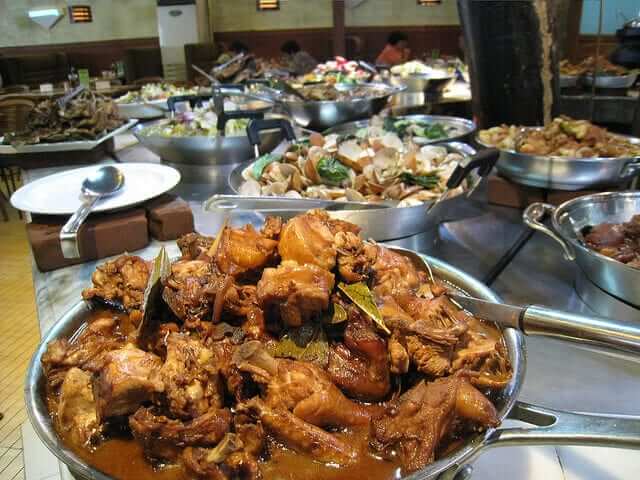

Filipino Recipes

25 Filipino Recipes to Enjoy with the Family

There is nothing more exciting than eating together as a family – sharing a meal that everyone loves – enjoying every little conversation.

Family means everything for Filipinos. It is the center of everyone’s life. The best way to value the relationship is to have constant communication, do activities together, and share the blessings by enjoying our favorite meals – all Filipino Recipes.

There is a saying that goes like this “The family that prays together, stays together”. No matter what your belief is, doing things as one makes the bond stronger. I think that you will also agree if I say that “the family that eats together, stays intact forever”. Sharing a meal with the family promotes conversation that keeps all aware of everyone’s whereabouts.

Filipino Recipes
 photo credit: trishhhh

Whether we are having a big family reunion or just eating a simple meal, it is important that we share the best food possible. In my opinion, there is no food better than the ones we enjoy while growing up. I am talking about Filipino Recipes.
Here are our most recommended Filipino Recipes that you can partake with your family:

1. Adobo
2. Batchoy
3. Biko
4. Buko Pie
5. Cassava Cake
6. Crispy Pata
7. Dinuguan
8. Espasol
9. Humba
10. Kaldereta
11. Kare Kare
12. Kilawin
13. Leche Flan
14. Lechon Kawali
15. Lomi
16. Mechado
17. Menudo
18. Morcon
19. Nilaga
20. Pakbet
21. Pancit
22. Papaitan
23. Pininyahang Manok
24. Puto
25. Sinigang

11 Things to Consider in Choosing Culinary Schools

Do you want to be a chef? Have you thought of owning and managing a restaurant?

Becoming a chef or managing hotel kitchens and restaurants is fulfilling. You get to express yourself through food while making money in terms of salaries or profits. However, proper education is necessary to make this dream a reality. This is where Culinary Schools come-in.

Choosing a Culinary School

Culinary education plays an important role in molding our future chefs and restaurateurs. Through proper education in Culinary Schools, students learn almost everything essential in starting a career as a chef or managing a food or restaurant business.

Choosing a Culinary School is one thing that needs to be taken seriously. The Cooking School that you will enroll-in will have a huge impact in your Culinary Career.

Culinary Schools – Things to consider:

1. Accreditation

Meeting the standards and providing good quality Culinary Education makes a Cooking School earn accreditation from different groups. The biggest accrediting body in the field of Culinary Arts is the ACFFAC (American Culinary Federation Foundation Accrediting Commission). Choosing an ACF accredited Culinary School is always the best choice.

2. Culinary Arts Programs

Photo Credit: Digital Setant

What Culinary Programs are you interested in? Do you want to be a banquet or restaurant manager? Are you interested in the food catering business? How about being a chef? Choose the Culinary Arts Program of your interest and confirm what you’re prospective Culinary School is offering.

3. Culinary School Reputation

Reputation is defined as an explicit attribute attached to an individual or group. This has something to do with the image that is being portrayed by a Culinary School. Make sure that you choose a school with good reputation.

4. Cost of Tuition

Culinary education has its price. It is important to have an idea on the cost of tuition per course or per Culinary Arts Program before choosing a Culinary School. This will help you manage your education expenses, and choose a Culinary School that fits your budget.

5. Culinary School Facilities

The facilities of Culinary Schools are important for the students. These facilities helps the students learn and develop their culinary skills. These awareness and skills will be the edge of each student in building their culinary career after graduating culinary school.

6. Culinary Scholarships

Applying for Culinary Scholarships will help you save culinary tuition money. Ask if your prospect Culinary School is offering scholarship. Get the details about the Culinary Scholarship that the school is offering and apply immediately. You can also get Culinary Scholarship from private entities.

7. Proficiency Levels of Professors or Teachers

In the beginning, a student is only as good as his mentor. It is a must that teachers and professors of a Culinary School know what they are doing. They should also be proficient in their area of expertise. Check your prospect school’s website and get the faculty details. Try to assess if you are comfortable with the overall faculty proficiency based on the information provided.

8. Culinary School Years of Existence

The older an institution gets, the more they become credible and trustworthy. A school or any educational institution grows with time. The best Culinary Schools are usually the oldest (most of the time), but there are also exceptions.

9. Successful Graduates

Good Cooking Schools produces excellent graduates. Try to research on the successful alumni of your desired school and see if you want to be like them in the future.

10. Location

Choosing a Culinary School that is near your place of residence is the ideal thing. It makes your commute easier and saves you transportation and lodging money. As much as possible, choose a school near your home.

11. Diversity of Students

Diversity plays a huge factor in terms of Culinary Arts. Ever heard of the words “World Cuisine”? Diversity promotes learning about other cultures — including their customs and food. The more diverse the students are, the better a school becomes.

Culinary Arts Degrees

Do you want to have a career in the Culinary Arts? If you do, you should inquire about the different Culinary Arts Degrees and Programs from the Cooking Schools (Culinary Schools) of your choice – as early as today.

Culinary Degree

If you are able to get all the information but still can’t decide on what Culinary Arts Degree to pursue, do not feel hopeless. Ask yourself the reason why you want to have a Culinary Arts Career, and try to see which degree is best for you in terms of your interests. This will serve as a guide so that you can choose a Culinary Arts Degree Program that will cater to your interests and ambitions. For example, you want to be a celebrity pastry chef someday. Enrolling in Culinary Arts Programs that involves baking and pastry is the right thing to do.

There are a variety of Culinary Arts Degrees offered in each Culinary Arts Program. Here are 3 of the most sought after Culinary Arts Degrees:

Bachelor’s Degree in Culinary Arts

Completing a Bachelor’s Degree in Culinary Arts is rewarding. Although the entire Culinary Arts Programcan take up to four years, the skills and techniques that you will develop is worth the while.

Completing a Bachelor’s Degree in Culinary Arts has a lot of benefits. You get the advantage of being hired ahead of others who does not hold the same degree.

Unlike other Culinary Arts Programs, the Bachelor’s Degree in Culinary Arts gets you ready to face all the challenges in your chosen field. Completing a 4-year degree in Culinary Arts makes you somewhat invincible and capable. You will learn basic skills and techniques in knife handling and food preparation while having the experience of supervising a kitchen. This does not end there – the skills and knowledge that you learned can lead you to manage restaurants and hotel kitchens someday – that is after you acquire the necessary experience.

The American Culinary Federation (ACF) has accredited many Culinary Schools. Try to check if your Culinary School is accredited before enrolling in any of their Culinary Arts Program.

Associate Degree in Culinary Arts

If you want to land a Culinary Arts Job and enjoy the salary of a Culinary Arts professional sooner, you might want to enroll in an Associate’s Degree in Culinary Arts.

Having an Associate’s Degree in Culinary Arts gives you the opportunity to fast-track your career in as early as 2 years. In terms of Culinary Arts Jobs, there should be a lot waiting for you. Graduates with an Associate’s Degree in Culinary Arts can work as a shift supervisor in restaurants and hotels. They can also be involved in food production. A job in kitchen management is also one of the options.

Let’s talk about the skills that you will learn with this degree. In Culinary Arts, the basic skills that you will learn are important. This will be your building blocks for success. Enrolling in an Associate’s Degree in Culinary Arts will develop your basic knife skills. Imagine being able to handle a knife like chef Morimoto – that is awesome. Food presentation and nutrition is also covered. In addition, you will learn the basic procedures in the kitchen and other relevant culinary skills.

Another advantage of enrolling in an Associate’s Degree in Culinary Arts is the option to continue your Bachelor’s Degree in Culinary Arts. Most of the subjects that you took in the Associate’s Degree can be credited if you decide to pursue your studies.

Certificate in Culinary Arts

What if you really want to start a career in Culinary Arts right away? Having a Certificate in Culinary Arts or Diploma in Culinary Arts is the answer.

The Certificate in Culinary Arts Program will teach you new skills and knowledge to start your Culinary Arts Career in as little as 1 to 3 months. This program is for individuals who want to speed-up their dreams of landing a career in Culinary Arts.

Enrolling in a Certificate in Culinary Arts Program will teach you the basics in professional cooking. It will also give you an overview in baking and pastry arts. Aside from these, you will learn different basic kitchen skills that you can use in your Culinary Arts job.

The best place to inquire for this program is through the nearest community college in your area. If in case a formal diploma or certificate courses are not offered, enrolling in Cooking Classes can be an option.

7 Best Cancer Fighting Foods

Cancer Fighting Foods protects our bodies from carcinogens and free radicals. These foods help prevent cancer.

Cancer fighting food

Cancer is an ailment distinguished by the unrepressed development and spread of abnormal cells. This fatal disease builds up in 2 stages: the initiation stage where the healthy cell is tainted; and the promotion stage, where the abnormal cell multiplies. Having Cancer Fighting Foods in our daily diet is a great start. Always remember the saying: prevention is better than cure.

It is said that a large percentage of all cancers are related to diet. This means that people get cancer from unhealthy eating. This type of eating habits include the consumption of fatty foods, processed foods, excessive alcohol drinking, and not considering any Cancer Fighting Foods in their meals.

Here are the 8 Best Cancer Fighting Foods that we should consume regularly:

1. Carrots

A low intake of Vitamin A (especially Beta Carotene) is linked to cancer. Carrots are rich in Vitamin A. It aids in the prevention of cancer by inhibiting the growth of abnormal cell; strengthening the immune system; and protecting cell membranes. Having freshly juiced carrots and carrot cake (with less sugar) can help.

2. Spinach and other Leafy Vegetables

Turnip greens and spinach are some examples of leafy cancer fighting foods. These leafy vegetables are rich in folic acid. The main function of folic acid is to maintain the cell’s genetic code and regulate normal cell division. Have you tried crispy spinach lately?

3. Mushrooms

Mushrooms helps our body battle cancer. It also helps build a strong immune system. Mushrooms such as reishi, agaricus , and shiitake have polysaccharides. This helps build a solid immune system that can prevent cancer. Lectin, a protein found in mushrooms, is known to kill cancer cells and stops them from multiplying.

4. Tomato

Tomatoes are known to have lycopene. These are antioxidants that fight free radicals (which causes cancer). Aside from lycopene, tomatoes contain vitamin C. This vitamin is known to protect normal cells from being damaged or altered by cancer cells.

5. Cruciferous Vegetables

Broccoli, brussels sprouts, and cabbage have something in common. They all contain a component that is said to fight cancer (breast cancer in particular). This is known as indole-3-carbinol. It fights cancer by changing cancer-promoting estrogens into a more defensive assortment. They also have sulforaphane, which is believed to prevent rectal and colon cancers. Eating Beef with Broccoli and Cheesy Broccoli Soup might help.

6. Raspberries

Raspberries is a good source of anti-oxidants. This fruits also hold several types of minerals and vitamins that aid in cancer protection. One type of antioxidant that can be found in raspberries is anthocyanins. This anti-oxidant is known to protect the cells from free radicals that cause cancer.

7. Kale

Kale is a leafy green vegetable that has a lot of health potentials. For starters, it is known to contain indoles. These are compounds that help prevent the conversion of laceration to cancerous cells in sensitive tissues. Also, a component of this vegetable called phytochemicals may restrain the growth of lumps and protect healthy cells from carcinogens. Kale chips might sound good.

Best culinary Schools in America

Best Culinary Schools in America

Along with the growth of the food industry comes a great demand for the Best Culinary Schools in America. There are a number of Cooking Schools in America that offers a variety of Culinary Arts Programs. Among all of these cooking schools, there are certain schools that are considered to be the best because of different reasons such as the quality education, available facilities, advance resources, expert faculties, technologically advanced kitchens, and other services available for students.

Here are the Best Culinary Schools in America, in my opinion (in no particular order).

Top 10 Best Culinary Schools in America

Best Culinary Schools in America

The Culinary Institute of America

The Culinary Institute of America is one of the pioneer Cooking School in America. It offers both bachelors and associate degree in Culinary Arts, and in Baking and Pastry Arts. The most exciting part is that its graduates gets the chance to be employed in over 300 companies worldwide. This is part of the school’s placement program for its graduates.

French Culinary Institute

One of the famous Cooking Schools in America is the French Culinary Institute. It is situated in the heart of New York, in the neighborhood of SoHo. This Culinary School has a specialized cuisine style i.e. French blended with American cooking. The French Institute is privileged to have expert chefs who have designed the curriculum, that aim to assist students in building skills and techniques that are essential to secure good future in this field. In addition, the institute invites other expert chefs as a guest faculty to offer most encompassing culinary education.

Le Cordon Bleu College of Culinary Arts

The Le Cordon Bleu College of Culinary Arts offers diploma, certificate and associate programs in a variety of subjects. It has a huge campus with great facilities. This Cooking School is scattered throughout the United States: you can find a school in almost any state. This prestigious Cooking School mixes classroom teaching with direct hands on experience, which helps the students understand better and learn fast.

The International Culinary School at The Art Institute

The International Culinary School at The Art Institute is the most prolific Cooking School in North America. It offers a wide range of Culinary Arts Programs in baking and pastry, hospitality management, restaurant management, food writing, and wine and beverages.

Best Culinary Schools in America

Scottsdale Culinary Institute

Scottsdale Culinary Institute is famous for regional Southwestern cuisine. It offers an associate degree of occupational studies in Culinary Arts. Its campus is well occupied with technologically advance facilities.

Sullivan University – National Center for Hospitality Studies

Sullivan University – NCHS is a well recognized institution in the Culinary Arts. This Cooking School has been the recipient of top awards including the Five Diamond Award of Excellence. The state-of-the-art facilities and direct involvement of instructors makes the Culinary Arts Program effective.

Institute of Culinary Education

The Institute of Culinary Education is another well-known Cooking School in America. The institute has a vast experience of around 35 years for offering different Culinary Arts Programs. It is quite challenging to get admitted to the Institute of Culinary Education. The eligibility criteria includes at least two years of college or university credits or two years of experience in culinary industry. The school has received the International Association of Culinary Professional’s school of the year award twice in 2002 and 2003. In addition, The Institute of Culinary Education has received Awards of Excellence for proving to be one of the Best Cooking Schools around.

Texas Culinary Academy

Another good option for students seeking career in the field of Culinary Arts is the Texas Culinary Academy. This Cooking School is known for its world class facilities and a huge campus. This well renowned Culinary Arts institution has been molding Culinary Arts Professionals since the 90’s.

Kendall College – School of Culinary Arts

One of the Best Culinary Schools in America for baking and pastry arts is Kendall College. It is situated in Chicago, Illinois. Kendall College – School of Culinary Arts offers Culinary Arts Programs that ranges from Culinary Arts Certification to Bachelor’s Degree in Culinay Arts. This Cooking School offers a joint degree program in Hospitality and Culinary Arts, in collaboration with Les Roches International School of Hotel Management.

California Culinary Academy

California Culinary Academy is another famous Cooking School in the west coast that offers a variety of Culinary Arts Programs in Baking and Pastry, Culinary Arts, and Hospitality and Restaurant Management. This Cooking School provides students the opportunity to acquire knowledge as well as hands-on experience. California Culinary Academy is situated in San Francisco, which is considered as one of the best food destinations in America.

Besides these Best Culinary Schools in America, there are still many Culinary Schools in the country that provides quality Culinary Arts Education. In your opinion, which schools should be added in the list?

My personal take on culinary arts

A Brief Discussion About Culinary Arts

The simple answer is that culinary arts is the practice of food preparation. That’s it. But honestly, that definition doesn’t do it justice because culinary arts is actually way broader and more interesting than just cooking.

Culinary arts

After running Panlasang Pinoy for over 15 years and working in the food industry, I’ve learned that culinary arts touches everything from how food is grown to how it’s photographed. Let me break it down for you in a way that actually makes sense.

What Culinary Arts Actually Covers

When most people hear “culinary arts,” they immediately think of cooking. And yes, food preparation is the biggest part of it, but there’s so much more:

Plated dish
  • Food Preparation and Cooking is obviously the core. This is everything from basic knife skills to advanced techniques like sous vide or molecular gastronomy. It’s learning how to properly sear a steak, make a perfect roux, or balance flavors in a dish.
  • Menu Planning involves creating balanced, appealing menus that work for both the customer and the kitchen. You need to think about costs, seasonal ingredients, dietary restrictions, and how dishes pair together.
  • Food Styling and Plating is basically edible art. This is about making food look as good as it tastes. Think about those gorgeous Instagram-worthy dishes you see at nice restaurants.
  • Nutrition and Diet knowledge is increasingly important. Chefs today need to understand macronutrients, allergens, and special diets like keto, vegan, or gluten-free.
  • Restaurant and Hotel Kitchen Management (sometimes called Culinary Management) covers the business side. This includes inventory control, staff management, food costing, and keeping a kitchen running smoothly.
  • Food Photography has become huge, especially with social media. Being able to shoot your dishes well can make or break a restaurant or food blog these days.

And that’s just scratching the surface. There’s also food safety, beverage pairing, food history, and even food writing.

The Science Behind the Art

Culinary student

Here’s something that surprises a lot of people: culinary arts isn’t just about creativity and taste. There’s a ton of science involved.

I’ll be honest, science was never my strongest subject in school. But when you start cooking professionally, you realize that understanding the science makes you a way better cook.

Why does adding acid to milk make it curdle? What happens to proteins when you apply heat? Why does salt enhance flavor beyond just making things salty? These are all chemistry questions that have real applications in the kitchen every single day.

The good news is that you don’t need to be a chemist to cook well. Most of the science gets taught naturally through cooking techniques when you attend culinary school or work under experienced chefs. You learn by doing, and the “why” becomes clear through practice.

What About Professional Chefs?

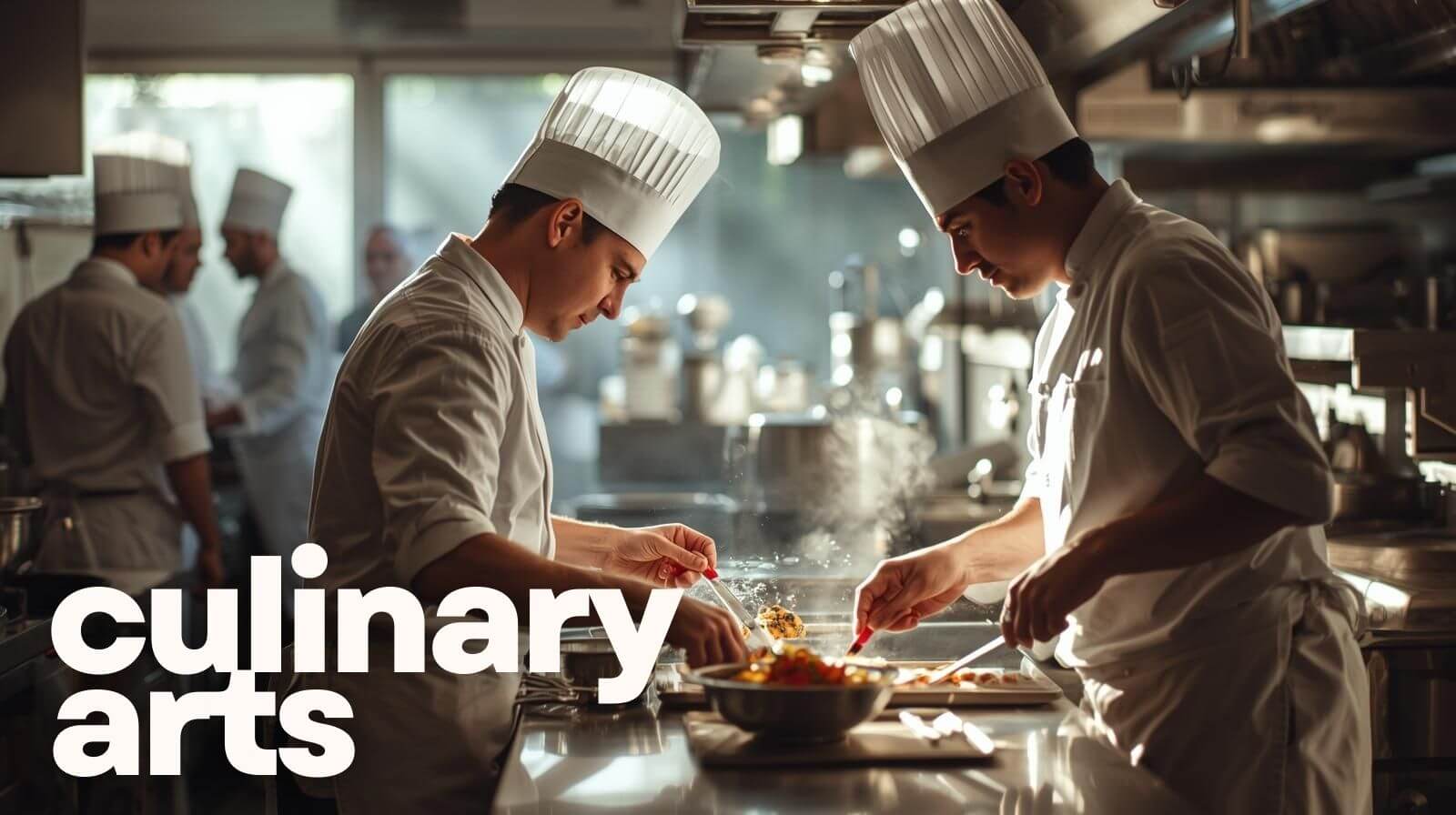
You’ve probably seen chefs in restaurants wearing those tall white hats (they’re called toques, by the way). These folks are considered experts in culinary arts, and there’s actually a whole hierarchy in professional kitchens.

chef hierarchy

The chef system goes from executive chef at the top, down through sous chefs, station chefs, line cooks, and prep cooks. Each role has specific responsibilities and requires different skill levels. I’ll dive deeper into kitchen hierarchy in a future post because it’s actually pretty fascinating.

Now, do you need formal culinary training to become a chef? Not necessarily. There are plenty of successful self-taught chefs out there. But I’ll be straight with you: becoming a professional chef is a lot easier if you get proper training.

A formal culinary arts education gives you:

  • Structured learning of fundamental techniques
  • Understanding of food science and safety
  • Experience in different cooking styles and cuisines
  • Knowledge of kitchen management and operations
  • Professional connections and networking opportunities
  • Credentials that help you get hired

That said, some of the best cooks I know learned by working their way up through restaurant kitchens, starting as dishwashers or prep cooks and learning from experienced chefs. Both paths can work.

My Take on Culinary Arts

After all these years creating recipes and teaching people how to cook Filipino food, I’ve come to appreciate how deep and varied culinary arts really is.

My personal take on culinary arts

When I started Panlasang Pinoy, I was focused purely on sharing recipes. But over time, I’ve learned about food photography, food styling, menu planning, nutrition, and even the business side of food blogging. All of that falls under the umbrella of culinary arts.

The beauty of culinary arts is that there’s always something new to learn. Food trends change, techniques evolve, new ingredients become available. Whether you’re a professional chef, a home cook, or someone who just loves food, there’s room to grow.

If you’re thinking about pursuing culinary arts professionally, my advice is to start cooking and keep cooking. Take classes if you can. Work in restaurants. Watch cooking videos. Read about food. Try different cuisines. The more you expose yourself to different aspects of food, the better you’ll understand what draws you in.

Want to Learn More?

I’ve written several other articles about culinary careers and education that you might find helpful:

  • Culinary Arts Degrees – What types of degrees are available and which one is right for you
  • 7 Ways to Become a Successful Chef – Practical advice for anyone wanting to work professionally
  • Bachelor’s Culinary Arts Degree – Is a four-year degree worth it?

And of course, if you’re just here because you love cooking and want to get better at it, you’re in the right place. That’s exactly why I created Panlasang Pinoy in the first place.

Let’s Connect

I originally wrote this article to create a space where readers could connect and help each other with culinary questions. I know there are professional chefs, culinary students, and passionate home cooks reading this blog.

If you have questions about culinary arts, cooking techniques, or anything food-related, drop a comment below. Someone in our community might have the answer you’re looking for. And if you’re a culinary professional with knowledge to share, please jump in and help out.

We’re all here because we love food. Let’s learn from each other.

11 Ways to Cook Tofu

Tofu or bean curd is made from soy beans. The soy beans are turned into soy milk and curdled with a substance called coagulants. Coagulants make the texture of the mixture gelatinous.

Cook tofu

Cooking with tofu first made it way in Asia: it has been adopted by other countries since then. The main reason why tofu became popular is its high protein content. This has made it a good substitute for meat. Vegetarians embrace tofu by having it in their regular diet. Whenever a recipe calls for meat, tofu is used as a replacement.

There are three main types of tofu: firm tofu, soft tofu, and silken tofu. They are categorized based on their texture.

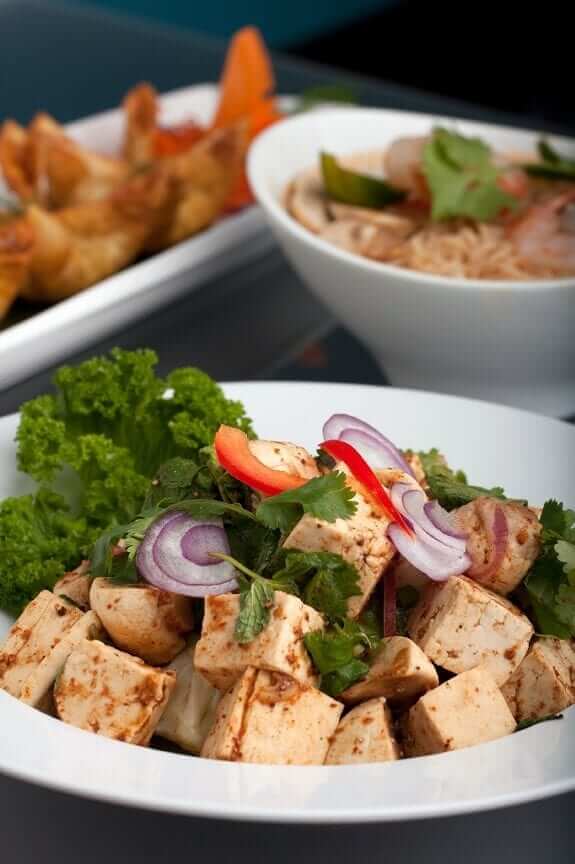
Firm tofu includes firm, medium firm, and extra firm. These are uncooked tofus that are usually used in dishes that call for meat. This type of tofu is sold in blocks with water. It needs to be drained and pressed with a paper towel before cooking. Some popular dishes that use firm tofu are: tokwa’t baboy, lumpiang sariwa, hot and sour soup, and pork and tofu in oyster sauce.

Soft tofu has a softer and more jelly-like texture. It is a good substitute in dishes that use eggs. It can also be mixed with other ingredients such as sour cream and cream cheese when making dips and sauces.

Silken tofu is very soft. It is already precooked. This type of tofu is the best choice in making soups; it is also a good substitute for milk and heavy whipping cream. I eat silken tofu for breakfast. Our home-made taho recipe calls for silken tofu.…Read More

10 Simple Ways to Cook Eggs

There are more than 101 ways to cook eggs. Each method is different from the other. Some of these methods require skill and experience, and even special tools, while a handful can easily be done by anyone.

Cooking eggs is probably the first thing that you learned when you started to learn how to cook. In fact, egg is one of the easiest ingredients to play around in the kitchen.

I got interested in cooking at a young age. Back then, I started to learn basic things; one of them is frying eggs for breakfast. Frying an egg might sound simple, but it can be challenging if you are doing it for the first time. After practicing which resulted to something like a dozen burnt eggs, I got the hang of it. I gained experience and developed my cooking skills. Eventually, my burnt egg days were over. I became aware of the many ways to cook eggs.

There are 4 basic methods to cook eggs: frying, boiling, scrambling, and baking. Each of these methods has different specific ways or styles. For example, frying an egg can be done in at least 5 ways. The next time the server at i-hop asks you how you want your eggs done; you will know what exactly to say once you read-on.

Here are 10 basic ways to cook eggs:

1. Over-easy

overeasy egg

One side of the egg is cooked in a pan with oil or butter. When the side being cooked is done, the egg is flipped to enable the other side to cook for a few seconds.

2. Sunny-side up

sunny side up

This style lets only one side of the egg cook. The other side is slightly cooked by the heat below. The yolks are left in its liquid form. It was called “sunny side up” because the appearance of the egg resembles the shape of the sun.

3. Hard boiled

hard boiled

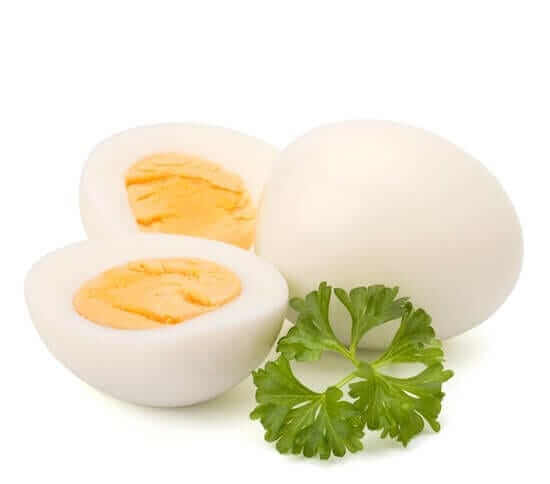
A hard-boiled egg is a result of boiling egg for a long period of time. The egg is placed in boiling water and left there to cook for 12 minutes or more. This will result with eggs having hard whites and yolk.

4. Soft boiled

soft boiled

Soft boiled is the opposite of hard-boiled. Using the same boiling method, eggs are place in boiling water and cooked for a short period of time. The egg white is slightly cooked leaving some parts liquid. It will also produce liquid egg yolks.

5. Basted

basted egg

This is similar to sunny-side up. However, instead of leaving the yolks as it was, hot oil from the pan is poured over the egg to let the top cook slightly.

6. Over-hard

over hard egg

This is the opposite of over-easy. One side is cooked then flipped to cook the other side. The egg yolk produced from this style is usually solid.

7. Poached

poached egg

Poaching eggs means bringing water to a boil. Once the water boils, it is reduced to a simmer. The egg is cracked and placed in simmering water, and cooked until the desired results are achieved.

8. Steam-basted

steamed eggs

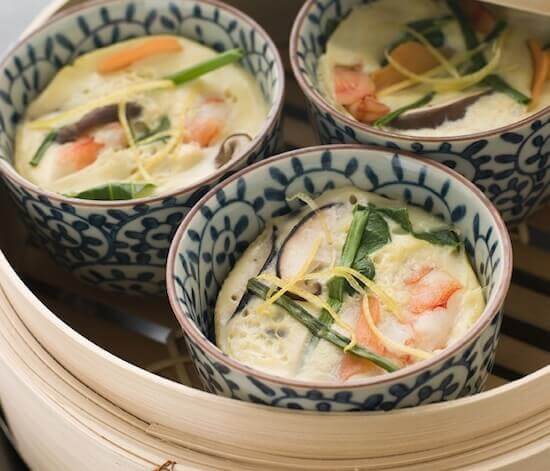
Steam is used to help cook the egg. Instead of pouring oil over the egg, a little water is added on the pan. The steam produced by the water helps cook the egg.

9. Shirred

shirred egg

This is done by baking the egg. Eggs are cracked and placed in an oven-safe cup. Butter is placed on top of the uncooked egg, and then the egg is baked for a certain time.

10. Scrambled

scrambled egg

Scrambled eggs are prepared by whisking eggs in a bowl along with some salt and pepper. The whisked egg is then fried in a pan. This style suggests constant stirring while the egg is starting to cook. As you all know, omelets are derived from scrambled eggs.

It is now your turn. Can you add more ways to cook eggs in our list?

5 Romantic Recipes for Valentines Day

Happy Valentines Day to all! Did you notice something different today? Try to take a deep breath and smell the romance. It is all in the air at this moment. I hope that this day will bring you more joy and love.

5-Romantic-Recipes-for-Valentines-Day

As we all know, Valentine’s Day will not be complete without flowers, chocolates, valentine’s card, and good food. I won’t be able to give you flowers nor valentine’s card this year, but I can provide ideas on what to prepare for Valentine’s dinner.

I know that some of you already made reservations for dinner. But, there are still others who prefer to stay at home and cook for their special someone. What dishes will you cook tonight? If in case you don’t have anything in mind yet, I suggest you try the following dishes:

1. Potato and Green Bean Salad

Try to have this simple and delicious salad for starters. This quick, easy, and budget- friendly salad dish is full of carbohydrates and vitamins. Did you know that the body transforms carbohydrates to energy? Who knows, you might need more energy today.

2. Baked Oysters

Besides being good appetizers, oysters are known to be aphrodisiacs. Oysters can make you feel warm and comfortable; it also increases the blood flow. If you don’t want it baked, try having cold raw oysters with lemon.

3. Creamy Corn and Clam Soup

It is always nice to start a meal with a rich and tasty soup. This creamy corn and clam soup is like no other. Although the ingredients seem ordinary, the taste is out-of-this-world. You will surely see a smile in your partner’s face once you serve this.

4. Crown Roast of Lamb

It’s time to try other ingredients. How about lamb, for a change? This Crown Roast of Lamb Recipe was the best lamb dish that I’ve tried by far. It makes you feel like royalty. Try serving this for your king or queen tonight.

5. No-Bake Chocolate Fudge Tart

Valentines cannot be valentines without chocolates. If you’ll roasting some lamb later, your oven can be very busy. Try making an easy chocolate dessert that dos not require baking. This recipe is easy, simple, and tested. Trust me on this. Oh…by the way, dark chocolates are aphrodisiacs too.

  • Previous
  • Page 1
  • Interim pages omitted …
  • Page 22
  • Page 23
  • Page 24
  • Page 25
  • Page 26
  • Page 27
  • Next

sidebar

Welcome!

As a huge fan of Filipino food, it is my goal to teach people how to cook it using the simplest way possible. Prepare your taste buds for an ultimate showdown of delectable Filipino dishes! Read more…

Facebook
Instagram
Pinterest
YouTube

Reader Favorites

Chicken Adobo Panlasang Pinoy

Filipino Chicken Adobo Recipe

Leche Flan Recipe

kare kare beef tripe

Kare-Kare Recipe (Beef Tripe)

Pork Sinigang

Sinigang

Receive new recipes by email!


Seasonal

Beef Morcon Recipe

Arroz Valenciana

lechon belly roll recipe

Lechon Belly Roll

Christmas Macaroni Salad

How to Make Macaroni Salad for the Holidays

As Seen In:

good housekeeping
parents
serious eats
livestrong
kitchn
sheknows
Facebook
Instagram
Pinterest
YouTube
About
Meet Vanjo
New? Start Here
Browse Recipes
Explore
Ingredient 101
Philippines
Cooking Schools
Privacy Policy
Disclaimers
Contact
© 2026 Panlasang Pinoy
Site Credits
Designed by Melissa Rose Design Developed by Once Coupled
Back to Top
Back to Top