• Skip to primary navigation
  • Skip to main content
  • Skip to primary sidebar

Panlasang Pinoy

Your Top Source of Filipino Recipes

  • Start Here
  • All Recipes
    • Course
      • Breakfast
      • Lunch
      • Appetizers
      • Dessert
      • Dinner
    • Ingredient
      • Chicken
      • Pork
      • Beef
      • Turkey
      • Vegetable
      • Fish
      • Rice
      • Egg
      • Tofu
      • Noodles
    • Type
      • Adobo
      • Bread
      • Fried Chicken
      • Sinigang
      • Kilawin
      • Ginataan
      • Kaldereta
  • Cooking Schools
  • About Panlasang Pinoy
Facebook
Instagram
Pinterest
YouTube
Home Culinary Arts

Culinary Arts

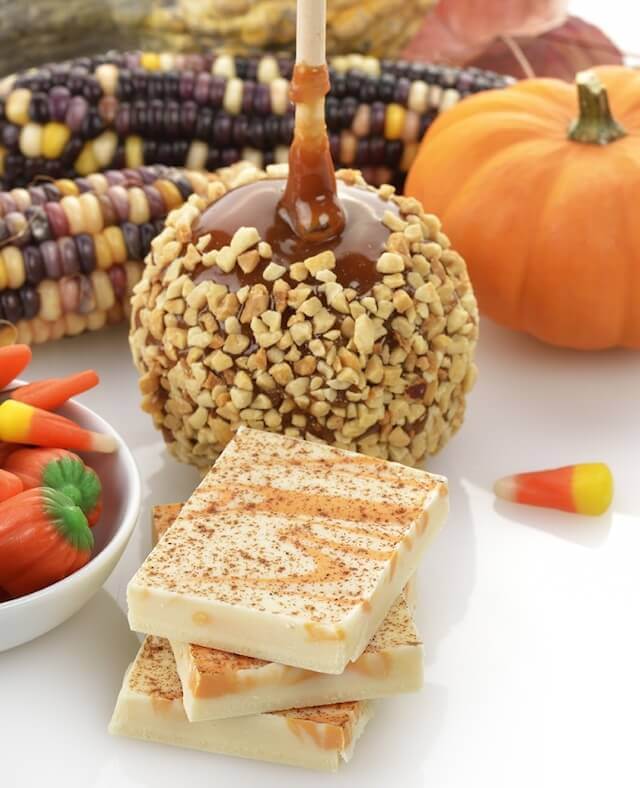
Halloween Party Food for Kids

Let’s face it, Halloween is intended for kids. This is the time when children let their imagination expand and enjoy the sweet treats waiting in every door during trick or treating.

Aside from this, kids love to have their own Halloween party so that they can show-off their new costumes for this year. The party will be more memorable and enjoyable if interesting and delicious Halloween Party Foods are served.

halloween party food for kids

Here are some kids Halloween Party Food Ideas:

Chocolate Cobwebs

For this Halloween Party Food, cooked spaghetti noodles are coated in melted chocolate, and then allowed to set in a cobweb shape. You can use milk, white or dark chocolate, if you would like several different varieties.

Spellbinding Chocolate Mice

Everyone will love this sweet spooky Halloween Party Food, which can be made in a jiffy ready for your Halloween party. Take 4 oz melted plain chocolate, 5 tbsp sour cream, 4 oz chocolate biscuit crumbs and mold into mice shapes, making a sharp nose at one end. Roll in white sugar for white mice and in 1 oz chocolate biscuit crumbs for dark mice. Use silver balls for eyes, almond flakes for ears and a little licorice string for the tail. Kids will have lots of fun love making these.

Really Scary Rocky Road Popcorn Truffles

Chocolaty, crunchy, and light, this Party Food is perfect for snacking. Great for kids’ Halloween parties, this is a very easy and quick recipe. Take 8 oz plain popped popcorn, 3 oz mini marshmallows, 6 oz salted peanuts, 18 oz melted plain chocolate. Put equal quantities of the popcorn, marshmallows and nuts in 12 muffin cases, then pour the melted chocolate over each, shaking the tray to help each one settle. Allow to set in the refrigerator before taking out of their cases. You can vary the contents if you have other favorites.

Witches’ Fingers

Kids will delight in this Halloween Party Food – perfect for a Halloween party! The ingredients are 8 oz soft butter, softened, 4 oz icing sugar, 1 beaten egg, 1 tsp each of almond and vanilla extract, 12 oz plain flour, 1 tsp each of baking powder and salt, 4oz whole almonds and a tube of red decorating icing. Make the dough using the ingredients above, except for the red icing. Refrigerate for 30 minutes before cooking in finger shapes at 350F for 15 minutes. Make a fingernail by pressing an almond into the end of each finger, and squeeze up lumps where there should be knuckles. When cooked remove the almond and replace with red icing, then put the almond back on top so it looks like blood.

Graveyard toffee

Add chocolate and almonds top off this rich buttery Halloween Party Food. Use a sugar thermometer the first few times to check if the toffee is ready. This makes 32 servings; it is ideal for larger groups or as goodies during trick or treat. Take 1lb each of butter and sugar, 5oz of your favorite nuts, such as chopped almonds, ½ lb melted chocolate; melt the butter and sugar carefully in a saucepan until your sugar thermometer tells you it has reached 280F, and cook out until it is toffee colored. Pour onto an oiled baking tray. Melt the chocolate and spread a thin layer over the toffee. Sprinkle the nuts over the chocolate, and press in slightly.

What is Saffron?

Saffron may not be as common as other spices but this is also used for many dishes. Interestingly, aside from the rich taste that it adds to cooking it is also known for various medicinal benefits. Yes, the main reason why it is not as staple in households as pepper, cinnamon, garlic powder or others is because this could cost much more.

French may call it safran, Italians call it zafferano and in India it is known as khesa or kesram but these all refer to this reddish colored spice. It has a very strong effect when added to dishes. In fact a pinch of it can turn a pound of rice to golden yellow to red and that small amount can also make any dish burst with rich flavor. Among the common dishes which use this spice include bouillabaisse, pilaf and risotto. The most popular of all is the paella.

Since saffron is expensive, this is often bought by the ounce. On the other hand, for those who need huge amount of this spice, it is also made available by the pound. Originally, this comes from the Mediterranean region. These days, Spain is the primary manufacturer of this spice.

photo credit: flickr.com/Giullaume Paumier

Where does it come from?

It is actually made up of a flower called crocus that has three stigmas. The flowers are tediously ground to create the spice. It takes about 80,000 flowers just to be able to produce a pound of saffron which also explains why this spice can be costly.

Adding of this spice in many dishes is preferred even by the top chefs because of how it gives a natural yellow-gold hue. There is no doubt that the pleasing color makes the dish even more tempting. Aside from that, it also results to an interesting taste which could make the taste buds rejoice.

The flavor that saffron adds to food is quite unique and can not be achieved by any other spice. It adds a grassy taste which resembles the flavor of fresh vegetables. It also has a hint of sweetness which may make the dish seem like it has a hint of honey. Places which popularly use this spice include Iran, Turkey, Arab countries and Central Asia.

Apart from the benefits of using saffron in various recipes, this is also known for its medicinal benefits. Ancient traditional medicine uses this spice for healing. Before pills and modern medicines were created, this has long been used as cure for common health problems like chronic bronchitis, recurring cough and even stomach problems. It can also combat dental problems like tooth decay. The main reason why this spice can deliver such amazing health benefits is because its natural components can work as antiviral and antibacterial.

Interestingly, this is also present in some of the beauty products these days. Creams, scrubs and masks which contain ground stigma and petals of the flower can nourish dry skin and remove blemishes. Toners and cleansers are helpful in keeping the skin looking young and radiant. There are even hair dyes which use this as an ingredient to restore the luster of the strands.

Ways to Cook Artichoke

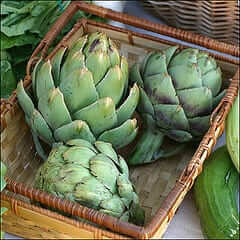
Artichoke is originally from the Mediterranean region. This is a great addition to your diet because it contains impressive amount of anti-oxidants which can fight the free radicals in the body that commonly cause various diseases. Aside from that, it is also rich in vitamins and nutrients — like Vitamin C, calcium, iron, niacin and phosphorus. Aside from combating common illnesses like liver problems, high blood pressure and fluctuating sugar levels, this can also be a good solution for the more common problems like hangovers.

Preparing Artichoke

There are several ways on how to cook artichoke but before proceeding, it is best to prepare it carefully. Since this is actually an unopened flower of a thistle-like plant, it is best to soak it in warm water with salt before adding it to your dish or cooking it. That way, the dirt which could have accumulated in it can be completely removed. Cut to bottom stem too to ensure that the texture is pleasing to the palette.

Once the artichoke has been washed and cut, there is a tendency for it to become brownish in color. To prevent this from happening even before you cook artichoke, it is recommended to rub lemon juice on it.

Boil or Steam

photo credit: flickr.com/La Grande Farmer’s Market

One way to cook artichoke is to boil or steam it. This is ideal for people who are on a strict diet because there is no need to put any oil or butter which could add more fat or carbohydrates. If you are concerned about the amount of nutrients that you can get from the artichoke, it is best to have it steamed than boiled. That is because, boiling can destroy some of the nutrients that it has due to the high heat. On the other hand, steaming makes it possible to retain the vitamins and minerals. Steaming takes about 30 to 40 minutes or until the petal starts to come off easily. This may also vary depending on the size of the artichoke. To make it even more flavorful, it is okay to add some lemon juice and other seasoning on it.

Grilling

Grilling is also a sumptuous and healthy way to cook artichoke. Usually, it has to be pre-prepared by steaming it for about 10 to 20 minutes. This ensures that the inside is also cooked. Then, it should be cut lengthwise into two sections. Lightly brush some olive oil to prevent it from becoming too dry. Grilling should take about 4 to 5 minutes or until the surface has become golden brown in color. Grilling makes it even more aromatic and tasty.

How to Eat Artichoke

Some people prefer to eat it with some dressing or sauce to make it even more flavorful. Others peel off the outermost layer and eat only the tender part inside (which is the most common and correct way of eating it). Aside from eating it on its own, it is also alright to cook artichoke and add it to other recipes like salads and dips.

Artichoke should be part of every person’s diet. This will not only make the taste buds rejoice, it will also give you a whopping amount of nutrients.

California Culinary School

California Culinary Schools

Culinary Schools in California give you access to some of the most diverse food education in the country. From community college programs to private culinary institutes, the state offers training that helps you build real kitchen skills, explore different cuisines, and prepare for a wide range of culinary careers. California remains one of the busiest food destinations in America, and learning here can open doors to opportunities across restaurants, hotels, bakeries, and food businesses. If you want to see an even broader selection of training options, you can browse this complete list of culinary schools in California for additional programs in the state. For a national overview, you can also check this main cooking schools guide.

California Culinary School

What to Look for in a Culinary School

  • Hands on training
    You grow faster when you spend more time in the kitchen practicing knife skills, cooking methods, and production work.
  • Updated teaching kitchens
    California schools often feature modern equipment, which helps you feel more prepared for real kitchen settings.
  • Supportive instructors
    Teachers with industry experience can guide you with practical skills and career habits that matter in professional kitchens.
  • Career and externship support
    Many California programs partner with restaurants and hotels statewide. For a helpful look at how culinary careers grow, you can explore these tips on how to become a chef.
  • Balanced curriculum
    Strong programs offer cooking, baking, sanitation, food costing, culinary math, and menu development.

Updated List of Culinary Schools in California

  • Los Angeles Trade Technical College Culinary Arts
    One of the largest and longest running culinary programs in Southern California. LATTC provides hands on cooking, baking, and culinary management training with strong industry connections.
  • Long Beach City College Culinary Arts
    LBCC offers certificates and associate degrees focused on cooking, baking, and restaurant fundamentals. Students train in updated kitchens with supportive instruction.
  • San Diego Mesa College Culinary Arts
    A respected culinary and hospitality program that blends technique, management, and hands on training. Known for producing well rounded entry level cooks.
  • Institute of Culinary Education Los Angeles
    A private culinary school offering fast tracked programs for cooking, baking, pastry, and restaurant management. Ideal for students seeking immersive, accelerated training.
  • Santa Rosa Junior College Culinary Arts
    A Northern California program offering certificates and degrees with strong emphasis on technique, flavor development, and real kitchen experience.
Chef tossing ingredients

Comparison Table

SchoolProgram TypeLocationMain Strength
Los Angeles Trade Technical CollegeCertificates and Associate DegreesLos AngelesLarge facilities and strong industry ties
Long Beach City CollegeCertificate and AS DegreeLong BeachBalanced hands on and academic training
San Diego Mesa CollegeCulinary and Hospitality DegreesSan DiegoWell rounded training and solid job placement
Institute of Culinary Education LADiplomas and fast track programsLos AngelesAccelerated professional training
Santa Rosa Junior CollegeCertificates and DegreesSanta RosaStrong technique focused instruction

Cost of Culinary School in California

  • Tuition
    Culinary programs in California generally range from USD 4000 to USD 18000 depending on the school and residency.
  • Supplies
    Knife kits, tools, uniforms, and textbooks often cost between USD 400 and USD 900.
  • Living expenses
    California has higher costs of living, especially in coastal cities. Commuting can reduce overall expenses.
  • Financial aid
    Most public colleges participate in federal financial aid programs.

Salary and Career Outlook in California

Culinary graduates in California often work in restaurants, hotels, catering companies, bakeries, resorts, and private food businesses. Entry level cooks typically earn USD 31000 to USD 38000 depending on location, with higher salaries in major cities. Growth opportunities improve with experience, consistency, and kitchen leadership. You may also explore this guide on how to become an apprentice chef if you want to understand how many chefs begin their journey.

Chef table

Frequently Asked Questions

  • Are California culinary schools beginner friendly?
    Yes. Many programs welcome students with no previous kitchen experience.
  • Can I work while studying?
    Most students work part time in restaurants to build skills while completing their training.
  • Which cities offer the most opportunities?
    Los Angeles, San Diego, and San Francisco offer the widest variety of food jobs.
  • How long does training usually take?
    Certificates may take less than a year, while degrees often take two years.
  • Is moving worth it for culinary school?
    California has one of the strongest food industries, offering many paths for career growth.

Practice Your Skills at Home

  • Chili Garlic Oil – Practice heat control and flavor balancing through simple infused oil techniques.
  • Garlic Sesame Spinach – A quick and flavorful dish that teaches sautéing and seasoning.
  • Pork Menudo – Great for practicing knife skills, simmering, and building layered flavors.
California produce

Culinary Schools in California offer a wide range of opportunities, whether you want to cook in restaurants, bake professionally, start a food business, or simply build confidence in the kitchen. California’s food scene is exciting and diverse, and these programs can help you build the skills needed to grow in a rewarding culinary career.

All program details and tuition estimates are based on information available at the time of writing. Please check with each school for updates.

What is Balsamic Vinegar?

Balsamic vinegar is more than just another condiment. This is a very popular dressing for salads not just because of the pleasant flavor that it adds but also because it is much healthier than other dressings. Imagine, other dressings can easily ruin the nutritional value of one serving of salad because of the added calories, oil and other unhealthy ingredients. On the other hand, this type of vinegar will heighten the flavor of your salad while keeping it ideal even for people who are on a strict diet.

Contrary to the common misconception of other people, use of balsamic vinegar is not merely limited to salads. This is also a good addition to other dishes and recipes. Even professional chefs prefer to use this for their exquisite meat and chicken dishes. It easily makes the meat more tender and adds an interesting flavor. It is also perfect for fish and chips because of the rich taste that it adds.

The taste of this type of vinegar is slightly different from the typical vinegar that we use. It is also sour and tangy but it has a milder taste. As it touches the tongue it would not give a sharp and acidic taste.What is Balasamic Vinegar

When buying balsamic vinegar, you need to understand that there are two major types—commercial and traditional. Commercial ones are produced and manufactured in great volume by companies which use machineries to speed up the process. These also have great taste especially if you are able to find the brand that really suits your preferences. Take note that different manufacturers may also add slight variation to the flavor. On the other hand, traditional ones or the Balsamico Tradizional are made by doing the age-old process. These often cost much more expensive than the commercially produced ones, particularly because it has a more sumptuous taste. If you feel like splurging on the most authentic traditional one, look for a bottle that is made in Italy and labeled as Aceto Balsamico Tradizionale di Modena. The real deal is also approved by the Italian consortium.

In Italy the conventional way of doing balsamic vinegar starts with making the must or mosto. This comes from boiled grape juice. Freshly picked grapes have to be washed and squeezed. Then, the extract has to be boiled until the concentration level of sugar reaches up 1%.

The boiled extract will then be placed in wooden barrels called battaria. These are often made of chestnut, cherry, oak or ash. The type of wood used for the barrel will also affect the flavor. Makers of Balsamico Tradizional usually have six or more barrels which differ in capacity. They fill these barrels to the rim so that the sugar will be transformed to acid. The barrels are sealed with a cloth mesh to enable the liquid to evaporate and reduce.

For conventional method of making balsamic vinegar, it takes about 5 years before the first liter can be enjoyed. How come the authentic and traditional vinegar could cost almost like a vintage wine of bottle? It is because this takes about 12 years before bottling and selling. The more years it takes before it is sold, the more expensive it gets.

Tips on How to Buy Steak

Steak is an all-time favorite food whether it is for simple family dinner or celebration of special occasions. When you buy steak, it is important to choose your best possible option to ensure that you will have the best quality cut within the span of your budget.

Fortunately, it does not take a professional chef to be able to determine the right steak to buy. You just have to be a little pickier to be able to identify which ones are good and appropriate for you.

Buy Steak Online

It is never wrong to buy steak online. In fact, this has become a popular option for people who are always on the go and barely have time to drop by the local butcher or meat shop. Just make sure that you are ordering from a trusted dealer who can provide you with fresh meat and would ensure that it remains in good condition even during shipping and delivery. If you have never tried ordering from a particular online store, it is best to purchase minimal orders first and see how the transaction will go.

buy steak
photo credit: flickr.com/Bob Jagendorf

Check the Color

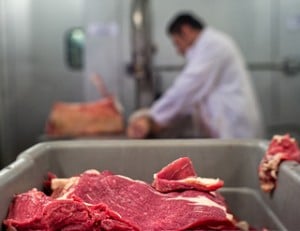
Even if you have an option to buy steak online, the ideal way to go is to drop by the local meat shop or butcher. This will allow you to personally scrutinize the meat before paying for it. Examine the amount of fat layer that the cut has. It is also important to see the color of the meat. It should have a rich reddish color. Make sure you would not buy those which have a pale color, gray spots or other types of discoloration because these are signs that the meat is no longer fresh.

Odor Test

Another great way to determine freshness when you buy steak is to pay attention to its smell. It should not have any foul odor or a stingy scent. The texture should be excellent too. If you notice that the strands of the meat seams to be loose or easily breaks down when you touch it, the steak you are buying is no longer fresh. It has to be solid and firm when you hold it.

Buying in bulk to save money

If you intend to save money when you buy steak, you might want to buy in bulk. These are often much cheaper and ideal for preparing meals for several people. Do not worry about the need to exert so much effort in cutting them. Usually, once you have chosen the chunk that you want to buy, the butcher can do the chopping for you at no extra cost – you can also test your knife skills if you intended it that way.

How to Store Steak

You can place steak inside the fridge (inside the meat drawer or cover it with something) for a few days. This can add more taste because this process is somewhat the same as dry aging.
It is okay to store steak in your freezer too. This will save you from the constant need to go out and buy from the market or meat shop. If this is what you want to do, make sure to place them in vacuum sealed packaging to keep the freshness of the meat. When thawing, it is best to avoid using hot water, putting it inside the microwave oven or directly soaking the steak in water. If you need to thaw it quickly, keep the steak inside the plastic packaging and immerse it in water.

Michigan Culinary Schools

Do you dream of starting your career as a chef in Michigan? You will find a wealth of Michigan Culinary Schools to choose from. For example the Art Institute of Michigan offers top class culinary arts degrees, at certificate, diploma, associate, or bachelor degree level. Certificates can be completed in a year, whereas associate and bachelor degrees can take upwards of four years. Diplomas offer specialized training in a specific area such as patisserie, and there are a wide range of diplomas available. Another relevant Michigan Culinary Schools the Culinary Institute of Michigan at Baker College of Muskegon.

Understand what you want from Michigan Culinary Schools

You should formulate a strong career plan before you start applying for one of the Best Culinary Schools in Michigan as they all offer different suites of qualifications, which may be ideal, depending on your career path. It may be that you wish to be one of the top chefs in Michigan, or into the country, or you are happy to be a line cook.

Your career choices may be more along the lines of management or hospitality events, working in a top hotel where career progression is planned for you and you have the support of a major company. On the other hand you may always have dreamed of having your own restaurant, perhaps along the beautiful freshwater coastline, and look to Michigan Culinary Schools to provide the professional business and culinary training you need to make this happen.

Facilities

When looking for Michigan Culinary Schools you will be surprised by the excellent facilities the each school offers. Among the modern facilities available for your training you will find the following:

  • In-school restaurants for your training
  • State of the art cooking facilities
  • Training by professional, working chefs
  • Opportunities for external apprenticeships at local restaurants
  • Assistance with achieving employment after you qualify
  • Small groups and personalized tuition

Earn top salary in the future

Having a relevant culinary certificate or degree level qualification automatically puts you at an advantage when seeking your first position as a kitchen worker, or even straight in as a chef. Top class chefs can earn $50k and this is not out of the question if you are prepared to work hard.

Culinary-Schools-in-Michigan

Other Michigan Culinary Schools are:

  • Andrews University
  • Central Michigan University
  • Davenport University
  • Eastern Michigan University
  • Ferris State University
  • Grand Rapids Community College Allendale

Michigan Culinary Schools understand that trainees are highly motivated to go into top jobs as soon as they possibly can, so they offer intensive training and work experience accordingly. Specially trained careers advisors can help you refine your job search and ensure your resume is perfectly presented to demonstrate the skills and experience restaurants and hotels are looking for. Consider Culinary Schools in Michigan for exciting long term careers.

Top Culinary Schools in the USA

Have you ever dreamed of becoming one of the top chefs in the US, and maybe someday owning your own restaurant? With so many chef competitions on the television, the idea of becoming a star chef seems more accessible than ever. Gourmet cooking has never been more popular, and there has been a proliferation of Top Culinary Schools to cope with demand. In addition, the number of students taking culinary majors increased over the years and the challenge for each of them is to be trained by the best institution to be able to land a decent job in the culinary arts.

Top Culinary Schools in the USA

Trainings to expect

When you attend a one of America’s Top Culinary Schools you can expect training in the following areas in culinary arts:

  • baking and pastry arts
  • hospitality and restaurant management
  • hands-on cooking classes
  • lecture programs
  • classical and contemporary culinary techniques
  • business management
  • wine knowledge and skills
  • hotel operations

What to look for when choosing a school?

When choosing from the range of top Culinary Schools, it is important to look for membership of the Association of Private Sector Colleges and Universities, which represents and maintains standards of Top Culinary Schools nationally. After all, you will be paying for your program and it needs to be of the highest standard in terms of teaching and learning.

Getting a qualification in an area you are passionate about can open up a whole new world of opportunity for Top Culinary Schools’ graduates. When you attend one which has a fantastic reputation and the respect of the national and in many cases international culinary community, you can look forward to an exciting career as a chef for many years to come.

Top Culinary Schools in America

Top Culinary Schools

Some of the Top Schools from around the US (in our opinion) are:

  • Institute of Culinary Education (ICE) in New York City
  • Culinary Institute of America
  • Texas Culinary Academy in Austin
  • California Culinary Academy in San Francisco
  • The International Culinary School in Washington
  • Kendall College School of Culinary Arts in Chicago
  • Le Cordon Bleu College of Culinary Arts in Boston
  • Pennsylvania Culinary Institute in Pittsburgh

These schools promise realistic hands on training and leave students in no doubt that the career they are training for is going to be physically demanding and at time mentally exhausting, and yet it can be one of the most satisfying vocations of all. They welcome trainees who have ambition and aspire to be the best in their chosen discipline.

How to choose a culinary school?

Having lots of good culinary schools with different expertise means that you can train for any career in the hospitality industry, whether you wish to specialize in gourmet cooking, or see yourself fulfilled in a role linked to restaurant or hotel management. There are Certificate, Associate degree, Bachelor and Master’s degree programs for trainees of all ages and abilities, plus many offer online training programs to fit in with your current commitments and financial resources.

photo credit: flickr.com/familymwr

It is worth researching the strengths of individual schools before committing yourself. Among the questions to consider are:

  • How up to date are the programs of teaching learning for your chosen career and how qualified and experienced will the trainers be?
  • How much hands-on, real work experience will you get in real life situations?
  • How well known is your ideal Culinary School in the restaurant or hotel community?
  • What kind of advanced training is offered by Top Culinary Schools to help you develop as far as possible in your chosen profession?

8 Quick and Easy Halloween Party Food Ideas

Halloween is the time when our imaginations are let loose and our creativity tested. Most of us are trying to get new ideas about lawn decoration and even Halloween Party Food. When it comes to food, we have a lot of options to choose from. Do you got halloween party food ideas for this year?

Desserts are usually the best ones to start with. For this reason, we will be focusing on this course of the meal. I can’t imagine Halloween without sweet party foods served. So, let us do our best to make our Halloween Party enjoyable by serving eye catching and good tasting Halloween Party Food.

halloween party food ideas

Here are some halloween party food ideas that you might want to consider:

1. Bat-Shaped Chocolate Cupcakes

These tasty yet ghastly chocolate cupcakes using chocolate cake mix are decorated with creepy black bats on top. Make the cupcakes using a packet mix, then place two square chocolate mints edge pointing down to make the wings; dark chocolate in the middle for the body. You can use small white `round candies for the eyes

2. Spooky cookies

Halloween-Party-Food-for-Kids

Make the dough with 4oz each of butter and sugar, a beaten egg and 10 oz plain flour, cook for 10 minutes at 350F. Then it is cut into ghostly figures and decorated as you like. Children will love to help -out in making these.

3. Magic marshmallow brownies

Chunks of marshmallows make this Halloween Party Food addictively good. Mix 8oz melted butter, 5oz melted dark chocolate, 2oz cocoa, 5 beaten eggs and 1lb caster sugar with 5oz chopped marshmallows, cook in a greased 12 inch foil tray for 20 minutes.

photo credit: fkickr.com/tawest64

4. Curdled Blood crispy cakes

These crispy cakes are quick, easy and great for kids. Chop up your favourite chocolate bars such as Mars bars, melt with 5oz butter, 4oz rice crispies, 3 oz plain chocolate, spoon into cupcake paper cups and allow to set. This works great with Corn Flakes too.

5. Midnight muffins

Halloween-Party-Food

This delicious Halloween Party Food takes no time to make and is perfect for baking with children, although you don’t have to make them at midnight! Take 2 beaten eggs, 3oz caster sugar, 4oz melted butter, 11oz flour and 2 teaspoon baking powder, blueberries or raspberries, and a pinch of cinnamon. Fill muffin cases and cook for 30 minutes at 350F.

6. Black Magic Cake

Totally spooky dark chocolate Halloween Food suitable for all your Halloween get-togethers; this recipe makes 24 slices. Combine 10 oz flour, 14 oz caster sugar, 3 oz cocoa powder, 2 tsp bicarb soda, 1 tsp baking soda, 2 beaten eggs, ½ cup strong filter coffee, 1.4 cup vegetable oil, 1 tsp vanilla extract. Cook in a greased 8 inch cake tin until form in the middle, at 350F. Decorate as spookily as you wish!

7. Wandering Soul Cakes

This is a traditional Halloween Irish recipe; take 15 oz flour, pinch salt, nutmeg and mixed spice, 7 oz soft butter, 6 oz caster sugar, 8oz sultanas and raisins, a beaten egg and ½ cup milk. Rub in the dry ingredients with the butter, add the fruit and sugar, egg the egg and milk and make a batter. Cook in a greased tray for 15 minutes at 390F. Slice when cooled.

8. Magic Wands and Chocolate Dipped Fright Night Fruit

These magic wands make sweet but crunchy Halloween Party Food. Pretzel sticks are dipped half way into vanilla frosting, and then coated in sugar sprinkles. Serve in little jars so that guests can pick them up easily. Take segments of orange or tangerine, strawberries, sliced apple, or your other favourite fruit and dip half way in melted chocolate, allow to cool before serving with your other party treats.

camping food ideas

Practical Camping Food Ideas

I started cooking outdoors when I was still a kid back in the Philippines. I was not doing the hard part yet, but I helped around while the adults worked on the charcoal, the rice, and the grilled food. We had marinated pork, a sack of day-old rice, and a few cans of sardines for backup. The food was simple, but it was enough for everyone.

camping food ideas

That was more than thirty years ago. Since then I have cooked on both sides of the world, and I camp here in the US too, where the food looks different: foil packets on the coals, hot dogs on a stick, a cast iron pan of bacon and eggs in the cold morning, s’mores at night. I like both styles, and I usually use them together. When my family camps, we put American and Filipino food on the same table. American breakfast, then a Filipino dinner later in the day. Marshmallows for the kids, grilled liempo for the rest of us. That is usually how I plan our camping food now.

I will start with the American camp food most people already know, then move into the Filipino dishes I like to bring, and then show you how I put the two together on one trip. After that I will cover the part that matters most at camp: what to prepare at home, what to bring when you do not want to cook, and how to keep the food safe.

Camping Food in the US

In the US, most camping food starts with the cooler and whatever you can cook over the fire or a camp stove. A lot of families keep it simple: hot dogs, burgers, foil packs, breakfast food, and s’mores at night.

cheeseburger and hotdog sandwich

Hot dogs and sausages on a roasting stick are the easiest dinner there is, and kids like cooking their own. Foil packet meals are the other one I lean on: chopped potatoes, onion, a protein, a pat of butter, all sealed in heavy-duty foil and set on the coals. About twenty minutes later you unwrap dinner with no pan to scrub, which matters a lot at a campsite. Then there are burgers and brats on a portable grill, corn in the husk, and a pot of canned chili. S’mores are almost always part of the trip, especially when there are kids around.

Breakfast is usually simple too. A cast iron skillet of bacon, eggs, and hash browns over a camp stove is hard to beat. Hot coffee in the morning also helps, especially when it is cold. Pancakes from a just-add-water mix keep the kids happy. None of it is complicated, and that is the point. American camp food is more about ease and comfort than technique.

Camping Food in the Philippines

Camping in the Philippines feels different. You might drive up to Tanay in Rizal for the sea of clouds, haul everything into a Zambales cove like Anawangin or Nagsasa where there is no electricity at all, or pitch a tent near the surf in La Union. Wherever you go, the food usually comes from what we already cook well at home: marinated meat, rice, one-pot dishes, and food that still tastes good after traveling.

Filipino Boodle fight Meal

Filipino food works well for camping for a few reasons. The pantry staples we cook with, like soy sauce, vinegar, garlic, fish sauce, and calamansi, need no refrigeration and carry most of the flavor. A lot of our dishes are made to keep. And the food is meant to be shared from the middle of the table, which is how eating at a campsite already works anyway. If you have ever set up a boodle fight on banana leaves, you already know the feeling. Below are the dishes I reach for, and you will find many of them on my list of Filipino picnic food ideas too, since the thinking is the same: pack smart, cook simple, and eat well outdoors.

Marinate Your Grill Meat at Home

This is one of the easiest ways to make camp cooking less stressful. Marinate at home the night before, seal it in a container or zip bag, and drop it in the cooler. By the time you reach the campsite, the meat is already seasoned and ready for the grill, and it has soaked up flavor during the whole drive.

Grilled liempo recipe

Inihaw na liempo is my top pick. Pork belly, soy sauce, calamansi, garlic, and a little banana ketchup in the basting sauce. Grill it over charcoal until the edges char and the fat renders. Once the pork starts grilling, everyone knows dinner is close. If you only get to marinate after you arrive, this easy liempo inihaw needs just 30 minutes, about the time it takes to get the coals going.

Filipino Style Pork BBQ Recipe

For a bigger group, Filipino-style pork BBQ on skewers is the classic, and it sits naturally next to American grilling. If you prefer chicken, chicken inasal has a lemongrass and calamansi flavor you cannot get from a bottle of barbecue sauce. And if you want the real street-corner taste, the classic Pinoy pork barbecue is the one I grew up eating from the stall just outside our subdivision.

Bring a small bottle of spicy vinegar for dipping, and pack a little papaya atchara if you can. It cuts the richness and keeps everyone reaching for more.

Why I Always Bring Adobo

If I could bring only one cooked dish, it would be adobo. I cook a big batch of pork adobo at home, let it cool all the way down, and then pack it. At the site I just reheat it in a pan, and if I am in the mood, I fry the pieces for a minute to crisp the edges.

Cooking adobo on stovetop

The vinegar and soy sauce keep the meat safe for hours, and the flavor actually gets better overnight, so the adobo I cook on Friday tastes better by Saturday. That is one reason I always bring it to camp. It also saves time at the site, because all you really need to do is reheat it. If you ever get tired of the standard version, there are dozens of adobo variations that pack just as well.

Silog Breakfast: Longganisa and Sinangag

longsilog

Mornings at camp are cold, especially up in Tanay or Baguio. Nothing wakes everyone up faster than garlic hitting hot oil. Pack skinless longganisa in the cooler; it fries up sweet and garlicky in minutes. Pair it with sinangag made from the rice you brought, add a fried egg, and you have longsilog. It is filling and familiar, and it is exactly what you want when everyone wakes up hungry. Bring more rice than you think you need; day-old rice is actually better for sinangag because it is firmer and will not turn mushy in the pan. If you have not made fried rice before, here is how to cook the rice for it the night before.

Canned Goods That Work Well for Camping

Canned food is useful when you are camping. The trick is turning a can into a real meal instead of eating it cold from the tin. Ginisang sardinas is the move: a can of sardines in tomato sauce, sautéed with garlic, onion, and tomato, then whatever greens you brought.

Tasty Ginisang Sayote

My ginisang sayote at sardinas is the version I make most. A corned beef omelet turns one can into a breakfast that holds you until lunch. And century tuna fried with garlic and a splash of soy sauce makes a fast rice topping when you do not feel like cooking anything serious. These are useful on the second or third day, when the fresh meat is already gone but you still want something hot. If sardines are a regular for you, I put together a few more ways to enjoy canned sardines that all work at a campsite.

One-Pot Meals: Monggo and Sinigang

Pork Monggo Recipe Panlasang Pinoy

A hot one-pot meal tastes especially good after hiking or spending the whole day outside. Ginisang monggo with grilled liempo is my go-to, since you are already firing up the grill. The smoky pork over soft mung beans makes the long drive feel worth it.

And if one soup belongs at a Philippine campsite on a cold night, it is pork sinigang. A pack of sinigang mix keeps it simple without giving up that sour broth, and a hot bowl of it when the mountain air starts to bite is hard to beat. Arroz caldo is another good one. It is warm, filling, and easy to cook in a single pot. Sinigang earns its spot on my list of Filipino foods that keep you warm for a reason.

Pancit and Spaghetti for the Group

Cooking for a crowd? Pancit canton stretches a long way and packs easily, and there are plenty of ways to make pancit if you want to switch it up.

easy pinoy spaghetti recipe

Filipino spaghetti is also good when you are camping with kids or a big family. The sweet kind with banana ketchup and hotdogs is always a hit. Cook the sauce at home, boil the pasta on-site, and the kids (and the adults who grew up on it) will be happy.

How I Mix Both Cuisines on One Trip

This is how my family usually camps now. We do not really choose between American and Filipino food. We use both across the same weekend, and they work well together.

Here is how a two-day trip usually goes for us.

Pancake with Bacon

Day one breakfast is American: bacon, eggs, and hash browns in the cast iron, hot coffee, maybe pancakes for the kids. It is fast and comforting, and it gets everyone moving. Lunch is light and no-cook, usually sandwiches. Then dinner turns Filipino: the charcoal comes out, the liempo goes on, and we serve it with rice and the adobo I cooked at home.

Hotdog Sinangag at Itlog

On day two, breakfast flips to silog, because by then everyone is craving garlic rice. Dessert both nights is s’mores, since there is no reason to skip those.

The two styles work well together. American food keeps breakfast and snacks easy, while Filipino food makes dinner more filling after a long day. The grill does double duty: hot dogs and burgers for the kids who want them, liempo and BBQ skewers for everyone else, all over the same coals. A bottle of spicy vinegar sits right next to the ketchup and mustard, and nobody thinks twice about it.

If you come from a Filipino family living in the US, you already know this. We bring the rice cooker camping. We pack a container of adobo next to the cooler of soda. I like bringing both because that is how we eat at home too.

Make-Ahead Camping Food Tips

The biggest thing that makes a trip go smoothly is how much you prepare before you leave. A campsite is a terrible place to chop onions in the dark. Do it at home.

Marinate all your meat the night before and freeze it. Frozen marinated meat also helps keep the cooler cold while it slowly thaws, so it is ready right when you want to grill.

  • Pre-cook the dishes that travel well, adobo first, then cool and pack them.
  • Cook a big pot of rice and chill it overnight so it is ready for sinangag.
  • Chop your garlic, onion, and tomato ahead of time and seal them in small containers. Mix dry seasonings at home into labeled bags.
  • Pour soy sauce, vinegar, and oil into small reusable bottles instead of hauling the big ones.

I like arriving at camp with most of the work already done. Cooking becomes mostly assembly and heat. You are reheating, grilling, and putting things together, not starting from scratch, which leaves you free to actually enjoy the trip.

No-Cook and No-Stove Camping Food

Some trips you do not want to cook at all, or you cannot. Maybe there is a fire ban, maybe you are packing light, maybe it is late and everyone is tired. You can still eat well if you plan for it.

cheeseburger and hotdog sandwich recipes

Sandwiches are the easiest option: bread, a spread, and a filling that survives the cooler. On the Filipino side, tuyo and daing are great no-cook-at-camp foods, because you can fry them crisp at home and they keep for days without refrigeration.

There are several ways to cook tuyo ahead of time, including tips for cutting down the smell. Adobo also works here, because you can cook it at home and eat it later.

Round it out with crackers, peanut butter, and tuna pouches. Fruit like apples and oranges works too. I often bring trail mix, and jerky with me.

Easy Camping Breakfasts

Breakfast is where people tend to overthink it. You want something fast and filling that will warm everyone up, because mornings outdoors are cold and everyone is hungry at the same time.

cheesy ham steak with bacon and mushroom

For an American-style breakfast, I usually think of a skillet meal: Ham or bacon, eggs, and hash browns. Or overnight oats you put together at home, which need no cooking at all.

For a Filipino breakfast, silog is always a good idea: longsilog, cornsilog with a corned beef omelet, or just sinangag with a fried egg on top.

Chicken Arroz Caldo

If it is cold and rainy, arroz caldo or a pot of champorado warms everyone up. My own routine, like I said, is an American breakfast on the first morning and a silog on the second. It keeps things from getting repetitive and gives everyone something to look forward to.

Keeping Food Safe Without a Fridge

Food safety is easy to overlook, but it matters a lot when you are outdoors. In Florida heat or a Philippine summer, it comes down to planning, not luck.

Pack your cooler in the order you will eat things. Frozen items and the meat you will cook first go at the bottom; what you need sooner goes on top.

Seal everything tightly in reusable containers. It keeps insects out and it stops leaks from soaking everything else.

The rule is simple: do not let cooked or raw perishable food sit out more than a couple of hours.

Keep the Cooking Gear Simple

You do not need a full kitchen. A portable gas stove or a small charcoal grill covers almost everything here. Bring one pan or wok and one pot for rice and soup, plus tongs, a spatula, and a sharp knife. Heavy-duty aluminum foil is worth bringing for foil-packet meals and for wrapping fish or liempo. Pack biodegradable dish soap, a sponge, and a small basin for washing up.

Tilapia grilling on a traditional Pinoy grill

Cook what you need, clean up right after eating so nothing piles up, and bring your trash back with you. The best campsites stay nice because the people before us took care of them.

Frequently Asked Questions

What food should I bring camping that does not need refrigeration?

Plenty of options keep without a cooler: dried fish like tuyo and daing, vinegar-based dishes like adobo, canned goods, instant noodles and pancit canton, crackers, peanut butter, hard cheese, trail mix, jerky, and sturdy fruit like apples and oranges. Rice can be cooked at home and travels fine for a day.

What is the easiest camping dinner?

For ease, it is hard to beat a foil packet meal on the coals or pre-cooked adobo that you just reheat. Both need almost no active work and very little cleanup. To feed a group, pancit canton or pork BBQ skewers go a long way.

How do I cook rice while camping?

You can cook it in a pot over a camp stove using the absorption method, or cook a big batch at home and pack it. Day-old rice is actually ideal, because you can turn it into sinangag, which beats plain rice anyway.

What can I make camping without a stove or fire?

Sandwiches, tuna pouches, crackers and cheese, fruit, trail mix, and anything you cooked at home and packed cold, like fried tuyo or a container of adobo. Dried fish with cooked rice is a full meal with no flame needed.

Can I really mix American and Filipino food on a camping trip?

That is how my family does it. American breakfasts and s’mores, Filipino dinners like liempo and adobo, all on the same trip. The two styles work well together: American food keeps breakfast and snacks easy, while Filipino food makes dinner more filling after a long day outdoors.

The food does not have to be complicated. Some marinated liempo, a pot of rice, a few hot dogs for the kids, a can of sardines for backup, and the people you came with. That is enough.

Food tastes different outdoors. Maybe it is the charcoal, maybe it is the cold air, or maybe it is just because everyone is hungry and eating together. Whatever it is, even a simple plate of adobo tastes better out there. Cooking should feel like part of the trip, not something that keeps you away from everyone. And you do not have to choose between the food you grew up with and the food of the place you are in. I bring both, the same way we eat at home.

What do you bring camping? Do you mix cuisines the way we do, or keep it to one tradition? I would love to hear the dishes your family swears by. Share them in the comments below.

  • Previous
  • Page 1
  • Interim pages omitted …
  • Page 20
  • Page 21
  • Page 22
  • Page 23
  • Page 24
  • Interim pages omitted …
  • Page 27
  • Next

sidebar

Welcome!

As a huge fan of Filipino food, it is my goal to teach people how to cook it using the simplest way possible. Prepare your taste buds for an ultimate showdown of delectable Filipino dishes! Read more…

Facebook
Instagram
Pinterest
YouTube

Reader Favorites

Chicken Adobo in a Bowl

Filipino Chicken Adobo Recipe

Leche Flan Recipe

kare kare beef tripe

Kare-Kare Recipe (Beef Tripe)

Pork Sinigang

Sinigang

Receive new recipes by email!


Seasonal

Beef Morcon Recipe

Arroz Valenciana

lechon belly roll recipe

Lechon Belly Roll

Christmas Macaroni Salad

How to Make Macaroni Salad for the Holidays

As Seen In:

good housekeeping
parents
serious eats
livestrong
kitchn
sheknows
Facebook
Instagram
Pinterest
YouTube
About
Meet Vanjo
New? Start Here
Browse Recipes
Explore
Ingredient 101
Philippines
Cooking Schools
Privacy Policy
Disclaimers
Contact
© 2026 Panlasang Pinoy
Site Credits
Designed by Melissa Rose Design Developed by Once Coupled
Back to Top
Back to Top