Pancit Batil Patung Recipe
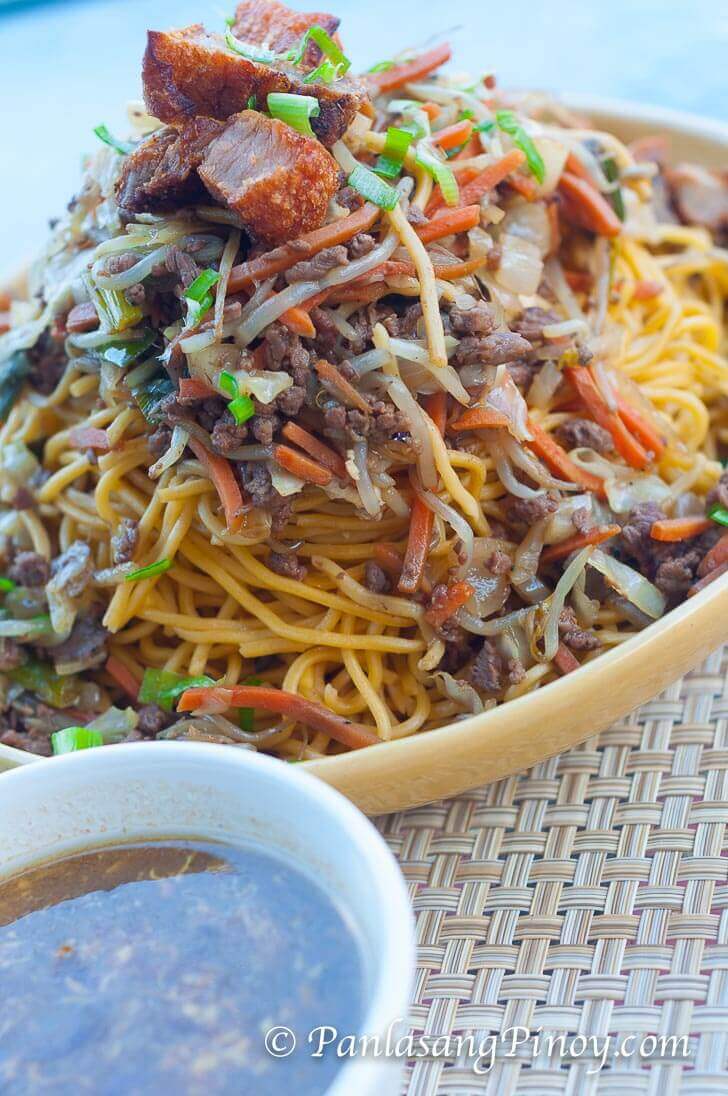
Pancit Batil Patung is a noodle dish from Tuguegarao served with a small bowl of soup on the side. The noodles are made with fresh miki, meat, and vegetables, while the batil is a hot beef and egg soup similar to egg drop soup. I like spooning a little batil over the noodles as I eat. For the stock, I use beef bones with some meat and cartilage still attached because I get much more flavor from them.

Carabeef is traditionally used in Tuguegarao, but I cannot easily get it here, so I use minced beef for the topping and beef bones for the stock. I also keep the meat and litid that come off the bones after simmering. Those are good on their own with rice, so nothing goes to waste. It reminds me a little of eating bulalo while cooking a plate of pancit.
The beef stock also does more than make the batil. I use some of it to cook the noodles with soy sauce and pepper first. The liquid left in the pan is then used for the batil, so the soup already picks up some of the flavor from the noodles and seasonings.
What is Pancit Batil Patung?
The name Pancit Batil Patung comes from the way the dish is prepared and served. Batil refers to the beaten egg stirred into the hot stock to make the soup, while patung means placed on top, referring to the minced meat, vegetables, poached egg, and lechon carajay added over the noodles. You may also see it written as Pancit Batil Patong. Both names refer to the same dish.
Carabeef, or carabao meat, is traditionally used for both the topping and the stock in Cagayan. Since it is not easy for me to get here, I use beef instead. This dish is sometimes compared with my Pancit Cabagan because both come from the Cagayan Valley and use fresh miki noodles. The main difference is that Pancit Cabagan keeps the sauce with the noodles, while Batil Patung comes with its own bowl of soup on the side.
Ingredients
- Fresh miki noodles – Thick, soft, and yellow. They are heavier than the egg noodles in beef mami and a little thinner than lomi noodles. They also come dusted with flour to keep the strands apart, and I shake off the loose flour before they go into the pan.
- Beef bones with meat – Ask for the ones with meat and cartilage still attached. Bare bones make a thinner stock and you lose the meat you get to eat on the side.
- Minced beef or carabeef – Carabeef if you can find it, minced beef if you cannot. Either one is browned before anything else goes into the pan.
- Pork liver – Have it sliced thin at the meat counter. Thin slices cook through in about 3 minutes, and liver turns dry when it stays in the pan longer than that.
- Lechon carajay – Crispy deep fried pork belly, chopped and scattered over the top. Six ounces covers four servings without taking over the plate.
- Mung bean sprouts – Buy them the same day if you can. They are the crunch in the topping and they soften quickly once the hot stock hits them.
- Cabbage and carrot – Shredded and julienned so they cook in the same two to three minutes as everything else in the pan.
- Red onion – One goes into the pan cubed. Keep a second one for the dip, since that is where you will taste it most.
- Green onions – Chopped, and there is a good amount of them here. They go in with the vegetables rather than on top.
- Soy sauce – This seasons the noodles and the batil in one step, so taste before you add more.
- Beef bouillon – One bouillon in the stock pot. It adds more beef flavor while the bones simmer.
- Celery, carrot, and onion – The mirepoix for the stock. These are tied in cheesecloth and lifted out whole, so they never end up in the soup.
- Eggs – Two, and they do different things. One is poached in the pan and goes on top of the noodles, and the other is stirred into the stock to make the batil.
Vanjo’s Advice
- Tie the mirepoix in cheesecloth. Put the celery, carrot, and onion in cheesecloth before adding them to the pot. This makes it easy to remove them later without having to strain the stock.
- Keep the stock at a gentle simmer. Avoid boiling it too hard because the stock can turn cloudy and the liquid will reduce faster. Add a little more water if needed to keep the bones covered.
- Taste before removing the batil broth. The soy sauce and pepper season both the noodles and the soup, so give the broth a quick taste and adjust as needed before transferring some to the saucepan.
- Make sure the broth is boiling before pouring in the beaten egg for the batil. Stir continuously for 1 to 2 minutes so the egg forms small strands throughout the soup. I do it differently in my chicken and corn soup, where I let the egg set into larger ribbons.
- Do not add all the stock at once. Start with 4 to 5 cups for the noodles and keep the rest warm. You can always add more if the miki absorbs too much liquid.
- Add the lechon carajay last. Place it on top just before serving so it stays crisp. It will soften quickly if it gets buried under the noodles and vegetables.
- I like to mix chopped red onion with soy sauce and vinegar and spoon a little over each bite. This keeps the noodles from getting soggy. Add a few crushed siling labuyo if you want it spicy.
How to Cook Pancit Batil Patung
Start with the stock because it needs about 45 minutes to simmer. Once that is going, you can work on the rest in one wide pan. Keep the steps in order because some of the liquid from the pan will be used for the batil.
Make the Beef Stock
- Bring the water to a boil in a cooking pot. Add the beef bones and boil for 5 minutes.
- Place the chopped celery, carrot, and onion in a piece of cheesecloth, tie it securely with kitchen twine, and add it to the pot.
- Add the beef cube. Reduce the heat to low and cook for 45 minutes, or until the beef is tender, adding more water as needed. Set the stock aside.
The meat that falls off the bone is yours to keep. Pull it out with the litid before you move on and put it in a small bowl. It goes well with rice on the side while the rest of the dish comes together.
Cook the Meat and Vegetables
- Heat the cooking oil in a wide pan or wok. Saute the red onion until it softens.
- Add the minced beef and saute for 3 to 5 minutes.
- Add the sliced pork liver and continue sauteing for 3 minutes.
- Add the mung bean sprouts, green onions, cabbage, and carrots. Saute for another 2 to 3 minutes.
Two to three minutes is enough for the vegetables. They are going back onto a hot plate of noodles later and they keep cooking there, so pull them while the sprouts still snap.
Cook the Noodles and Poach the Egg
- Pour 4 to 5 cups of the beef stock into the pan and bring it to a boil.
- Push the meat and vegetables to one side of the pan. Place the miki noodles on the other side and toss them as they cook. Add the soy sauce and ground black pepper, then cook for 2 to 3 minutes.
- Push the noodles to one side to open up some space in the broth. Crack one egg and slide it gently into the liquid. Poach until cooked, then lift it out and set it aside.
- Remove the noodles from the pan and arrange them on a serving plate.
- Scoop the remaining stock into a small saucepan. Turn off the heat, then transfer the cooked meat and vegetables to a clean plate.
Slide the egg in where the broth is calm. Dropping it into a rolling boil tears the white before it can set around the yolk. If the pan is bubbling hard, lower the heat for that minute.
Make the Batil
- Bring the stock in the saucepan to a boil. Crack the remaining egg into it and stir quickly.
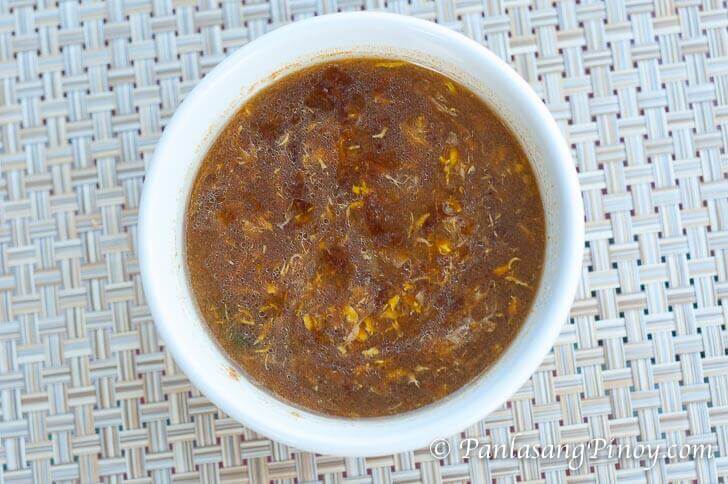
- Keep stirring for 1 to 2 minutes, until the egg forms thin strands throughout the broth. Transfer the batil to a bowl.
Do not stop stirring while the egg cooks. This keeps it in thin strands instead of letting it gather into one sheet, and the broth should stay cloudy rather than clear.
Assemble and Serve
- Place the poached egg over the miki noodles. Add the sauteed meat and vegetables, then top with the chopped lechon carajay.
- Serve the Pancit Batil Patung with the bowl of batil on the side, along with a dip made from chopped onion, soy sauce, and vinegar. Share and enjoy!
What to Serve with Pancit Batil Patung
- Onion, soy sauce, and vinegar dip – The one thing I would not skip. It is what cuts the richness of the liver and the pork belly.
- Calamansi – A wedge on the side for anyone who wants a little more acidity than the dip gives.
- Rice – This is a full plate on its own, but rice is how I eat the bone meat I pulled out of the stock.
- Crushed chicharon – Some cooks in Tuguegarao use it in place of lechon carajay, and a small dish of it on the table lets people add more crunch as they go.
- Siling labuyo – Chopped into the dip or served whole beside it for anyone who wants heat.
Storage
- Refrigerator: Keep the noodles and the batil in separate airtight containers for up to 3 days.
- Freezer: The plain beef stock freezes well for up to 2 months, and that is the part worth making ahead. Freeze it before any egg goes into it, in the amount you need for one batch. Cooked miki noodles turn soft after thawing and the poached egg does not freeze well, so leave both out.
- Reheating: Warm the batil in a saucepan until it is steaming hot without letting it boil, since a hard boil toughens the egg strands. If I have leftovers, I reheat only what I plan to eat and poach a fresh egg for the top, which takes about as long as warming the noodles.

More Noodle Recipes
- Pancit Miki Guisado – The same fresh noodles stir fried with chicken and grilled pork belly, seasoned with soy sauce and oyster sauce.
- Lomi – The same thick noodles served in a broth thickened with cassava flour, loaded with pork, kikiam, and meatballs.
- Chicken Lomi – A thicker chicken version with the consistency of egg drop soup.
- Hototay Soup – A Chinese Filipino soup with liver and vegetables, finished with a whole egg cracked into the bowl.
- Pancit Canton – Flour stick noodles tossed with pork, shrimp, and Chinese sausage in soy and oyster sauce.
Substitutions
- Carabeef – Minced beef is the usual stand-in outside Cagayan Valley, and it is what I use. Choose a cut with some fat in it, since carabeef is leaner than beef and the topping should not taste dry.
- Fresh miki noodles – Thick fresh egg noodles, sometimes labeled Hokkien, are the closest match. Bihon and canton are both too thin to hold up to the stock.
- Pork liver – Chicken liver works and tastes milder. You can also leave the liver out, though the topping loses some of its depth.
- Lechon carajay – Lechon kawali is the same thing under a different name in most kitchens, and crushed chicharon is the quicker option.
- Beef bones – Store bought beef broth with a beef cube stirred in will get you a batil on a weeknight. You will not have the bone meat to eat on the side, but the broth works when you need a quicker version.
- Mung bean sprouts – Add another cup of shredded cabbage. The texture is different but the volume works out the same.
Frequently Asked Questions
What does pancit batil patung mean?
Batil means to beat the egg and patung means placed on top. One word names the soup, where a raw egg is stirred into the stock, and the other names the mound of meat, vegetables, and poached egg sitting over the noodles.
Do I pour the batil over the noodles or drink it separately?
Pour it over. A few spoonfuls at a time is the usual way, so the noodles never end up sitting in a pool of it. Some people sip it on its own between bites instead. Either way, the two parts are meant to be eaten together.
Can I use regular beef instead of carabeef?
Yes, and that is what this recipe uses. Carabeef has a stronger, slightly gamey taste that beef will not copy exactly, so the plate comes out milder.
Why is the egg poached instead of fried?
A poached egg breaks into the noodles and mixes with the batil once you cut into it, and the soft yolk becomes part of the sauce. A fried egg holds together and brings its own browned flavor to the plate instead. Cooks in Tuguegarao poach it, and that is how I make it here.
Can I make the stock ahead of time?
Yes, and it makes the cooking much shorter on the day. Simmer the bones with the mirepoix and the beef cube, let the stock cool, and keep it covered in the refrigerator for up to 3 days. Reheat it before it goes into the pan with the noodles, and hold off on the egg until you are ready to serve.
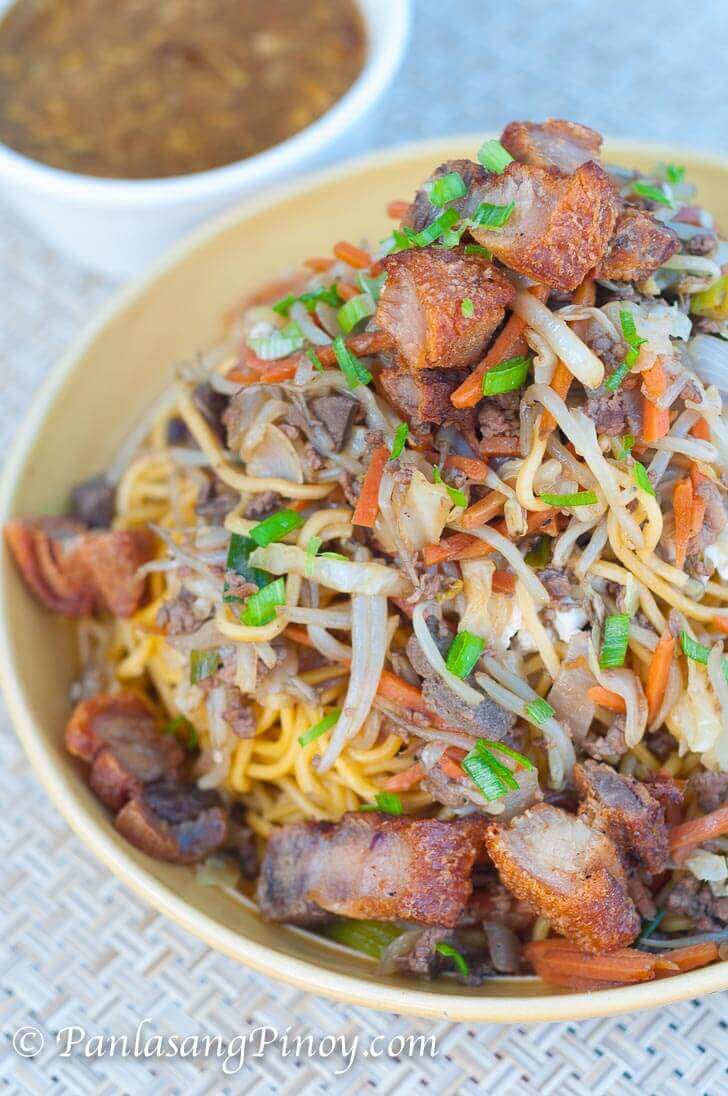
I serve the noodles while they are still moist, with the batil steaming on the side, then spoon the soup over a little at a time as I eat.
Watch How to Make It

Did you make this? If you snap a photo, please be sure tag us on Instagram at @panlasangpinoy or hashtag #panlasangpinoy so we can see your creations!
Pancit Batil Patung
Ingredients
- 6 oz minced beef
- 12 oz fresh miki noodles
- 3 to 4 oz pork liver sliced
- 1 piece red onion medium, cubed
- 1 1/2 cups mung bean sprouts
- 3/4 cup green onions chopped
- 1 cup cabbage shredded
- 1 cup carrot julienned
- 3 tablespoons soy sauce
- 1 piece egg
- 1/4 teaspoon ground black pepper
- 6 oz lechon carajay chopped
- 3 tablespoons cooking oil
For the Batil
- 1 lb beef bones with meat
- 1 piece beef bouillon
- 1 piece egg
- 6 to 8 cups water
- 1 stalk celery chopped
- 1 piece carrot medium, cubed
- 1 piece onion small, cubed
Equipment
- 1 Cooking pot For simmering the beef bones into stock.
- 1 Wide pan or wok Wide enough to hold the noodles on one side and the toppings on the other.
- 1 Cheesecloth and kitchen twine Holds the celery, carrot, and onion so the stock stays clear.
- 1 Small saucepan For finishing the batil with the egg.
Instructions
- Bring the water to a boil in a cooking pot. Add the beef bones and boil for 5 minutes.6 to 8 cups water, 1 lb beef bones with meat
- Place the chopped celery, carrot, and onion in a piece of cheesecloth and tie it securely with kitchen twine. Add the bundle to the pot.1 stalk celery, 1 piece carrot, 1 piece onion
- Add the beef bouillon. Reduce the heat to low and continue cooking for 45 minutes, or until the beef is tender. Add more water as needed. Set the stock aside once done.1 piece beef bouillon
- Heat the cooking oil in a wide pan or wok. Sauté the red onion until it softens.3 tablespoons cooking oil, 1 piece red onion
- Add the minced beef. Sauté for 3 to 5 minutes.6 oz minced beef
- Add the sliced pork liver. Continue sautéing for 3 minutes.3 to 4 oz pork liver
- Add the mung bean sprouts, green onions, cabbage, and carrots. Sauté for another 2 to 3 minutes.1 1/2 cups mung bean sprouts, 3/4 cup green onions, 1 cup cabbage, 1 cup carrot
- Pour 4 to 5 cups of the beef stock into the pan. Bring it to a boil.
- Push the meat and vegetables to one side of the pan. Place the miki noodles on the other side and toss them as they cook. Add the soy sauce and ground black pepper. Cook for 2 to 3 minutes.12 oz fresh miki noodles, 3 tablespoons soy sauce, 1/4 teaspoon ground black pepper
- Push the noodles to one side to make space in the broth. Crack one egg and gently slide it into the broth. Poach until cooked, then remove the egg and set it aside.1 piece egg
- Remove the noodles from the pan and arrange them on a serving plate.
- Scoop the remaining stock from the pan into a small saucepan. Turn off the heat, then transfer the cooked meat and vegetables to a clean plate. Set them aside.
- Bring the stock in the saucepan to a boil. Crack the remaining egg into the stock and stir quickly. Continue cooking while stirring for 1 to 2 minutes, or until the egg forms thin strands throughout the broth. Transfer the batil to a bowl.1 piece egg
- Place the poached egg over the miki noodles. Add the sautéed meat and vegetables, then top with the chopped lechon carajay.6 oz lechon carajay
- Serve the Pancit Batil Patung with the bowl of batil on the side, along with a dip made with chopped onion, soy sauce, and vinegar. Share and enjoy!


Leave a Comment