31 Adobo Recipes (Insanely Delicious Filipino Adobo Dishes)
Adobo is the dish I get asked about more than any other, and the honest answer is that there is no single version. We had chicken and pork adobo a lot growing up. They were the everyday ones, the meals that showed up on the table without anyone making a fuss about them. Squid adobo was a favorite too, and I still cook adobong pusit the same way now.
My mom and grandma loved adobong kangkong. It was budget friendly and it tasted good, so it stayed in rotation for years. And then there is chicken feet adobo, which took me a while to come around to. I learned to appreciate it in high school. Years later I figured out that cooking chicken feet adobo style first is exactly what makes grilled chicken feet work. The adobo step tenderizes and flavors them before they ever hit the grill.
So when I say adobo means something different to every Filipino family, I mean it. Ask ten households how they cook it and you get ten answers. Some use more vinegar. Some skip the soy sauce and keep it white. Some cook it down dry, others keep it saucy for the rice. What follows is thirty one of them, grouped by what you are cooking. Chicken and pork come first because that is what most people are after, and each section opens with the recipe I always go back to.
Chicken Adobo Recipes
Chicken adobo is where most people start, and it is one of the two we ate constantly at home. It cooks faster than pork and the meat stays tender even if you lose track of time. Learn this one first. Everything else here starts from that same idea.
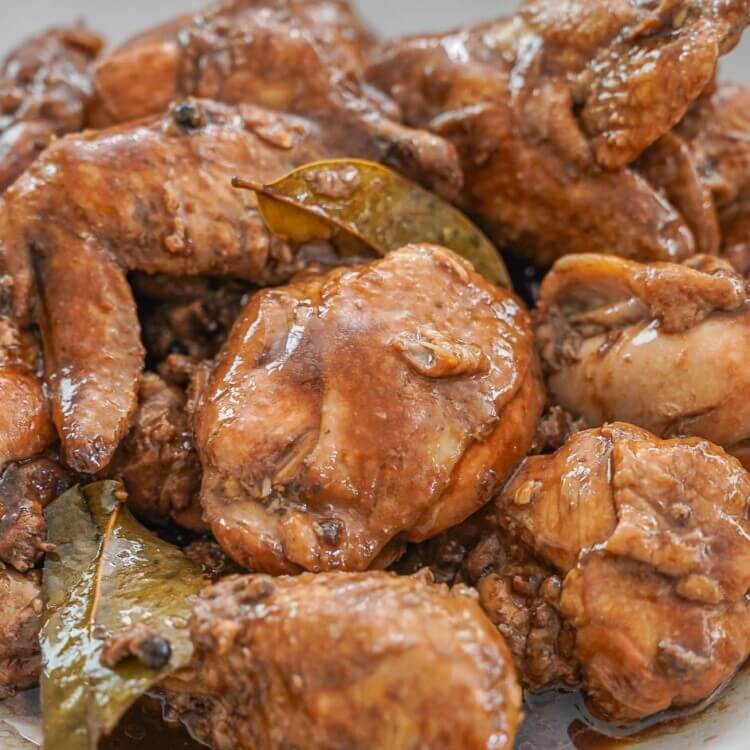
1. Filipino Chicken Adobo
This is the chicken adobo I point everyone to. You marinate chicken in soy sauce and garlic, pan fry it to give the skin some color, then simmer it in vinegar, peppercorns, and bay leaves until the chicken is tender. The sauce reduces while it cooks, so it ends up thick enough to spoon over rice. It uses ingredients you already have, and once you can make this one well, every other version on this page is within reach. If you only ever cook one adobo, make it this.
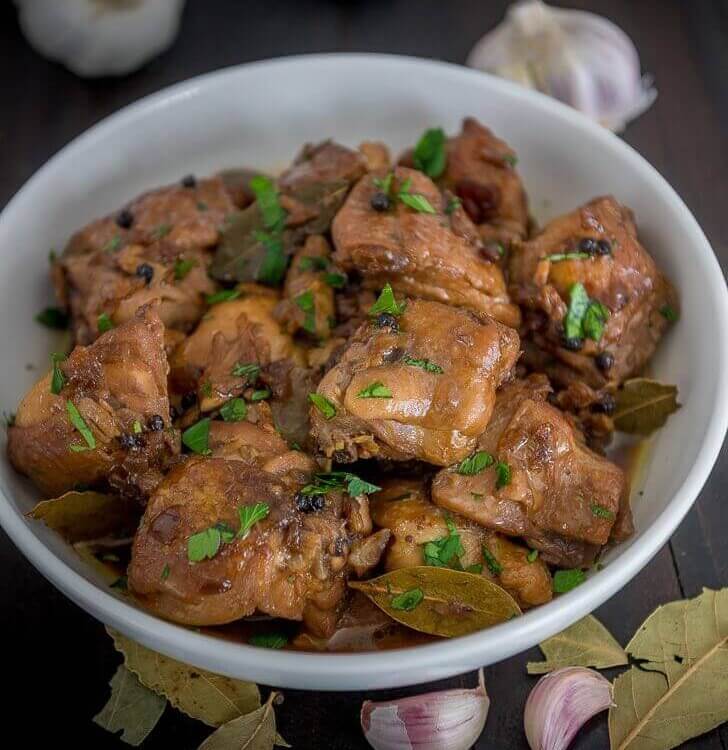
2. Easy Chicken Adobo
A faster take on the classic, built for busy weeknights. It skips the separate pan frying step and cooks everything in one pot, so the chicken simmers straight in the soy sauce, vinegar, and garlic until tender. You lose a little of the browned texture but keep all the flavor. It comes together in about forty minutes from start to finish. Cook this on the nights you want adobo without the extra steps.
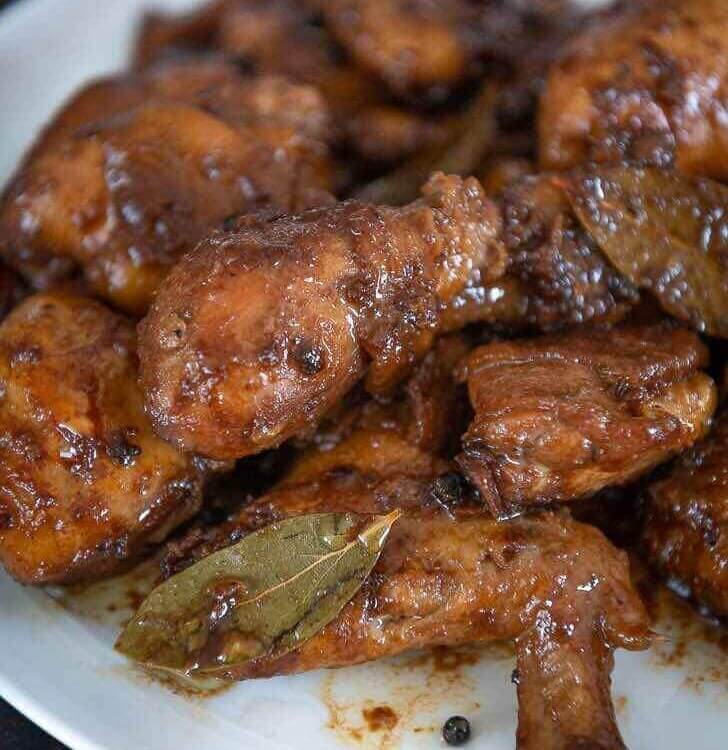
3. Killer Chicken Adobo
This is the bolder, more intense version of chicken adobo. It uses more garlic, more peppercorns, and a longer reduction so the sauce thickens and coats every piece. The extra garlic mellows as it cooks and gives the dish a deeper, rounder flavor than the standard recipe. It is the one I cook when I want a stronger chicken adobo. Serve it with plenty of rice to balance the saltiness.
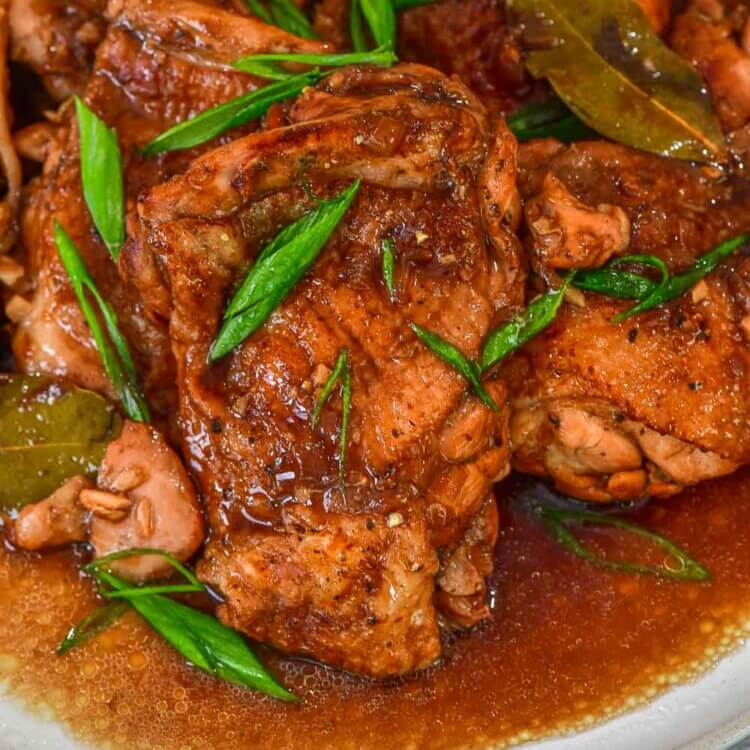
4. Chicken Adobo Using Boneless Chicken
Boneless chicken thighs replace the usual bone in pieces here. It cooks faster and is easier to serve to kids who do not want to deal with bones. Since the bones normally add flavor to the sauce, this recipe adjusts the seasoning to make up for it. The thighs stay juicy and soak up the soy sauce and vinegar well. Good for quick dinners and packed lunches.
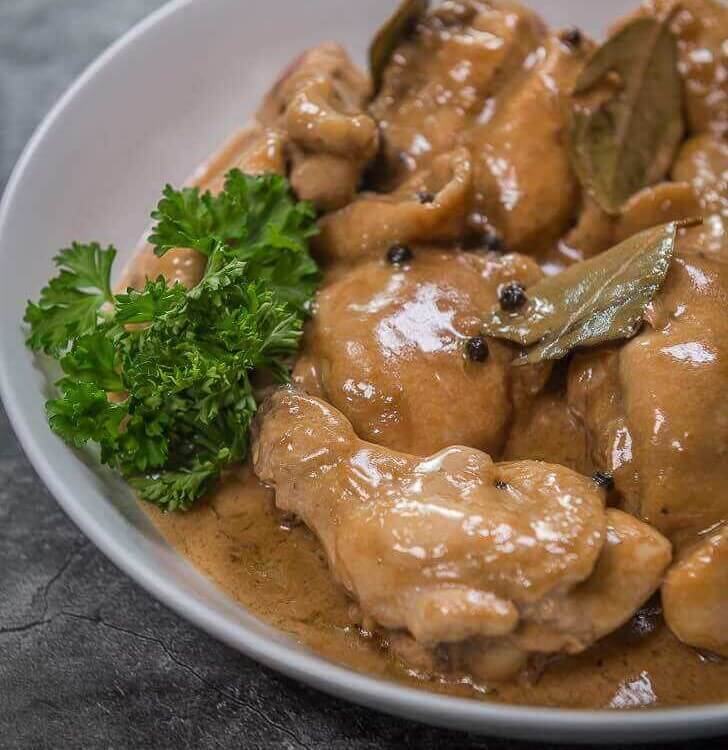
5. Chicken Adobo sa Gata
Coconut milk goes into this one near the end. The gata goes in near the end and changes the whole character of the dish, turning the sauce rich and a little sweet against the vinegar. It is common in the Bicol region, where coconut shows up in many dishes. A few green chilies are worth adding for heat. Serve it saucy so the coconut sauce soaks into the rice.

6. Chicken Adobong Puti
This is the white version of chicken adobo, made without soy sauce. Salt does the seasoning instead, so the dish stays pale and the vinegar flavor comes through more clearly. It is closer to how adobo was made before soy sauce became common in Filipino kitchens. You find it more often in the Visayas and Mindanao. If you have only ever had the dark version, this one is worth trying for the difference alone.
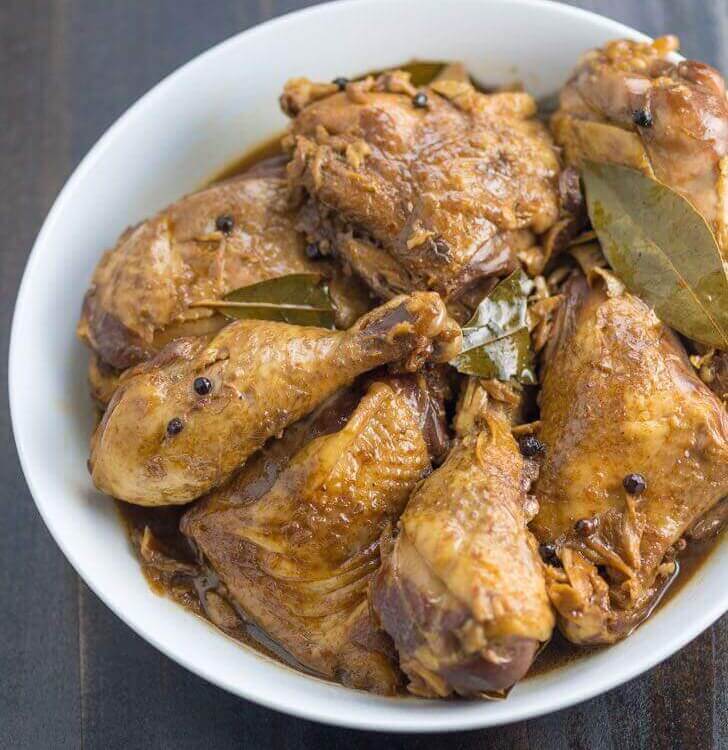
7. Sous Vide Chicken Adobo
Sous vide is not the traditional way to cook chicken adobo, but it gives you very even, tender meat. The chicken and marinade go into a sealed bag and cook at one steady temperature, so the meat never overcooks. After the water bath you sear it and reduce the sauce on the stove. It is not how my family did it, but the chicken comes out tender and consistent every time. A good option if you already own the equipment and want a hands off method

8. Chicken Adobo with Egg
Boiled eggs join the classic chicken adobo here. The eggs simmer in the sauce until they pick up color and flavor, almost like the way pork adobo with egg works. They stretch the dish to feed more people without adding much cost. At our table the eggs were usually gone before the chicken. Add as many as you like.
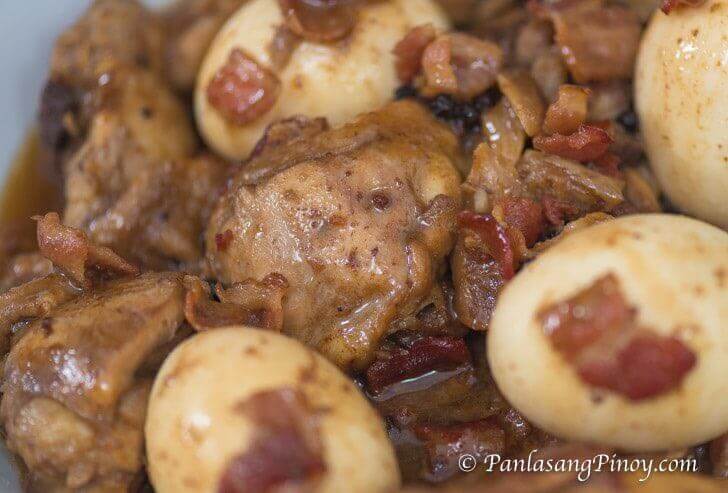
9. Bacon and Egg Chicken Adobo
Bacon and boiled eggs go into the standard chicken adobo. The bacon brings smoke and extra salt that the basic recipe does not have, and it renders some fat into the sauce. It leans toward a heavier, breakfast style plate. Serve it over garlic rice with the egg on the side. A good one for a filling weekend meal.
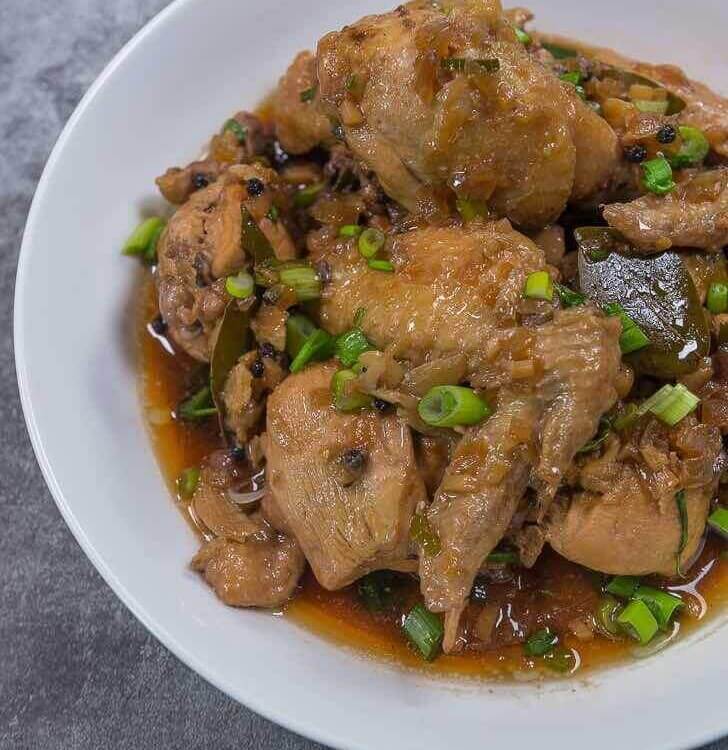
10. Adobong Manok sa Buko
Young coconut, or buko, cooks into this chicken adobo. The buko keeps the sauce light and adds a soft sweetness that plays against the vinegar instead of fighting it. The strips of young coconut meat cook into the dish and give it a different texture. It is a gentler take than the standard adobo. Worth trying when you want something a little milder.
Pork Adobo Recipes
Pork adobo was the other constant growing up. It is the richer one, since the fat renders down into the sauce and gives it a body that chicken cannot reach. Pork belly is my default. The versions below show how far the dish stretches once you have the basic method down.
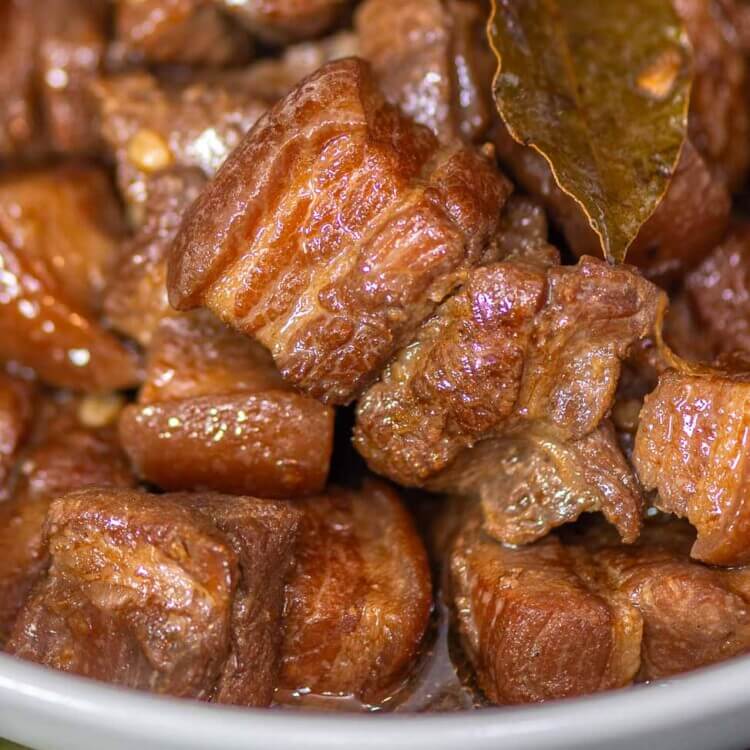
11. Pork Adobo
This is my main pork adobo and the base for nearly everything else in this section. It uses pork belly simmered in soy sauce, vinegar, garlic, peppercorns, and bay leaves until the meat is fork tender and the fat has softened into the sauce. The longer it cooks, the richer the sauce gets. Pork belly is the cut I reach for, but pork shoulder works too. Get comfortable with this and the rest are just small adjustments.
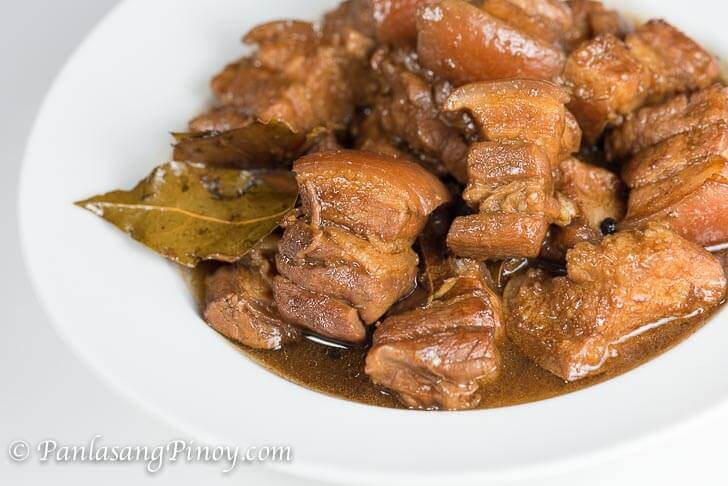
12. Basic Pork Adobo
This is the most pared down pork adobo, written for someone making the dish for the first time. There are no extra ingredients to track down, just pork, soy sauce, vinegar, garlic, peppercorns, and bay leaves. The steps are laid out plainly so you can get the method right before you start experimenting. The result is a solid, everyday pork adobo. Start here if you are new to cooking it.
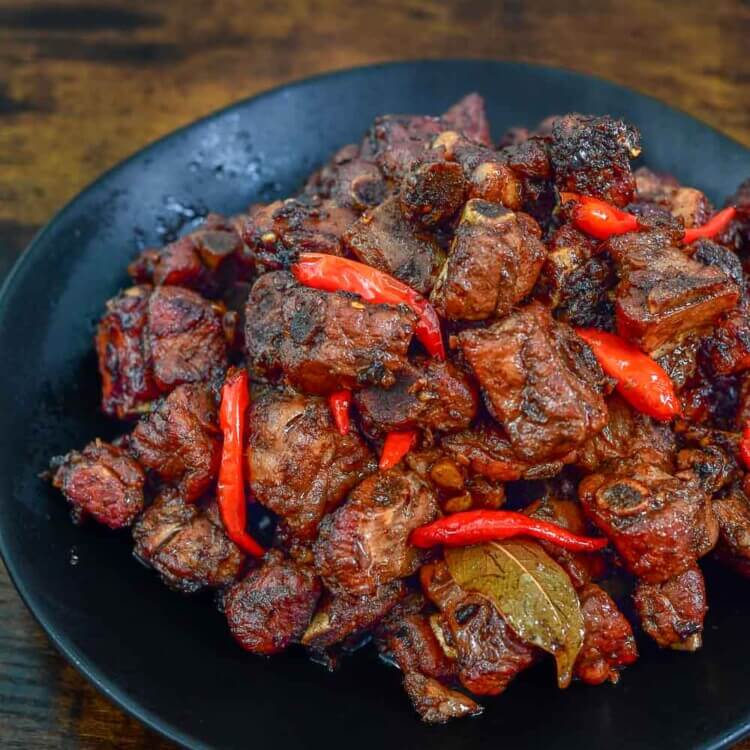
13. Spicy Pork Ribs Adobo
Pork ribs stand in for belly here, with chilies worked into the sauce for heat. The bones give up a lot of flavor as they cook, so the sauce turns richer. Once the ribs are tender the meat pulls away from the bone cleanly. The chilies make it noticeably spicier than the standard pork adobo. A good one for anyone who likes ribs and a bit of heat.

14. Adobong Baboy sa Gata
This is pork adobo finished in coconut milk. The gata rounds off the sharp edge of the vinegar and helps the sauce cling to the meat, giving it a creamy richness. It is a Bicol style take on the everyday version. A little chili cuts through the coconut nicely if you want it. Keep it saucy and serve it over plenty of rice.
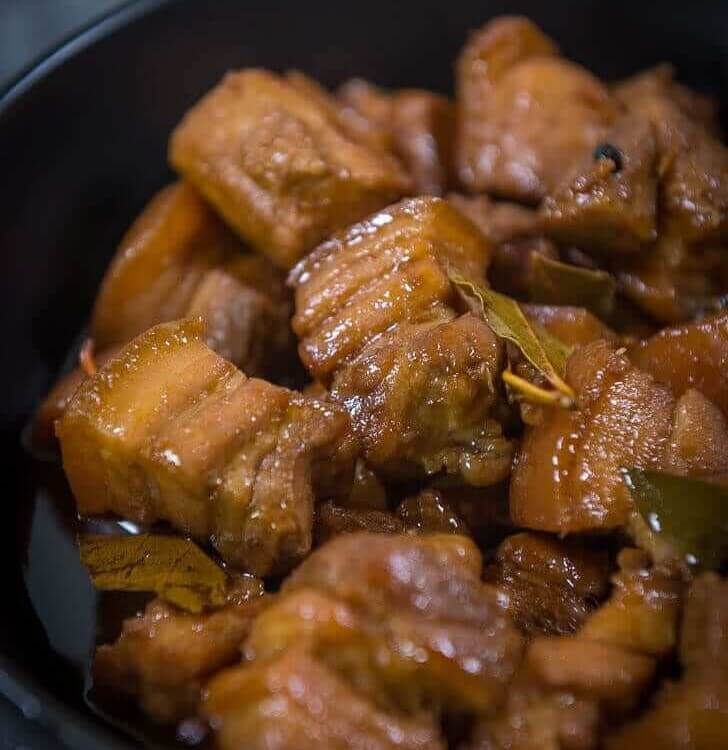
15. Coke Pork Adobo
Coca-Cola goes into the sauce in this pork adobo. It sounds strange until you taste it. The sugar cooks down into the sauce and gives it a little sweetness, while the cola also helps tenderize the pork. The result is a slightly sweeter, darker adobo with a thicker sauce. Plenty of cooks swear by this trick, and it is worth trying once.
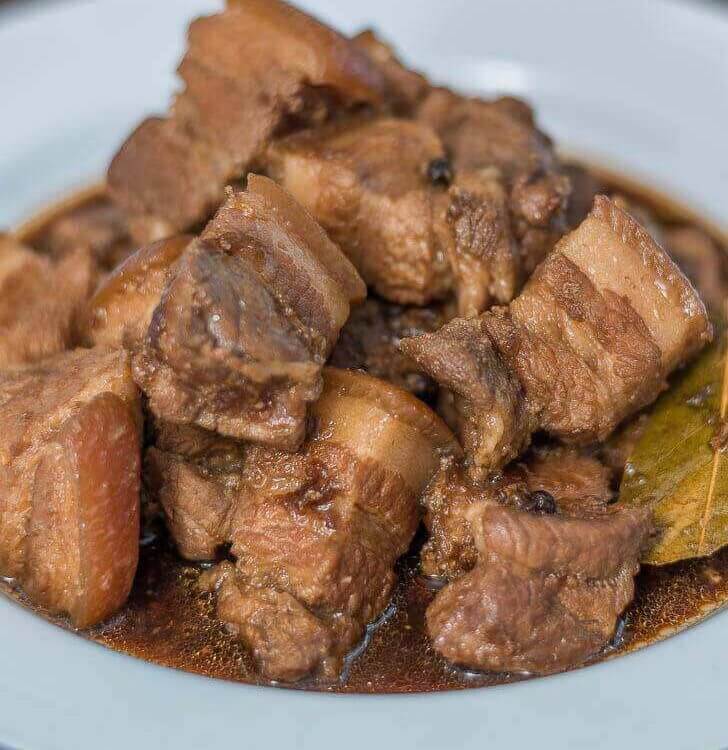
16. Sprite Pork Adobo
Same idea as the Coke version, with a lighter touch. The citrus soda keeps the sauce clearer in color while still adding that bit of sweetness and helping tenderize the pork. The flavor is a little lighter than the cola version. It is a good middle ground between the classic and the sweeter Coke adobo. Try it if you found the Coke version too dark or heavy.
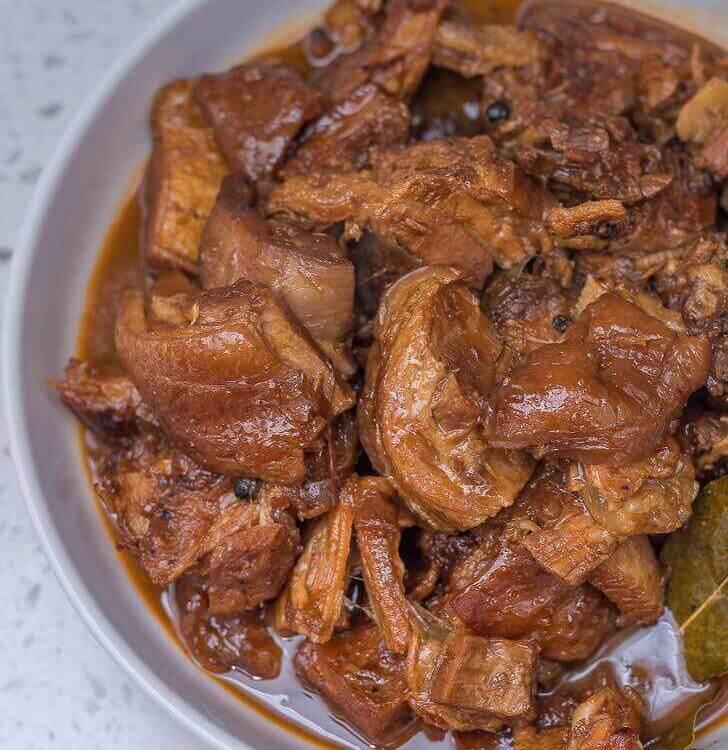
17. Lechon Belly Pork Adobo
This is what to do with leftover lechon belly instead of letting it sit in the fridge. The pork is already roasted and crisp, so the adobo sauce coats it rather than cooking it from raw. You get the crackling texture of lechon with the soy sauce and vinegar flavor of adobo. It comes together quickly since the pork is already cooked. A smart way to give leftover lechon a second life.
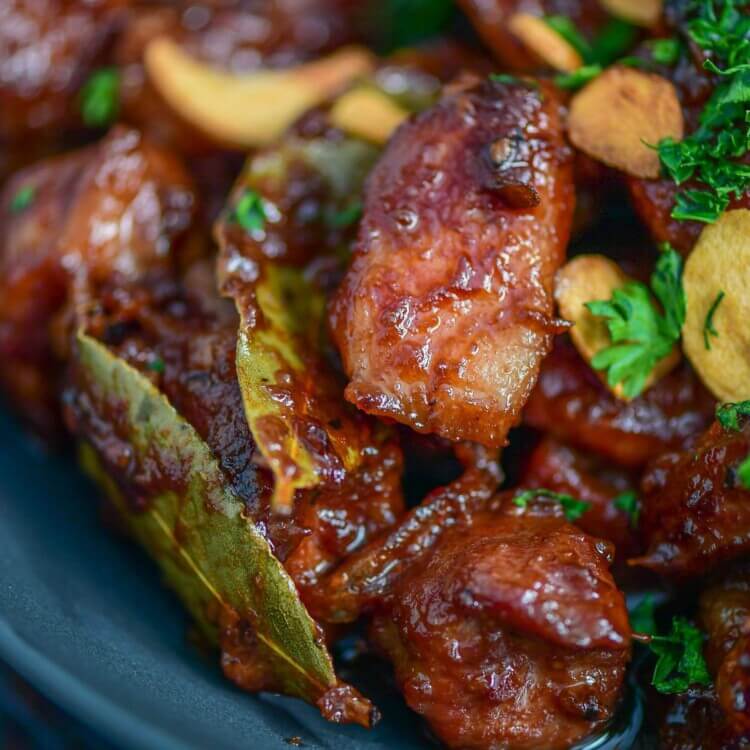
18. Pinakamasarap na Pork Adobo
This is my attempt at the most flavorful pork adobo, with every part of the technique pushed as far as it goes. It uses a longer simmer and a careful reduction, with real attention to when the vinegar goes in and when to leave it alone. The pork comes out very tender and the sauce is thicker and stronger. It takes more time than the basic version, but the payoff is in the flavor. Cook this when you are not in a hurry.
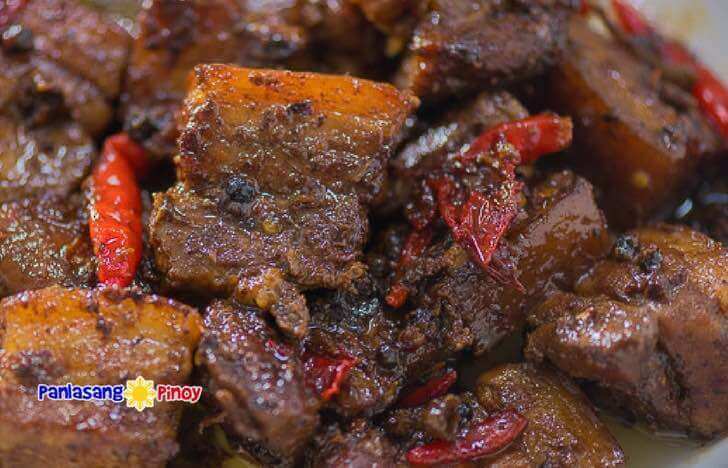
19. Extremely Spicy Pork Adobo na Tuyo
Here the adobo cooks down until almost no sauce is left, with the heat right out front. The “tuyo” part means dry, so the pork ends up coated in a thick, sticky glaze rather than sitting in liquid. Plenty of chilies make it genuinely hot. It is for people who want a dry, very spicy adobo, not a dish for everyone. Eat it with a lot of rice.
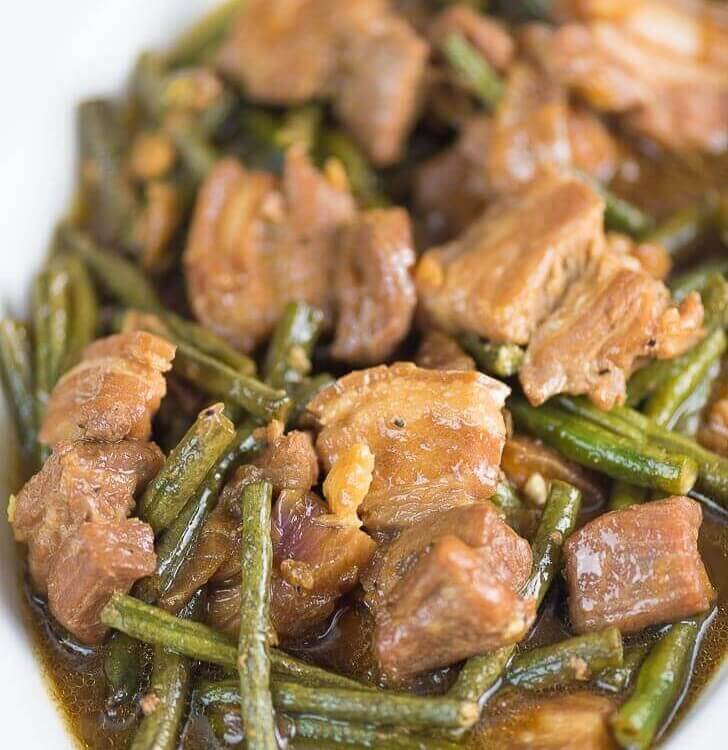
20. Pork Adobo with Sitaw
This is pork adobo with string beans, or sitaw, cooked in near the end. The beans soak up the sauce as they soften and add some vegetables to the plate. It turns a serving of pork adobo into a fuller, more balanced meal without much extra work. The sitaw stays slightly crisp if you do not overcook it. A good way to stretch the dish and use up vegetables.
Seafood Adobo Recipes
Squid adobo was one of my favorites as a kid, and it is still the one I reach for when I want something off the usual chicken and pork dishes. Seafood took to the adobo method the same way meat did. The one thing to watch is timing, since these cook fast and turn rubbery if you walk away.
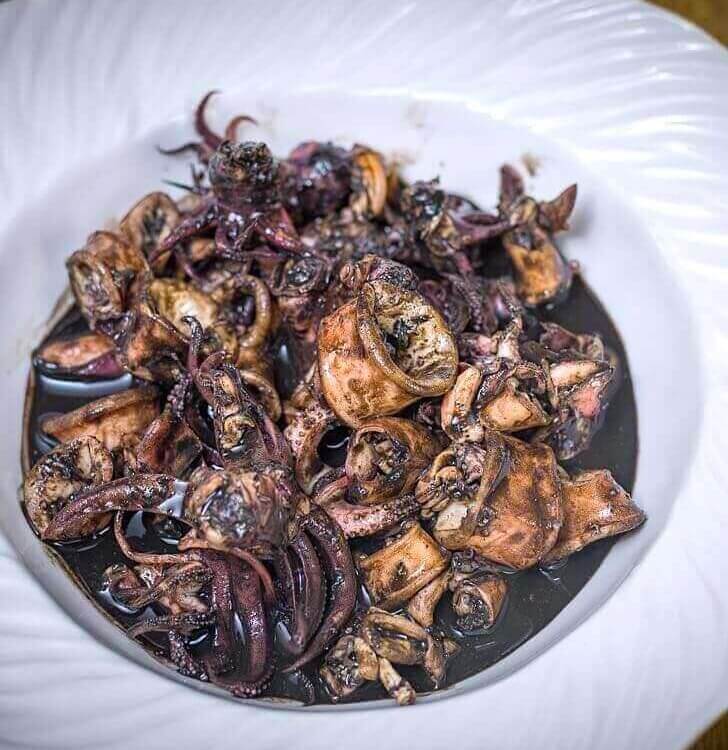
21. Adobong Pusit
This is squid adobo, the one I grew up on and still make the same way. Small squid work best because they stay tender and cook quickly. The squid ink turns the sauce black, and for me, that dark sauce over hot rice is the best part. It uses the same soy sauce and vinegar base as the meat versions, just with a shorter cooking time. Do not overcook the squid or it turns rubbery.
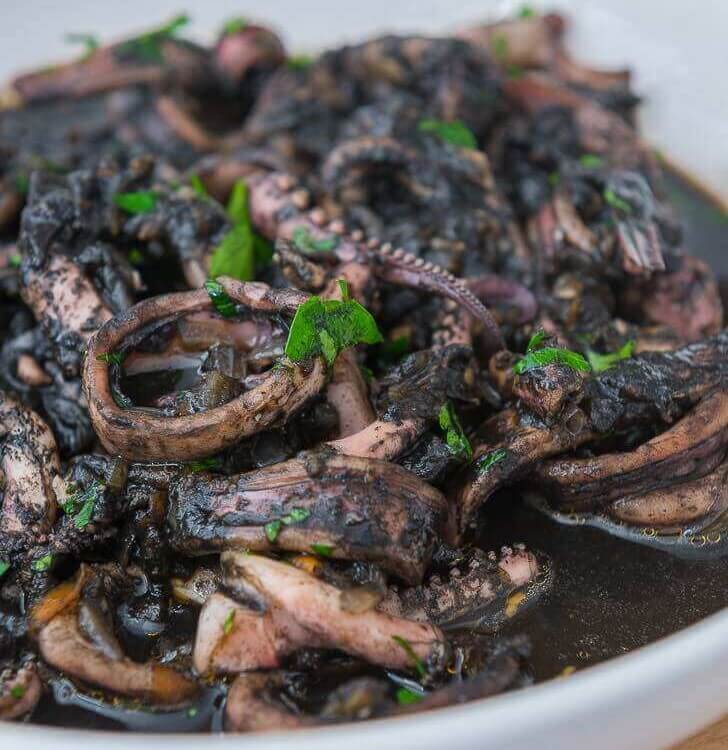
22. Easy Adobong Pusit
A faster, simpler squid adobo for a weeknight. It keeps the same soy sauce, vinegar, and garlic flavors but trims the steps so it comes together quickly. The squid cooks in just a few minutes, so the dish is done before the rice is ready. It is a good recipe to start with if you have never cooked squid at home. Watch the timing closely so the squid stays tender.
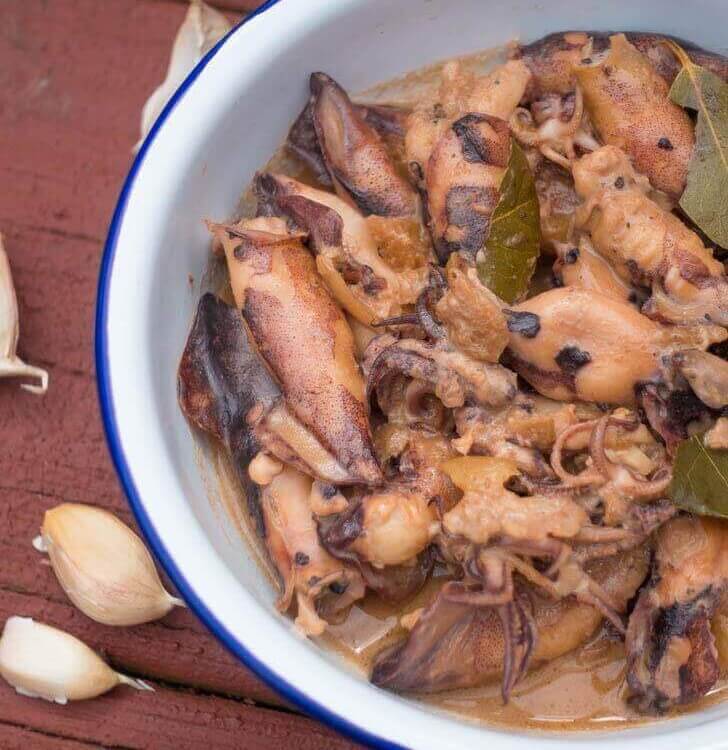
23. Adobong Pusit sa Gata
This is squid adobo with coconut milk stirred in. The gata smooths out the brine and turns the sauce creamy without burying the squid flavor. It is a richer cousin of the squid adobo I grew up with. The coconut also softens the sharpness of the vinegar. Serve it saucy so the coconut sauce coats the rice
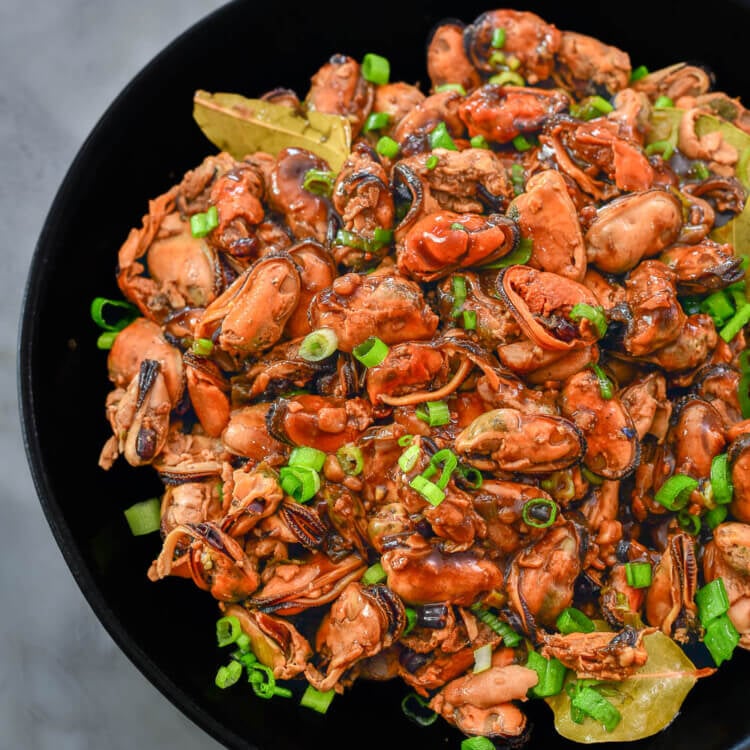
24. Adobong Tahong
Mussels get the adobo treatment here. The mussels take on the garlic and vinegar quickly, so the whole dish comes together in just a few minutes. It works as a main with rice or as something to pick at with a cold drink. Use fresh mussels and do not overcook them or they shrink and toughen. A fast, budget friendly way to cook seafood
Vegetable Adobo Recipes
You do not need meat to cook adobo, and my mom and grandma proved that every week with adobong kangkong. These are cheaper and faster than the meat versions, and they take on the soy sauce and vinegar flavor just as well. Good as a side, good as a main over rice.
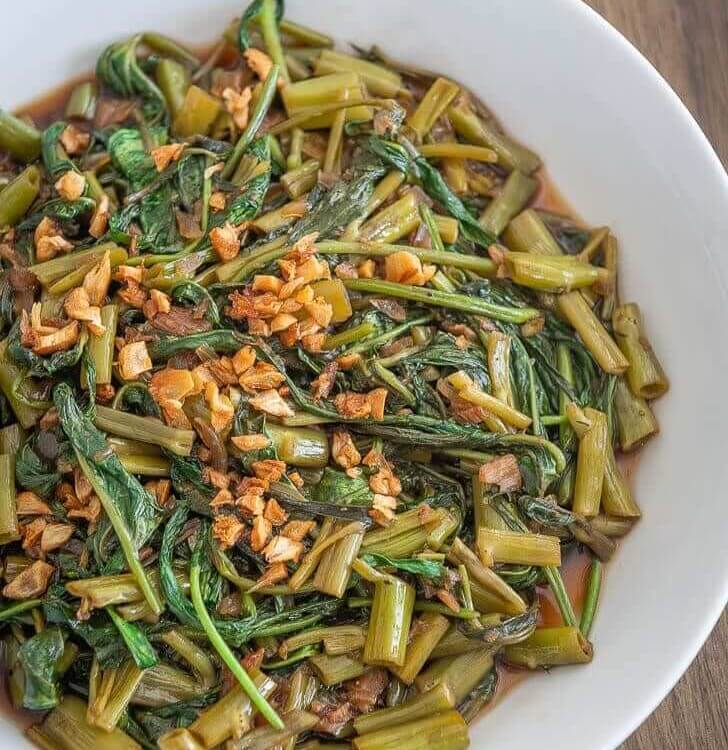
25. Adobong Kangkong
This is water spinach cooked adobo style, the one my mom and grandma loved. It uses kangkong, garlic, soy sauce, and vinegar, and that is about it, which is why it is so cheap to make. The kangkong cooks in about five minutes, so this is one dish you really cannot walk away from. Cook it just until the leaves wilt and the stems still have a little bite. Budget friendly, quick, and genuinely good.

26. Adobong Sitaw
String bean adobo, usually cooked with a little pork for flavor. The sitaw soaks up the soy sauce and vinegar while staying slightly crisp. It is one of the most reliable budget dishes there is, and it reheats well the next day. The small amount of pork is enough to season the whole pan. A solid everyday vegetable dish.
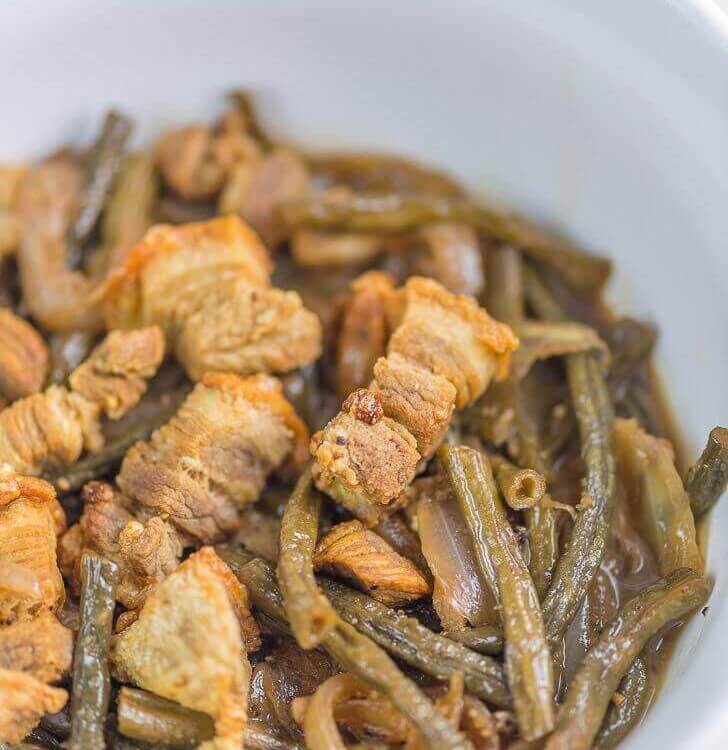
27. Adobong Sitaw with Lechon Kawali
This is the same string bean adobo, dressed up with crispy pork belly on top. The vegetables stay light while the lechon kawali adds crunch and a hit of fat. The crisp pork and tender beans work well together. It is more of a complete meal than the plain version. Make extra lechon kawali because it disappears fast.
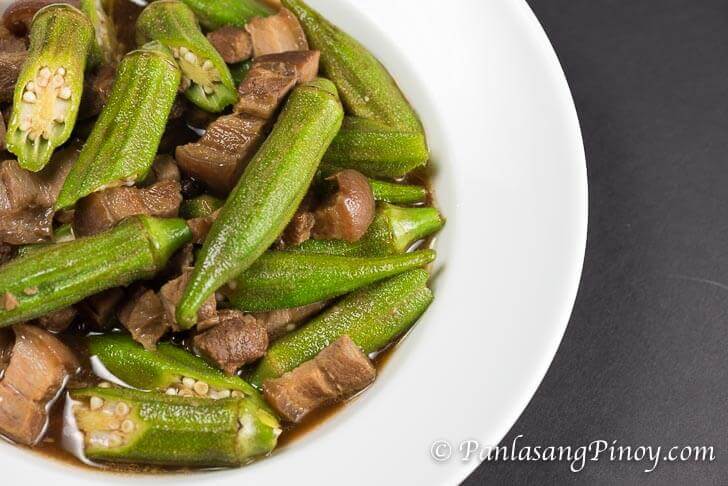
28. Adobong Okra with Pork
Okra cooks adobo style here, with a bit of pork to carry the flavor. The okra holds the sauce well and the pork keeps it from tasting like a plain vegetable dish. Cooking okra this way also keeps it from getting too slimy. It is quick, cheap, and a good way to use a vegetable people often skip. Serve it as a side or a light main.
Offal and Adventurous Adobo
This last group is where adobo gets interesting. Organ meats, combinations, and a few that are not for everyone. If you already know the classics by heart, this is where I would point you next.
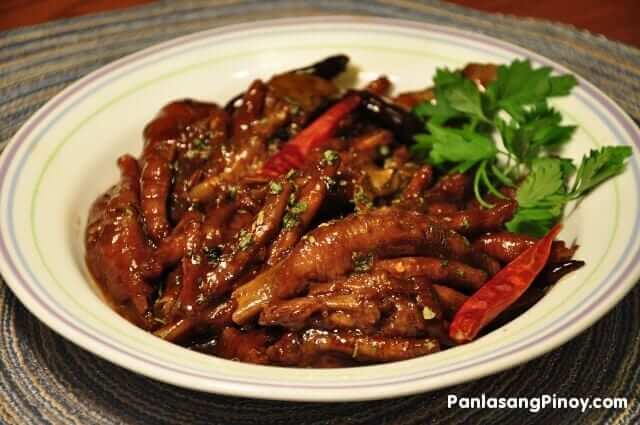
29. Chicken Feet Adobo
This is chicken feet cooked adobo style, simmered in soy sauce, vinegar, and garlic until soft. I did not like chicken feet as a kid. It took until high school for me to actually appreciate this one, and now I make it on purpose. Here is something I learned later. Chicken feet are often cooked adobo style first before they are grilled. It tenderizes and flavors the chicken feet before they hit the grill.
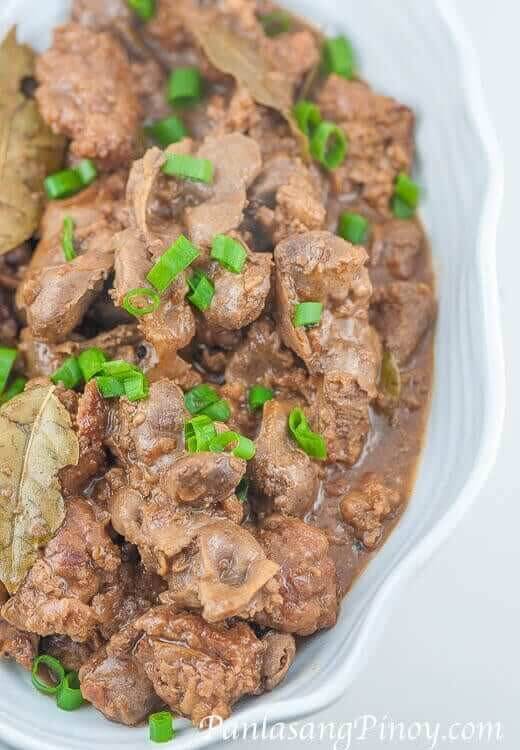
30. Chicken Liver and Gizzard Adobo
Chicken livers and gizzards go into the adobo sauce here. You get two textures in one pan. The liver turns soft, while the gizzard stays firm and chewy. It cooks quickly and costs very little, since these are cuts most people overlook. If you are into organ meats, it is full of flavor and pairs well with rice.

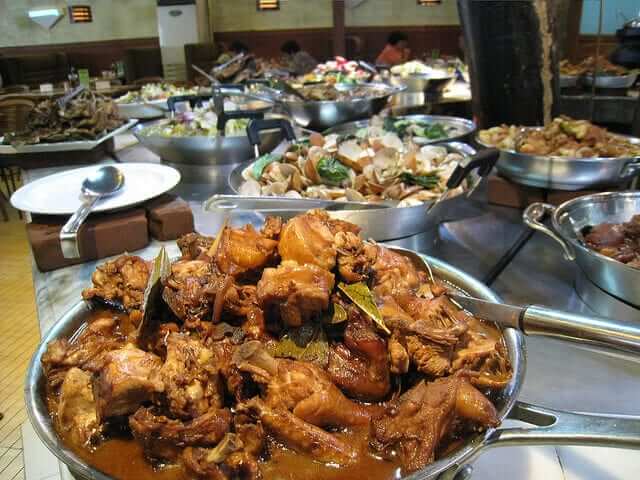
31. Pork and Chicken Adobo
This combines both meats in one pot, the way a lot of households actually cook it. The pork fat enriches the sauce, while the chicken keeps the pot from feeling too heavy. You cook the pork a little longer since it takes more time to tenderize, then add the chicken. It is a practical way to feed a bigger group. This is a good one to end with because these were the two we ate most.
Which Adobo Will You Cook?
That is thirty one ways to cook adobo, from the chicken and pork we ate growing up to the squid I still love and the chicken feet I had to grow into. There is no wrong version. Start with the recipe at the top of whichever section fits your night, get the method down, then work your way toward the ones that surprise you. Give one a try and let me know what you think.

Les says
Vanjo! insanely FABULOUS post! I love your passion for food! And you have remained skinny too! lol!!
Ching says
You forgot the ginataang pork and chicken adobo ?meat adobo with coconut milk and sili
Vanjo Merano says
Ching, I agree. I am sure that there are more to add to the list. Maybe I can make another post for all of these 🙂