• Skip to primary navigation
  • Skip to main content
  • Skip to primary sidebar

Panlasang Pinoy

Your Top Source of Filipino Recipes

  • Start Here
  • All Recipes
    • Course
      • Breakfast
      • Lunch
      • Appetizers
      • Dessert
      • Dinner
    • Ingredient
      • Chicken
      • Pork
      • Beef
      • Turkey
      • Vegetable
      • Fish
      • Rice
      • Egg
      • Tofu
      • Noodles
    • Type
      • Adobo
      • Bread
      • Fried Chicken
      • Sinigang
      • Kilawin
      • Ginataan
      • Kaldereta
  • Cooking Schools
  • About
Facebook
Instagram
Pinterest
YouTube
Home Culinary Arts

Culinary Arts

Where to Get Culinary Scholarships

Enrolling in a culinary school also entails some expenses. It is true that this type of school is relatively more expensive than other courses. If you do not have enough savings to get into a culinary school, does it mean you should just give up on your dream? Of course not!

What you could do is to check out some culinary scholarships and try to qualify into one. This means getting some help so you could fulfill your dreams to immerse in the culinary profession one day.

Where to Find Culinary Scholarships

Even if you know for a fact that you have a limited budget to spend for your studies, there are numerous options for scholarship. Here are the top 8 culinary scholarships which you might want to consider:

Culinary Institute of America

CIA has been known for providing outstanding culinary education. Now, they are extending their arms to more students by granting scholarship not just for students within the U.S. but also to those who are from other countries. Students who are interested to apply need to accomplish the financial aid forms and complete additional requirements which the school might request for.

American Culinary Federation

photo credit: flickr.com/US Army Africa

The scholarship is open for high school students, college students and even professional chefs. There are different terms and conditions which apply depending on the current status of the aspirant. It is important to check eligibility and comply with the specific requirements before the deadline because this will serve as the basis of the scholarship review committee when deciding who to give the grant to.

Northwest Culinary Institute

The scholarship is applicable only for high school students on their senior year who want to enroll into a culinary arts program. The institution offers two $2,000 scholarships.

Le Cordon Bleu Culinary Scholarship

This school has been providing culinary scholarships not just within the U.S but also in other countries. Qualified students would get about 90% to 100% scholarship which will ease them from the expenses.

International Culinary Center

There are several types of scholarship which the school grants to students and the level of assistance varies too. Among which include military veteran scholarship, international student scholarship, Achievement Scholarship Program, C-CAP and a whole lot of others.

American Academy of Chefs

This grant is open for high school seniors as well as current college students. So long as the student pursues culinary arts and is qualified for the grant, he/she may apply. The culinary scholarships can also be used in schools like the Chef’s Academy, Johnsons and Wales University or Culinary Institute of America.

Chefs4Students

The scholarship is open for students who are already enrolled in culinary arts. Upon application, the student should have attended at least 6 weeks of the program. Students who are applying for the grant should have an impressive academic record.

James Beard Foundation

The amount of assistance and number of grants which will be given each year may vary but usually, the details are announced every April of each year. The scholarship is open for students who are aiming for culinary arts degree or wine studies.

What is a Pastry Chef?

What makes a pastry chef different from all other chefs across the globe? Does it mean having more knowledge than others? Will it lead to bigger salary package? When getting into culinary arts, it is also important to have a specialization sometimes. Others would not want to do this because it could limit their opportunities.

The truth is, specializing in a particular culinary area will make one even more valuable especially to employees who have specific prerequisites from the people that they hire.

If there is a chef who concentrates on assembling the most sumptuous meals, a pastry chef is in charge of creating artful desserts and sweet masterpieces. In hotels, bakeries, restaurants, cake shops and other places for desserts, a pastry chef is in charge of all the aspects involved in creating the products—from recipe, creation process and even up to designing.

Different Types of Pastry Chef

Pastry chefs are all the same in a sense that they all focus on making desserts. However, there is also a slight variation among pastry chefs, depending on the nature of what they are really good in and what they regularly do.

Cuisine-Centered Pastry Chef—It can not be denied that different cultures have varying types of desserts too. Being a pastry chef could mean focusing only on French, Italian or other desserts from specific cuisines.

Style Pastry Chef—Some pastry chefs do not really learn all the different variants of desserts. Yes, they start with all the basic knowledge about making these sweet delicacies but they eventually put all their attention to one style. For example, a pastry chef may only create cakes for weddings and special occasions. On the other hand, there are those who excel in assembling single-serve desserts in fine-dining restaurants and premiere hotels. Interestingly, the work of a pastry chef always bears his/her signature. It could be the way that the toppings are placed, the method of layering the cake or even the swirls that are created with the top layer of icing.

Small or Medium Scale Service—Not all pastry chefs would end up serving dessert for 100 people or for a big event. There are some who opt to downsize the number of customers but pump up the quality and excellence of what they create. A pastry chef who works for a hotel, restaurant and other venues with bigger number of diners is more trained when it comes to high volume dessert preparation. On the other hand, a pastry chef for an elite family, a small café or a specialized bakeshop, is more focused on smaller volume of orders but usually the desserts are more sophisticated too.

Other Roles of a Pastry Chef

Aside from creating interesting desserts, a pastry chef should also keep in mind that there are other tasks that are included in his/her occupation. Among the pastry chef duties are ensuring that kitchen staff is doing their work the right way, regular checking and inventory of supplies and maintaining the cleanliness, tidiness and sanitation within the workplace.


What is Iodized Salt?

If there is staple, ordinary, rock salt, why are people encouraged to use iodized salt instead? This is mainly because this type of salt is fortified with additional amount of iodine. Because of that, regularly adding this instead of the typical rock salt leads to higher intake of iodine.

Iodized-Salt

Iodine is essential when it comes to maintaining excellent condition of the thyroid gland. Some people easily assume that thyroid does not exactly need special care. However, the truth is that jeopardizing its health can lead to a lot of different illnesses. Among the usual problems include goiter. This is caused by the swelling of the thyroid gland. Hence, a lump may develop within the neck area. Goiter is typically accompanied by pain and difficulty in swallowing and eating.

Regular intake of iodized salt can also help in combating the illness called cretinism. It is triggered by iron deficiency and it also makes a person suffer from developmental and mental delays.

photo credit: flickr.com/DaGoaty

We commonly hear encouragement to use iodized salt these days because of its health benefits. Interestingly, the role of iodine in fighting goiter and cretinism was only discovered during in the 20th century. In the mid 1920s, production and selling of this became popular within the United States. The years before this, particularly during the World War II, a lot of men were considered as unfit for duty because they have iron deficiency. At first, manufacturers were apprehensive to venture into production of this type of salt since people might not buy them. Plus, it also involves extra steps in the manufacturing process. However, when consumers realized the benefits they could get with it, sales began to rise too. Since then, bold steps were taken to increase the production of this salt so people could escalate the amount of iodine that they can get. The use of iodized salt became more popular.

Today, this type of salt can be easily differentiated from the traditional rock salt. It has a finer texture and the labels specify whether it contains dietary iodine or not.

To be able to enjoy the benefits of salt with dietary iodine, it does not mean that one has to take consume a large amount of it every single day. According to nutritionists, it the only recommended amount is about 150 micrograms per day. This is already sufficient to avoid diseases like goiter and cretinism. One teaspoon of it already contains 400 micrograms of iodine. Hence, there is no need to make your dishes extra salty. A pinch of it on every recipe will already suffice.

The price of salt with iodine is not much higher compared to the regular rock salt. Aside from that, this would not give your dishes an altered taste. Hence, it would not make much difference to switch to salt with iodine.

Given the fact that iodized salt works pretty much the same as the typical rock salt, there is no reason to hesitate with its use. It will add more nutrition to your food without making you spend more just to achieve the right amount of saltiness.

Culinary Schools in the Philippines

The Culinary Schools in the Philippines might be one of the reasons for the lively and colorful food scene in the country. The food culture in the Philippines is just as interesting as its diverse society and immensely rich history. The country has derived influences from various nations, which gives birth to a unique set of all-Filipino dishes and delicacies. The Filipinos are known for their love for food, whether there is a celebration or just an ordinary day. The country has so much to offer when it comes to wining and dining. The culinary schools in the Philippines have been a huge influence in improving the food scene in the country.

Culinary Schools in the Philippines

For individuals who have the strong desire to have a career in culinary arts, you do not have to look too far to find a school to enroll into. Whether it is in Luzon, Visayas or Mindanao, there is a school which can provide top-notch culinary education. What is even better is that culinary schools in the Philippines do not only enrich the knowledge of students when it comes to Filipino cooking. They also learn about international cuisines, specialized techniques and other world-class strategies.

Are you thinking about enrolling into culinary arts too?

Here are a handful of culinary schools in the Philippines that you can check:

Academy for International Culinary ArtsThe Academy for International Culinary Arts

AICA has two branches in the Philippines. One is in Manila and the other one in Cebu City. This is recognized as a premiere culinary school because of their state-of-the-art facilities, highly-trained faculty and world-recognized curriculum. To ensure that every student will get the education and training that they deserve, AICA limits the population of their students per classroom. The school has diploma, certificate and special elective programs. Among the courses that they have are Commercial Cooking, Kitchen Management, Introduction to International Cuisines, Baking and Pastry Making, Bar Tending and a whole lot of other interesting culinary aspects.

Center for Culinary ArtsCenter for Culinary Arts

CCA culinary school in Quezon City is under the Cravings Group of Company. Their main goal is to bring out the innate skills and talent of their students when it comes to cooking. On top of that, they will also enhance the skills so that their graduates can compete with other culinary professionals in other parts of the world. For individuals who intend to get a bachelor’s degree, they have B.S. Culinary Management. There are other shorter courses which range from 9 months to 2.5 years.


American Hospitality Academy Philippines

AHA Philippines which is in Makati City is popular not American-Hospitality-Academy-Philippinesjust within the Philippines but also within the entire Asia Pacific Region. The school has been attracting students from different parts of Asia because of their undeniable expertise when it comes to culinary arts. AHA Philippines offers bachelor’s, certificate and diploma programs. Among the courses that they have includes International Culinary Arts, Culinary Entrepreneurship and Culinary Arts Major in Nutrition and Wellness.


University of Baguio

For individuals who are in the northern part of Luzon, they can also jump into the University-of-Baguioculinary world by enrolling in this school. Being right at the middle of the city with lush resource of fresh vegetables and fruits, the culinary possibilities are almost endless. The culinary program that the school offers is under their International Hospitality and Tourism Management.


Heny Sison Culinary School

The curriculum of this school is based on Heny-Sison-Culinary-SchoolHeny Sison’s personal culinary experiences which she has gained over the years. She also incorporated techniques and skills which she learned from her travel around the world. For decades, Heny Sison Culinary School has always been very popular for their programs such as Essential Baking and Pastry Arts, Essential Cooking Series and other recreational classes. This school is found right at the heart of Quezon City.


Philippine School of Culinary Arts

For individuals in Cebu who are in search for top-notch culinary Philippine-School-of-Culinary-Artseducation, this one is a good option. Their courses are open for high school graduates, college students who want to change courses and even professionals who intend to switch to another job. The Culinary Arts program range from 5 months to 2 years, depending on the level of education that the student intends to get. They also have a 10-month Baking and Pastry Arts Program.

Dumaguete Academy of Culinary ArtsDumaguete Academy of Culinary Arts

This is Dumaguete City, Negros Oriental. This is the perfect place for students to get wide-range culinary learning and training. The culinary courses are divided into three and each one lasts for three months too.

International Culinary Arts AcademyInternational Culinary Arts Academy

This prominent school is located in the city of Cebu. Aspiring culinary professionals opt for this school because they do not only provide excellent education but they also help their graduates find a job through their internship programs. Among the courses that they offer include Two-Year Culinary Arts, City and Guilds Hospitality Programmes and Superior Patisserie.


Center for Asian Culinary Studies

This culinary school reigns in Davao City because of their Center-for-Culinary-Artsundeniable expertise when it comes to teaching both traditional and modern cooking techniques. The classes that they offer can be divided into three-full-time programs, short-time programs and recreational classes. For aspiring culinary professionals, the school has Culinary and Pastry Arts Degree. Other offers include certificate and basic classes.


Gerardo’s School of Culinary Arts

This school is located in General Santos City, South Cotabato. This is Gerardos-Culinary-Schoolone of the most reputable culinary schools in Mindanao because of their world-class facilities and in-depth student training. The school hones the skills of the students so that after graduation, they can find jobs not just in the country but also in other parts of the world. Among the courses that are being offered by the school include Culinary Arts, Pastry Arts and Cake Decorating. Aside from fulfilling the dreams of individuals who aspire to become professionals in the culinary world, the school also offers recreational classes for hobbyists and food enthusiasts.

It does not matter which part of the country you are in because there is a first rate school which can provide you with impressive culinary education. In fact, individuals from neighboring countries go to the Philippines to enroll in one of the remarkable culinary schools. These schools will pave way to becoming a renowned culinary professional one day.

Update: This was an old post back in 2012. I am sure that there are more Culinary Schools in the Philippines that should be in the list. Can you please let me know which schools need to be added by commenting below? Thanks in advance.

What Is Nutmeg?

During the middle ages, nutmeg played a really significant role in the spice trading in Europe. There was even a point when this became so expensive and acquiring it is not an easy thing. Because of its scarcity and the sky-rocketing price, Europeans were able to have political control because it gave them trading strength.

But what is nutmeg? How come this is much sought-after even during the middle ages? Nutmeg is a type of spice which is believed to have originated from Southeast Asia, Pacific Islands and Australia. Of course, these days, it is readily available in all corners of the world. Plus, growing and production of this spice is done in many countries.

Origin of Nutmeg

Nutmeg is a by-product of the plant that belongs to the Myristica genus. This is a spice that is created using the seeds. Before even processing the seeds to be able to make nutmeg, the outer covering which is color red is first removed. This shell is made into another spice which is called mace.

Benefits of Nutmeg

photo credit: flickr.com/katerha

What is nutmeg going to contribute for your health? Amazingly, this spice is not just an excellent addition to dishes just because of the flavor. It also contributes in enhancing overall health.

Since the ancient Roman and Greek times, people have been using this as a brain tonic. It is recognized to help in calming the mind and relieving stress. If you are stricken by depression or you need extra brain power for work or school, adding the right amount of this in your food would help you out.

For traditional Chinese medicine, this is being used as treatment for abdominal pain and inflammation. Aside from adding it to food, the nutmeg oil can also be applied to the affected area. Use of nutmeg oil can alleviate the pain of arthritis.

It should not be forgotten that nutmeg also has natural antibacterial components. Hence, it is an effective remedy for various digestive problems like constipation, indigestion and flatulence. Because of its antibacterial properties, it is also widely used as an ingredient for toothpaste. It removes the bacterial build up within the mouth and teeth which could lead to bad breath and other serious dental problems.

If you find yourself tossing and turning for several hours before you can finally fall asleep at night, nutmeg is the solution. Add a pinch of nutmeg in a warm glass of milk and drink it before sleeping. The nutmeg will help you relax and have a good night sleep.

Precautions

Nutmeg adds a pleasant flavor to many dishes. It has to be noted though that use of this spice should be regulated. Although it is difficult to attain, excessive intake of nutmeg can lead to hallucinogenic effects. When the amount of nutmeg that is ingested exceeds 25 grams, this could lead to poisoning. Before one could even feel the hallucinogenic effect of it, the negative effects would start to kick in. Aside from that, the poisoning and other side effects could last for days.

Texas Culinary Schools

Texas is the melting pot of different traditional cuisines. Because of the mixing and matching of various traditional and modern techniques, all-original Texan dishes were brought to life. Thanks to Texas Culinary Schools!

Yes, the Mexican touch for the Texan way of preparing dishes is very prominent. Hence, the Tex-Mex food became popular. Since these are ultimately sumptuous, the craze went beyond the borders of Texas and spread throughout the US. It is also staple for Texans to include barbecue not just in special occasions but also in everyday meals.

Culinary Degrees at Texas Culinary Schools

Of course, the culinary schools in Texas will provide skills and techniques that is way more than just grilling barbecues and perfecting the combination of spices. There are several premier institutions in Texas which could offer varying levels of expertise—from bachelor’s to master’s. On the other hand, for people who merely want to enrich their culinary skills but do not intend to immerse into the industry, there are also schools which provide certificate courses, diploma and short courses. Whether it is in Austin, Dallas or Houston, the best culinary schools are just within reach.

In-Depth and Extensive Culinary Knowledge

Culinary is more than just knowing how to put on the apron and using the right knife for the perfect filet. Enrolling in one of the top culinary schools in Texas is the key in extensively exploring this delicious world.

Le Cordon Bleu Institute of Culinary Arts Dallas which is in Austin is one of the institutions that continue to top the list since its founding in 2007. Although relatively new, this school has established a good reputation because of the excellent programs which are supported by the Texas Culinary Academy. With state of the art classrooms, kitchen and facilities, this school produces graduates of their diploma program who are fit not just for home kitchens but also in finest restaurants and renowned hotels.

Culinary Academy of Austin also competes when it comes to the best culinary schools in Texas. They offer diploma programs for culinary arts and pastry arts which gears up students with extensive knowledge and training. Their academe is composed of the most experienced professionals in the field which guarantees that graduates are prepared for the kitchen battle in the real world.

When it comes to the best venues for culinary studies in Texas, the Auguste Escoffier Schools of Culinary Arts should not be forgotten. Graduates from this school did not have difficulty in finding their niche in the professional culinary world because of the outstanding teaching and training that they went through. Among the programs offered by this school include Culinary Arts, Baking and Pastry and Home Cook.

To enrich the knowledge and expertise when it comes to cooking, baking, pastry-making and a whole lot of other culinary-related skills, there is no need to leave Texas just to get excellent education.

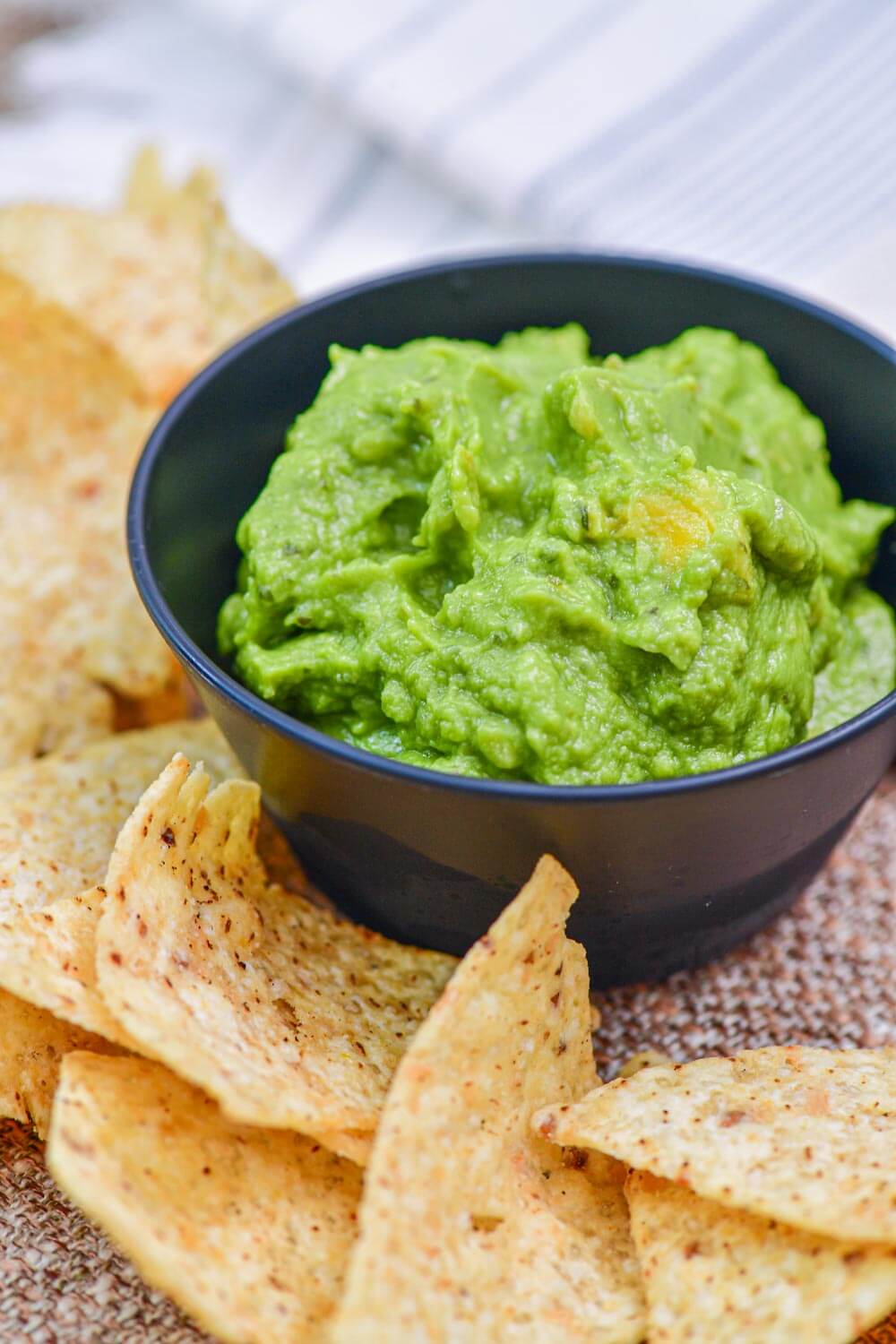
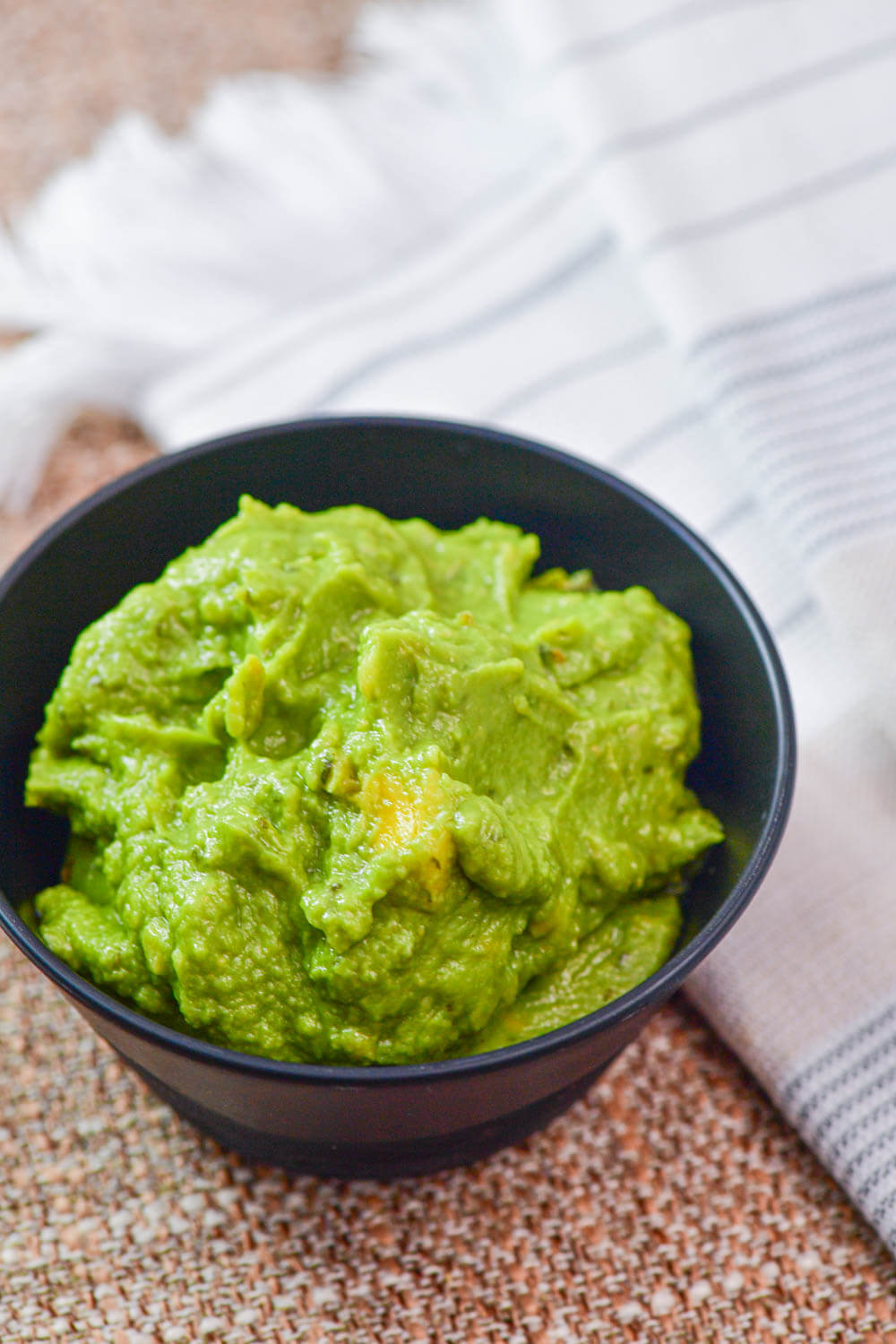
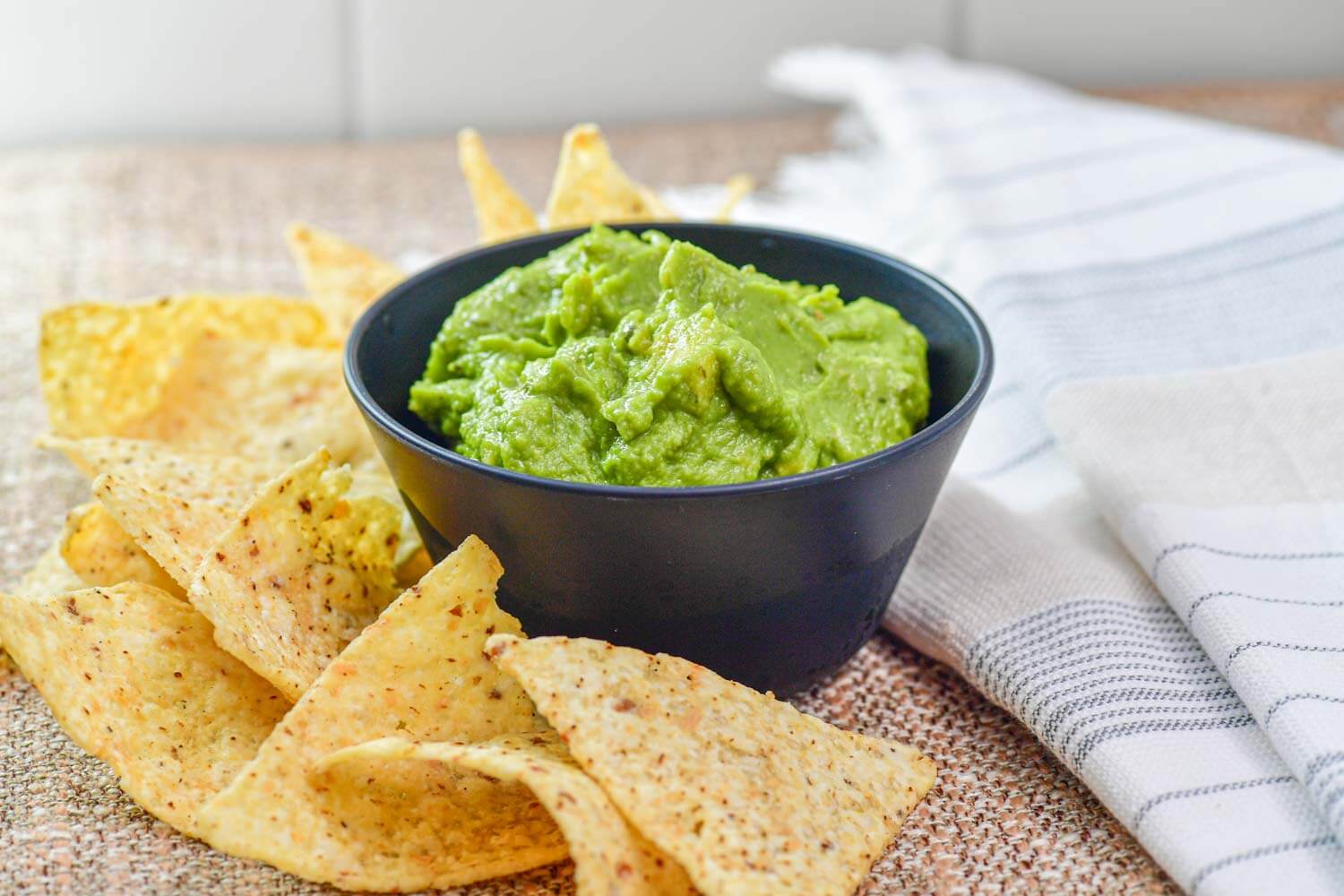
Guacamole with tortilla

What is Guacamole?

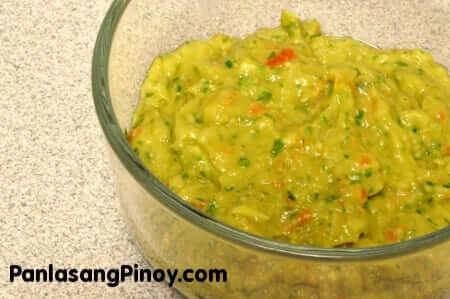
You know that creamy green dip that disappears first at every party? That’s guacamole. I’ve watched bowls of it get scraped clean in minutes, with people practically fighting over the last scoop. There’s something about that rich, buttery texture mixed with bright lime and a little heat that keeps everyone coming back for more.

Guacamole with tortilla

I got serious about making guacamole when I was visiting relatives in Florida years ago (we were still based in Chicago back then). They had this huge avocado tree right in their front yard, loaded with Hall variety avocados. These things were massive compared to the Hass avocados I was used to buying at the grocery store. My aunt taught me how her family made their guacamole, and honestly, it changed everything. No fancy ingredients, no complicated steps. Just ripe avocados, a few fresh additions, and the right technique. That afternoon sparked a bit of an obsession, and I’ve been tinkering with my own version ever since.

Guacamole

Guacamole is an avocado dip that originated in Mexico. The word comes from the Nahuatl word “ahuacamolli,” which translates to “avocado sauce.” Pretty straightforward, right? The Aztecs were making this stuff way back in the 14th to 16th centuries, long before it became a Super Bowl snack staple.

The original version was simple. Aztecs would mash ripe avocados in a molcajete (a stone mortar and pestle made from volcanic rock) and season it with salt, tomatoes, and chili peppers. They’d scoop it up with warm tortillas. When Spanish conquistadors arrived in Mexico around 1519, they fell in love with it. They couldn’t quite pronounce “ahuacamolli,” so they started calling it “guacamole” instead.

The Spaniards also brought new ingredients to the mix. Lime, onions, and cilantro weren’t originally part of the Aztec recipe, but they became popular additions over time. Today, these are considered standard guacamole ingredients in most kitchens.

What I find interesting is how simple authentic guacamole really is. You don’t need a long list of ingredients to make it taste good. Ripe avocados do most of the heavy lifting. The other stuff just adds brightness and a little kick. When I make guacamole at home here in Tampa, I try to keep it close to that original idea. Good avocados, fresh lime, salt, and maybe a few extras depending on my mood. Nothing complicated.

Different Types You’ll Find

Not everyone makes guacamole the same way. Depending on where you are and who’s doing the cooking, you’ll run into different styles:

  • Traditional Mexican Style – This one keeps things minimal. Ripe avocados, lime juice, salt, and fresh cilantro. Some cooks add a bit of serrano or jalapeño for heat, and maybe some chopped tomato and onion. The focus stays on the avocado itself.
  • Tex-Mex Style – A bolder version that often includes garlic, more onion, and sometimes cumin. Some people even add sour cream to make it extra creamy. This pairs well with heavier dishes like nachos and loaded burritos.
  • Chunky Guacamole – If you like texture, this is your style. The avocado is roughly mashed so you get distinct pieces mixed with diced tomato and onion. It feels more like a salsa in some ways.
  • Smooth Guacamole – The opposite end. Some folks blend or mash their guacamole until it’s completely smooth, almost like a spread. Works great on sandwiches and burgers.
  • Spicy Guacamole – For heat lovers. Extra jalapeño or serrano peppers, sometimes with the seeds left in for maximum kick.
Guacamole

My advice? Start with the traditional style first. Once you get comfortable with the basics, you can experiment. I’ve tried adding all sorts of things over the years. Some worked, some didn’t. That’s part of the fun.

Picking the Best Avocados

Here’s the thing about guacamole: it’s only as good as your avocados. You can have the best recipe in the world, but if your avocados aren’t right, the whole thing falls flat. I’ve learned this the hard way more than once.

My Florida Avocado
Florida avocados are great for shakes, but they are not the best choice for guacamole.
  • Check the color. Ripe Hass avocados should be dark green, almost black. If they’re still bright green, they need more time. Hass avocados are your best bet for guacamole because of their creamy texture and rich, nutty flavor. Over 80% of avocados sold worldwide are Hass, so they’re easy to find.
  • Give it a gentle squeeze. Hold the avocado in your palm (not your fingertips) and press lightly. A ripe one will give just a little but still feel firm. If it’s rock hard, it’s not ready. If your finger sinks in easily, it’s probably overripe.
  • Check under the stem. Pop off that little brown cap at the top. If the color underneath is green, you’re good. If it’s brown, the avocado is past its prime and likely has brown spots inside.
  • Plan ahead. This is something I wish someone had told me earlier. Avocados ripen at room temperature in about 2 to 5 days after purchase. If you’re making guacamole for a party, buy your avocados a few days early while they’re still firm. Let them ripen on your counter. Once they’re ready, move them to the fridge to slow things down.
  • Avoid dents and soft spots. These usually mean the avocado got bruised during handling. Even a small bruise can spread brown spots throughout the fruit as it ripens.

If you’re like me and sometimes forget to buy avocados ahead of time, you can speed up the ripening by putting them in a paper bag with a banana or apple. The ethylene gas helps. It’s not magic, but it shaves off a day or two.

Storage Tips That Actually Work

Guacamole tastes best when it’s fresh, but sometimes you end up with leftovers. Here’s what I’ve learned about keeping it green:

  • Press plastic wrap directly onto the surface. This is the most reliable method I’ve found. Push the wrap down so it touches every bit of guacamole with no air pockets. Air is what causes that brown color.
  • Leave the pit in. Some people swear by this. The pit only prevents browning where it physically touches the guacamole, so it’s not a complete solution. But it helps a little.
  • Add extra lime juice on top. Citric acid slows down oxidation. Before covering your container, squeeze a little extra lime juice over the surface.
  • Store in an airtight container. After pressing plastic wrap on the surface, put the container in the fridge with a tight lid.
  • Eat it within 1 to 2 days. Even with all these tricks, homemade guacamole starts losing its freshness after a day or two. The flavor fades even if the color stays green.
  • Scrape off the brown layer. If the top turns brown, it’s okay. Just scrape off that layer with a spoon. The guacamole underneath is usually still fine.

Honestly, my best advice is to make only as much as you need. Guacamole is quick to prepare, so there’s no reason to make a huge batch unless you’re feeding a crowd.

Nutritional Profile

A lot of people ask if guacamole is healthy. The short answer is yes, as long as you’re mindful about portions.

A quarter cup serving of homemade guacamole has roughly 100 to 120 calories, about 10 grams of fat (mostly the heart-healthy kind), 5 grams of carbohydrates, and 3 to 4 grams of fiber. Most of that fat is monounsaturated fat, the same type found in olive oil. Studies have linked monounsaturated fats to lower LDL cholesterol and reduced heart disease risk.

Avocados are also loaded with potassium. They actually have more potassium per serving than bananas, which is good for blood pressure and muscle function. You’ll also get vitamins C, E, K, and several B vitamins.

The fiber content is worth mentioning. Fiber keeps you feeling full longer and supports healthy digestion. That’s why guacamole can feel more satisfying than other dips.

Now, the catch: guacamole is calorie-dense because of all that healthy fat. A couple of tablespoons is a reasonable serving. The real calorie trouble usually comes from what you’re dipping into it. A basket of fried tortilla chips adds up fast. If you’re watching your intake, try dipping veggies like carrot sticks, bell pepper slices, or cucumber rounds instead.

Guacamole Ingredients Breakdown

Here’s what goes into a good guacamole:

Guacamole in a bowl
  • Ripe Avocados – The foundation. Hass avocados work best because of their buttery texture and rich taste. Florida varieties like Hall are bigger and less creamy, but they still make decent guacamole.
  • Fresh Lime Juice – Adds brightness and helps prevent browning. Always use fresh squeezed. Bottled lime juice tastes flat.
  • Salt – Brings out all the flavors. Don’t skip this. Underseasoned guacamole tastes bland no matter how good your avocados are.
  • White or Yellow Onion – Adds a little bite. Dice it fine so the pieces blend in. Some people soak the onion in cold water for a few minutes to mellow the raw flavor.
  • Fresh Cilantro (Wansuy) – That distinctive herby flavor. If you’re one of those people who thinks cilantro tastes like soap (it’s a genetic thing), just leave it out.
  • Jalapeño or Serrano Pepper – For heat. Jalapeño is milder, serrano is spicier. Adjust based on your preference.
  • Roma Tomatoes – Optional but nice. They add color and freshness. Choose firm tomatoes and remove the seeds to avoid making the guacamole watery.
  • Garlic – Some recipes include it, some don’t. A small amount adds depth without overpowering.

If you like things spicy, you might enjoy adding a drizzle of chili garlic oil on top. It’s not traditional, but it adds a nice kick.

How to Make the Best Guacamole

Making guacamole at home is straightforward. You don’t need any special equipment, though a molcajete does make you feel authentic. I usually just use a fork and a bowl.

What is Guacamole
  1. Start with ripe avocados. Cut them in half lengthwise, remove the pit, and scoop out the flesh into a bowl. For my homemade guacamole, I usually use 3 medium avocados.
  2. Add salt and lime juice first. Sprinkle salt over the avocado and squeeze fresh lime juice on top before you start mashing. Coating the avocado with lime early helps with flavor and slows down browning.
  3. Mash to your preferred texture. I like mine a bit chunky, so I don’t go crazy with the fork. Some people use a potato masher for larger batches.
  4. Fold in the other ingredients. Diced onion, tomato, cilantro (we call it wansuy in Filipino), and jalapeño if you want heat. I usually prep these separately and fold them in gently so the tomatoes don’t get mushy.
  5. Taste and adjust. This is important. Every avocado is a little different. Some need more lime, some need more salt. Keep tasting until it’s right.
  6. Serve right away. Guacamole is best fresh. If you need to wait, cover it tightly and refrigerate.

One trick I picked up: if you’re adding jalapeño, remove the seeds and white membrane for milder heat. Leave them in if you want more fire. And for a shortcut version, try combining 1 avocado with 1 teaspoon of lemon juice and 2 teaspoons of mayonnaise. It’s not traditional, but it works in a pinch.

Common Mistakes to Avoid

After making guacamole hundreds of times, here’s what I’ve learned not to do:

  • Using unripe avocados. This is the biggest mistake. If the avocado is hard, don’t try to force it. The texture will be waxy and the flavor won’t be there. Just wait another day.
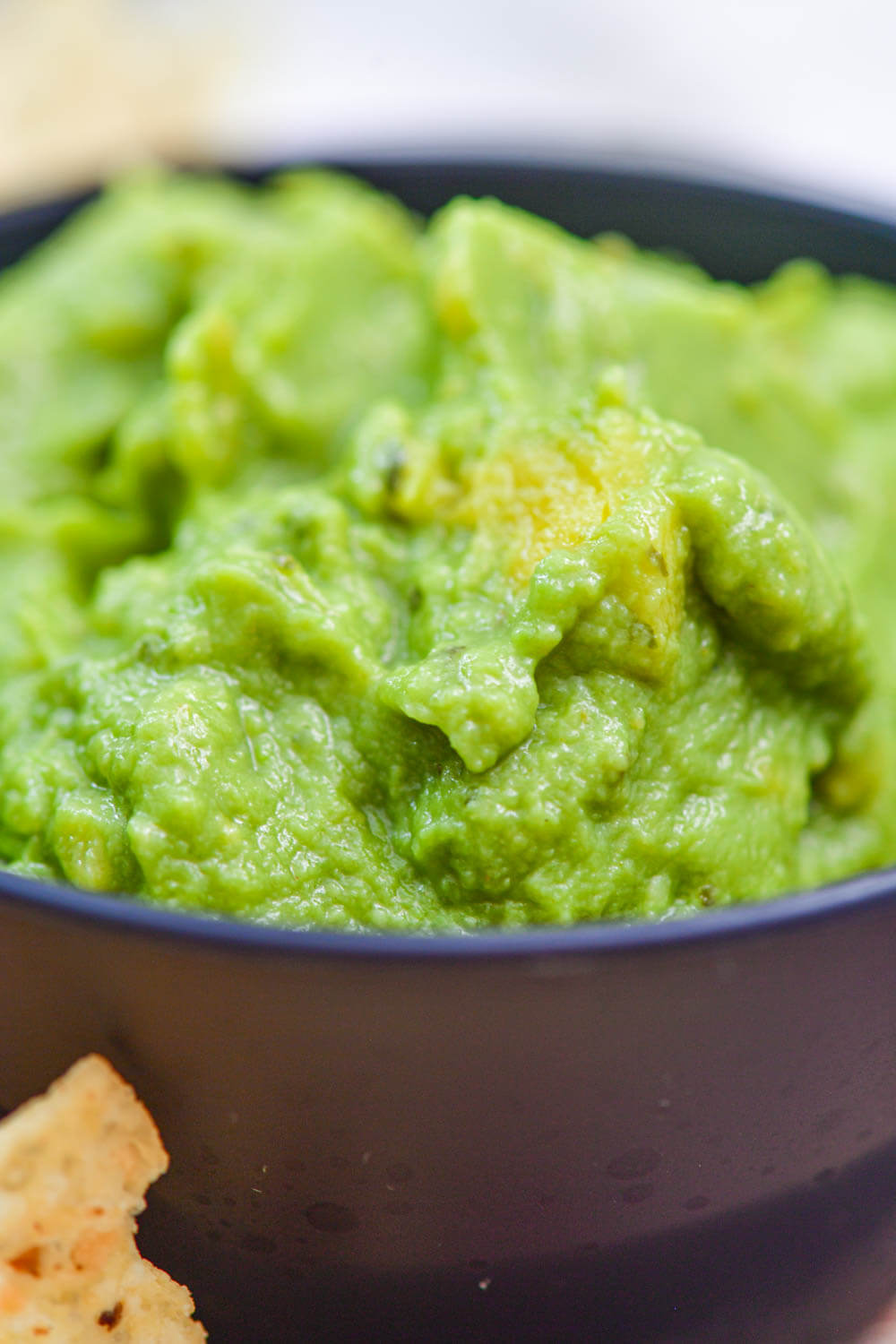
  • Overmixing. Guacamole should have some texture. Mash it just enough. If you go too far, you’ll end up with baby food.
  • Skimping on the lime. Lime juice does two things: adds flavor and slows down browning. A generous squeeze is always better than not enough.
  • Making it too far ahead. Guacamole is a last-minute kind of food. Try to make it within an hour of serving for the best color and taste.
  • Forgetting to taste. Every batch is a little different. Taste as you go and adjust the salt and lime.
  • Drowning it in extras. The avocado should be the star. Too many add-ins and you lose what makes guacamole special.

What to Eat with Guacamole

Guacamole pairs with so many things. Here are some ideas:

  • Tortilla Chips – The classic combo. Look for thick, sturdy chips that won’t break when you scoop.
  • Tacos and Burritos – A spoonful of guacamole adds creaminess that balances spicy meats and crunchy vegetables. It’s one of the essential toppings when you’re learning how to make fajitas at home.
  • Fresh Vegetables – Carrot sticks, bell pepper slices, cucumber rounds, and celery all work great. Healthier than chips if you’re watching calories.
  • Nachos – Pile it on top of cheesy nachos for that creamy contrast.
  • Eggs – Breakfast tacos with guacamole are something special. Or just add a scoop to scrambled eggs.
  • Grilled Meats – Especially chicken, steak, and pork. The cool creaminess plays off smoky, charred flavors.
  • Rice Bowls – A dollop of guacamole turns any grain bowl into something more satisfying. It goes especially well with cilantro lime rice.
  • Sandwiches and Burgers – Use it as a spread instead of mayo. Trust me on this one.

Guacamole also pairs nicely with pico de gallo. They share similar fresh ingredients but offer different textures. Together, they make any Mexican-style meal feel complete.

Close-up image of a guac

Common Questions Answered

How do I know when an avocado is ripe enough for guacamole?

A ripe avocado feels slightly soft when you gently squeeze it with your palm, but it doesn’t feel mushy. The skin on a Hass avocado should be dark green to almost black. You can also pop off the stem cap and look underneath. If it’s green, you’re good.

Can I make guacamole ahead of time?

You can, but it’s best eaten within a few hours. If you need to make it ahead, press plastic wrap directly onto the surface to block air, then refrigerate. It’ll keep for 1 to 2 days, but the color and flavor are always better when fresh.

Why does guacamole turn brown so fast?

Avocados contain an enzyme that reacts with oxygen, causing oxidation. The flesh turns brown just like a cut apple does. Adding lime juice helps slow this down, and covering the surface to limit air exposure is key.

Is guacamole good for you?

Yes. Guacamole is rich in heart-healthy monounsaturated fats, fiber, potassium, and several vitamins. Just watch your portion sizes since it’s calorie-dense. A couple of tablespoons is a reasonable serving.

Can I freeze guacamole?

You can, but I don’t recommend it for the usual recipe. Frozen and thawed guacamole has a different texture, softer and sometimes watery. If you really want to freeze it, use plain mashed avocado without the tomatoes and onions, which get mushy after thawing.

What can I use instead of cilantro?

Fresh mint works surprisingly well as a substitute. Some people use flat-leaf parsley instead. Or just leave the herbs out entirely. The guacamole will still taste good.

How can I make guacamole less spicy?

Remove all the seeds and white membrane from your jalapeño. That’s where most of the heat lives. You can also use less pepper or skip it altogether.

Recipes with Guacamole

Guacamole works in so many dishes. Here are some of my favorites where it really shines.

Beef Nachos with Cheese Sauce Homemade Recipe

Beef Nachos with Cheese Sauce

Homemade nachos topped with seasoned ground beef, rich cheese sauce, fresh tomatoes, and peppers. Add a generous dollop of guacamole on top and you’ve got the perfect game day snack. The cheese sauce alone is worth making this recipe.

Beef Nachos Recipe

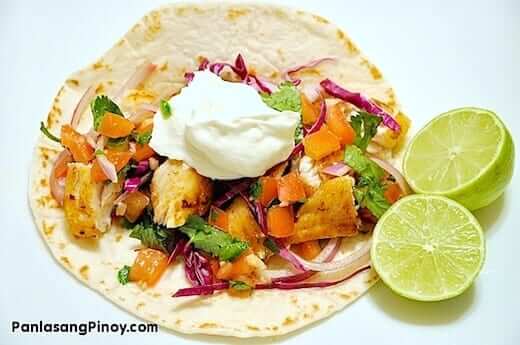
Tilapia Fish Tacos

Light and fresh fish tacos with crispy tilapia, homemade salsa fresca, shredded cabbage, and a squeeze of lime. Guacamole takes these from good to great. The creamy avocado pairs perfectly with the flaky fish and crunchy vegetables.

Tilapia Fish Tacos Recipe

Easy Guacamole Recipe

This is my go-to guacamole recipe for busy days. I use a food processor to shred the onion, tomato, cilantro, and garlic, then fold everything into hand-mashed avocados. Fresh, simple, and ready in about 10 minutes. Great with chips or as a topping for burritos.

Easy Guacamole Recipe

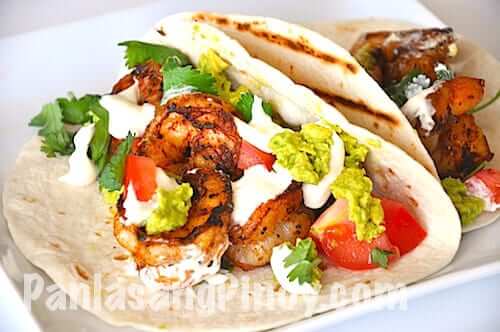
Tangy Shrimp Tacos

These shrimp tacos get a creamy boost from fresh guacamole. The tangy, lightly spiced shrimp goes so well with that rich avocado flavor. I use flour tortillas, but corn works too. If you’re short on time, you can use a quick guacamole made with just avocado, lemon juice, and a bit of mayo.

Shrimp Tacos Recipe

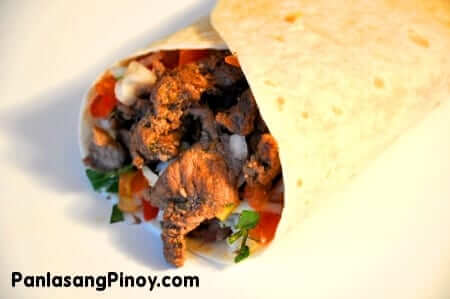
Carne Asada Burrito

A loaded burrito stuffed with grilled steak, cilantro lime rice, pico de gallo, bell peppers, sour cream, cheese, and plenty of guacamole. The guacamole adds that essential creamy element that ties everything together. This is comfort food at its finest.

Carne Asada Burrito Recipe

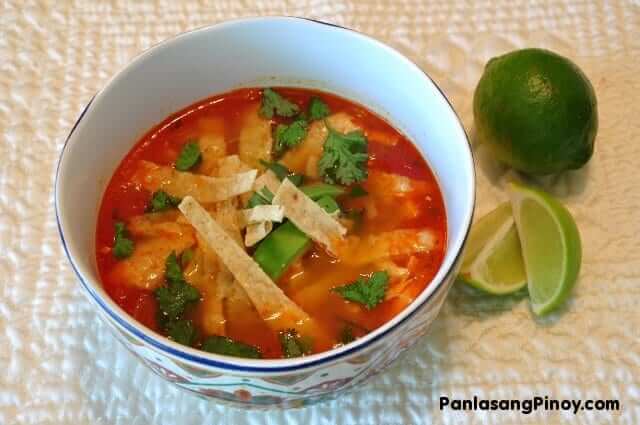
Tortilla Soup

This rich and comforting soup features shredded chicken, tomatoes, and jalapeño in a flavorful broth. It’s topped with crispy tortilla strips, fresh cilantro, cheese, and sliced avocado. The avocado melts into the hot soup and adds a wonderful richness. Great for cold days.

Tortilla Soup Recipe

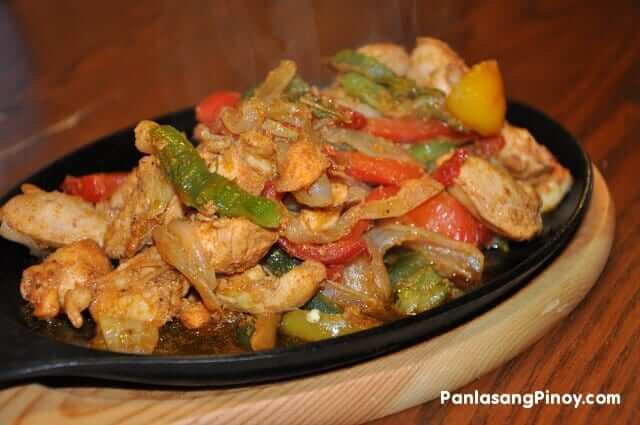
Chicken Fajita

Sizzling chicken fajitas marinated in tangy citrus, then grilled with colorful bell peppers and onions. Serve with warm flour tortillas, salsa, sour cream, and of course, guacamole. The guacamole adds a cool, creamy contrast to the hot, sizzling meat.

Chicken Fajita Recipe

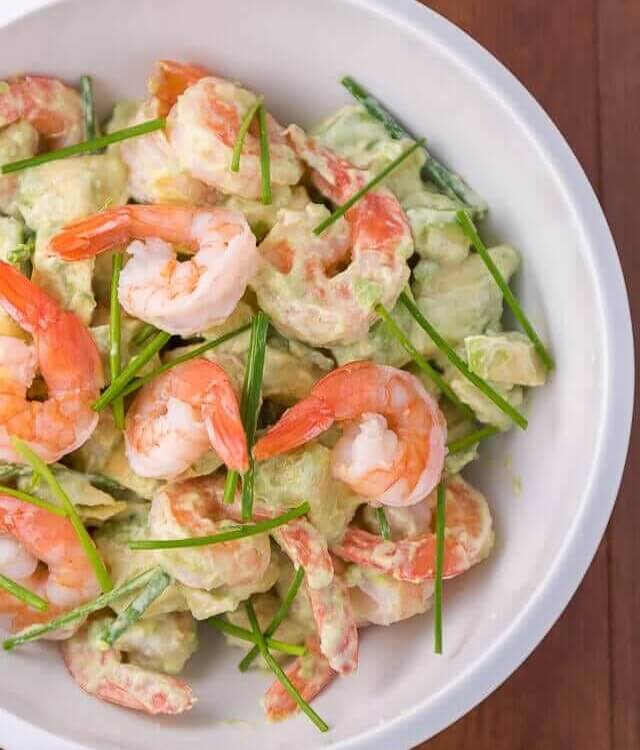
Shrimp Avocado Salad

This chilled salad combines boiled shrimp with creamy avocado, sour cream, lime juice, and chives. It’s filling enough to be a meal on its own, or you can wrap it in flour tortillas for fresh shrimp tacos. A lighter way to enjoy avocado.

Shrimp Avocado Salad Recipe

Top Cooking Classes in Sydney

Working in the hospitality industry or in any other field obliges people to enhance their skills and knowledge in order to be competitive. Experience coupled by certifications and trainings are sure signs of future job promotion. If you are working or would like to work in the culinary industry and you are situated in the Sydney area, it is important to be constantly optimizing your cooking skills and kitchen knowledge by attending cooking classes in Sydney. If you are a full-time parent, doing this can also help improve the quality of meals that you are preparing for your family.

Finding the Appropriate Cooking Classes in Sydney for your needs

So, what made you think of attending cooking classes in Sydney or in your town? Everyone has their own reason, but no matter what these reasons are, it is a must to search for the appropriate cooking class tailored to your needs and expectations.

Searching for the appropriate cooking classes in Sydney is not an easy task. There are hundreds of high quality restaurants and culinary institutions offering trainings and classes – you will need to look at what everyone is offering and decide based on your need.

photo credit: flickr.com/Edwin. 11

Take this as an example: if you are planning to work as a cook in a Italian restaurant, then you should at least look for institutions offering cooking classes related to Italian cuisine. Once you are hired, the experience and skills that you gained will be beneficial for you in terms of taking your career to the next level. This means finding a culinary school to back your future career as a chef.

You can start by checking out Fratelli Fresh, and Signorelli Gastronomia. These institutions are phenomenal, especially if you want to learn international cuisine. Make sure that you give yourself ample time because you may need to book classes a month or so in advance.

Cooking classes in Sydney: The Image of the cooking school

Remember that the image and prestige of the school matters a lot. This has a great effect when you are out there doing job interviews. Always consider it when you are making a decision. Thus, you might want to learn every detail about the school or institution of your interest. It is recommended that you ask around the neighborhood about the quality and image of the school. Researching in the internet might not be enough.

Also, consider other aspects such as location, school size, background of the trainers and others.

Here are some of the Top Cooking Classes in Sydney and other nearby cities

  • Sydney Cooking School
  • Sydney Fish Market Seafood School
  • Cucina Italiana
  • Accoutrement Cooking School

It is important to apply what you’ve learned after completing the cooking class in order to improve your skills. You may want to get a job related to the class that you completed or at least do regular cooking at home. You can also showcase the things that you learned from attending that cooking class by creating a food blog.

Top Cooking Classes in San Francisco

Are you in search for cooking classes in San Francisco? Whether for fun or for serious skill development, you can find a handful of schools, restaurants, and other institutions offering cooking classes in the city by the bay.

The process of finding the appropriate cooking classes in San Francisco based on your requirement or need might be cumbersome because you have to check everything almost one-by-one, but the activity of hopping from one school to the other is quite exciting – especially that you are in a top rated city. Sometimes the idea of qualifying a cooking school can even be considered as a new skill that you developed.

If you want to learn how to cook to impress your friends and family, or even as something to start your first step in the culinary industry ladder, always remember that the preparation that you are doing today can be equal to your success later on. Always put that positive hat while you are in the still searching for appropriate cooking classes in San Francisco and continue to nurture your skills and talent while in class. Positive mental attitude will separate you from the rest of the world – in a better way.

Here are some institutions that offer quality cooking classes in San Francisco:

  • Parties That Cook – Dogpatch
  • Jordan’s Kitchen – Potrero Hill
  • Mama Thai Cooking Club – Outer Sunset
  • First Class Cooking – SOMA
  • Mariposa Kitchen Cooking Classes – Marina
  • Chef Joe’s Culinary Salon – Castro
  • Tante Marie’s Cooking School – North Beach

You can start by getting more information about these cooking classes in San Francisco as listed above and see if any of them fits you. Otherwise, you can continue with your journey by asking around. You will find the right class for you in no time.

Act quickly and get your hands dirty

photo credit: flickr.com/jeffgunn

As soon as you find the best cooking classes in San Francisco that fits your needs, act quickly. Reserve for a slot and try to get all the necessary things taken care of. This can range from enrollment form completion up to buying the necessary clothes and tools.

Things will get exciting when you are in this stage because you are looking forward to learn new things that will eventually get you on the road towards your chosen destination (whether a career in culinary arts or a “cook” status in the family).

Take advantage of your location by specializing in fish, crabs, shrimp, and other seafood dishes. Concentrating in cooking seafood dishes can be an advantage in your future career. Of course, the decision is all up to you.

Completing Cooking classes in San Francisco: What happens next?

What happens next after you complete the class? It is all up to you. You can start attending other cooking classes that interest you or apply for a cooking job to provide more hands-on experience. If you liked what you do, then getting a Culinary School degree is the next big thing. Remember that improving your cooking skills have no limits. Try to achieve to be the best in what you do.

students walking through the CIA Hyde Park campus.

Culinary Institute of America

The Culinary Institute of America, also known as CIA, has helped shape generations of chefs, bakers, and food professionals since its founding in 1946. Many people consider it one of the most respected culinary schools in the world. Whether you dream of becoming an executive chef, opening a bakery, or starting a food business, CIA offers structured and hands on education that prepares you for real industry work. This guide shares what CIA offers so you can decide if it matches your goals.

culinary students decorating pastries inside a baking classroom.

I remember how overwhelming culinary education felt when I was starting my journey. Articles like this would have helped me understand what options were available. I hope this guide gives you that same clarity as you explore culinary training and future opportunities.

A Brief History of the Culinary Institute of America

CIA began on May 22, 1946 under the name New Haven Restaurant Institute. It was established to help returning World War II veterans build careers in the food service field. The first class had fifty students, along with a chef, a baker, and a dietitian guiding their training.

In 1951, the school changed its name to the Culinary Institute of America to reflect its broader mission. As interest in culinary education grew, CIA moved to a larger campus in Hyde Park, New York. Over the years, the school added formal degrees, expanded its facilities, and built a strong reputation for hands on training and professional level instruction.

CIA Campuses Around the World

CIA has several campuses offering different strengths and environments for students.

students walking through the CIA Hyde Park campus.
  • Hyde Park, New York – The main campus offers the largest selection of programs along with multiple teaching kitchens, bakeshops, and student run restaurants. It also has dorms, libraries, and full college facilities.
  • California (Napa Valley / Greystone) – This campus is located in one of the world’s top wine regions. It is ideal for students interested in pastry arts, wine and beverage studies, or food business. The atmosphere encourages creativity and exploration.
  • San Antonio, Texas – This location highlights Latin American and Southwestern cuisines. Students gain hands on experience with flavorful regional dishes and cultural cooking traditions.
  • Singapore – CIA Singapore offers global culinary training and strong opportunities within Asia’s growing food and hospitality industries.

Programs and Degrees You Can Take at CIA

CIA provides different academic paths depending on your goals and interests.

instructor teaching knife skills to students in a modern classroom kitchen.

Associate Degrees -These include Culinary Arts and Baking and Pastry Arts. Students spend most of their time in professional kitchens learning foundational skills.

Bachelor’s Degrees – Programs include Culinary Science, Applied Food Studies, Food Business Management, and Hospitality Management. These degrees combine culinary training with business and leadership skills.

Master’s Programs – These programs are suited for those who want to pursue leadership roles, innovation, or advanced management positions in the food industry.

Certificates, Boot Camps, and Short Courses – For students who prefer shorter programs, CIA offers boot camps, recreational classes, and professional development workshops. These are great options if you want to build skills without committing to a full degree.

Hands On Training and Kitchen Experience

One of CIA’s biggest strengths is its focus on practical, real world training. Students work in teaching kitchens, bakeshops, and student run restaurants. This environment prepares them for the pace and expectations of a real professional kitchen.

culinary students plating dishes in a teaching kitchen

Baking and pastry students explore chocolates, breads, plated desserts, and café items, while culinary students learn techniques, global cuisines, and restaurant operations. This hands on structure helps students gain confidence and develop strong technical foundations.

Who Should Consider Studying at CIA

CIA is a great option if you:

  • Want a serious career in culinary arts or baking and pastry
  • Prefer hands on learning over purely academic study
  • Are ready for full time training and commitment
  • Want a school with strong industry connections
  • See yourself becoming a chef, pastry specialist, or food entrepreneur

If you are still exploring your path, you can start with short courses or local cooking classes. You can always pursue a degree later when you feel ready.

Career Paths and Opportunities After CIA

CIA graduates work in restaurants, hotels, bakeries, food companies, and hospitality organizations. Some become executive chefs, others enter food styling, recipe development, or culinary management. CIA’s network helps students access a wide range of opportunities.

For more guidance on chef career paths, here are helpful articles:

  • What Is an Executive Chef
  • How to Become a Chef
  • How to Become a Corporate Chef

Pros and Cons of Studying at CIA

Pros

  • Strong global reputation
  • Hands on and practical training
  • Experienced and industry trained instructors
  • Excellent kitchen facilities
  • Large and supportive alumni network

Cons

  • Tuition and living costs can be high
  • Programs require full time commitment
  • Some students may need to relocate

I appreciate how the school blends technique with hands on experience, something every aspiring chef needs as they begin their journey. Check out other Cooking Schools to see where you fit.

  • Previous
  • Page 1
  • Interim pages omitted …
  • Page 18
  • Page 19
  • Page 20
  • Page 21
  • Page 22
  • Interim pages omitted …
  • Page 27
  • Next

sidebar

Welcome!

As a huge fan of Filipino food, it is my goal to teach people how to cook it using the simplest way possible. Prepare your taste buds for an ultimate showdown of delectable Filipino dishes! Read more…

Facebook
Instagram
Pinterest
YouTube

Reader Favorites

Chicken Adobo Panlasang Pinoy

Filipino Chicken Adobo Recipe

Leche Flan Recipe

kare kare beef tripe

Kare-Kare Recipe (Beef Tripe)

Pork Sinigang

Sinigang

Receive new recipes by email!


Seasonal

Beef Morcon Recipe

Arroz Valenciana

lechon belly roll recipe

Lechon Belly Roll

Christmas Macaroni Salad

How to Make Macaroni Salad for the Holidays

As Seen In:

good housekeeping
parents
serious eats
livestrong
kitchn
sheknows
Facebook
Instagram
Pinterest
YouTube
About
Meet Vanjo
New? Start Here
Browse Recipes
Explore
Ingredient 101
Philippines
Cooking Schools
Privacy Policy
Disclaimers
Contact
© 2026 Panlasang Pinoy
Site Credits
Designed by Melissa Rose Design Developed by Once Coupled
Back to Top
Back to Top