Eggplant Adobo Recipe (Adobong Talong)
Adobong Talong or eggplant adobo is adobo made with eggplant instead of meat, and it took me years to come around to it. I grew up wanting my pork adobo as plain as possible, just the meat and plenty of garlic, and I stayed away from any version with something extra in the pot. I changed my mind after I started trying more regional Filipino dishes and saw how many ingredients we cook adobo style. Eggplant surprised me because it takes in the sauce quickly, so a small amount of soy sauce and vinegar goes a long way.
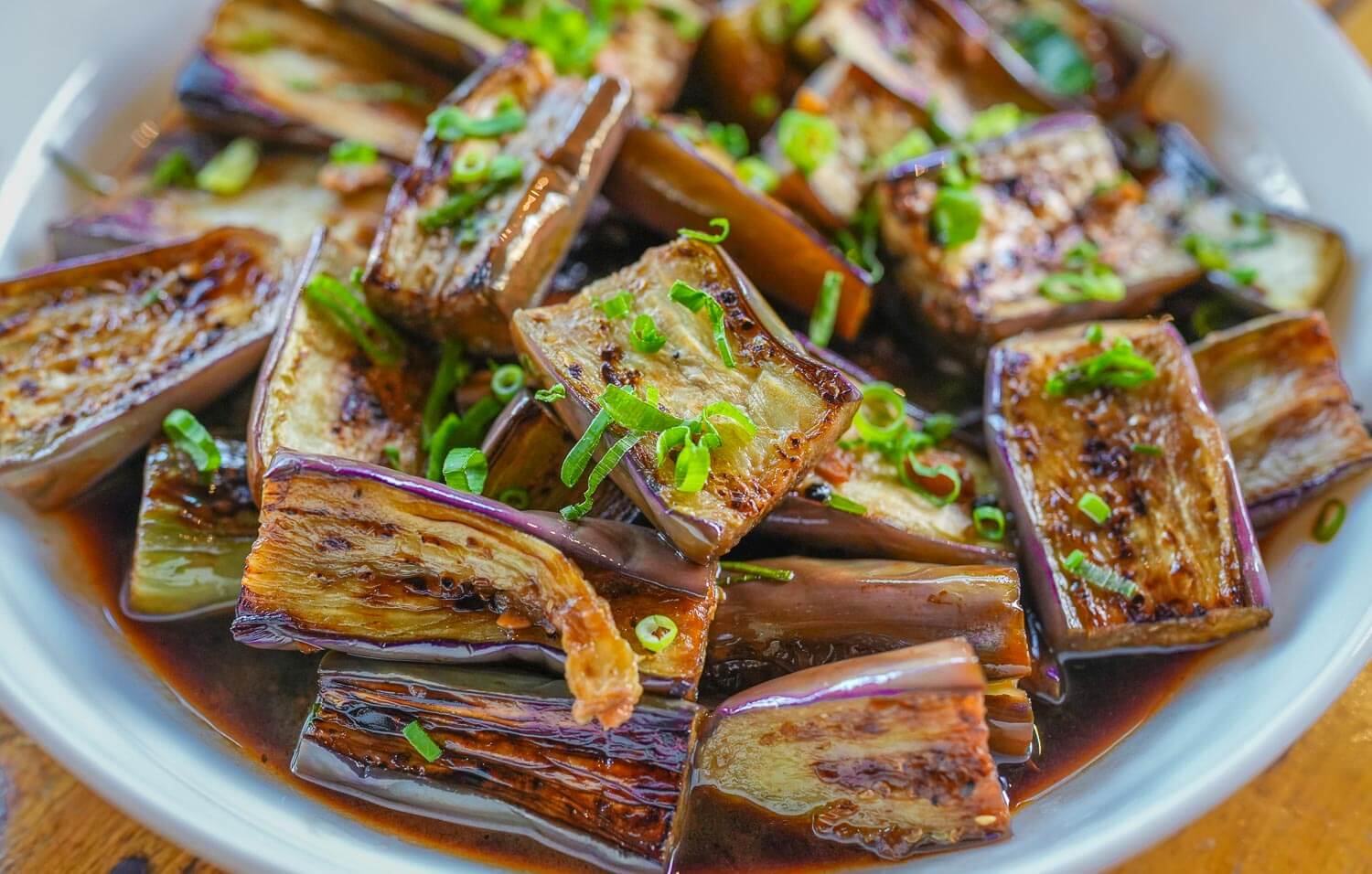
I fry the pieces before the sauce goes in. Frying keeps them whole, gives them some color, and cooks them most of the way through so they only need a short time in the sauce at the end. The long Chinese eggplants I buy for tortang talong are the same ones I use here.
Pour the vinegar in and then leave the pan alone for a full minute. Stirring it right away leaves a sharp raw taste that stays in the finished dish, and that short boil cooks it off. I do this in every adobo I make, whether there is meat in the pot or not.
What is Adobong Talong?
Adobo is a cooking method before it is any one dish. Anything simmered in vinegar, soy sauce, garlic, bay leaves, and black pepper can be cooked adobo style, and talong is the Filipino word for eggplant. Together, they make an inexpensive meatless adobo that cooks quickly.
No province claims Eggplant Adobo as its own. It is cooked all over the country and belongs to the same group of everyday vegetable dishes as adobong kangkong and adobong sitaw. The name comes from the Spanish word adobar, but Filipinos were already cooking with vinegar long before the Spanish arrived.
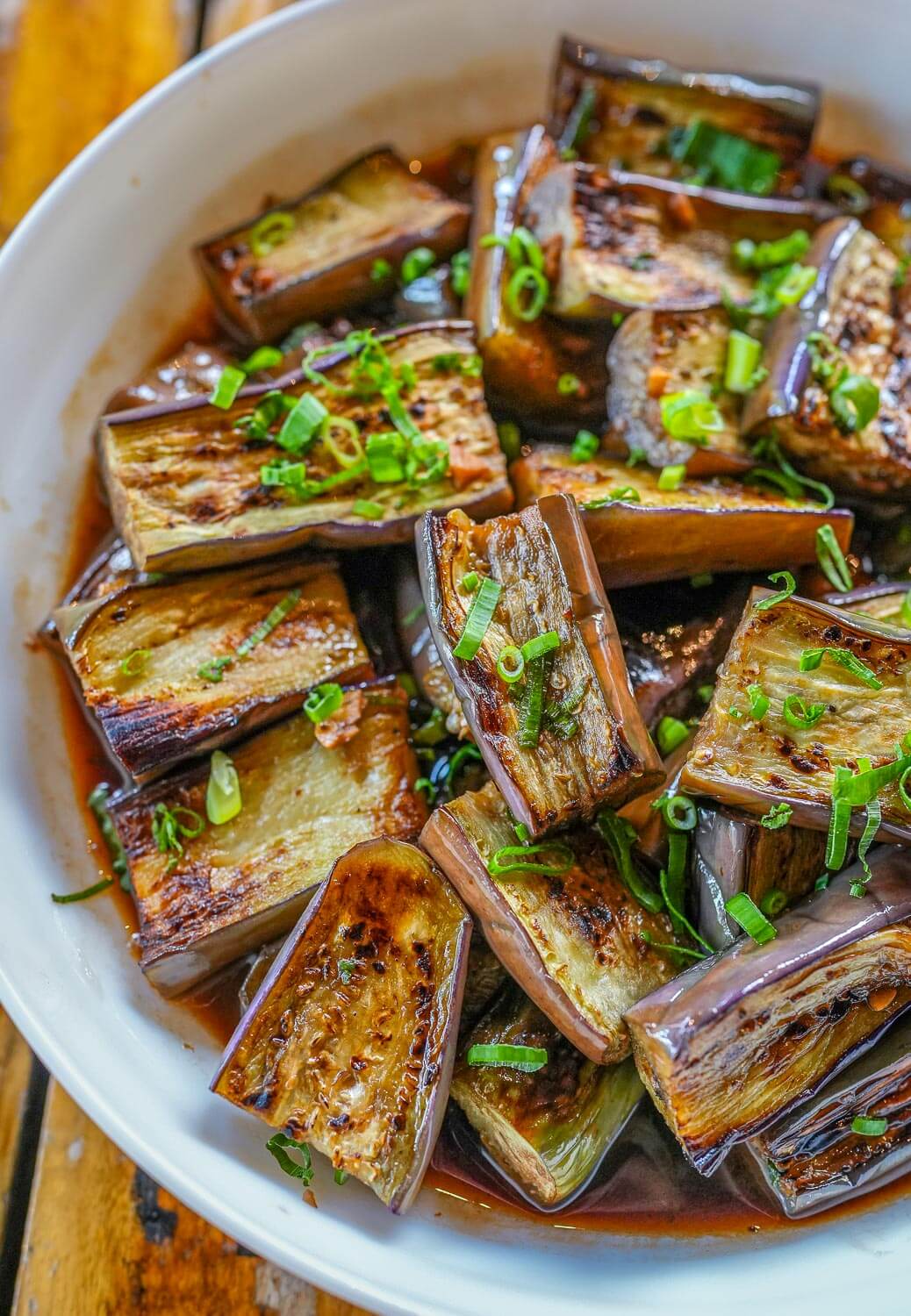
The difference of Adobong Talong from chicken adobo is timing. Meat needs a long simmer before it turns tender, so the sauce and the protein cook together. Eggplant is done in minutes, so the sauce has to be finished first and the talong goes back in only at the end. I usually see it served as a side next to a fried or grilled main, with someone spooning the extra sauce over their rice.
Ingredients
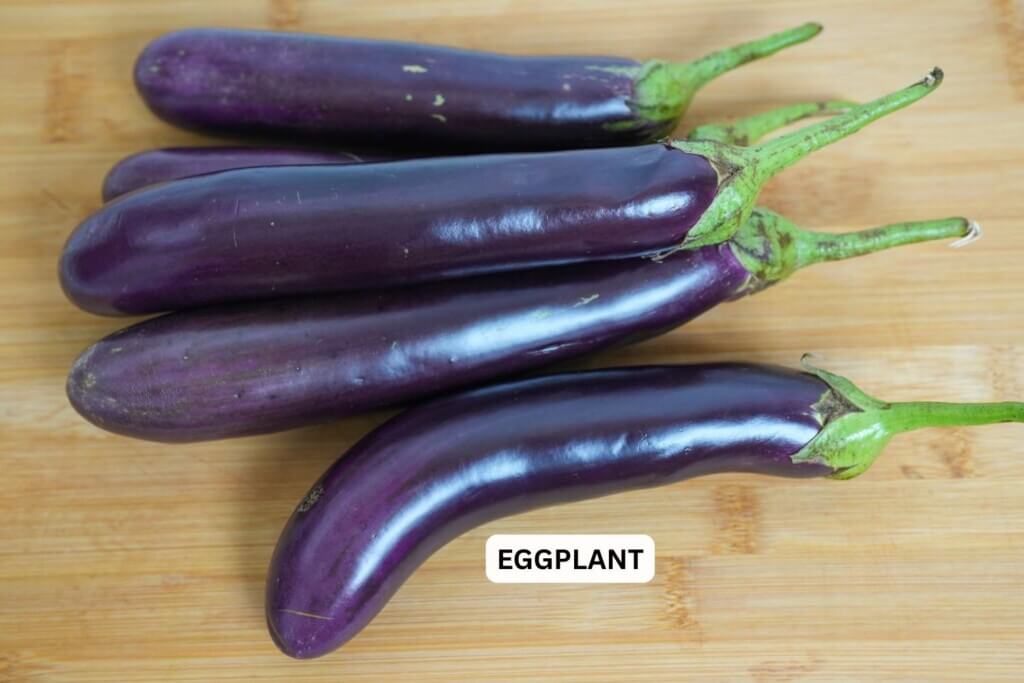
- Chinese eggplant – The long, thin kind. Thinner skin and fewer seeds than globe eggplant, and the pieces hold their shape better once the sauce is on them.
- Cooking oil – Enough to shallow fry in batches. Hold back a tablespoon for the garlic later.
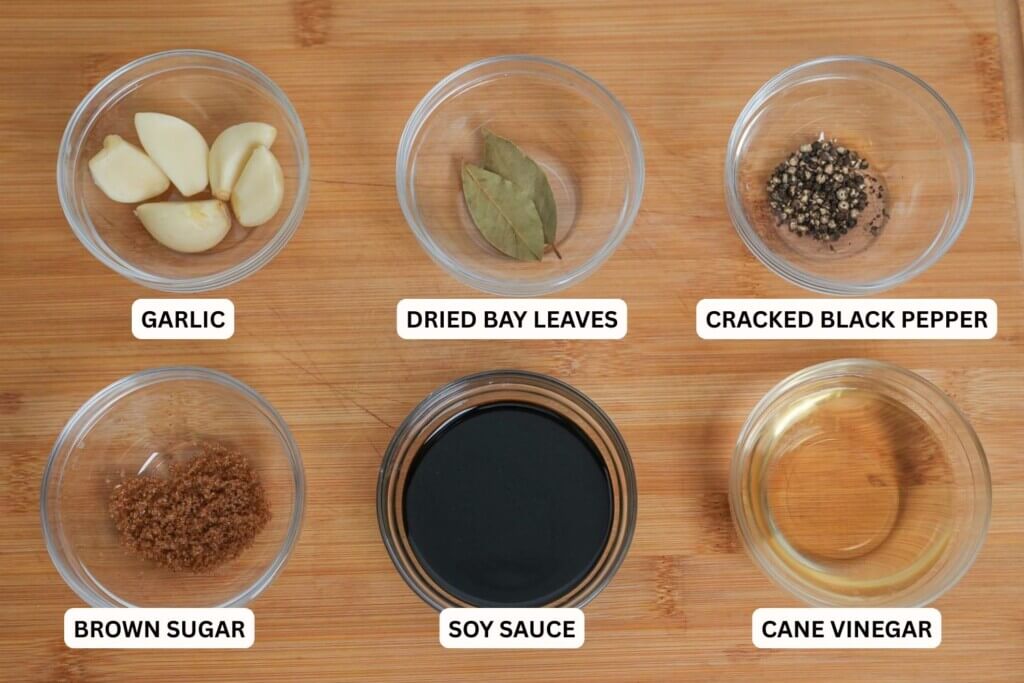
- Cane vinegar – Milder and slightly sweeter than distilled white vinegar, so the sauce does not turn harsh with this amount.
- Soy sauce – Filipino soy sauce is thin and salty. Taste the sauce before the eggplant goes in, since brands are not all the same.
- Garlic – Chopped rather than crushed. Chopped pieces brown evenly in the half minute they get in the pan.
- Brown sugar – About a teaspoon. It rounds off the vinegar and is not there to make the dish sweet.
- Dried bay leaves – Two. They go in with the soy sauce so they have time in the liquid before it reduces.
- Cracked black pepper – Cracked, not ground. You want to see the pieces in the finished sauce.
Cane vinegar works best for me here because the sourness is milder and does not overpower the eggplant. The flavor can vary a little from one brand to another, so I taste the sauce before adding more. Distilled white vinegar also works, but I start with a little less because it can taste sharper.
Vanjo’s Advice
- Cut the pieces big. Three-inch lengths split in half lengthwise give you flat sides that brown well. Small cubes fall apart during the toss at the end.
- Fry in batches. A crowded pan steams the eggplant instead of browning it. I use a wide pan and do two rounds rather than pushing everything in at once.
- Pat the pieces dry before they go into the oil. Wet surfaces spatter in hot oil, and that is worth watching if you soaked the cut talong in salted water to keep it from browning while you prepped.
- Taste the sauce before the eggplant goes back in. Once it is in, it takes on whatever you have made. Adjust the salt and the sugar while the sauce is still on its own.
- Toss, do not stir. Slide a spoon under the pieces and turn them over. Stirring can break apart the pieces you just fried.
- Add pork if you want this as a main dish. Cook a small amount of sliced pork belly with the garlic before the liquid goes in, the way I do it in adobong okra with pork.
- Keep some sauce in the pan. The sauce reduces fast, so turn off the heat while there is still enough to spoon over rice. It is the same with my bok choy adobo.
How to Cook Adobong Talong
Fry the eggplant first and set it aside. Build the sauce in the same pan, then return the pieces at the very end so they spend only a couple of minutes in the liquid.
Fry the Eggplant

- Remove the stems from the eggplants. Slice each one into 3-inch pieces, then cut each piece in half lengthwise.
- Heat 4 tablespoons of cooking oil in a pan over medium heat.
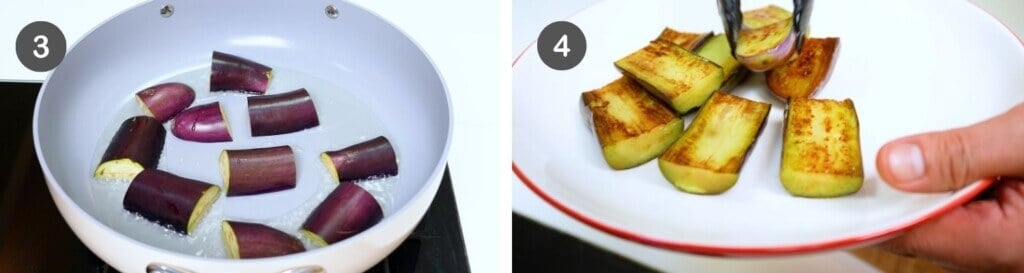
- Fry the eggplant in batches for 2 to 3 minutes per side, or until lightly browned and tender.
- Transfer to a plate.
The talong should already be tender when it comes out of the pan. It gets two more minutes in the sauce later, and that is not enough time to soften anything that is still firm. I fry it first for the same reason in my binagoongang talong.
Make the Adobo Sauce
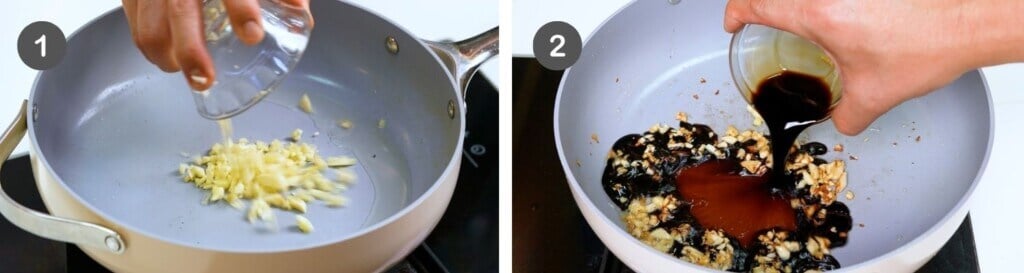
- Heat the remaining cooking oil in the same pan. Add the garlic and sauté for 30 seconds.
- Pour in the soy sauce and water. Add the cracked black pepper and dried bay leaves and let the mixture boil.
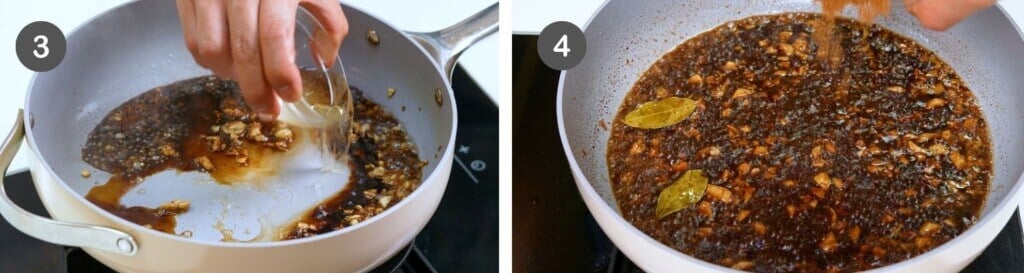
- Pour in the cane vinegar. Let it boil for 1 minute without stirring.
- Add the brown sugar and Stir and simmer for 2 minutes.
Thirty seconds is all the garlic needs before the liquid goes in. Any longer and it can brown too much, which can make the sauce bitter.
Finish the Dish
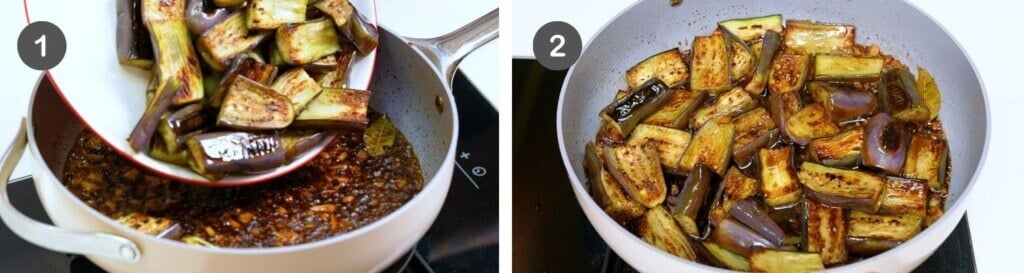
- Return the fried eggplant to the pan. Gently toss until coated with the adobo sauce.
- Simmer for 2 minutes, or until the eggplant absorbs some of the sauce.
Handle the pieces as little as you can here. Two minutes is enough for the eggplant to take in the sauce. After the initial toss, just let the pieces simmer. Transfer to a serving plate and serve with warm rice.
What to Serve with Adobong Talong
- Steamed white rice – Cook enough to have some under every serving, since the sauce is meant to run into it. Here is a guide on how to cook rice for those of you who haven’t tried it yet.
- Sinangag – Garlic fried rice, for when this is breakfast or lunch instead of dinner
- Inihaw na Liempo – Grilled pork belly marinated in soy sauce and calamansi
- Nilasing na Tilapia – Fried fish marinated in wine. The crisp fish goes well with the soft eggplant
- Salted Eggs and Tomato Salad – A cold, salty side that works next to almost any saucy ulam
Storage and Leftovers
Adobong Talong keeps well for a few days, but the eggplant gets softer each time you reheat it.
- Refrigerator – Let it cool completely, then store it in an airtight container for up to 3 days. I only reheat the portion I plan to eat so the eggplant does not get too soft.
- Freezer – I would not freeze the finished dish because the eggplant can turn watery and mushy after thawing. If I am cooking ahead, I make the adobo sauce separately and freeze it for up to 2 months, then fry fresh talong before serving.
- Reheating -Warm it gently in a pan over low heat. Add a tablespoon of water if the sauce has thickened in the fridge, then remove it from the heat as soon as everything is warmed through.
More Eggplant Recipes
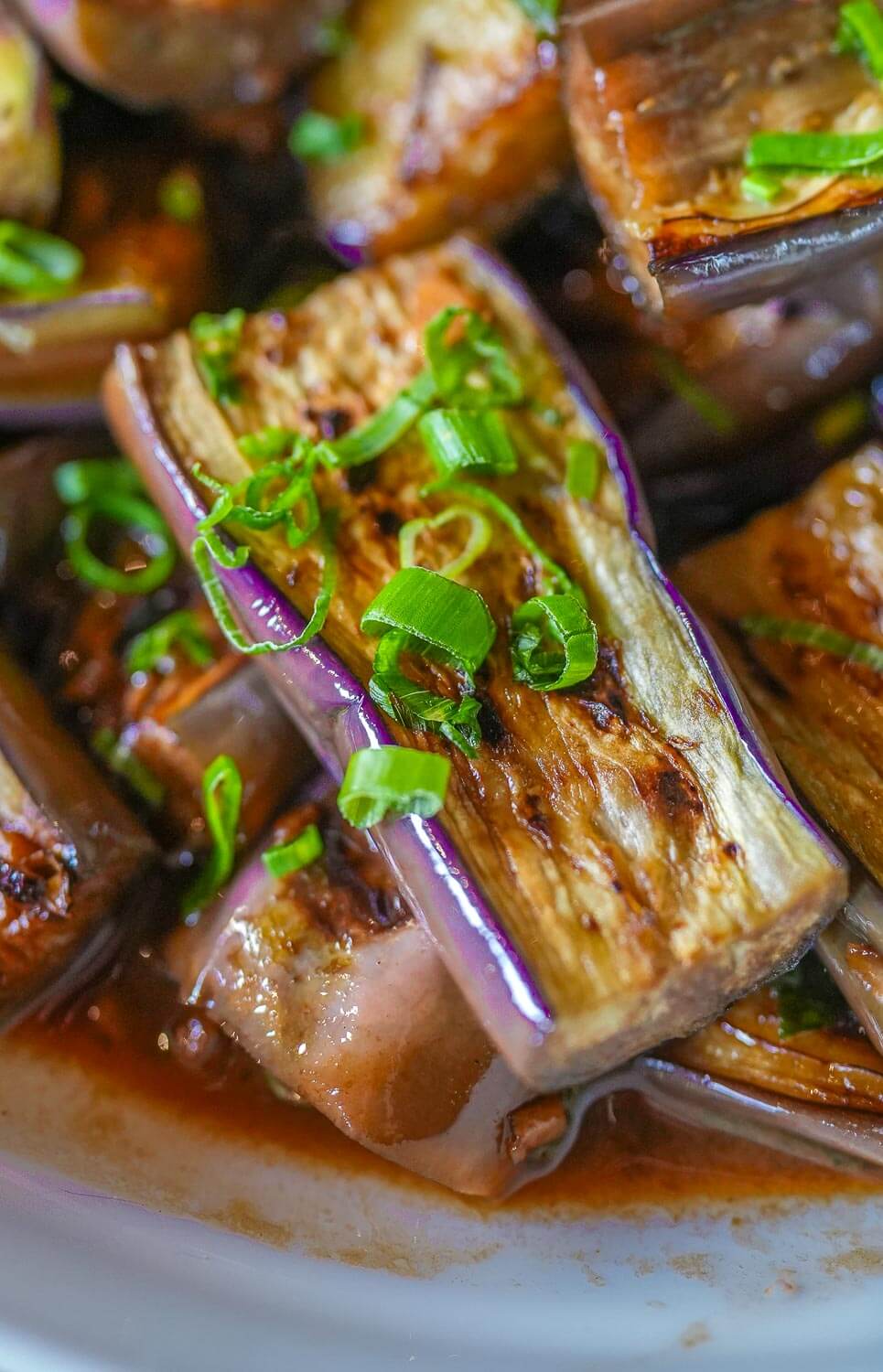
- Ginataang Talong with Malunggay and Tofu – Eggplant simmered in coconut milk with tofu and malunggay leaves
- Ensaladang Talong – Grilled eggplant mashed with tomato and onion and served cold
- Rellenong Talong – Eggplant omelet stuffed with pork giniling
- Steamed Eggplant and Okra with Bagoong – Steamed eggplant and okra eaten with salty shrimp paste, ready in about 15 minutes
- Crispy Eggplant Fries – Breaded eggplant strips with a dipping sauce, made for merienda
- Eggplant with Ground Pork in Oyster Sauce – A heavier eggplant dish with ground pork in an oyster sauce
Substitutions
- Chinese eggplant – Japanese eggplant is the same shape and needs no adjustment. Globe eggplant works if you cut it into smaller pieces and salt them for 10 minutes, then rinse and pat them dry. The thicker skin and extra seeds carry more of the raw bitterness, and the salt draws some of it out.
- Cane vinegar – White distilled vinegar or apple cider vinegar. Use 2 tablespoons instead of 3, since both taste sharper.
- Soy sauce – Low sodium soy sauce works. You may need a little extra to reach the same color in the sauce.
- Brown sugar – White sugar or coconut sugar, same amount. You can also leave it out if you like the sauce sharp.
- Water – Coconut milk in place of the water makes a richer sauce, closer to my adobong baboy sa gata.
Frequently Asked Questions
Can I bake or air fry the eggplant instead of frying it?
You can. Brush the cut pieces with oil and bake them at 425°F for about 10 minutes, or air fry at 375°F for 8 to 10 minutes, until they are tender and lightly browned. They will not have the same edges that pan frying gives you, but the dish uses far less oil this way.
Is Eggplant Adobo vegetarian?
As written, yes. Everything in the sauce is plant based, so nothing needs to change. Talong, kangkong, and sitaw are all good adobo options when you want to skip the meat.
Why did my Adobong Talong come out too sour?
Cane vinegar can vary in sharpness, and you will notice it more when there is only a small amount of sauce. Let the sauce simmer for another minute or two, then add a little more brown sugar if it is still too sour. Next time, start with 2 tablespoons of vinegar and add the third only after tasting.
Do I need to peel the eggplant?
No. The skin on Chinese eggplant is thin and softens as it cooks, and it is what holds each piece together in the pan. I leave it on every time.
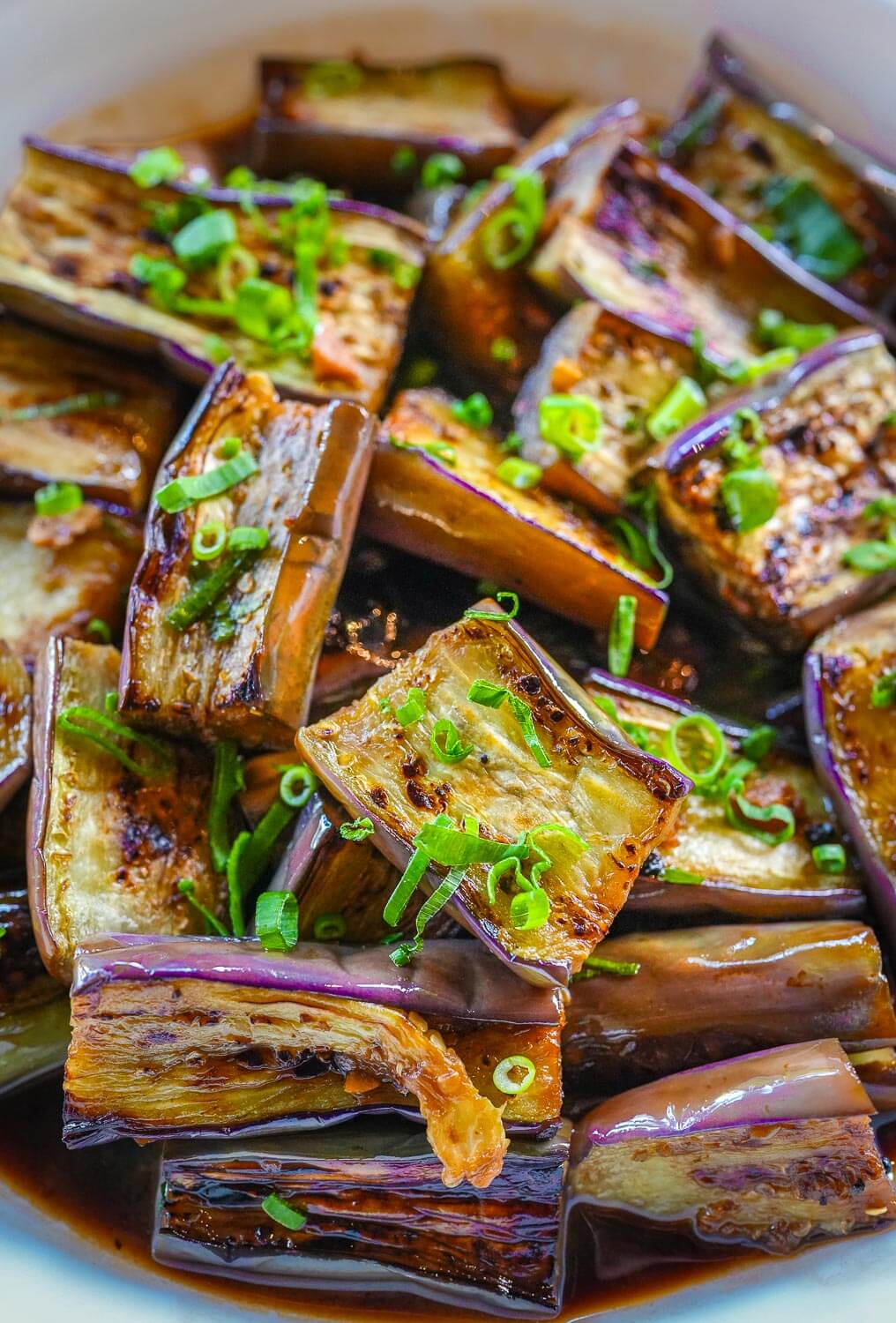
Serve it hot, while the sauce is still loose enough to run into the rice. I spoon some of it from the pan over my rice before I take any of the eggplant. Share and enjoy!
Watch How to Make It

Did you make this? If you snap a photo, please be sure tag us on Instagram at @panlasangpinoy or hashtag #panlasangpinoy so we can see your creations!
Adobong Talong (Eggplant Adobo)
Ingredients
- 3 pieces Chinese eggplant medium size
- 5 tablespoons cooking oil
- 5 cloves garlic chopped
- 3 tablespoons soy sauce
- 3 tablespoons cane vinegar
- 1/4 cup water
- 1 teaspoon brown sugar
- 2 pieces dried bay leaves
- 1/2 teaspoon cracked black pepper
Equipment
- 1 Frying pan A wide pan lets you fry the eggplant in a single layer.
- 1 Tongs Turn and lift the eggplant without tearing the flesh.
Instructions
- Remove the stems from the eggplants. Slice each eggplant into 3-inch pieces, then cut each piece in half lengthwise.3 pieces Chinese eggplant
- Heat 4 tablespoons of cooking oil in a pan over medium heat.5 tablespoons cooking oil
- Fry the eggplant in batches for 2 to 3 minutes per side, until lightly browned and tender. Transfer to a plate.3 pieces Chinese eggplant
- Heat the remaining cooking oil in the same pan. Add the garlic and sauté for 30 seconds.5 tablespoons cooking oil, 5 cloves garlic
- Pour in the soy sauce and water. Add the cracked black pepper and dried bay leaves and let the mixture boil.3 tablespoons soy sauce, 1/4 cup water, 2 pieces dried bay leaves
- Pour in the cane vinegar. Let it boil for 1 minute without stirring.3 tablespoons cane vinegar
- Add the brown sugar . Stir and simmer for 2 minutes.1 teaspoon brown sugar, 1/2 teaspoon cracked black pepper
- Return the fried eggplant to the pan. Gently toss until each piece is coated with the adobo sauce.3 pieces Chinese eggplant
- Simmer for 2 minutes, until the eggplant absorbs some of the sauce. Keep the stirring light so the eggplant stays whole.
- Transfer to a serving plate. Serve with warm rice. Share and enjoy!

Ramon Suarez says
Live it. More of these Pls. Thank you
Vanjo Merano says
Thank you, Ramon! Glad you enjoyed the Adobong Talong. I’ll definitely share more recipes like this.