Chicken Chow Mein Recipe
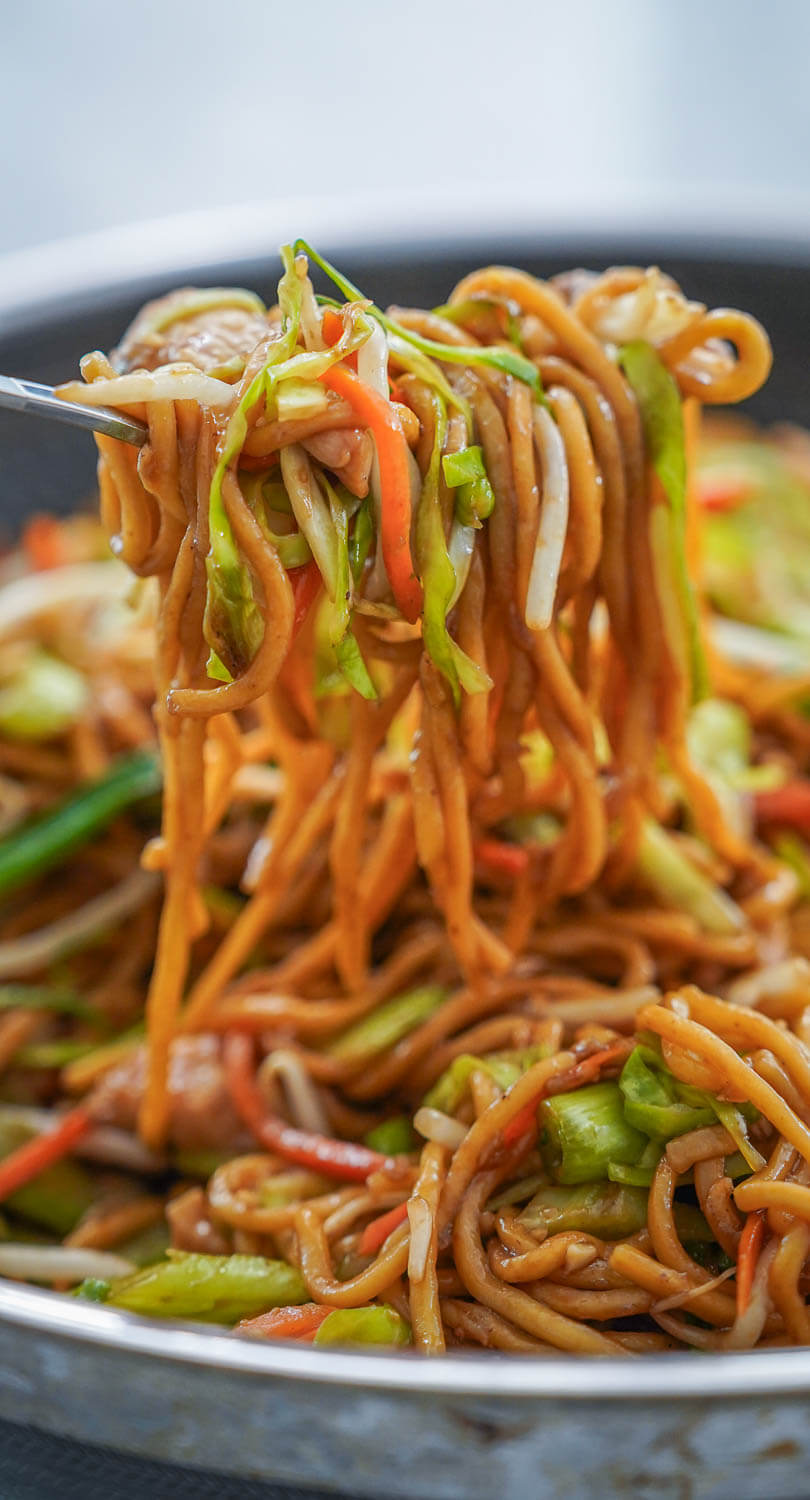
Chicken Chow Mein is a Chinese stir fried noodle dish made with marinated chicken, fresh vegetables, and chow mein noodles tossed in a hot wok with a savory soy and oyster sauce. I like to marinate the chicken first because it keeps the meat tender and gives it good flavor.
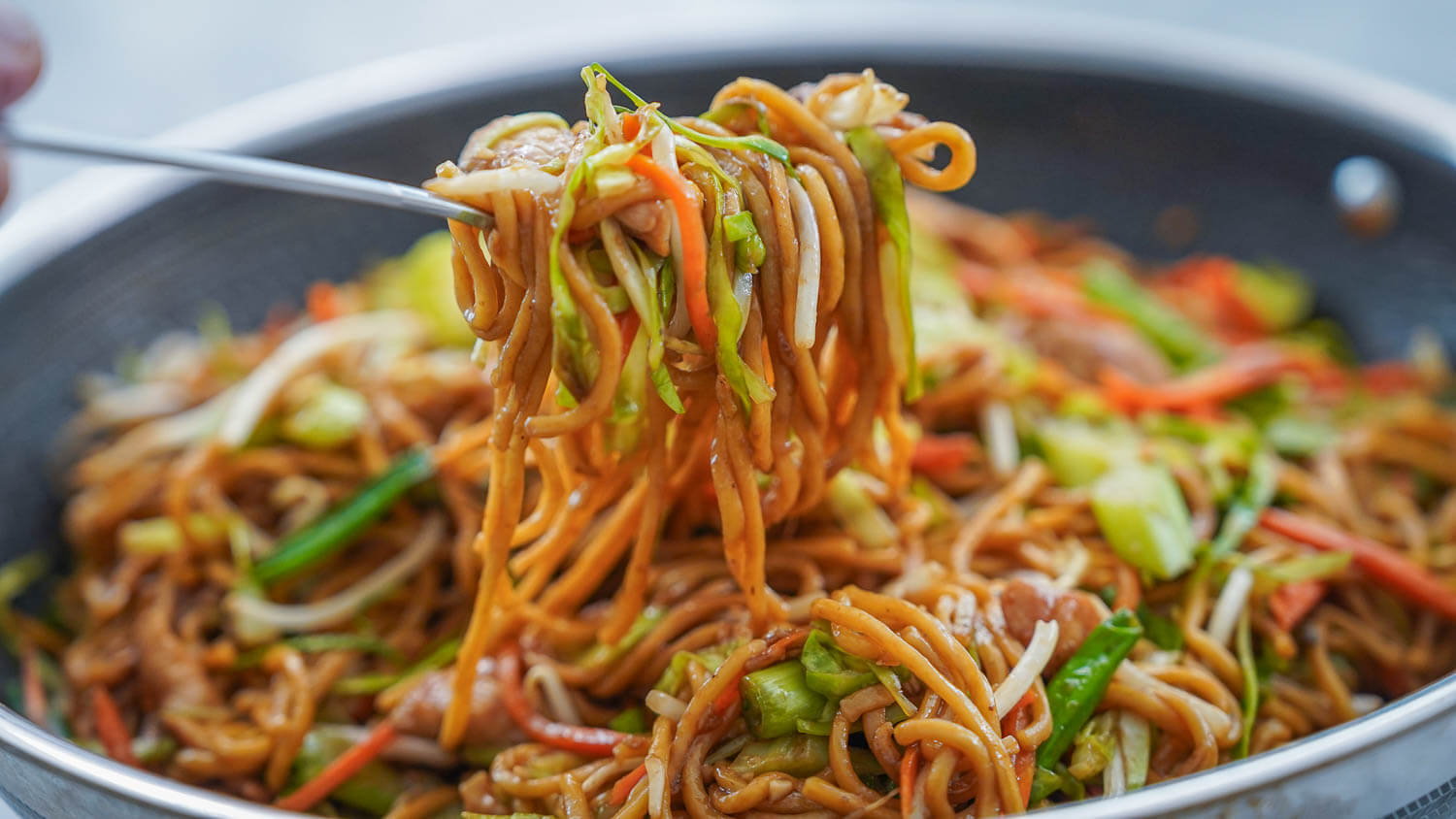
The noodles only need a quick blanch before they go into the wok. After that, I let them fry in the oil for a bit before adding the sauce. This small step makes a big difference. It gives the noodles better texture and makes the dish taste closer to the chow mein we enjoy from restaurants. I have tried many homemade versions over the years, and this is the part that really helps bring everything together.
I started making this when I was living in Chicago. There was a small Chinese restaurant near our place, and I used to order from them almost every week. After a while, I thought, why not try making it at home?
The sauce was easy to put together. The noodles were also simple once I treated chow mein the right way (differently than lo mein). It is not just about tossing the noodles in sauce. The noodles need to fry a little in the wok so they get better texture and flavor. The kids enjoy noodles, and this is also a good way to use whatever vegetables we have in the fridge.
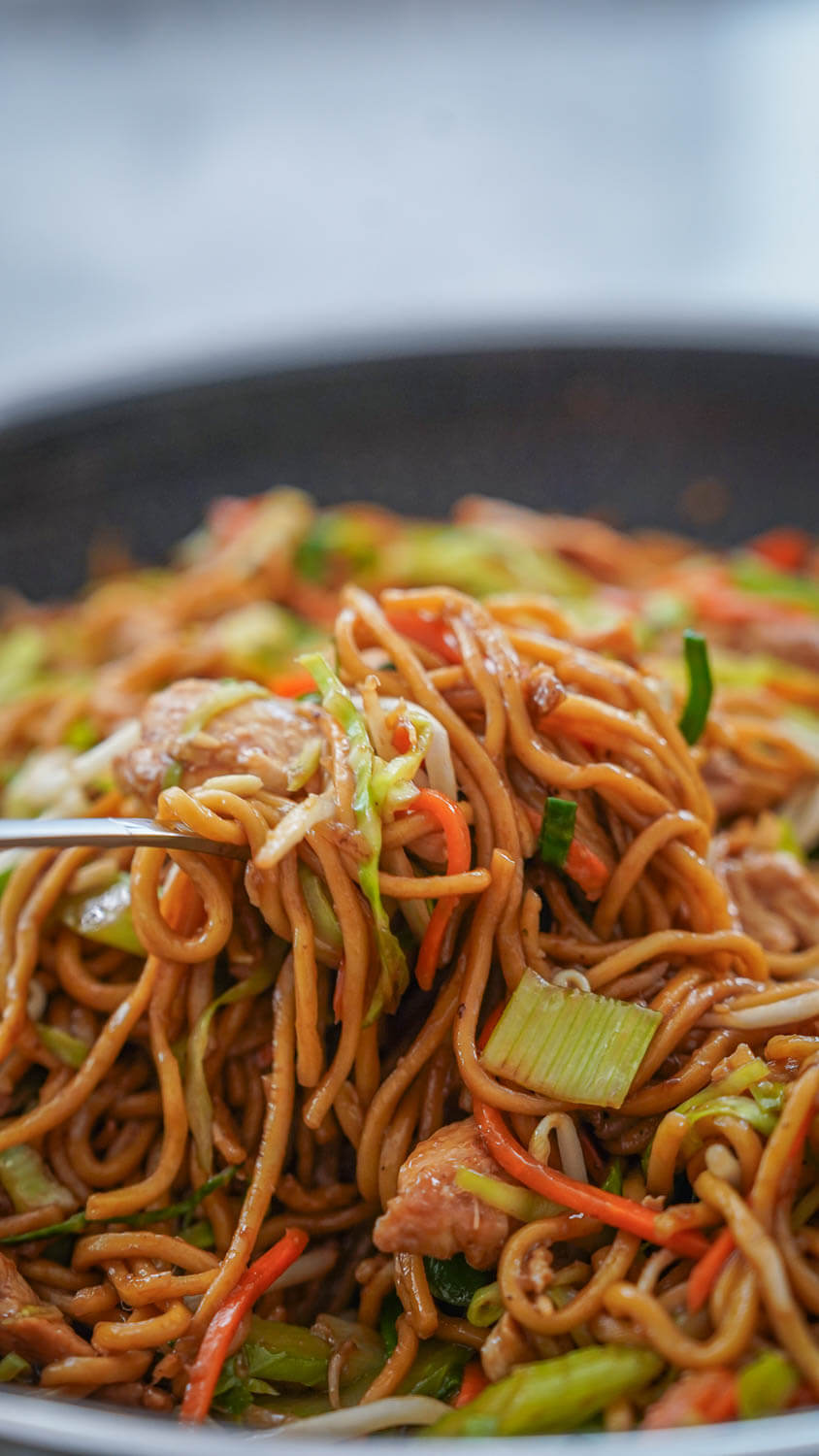
You should end up with tender chicken, crisp vegetables, and noodles with a little color and chew. Just make sure everything is sliced and ready before you start cooking. Once the wok gets hot, everything moves fast.
What is Chicken Chow Mein?
Chicken Chow Mein is a Cantonese stir fried noodle dish made with thin egg noodles, marinated chicken, fresh vegetables, and a savory soy and oyster sauce. The name says it. “Chow” means fried, “mein” means noodles.
The dish came out of Cantonese kitchens in southern China and traveled with Chinese immigrants to nearly every part of the world. In the United States it landed on every Chinese American takeout menu. There are a few styles. Hong Kong style fries the noodles into a crispy cake first, then a saucy stir fry goes on top. The version I am sharing here fries the noodles right in the wok with the oil, then everything tosses together. The noodles pick up a little color and crunch from the oil before the sauce coats them.
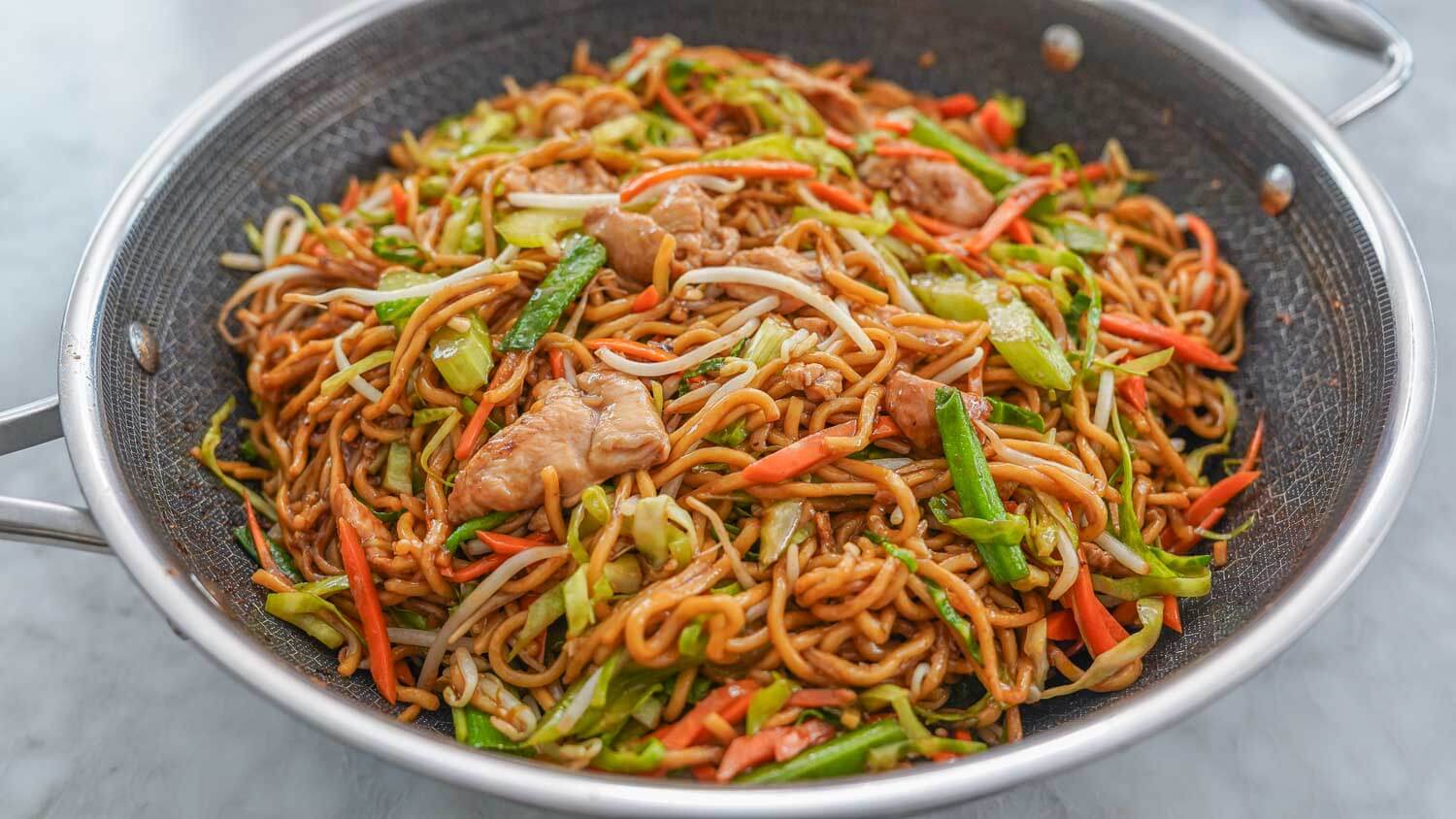
Chow mein is also related to pancit canton. They are related, but each one has its own taste and way of cooking. Pancit canton uses snap peas, cabbage, and sometimes Chinese sausage, with calamansi at the end. Chow mein keeps to cabbage and bean sprouts.
Why This Chicken Chow Mein Recipe Works
A few things make a real difference here.
- The noodles fry, they do not just toss – After the blanch, they hit hot oil and sit untouched for 30 seconds. This is what gives them a little color and chew instead of staying soft.
- Cornstarch and oil in the chicken marinade – The cornstarch coats the chicken and helps it stay tender, especially when the wok gets very hot. The oil keeps the slices from sticking together.
- Shaoxing wine – Shaoxing wine gives the sauce that flavor I remember from Chinese restaurants. Without it, something is always missing.
- Light and dark soy together – Light soy gives the sauce most of its saltiness. A small amount of dark soy is for color and a deeper note. Using only one is why a lot of homemade versions look pale.
- Cooking in stages – Chicken first, vegetables second, noodles third. Then everything comes back together at the end. Putting it all in at once steams the food.
Ingredients
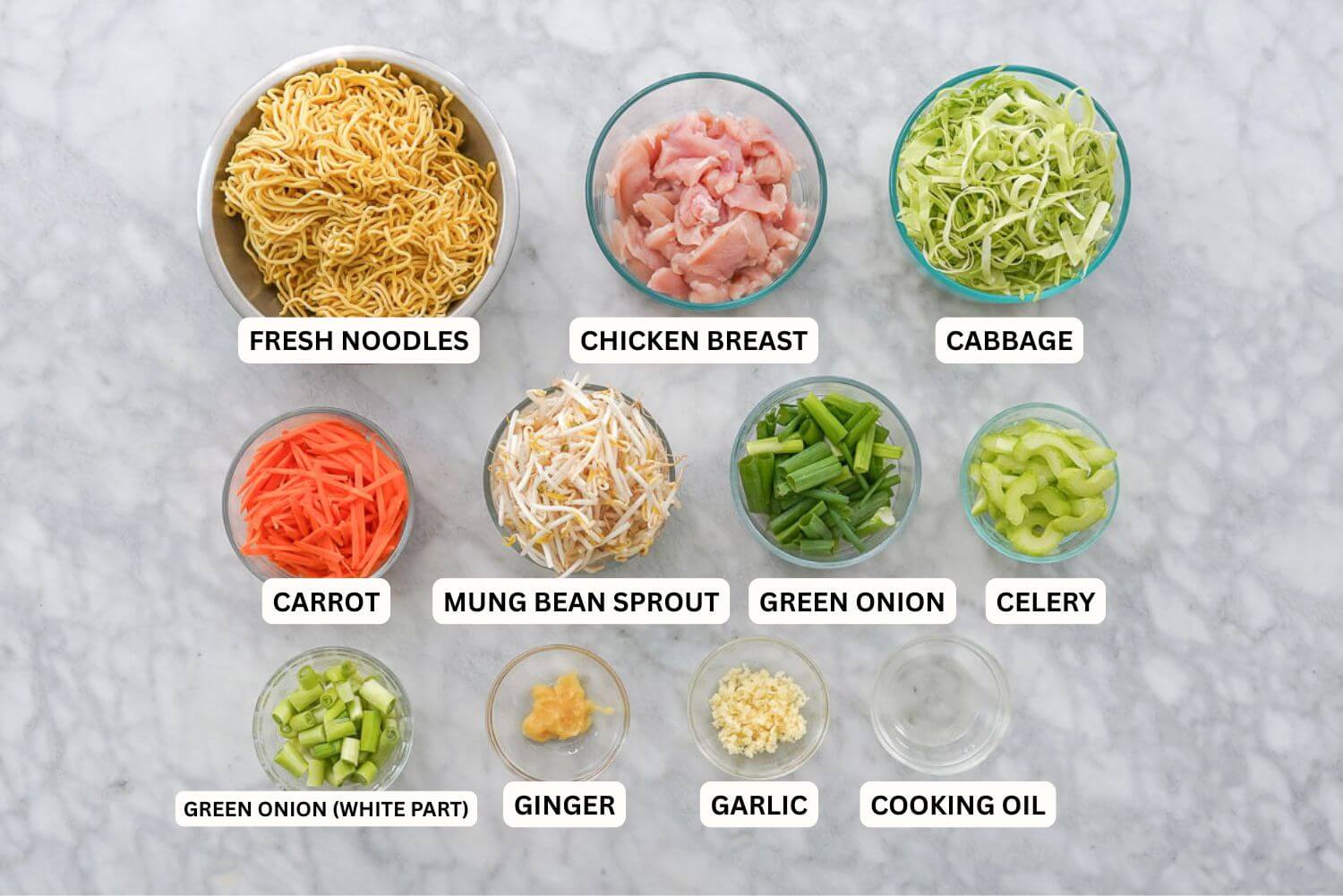
- Fresh chow mein noodles – Thin yellow egg noodles from the refrigerated section of an Asian grocery store.
- Green cabbage – Shredded thin.
- Carrot – Julienned.
- Celery – Sliced on the diagonal.
- Green onions – 2 inch pieces. White and green parts separated.
- Garlic – Minced.
- Ginger – Grated, fresh.
- Bean sprouts – Add these last so they stay crunchy.
- Vegetable oil – Used in batches.
- Sesame oil – A finishing drizzle.
- Salt – To taste at the end.
Chicken Marinade Ingredients:
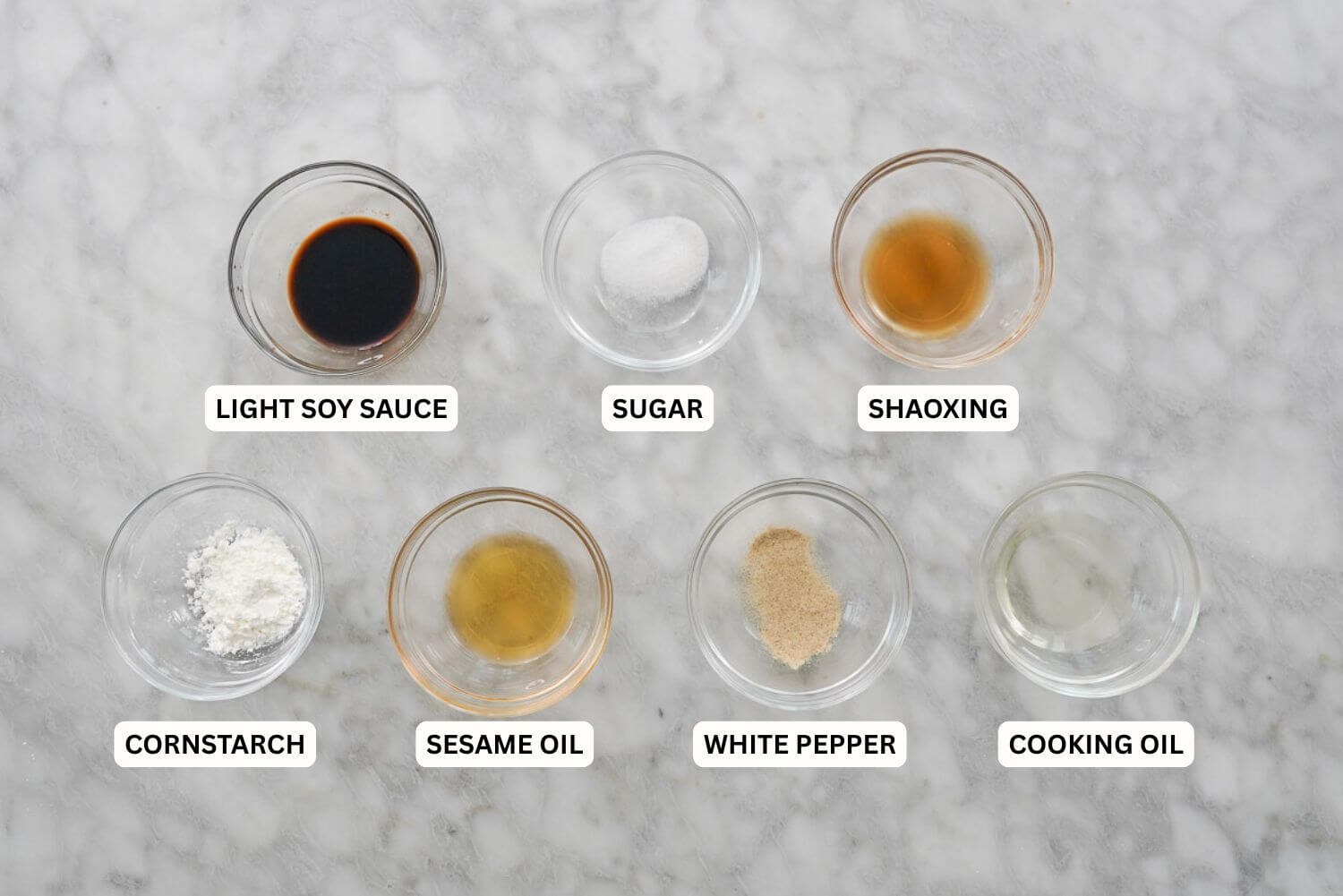
- Chicken breast – Boneless skinless, sliced thin against the grain.
- Light soy sauce – Seasons the chicken from the inside.
- Shaoxing wine – Chinese rice wine. Rounds out the marinade.
- Cornstarch – Coats each slice so the chicken stays juicy.
- Sesame oil – Toasted, just a little.
- Sugar – A pinch.
- White pepper – Cleaner than black pepper. Standard in Chinese cooking.
- Vegetable oil – Helps the slices separate when they hit the wok.
Sauce Ingredients:
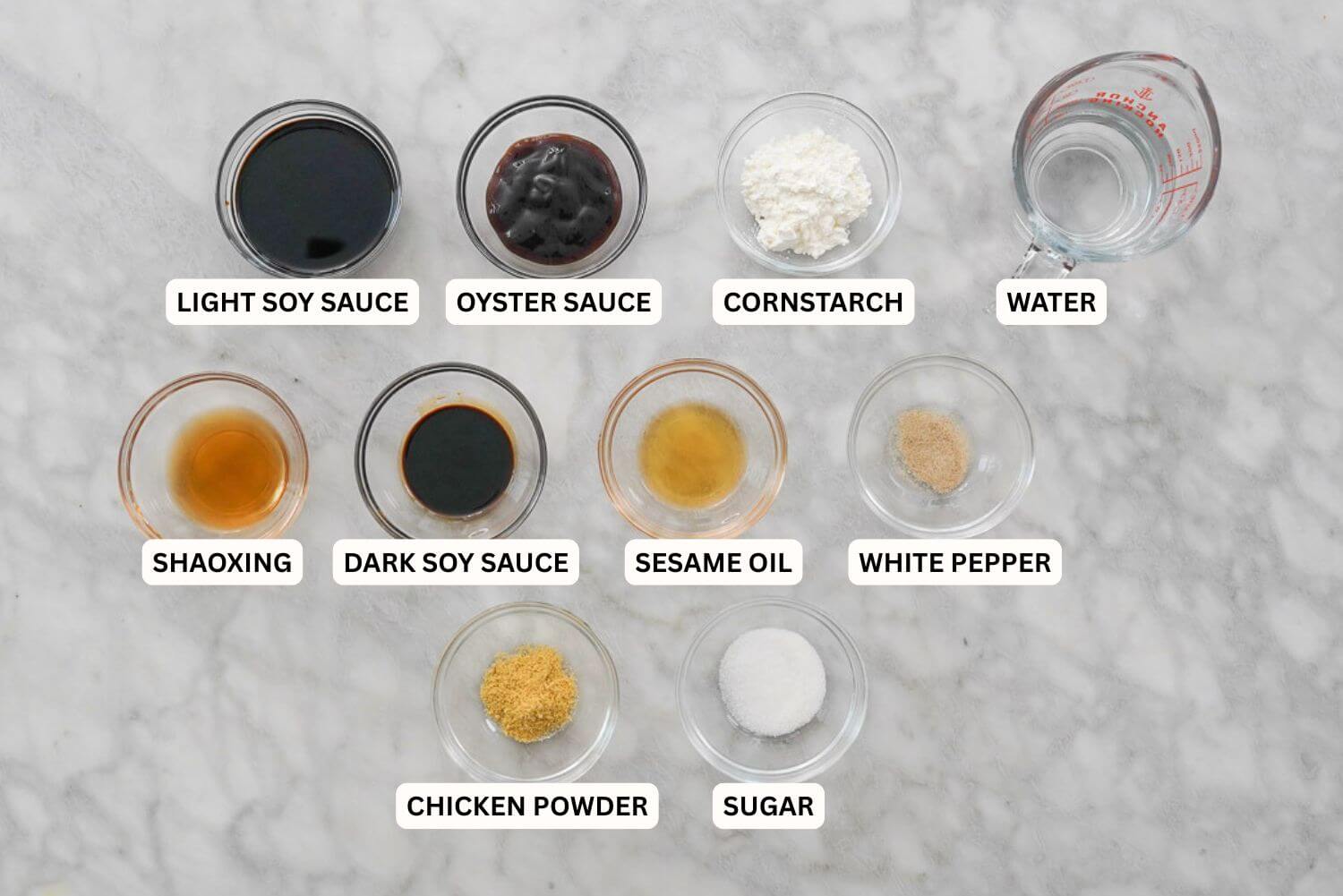
- Light soy sauce – Gives the sauce most of its saltiness.
- Oyster sauce – Thick and slightly sweet. Adds depth.
- Shaoxing wine – That Chinese restaurant flavor.
- Dark soy sauce – Mostly for color. You only need a small amount.
- Sesame oil – For aroma.
- Sugar – Balances the salt.
- Chicken powder – Boosts the savory taste. Bouillon works too.
- Cornstarch – Thickens the sauce so it coats the noodles.
- Water – Loosens the sauce so it has volume.
- White pepper – A pinch.
Vanjo’s Advice
A few things I always do when I make this at home.
- Spread the noodles flat in the oil and wait. Add the noodles, spread them out, and leave them alone for the first 30 seconds. If you start tossing right away, the bottom layer never picks up any color and the noodles end up soft. The wait is what gives chow mein its texture.
- Slice the chicken when it is half frozen. Pop the breast in the freezer for about 20 minutes before slicing. The slices come out thinner and more even, which gives you better control once everything moves fast in the wok.
- Use whatever vegetables are in the fridge. Cabbage, carrot, and celery are the usual mix. But if I have bell pepper, snow peas, or bok choy, those go in too. Put the harder vegetables in earlier and the softer ones later so everything finishes at the same time.
- Always keep Shaoxing wine in the pantry. Without it, the sauce loses that flavor I remember from Chinese restaurants. Dry sherry is the closest substitute if you really cannot find Shaoxing.
- Taste the sauce before pouring it in. Soy sauce brands are not the same. Some are saltier, some are sweeter. I dip a spoon in before it goes in the wok. A little extra sugar or a splash more water adjusts it quickly.
How to Cook Chicken Chow Mein
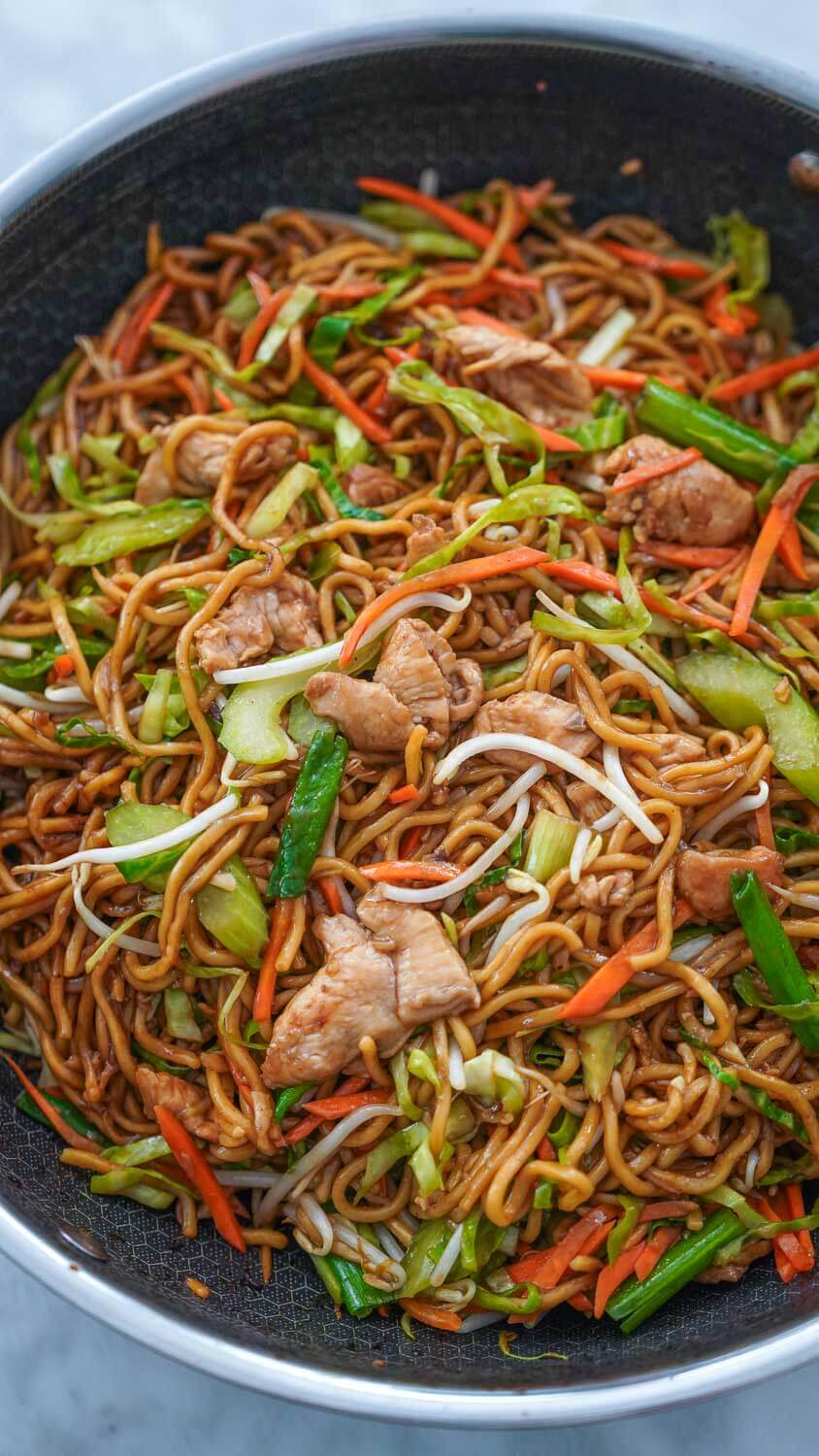
This goes faster than it looks. About 30 minutes from start to finish.
Marinate the Chicken
- Slice the chicken breast thin against the grain. Place it in a bowl.
- Add the light soy sauce, Shaoxing wine, cornstarch, sesame oil, sugar, white pepper, and vegetable oil.
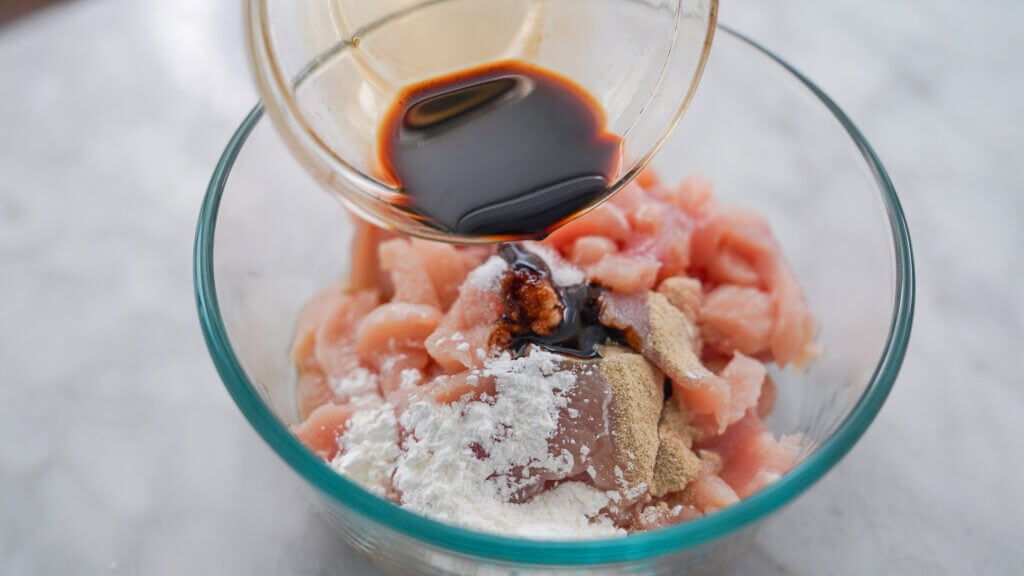
- Mix until the chicken absorbs the marinade.
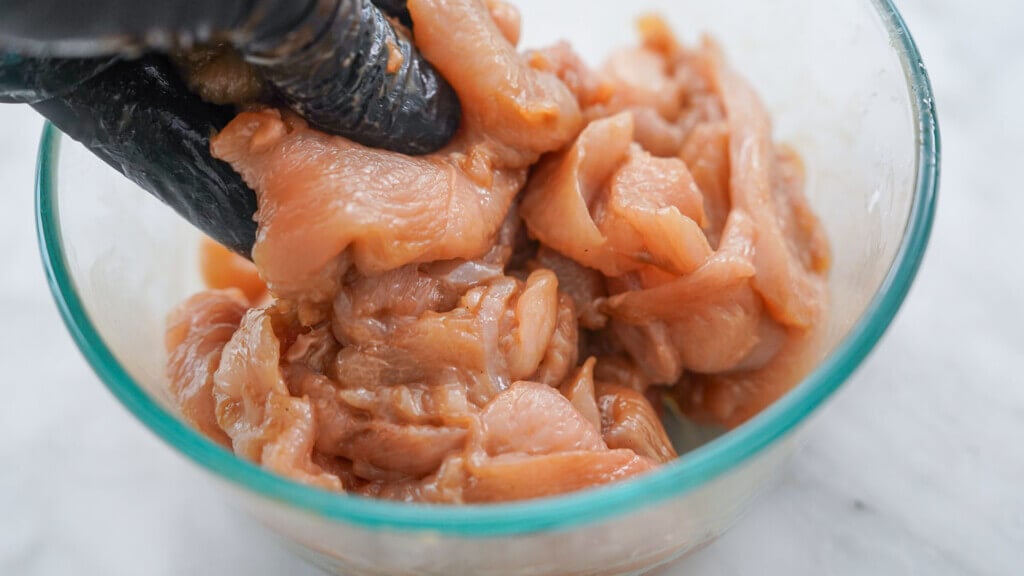
- Let it sit for 15 to 20 minutes while you prep everything else.
Make the Sauce
- Combine chicken powder, sugar, and white pepper in a bowl. Mix well.
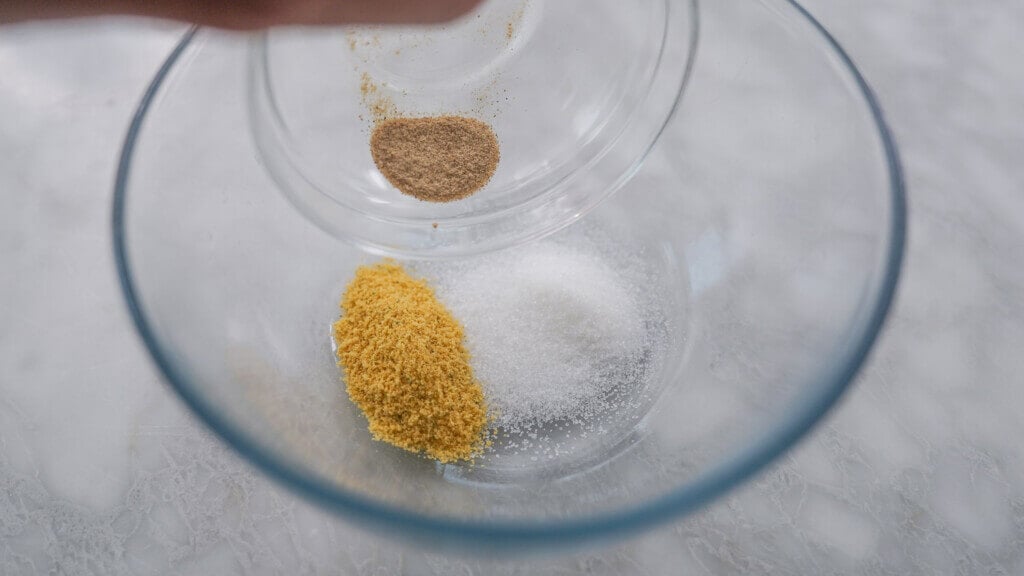
- Add light soy sauce, oyster sauce, Shaoxing wine, dark soy sauce, sesame oil, and water. Stir
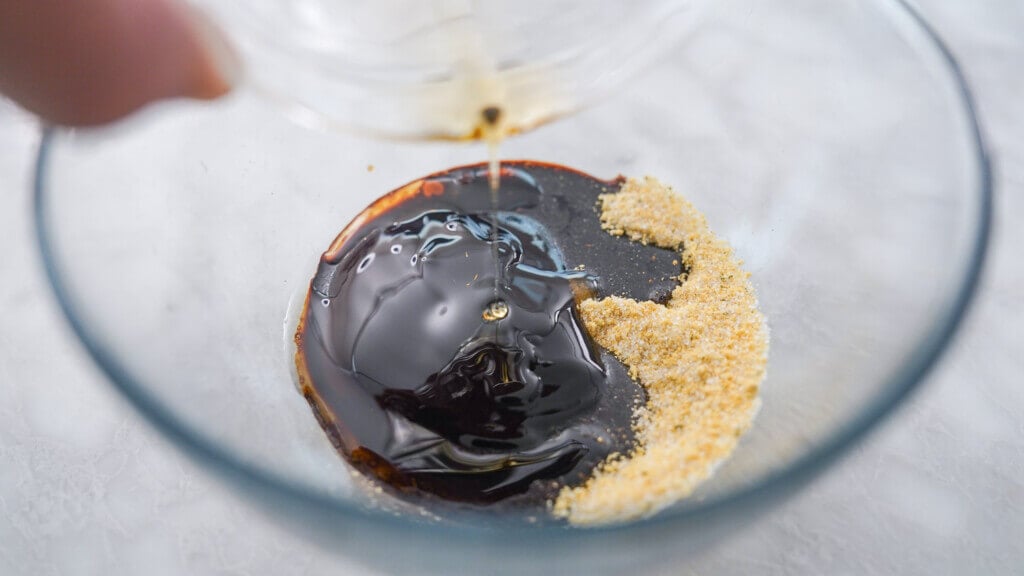
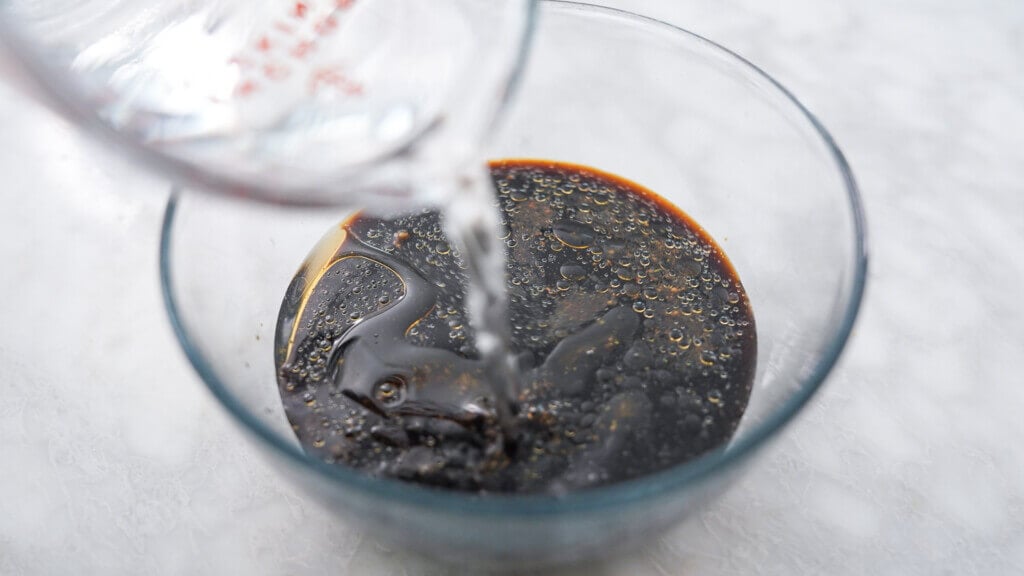
- Add the cornstarch.
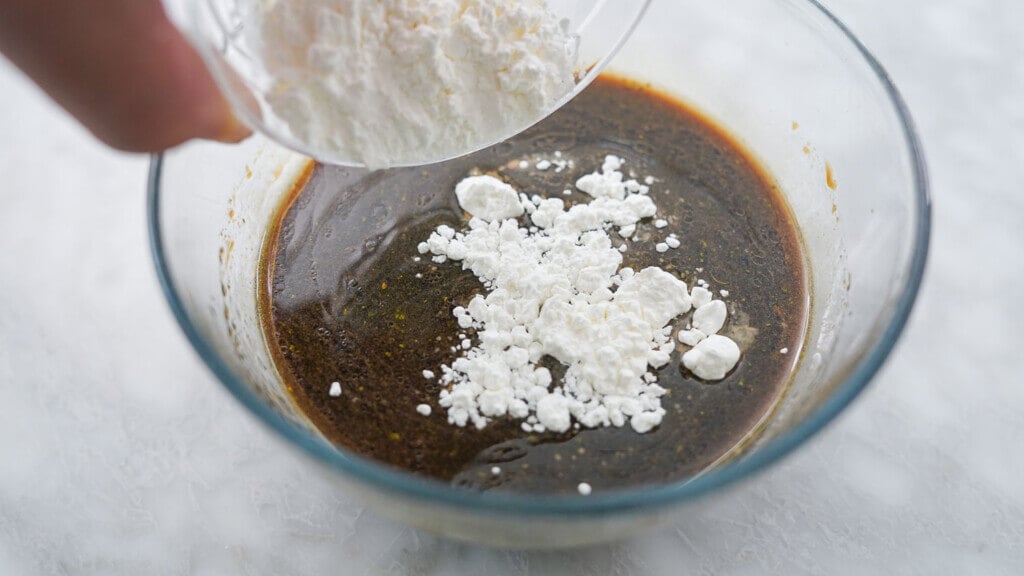
- Stir until smooth and set aside.
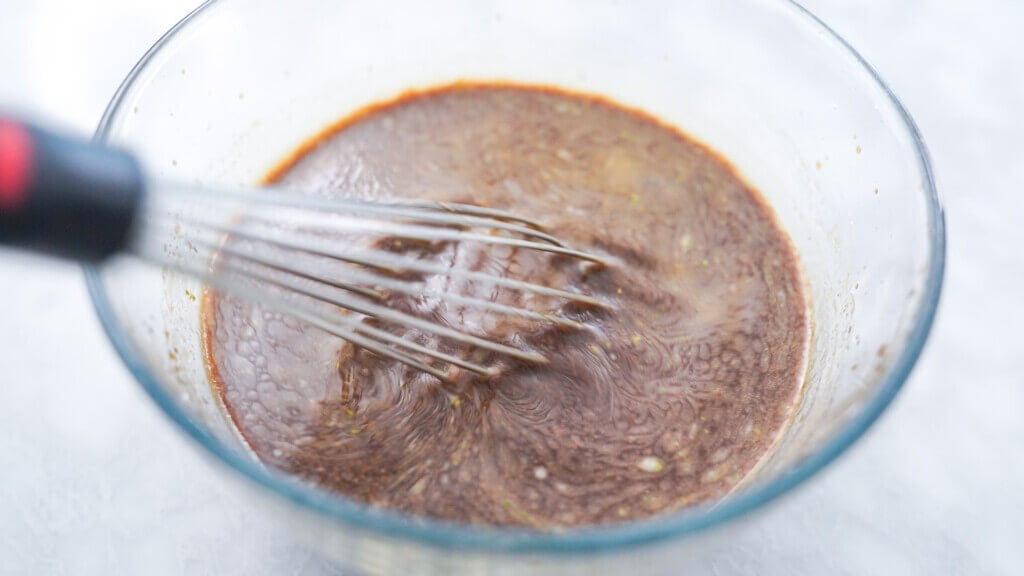
Make sure no cornstarch lumps remain. The sauce should pour easily off a spoon.
Prepare the Noodles
- Boil water in a large pot.
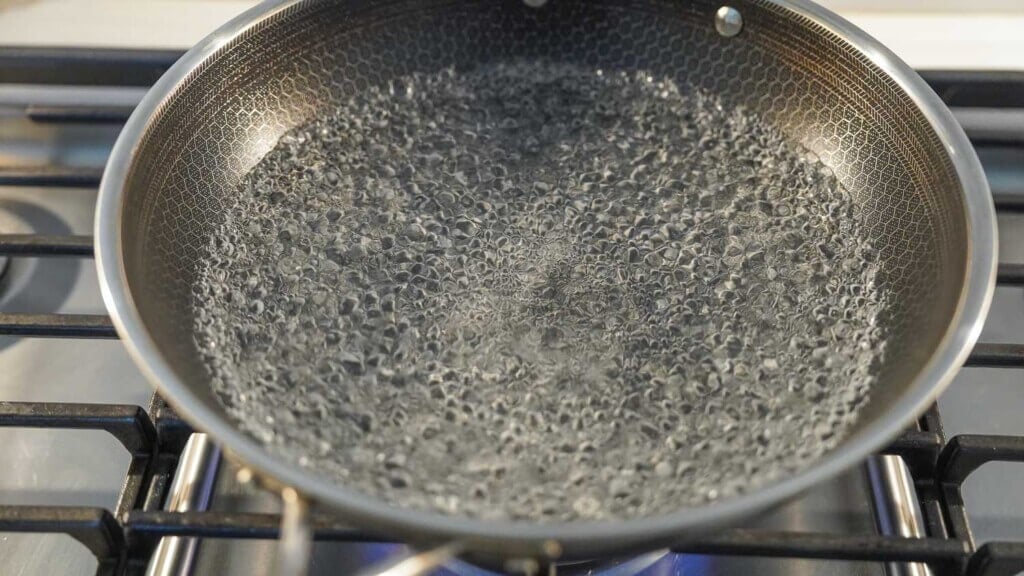
- Add the chow mein noodles and blanch for 30 to 40 seconds, just until the strands loosen.
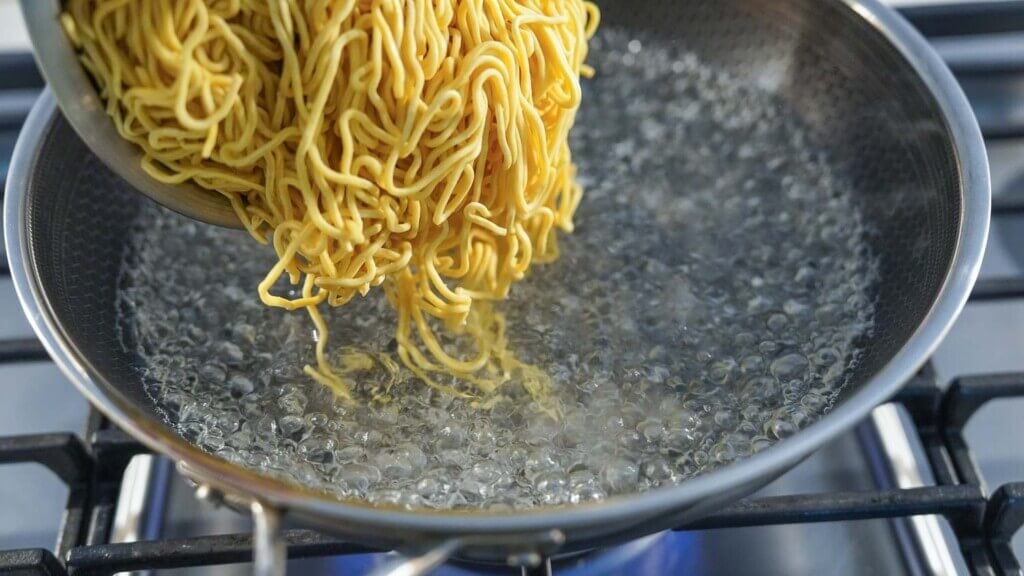
- Drain right away and rinse with cold water.
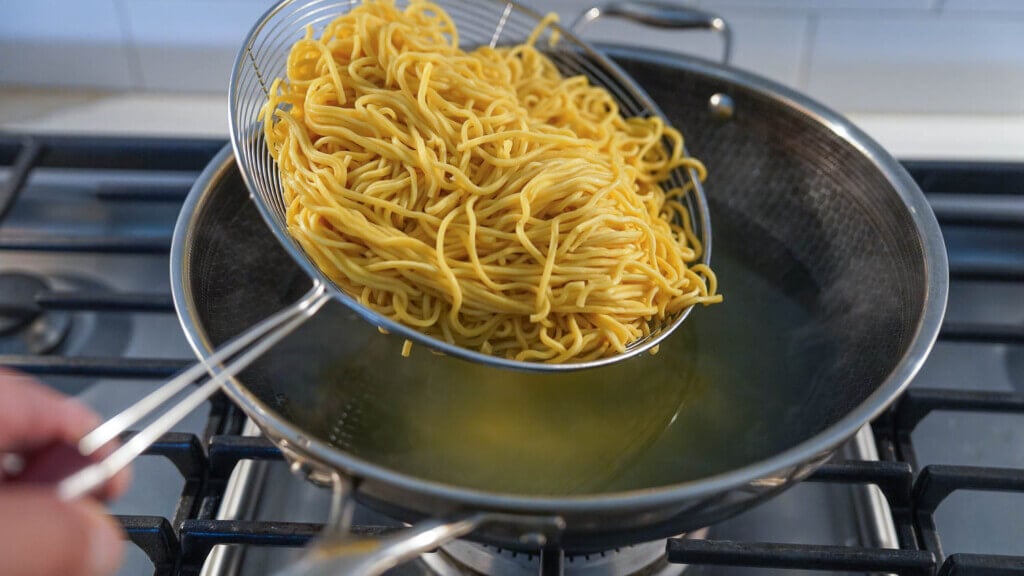
- Shake off the excess water and pat the noodles dry with paper towels. Set aside.
The blanch is just to loosen the strands. The cooking happens later in the wok with the oil. Drier noodles fry better.
Sear the Chicken
- Heat a wok or large pan over high heat. Add 1 tablespoon cooking oil.
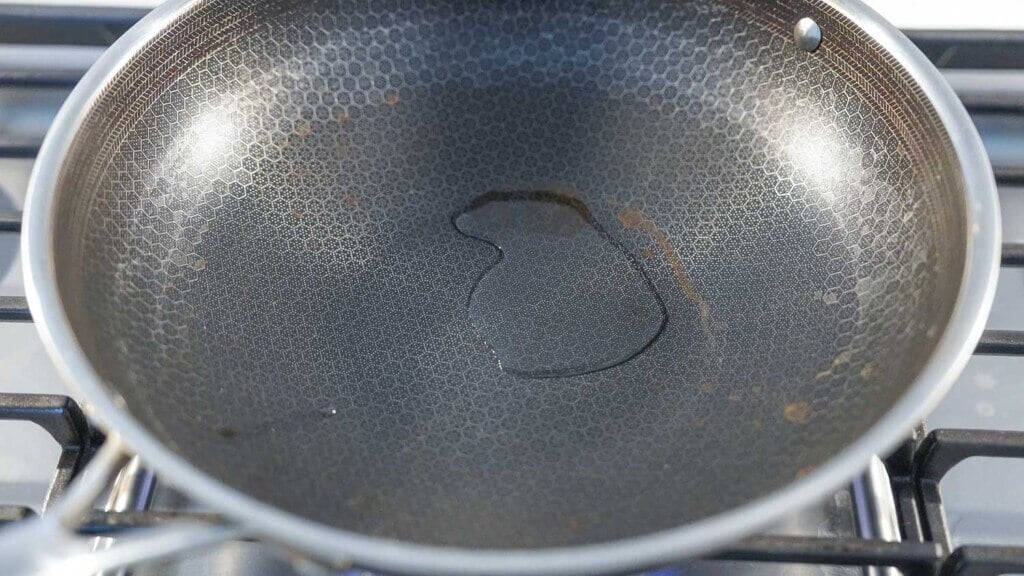
- Arrange the chicken in a single layer and let it sear for 1 minute without stirring.
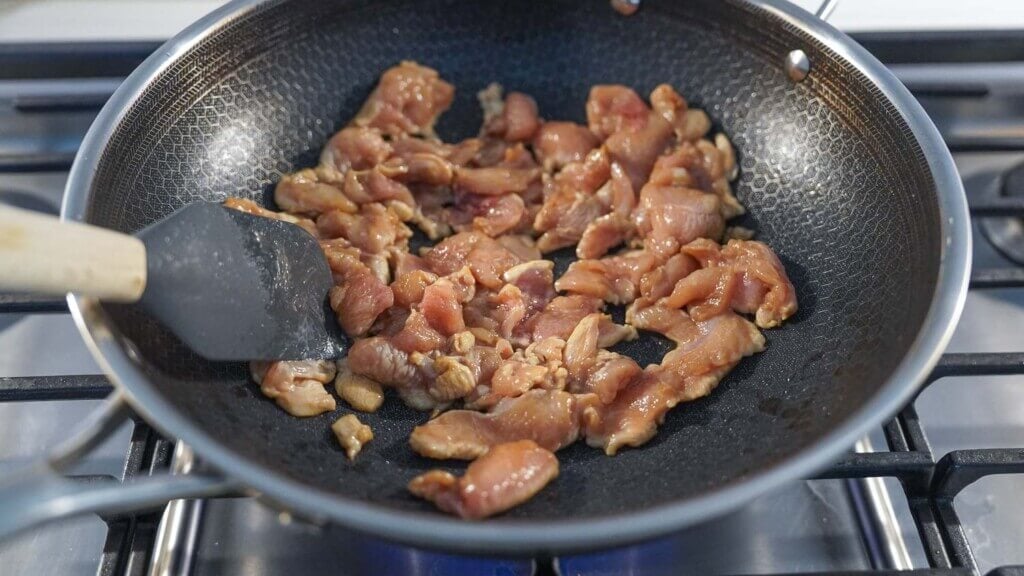
- Stir fry for 1 to 2 minutes until the chicken lightly browns and is almost cooked through.
- Add the garlic, ginger, and white parts of the green onions. Stir fry for 15 to 20 seconds until fragrant.
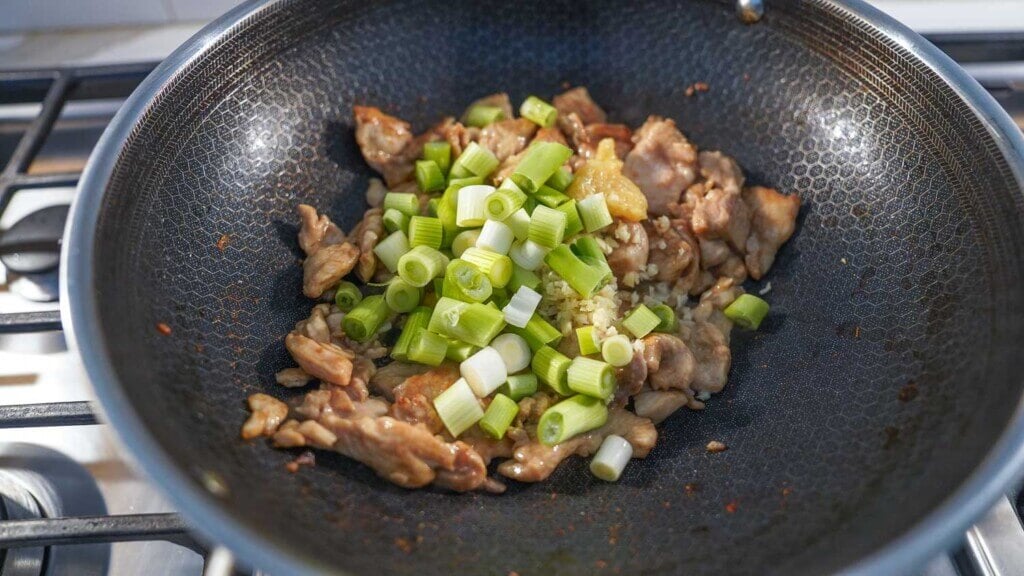
Letting the chicken sit untouched for that first minute is what gives it color. Stirring too early just steams it.
Stir Fry the Aromatics and Vegetables
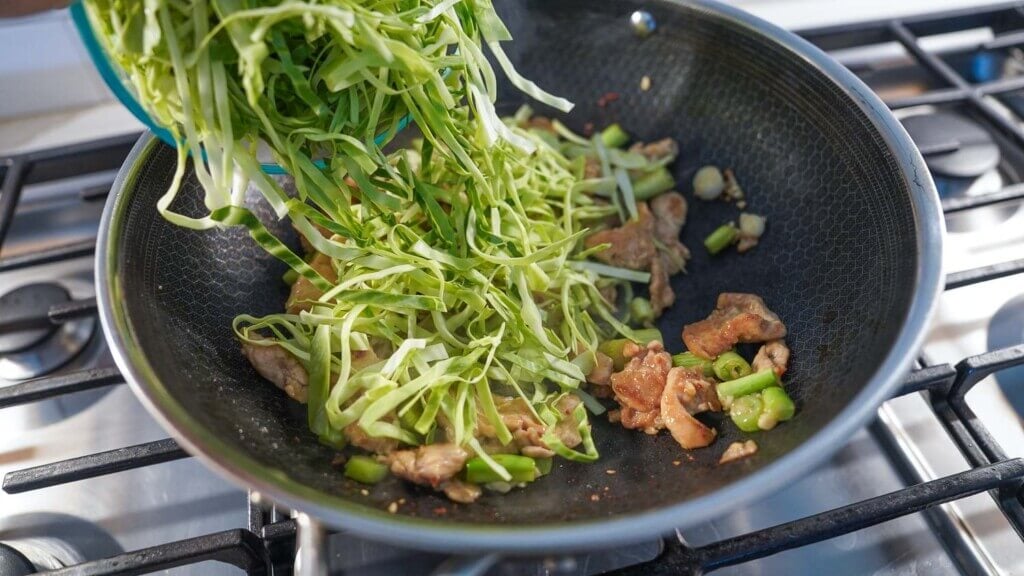
- Add the cabbage, carrot, and celery. Stir fry for about 2 minutes until crisp but slightly tender.
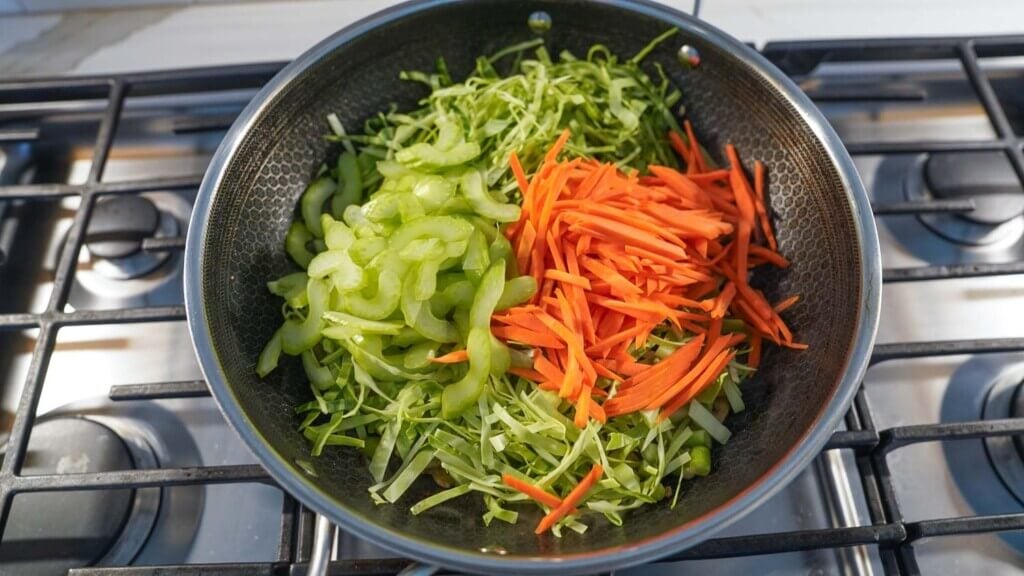
- Remove the vegetables and chicken.
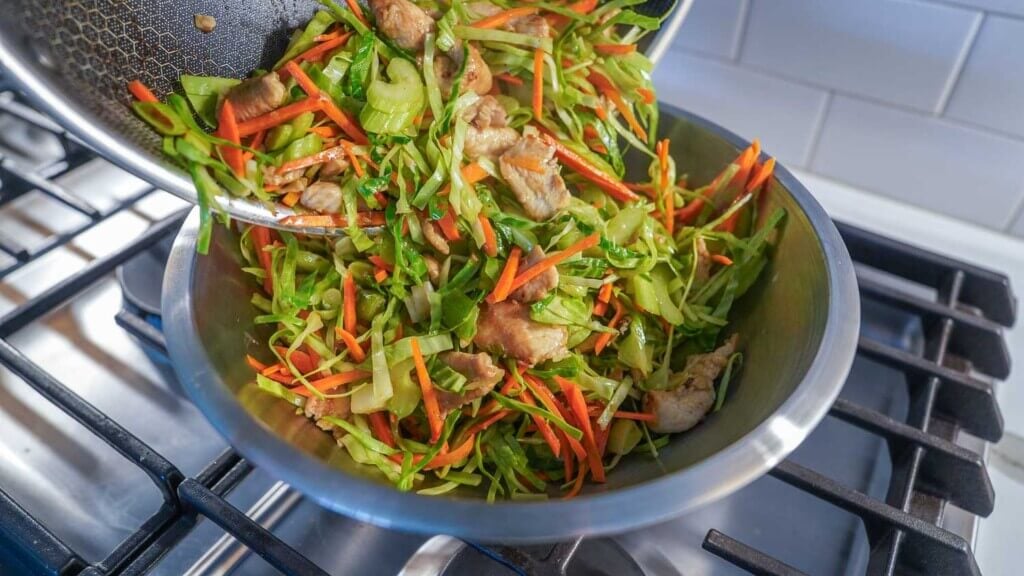
- Keep the wok hot for the noodles.
Pulling the vegetables out keeps them from going soft when the noodles and sauce go in. They finish cooking when everything comes back together.
Fry the Noodles and Combine
- Pour the remaining cooking oil into the pan. Add the noodles and spread them out flat. Let them cook untouched for 30 seconds. Then stir fry for another 1 to 2 minutes so they pick up color from the oil.
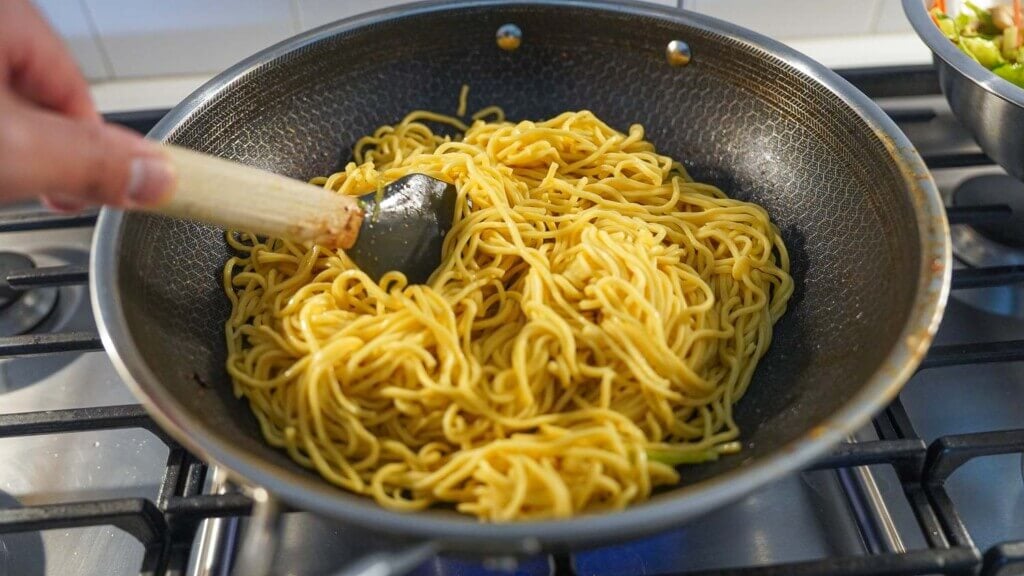
- Stir the sauce again to recombine, then pour it over the noodles.
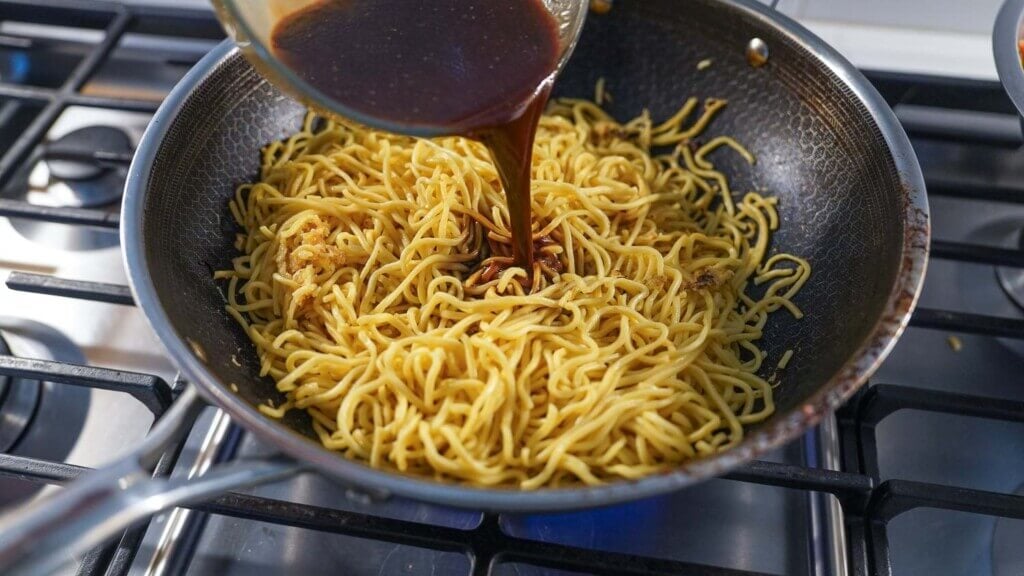
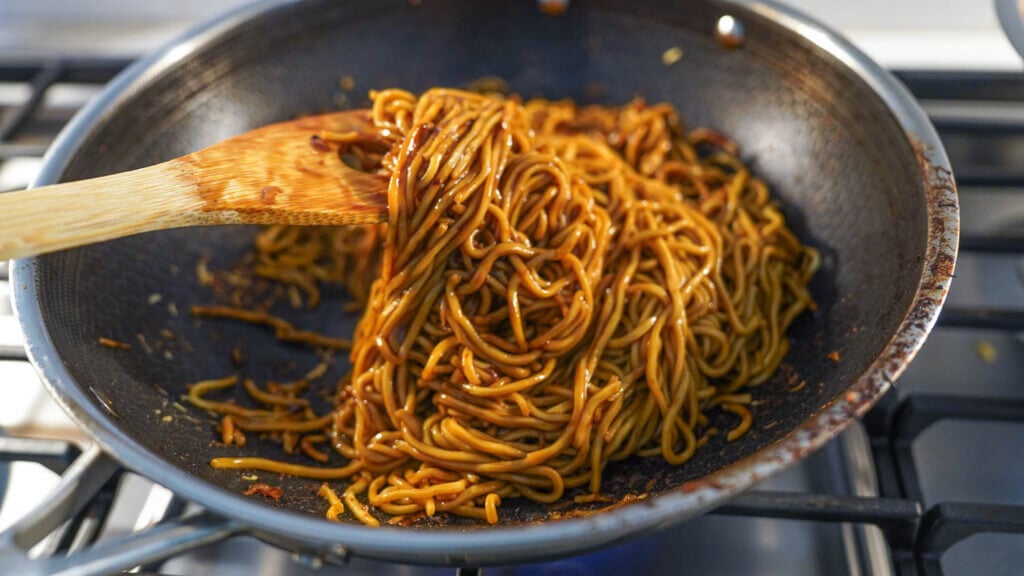
- Toss until the noodles are evenly coated.
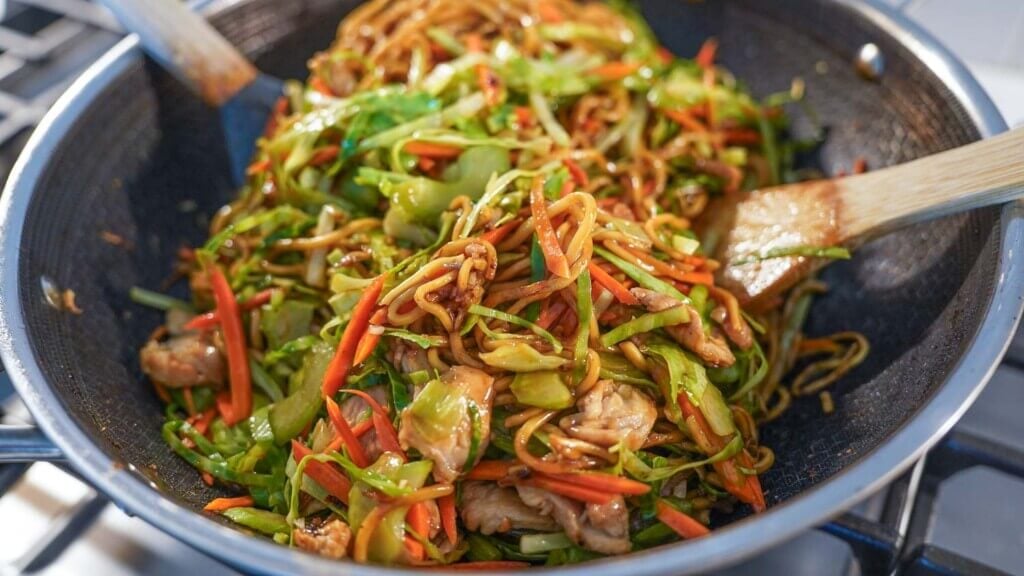
- Put the chicken and vegetables back in.
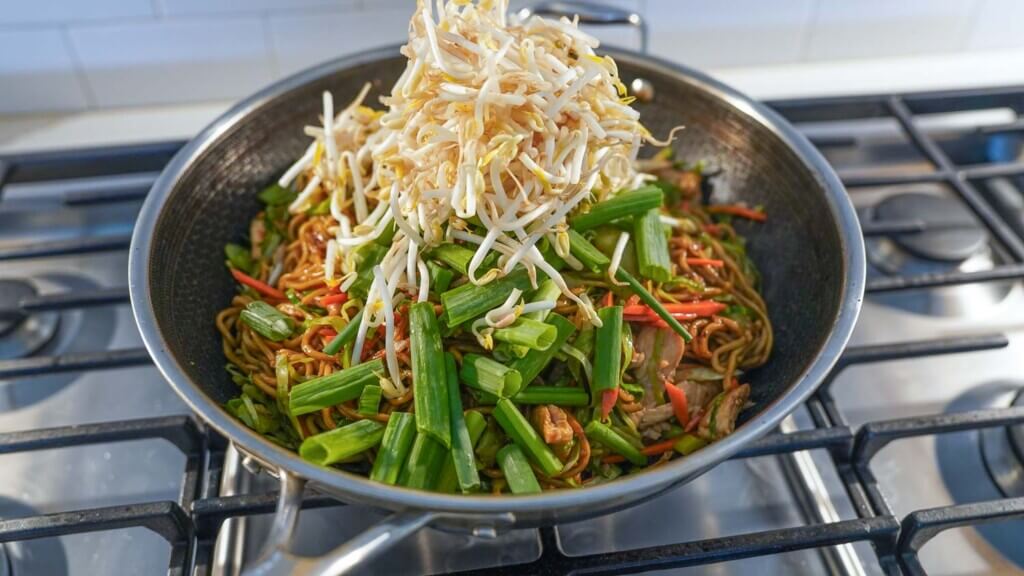
- Add the green parts of the green onions and the bean sprouts. Toss everything for about 1 minute, just until the bean sprouts heat through.
- Turn off the heat. Add salt to taste, then transfer to a serving plate.
The bean sprouts go in at the very end so they keep their crunch.
Pro Tips
- Get the wok smoking hot – High heat is what fries the noodles instead of softening them.
- Cook in batches if your pan is small – A 12 inch pan is the minimum. Crowding drops the temperature.
- Stir the sauce right before pouring – Cornstarch settles fast.
- Use tongs for the noodles – Spatulas break the strands.
- Serve right away – The noodles keep absorbing sauce as they sit.
What to Serve with Chicken Chow Mein
- Steamed white rice – Soaks up any sauce that pools on the plate.
- Yang Chow Fried Rice – Goes well alongside if you want a bigger spread.
- Hot and sour soup – Cuts the richness of the noodles.
- Orange Chicken – Sweet and tangy. Pairs well as a second main.
- Spring rolls or lumpia – The crunch is a nice contrast.
- Chili oil or sriracha – Set a small dish on the table for anyone who wants heat.
Storage
This Chicken Chow Mein stores well if you have any leftovers, though in my experience it rarely lasts long.
- Refrigerator: Cool completely. Transfer to an airtight container and refrigerate for up to 3 days.
- Freezer: I do not freeze this. The bean sprouts and cabbage turn watery when thawed. If you have to, leave the bean sprouts out and freeze the rest for up to 1 month in a sealed container.
- Reheating: A skillet or wok over medium heat with a splash of water or chicken stock. The microwave makes the noodles rubbery. The stovetop brings them back.
More Asian Noodle and Stir Fry Recipes
- Pan Fried Noodles with Beef and Veggies – Hong Kong style with the noodles fried into a crispy cake before the topping goes on.
- Crispy Noodles – Deep fried egg noodles with a thick savory sauce poured on top.
- Beef with Broccoli Lo Mein – The tossed noodle version. Soft and saucy.
- Chop Suey – A vegetable stir fry from the same Chinese American tradition.
- Asian Chicken Stir Fry – Same wok technique, no noodles.
- Chicken and Baby Corn Stir Fry – Another quick stir fry with a similar sauce.
Substitutions
- Chicken breast – Chicken thighs work well. It is juicier too.
- Fresh chow mein noodles – Dried chow mein noodles, yakisoba, or even spaghetti cooked al dente. Just dry them well so they fry instead of steam.
- Shaoxing wine – Dry sherry is closest. Mirin works but is sweeter.
- Oyster sauce – Hoisin sauce works but leans sweet. Mushroom oyster sauce for a vegetarian version.
- Vegetables – Whatever you have. Bell pepper, snow peas, bok choy, mushrooms, broccoli, napa cabbage. Harder ones go in earlier, softer ones later.
- Chicken powder – Bouillon, or chicken broth in place of some of the water.
Frequently Asked Questions
What is the difference between chow mein and lo mein?
It comes down to how the noodles are cooked. Chow mein noodles get fried in oil so they pick up some color and a little chew. Lo mein noodles are boiled and then tossed with sauce, so they stay soft. The names actually tell you. “Chow” means fried and “lo” means tossed.
Can I use chicken thighs instead of chicken breast?
Yes. Chicken thighs work well. Slice them thin against the grain just like you would the breast.
What kind of noodles work best for chicken chow mein?
Fresh thin yellow egg noodles labeled chow mein or pan fried noodles. You can find them in the refrigerated section of Asian grocery stores. If those are not available, use dried chow mein noodles, yakisoba, or thin spaghetti cooked al dente. Keep them slightly underdone before they hit the wok so they have room to fry.
Do I need a wok to make chicken chow mein?
You do not need one, but it helps. A 12 inch nonstick or carbon steel skillet works fine, especially on an electric or induction stove. The technique stays the same. Just make sure the pan is big enough to spread the noodles out without piling them up.
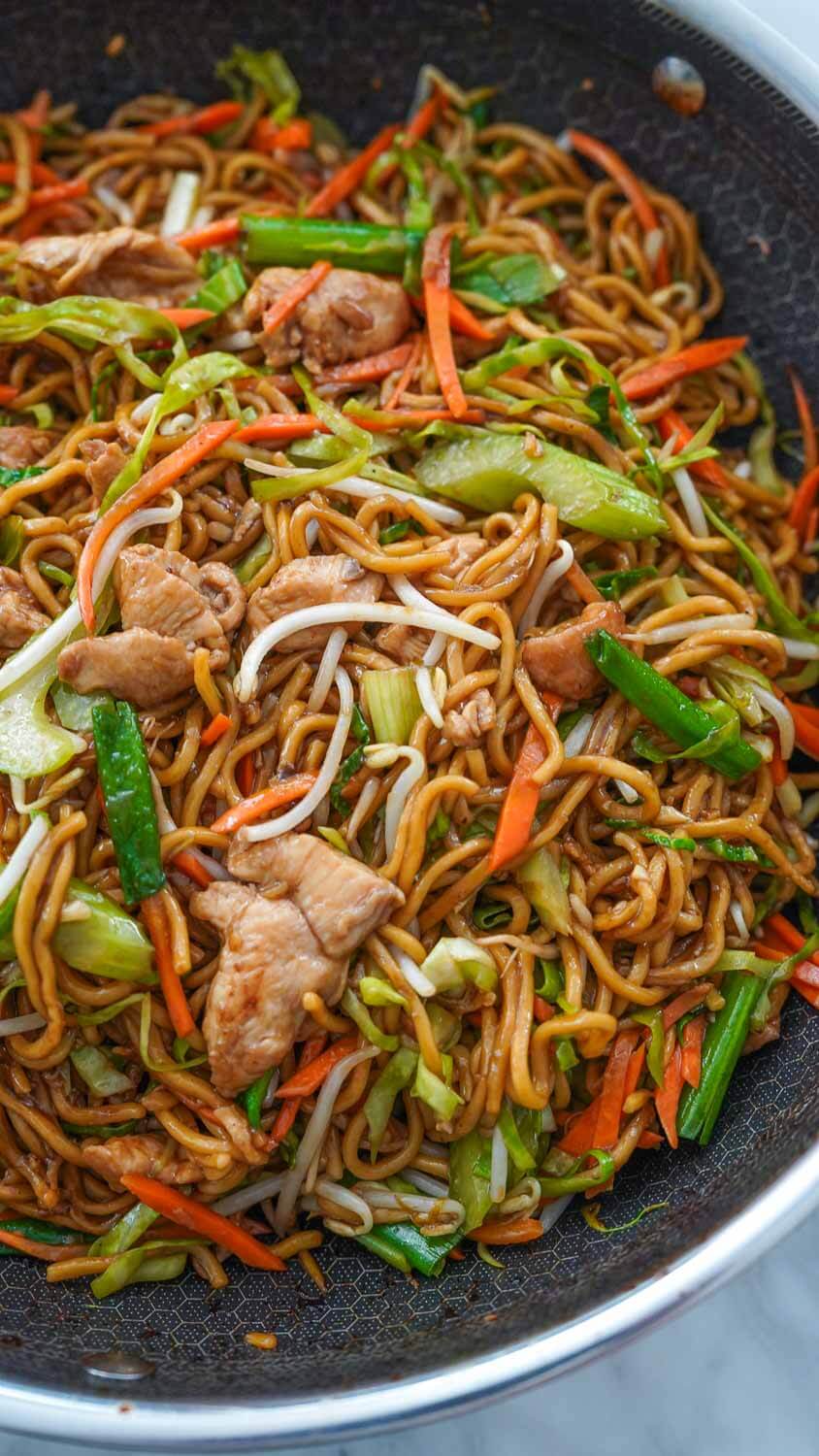
This is one of my favorite weeknight dinners, and I hope it becomes one of yours too. The kids really enjoy it, and I love that I can use whatever vegetables we have on hand. Once you get a feel for the noodle frying step, you will see how much of a difference it makes. Give this Chicken Chow Mein recipe a try and let me know how it turned out for you.
Did you make this? If you snap a photo, please be sure tag us on Instagram at @panlasangpinoy or hashtag #panlasangpinoy so we can see your creations!
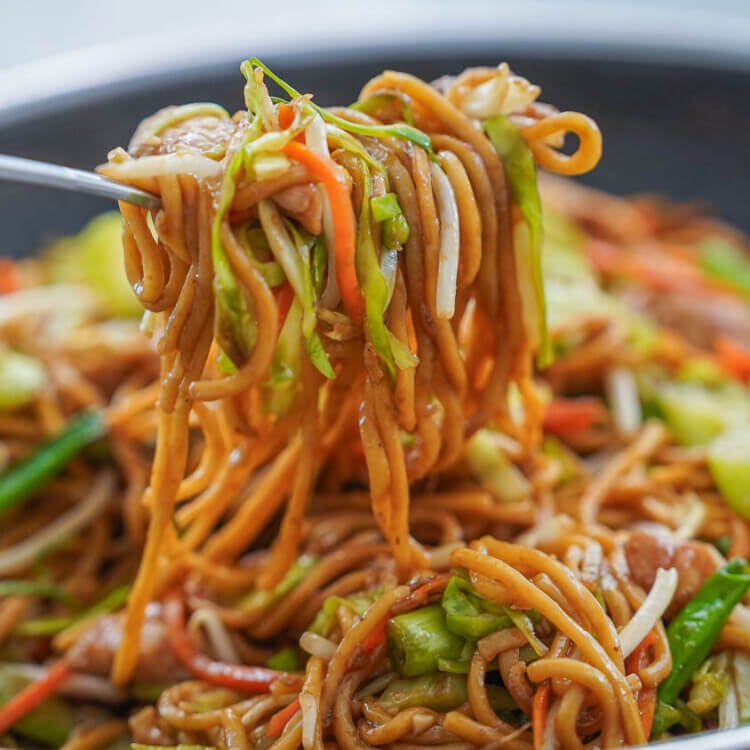
Chicken Chow Mein
Ingredients
- 1 lb boneless skinless chicken breast thinly sliced against the grain
- 1 teaspoon light soy sauce
- 1 teaspoon Shaoxing wine
- 1 teaspoon cornstarch
- 0.5 teaspoon sesame oil
- 0.25 teaspoon granulated white sugar
- 0.25 teaspoon ground white pepper
- 1 teaspoon vegetable oil
- 4 tablespoons light soy sauce
- 2 tablespoons oyster sauce
- 1 tablespoon Shaoxing wine
- 0.5 tablespoon dark soy sauce
- 1 teaspoon sesame oil
- 1.5 teaspoons granulated white sugar
- 1 teaspoon chicken powder bouillon works as a substitute
- 2.5 teaspoons cornstarch
- 0.66 cup water
- 0.25 teaspoon ground white pepper
- 16 oz fresh chow mein noodles
- 3 cups green cabbage shredded
- 1 piece medium carrot julienned
- 2 stalks celery sliced diagonally
- 4 pieces green onions cut into 2 inch pieces, white and green parts separated
- 3 cloves garlic minced
- 1 tablespoon fresh ginger grated
- 1.25 cups bean sprouts
- 4 tablespoons vegetable oil
- 0.5 teaspoon sesame oil
- Salt to taste
Equipment
- 1 Wok or large pan A 12 inch carbon steel wok or nonstick pan works best for high heat stir frying.
Instructions
- Combine the chicken, light soy sauce, Shaoxing wine, cornstarch, sesame oil, sugar, white pepper, and vegetable oil in a bowl. Mix well until the chicken absorbs the marinade. Let it sit for 15 to 20 minutes while you prepare the rest of the ingredients.1 lb boneless skinless chicken breast, 1 teaspoon light soy sauce, 1 teaspoon Shaoxing wine, 1 teaspoon cornstarch, 0.5 teaspoon sesame oil, 0.25 teaspoon granulated white sugar, 0.25 teaspoon ground white pepper, 1 teaspoon vegetable oil
- Make the sauce by combining the light soy sauce, oyster sauce, Shaoxing wine, dark soy sauce, sesame oil, sugar, chicken powder, cornstarch, water, and white pepper in a bowl. Stir until smooth and set it aside.4 tablespoons light soy sauce, 2 tablespoons oyster sauce, 1 tablespoon Shaoxing wine, 0.5 tablespoon dark soy sauce, 1 teaspoon sesame oil, 1.5 teaspoons granulated white sugar, 1 teaspoon chicken powder, 2.5 teaspoons cornstarch, 0.66 cup water, 0.25 teaspoon ground white pepper
- Boil water in a large pot. Add the fresh chow mein noodles and blanch for 30 to 40 seconds, or just until the noodles loosen. Drain right away and rinse quickly with cold water to stop the cooking. Shake off the excess water, then pat the noodles dry with paper towels. Set aside.16 oz fresh chow mein noodles
- Heat a wok or large pan over high heat. Add 1 tablespoon of vegetable oil. Arrange the marinated chicken in a single layer and let it sear for 1 minute without stirring. Stir fry for 1 to 2 minutes, or until the chicken lightly browns and is almost cooked through.4 tablespoons vegetable oil
- Add the garlic, ginger, and white parts of the green onions. Stir fry for 15 to 20 seconds, or until fragrant.4 pieces green onions, 3 cloves garlic, 1 tablespoon fresh ginger, 4 tablespoons vegetable oil
- Add the cabbage, carrot, and celery. Stir fry for about 2 minutes, or until the vegetables are still crisp but slightly tender. Remove the vegetables and chicken from the pan.3 cups green cabbage, 1 piece medium carrot, 2 stalks celery
- Pour the remaining cooking oil into the same wok. Add the noodles and spread them out. Let them cook for 30 seconds before tossing. Continue stir frying for 1 to 2 minutes.16 oz fresh chow mein noodles, 4 tablespoons vegetable oil
- Stir the sauce again before pouring it into the pan. This helps mix the cornstarch that settled at the bottom. Pour the sauce over the noodles and toss to combine until the noodles are coated evenly.
- Return the chicken and vegetables to the wok. Add the green parts of the green onions and the bean sprouts. Toss to combine for about 1 minute, just until the bean sprouts are heated but still crunchy.4 pieces green onions, 1.25 cups bean sprouts
- Turn the heat off. Add salt as needed.0.5 teaspoon sesame oil, Salt to taste
- Transfer to a serving plate. Serve hot. Share and enjoy!
Leave a Comment